On the western edge of Little Rock, a remarkable 105-acre park brings together professional live theater, the largest botanical gardens in central Arkansas, and peaceful woodland trails in one unforgettable destination. Visitors come to enjoy Broadway-style performances, wander through colorful gardens, relax beside Swan Lake, and explore miles of scenic paths, but many leave just as impressed by how seamlessly nature and the arts come together in a single place. It’s the kind of attraction where every visit can feel completely different depending on the season.
The experience extends far beyond the stage. Beautiful Asian and water gardens, an award-winning arboretum, seasonal festivals, accessible walking trails, family-friendly programs, and year-round arts education make it one of Arkansas’ most distinctive attractions. Whether you’re searching for a quiet afternoon outdoors or one of the state’s most unique cultural destinations, it’s easy to understand why visitors happily return again and again.
Here’s why Wildwood Park for the Arts has become one of Arkansas’ premier destinations for nature, performing arts, and unforgettable outdoor experiences.
Where the Address Meets the Arts
Most parks ask you to choose between nature and culture. Wildwood Park for the Arts, located at 20919 Denny Road, Little Rock, AR 72223, never makes you pick one over the other.
Tucked into the Chenal Valley area of western Little Rock, this 105-acre nonprofit property sits comfortably away from the busiest commercial corridors, yet remains just about 15 minutes from many parts of the city.
The park holds a 4.7-star rating across nearly 500 Google reviews, which tells you something real about how people feel once they arrive.
Ample parking is available inside the gates during regular hours, and the grounds are open Monday through Sunday from 7:00 AM to 7:00 PM. Admission to the grounds is free on most days, making it one of the most accessible cultural destinations in the entire state of Arkansas.
The Story Behind the Stage
Before there was a sprawling botanical garden or a network of woodland trails, there was a dream to give the performing arts a permanent home in central Arkansas.
The park’s story begins with founder Ann Chotard, who played a central role in establishing the Arkansas Opera Theatre in 1973. For years, productions traveled from venue to venue without a stable base, and Chotard pushed to change that.
When funding was secured for land in west Little Rock, the vision expanded well beyond opera. Wildwood Park for the Performing Arts officially opened in 1991, with its first Wildwood Festival of Music and the Arts following in 1992.
Chotard served as both executive director and artistic director until her retirement in 2007, steering the park through its most formative years. Lucy Cabe, a celebrated patron of the arts in Arkansas, provided crucial support that made the park’s anchor performance venue a reality.
Inside the 625-Seat Heart of the Park
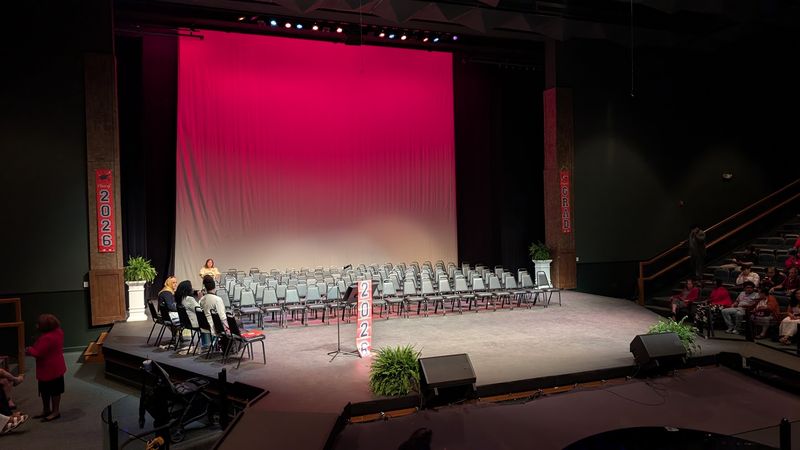
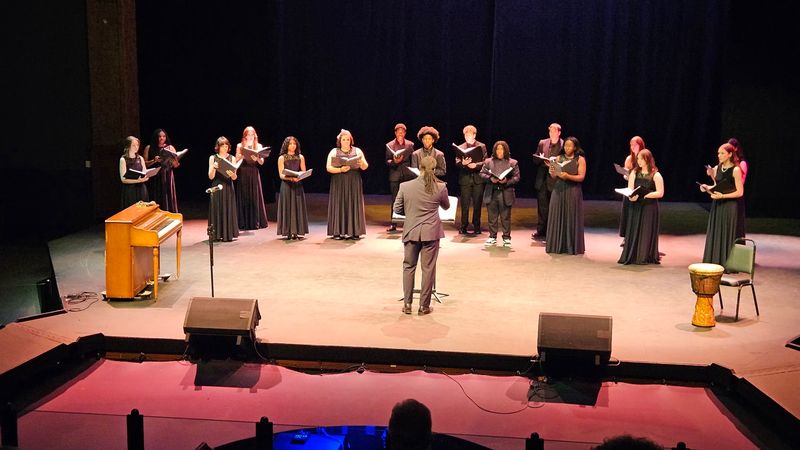
The Lucy Lockett Cabe Festival Theatre is the kind of venue that makes live performance feel intimate even when the house is nearly full.
With 625 seats, clear sightlines from every angle, and crisp acoustics that carry sound cleanly across the room, the theatre has earned a strong reputation among Arkansas performing arts spaces.
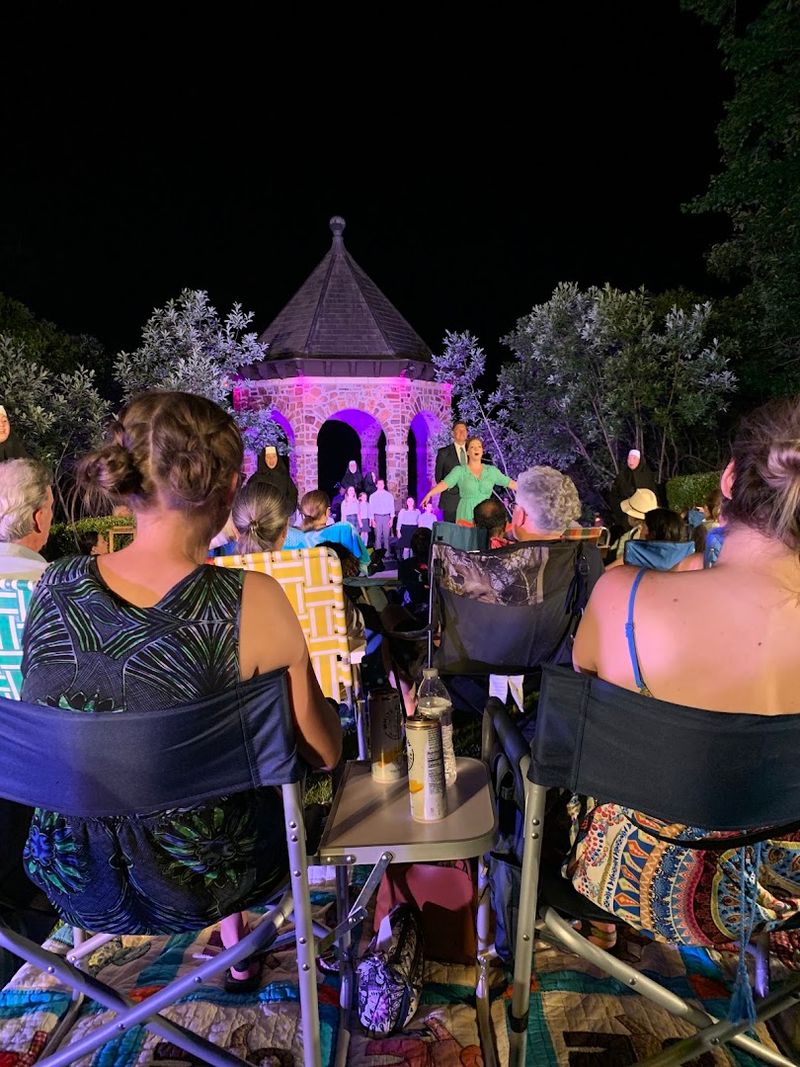
The stage has hosted an impressive roster over the years, including Maya Angelou, Johnny Cash, Marvin Hamlisch, the Preservation Hall Jazz Band, and the Cleo Parker Robinson Dance Ensemble. Productions like “A Little Night Music,” “The Marriage of Figaro,” “Come From Away,” and “Singin’ in the Rain” have all graced this stage.
Beyond the main theatre, the complex includes a studio theatre, production facilities, modern administrative offices, and more than 4,000 square feet of indoor reception areas, studios, and classrooms. The range of programming spans chamber music, singer-songwriters, family theatre, and national touring acts throughout the year.
Central Arkansas’ Largest Botanical Gardens
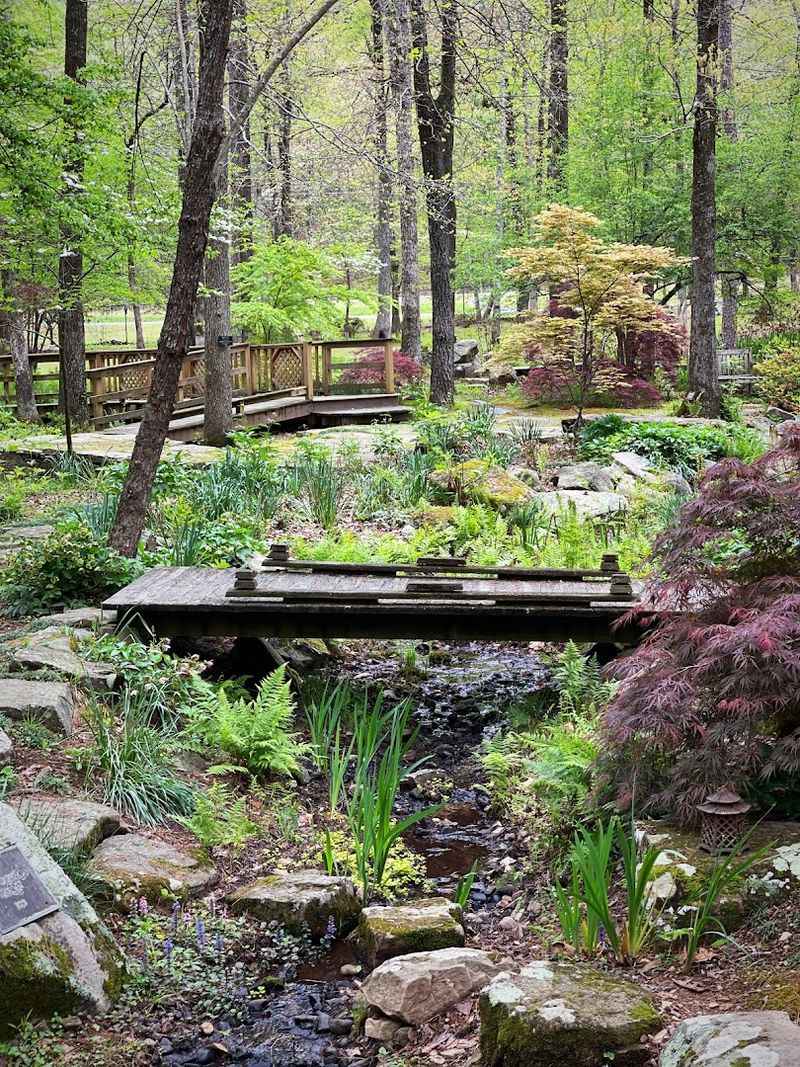
Few places in Arkansas pack this much horticultural variety into a single visit. The botanical gardens at this park hold the title of the largest in central Arkansas, and a walk through them confirms that the label is well earned.
The Richard C. Butler Arboretum alone covers 10 acres of natural woodland, featuring the largest collection of native woodland azaleas in the region, along with daffodils and Louisiana iris that bloom in vivid seasonal waves.
Other standout spaces include the Doris Carre Gay Asian Garden, complete with Asian-inspired decor and a traditional tea house, and the Boop Water Garden, where koi fish circle through splashing pools surrounded by indigenous plantings.
The Earline and Doug Zahn Rock Garden offers a striking contrast, with tall verbena, rudbeckia, and sedum nestled between decorative boulders. Several of these garden spaces were designed by renowned garden and lifestyle designer P. Allen Smith, whose naturalistic touch is visible throughout the grounds.
P. Allen Smith and the Art of Landscape Design
Not every park can say a nationally recognized garden designer shaped its landscape, but Wildwood can. P. Allen Smith, known for his work in garden design and lifestyle media, left a distinctive mark on the park’s horticultural character.
His most notable contribution is the Richard C. Butler Arboretum, a 10-acre masterpiece of gently rolling woodland terrain positioned east of the Lucy Lockett Cabe Festival Theatre and north of Swan Lake. In 1998, Richard Butler enlisted Smith to design this space, and the result is a rich tapestry of native trees, understory azaleas, and lakeside plantings of daffodils and Louisiana iris.
Smith’s philosophy of blending cultivated design with natural settings runs through much of the park’s layout, creating spaces that feel both carefully planned and organically wild at the same time.
His influence helped elevate Wildwood from a performing arts venue with a pretty yard into a genuine destination for people who appreciate landscape architecture as its own art form.
Trails That Take You Somewhere Real
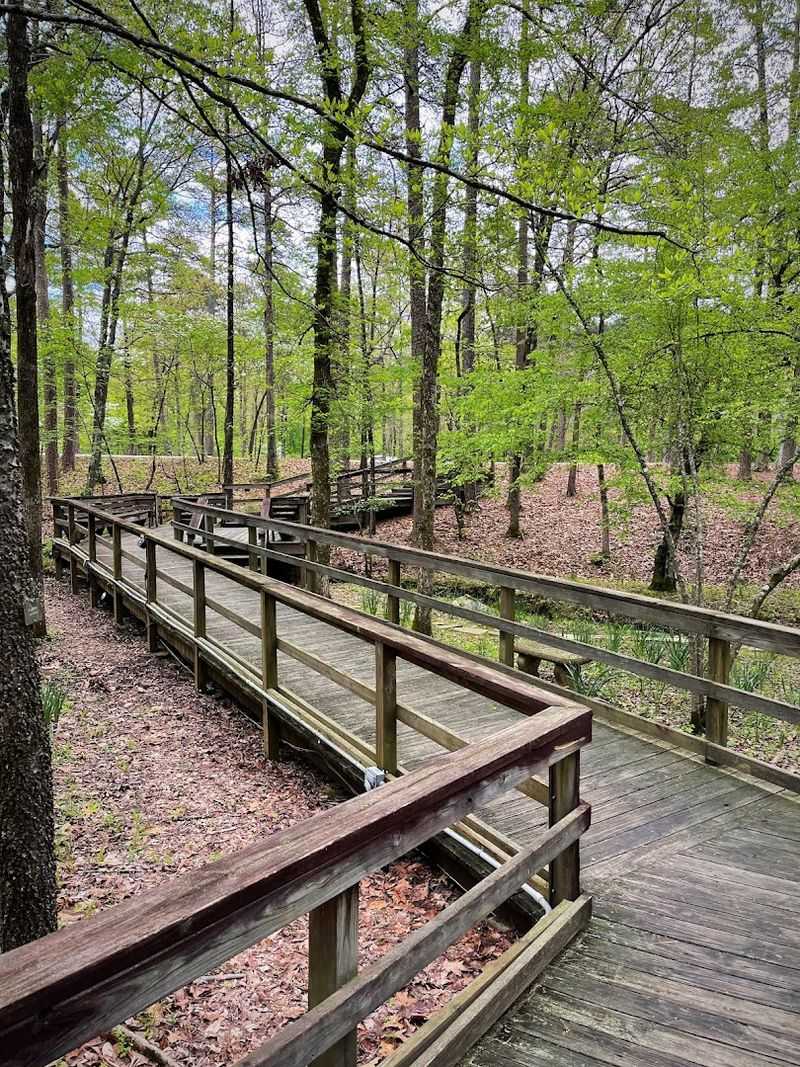
There is something satisfying about a trail system that actually connects to itself. The network of walking paths and woodland trails at this park gives visitors the flexibility to wander for a few minutes or a few miles, depending on the mood.
The WILD 40 Trail is the park’s most substantial hiking route, a 1.9-mile loop south and east of Swan Lake that links into the broader trail system. Free-standing kiosks at the primary entrances provide maps and ecological information, so even first-time visitors can orient themselves quickly.
The half-mile Ruth Allen Dogwood Trail offers a shorter, equally picturesque walk through native dogwood trees that erupt into bloom each spring. Boardwalks thread through several sections of the park, extending the reach of the trail system and adding to the sense of genuine nature immersion.
Paved pathways connect all major areas of the grounds, keeping the experience accessible for visitors with mobility considerations, which is a detail that makes a real difference for many families.
Swan Lake and the Wildlife That Calls It Home
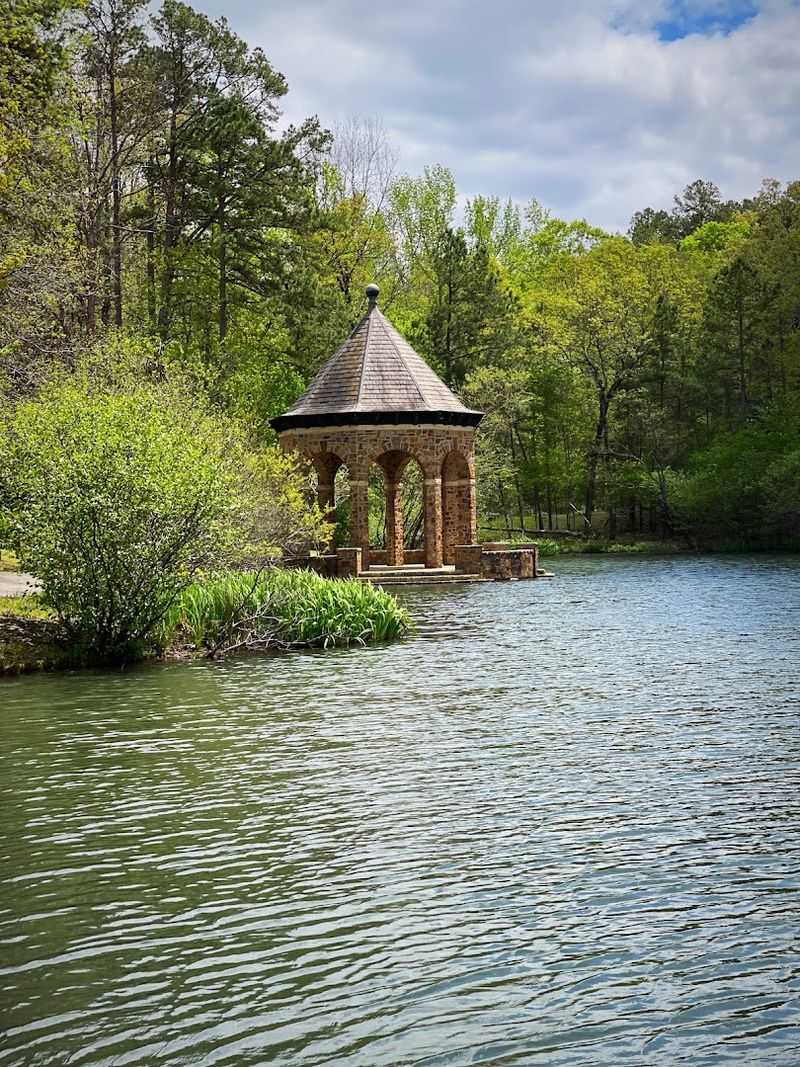
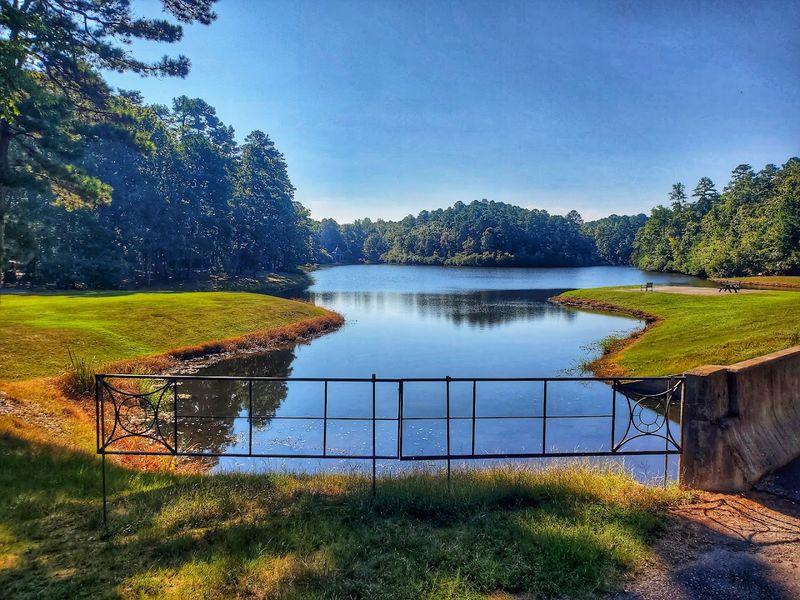
Swan Lake is one of those park features that earns its name. The 8-acre lake sits at the center of the park’s geography and functions as both a visual anchor and a living ecosystem that supports a surprising variety of wildlife.
Catch-and-release fishing is permitted here, which draws anglers looking for a calm, no-pressure spot close to the city. Bird watchers walking the trails around the lake frequently spot species nesting in the surrounding woodland canopy, while small mammals move through the underbrush along the water’s edge.
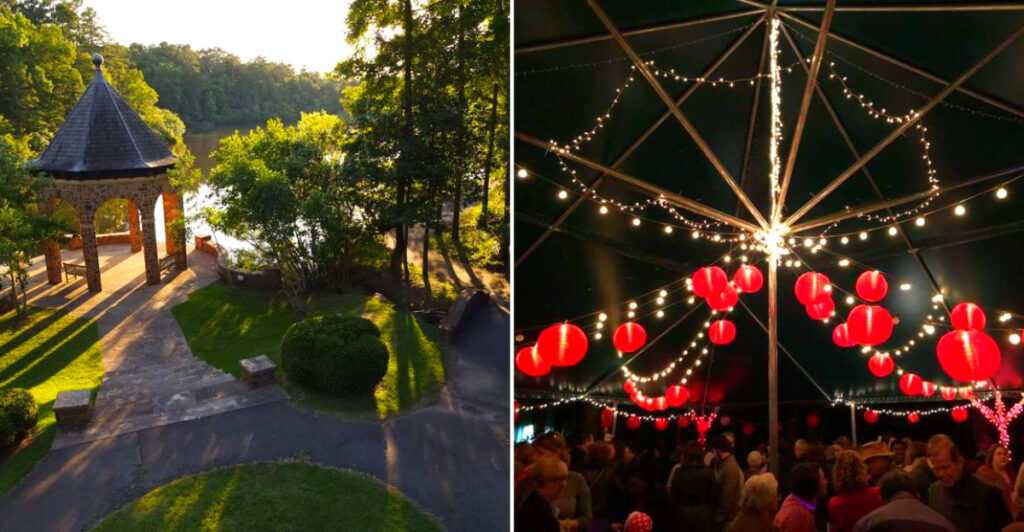
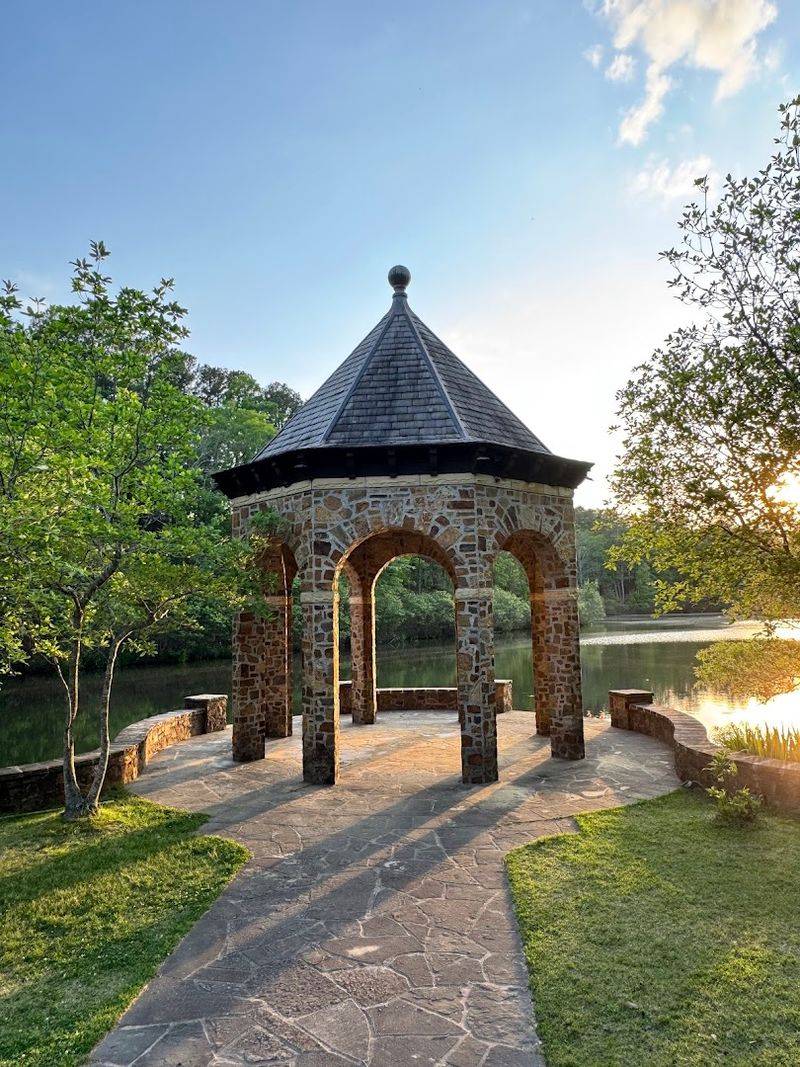
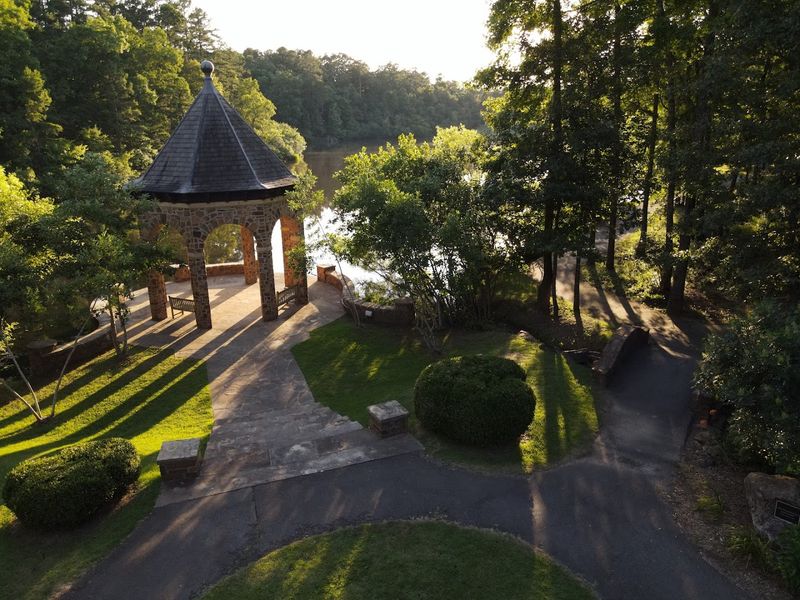
The Gertrude Remmel Butler Gazebo sits near the lake and provides one of the most photographed views in the park, with stone steps leading directly to the waterline and flowering plants framing the surrounding area.
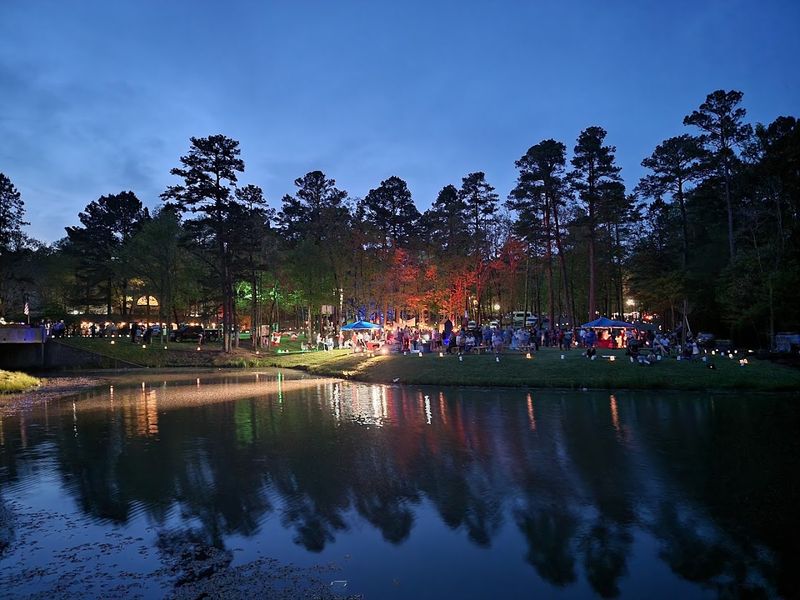
During special events like the LANTERNS! Festival, the lake becomes a backdrop for fireworks, adding a completely different dimension to a space that already earns its keep on a quiet Tuesday morning.
The LANTERNS! Festival: A Winter Spectacle Unlike Any Other
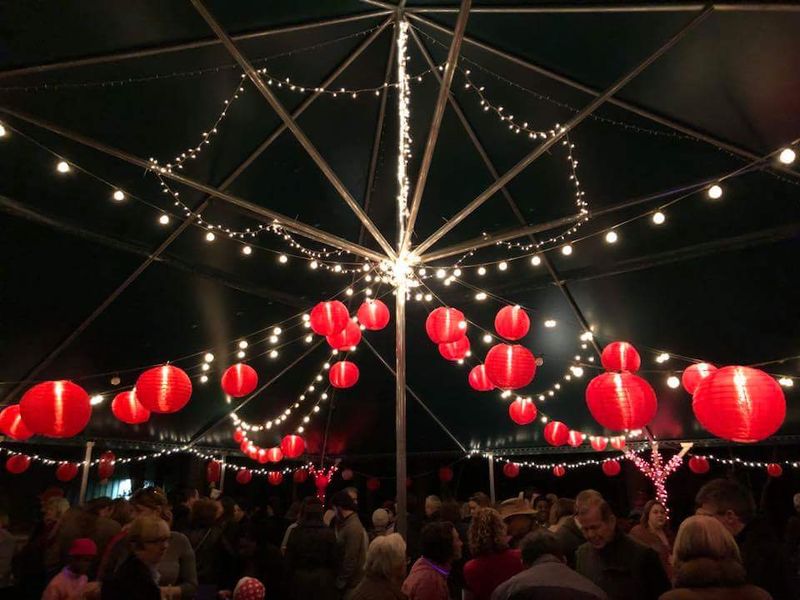
Once a year, the park transforms into something that genuinely surprises first-time visitors. The LANTERNS! Festival, held annually during the first full moon of the lunar year, turns the gardens into an illuminated cultural journey after dark.
Fire pits and luminaries line the walkways as visitors move between decorated cultural vistas representing places like Asia, Ireland, Mexico, 1950s America, and Shakespearean England. Each area features food, live entertainment, and immersive details that make the transitions between “countries” feel intentional and theatrical.
The event has featured memorable acts including a performance by the Vienna Boys’ Choir, and it holds the distinction of being recognized as the largest outdoor festival in Arkansas.
Hot air balloon rides and camel rides for children have appeared at recent editions, pushing the spectacle factor even further. Visitors purchase “Wild Bucks” on arrival to use as currency throughout the festival, which adds a fun layer of event-specific charm to the whole experience.
HARVEST! and the Full Calendar of Seasonal Events
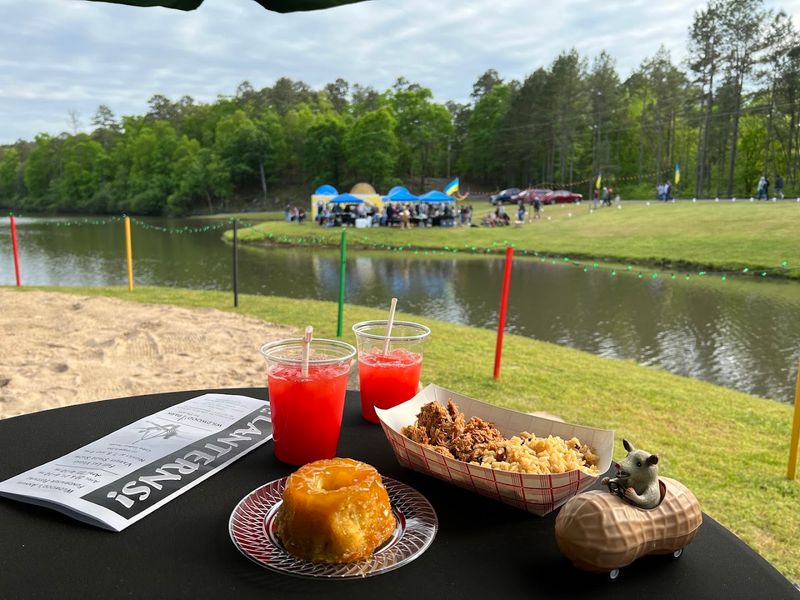
The LANTERNS! Festival gets most of the attention, but the park’s event calendar runs strong across all four seasons. The HARVEST! festival in the fall brings a completely different energy, with tractor-drawn hayrides winding through the autumn woodland, global cuisine, lively music, and activities designed specifically for younger visitors.
Beyond the two signature festivals, the schedule includes an annual Wine and Food Festival, a Wine Reserve Dinner, the RunWild 5K, and the Arkansas Pickin’ and Fiddlin’ Championships, which draws musicians and folk music fans from across the region.
A festive Holiday Tour of Homes and rotating “Art in the Park” exhibitions showcasing work from students, faculty, and alumni of the University of Arkansas at Little Rock round out the calendar further.
The variety of events means that no two visits to the park feel identical, and regulars often find themselves returning three or four times a year without running out of new things to experience.
Education at Every Turn: WAMA and Beyond
Education is not an afterthought at this park. It is built into the fabric of nearly everything the institution does, from summer camps to in-school touring productions.
The Wildwood Academy of Music and the Arts, known as WAMA, runs each summer for young people aged 6 to 18. Sessions range from four days to two weeks and cover instrumental and vocal instruction led by professional faculty and guest artists, serving beginners through advanced students alike.
The “Art To Go!” program extends the park’s educational reach well beyond its own gates, bringing fully staged professional theatrical productions directly to elementary schools across Arkansas. Each production arrives with activity packets and discussion topics for teachers, turning a single performance into an extended classroom experience.
Year-round in-school arts residency programs, master classes, and organized field trips further cement Wildwood’s role as one of the most active arts education institutions in central Arkansas, reaching students who might not otherwise encounter live performance.
The Volunteer Force That Keeps It All Running
Behind every blooming garden path and every smoothly run festival is a workforce that does not appear on any payroll. More than 350 dedicated volunteers, affectionately known as the “Wild Women and Wild Men,” donate their time and energy throughout the year to keep the park operating at the level visitors have come to expect.
These volunteers take on everything from garden maintenance and event logistics to educational support and administrative tasks, covering an enormous range of responsibilities across the calendar year.
A youth volunteer corps draws students from local high schools including Episcopal Collegiate, Pulaski Academy, Little Rock Central High School, and Hall High School, creating an intergenerational layer of community involvement that strengthens the park’s ties to the next generation.
Financial contributions from donors fund arts programming, educational initiatives, garden upkeep, and WAMA scholarships, ensuring that the park’s mission reaches people regardless of their economic circumstances. The whole operation is a genuine community effort in every meaningful sense of the phrase.
Planning Your Visit: What to Know Before You Go
A little planning goes a long way at a park this size. The grounds are open daily from 7:00 AM to 7:00 PM, and general admission is free on most regular days, which makes spontaneous visits entirely practical.
Admission fees apply during festival weekends and certain special programming, so checking the park’s website at wildwoodpark.org or its Facebook page before a visit during holidays or inclement weather is a smart habit to build.
Parking inside the gates is available during normal hours, and overflow parking on the north side of Denny Road handles larger event crowds. Free shuttle service from The Promenade at Chenal, located at 17711 Chenal Parkway, provides a convenient five-minute ride to the front gates during major events.
The park is fully handicap accessible and welcomes leashed dogs, making it one of the more inclusive outdoor destinations in the region. Spring and fall offer the most comfortable weather for extended exploration, as Little Rock summers tend to run hot and humid.
Share this story