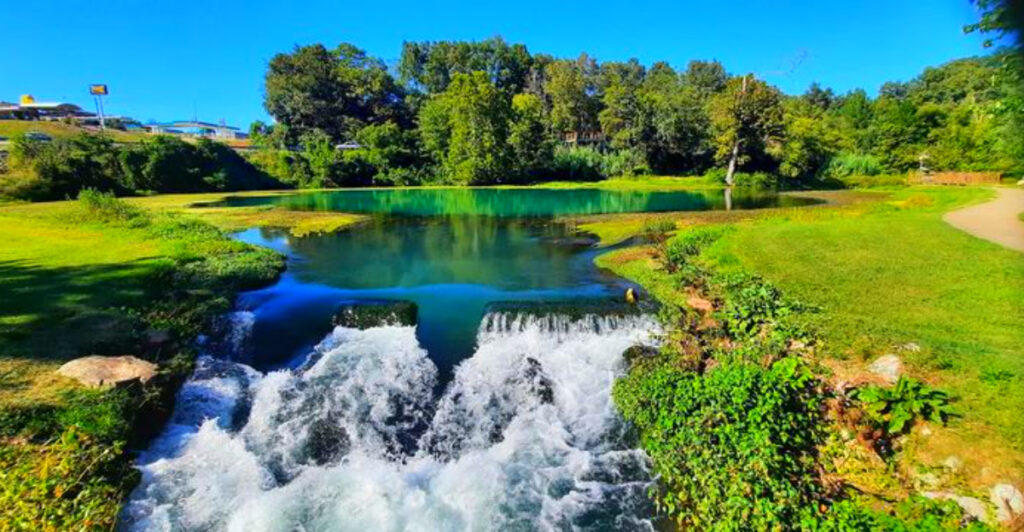
Mammoth Spring State Park is built around one of the largest natural springs in the United States, a source so powerful that millions of gallons of water flow from the ground every hour. Located in the Arkansas Ozarks near the Missouri border, the park offers a chance to see one of the state’s most impressive natural phenomena up close.
The spring feeds a striking blue pool and a 10-acre lake that serve as the centerpiece of the park, but there is more to explore beyond the water. Visitors can tour a historic railroad depot, learn about the area’s past, and enjoy easy access to one of Arkansas’s most unique landscapes.
It is the kind of destination that surprises first-time visitors and quickly earns a place on any Ozarks travel list.
Where Exactly You Will Find This Natural Wonder
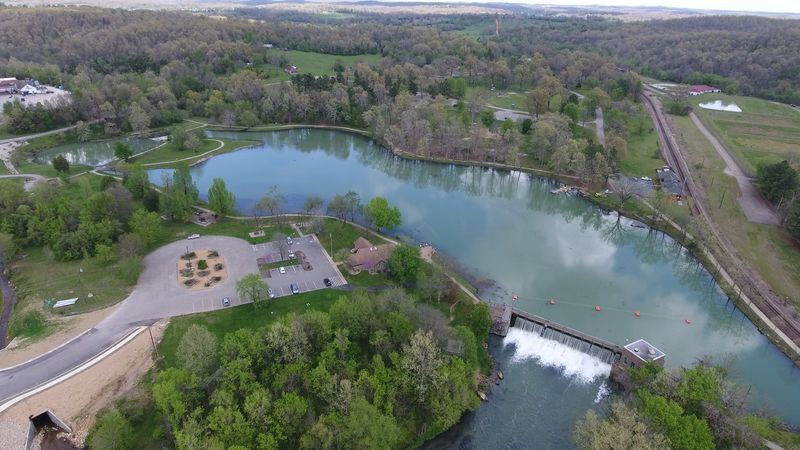
Mammoth Spring State Park sits at 17 US-63, Mammoth Spring, AR 72554, right on the Arkansas-Missouri border in Fulton County, tucked neatly into the southern edge of the Ozark Mountains. The park is easy to spot from the highway because the water is that vivid, electric blue color you normally only see in travel magazines.
The town of Mammoth Spring itself is tiny and quiet, which makes the park feel like a secret hiding in plain sight. You can reach it heading south on US-63 from West Plains, Missouri, or north from Batesville, Arkansas, and the drive through the Ozarks is scenic enough to justify the trip on its own.
The park is open Monday through Sunday from 8 AM to 5 PM, and you can call ahead at 870-625-7364 if you have questions. Parking is free, the visitor center is welcoming, and the staff genuinely seems happy to see you walk through the door.
The Spring That Flows Like a Small River All on Its Own
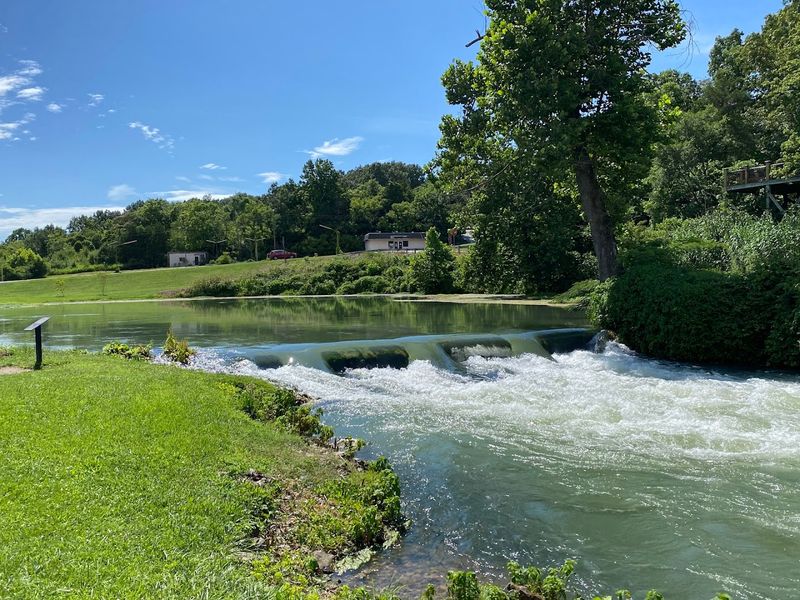
Nine million gallons of water per hour. Let that number sit for a second.
Mammoth Spring pushes out roughly 235 million gallons every single day, earning its rank as Arkansas’s largest spring, the second largest in the entire Ozark Mountains, and the seventh largest natural spring on the planet.
The water temperature never wavers from a steady 58 degrees Fahrenheit, no matter what season you visit. That consistency is part of what makes the spring so scientifically fascinating and also what keeps the lake looking almost unnaturally blue even on overcast days.
The actual mouth of the spring sits more than 80 feet below the surface, so you cannot see it directly, but you can absolutely feel the energy of all that water pushing upward when you stand near the edge of the pool. The spring forms a gorgeous 10-acre lake right inside the park, and that lake is where the Spring River begins its journey southward.
The Underground Journey Water Takes Before Reaching the Surface
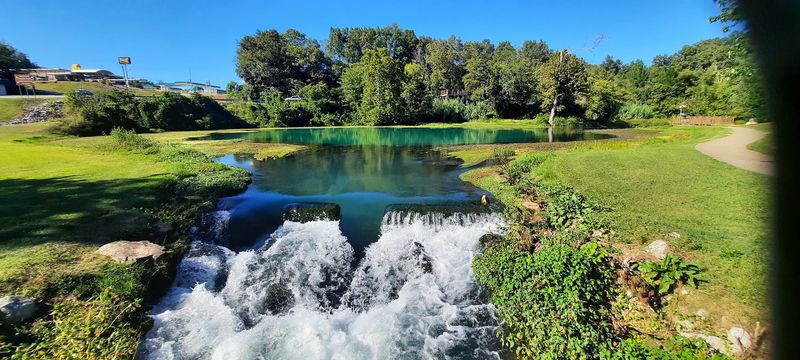
What you see at the surface is only the final chapter of a very long story. The water flowing out of Mammoth Spring actually starts as rainwater falling on the high, flat plateau regions of southwestern Missouri, sometimes many miles away from where it eventually emerges.
From there, it seeps down through fractured limestone and clay soils, traveling slowly through a vast underground karst system before pushing back up in Arkansas. Karst geology is essentially a landscape carved by water dissolving soluble rock over thousands of years, creating caves, sinkholes, and underground rivers.
A section of that same underground river system is actually visible at Grand Gulf State Park in Missouri, where a collapsed cave ceiling reveals a dramatic underground canyon. That connection makes Mammoth Spring feel even more remarkable, because the water you see sparkling in that blue pool has been on a hidden cross-state journey before it ever reached your eyes.
Nature built a pipeline long before humans thought to try.
How a Spring Became the Birthplace of a River
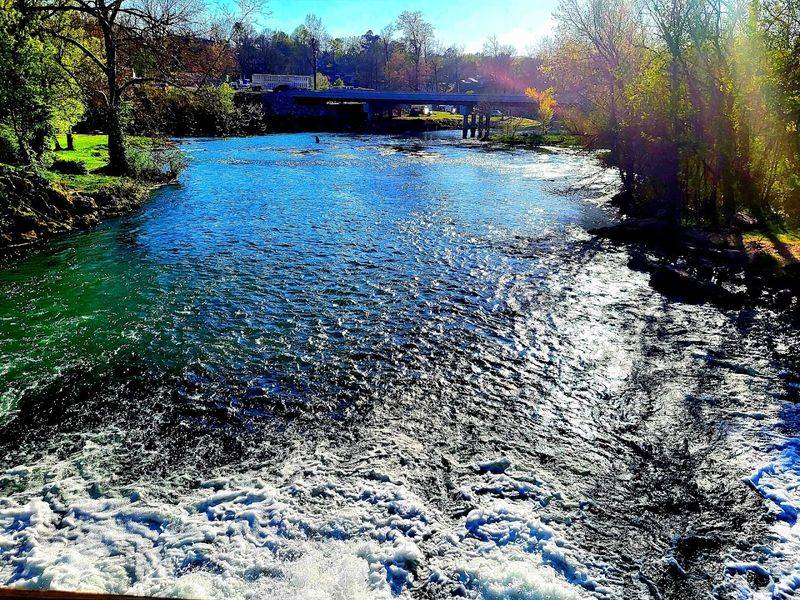
Most rivers have humble beginnings, but the Spring River gets to claim one of the most dramatic starting points in the entire state. The 10-acre lake formed by Mammoth Spring is the official headwaters of the Spring River, which flows south through Arkansas for about 63 miles before joining the Black River near Hardy.
Because the spring maintains that constant 58-degree water temperature year-round, the Spring River stays cold enough to support trout, which is not something you find just anywhere in Arkansas. The river is stocked regularly and has become a well-loved trout fishing destination, drawing anglers from across the region throughout the year.
Beyond fishing, the Spring River is popular for recreational floating, kayaking, and canoeing, especially during warmer months when the cold water feels refreshing against the Arkansas heat. Outfitters in the area rent equipment and run shuttle services for floaters.
The fact that all of that recreational activity traces back to one relentless underground spring makes the whole thing feel a little extraordinary.
A National Natural Landmark With a Surprisingly Low-Key Vibe
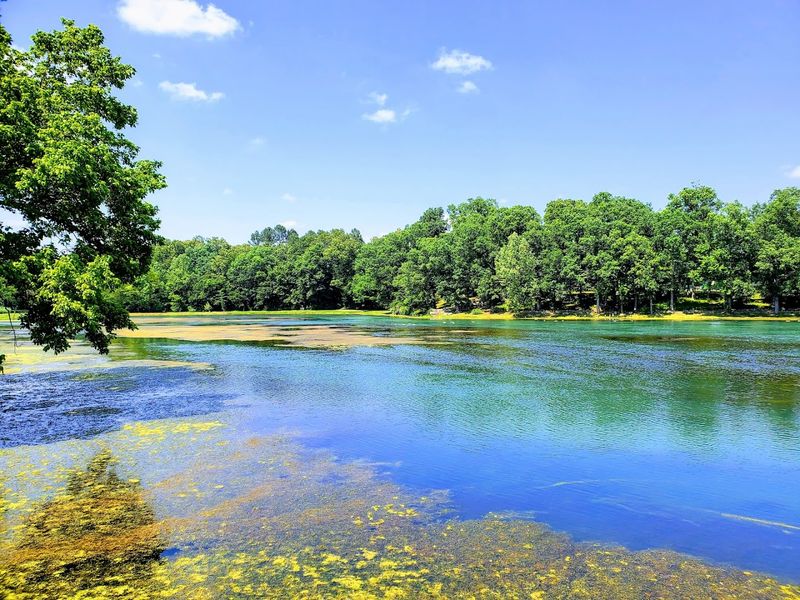
Mammoth Spring State Park carries the official designation of National Natural Landmark, a title given by the federal government to places with outstanding natural features. Despite that impressive credential, the park has a refreshingly relaxed, unhurried atmosphere that feels more like a neighborhood park than a famous landmark.
The paved walking loop around the lake covers roughly half a mile, which makes it completely manageable for kids, older visitors, and anyone traveling with pets. Dogs are welcome on leash, and the flat trail is stroller-friendly too.
The whole circuit takes maybe 20 to 30 minutes at a comfortable pace, though most people linger much longer because the views keep pulling you back.
Geese and ducks treat the lake as their personal home base, and they are confident enough to walk right up to you. Turtles sun themselves along the banks, and if you are paying attention, you might spot a water snake or two gliding near the shoreline.
The wildlife here is unscripted and genuinely entertaining to watch.
The 1886 Frisco Depot That Refuses to Be Forgotten
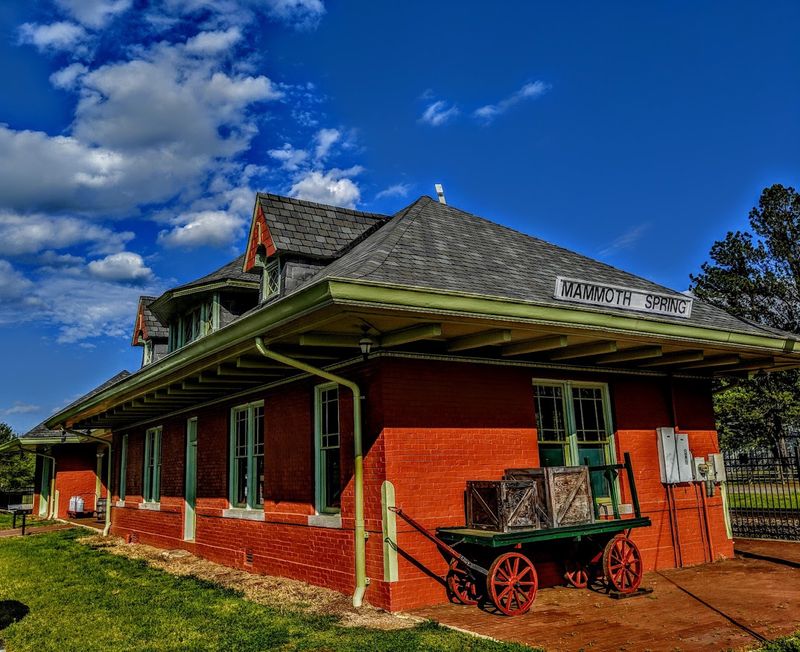
History lovers get a bonus attraction at Mammoth Spring State Park that has nothing to do with water. The park is home to a beautifully restored 1886 Frisco railroad depot, which once served the St. Louis-San Francisco Railway line that passed through this corner of Arkansas during the late 19th and early 20th centuries.
The depot has been converted into a small but genuinely interesting museum, complete with detailed audio displays that walk you through the history of the railroad era in the region. A restored caboose sits outside and makes for a popular photo stop, especially with kids who want to climb up and peek inside.
The staff at the depot are knowledgeable and enthusiastic, happy to share stories and answer questions. One guide shared a tale about a woman in a yellow dress that had everyone in the room leaning in a little closer.
The guided depot tour is well worth the time, and it adds real historical depth to what might otherwise feel like a quick nature stop.
The Old Hydroelectric Plant That Once Powered a Town
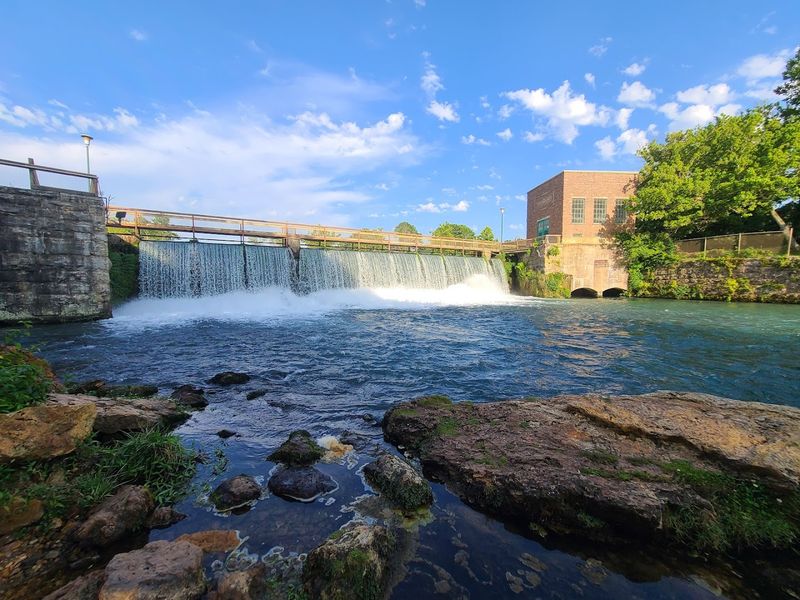
Before the power grid reached rural Arkansas, the people of Mammoth Spring figured out a clever local solution. The enormous and consistent flow of the spring was harnessed to generate electricity through a hydroelectric plant built in the early 1900s, making Mammoth Spring one of the first communities in the region to have electric power.
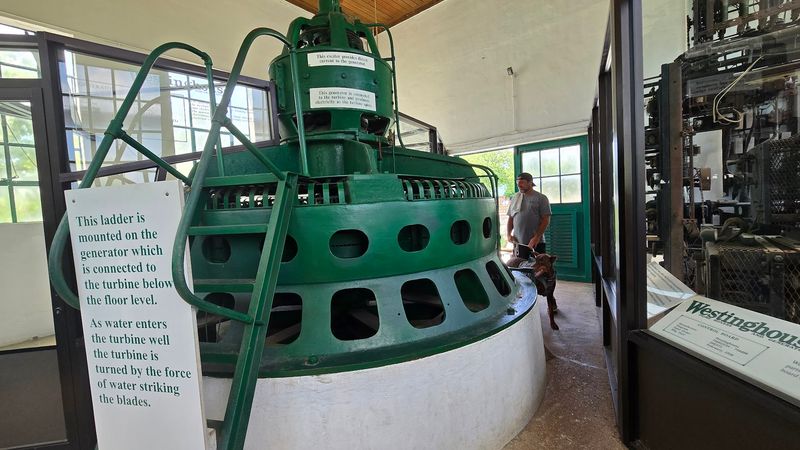
The remains of that plant are still visible inside the park, and some of the original machinery has been preserved for visitors to examine up close. The old governor mechanism, a device used to regulate the speed of the generator, was manufactured by Woodward Governor in Rockford, Illinois, which is a fun detail that surprises visitors who happen to recognize the name.
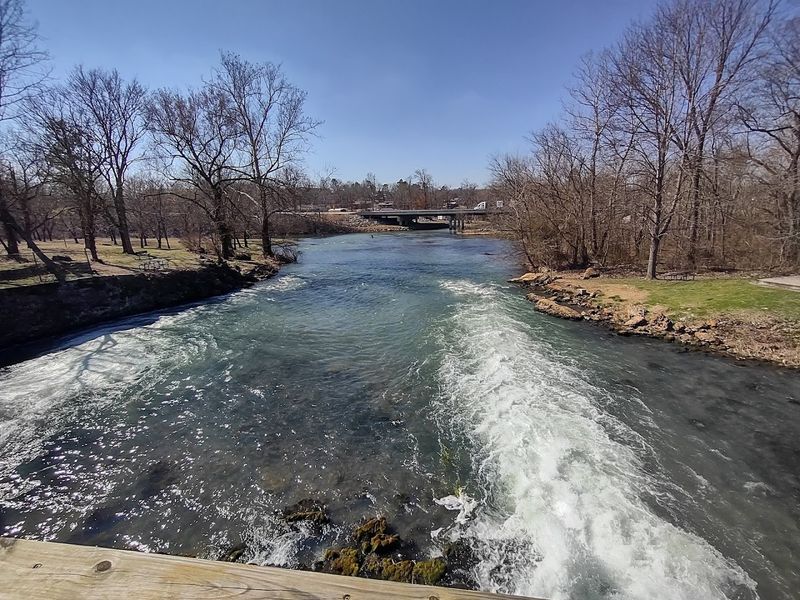
The dam itself is a visual highlight of the park, with water spilling over it in a wide, frothy curtain that creates a constant low roar you can hear from the trail. A bridge crosses directly over the dam, and walking across it while water rushes below is one of those small experiences that sticks with you long after you drive away.
Two Fish Hatcheries Just Down the Road
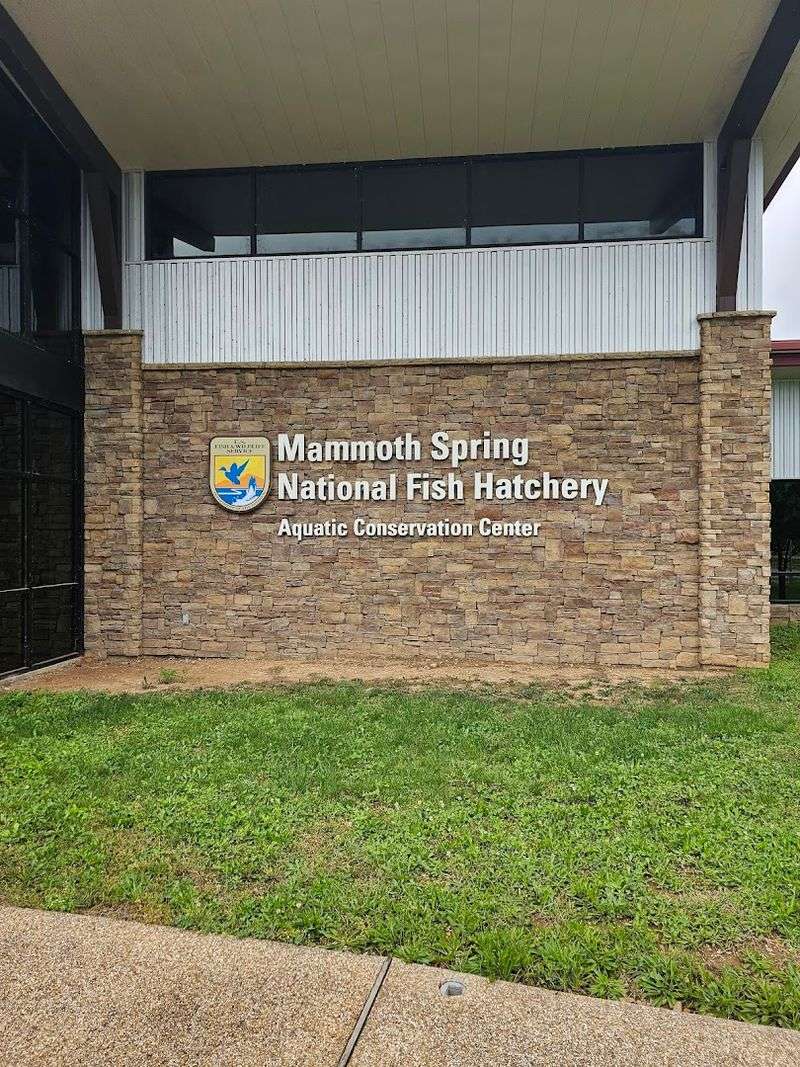
The cold, steady temperature of Mammoth Spring is not just good for scenery. It turns out that 58-degree water is also ideal for raising trout, which is why two fish hatcheries operate near the spring.
The consistent chill keeps the fish healthy and growing at a steady rate throughout the year, regardless of outside temperatures.
The Mammoth Spring National Fish Hatchery is located close to the park and is open to visitors free of charge. Walking through a working hatchery is a surprisingly engaging experience, especially for kids who have never seen thousands of trout packed into long concrete raceways, all facing the same direction like tiny synchronized swimmers.
Informational displays explain the process from egg to fingerling to stocked fish, and the connection back to the spring and the Spring River ties everything together in a satisfying way. If you are visiting the park, budgeting an extra hour to swing by the hatchery is an easy yes.
It rounds out the whole experience in a way that feels both educational and genuinely fun.
What the Visitor Center Offers Beyond Clean Restrooms
The visitor center at Mammoth Spring State Park punches well above its weight for a facility this size. The restrooms are spotless, which sounds like a low bar but is genuinely appreciated after a long road trip, and the staff greets you with actual warmth rather than the polite indifference you sometimes encounter at busy tourist stops.
Inside, you will find interpretive displays about the spring, the hydroelectric history, and the local ecosystem. A small gift shop sells postcards, rocks, snacks, and novelty items at prices that feel fair rather than inflated.
There is also free WiFi, USB charging ports in the restrooms, and a free cup of coffee available at the welcome desk, which is a detail that earns genuine appreciation from road-weary travelers.
The park hands out a helpful informational flyer with a numbered map of highlights along the trail, so you can walk at your own pace and still know exactly what you are looking at. The whole setup is thoughtful without being overwhelming, which matches the spirit of the park perfectly.
Wildlife, Geese, and the Unexpected Joys of the Trail
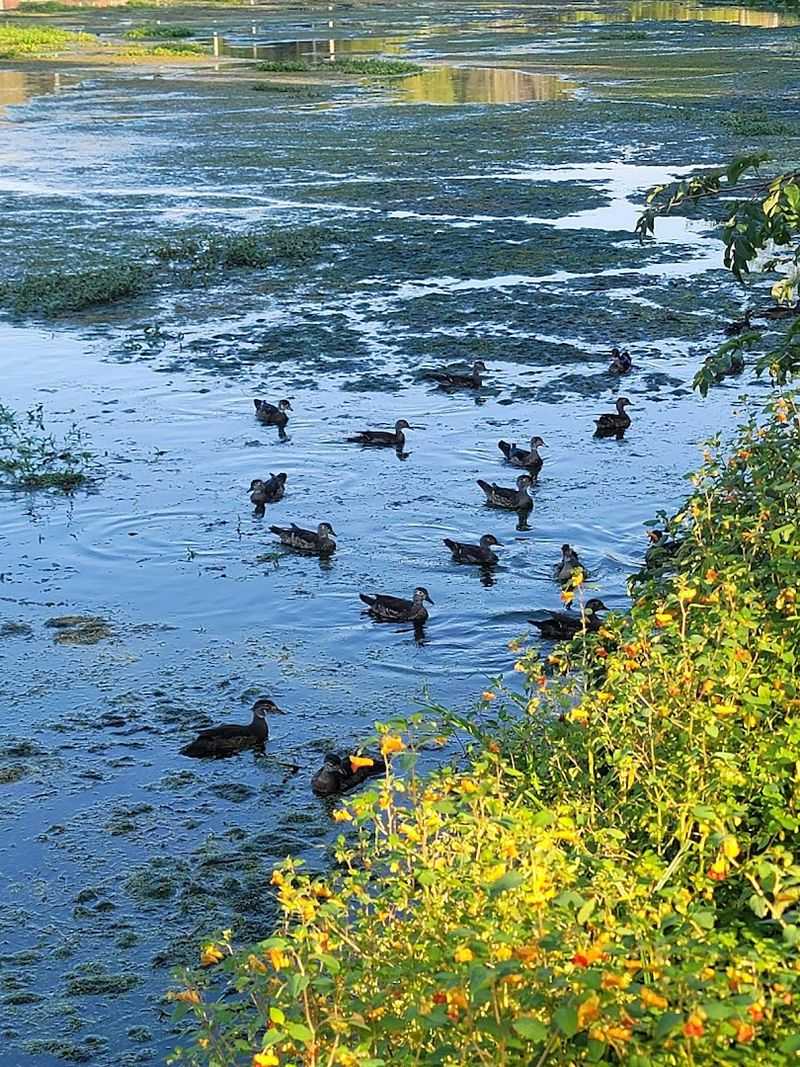
The half-mile loop around the lake is short enough to feel casual but packed with enough wildlife that you will almost certainly stop more times than you planned. Geese are the undisputed stars of the show here, and they know it.
They strut across the paved path without a hint of hesitation and will absolutely accept snacks if you happen to have any.
Ducks paddle in groups near the dam, turtles stack themselves on sunny rocks along the bank, and patient observers have spotted beavers working quietly near the water’s edge. The snakes visible near the shoreline are common water snakes, non-venomous and more interested in sunbathing than in you.
Early morning visits tend to offer the most active wildlife sightings before the midday crowds arrive. The water itself is so clear that you can watch fish moving below the surface from the bridge, which adds another layer of entertainment for younger visitors.
The trail is short, but the natural theater it provides makes it feel twice as long in the best possible way.
Practical Tips for Getting the Most Out of Your Visit
Mammoth Spring State Park is free to enter, which immediately makes it one of the best value stops in the entire state. Parking is also free and easy to find, with plenty of space for cars, RVs, and even overnight camper parking available by arrangement with the staff for one night if you need it.
The park is open daily from 8 AM to 5 PM, so arriving in the morning gives you the most time and the best light for photos. Weekday mornings tend to be quieter than weekends, especially during summer and fall when road trip traffic picks up along US-63.
Bring a light jacket even in summer, because the air near the spring carries a noticeable cool edge from all that 58-degree water. The playground near the lake keeps younger kids occupied while adults explore the depot and dam area.
Fred’s Fish House in town comes highly recommended by park staff for a meal after your visit, and honestly, a park this good deserves a proper sit-down lunch to celebrate finding it.
Share this story