 Unearth The Voyage
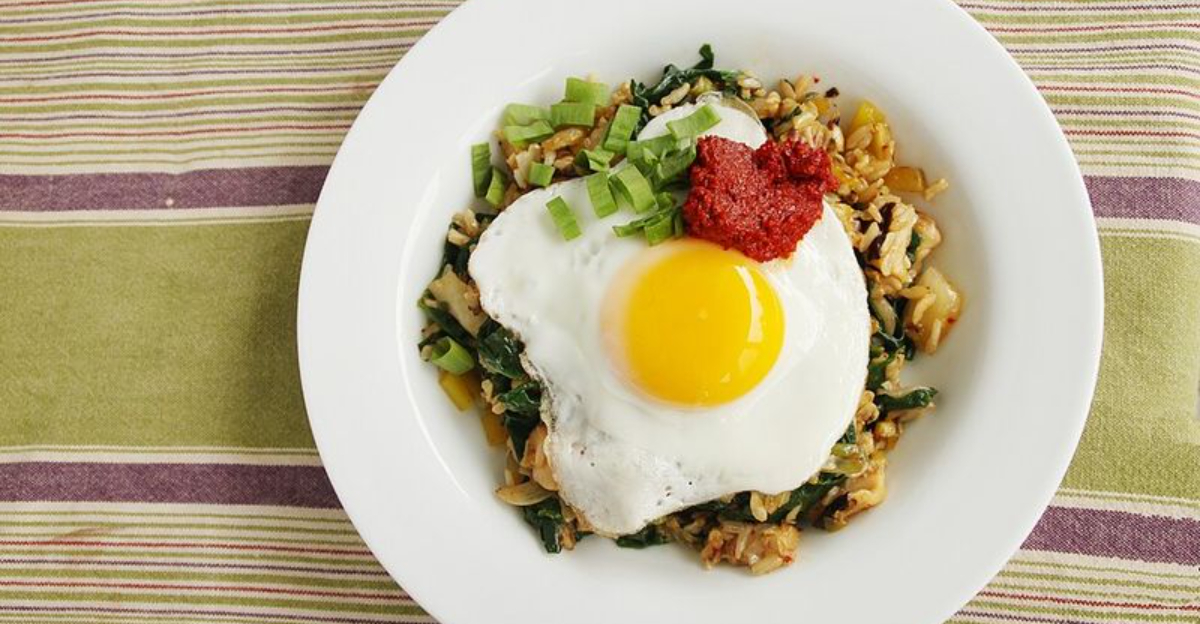
Eggs are one of the most universal ingredients on the planet, found in nearly every kitchen across every culture. From busy street food stalls in Manila to cozy breakfast tables in Madrid, a single egg can be transformed into something truly remarkable.
What makes eggs so special is their ability to absorb flavors, take on new textures, and pair with almost anything. Get ready to explore 14 iconic egg dishes from around the world that prove simple ingredients can tell big, delicious stories.
1. Shakshouka – North Africa and Middle East
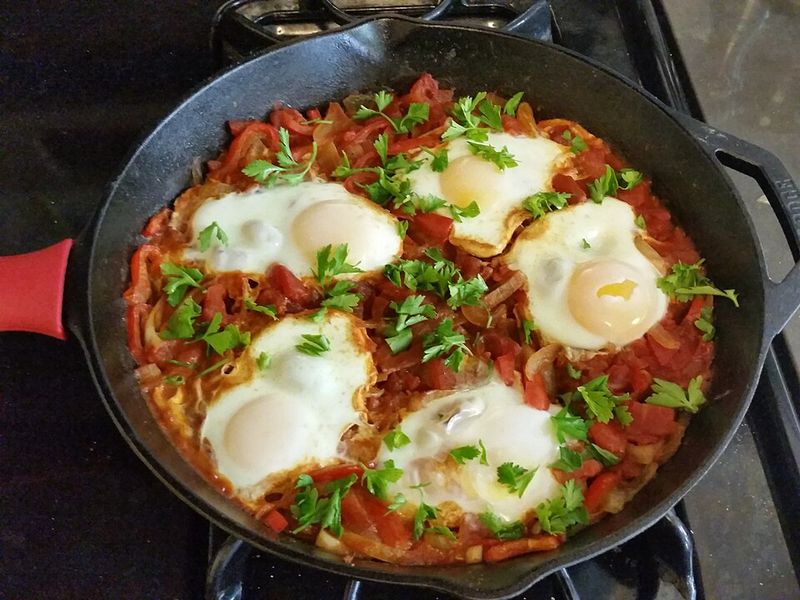
Few breakfast dishes command attention the way shakshouka does. The moment that skillet hits the table, the rich aroma of cumin, paprika, and slow-cooked tomatoes fills the entire room.
Originating in North Africa, particularly Tunisia, this dish has become a beloved staple across the Middle East and beyond.
The name shakshouka is believed to come from an Arabic word meaning “a mixture” or “all mixed up,” which perfectly captures its spirit. Eggs are cracked directly into a bubbling sauce made from tomatoes, roasted peppers, onions, and garlic, then gently poached until just set.
The yolks stay soft and creamy, ready to be broken and swirled into the sauce.
Thick slices of crusty bread are essential for scooping up every last drop. Some cooks add feta cheese or spicy harissa to personalize the dish.
Shakshouka works beautifully as breakfast, lunch, or dinner.
2. Huevos Rancheros – Mexico

Sunday mornings in Mexico often smell like warm tortillas, sizzling oil, and freshly made salsa. Huevos rancheros, which translates to “ranch-style eggs,” was originally a hearty mid-morning meal served to farm workers who needed fuel for long hours of labor.
Today it is enjoyed by people all over the world.
The dish is beautifully simple: crispy or soft corn tortillas topped with fried eggs and a bold tomato-chili salsa made from roasted tomatoes, jalapeños, and onions. Black beans, sliced avocado, and crumbled cotija cheese are common additions that turn it into a full, satisfying plate.
What makes huevos rancheros so appealing is how easily it can be customized. Some prefer a smoky red sauce, while others enjoy a tangy green salsa verde version.
Either way, the combination of textures and flavors makes every bite feel like a celebration of Mexican home cooking.
3. Tamagoyaki – Japan
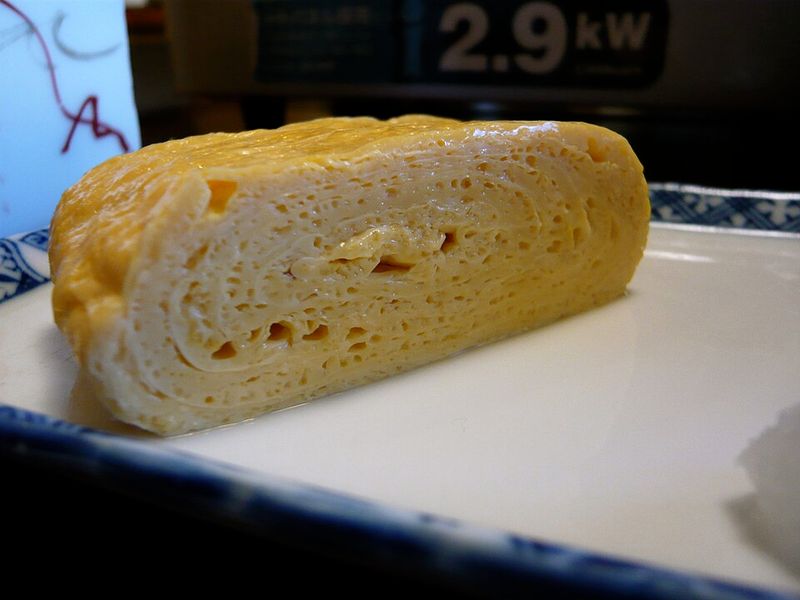
Precision and patience are built into every layer of tamagoyaki. This Japanese rolled omelet is made by cooking thin sheets of seasoned egg in a rectangular pan, then carefully rolling each layer over the last to create a compact, beautiful log.
The result looks almost too perfect to eat.
The egg mixture is typically seasoned with a touch of soy sauce, mirin, and sugar, giving tamagoyaki its signature balance of savory and slightly sweet flavor. Some cooks add dashi broth to make the texture extra silky.
Sliced into rounds, the golden spiral pattern inside is genuinely impressive.
Tamagoyaki is a staple in Japanese bento boxes, often sitting alongside rice and pickled vegetables. It also appears in sushi restaurants, where a thick slice is draped over a small mound of vinegared rice.
Mastering tamagoyaki at home takes practice, but the reward is absolutely worth the effort.
4. Scotch Eggs – United Kingdom

Crack through the crispy breadcrumb shell of a Scotch egg and you will find one of Britain’s most satisfying handheld snacks hiding inside. A whole hard-boiled egg is wrapped in seasoned sausage meat, coated in golden breadcrumbs, and deep-fried to perfection.
The contrast of textures is what makes it so irresistible.
The Scotch egg first appeared in London around the 18th century, with the upscale department store Fortnum and Mason often credited as its birthplace. Originally a travel snack for wealthy passengers on long carriage journeys, it eventually found its way into pub culture and became a working-class favorite.
Modern versions range from the classic pub style with a fully cooked yolk to trendy restaurant takes featuring a runny, jammy center. Mustard and pickle are the traditional accompaniments.
Whether served warm or cold, a good Scotch egg is a reminder that British comfort food deserves far more credit than it gets.
5. Tortilla Española – Spain

Walk into almost any bar or cafe in Spain and you will likely spot a golden wheel of tortilla española resting on the counter, waiting to be sliced. This thick, hearty omelet made with eggs, sliced potatoes, and often onions is one of the most iconic dishes in Spanish cuisine.
Simple ingredients, extraordinary result.
The secret to a great tortilla española lies in the cooking technique. The potatoes are gently cooked in olive oil until tender, then combined with beaten eggs and cooked slowly in a pan.
The tricky part is the flip, when the entire omelet is turned over onto a plate and slid back into the pan to cook the other side.
Served as tapas, a light lunch, or a late-night snack, tortilla española fits every occasion. It tastes wonderful both warm and at room temperature.
Food historians believe the dish originated in the early 19th century, possibly in the Navarre region of northern Spain.
6. Egg Drop Soup – China

There is something almost meditative about watching eggs transform into delicate, feathery ribbons the moment they hit hot broth. Egg drop soup, known in Chinese as dan hua tang, is one of the most comforting and widely recognized dishes in Chinese cuisine.
It takes only minutes to prepare but delivers genuine warmth in every spoonful.
The base is typically a light chicken or vegetable broth seasoned with soy sauce, ginger, and a little sesame oil. Beaten eggs are slowly drizzled into the simmering liquid while stirring gently, creating those signature silky strands.
Cornstarch is sometimes added to give the broth a slightly thicker consistency.
Scallions, tofu, corn, or mushrooms are popular mix-ins depending on the region and personal preference. In China, this soup is often eaten as part of a larger meal rather than a starter.
Its mild, nourishing flavor makes it a go-to remedy for cold days and upset stomachs alike.
7. Menemen – Turkey

In Turkey, breakfast is not a rushed affair. It is a slow, generous spread of small dishes enjoyed with family, and at the center of many of those tables sits a steaming pan of menemen.
This beloved Turkish egg dish is made by scrambling eggs directly into a sauce of tomatoes, green peppers, and onions cooked in olive oil.
Unlike a Western-style scrambled egg, menemen is meant to be soft, almost custardy, with the eggs barely set and fully mingled with the vegetables. The seasoning is kept simple: salt, black pepper, and often a pinch of dried red pepper flakes for gentle heat.
Fresh herbs like parsley can be added at the end.
One long-standing debate among Turks is whether onions belong in menemen at all. Opinions are strong on both sides.
Regardless of which camp you fall into, tearing off a piece of fresh simit or white bread and scooping up a mouthful of menemen is a morning ritual worth adopting.
8. Egg Curry – India

Bold, aromatic, and deeply satisfying, egg curry is one of those dishes that proves you do not need meat to build layers of complex flavor. Across India, nearly every region has its own version, each shaped by local spices, cooking styles, and family traditions.
The result is a dish with a thousand faces and one shared soul.
Hard-boiled eggs are the star. They are often scored or lightly fried before being added to the gravy, which allows the spiced sauce to cling to the surface and penetrate slightly inside.
The gravy itself is built from onions, tomatoes, ginger, garlic, and a carefully balanced blend of spices including turmeric, coriander, cumin, and garam masala.
Some versions lean creamy with coconut milk, while others are tangy with tamarind or yogurt. Egg curry is typically served with steamed rice or warm roti.
It is an affordable, protein-rich meal that has been feeding families across the subcontinent for generations.
9. Stracciatella Soup – Italy

Romans have been enjoying stracciatella soup for centuries, and once you taste it, the loyalty makes perfect sense. The name comes from the Italian word stracciare, meaning to shred or tear, which describes exactly what happens when whisked eggs and Parmesan are stirred into simmering broth.
Thin, feathery egg strands form almost instantly.
The recipe is refreshingly minimal. A good-quality chicken or beef broth forms the base, and the eggs are beaten with Parmesan, a pinch of nutmeg, and sometimes a little semolina before being poured in slowly.
The key is to stir continuously as the eggs cook so they break into fine, wispy threads rather than clumping together.
Stracciatella is a dish that Roman grandmothers have traditionally made for sick family members, and its gentle, nourishing character earns that reputation. A squeeze of lemon and extra Parmesan on top finish it beautifully.
It is simple Italian cooking at its most honest and comforting.
10. Kwek-Kwek – Philippines
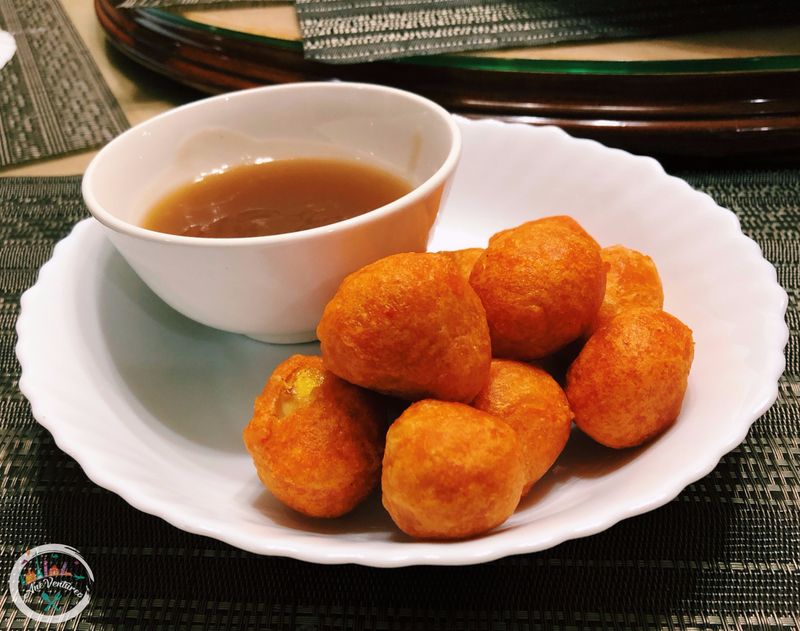
Bright orange, bite-sized, and irresistibly crispy, kwek-kwek is one of the most joyful street foods you will ever encounter. These deep-fried quail eggs coated in a vivid orange batter are a staple of Filipino street food culture, sold from colorful carts in busy markets and along school routes across the country.
The batter gets its distinctive color from annatto powder, a natural food dye derived from the seeds of the achiote tree. Quail eggs are boiled, peeled, skewered on bamboo sticks, dipped in the seasoned batter, and then fried until crispy and golden.
The outside crackles with each bite while the egg inside stays tender and warm.
The dipping sauce is where things get interesting. A sharp vinegar sauce with garlic and onions is the classic choice, but sweet chili sauce or a spicy tofu-based sauce are popular alternatives.
Kwek-kwek costs very little and delivers enormous satisfaction, which is exactly why Filipinos love it so deeply.
11. Eggs Benedict – United States

Brunch culture in America owes a great deal to a dish born in 1890s New York City. According to popular food history, Eggs Benedict was created at the Waldorf Hotel after a hungover stockbroker named Lemuel Benedict requested buttered toast, bacon, poached eggs, and hollandaise sauce to cure his morning-after misery.
The chef loved the idea and added it to the menu.
The classic version features toasted English muffins topped with Canadian bacon or ham, a perfectly poached egg, and a generous drizzle of velvety hollandaise sauce. That sauce, made from egg yolks, butter, and lemon juice, is notoriously tricky to make without it breaking or curdling.
Countless variations now exist, from Eggs Florentine with spinach to smoked salmon versions popular on the West Coast. But the original combination remains the gold standard at brunch spots from Manhattan to Los Angeles.
Getting that hollandaise just right is a skill worth every bit of practice.
12. Khai Jiao – Thailand
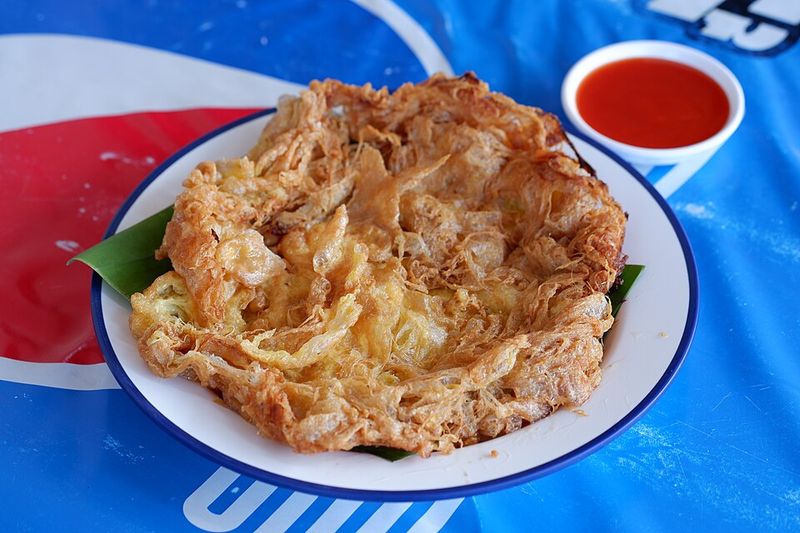
If you have ever watched a Thai street cook prepare khai jiao, you already know how dramatic it looks. The beaten egg hits a wok full of very hot oil and immediately puffs up into a billowing, golden-edged omelet that is crispy on the outside and surprisingly fluffy within.
It is one of the most satisfying things to watch and eat.
The egg is typically seasoned with fish sauce instead of salt, which adds a deeper, umami-rich flavor that plain salt cannot replicate. Some cooks add a splash of lime juice or fold in minced pork, crab meat, or spring onions before frying.
The key is the oil temperature: too low and the egg will not puff up properly.
Khai jiao is served over steamed jasmine rice and usually accompanied by a small dish of fish sauce mixed with sliced chilies. It is humble, fast, and deeply comforting.
Thai students and workers rely on this dish as an affordable, filling everyday meal that never gets old.
13. Oyakodon – Japan

The name oyakodon translates to “parent and child bowl,” a poetic nod to the fact that both chicken and egg appear together in the same dish. This comforting Japanese rice bowl is a staple of home cooking and casual restaurant menus across Japan, beloved for its gentle, deeply savory flavor and satisfying simplicity.
Thinly sliced chicken thighs are simmered in a light broth made from dashi, soy sauce, mirin, and a little sugar until just cooked through. Beaten eggs are then poured over the chicken and cooked until barely set, leaving the eggs soft and silky rather than fully firm.
The whole mixture is spooned over a bowl of steamed short-grain rice.
The balance of sweet and savory in the broth is what makes oyakodon so uniquely Japanese. It is the kind of meal that feels like a warm hug after a long day.
Many Japanese home cooks consider it one of the first dishes they ever learned to make on their own.
14. Egg Fried Rice – China

Ask almost anyone in Asia what they cook when the fridge is nearly empty and the answer will likely involve egg fried rice. This humble, endlessly adaptable dish has fed billions of people across centuries, and its appeal has never faded.
The best versions are made with day-old rice, which fries up drier and crispier than freshly cooked rice.
A screaming-hot wok is essential. The rice is tossed in oil over high heat until each grain starts to toast, then pushed to the side while eggs are scrambled directly in the pan.
Everything comes together quickly with soy sauce, sesame oil, and whatever vegetables or proteins are available. Spring onions go in last for freshness.
Regional variations are endless. Yangzhou fried rice from eastern China is loaded with shrimp and ham.
Thai khao phat uses jasmine rice and fish sauce. Indonesian nasi goreng adds sweet soy sauce and shrimp paste.
Every version is different, but all of them prove that a few eggs and leftover rice can become something genuinely delicious.



