 Unearth The Voyage
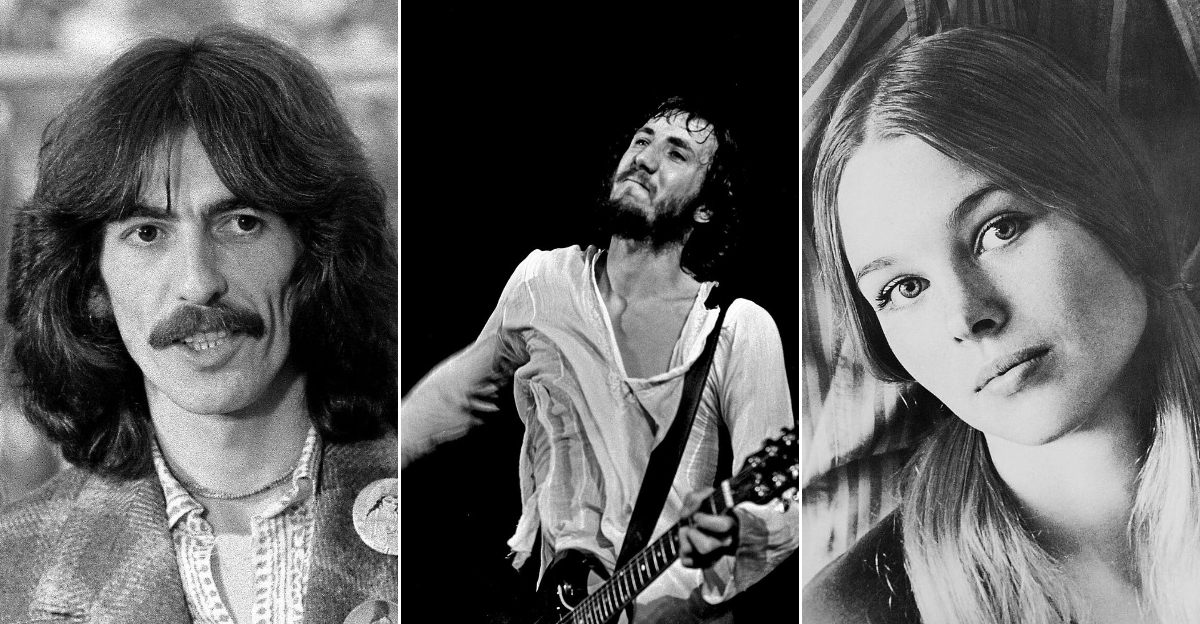
Fame looks shiny from the outside, but the inside story can sting. Behind the anthems and sold out tours are messy contracts, bruised egos, and lives pushed past the breaking point. You will recognize these names, yet what they carried behind the curtain might surprise you. Keep reading to see how success sometimes felt more like a trap than a triumph.
1. Johnny Marr (The Smiths)

Johnny Marr’s guitar defined The Smiths, but the cage of expectations grew tight. Creative clashes and the weight of Morrissey’s persona turned songwriting into negotiation. You can hear the strain in how he talks about deadlines, pressure, and the fatigue of repeating a myth.
Breaking up freed him to explore without constant comparison. If you have ever wanted out of your best known work, his path feels relatable. The soundtrack was shimmering, yet the room felt smaller every year.
2. Florence Ballard (The Supremes)
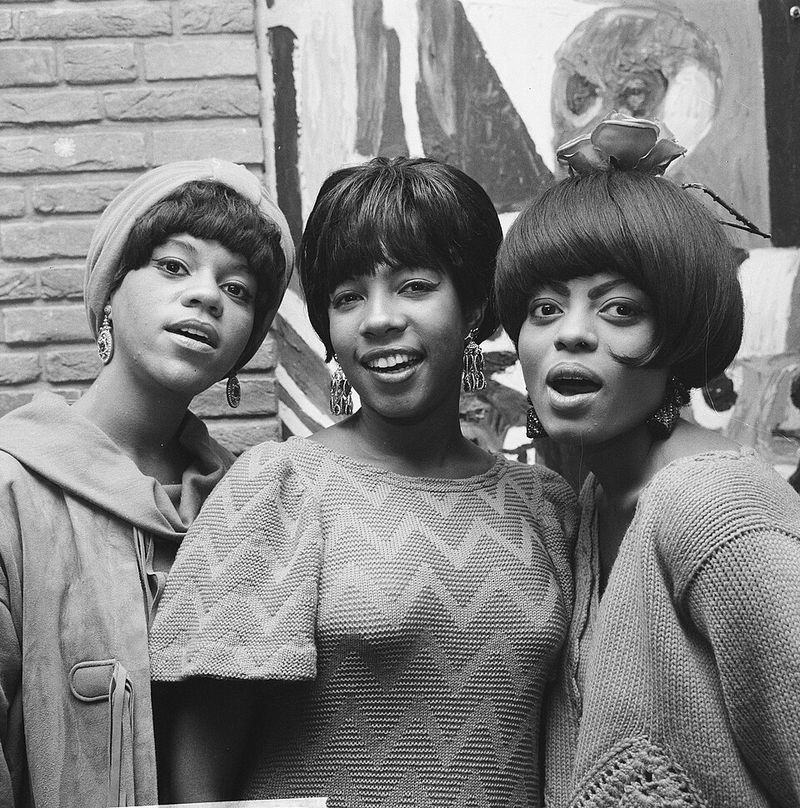
Florence Ballard’s voice powered early Supremes hits, yet she felt edged out as attention shifted to Diana Ross. The spotlight narrowed, and so did her opportunities, breeding resentment you can almost hear between the lines. Success became a room where she stood near the door rather than center stage.
If you have ever been sidelined at work, her struggle resonates. Fame promised sisterhood, but the machine rewarded hierarchy. The personal fallout proved heavier than chart positions.
3. Pete Townshend (The Who)
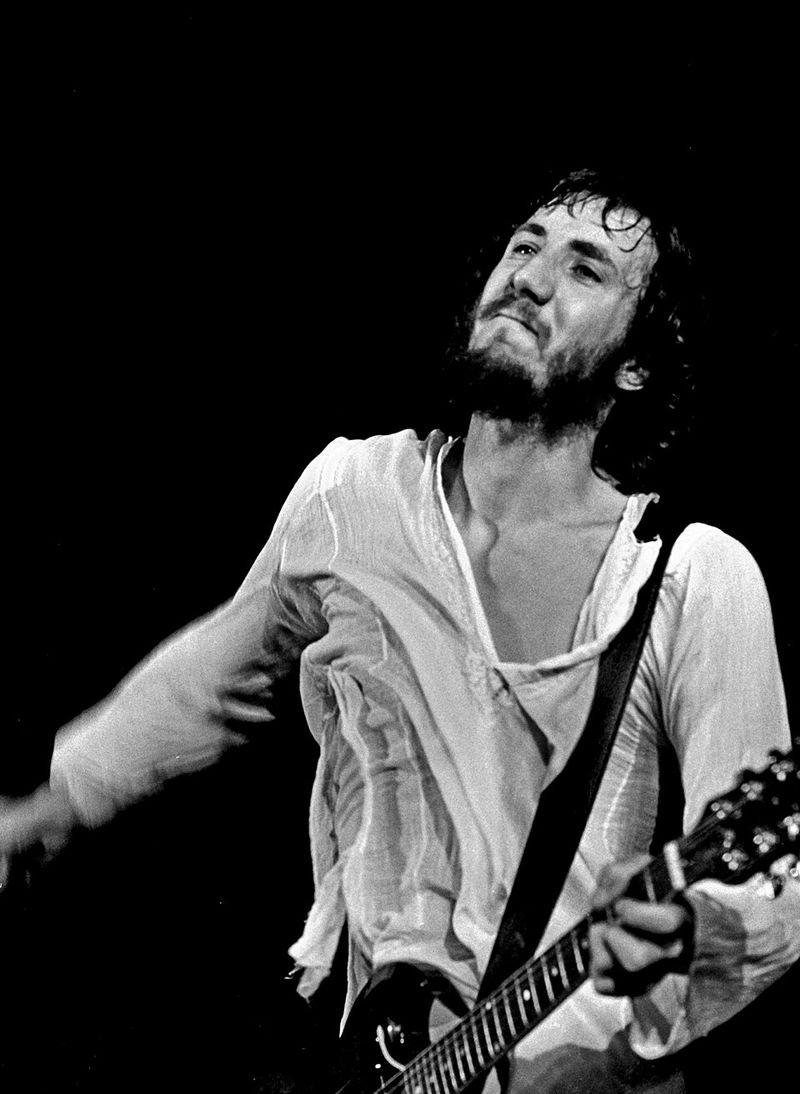
Pete Townshend has admitted that joining The Who came with costs you do not see from the crowd. He longed for a quieter path, producing and writing without the relentless chaos of band politics. Hearing him describe physical damage and the toll of smashing guitars reframes those icons as burdens.
You can feel the friction between legend and life. Creative control battles, legal tangles, and the grind of touring made the glory feel conditional. If you have ever chased a dream that changed you, his story lands hard.
4. Mary Wilson (The Supremes)
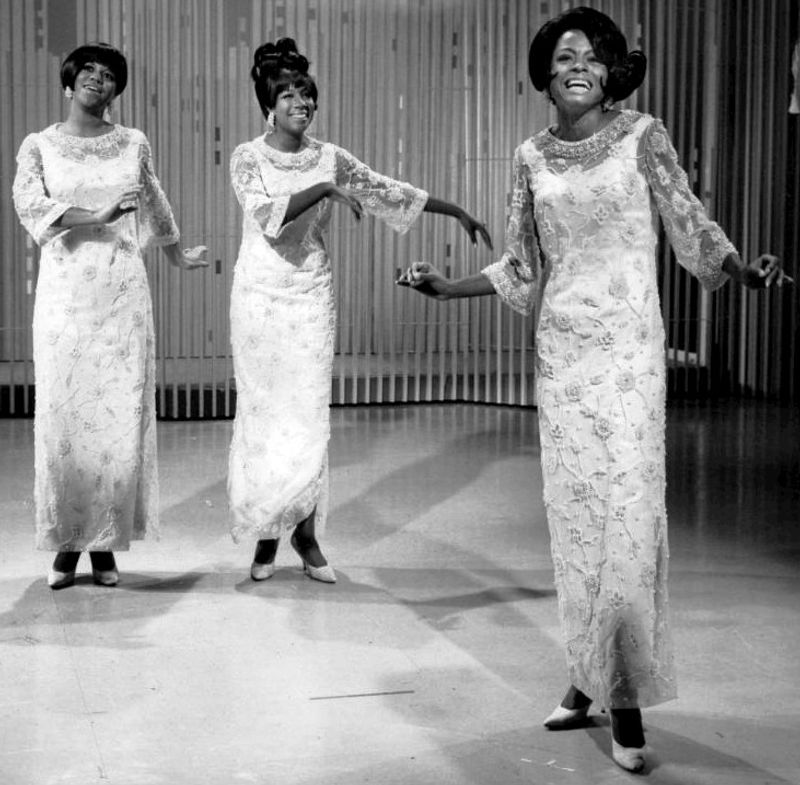
Mary Wilson kept the Supremes flame alive, but she was honest about the emotional toll. Watching roles shift and friendships strain felt like losing a family in slow motion. You sense the ache when history crowns a single star while the others carry uncredited weight.
Her memoirs read like a graceful reckoning. Success became complicated, and the price was intimacy and peace. If you ever loved a team that did not love you back equally, you will understand her regrets.
5. Michelle Phillips (The Mamas & the Papas)
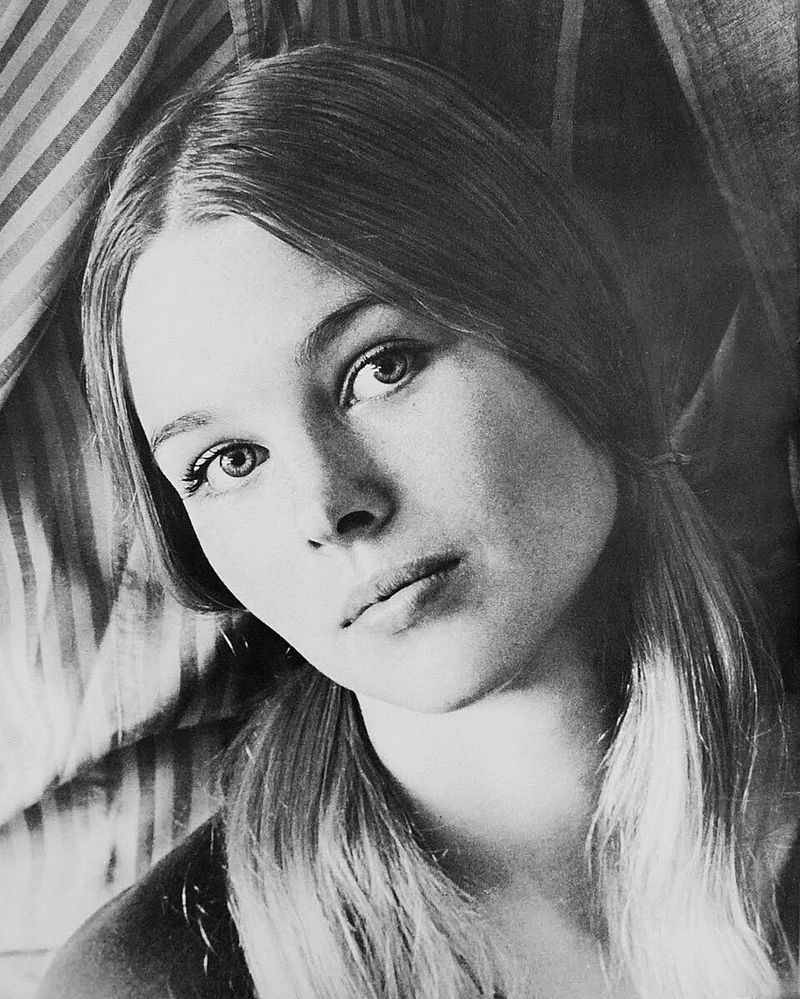
Michelle Phillips remembers the hits, but also the turmoil that threaded through them. Affairs, jealousy, and relentless schedules made paradise feel staged. If you have ever smiled for a photo while your stomach knotted, you know that double life.
She has spoken of wanting out even as the band soared. The melodies were breezy, yet the air inside was heavy. Sometimes the escape route looks like failure until you can finally breathe again.
6. D’arcy Wretzky (The Smashing Pumpkins)

D’arcy Wretzky’s exit from The Smashing Pumpkins grew from conflict and control. She later described feeling erased from the narrative, like a silhouette in photos she helped create. You can picture the loneliness of standing on stage yet feeling shut out.
Band mythology can flatten real people. Her resentment speaks to the difference between contributing and being credited. If you have ever been essential but overlooked, her frustration echoes in your ribs.
7. Don Everly (The Everly Brothers)

Don Everly’s harmonies with Phil sounded effortless, but the relationship was not. Years of rivalry and pressure turned the duo into a battlefield. Imagine singing perfectly together while barely speaking offstage.
He later said the experience became untenable, and you can hear why. Family and business can collide like cymbals. If you have navigated sibling expectations, their story feels painfully intimate, especially when applause fades and anger stays.
8. Metallica (internal tensions)
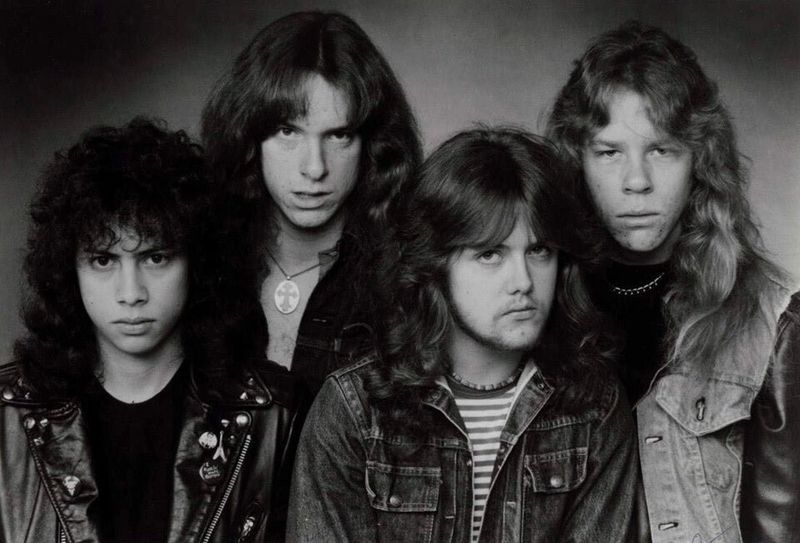
Metallica’s saga includes therapy sessions, film crews, and the kind of arguments most bands hide. It was not about joining per se, but about the pain of staying. You can see the push pull between friendship and empire as cameras roll.
Creative friction made great records, yet also carved deep scars. If you have ever tried to fix a ship while sailing it, you know that exhaustion. Regret appears in quieter comments, the ones about years lost to fights.
9. Lindsey Buckingham or Stevie Nicks (Fleetwood Mac)
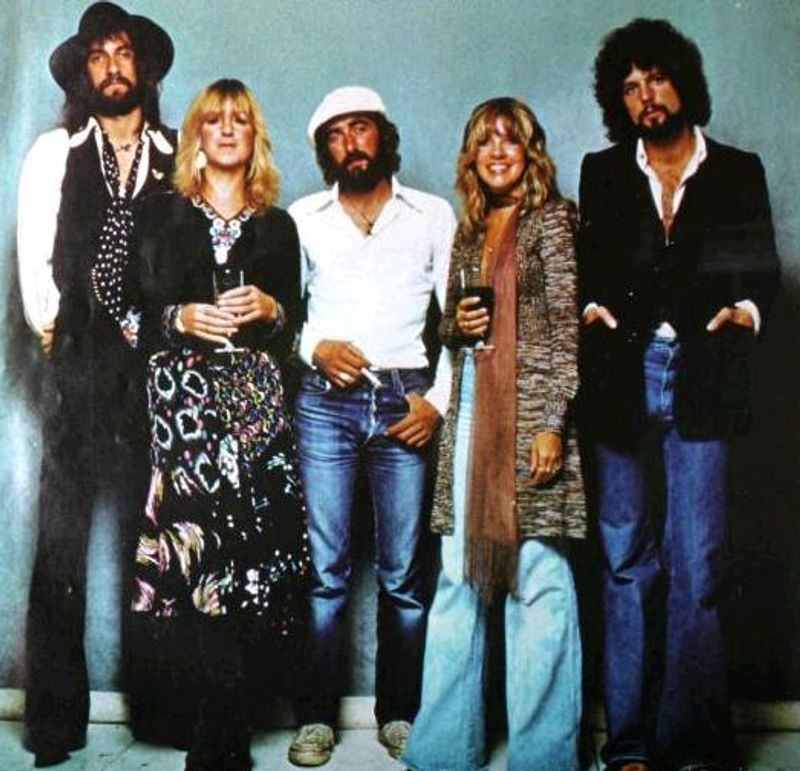
Fleetwood Mac turned heartbreak into platinum, but the process hurt. Lindsey and Stevie chased perfection while their relationship crumbled in public. You can feel how success trapped them in old arguments preserved on vinyl.
They have both hinted at wishing for normalcy, or at least anonymity. If love and work bleed together in your life, their regrets make sense. Some songs are too honest to perform every night without reopening wounds.
10. George Harrison (The Beatles)
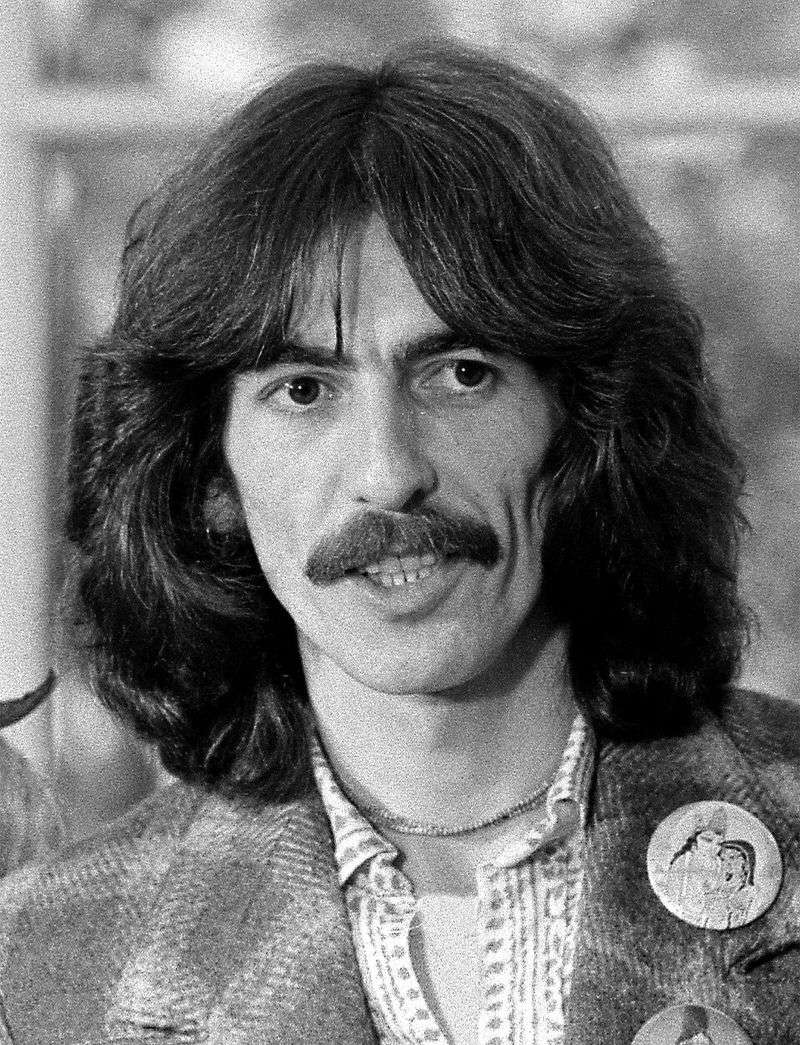
George Harrison wrote masterpieces while fighting for space between Lennon and McCartney. The pressure cooker left him longing for freedom and spiritual quiet. You can hear relief in the first solo notes after he walked away.
He spoke openly about frustrations with the group’s dynamics. If you have ever felt underused in a brilliant team, his story rings clear. Greatness did not guarantee happiness, and leaving was a form of healing.
11. Ringo Starr (The Beatles)
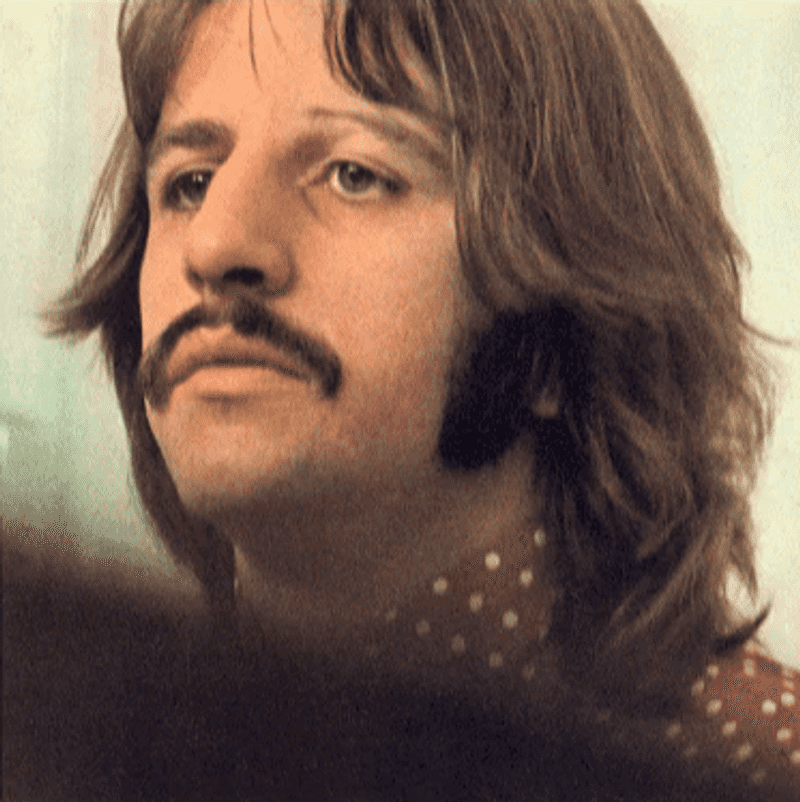
Ringo Starr was the heartbeat of The Beatles and still felt adrift at times. He even left briefly during the White Album sessions, worn down by cold rooms and colder glances. You can sense how camaraderie thinned under perfection’s weight.
He later said he returned to love and finish the work, but the scars remained. If your job once felt like home and then did not, his discomfort is familiar. Stardom can be a lonely chair.
12. Billy Corgan (The Smashing Pumpkins)
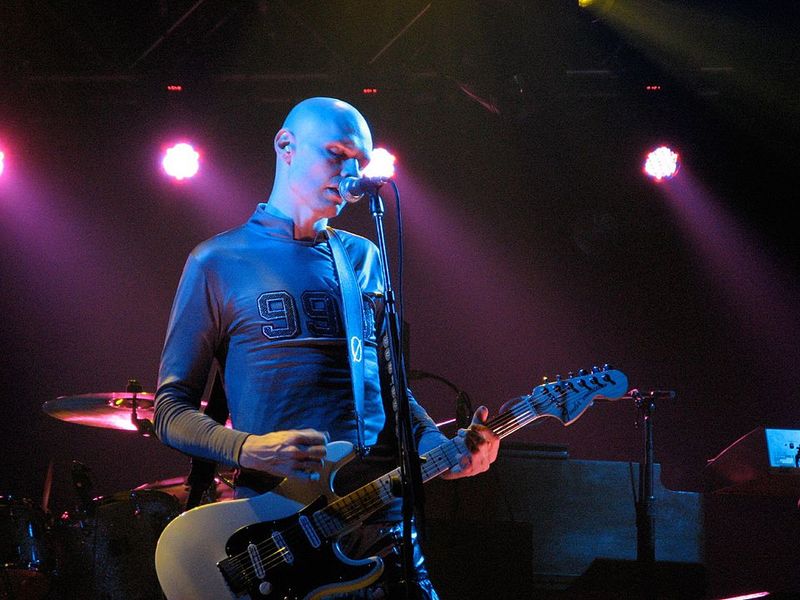
Billy Corgan drove the Pumpkins with relentless focus, which also bred resentment. Leadership became control, and the studio turned into a fortress. You can almost feel the chill that settles when collaboration narrows to one voice.
He has acknowledged the fallout, even as he defends the results. If you have ever managed a project too tightly, his reflections sting. The victories were immense, but so were the distances they created.
13. Diana Ross (The Supremes)
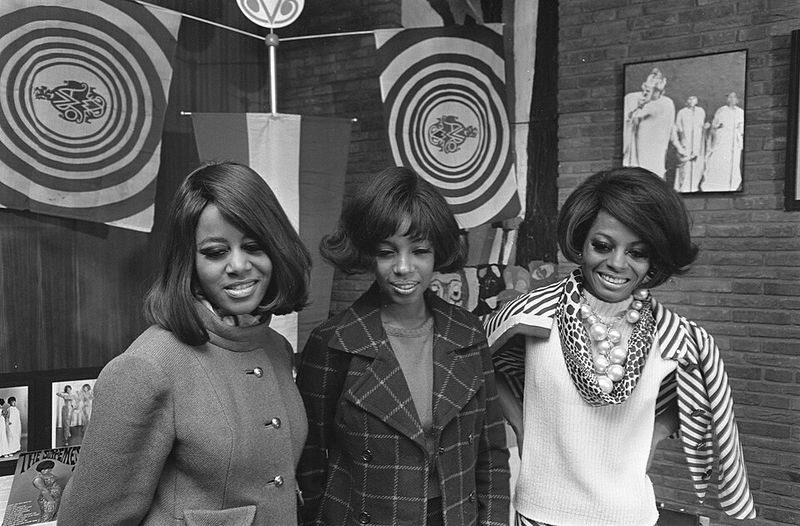
Diana Ross became the face of The Supremes, then paid for it in strained friendships. The crown grew heavy as colleagues felt pushed aside. You can imagine stepping into the light while watching bonds dissolve at the edge of the stage.
Her reflections acknowledge how success narrowed joy. If you have ever won while losing people, the feeling is familiar. Stardom offered control, but not comfort.
14. Oasis (collective regrets)

As a unit, Oasis turned conflict into rocket fuel and then burned on it. Both Gallagher brothers have admitted the ride felt toxic at times. You can hear the sigh under the bravado when they look back.
Band life magnified every slight, every headline, until the music competed with the feud. If your team thrives on drama, you know that exhaustion. Looking backward, the triumph feels complicated, the regrets unavoidably plural.



