 Unearth The Voyage
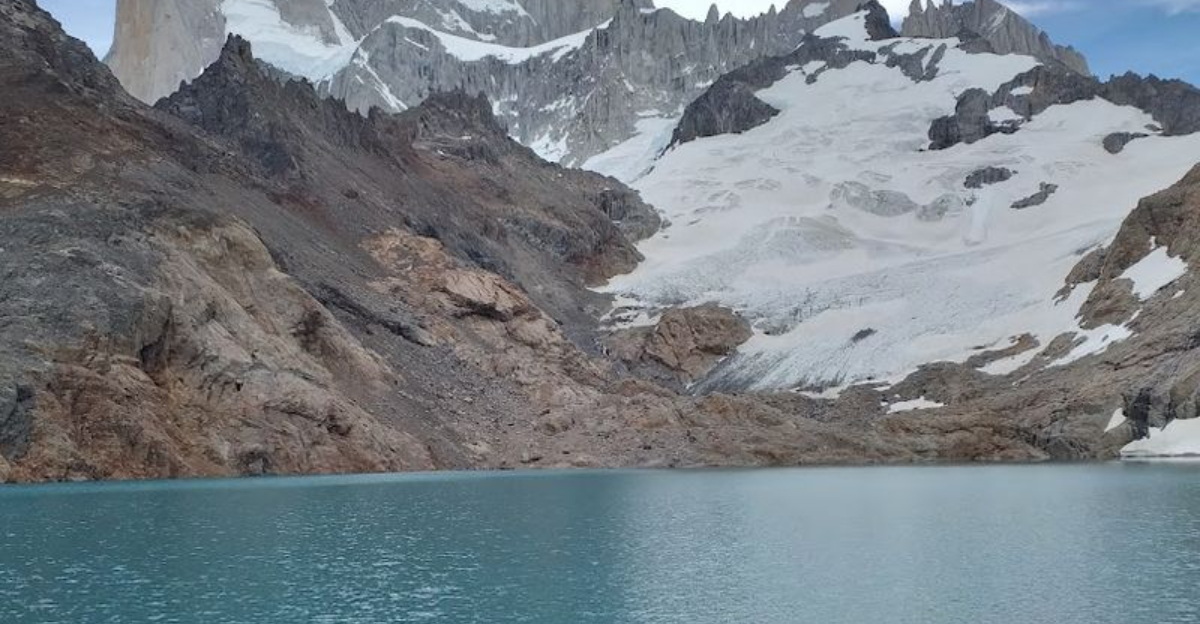
Southern Argentina is one of the most dramatic and remote places on Earth. Stretching from the vast Patagonian steppe to the icy tip of Tierra del Fuego, this region is stunningly beautiful yet brutally unforgiving.
Most people who visit are awestruck – and then quietly relieved to return home. Here are the real reasons why almost nobody chooses to actually live there.
1. Relentless Winds
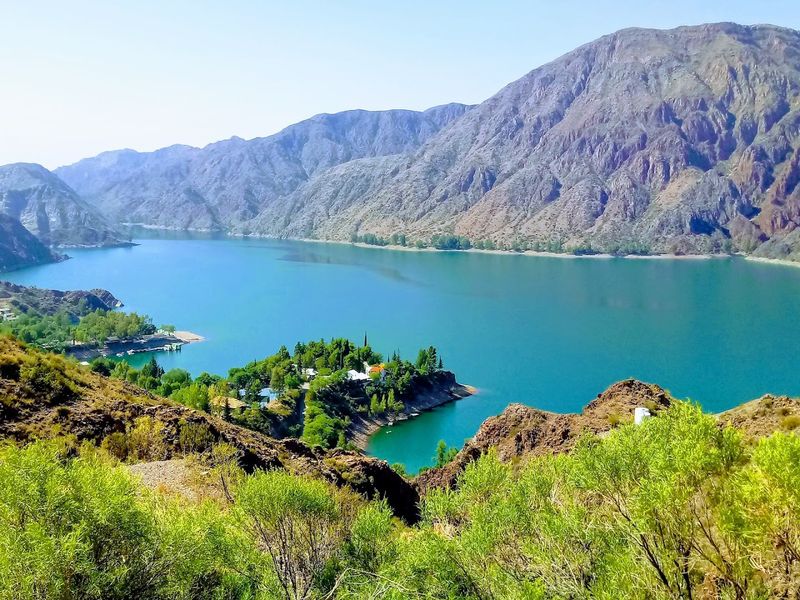
Trees here do not grow tall – they grow sideways. That tells you everything you need to know about Patagonian winds.
Gusts regularly hit 60 to 80 mph, sometimes even stronger, blasting across the open steppe with almost nothing to slow them down.
Walking outside on a bad wind day means leaning at a sharp angle just to stay upright. Hats disappear, doors slam violently, and lightweight objects become projectiles.
Locals joke that the wind has a personality – and it is not a friendly one.
For settlers and ranchers, this is not just inconvenient – it is exhausting. The constant howling wears on people mentally over time.
Many who move south eventually admit the wind was the thing that finally broke them and sent them packing back north.
2. Harsh, Cold Climate
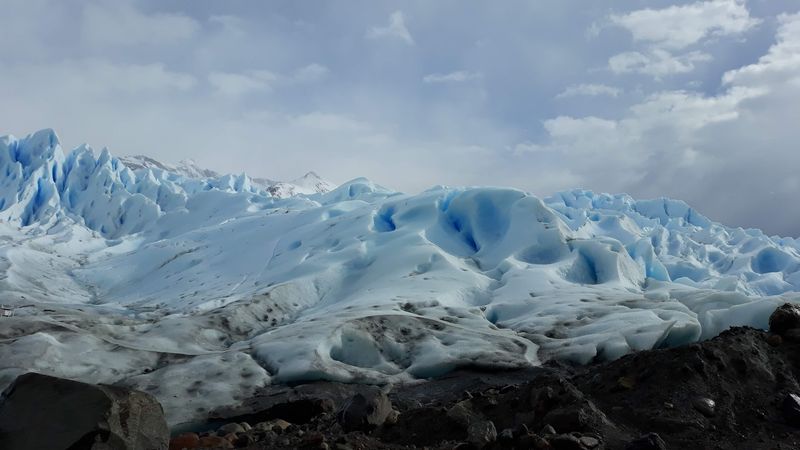
Winter in southern Argentina does not ease in gently – it arrives like a slammed door. Snowstorms can hit with little warning, and temperatures regularly plunge well below freezing for months at a time.
The cold is not just uncomfortable; it makes basic daily tasks genuinely difficult.
Heating a home properly in Patagonia is expensive and logistically tricky. Fuel must be transported from far away, and power outages during storms are common.
Imagine trying to get to work or school when roads are iced over and the nearest neighbor is miles away.
Even summer offers no guarantee of warmth. Temperatures can feel pleasant one hour and bitterly cold the next.
The climate demands constant preparation, and that level of alertness gets old fast. It is one major reason most Argentines prefer the milder north.
3. Geographic Isolation
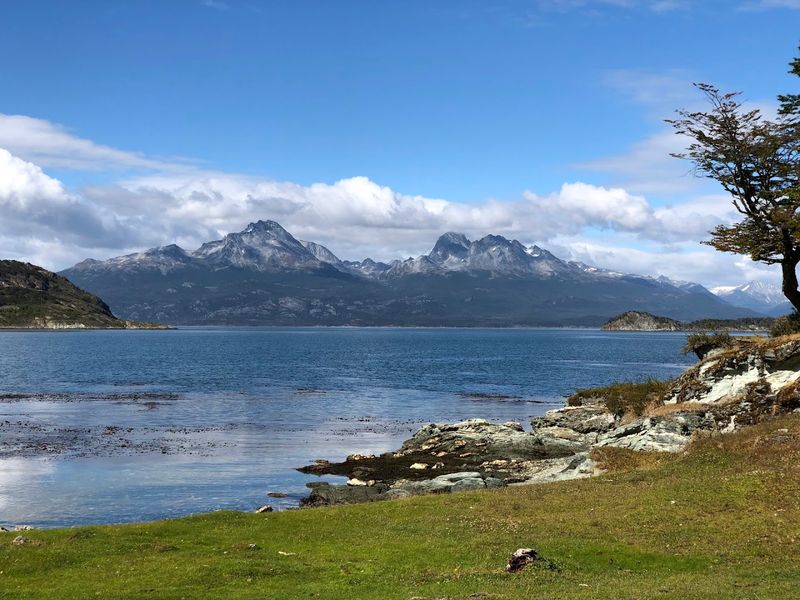
Pull up a map of southern Argentina and squint – you will notice something striking. There is almost nothing out there.
Towns are separated by hundreds of miles of flat, windswept emptiness, with no suburbs, no rest stops, and sometimes no cell signal either.
Driving between cities in Patagonia can take the better part of a day, even on the main highways. Veer off onto secondary roads and you are looking at rough gravel tracks that punish tires and test patience in equal measure.
Breaking down out there is not a minor inconvenience.
This isolation shapes everything – from how people shop to how communities function. Residents often stockpile supplies because the next store might be two hours away.
For families with young children or elderly relatives, that kind of distance from civilization is simply too much to manage.
4. Poor Agricultural Conditions
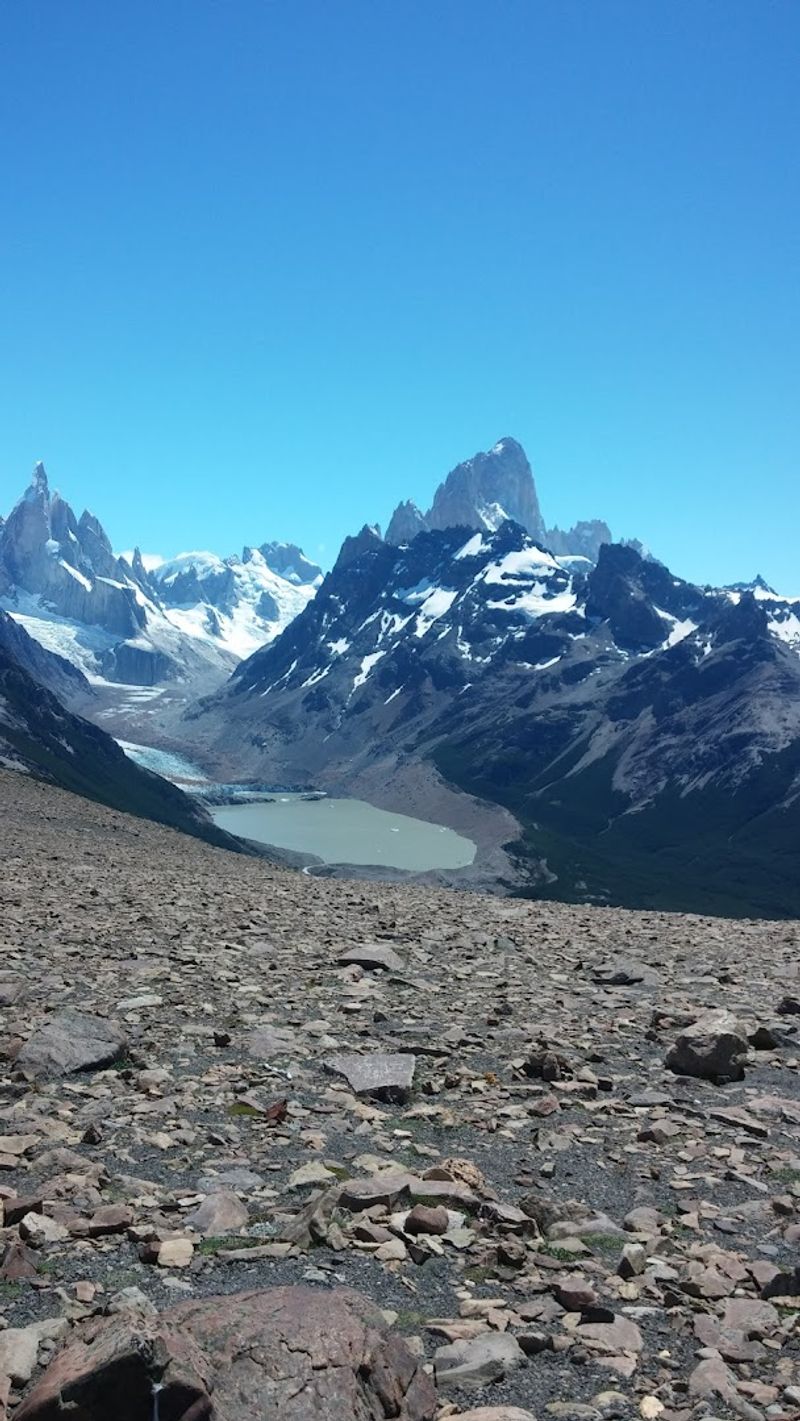
Scratch the surface of Patagonia – literally – and you will find rocky, sandy, nutrient-poor soil that laughs at farming ambitions. The region is essentially a cold desert in many places, receiving very little rainfall and offering little in the way of fertile ground for crops.
Sheep ranching became the dominant agricultural practice here for a reason: sheep can survive on sparse, scrubby vegetation where almost nothing else will grow. Even so, the land requires enormous estancias – ranches covering thousands of acres – just to sustain modest herds.
Large-scale food production is simply not viable across most of the region. That means communities depend heavily on imported goods, which drives up costs and limits self-sufficiency.
When the land itself refuses to cooperate, building a thriving agricultural economy becomes an uphill battle that most settlers eventually abandon.
5. Limited Infrastructure
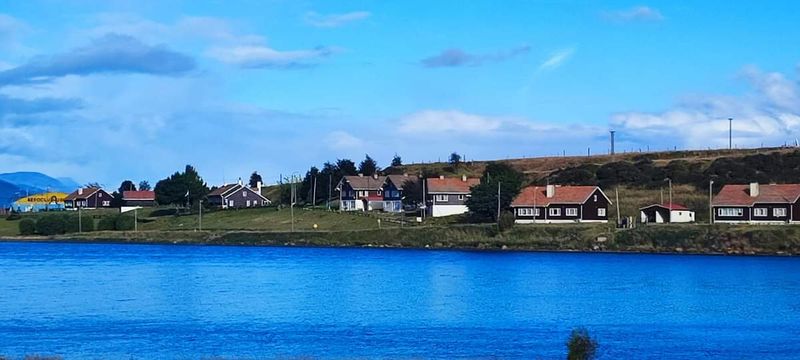
Forget everything you take for granted in a city. In many parts of southern Argentina, reliable roads, schools, hospitals, and even consistent electricity are not guaranteed.
Infrastructure thins out dramatically the farther south you travel from Buenos Aires.
Some rural communities have one-room schoolhouses serving students across multiple grade levels. Internet connectivity, where it exists, can be painfully slow or unreliable.
Power grids in remote zones are vulnerable to storm damage, and repairs can take days when technicians have to travel vast distances to reach the problem.
Building and maintaining infrastructure across such a massive, sparsely populated area is enormously expensive. The Argentine government has invested in improvements over the years, but the sheer scale of Patagonia makes full coverage a logistical puzzle.
For families used to urban conveniences, the gap is a serious deal-breaker.
6. Economic Concentration in the North
Argentina’s economic heartbeat pulses loudest in Buenos Aires and the central provinces – and that rhythm barely reaches the south. Jobs, universities, financial institutions, and corporate headquarters cluster in the north, pulling ambitious workers away from Patagonia generation after generation.
Young people growing up in southern towns often face a stark choice: stay and accept limited career options, or move north where opportunity knocks louder. Most choose to leave.
Small communities gradually hollow out as the educated workforce migrates toward the economic center of the country.
Government investment and business development tend to follow population density, creating a cycle that is hard to break. Where fewer people live, fewer services exist – and fewer services means fewer people want to move there.
Southern Argentina stays sparsely populated partly because the economic gravity of the north is simply too strong to resist.
7. Extreme Weather Swings
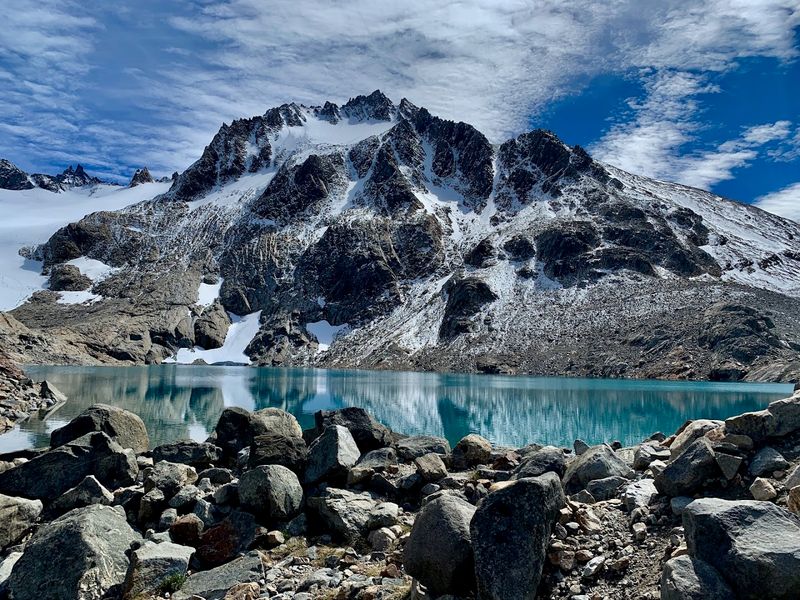
Patagonian weather has a flair for the dramatic. Locals have a saying that if you do not like the weather, wait five minutes – and they are not entirely joking.
Sunshine, sleet, fierce winds, and brief spells of warmth can all show up within a single afternoon without much warning.
Planning anything outdoors becomes a gamble. Hiking trails that looked perfect in the morning can turn dangerous by noon when temperatures drop and visibility disappears in a sudden squall.
Farmers and ranchers learn quickly to always have a backup plan – and a backup to the backup.
This unpredictability is mentally draining over time. Packing for a day trip requires gear for every possible condition, and outdoor work schedules are constantly disrupted.
Visitors find it thrilling for a week. Residents who endure it year-round tend to find it considerably less charming after the novelty wears off.
8. Remote Healthcare Access
Getting sick in a remote part of Patagonia is not just uncomfortable – it can be genuinely dangerous. Many small towns have only a basic health post staffed by a nurse or a rotating doctor who visits periodically.
Specialized care means traveling hours to reach a larger city.
Emergency situations become high-stakes logistics problems. A serious accident or sudden illness might require a helicopter evacuation or a long ambulance ride on rough roads before reaching a hospital equipped to help.
Every minute counts, and distance eats up minutes fast.
For elderly residents or families with young children, this reality weighs heavily on daily life. Chronic conditions that need regular specialist attention become much harder to manage.
Many families make the painful decision to relocate simply because they cannot afford the risk of being so far from proper medical care when it matters most.
9. Sparse Job Opportunities
Ask someone what they do for work in southern Argentina and the answer almost always falls into one of a handful of categories: tourism, oil extraction, fishing, or sheep ranching. Outside those industries, the job market is thin – and getting thinner as younger generations move away.
Tourism creates seasonal work that disappears in winter, leaving many workers scrambling for income during the off-months. Oil and gas jobs exist around certain zones like Comodoro Rivadavia, but they require specific technical skills and do not employ large numbers of people relative to the region’s size.
Entrepreneurs face steep challenges too. A small business needs customers, and customers need population density that simply does not exist here.
Opening a restaurant, shop, or service business in a town of a few hundred people is a brave act – and not always a financially rewarding one.
10. High Cost of Living
Everything costs more when it has to travel thousands of miles to reach you. In southern Patagonia, that surcharge on basic goods is very real and very noticeable when you look at price tags in local stores.
Groceries, building materials, fuel, and electronics all carry a remote-location premium.
The cost of heating a home through a long Patagonian winter adds another financial layer. Firewood, gas, and electricity are significant budget items for families who need reliable warmth for six or more months of the year.
Budget planning here requires a level of financial discipline most urban Argentines never have to develop.
Wages in the region do not always rise to match these elevated costs, squeezing household budgets tightly. Retirees and low-income families feel this pressure most acutely.
The combination of high prices and limited income options makes southern Argentina a tough place to build financial stability.
11. Limited Public Transportation
Own a car in Patagonia – or prepare to wait. Public transportation between southern Argentine towns is sparse, infrequent, and sometimes nonexistent on certain routes.
Bus services may run once or twice a day at best, and in more remote areas, not at all.
For residents without personal vehicles, this is not merely inconvenient – it is genuinely limiting. Getting to a medical appointment, a school event, or even a job interview requires either owning a reliable car or depending on the goodwill of neighbors willing to drive.
Neither option is guaranteed.
Maintaining a vehicle in Patagonia comes with its own costs and challenges. Gravel roads destroy tires and suspension systems faster than paved surfaces.
Spare parts are expensive and sometimes hard to source locally. The combination of poor public transit and rough driving conditions makes mobility in the south a constant, costly negotiation.
12. Vast Empty Landscapes
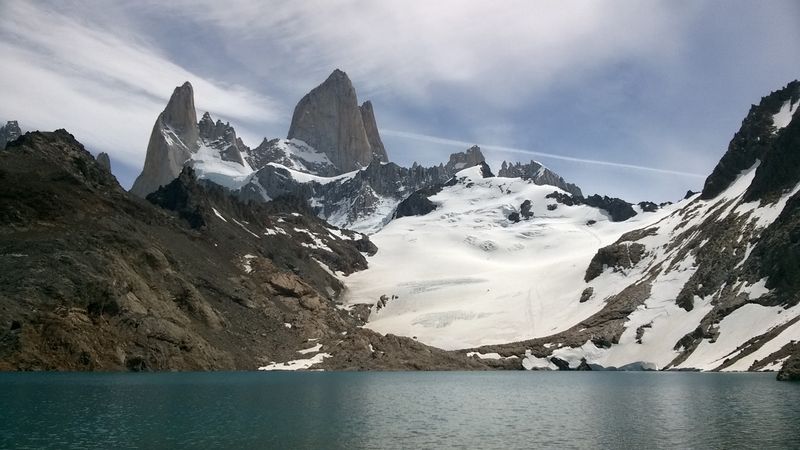
Standing in the middle of the Patagonian steppe feels like standing on another planet. The land stretches in every direction without interruption – no towns, no trees, no signs of human life for as far as the eye can reach.
It is breathtaking and slightly unnerving at the same time.
Photographers and adventurers adore this emptiness. For people who need community, services, and the hum of daily life around them, it is a different story entirely.
Humans are social creatures, and living surrounded by nothing but wind and scrub for weeks on end takes a psychological toll.
The sheer scale of Patagonia also makes development impractical. Laying roads, power lines, and communication networks across millions of acres of sparsely populated terrain costs enormous sums of money for a very small return.
The vastness that makes Patagonia spectacular is also exactly what keeps it empty.
13. Wildlife Over Urbanization
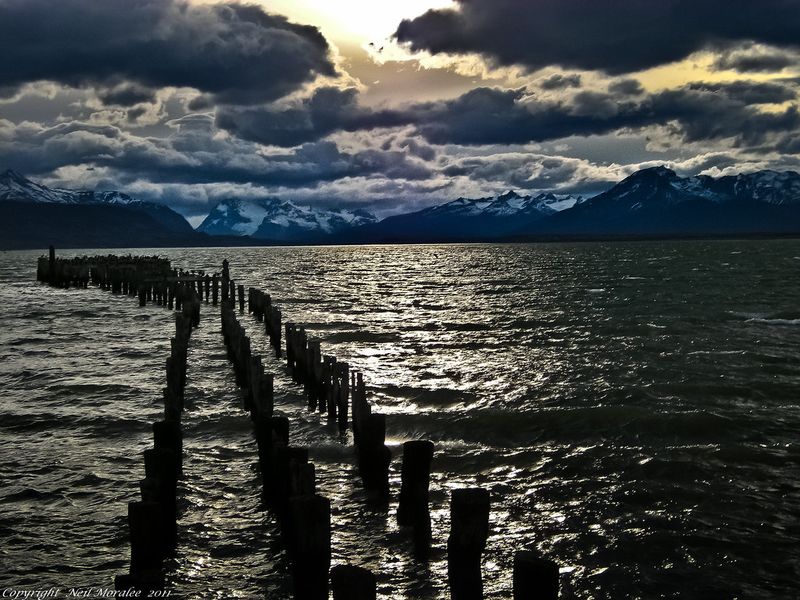
Guanacos roam freely across highways. Penguin colonies crowd coastal beaches by the thousands.
Condors ride thermals overhead with a wingspan wider than most people are tall. In southern Argentina, wildlife did not get pushed aside for development – it simply stayed in charge.
Places like Peninsula Valdes and Tierra del Fuego host animal populations that dwarf the human headcount in nearby towns. That is not a complaint from an ecologist – it is just the reality of a region where nature never surrendered its territory to urban sprawl.
For wildlife lovers, this is paradise. For anyone hoping to build a thriving city, it presents challenges.
Environmental protections, remote terrain, and low population density all work together to keep development minimal. Southern Argentina remains one of the last places on Earth where animals genuinely outnumber people – and that is unlikely to change anytime soon.
14. Harsh Coastal Conditions
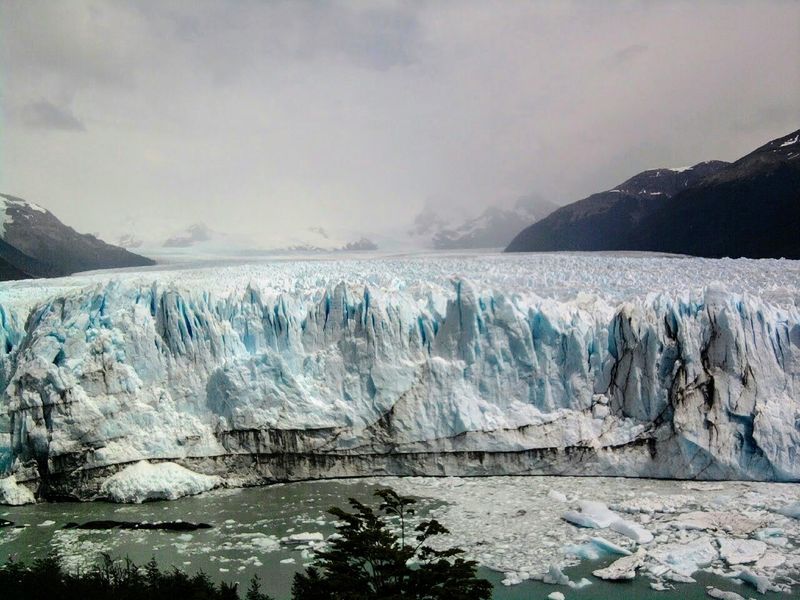
The southern Atlantic coast of Argentina is not the kind of beach that makes vacation brochures. Cold, grey, and frequently lashed by powerful storms, the coastline between Patagonia and Tierra del Fuego is more survival challenge than seaside retreat.
Water temperatures hover near freezing for most of the year.
Maritime industries face enormous difficulties operating in these conditions. Fishing fleets must contend with unpredictable swells, icing on deck equipment, and limited port infrastructure outside a few key towns.
The sub-Antarctic waters are rich in marine life but genuinely dangerous to work in for extended periods.
Coastal towns that might thrive in friendlier climates struggle to attract residents and investment here. There are no beach tourism booms, no warm-weather hospitality industries, no surf culture.
The southern Atlantic keeps the coast raw, wild, and magnificently inhospitable – which is wonderful for wildlife and rather discouraging for everyone else.
15. It Truly Feels Like ‘The End of the World’
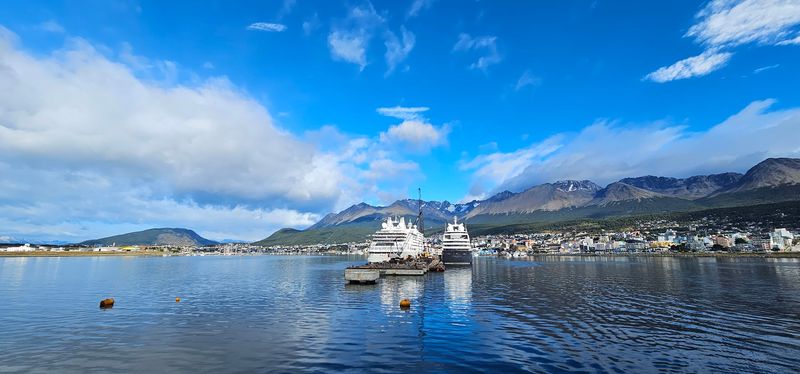
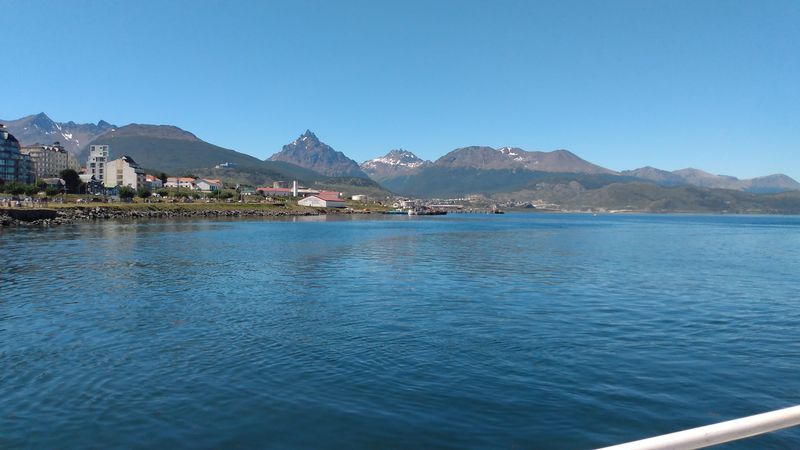
Ushuaia proudly calls itself the southernmost city in the world, and it earns that title without argument. Standing there looking south, the next significant landmass is Antarctica.
There are no roads continuing further, no towns beyond the horizon – just ocean, ice, and an overwhelming sense of finality.
That feeling is not just poetic. It is logistical.
Supply chains end here. Communication links stretch thin.
Emergency services operate at the edge of their range. Living at the literal bottom of the inhabited world means accepting that help, goods, and connection all come from very, very far away.
For adventurers and dreamers, that remoteness is the whole appeal. But for families, professionals, and anyone who values everyday convenience, the psychological weight of being this far from everything familiar is real and heavy.
The end of the world is a great place to visit – living there is a different commitment entirely.



