 Unearth The Voyage
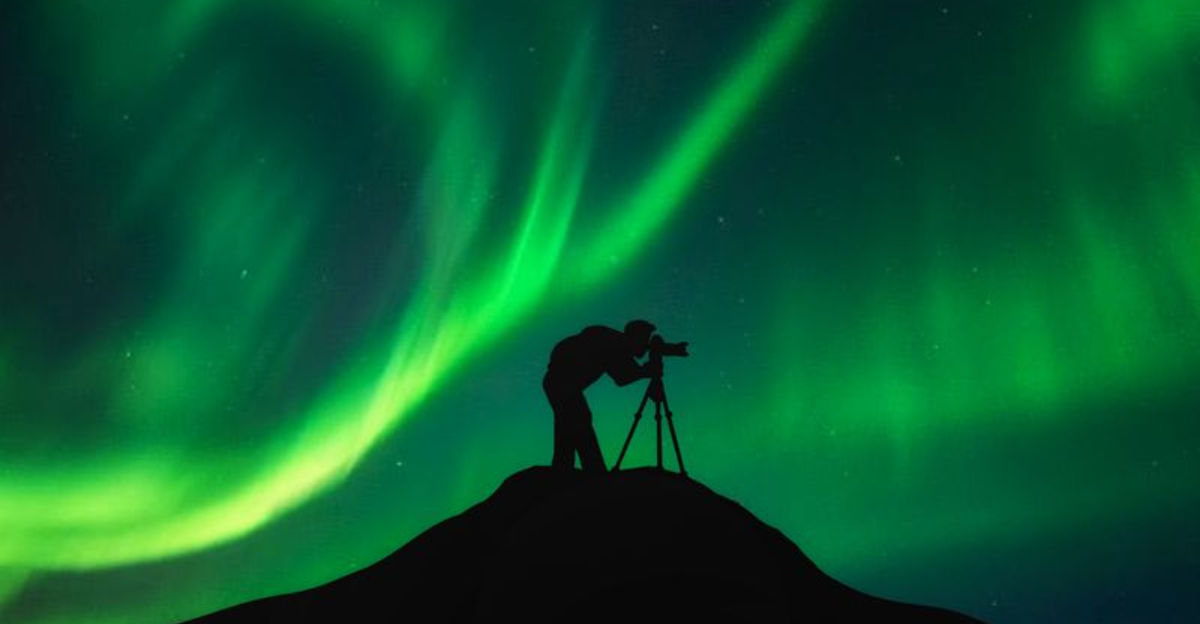
Solar activity is spiking, and that means the northern skies could glow with color this week. If you have been waiting for a chance to catch the aurora, forecasts point to several promising nights ahead.
With the right timing, clear skies, and a dark horizon, you might see green bands rippling or even purple streaks dancing overhead. Here is what to know and how to plan for your best shot at the lights.
What’s Causing This Week’s Northern Lights Opportunity
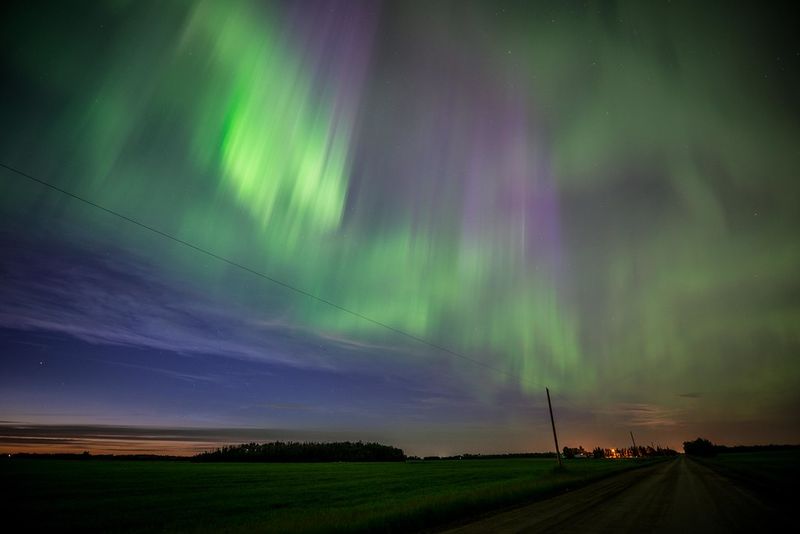
Heightened solar activity is the headline driver behind this week’s aurora opportunity. Recent X class solar flares and fast coronal mass ejections from active Region 4366 have launched charged particles toward Earth.
As these streams arrive, they buffet our magnetic field, inject energy into the magnetosphere, and set the stage for auroral displays. When the interplanetary magnetic field tilts southward in the Bz component, coupling improves and particles pour into the upper atmosphere.
Collisions with oxygen and nitrogen at different altitudes create green, red, and purple emissions that ripple as curtains and arcs. Space weather centers are watching solar wind speed, density, and Bz swings closely.
Forecasters use the Kp index to summarize storm strength, with higher values pointing to broader visibility. Real time dashboards from NOAA and auroramap.org suggest moderate chances across multiple nights, with peaks when substorms intensify near local midnight.
If clouds cooperate, you could catch anything from a faint northern glow to a vivid overhead burst.
Where You May Be Able to See the Lights
Auroras usually favor high latitudes, where magnetic field lines guide particles into the atmosphere. That keeps Alaska, northern Canada, Iceland, and Scandinavia in the core viewing zone most nights.
This week’s outlook hints at a wider reach, depending on storm strength and the timing of solar wind arrivals. NOAA guidance points to potential visibility across parts of the northern United States.
Maine, Minnesota, Michigan, and perhaps northern stretches of the Plains and Rockies could see glows on the northern horizon if activity intensifies. Under strong impacts, the footprint can expand, nudging the auroral oval farther south than usual.
For the best chance, aim for dark, open landscapes away from city glare. Rural parks, lakeshores, and high ridgelines help you scan a broad horizon.
Use interactive aurora maps and cloud cover forecasts to pivot quickly when conditions shift, and give yourself time to adapt as the storm evolves.
Best Times to Look Up This Week
Timing makes or breaks aurora plans. The darkest window from late evening through early morning generally offers the best odds, especially around local midnight when substorms often peak.
Because solar wind conditions fluctuate, each night can bring different pacing and intensity. Check NOAA’s Space Weather Prediction Center updates alongside 30 minute nowcasts that track auroral probability.
Short term maps help you decide when to head outside, and you can step out for repeated checks as indices rise. If a burst is brewing, you may see a dim arc brighten quickly and expand overhead.
Build flexibility into your routine this week. Give yourself multiple nights and at least two viewing sessions per night, separated by brief warm ups indoors.
Stay patient, shield your eyes from bright lights, and be ready to move if clouds break in a neighboring area.
Tips for Viewing and Photographing
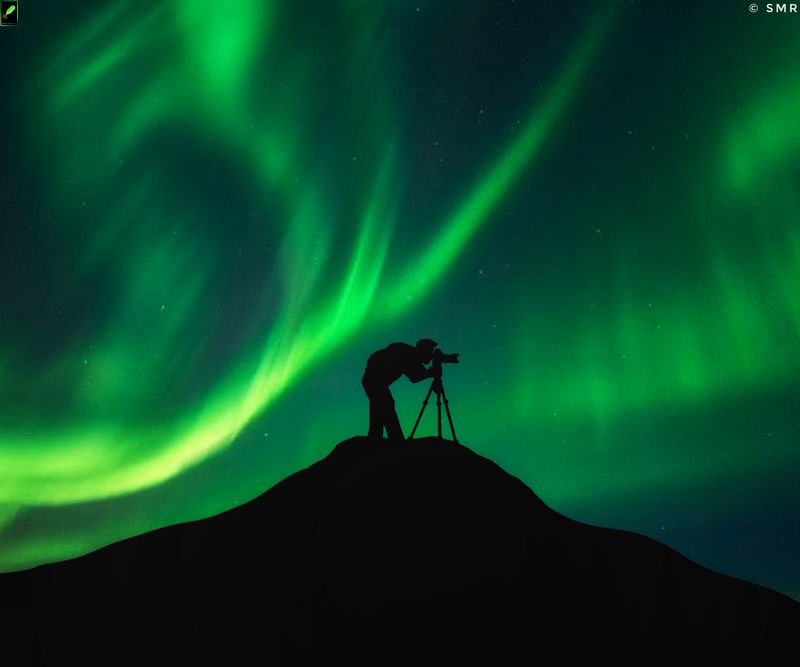
Choose a dark, open location with a clean northern view, and let your eyes adjust for at least 20 minutes. Bring warm layers, hand warmers, and a thermos so you can wait comfortably through lulls.
Turn off vehicle lights and use a red headlamp to preserve night vision. For photos, use a tripod, wide lens, and manual focus set on a bright star or distant light.
Start around ISO 1600 to 3200, f2.0 to f2.8, and 4 to 10 seconds, then tweak for brightness and motion. On phones, switch to Night Mode or a manual long exposure app and stabilize the device.
Check real time Kp, Bz, and cloud maps before leaving, and refresh often once outside. Frame foreground elements like trees or snow to add scale, but avoid light pollution.
Even modest auroras can look dramatic in long exposures, so keep shooting as structures evolve.



