 Unearth The Voyage
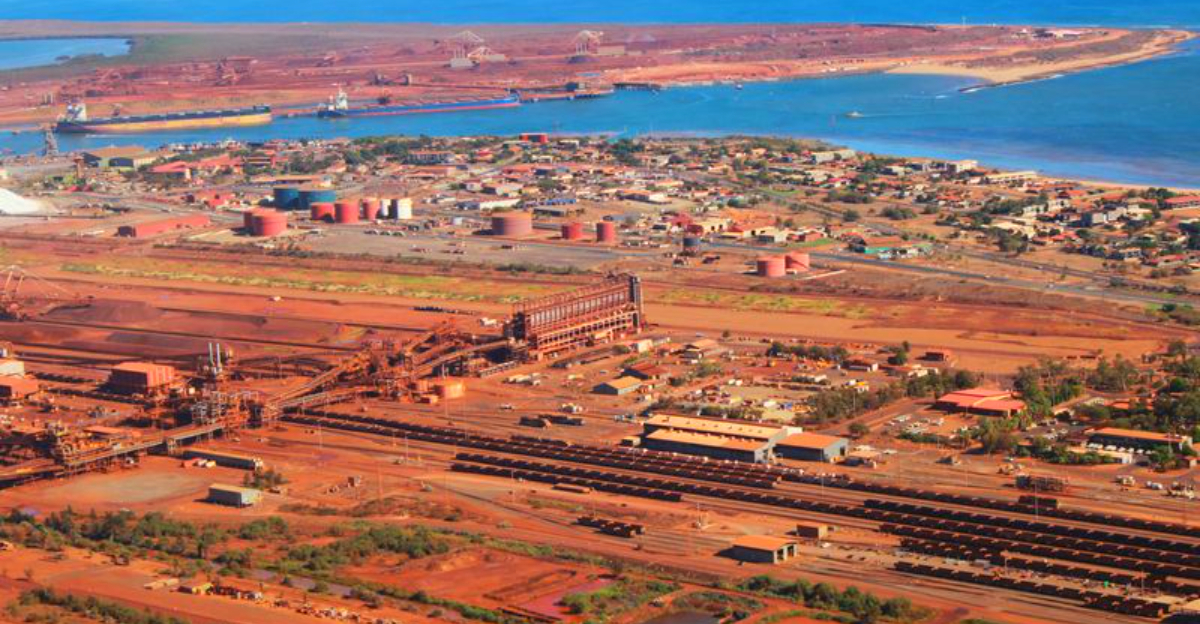
Beneath the red earth of the Pilbara, a timeline-shifting discovery is rewriting what we thought we knew about our planet. Scientists have pinned the region’s richest iron ores to a much younger chapter than textbooks allowed, and the implications ripple far beyond geology. You will see the Pilbara not just as a remote mining powerhouse, but as a living archive of deep Earth engines at work. Ready to rethink Earth’s history from the heart of Western Australia?
1. The Hamersley Basin Hosts the Largest Known Iron Ore Deposit on Earth
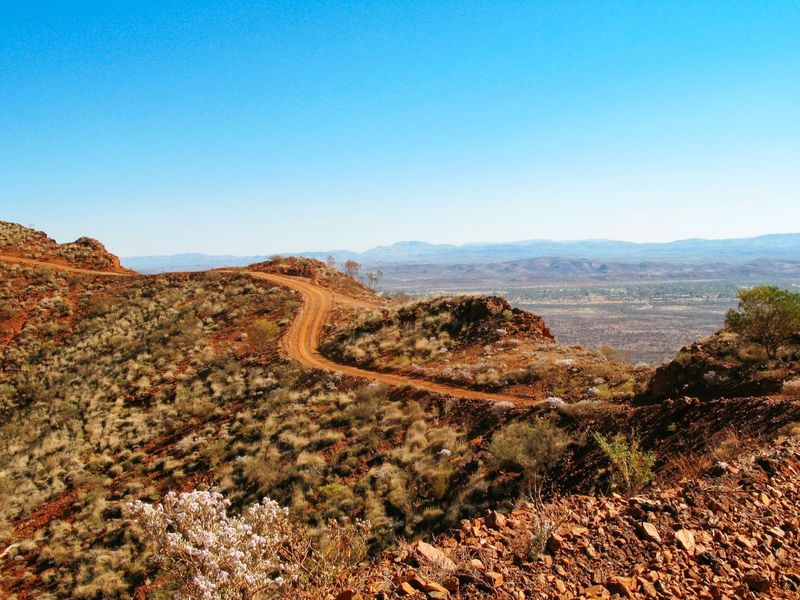
Stand on a Pilbara ridge and the scale feels almost unreal. The Hamersley Basin stretches to the horizon, its red escarpments revealing layered stories of iron and time. Geologists now recognize it as the largest iron ore deposit known, a cornerstone of global steel that built cities you walk through every day.
With an estimated 55 billion metric tons, the basin dwarfs rival districts and anchors Western Australia’s identity. Local towns pulse with FIFO flights, railways carve through spinifex, and ports at Dampier and Port Hedland move mountains daily. Yet the land speaks older truths, older than any economy.
Out here, Aboriginal knowledge and country frame every conversation. You feel the responsibility alongside the awe. The Pilbara promises resources, but it also demands care and humility. This discovery magnifies both the opportunity and the obligation to understand what lies beneath.
2. The Total Estimated Value Exceeds $5.7 Trillion
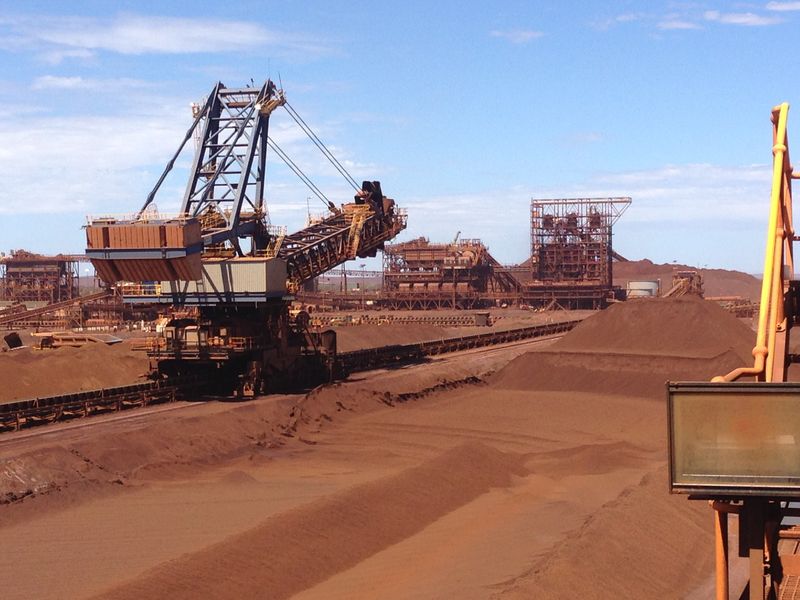
Put a number to the Pilbara’s subterranean wealth and the mind reels. At current prices, researchers peg the iron treasure at more than $5.7 trillion. That figure towers over national budgets and reshapes how you think about a sparsely populated desert, turning red stone into a global ledger line.
But the real story is not a cash register ringing. This valuation highlights scale, not a shopping list of exploitation. You can sense the difference at a lookout over the Hamersley ranges, where the wind outpaces phone reception and markets feel very far away.
Every ore train that snakes to the coast echoes economic gravity. Still, scientists emphasize understanding over extraction, aiming to read the rocks before pricing them. In the Pilbara, value wears two faces: the immediate and the enduring. You are invited to weigh them both with care.
3. The Discovery Challenges Long-Standing Geological Assumptions
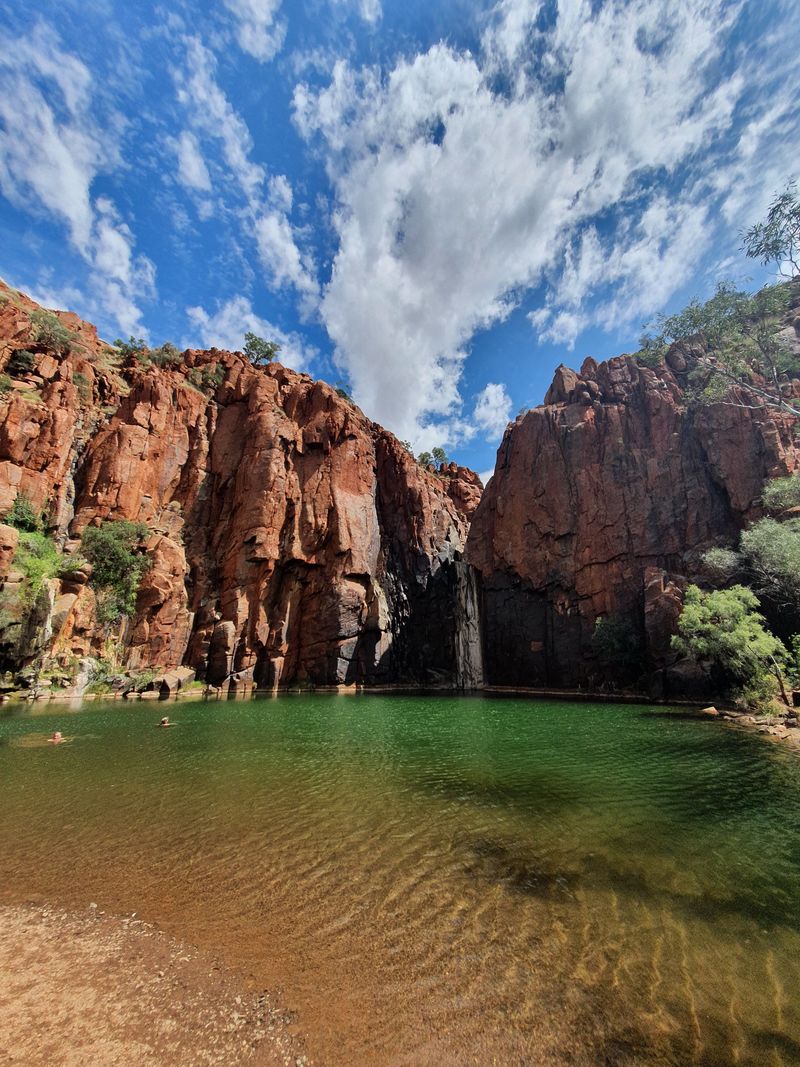
For years, students learned a tidy timeline for Pilbara iron. Then new data landed like a tremor, cracking open the old scripts. You can feel the shift in field camps where maps are redrawn, because the discovery contradicts familiar models and invites a more dynamic Earth into the story.
In this region, certainty is always provisional. Fresh dates and fluid paths show processes once overlooked. The Pilbara’s rugged ridges mask complexity, and now geologists must reconcile revised ages with textures in the rock.
This is science at its best: evidence nudging pride off the podium. You watch assumptions give way to better questions, and the landscape grows larger with each answer. In the Pilbara, humility is not optional. The terrain edits your conclusions as quickly as you can write them.
4. The Iron Ore Formed Between 1.4 and 1.1 Billion Years Ago
The clock has been reset. Instead of early Proterozoic timing, the Pilbara’s high-grade iron crystallized between 1.4 and 1.1 billion years ago. That places the story squarely in the Mesoproterozoic, a quieter chapter once thought too late for such dramatic enrichment.
You can stand in a pit wall and touch that timeline. Bands of iron record pulses of ancient heat and fluids, each grain a time capsule. The revised age invites updated questions about what else was moving through the crust when these ores matured.
Being late does not mean being small. This window aligns with tectonic stirring across the Pilbara, and it nudges models to look deeper than the sky for causes. The rocks do not argue loudly, but the numbers are firm, and they ask you to listen.
5. Previous Models Linked the Ore to the Great Oxidation Event
Textbooks loved the tidy link to the Great Oxidation Event. Rising oxygen, iron falling from oceans, story closed. In the Pilbara, that neat arc has unraveled, because the ore’s true age arrived long after the atmospheric drama usually credited with doing the heavy lifting.
You can still trace ancient oxygen shifts in older layers, but the premium ore tells a later tale. That mismatch pushes you to separate background iron supply from the upgrade that created high-grade deposits.
It is freeing, in a way. The Pilbara no longer stands as a simple oxygen meter but as a record of Earth’s mechanical heart. Moving beyond the GOE sharpens exploration targets and deepens respect for the region’s complexity. It also shows how one elegant idea can overstay its welcome until fresh evidence walks it to the door.
6. The Study Was Published in a Leading Scientific Journal
Credibility matters when you rewrite a timeline. The work grounding this Pilbara revision appeared in PNAS, a venue known for high bars and cross-disciplinary reach. When you read through methods and supplementary data, the rigor feels as solid as the hematite itself.
Peer review forced every claim to survive interrogation. That scrutiny does not make the rocks younger, but it does make the argument harder to ignore. In a field crowded with competing models, this helps the Pilbara’s story travel.
For locals and visitors, it means the scientific spotlight is not a passing glare. You can expect classrooms, policy rooms, and exploration teams to reference this study for years. The Pilbara becomes not just a mine map, but a case study of how careful dating can reset an entire field’s compass.
7. Scientists Used Direct U-Pb Dating on Hematite
The breakthrough feels elegant. Instead of dating neighbors and guessing, researchers measured time within hematite itself using U-Pb isotopes. If you have ever wished a rock could speak plainly, this is about as close as it gets in the Pilbara’s iron heart.
Laser ablation sampled tiny domains, unlocking age signals that had been hiding in plain sight. The method bypassed detours through less reliable markers and delivered dates that align across sites.
Standing at a core shed in the Pilbara, you can imagine each grain offering a timestamped postcard from the Mesoproterozoic. It is technical, yes, but the outcome is simple enough to carry: we finally asked the ore, not just the company it kept. The answers changed the script.
8. Earlier Dating Methods Could Not Directly Date Iron Ore
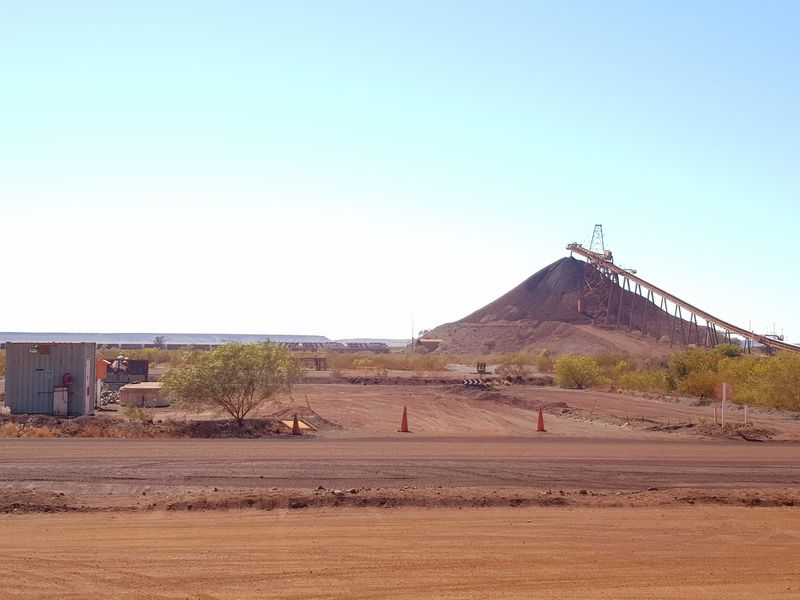
Before this pivot, ages leaned on proxy minerals and surrounding layers. Apatite and other phosphates told partial stories, but they were not the ore. In the Pilbara, that gap mattered, because none of those dates truly overlapped with the hematite’s newly measured clock.
You can think of it like asking the neighbors when a house was built. Helpful, sometimes accurate, but not definitive. The Pilbara’s rugged geology made those approximations wobble, and exploration models quietly inherited the wobble.
Direct dating tightens the lens. Now, the ore’s history speaks without translation, and you can judge past assumptions with fresh clarity. For a region that exports certainty in railcars, it is fitting that the science exporting from the Pilbara now carries sharper timestamps.
9. The New Age Was Confirmed Across Multiple Ore Bodies
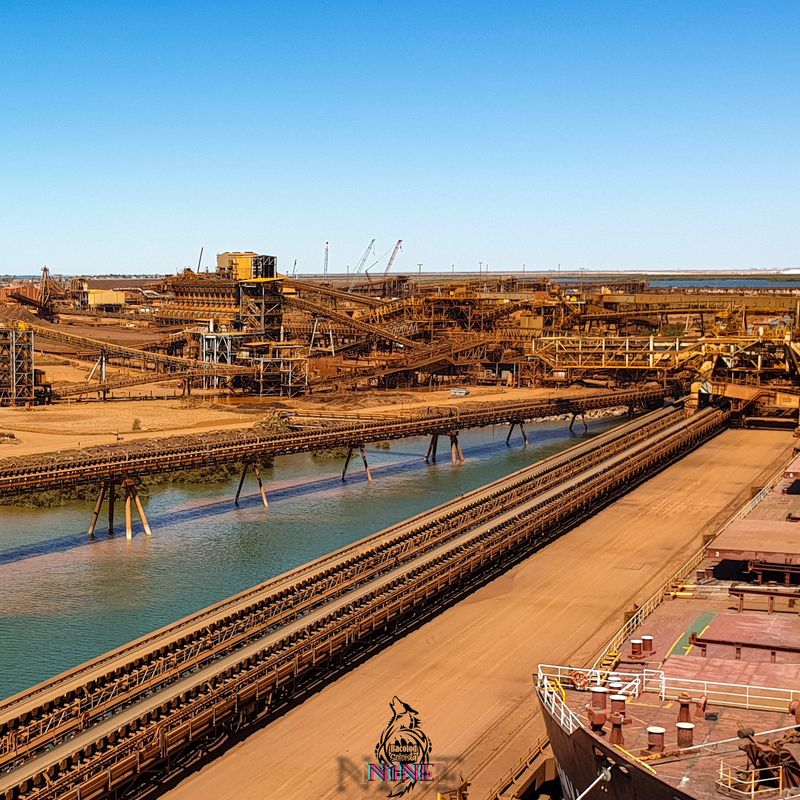
One outlier does not move a mountain. Multiple deposits across the Hamersley Basin now share the same younger ages, and that consistency steadies the conclusion. When you cross the Pilbara by rail or dusty track, you are traversing a mosaic that tells one coherent time story.
Replication is the quiet hero here. Different mines, different cores, same age windows. You can feel confidence grow as each dataset clicks into place like sleepers under steel rails.
The result leaves little room for local quirks to explain everything. Instead, a basin-wide process steps forward, painted in Mesoproterozoic colors. In a region defined by scale, the pattern suits the setting. The Pilbara is not whispering a fluke. It is speaking in chorus.
10. Ore Formation Coincided With the Breakup of a Supercontinent
Zoom out from the Pilbara ridge line to a supercontinent map. Around 1.4 to 1.1 billion years ago, Columbia began to fragment, and the Pilbara felt the pull. Extension, heating, and fluid movement rewired old rocks, setting the stage for iron to concentrate.
You can picture faults opening pathways while crust warmed and breathed. In that setting, chemistry flourished. The Pilbara’s ore upgrade reads like a diary of continental stress written in iron and silica.
Linking a local deposit to global tectonics changes how you search and how you teach the story. The breakup did not erase the Pilbara. It tuned it, and you can see the echoes from gorge walls to ship decks loaded with ore. The big picture finally fits the red dust underfoot.
11. Tectonic Processes Drove Iron Enrichment
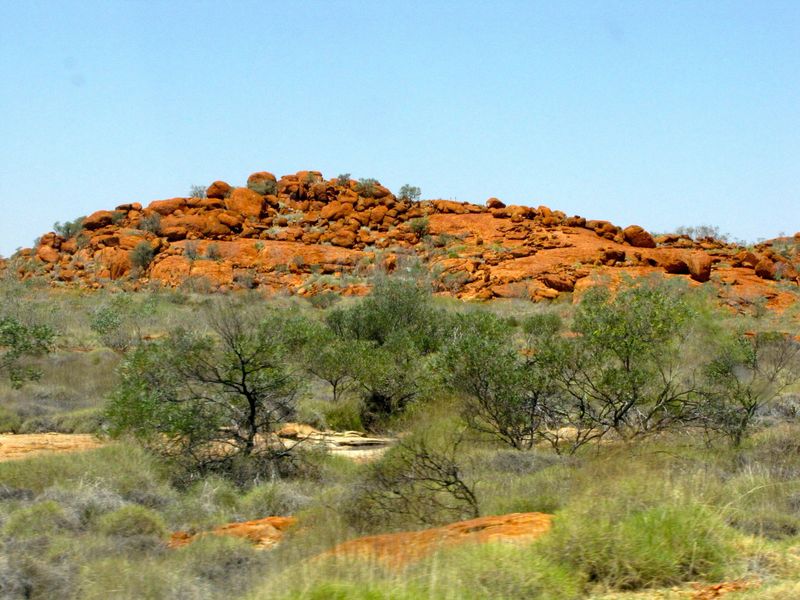
Forget the notion that air alone did the work. In the Pilbara, heat and structure took the lead. Faults and shear zones guided deep fluids that transformed precursor rocks into the high-grade hematite miners chase today.
You can trace these pathways in pit benches and gorge walls. Mineral textures show dissolution, replacement, and reprecipitation, a choreography only tectonics could sustain at scale. The Pilbara crust acted like a chemical engine, cycling fluids until the iron coalesced.
Standing near a drill rig, the idea clicks. Atmospheric oxygen set the stage long ago, but tectonics ran the play. That message resonates across the Pilbara’s rail lines and ridgelines, a reminder that deep processes shape the resources shaping your world.
12. Older Banded Iron Formations Were Transformed

The ore did not appear from nowhere. It began as banded iron formations, the iconic stripes you can spot in Pilbara gorges. Tectonically driven fluids later upgraded those layers, dissolving and reprecipitating iron until grades vaulted past 60 percent.
When you lean close to a fresh face, relic banding survives in places, like a ghost of the old architecture. Veins, vugs, and slickensides hint at motion and chemistry working together. The Pilbara carries both the blueprint and the renovation.
This matters for exploration. If you map the BIF, you sketch potential. If you find the fluid highways, you outline high-grade targets. The transformation story makes the Pilbara’s puzzle solvable, one outcrop at a time, under sun so bright it etches shadows into memory.
13. The Discovery Redefines Ore Formation as a Geodynamic Process

Call it a promotion for the deep Earth. In the Pilbara, ore formation now reads as a geodynamic outcome, not a simple surface chemistry tale. Heat, deformation, and time joined forces to refashion ancient layers into economic iron.
You can feel the conceptual shift as models add depth arrows and stress fields. The Pilbara’s story becomes a case study in crustal evolution, with ore as the signature rather than the starting point.
For you, this means better questions and sharper predictions. Track the engines, not just the residues. The Pilbara’s red horizons have always been dramatic. Now they double as a classroom where geodynamics writes in iron and we finally learn to read it well.
14. The Findings May Guide Exploration Worldwide
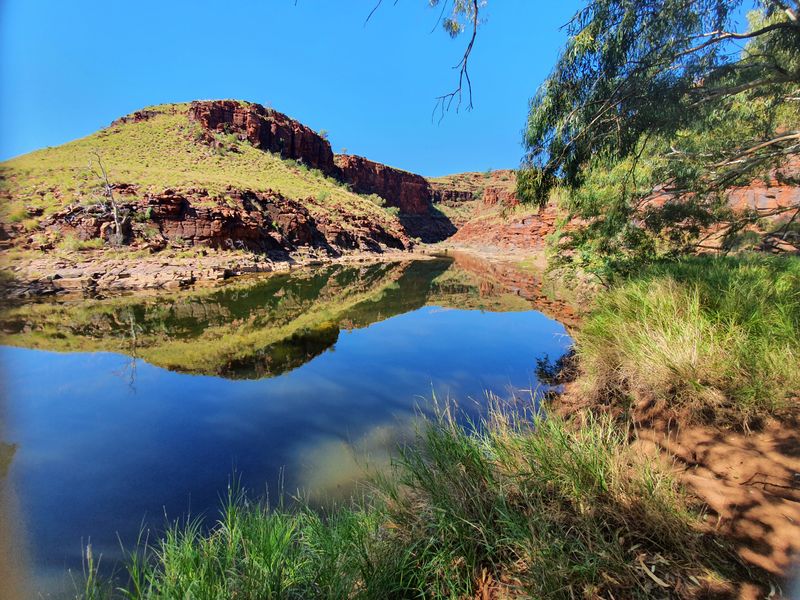
What works in the Pilbara can travel. Tie mineralization to supercontinent cycles, and you have a global roadmap. Regions in South Africa, Canada, and Brazil share Proterozoic rhythms that now look more promising through a Pilbara lens.
You can imagine teams recalibrating targets, chasing structural corridors and fluid footprints rather than only thick BIF. The Pilbara becomes both example and template, its red earth exporting ideas as readily as ore.
For explorers and students, this is empowering. If you learn the Pilbara’s lessons, you carry a portable toolkit. The desert teaches patience, pattern recognition, and respect for deep time. Apply that mindset elsewhere, and the world’s iron stories begin to rhyme.
15. The Scientific Impact Outweighs the Economic One

Yes, the numbers are staggering. But in the Pilbara, the most valuable outcome is clarity. By nailing down the age and process, scientists have reframed Earth’s timeline and given future generations a cleaner map for thinking about deep resources.
You can stand at dusk and watch an ore train thread the horizon, economy humming along. Then open a field notebook and feel a different reward take shape. Understanding outlasts markets. It travels farther than any shipment.
The Pilbara’s red country holds culture, biodiversity, and memory alongside minerals. This discovery invites care, collaboration, and better questions. You are part of that if you choose to be, whether visiting a gorge, reading a paper, or simply seeing iron as more than metal. Here, science leads and everything else follows.



