 Unearth The Voyage
Every generation leaves its mark on how homes look and feel. Baby Boomers, who grew up in a very different world than today’s young adults, have their own style when it comes to furniture, technology, and decorating. While younger people embrace the newest gadgets and ever-changing trends, Boomers tend to stick with what’s familiar, reliable, and built to last. Here are thirteen things you’re unlikely to spot in a typical Baby Boomer household.
1. Always-Listening Smart Speakers in Every Room
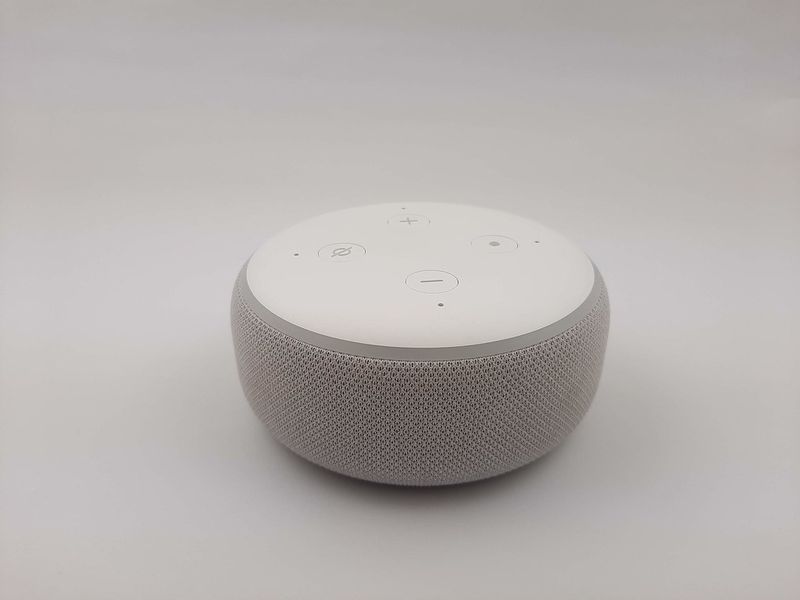
Smart speakers like Amazon Echo and Google Home are everywhere in Gen Z and Millennial apartments, but they are still far from universal in Baby Boomer homes. Surveys of adults 50 and older show that while smart home tech is growing, only about 28 percent of people 55 and up own a smart speaker, and around 35 percent own any smart home device at all.
Many Boomers worry about privacy and feel uneasy about devices that are always listening or collecting data. That doesn’t mean Boomers are anti-technology.
Most use smartphones, the internet, and even streaming services, just often without an always-on microphone sitting in the kitchen.
2. Fridges, Ovens, and Washers That Only Work Through an App
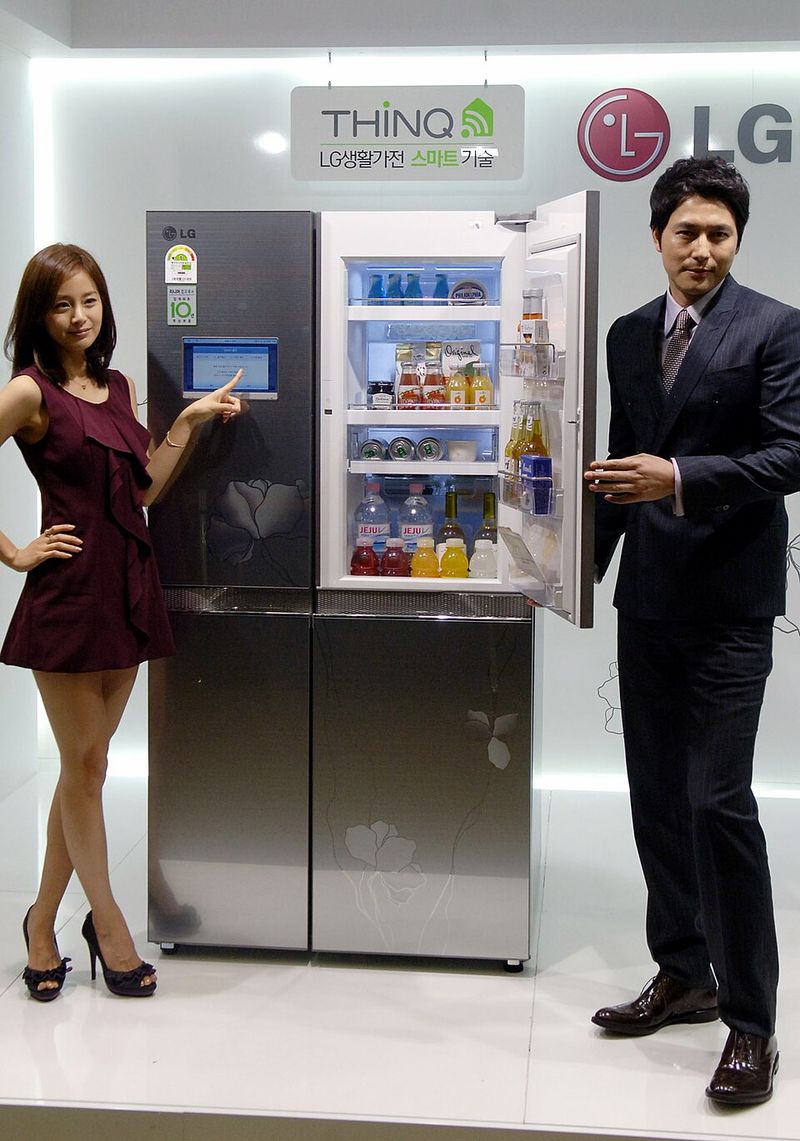
Younger homeowners are increasingly attracted to app-controlled ovens, fridges that show what’s inside on a screen, and washing machines that text you when they’re done. Many Baby Boomers, however, stick to appliances with physical knobs, buttons, and dials.
Research on older adults and technology shows that about 73 percent of people 65 and older say they need someone else to set up a new device, and many report low confidence with complex digital interfaces. Because of that, a refrigerator that forces you into an app or a voice command is more likely to feel like a hassle than a luxury.
They often prefer reliable, straightforward machines they can operate even if the Wi-Fi or smartphone is down.
3. Stark, Minimalist, Instagram-Ready Living Rooms
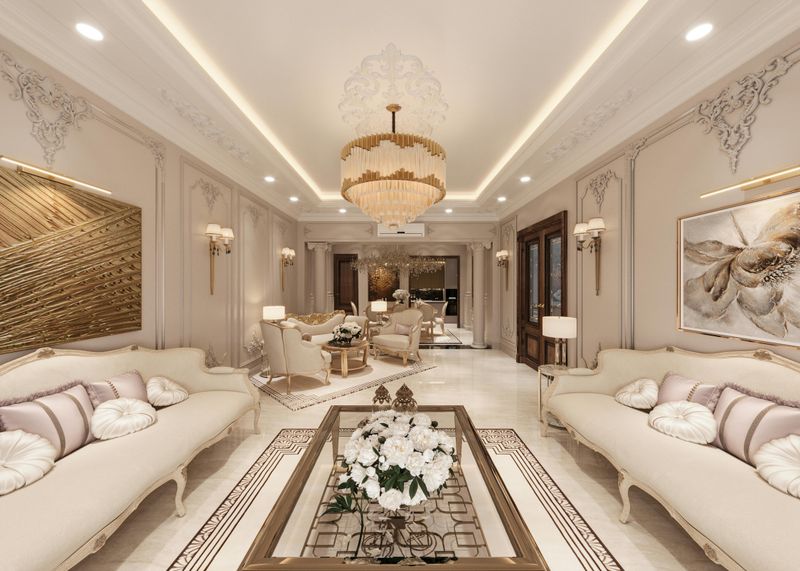
The ultra-minimal aesthetic with white walls, one low sofa, maybe one plant and a single piece of art is hugely popular online. Boomers, by contrast, are far more likely to prefer lived-in, layered spaces.
Home decor sites that study Baby Boomer style point out recurring staples: matching furniture sets, wooden china cabinets, full entertainment centers, and visible collections and family mementos. So what you won’t usually see in a Boomer’s living room is a space that looks like an empty showroom.
Their rooms tend to feel fuller, warmer, and more personal, with multiple pieces of furniture and decades of photos, books, and souvenirs on display.
4. Wall-Mounted TVs With Bare Walls and Hidden Cables
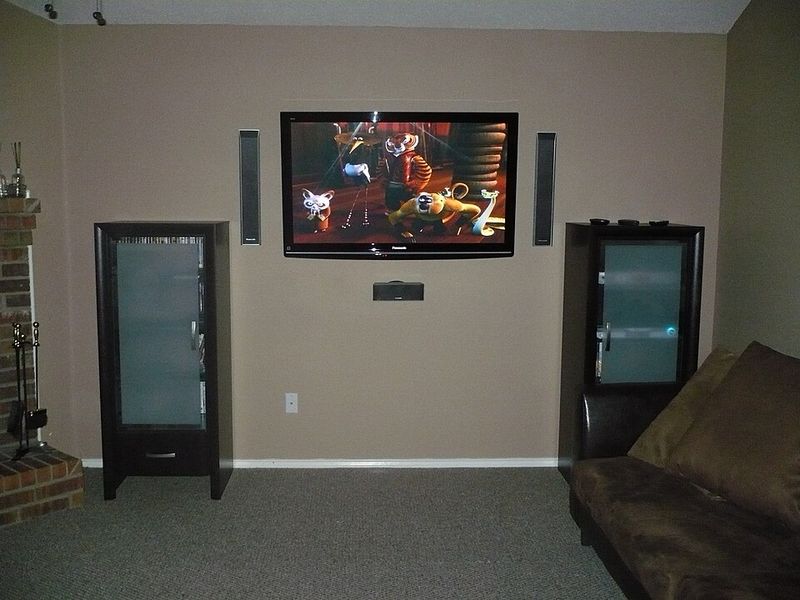
In many younger homes, the TV is mounted flush to the wall, all cables hidden, and nothing underneath it. The look is sleek and minimal. Boomer homes more often keep the TV on a solid piece of furniture, an entertainment center or media cabinet.
Design articles describing boomer decor essentials consistently mention substantial wooden TV units and entertainment centers as a hallmark of this generation’s style. It’s practical, with extra storage for DVDs, photo albums, and board games, and familiar.
So you’re less likely to see that super-clean, wall-mounted TV with absolutely nothing under it in a typical Baby Boomer living room.
5. TikTok-Style RGB LED Strip Lights
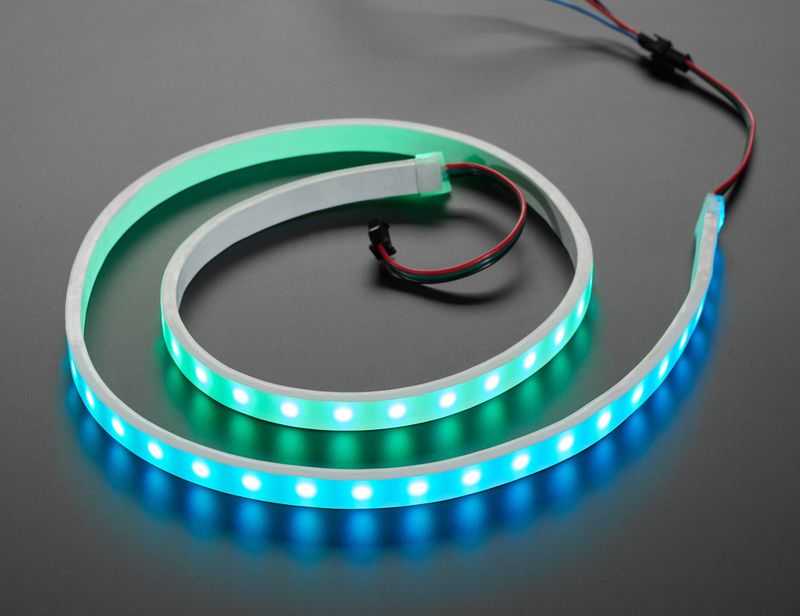
Color-changing LED strips around ceilings, behind TVs, and under beds are everywhere on TikTok and Instagram. They’re cheap, fun, and very Gen Z. But they’re rare in Boomer homes, which tend to favor warm, soft lighting like table lamps, floor lamps, and classic fixtures.
Articles comparing generational decor trends note that LED strips and neon signs are popular among younger people but look out of place in more traditional interiors that Boomers prefer. Most Boomers want lighting that feels cozy and calm, not like a gaming stream backdrop.
The bright, pulsing colors just don’t match their style or comfort level at home.
6. Furniture and Decor Rented by Subscription
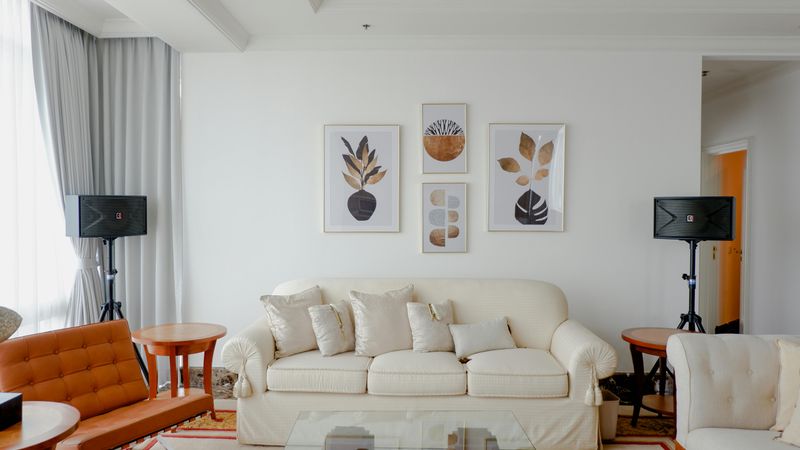
Subscription furniture services where you rent a sofa or dining set and swap it out after a year have grown in popularity with younger renters and frequent movers. For Baby Boomers, who came of age with a buy it once and keep it for decades mindset, this model rarely appeals.
Lifestyle reporting on generational buying habits notes that Boomers prefer sturdy, long-lasting pieces they can own, maintain, and even pass down to kids, rather than items that are intentionally temporary. So you generally won’t see a Boomer home filled with furniture that’s technically just visiting for a 12-month subscription.
Ownership and permanence matter to this generation.
7. Bean Bag Chairs, Inflatable Sofas, and Gamer Thrones
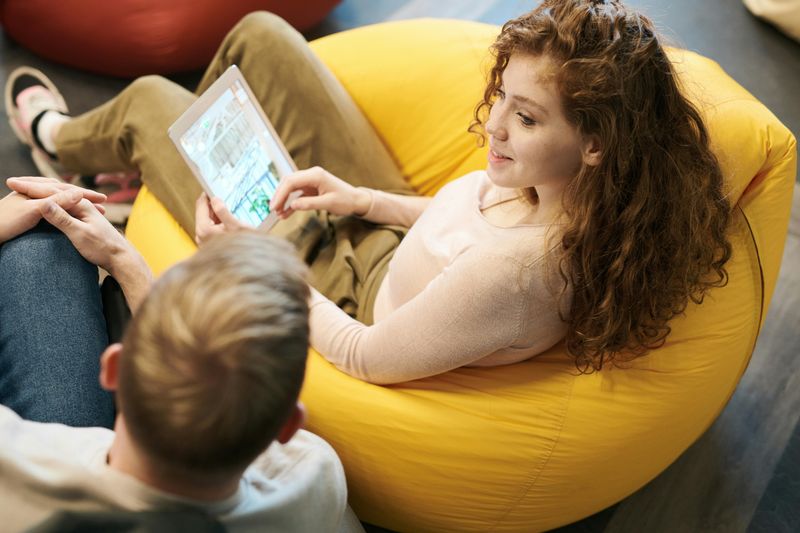
Soft bean bags, inflatable loungers, and racing-style gaming chairs are common in younger households, especially where gaming or streaming is a big hobby. Boomers, though, usually favor solid, supportive seating like recliners, upholstered armchairs, and traditional sofas.
Home decor analysis of boomer style highlights bulky, well-padded seating and classic recliners as typical choices, not novelty pieces. So the odds of walking into a Baby Boomer living room and seeing a neon gamer chair front and center are pretty low, even though some Boomers certainly do game.
Comfort and stability win out over trendy seating every time.
8. Trendy Standing Desks and Ergo Laptop Setups
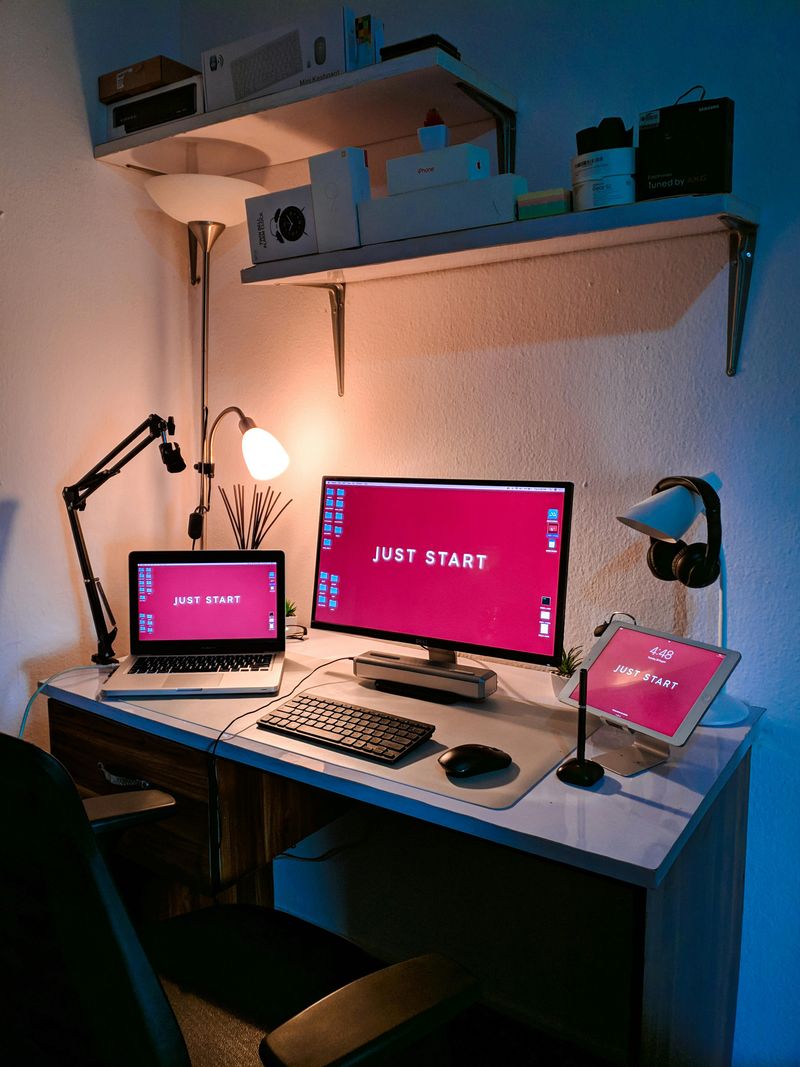
Standing desks, sit-stand converters, and ultra-modern ergonomic setups are increasingly common for younger remote workers. Boomers who are retired or working part-time are more likely to use a traditional desk and chair they’ve had for years.
Generational lifestyle pieces note that modern office trends like gaming chairs and standing desks are far less common in older households, where comfort and familiarity often matter more than experimenting with new furniture formats. You’re more likely to see a solid wood desk, a classic office chair, and maybe a printer than a motorized standing desk with cable trays.
Simple and dependable beats cutting-edge for most Boomers.
9. Kitchens With Only Open Shelving and No Upper Cabinets
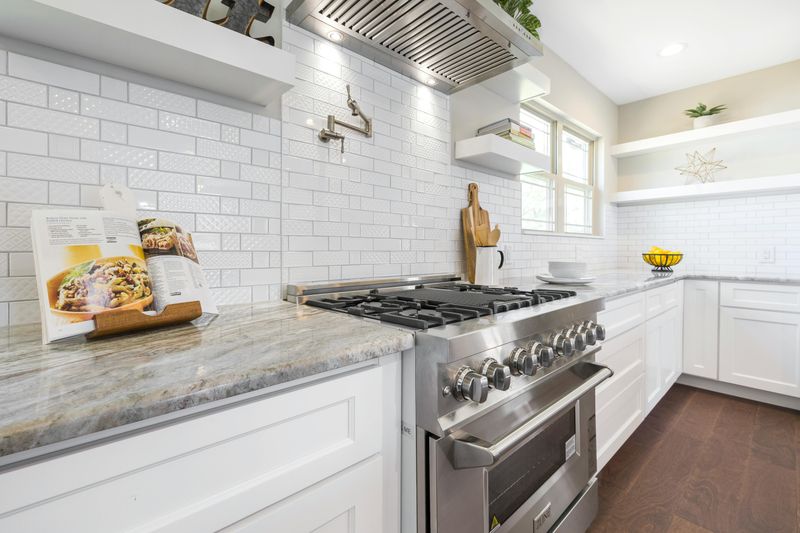
Design blogs and Pinterest boards love all-open shelving: rows of exposed plates, cups, and spice jars instead of cabinets. Boomers typically see that as a dust magnet and a visual mess, not a dream.
Articles on Baby Boomer home preferences mention that they favor closed cabinets that keep dishes hidden and protected. So it’s uncommon to see a Boomer kitchen with no upper cabinets at all and every dish on display.
They’re more likely to have traditional cupboards and perhaps a glass-fronted display cabinet for special pieces. Practicality and cleanliness trump trendy aesthetics in their kitchens every time.
10. A Completely Paperless Home Office
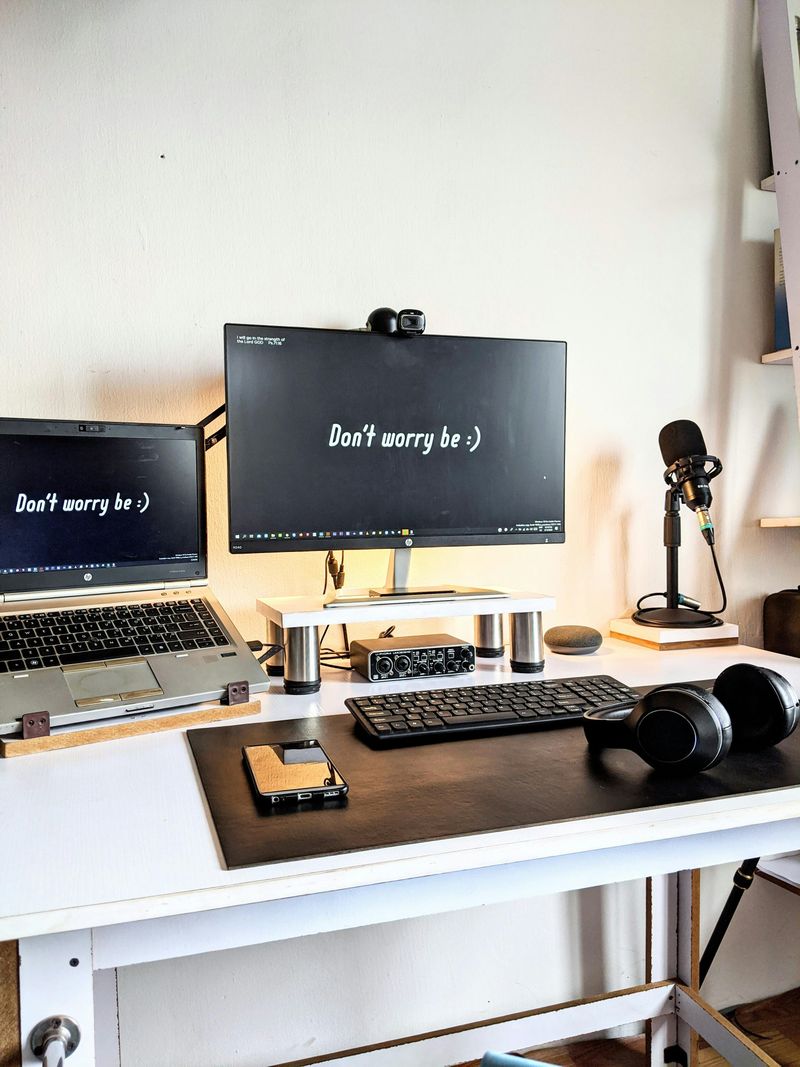
Younger generations increasingly keep everything digital: bills, bank statements, planners, and to-do lists. Older adults, by contrast, are far more likely to keep some things on paper like wall calendars, notebooks, printed statements, and physical filing systems.
Research on tech use among adults 50 and up shows that only about 21 percent of adults 65 and older regularly use online banking apps, meaning many still interact with paper bills and statements. A large majority prefer simple, tangible reminders over complex digital systems.
Because of that, you rarely see a Baby Boomer home where everything from appointments to finances is handled exclusively by apps.
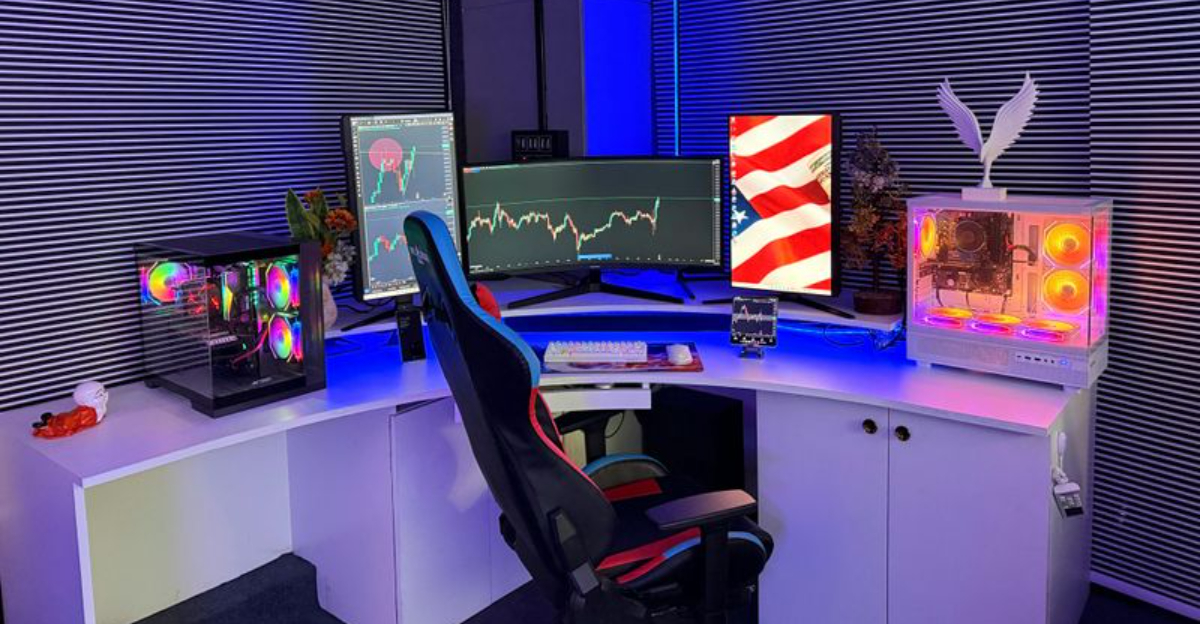
11. VR Gaming Zones and Multi-Monitor Battle Stations
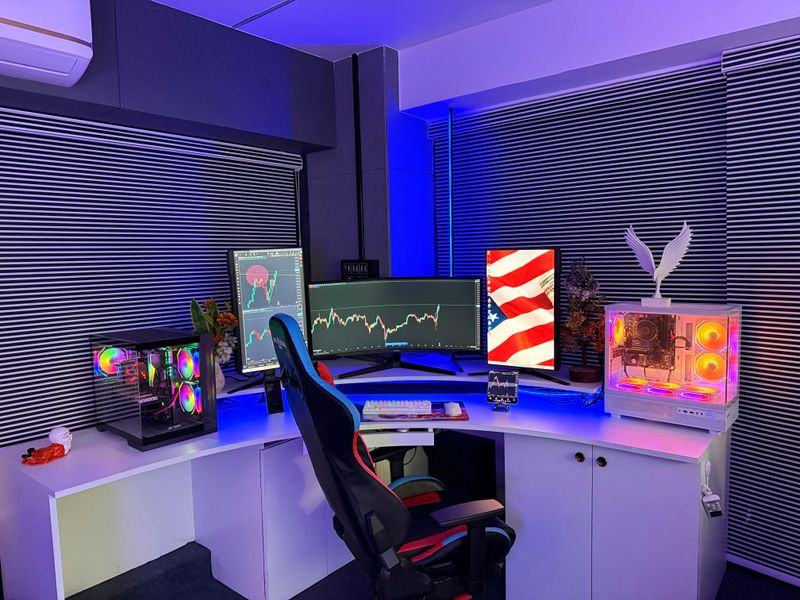
Virtual reality headsets, racing wheels, and triple-monitor gaming rigs are more likely to dominate a Gen Z or Millennial living room than a Boomer one. Tech data shows about 25 percent of adults 50 and older play video games weekly.
Roughly 10 percent of households with someone 65 and up own a VR headset. So yes, some Boomers are absolutely in VR or gaming online, but statistically it’s still a minority.
In most Baby Boomer homes, you won’t see an entire corner turned into a neon-lit gaming cockpit. The main seating area is still about TV, conversation, and maybe a good book instead of competitive gaming marathons.
12. Trend-Driven Décor That Changes Every Season
Subscription boxes with seasonal decor, constantly rotating accent pillows, and a new aesthetic every year are common in social media driven households. Boomers generally don’t redecorate at that pace.
Housing and lifestyle research highlights that many Baby Boomers plan to age in place, about 61 percent of Boomer homeowners say they never plan to sell their home. That long-term mindset usually shows up in how they furnish it: they pick pieces to last, not to match every passing trend.
So you’re less likely to find a Boomer home where the decor feels like an ever-changing TikTok set, and more likely to see long-standing favorites that have been there for years.



