 Unearth The Voyage
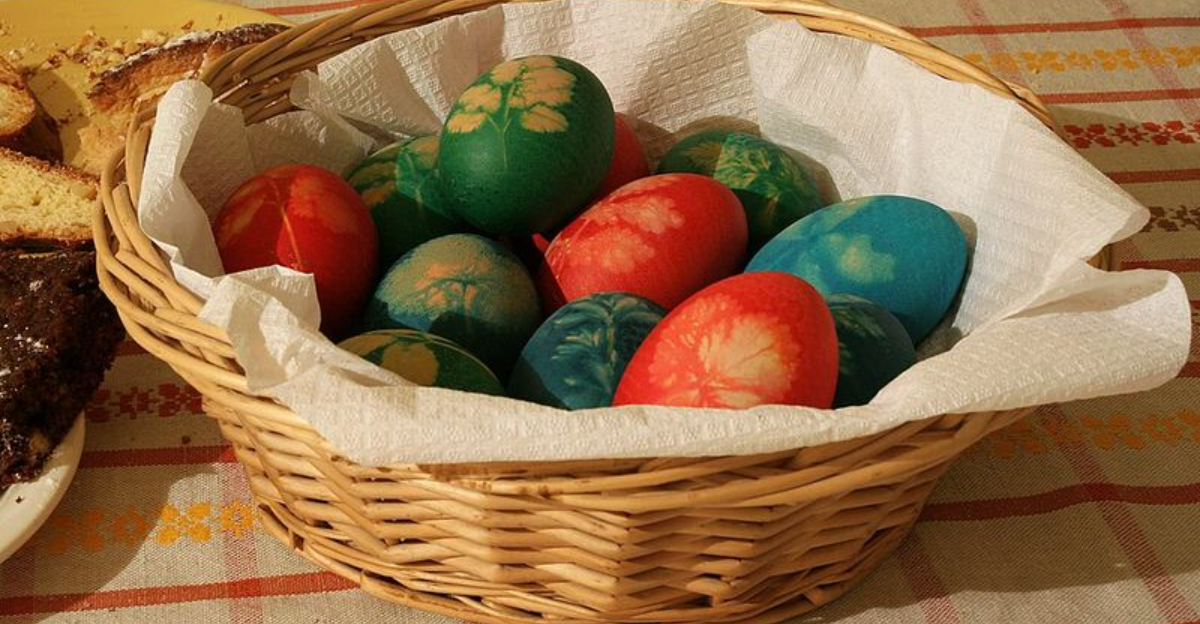
Easter used to feel like pure magic for American kids. From candy-stuffed baskets to neighborhood egg hunts, the holiday was packed with excitement, family, and sweet memories.
Whether you grew up going to sunrise church services or spending Sunday morning in your fanciest outfit, these traditions were a big part of childhood. Here is a look back at the Easter moments that made the holiday feel truly special.
1. Waking Up to a Candy-Filled Easter Basket
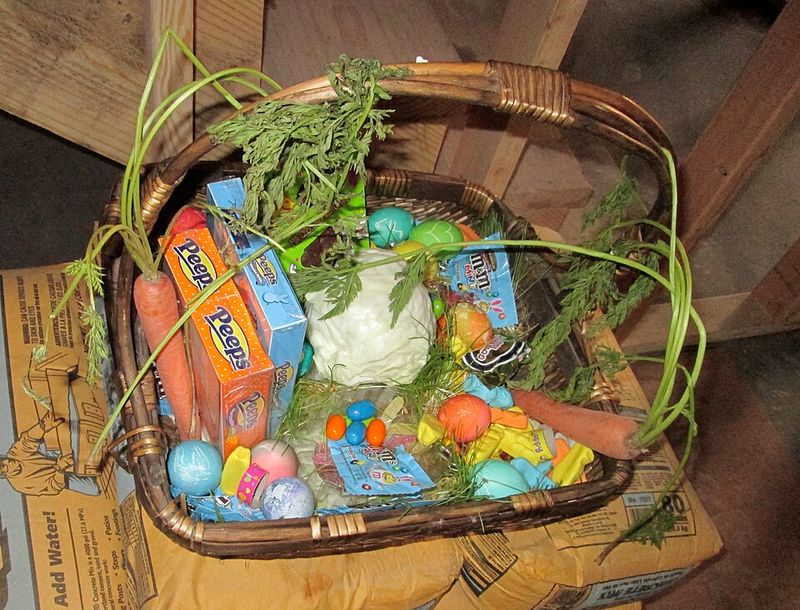
Nothing compared to that first moment on Easter morning when you spotted your basket waiting for you. The Easter Bunny had come overnight, and somehow, the basket always seemed fuller than you expected.
Chocolate bunnies, jelly beans, and little plastic eggs were piled high, with a layer of colorful plastic grass underneath everything.
Marshmallow Peeps were usually tucked in somewhere, along with small toys or a stuffed animal. Some kids got puzzle books or stickers mixed in with the candy.
The basket itself was part of the fun, often wicker or brightly colored plastic.
Parents worked hard to make the basket feel magical and personalized. Even older kids who knew the truth about the Easter Bunny still loved waking up to find it.
That basket was the official kickoff to one of the most fun Sundays of the whole year.
2. Backyard Easter Egg Hunts
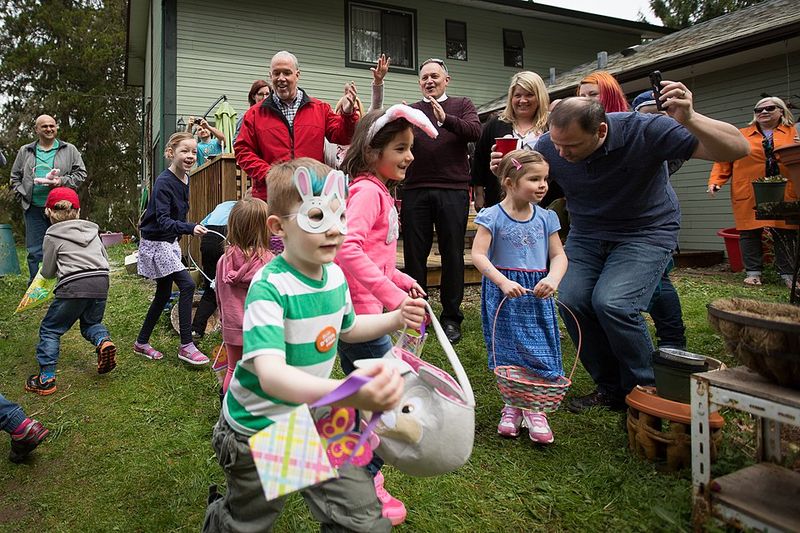
Few things got kids more excited than the signal to start searching. Backyard Easter egg hunts were a staple of the holiday, happening in homes, schools, and community parks all across the country.
Plastic eggs stuffed with candy or coins were hidden in flower beds, under lawn chairs, and behind tree trunks.
Younger kids usually got a head start, which felt very fair at the time. Everyone carried a basket or bucket, racing from spot to spot while older relatives tried not to give away the hiding places.
The thrill of spotting a bright pink egg peeking out from behind a bush never got old.
Community egg hunts could involve hundreds of kids and thousands of eggs. Churches, neighborhoods, and local parks all hosted their own versions.
The egg hunt was one of those traditions that worked for every age and kept everyone moving and laughing.
3. Dyeing Eggs with Store Kits
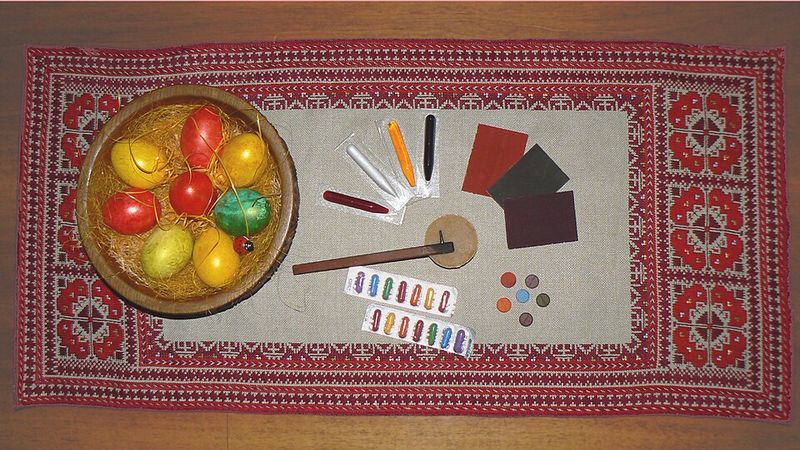
The PAAS egg dyeing kit was basically a rite of passage. Every year, families spread old newspaper across the kitchen table, mixed vinegar and fizzy dye tablets into cups of water, and got to work.
The wire egg holder was always a little tricky, but figuring it out was half the fun.
Kids would dip eggs into one color, then another, trying to make swirls or stripes. Some kits came with stickers and wax crayons so you could write names or draw designs before dunking.
The results were never quite as perfect as the box showed, but that did not matter at all.
Fingers ended up stained in at least three colors by the end. Someone always knocked over a cup.
The eggs dried on paper towels while everyone argued over whose turned out the best. It was wonderfully messy and completely unforgettable.
4. Dressing Up in Easter Best
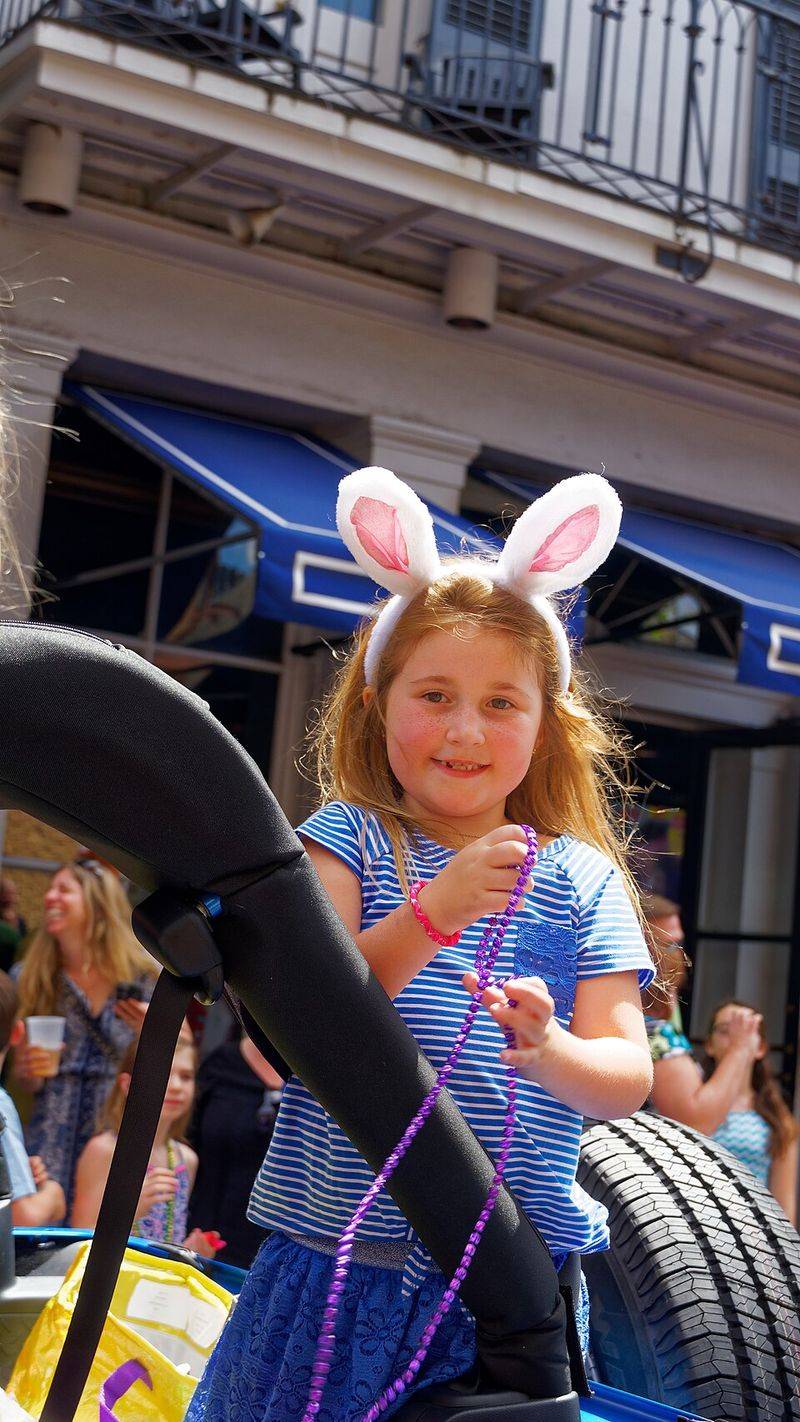
Easter Sunday meant one thing for most kids: a brand-new outfit. Parents would plan ahead, picking out pastel colors like mint green, soft yellow, pale lavender, or light pink.
Girls often wore flowy dresses with matching shoes, while boys got button-down shirts and sometimes a full suit or blazer.
Getting dressed up felt special, even if it was a little uncomfortable. New shoes were stiff, and fancy clothes were not exactly made for running through the yard.
Still, the whole family dressed up together, and there was something genuinely exciting about looking your best on a big holiday.
Family photos were almost always taken outside the church or in front of the house. Those pictures captured a specific kind of childhood joy that is hard to describe.
Easter fashion was not just about looking nice; it was a tradition that made the day feel important and worth celebrating together.
5. Church on Easter Sunday
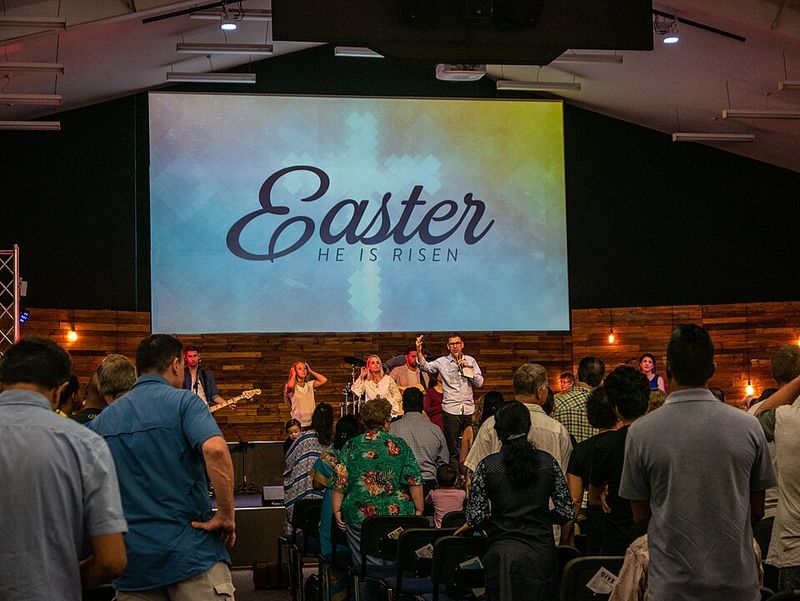
Easter Sunday is one of the most attended church days of the entire year in the United States. For many families, it was the one Sunday when absolutely everyone showed up, including relatives who rarely attended the rest of the year.
The pews were packed, and the energy felt different from a regular Sunday service.
Churches were decorated with white and yellow lilies, and special music filled the building. Choirs performed extra songs, and pastors gave longer sermons about hope and new beginnings.
Kids who usually squirmed in their seats somehow sat a little stiller on Easter morning.
After the service, families often gathered outside to greet each other and take photos. The combination of faith, family, and festivity made Easter church feel like a true community event.
Even kids who did not fully understand the religious meaning could feel that something meaningful was happening around them.
6. The Hollow vs. Solid Chocolate Bunny Debate
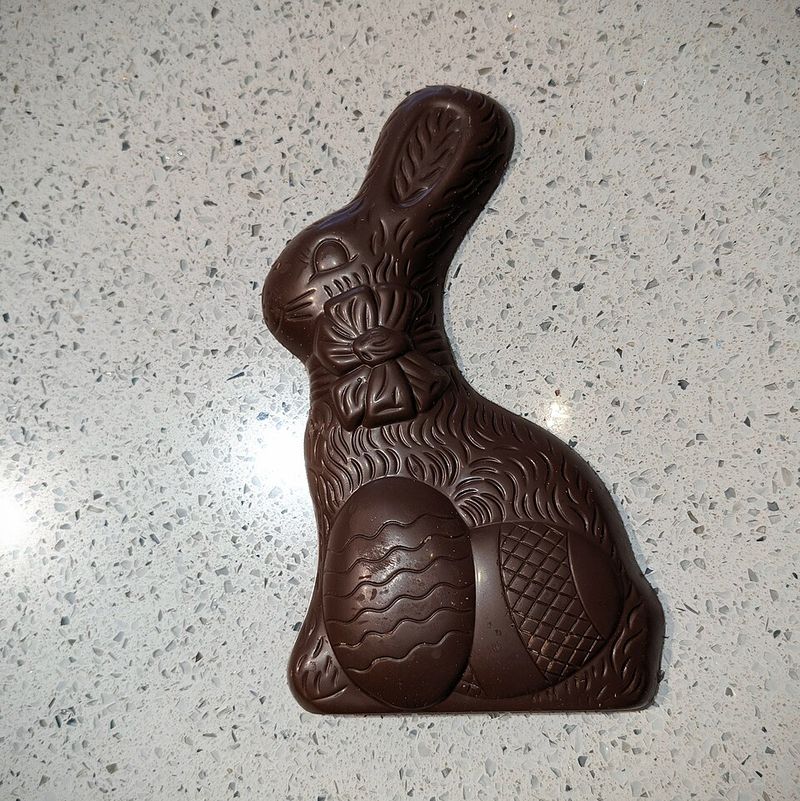
Every Easter basket had a chocolate bunny in it, and every kid had a strong opinion about which kind was better. The hollow bunny was easier to bite into and felt more satisfying to crack apart.
The solid bunny, on the other hand, lasted longer and felt more substantial when you held it.
Chocolate bunnies have been an Easter tradition since the 1800s in Europe and became popular in America throughout the 20th century. By the time most American kids were growing up, the foil-wrapped bunny was already a holiday icon.
Russell Stover and Palmer were among the most recognized brands on store shelves.
Kids would debate the hollow versus solid question with surprising intensity. Some families had a tradition of starting with the ears first, while others went straight for the feet.
Either way, that chocolate bunny was one of the most anticipated parts of the whole Easter basket experience.
7. Jelly Beans Everywhere
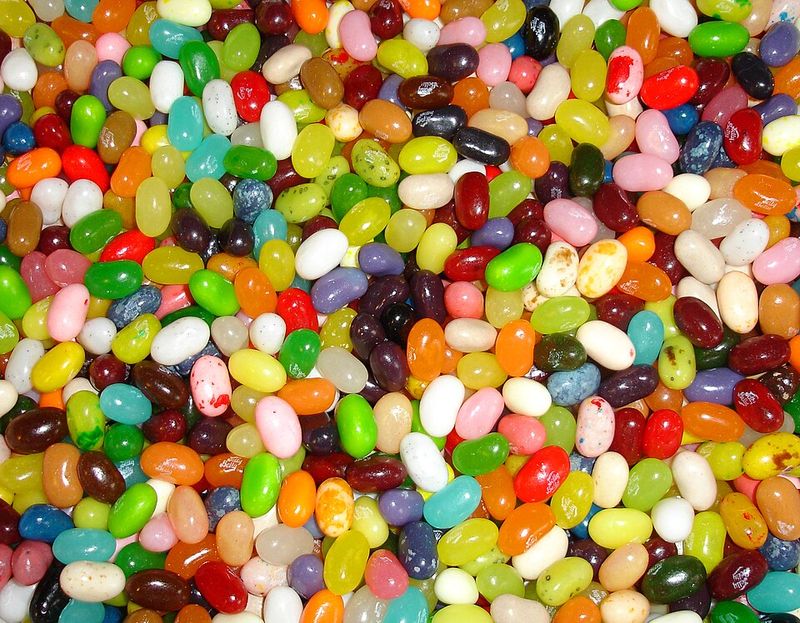
Jelly beans and Easter go together like peanut butter and jelly. By the 1930s, jelly beans had become firmly connected to the Easter holiday in America, likely because of their egg-like shape and the wide range of springtime colors.
They showed up in baskets, plastic eggs, and candy dishes all over the house.
Sorting through jelly beans by color was a whole activity on its own. Kids had strong preferences: some loved the cherry reds, others went straight for the black licorice ones that everyone else seemed to avoid.
Spiced jelly beans were a regional favorite that some families swore by every single year.
Jelly Belly came along in 1976 and changed the game with gourmet flavors that felt almost too fancy for a candy dish. But even the basic store-brand jelly beans had their loyal fans.
No Easter basket felt truly complete without at least one small bag of these colorful little candies tucked inside.
8. The Special Big Egg Prize
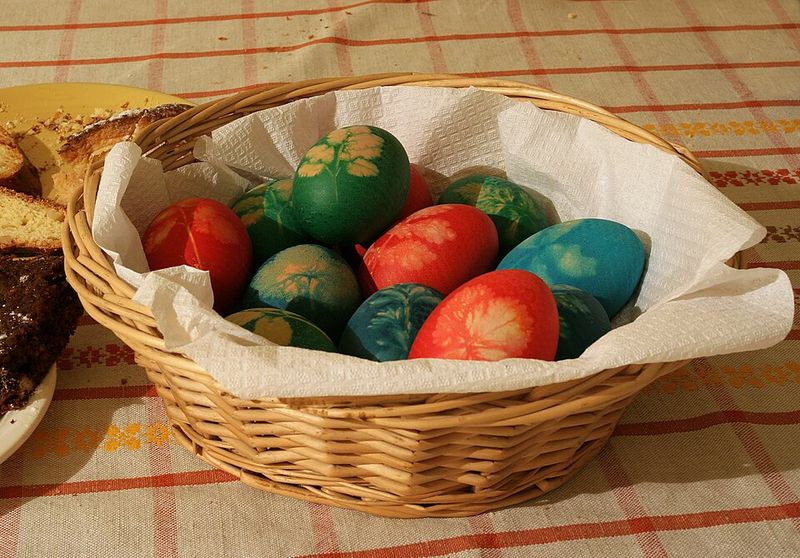
In most egg hunts, one egg stood apart from all the others. The big prize egg was usually a different color, often gold or silver, and finding it meant something special was inside.
Sometimes it held a folded dollar bill or a handful of coins. Other times it was a gift card or a coupon for a special treat.
The anticipation around the prize egg made the hunt feel like a real competition. Kids would scan the yard carefully, knowing that one egg was worth more than the rest.
Parents and grandparents got creative with hiding spots, tucking it under a flowerpot or behind a fence post.
The moment someone found it was always a big deal. There were cheers, some jealousy, and usually a round of negotiations from siblings who felt they deserved a share.
That one golden egg turned a simple candy hunt into something that felt genuinely high-stakes and wildly exciting for everyone involved.
9. Family Easter Dinner
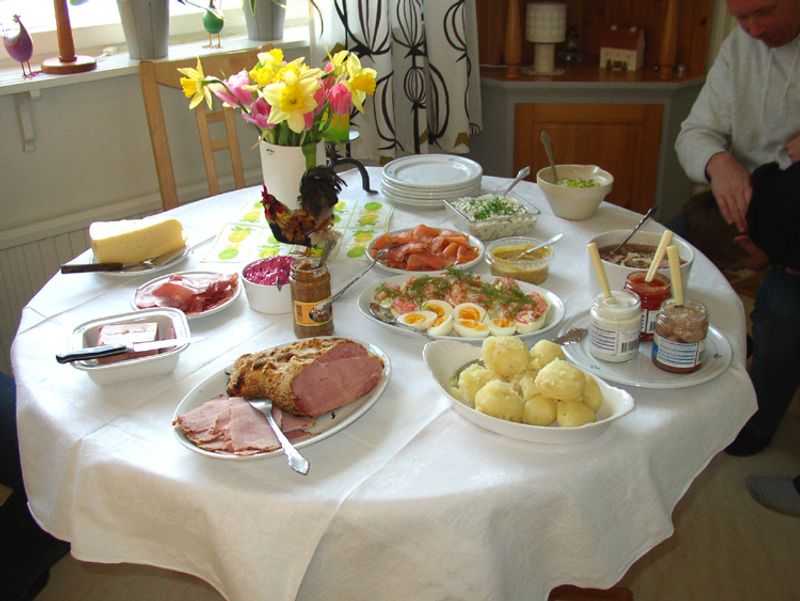
After the morning excitement of baskets and egg hunts, Easter dinner brought everyone back together around the table. Ham was the centerpiece for most American families, often glazed with brown sugar, honey, or pineapple.
The smell alone was enough to make a hungry kid forget about all the candy they had already eaten.
Side dishes varied by region and family tradition, but deviled eggs almost always made an appearance, which felt perfectly appropriate for the holiday. Scalloped potatoes, green bean casserole, dinner rolls, and spring salads rounded out the spread.
Grandmothers and aunts usually handled most of the cooking, and their recipes were rarely written down anywhere.
The dinner table was where the whole extended family came together. Cousins caught up, parents relaxed, and grandparents told stories.
Easter dinner was not just about the food; it was the part of the holiday that reminded everyone why gathering together mattered so much in the first place.
10. Easter Parades and Bonnets
New York City’s Easter Parade on Fifth Avenue is one of the oldest and most famous Easter traditions in the country, drawing crowds since the mid-1800s. But the spirit of the Easter parade spread far beyond Manhattan.
Neighborhoods, churches, and elementary schools all held their own versions, giving kids a chance to show off their spring outfits.
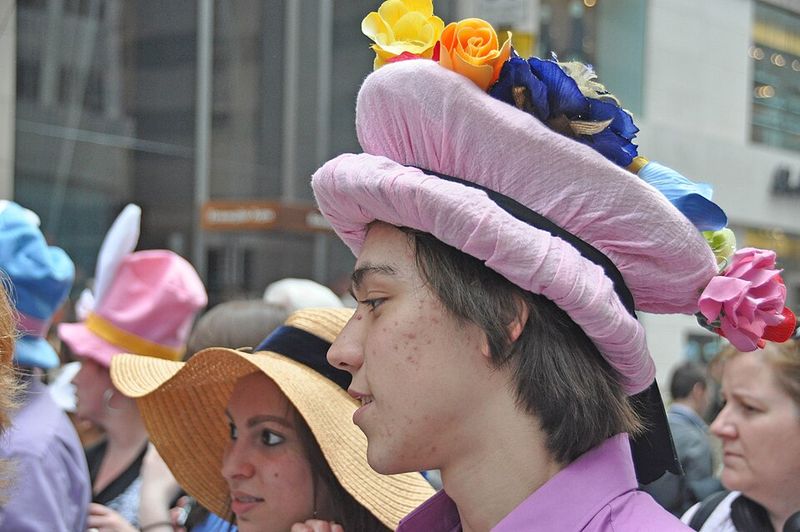
The Easter bonnet was the real star of the show. Girls decorated hats with fake flowers, ribbons, and colorful trim, sometimes making them at school as a class project.
The more elaborate the bonnet, the better. Some looked like small gardens sitting on top of someone’s head.
Even kids who were not naturally into fashion got swept up in the bonnet tradition. There was something undeniably fun about wearing a hat covered in flowers and pretending it was completely normal.
The Easter parade combined community pride, creativity, and a good dose of springtime silliness all at once.
11. Marshmallow Peeps
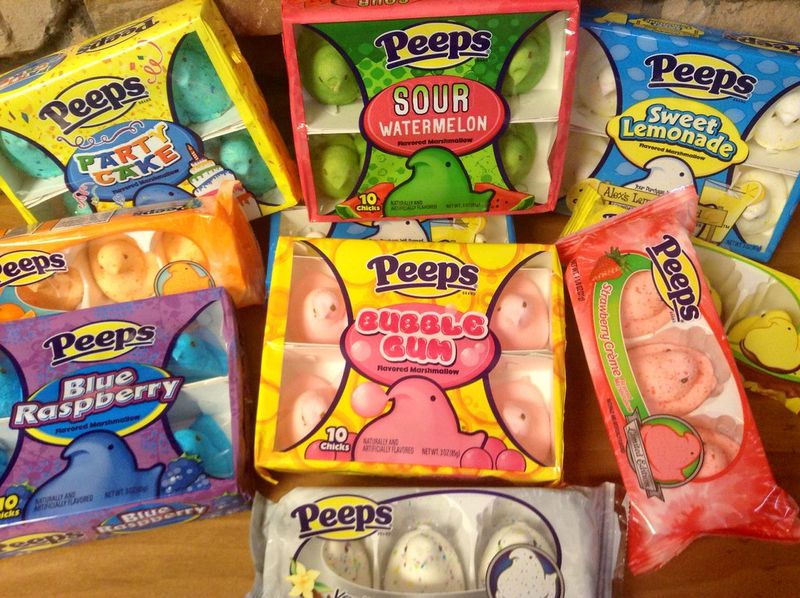
Peeps are one of those Easter candies that people either love completely or cannot stand at all. Introduced in the 1950s by the Just Born candy company in Pennsylvania, the original yellow chick-shaped marshmallow quickly became a holiday icon.
The company eventually added bunnies and expanded into a rainbow of colors over the decades.
At their peak popularity, Peeps were the best-selling non-chocolate Easter candy in the United States. Kids liked to let them go stale before eating them, which somehow made the texture even better.
Others squeezed them, raced them, or used them for creative dioramas that teachers actually encouraged as school projects.
The bright, sugary little chicks showed up in nearly every Easter basket and candy dish across the country. They were almost impossible to miss on store shelves starting in February.
Love them or not, Peeps became one of the most recognizable symbols of the American Easter holiday season.
12. Sunrise Services
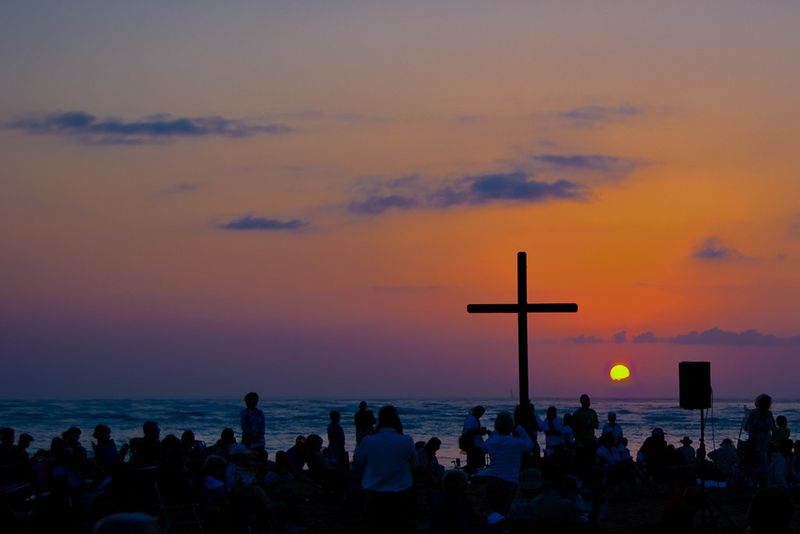
Long before most kids were ready to wake up, some families were already heading out the door. Sunrise services are early morning church gatherings held at dawn on Easter Sunday, symbolizing the resurrection and the light returning after darkness.
They have been part of Christian tradition for centuries, with roots going back to the Moravian community in the 1700s.
In the United States, sunrise services are especially common in the South and in Protestant denominations. Some are held outdoors on hilltops, in parks, or even at amphitheaters, with the rising sun as the backdrop.
The quiet and the chill in the air made the experience feel unlike any other church service throughout the year.
For kids dragged out of bed before sunrise, the memory stuck. There was something powerful about standing outside in the early morning cold, watching the sky turn pink and gold.
It made Easter feel bigger than baskets and egg hunts, grounding the holiday in something deeper and genuinely moving.



