 Unearth The Voyage
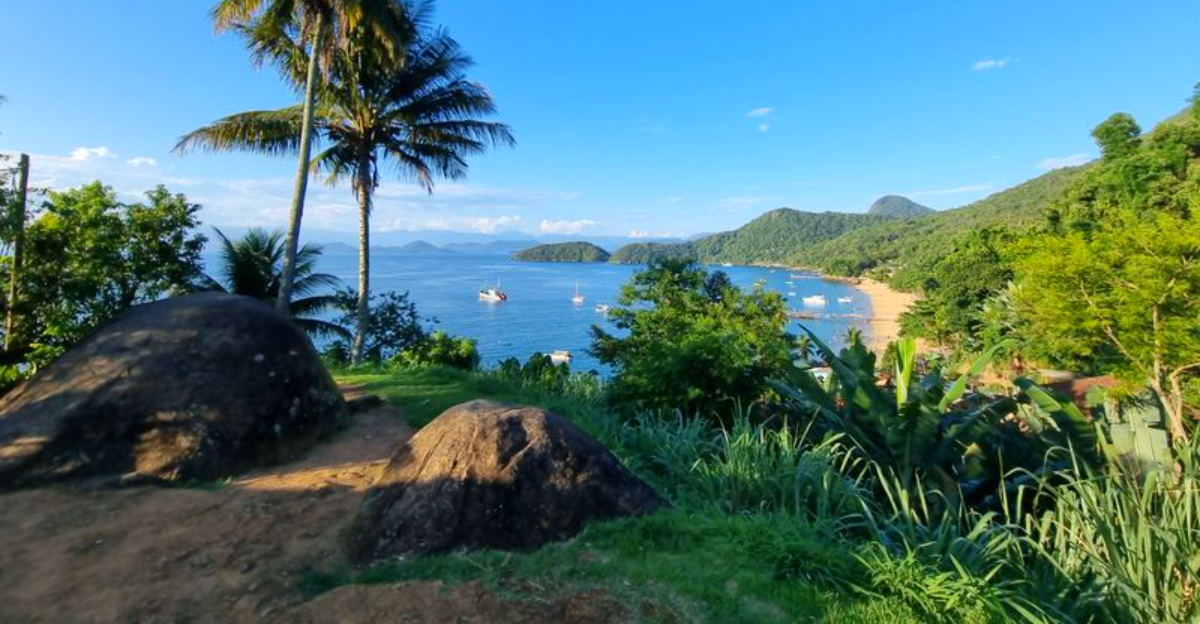
South America is a backpacker’s dream, packed with everything from icy mountain trails to steamy jungle adventures. Whether you crave snow-capped peaks, ancient ruins, or endless salt flats, this continent delivers unforgettable experiences that stick with you long after you return home. Get ready to explore the wildest, most jaw-dropping spots that will have you swapping stories for years to come.
1. Torres del Paine (W Trek), Chilean Patagonia
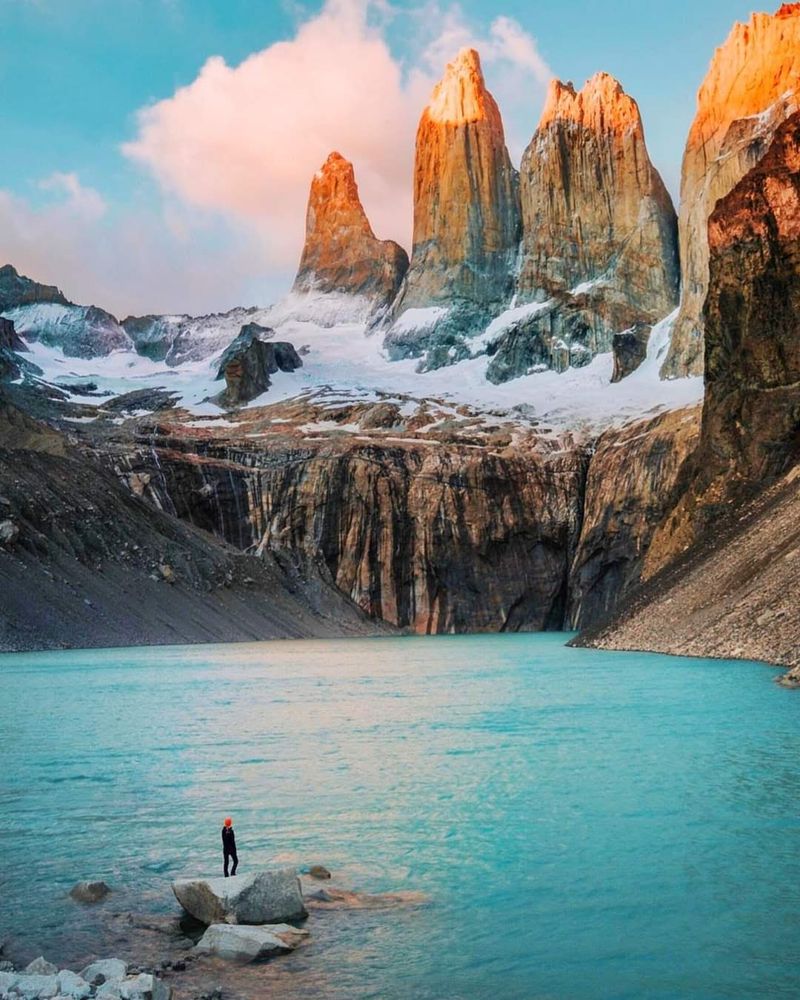
Granite spires pierce the sky while turquoise lakes shimmer below on one of the world’s most celebrated multi-day treks. The W Trek takes four to five days and winds through Chilean Patagonia’s crown jewel, offering suspension bridges that sway above roaring rivers and refugios tucked into valleys.
Plan your adventure for November through March when Patagonian summer brings longer days and milder weather. Book your camps and refugios months in advance because spots fill fast, especially during peak season when hikers from around the globe descend on this iconic route.
2. San Pedro de Atacama & Valle de la Luna, Chile
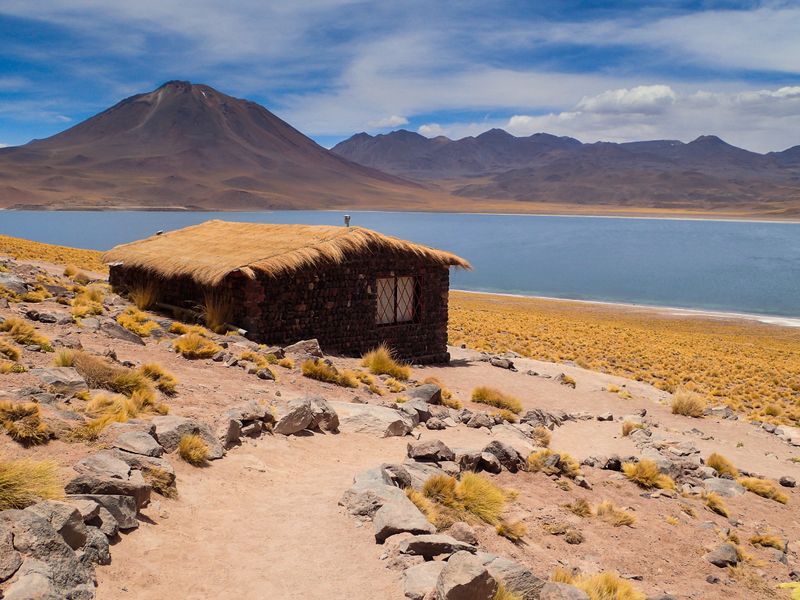
San Pedro de Atacama serves as your gateway to geysers that shoot steam at dawn, sprawling salt flats, and the otherworldly Valle de la Luna, which welcomes visitors year-round with posted hours.
April through November brings cooler temperatures perfect for desert exploration, and if you time it right after a wet winter, you might catch rare wildflower blooms painting the landscape in unexpected color bursts across the driest desert on Earth.
3. Salar de Uyuni, Bolivia
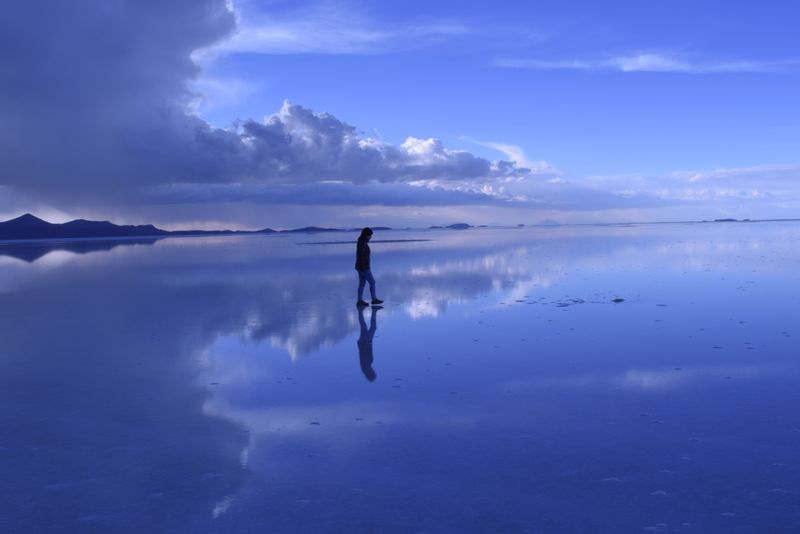
Standing on the world’s largest salt flat feels like floating between earth and sky, especially when the wet season turns it into a giant mirror stretching to the horizon. Multi-day tours across this bucket-list destination take you through blinding white hexagons, rainbow-colored lagoons, and bizarre rock formations that defy logic.
January through March delivers the famous mirror effect when a thin layer of water creates perfect reflections. If you prefer crunchy salt polygons and easier driving conditions, visit between June and October when the flats are completely dry and patterns crack across the surface.
4. Cusco, Sacred Valley & Machu Picchu, Peru
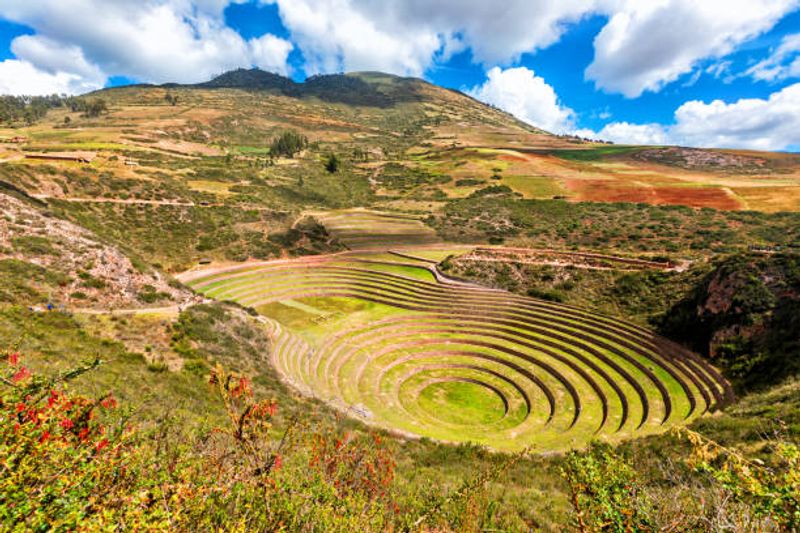
Cobblestone streets wind through Cusco, the beating heart of backpacker culture and your launching pad for Inca history at high altitude. From here, the Sacred Valley unfolds with fortress ruins perched on cliffs and markets bursting with colorful textiles before you reach the crown jewel: Machu Picchu, where entry requires advance booking through official portals with strict daily quotas.
May through September offers dry-season stability, but visitor caps and management rules keep changing, so plan ahead and consider quieter alternatives like Choquequirao if permits run out or crowds overwhelm your mountain solitude.
5. Huaraz & the Cordillera Blanca (Santa Cruz Trek), Peru
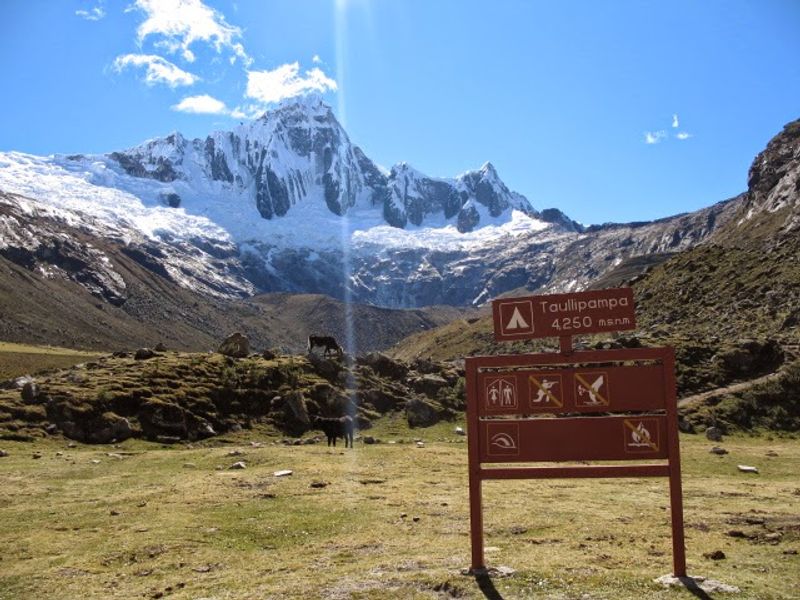
Turquoise lagoons glow against a backdrop of snow-plastered peaks as you climb toward Punta Unión at 4,750 meters, the breathtaking high point of the Santa Cruz Trek. This three-to-four-day journey through Huascarán National Park ranks among South America’s finest alpine adventures, weaving through valleys where glaciers hang above wildflower meadows.
May through September brings stable weather and clear skies perfect for high-altitude trekking, though the thin air demands respect and proper acclimatization. Huaraz town buzzes with gear shops and trek agencies ready to outfit your mountain pilgrimage through the Cordillera Blanca’s icy spine.
6. Arequipa & Colca Canyon, Peru
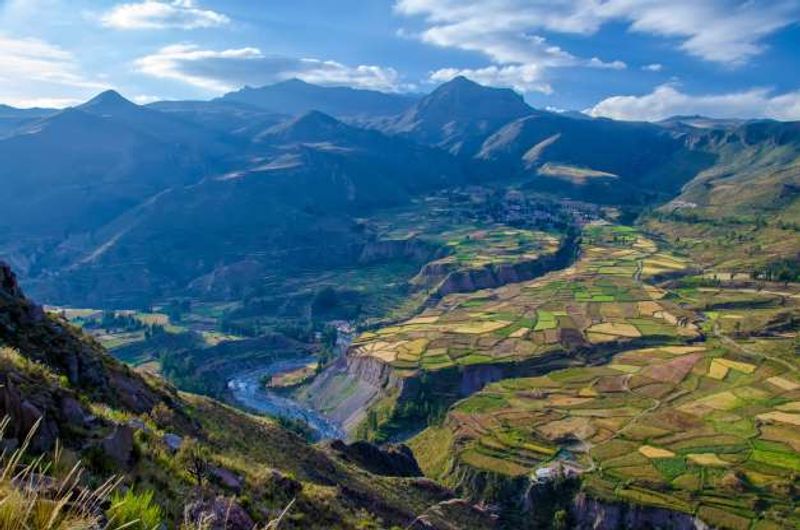
White volcanic stone buildings gleam in Arequipa’s colonial center, framed by towering volcanoes that watch over the city like silent guardians. This gorgeous base launches you toward Colca Canyon, one of the world’s deepest gorges, where condors ride thermals at sunrise and multi-day treks drop thousands of meters into ancient terraced landscapes.
April through November delivers the best conditions for volcano views and canyon exploration, with Peru’s tourism boards maintaining current visitor information. Condor lookouts draw crowds at dawn when these massive birds glide so close you can hear their wings cutting through mountain air.
7. Quilotoa Loop, Ecuador
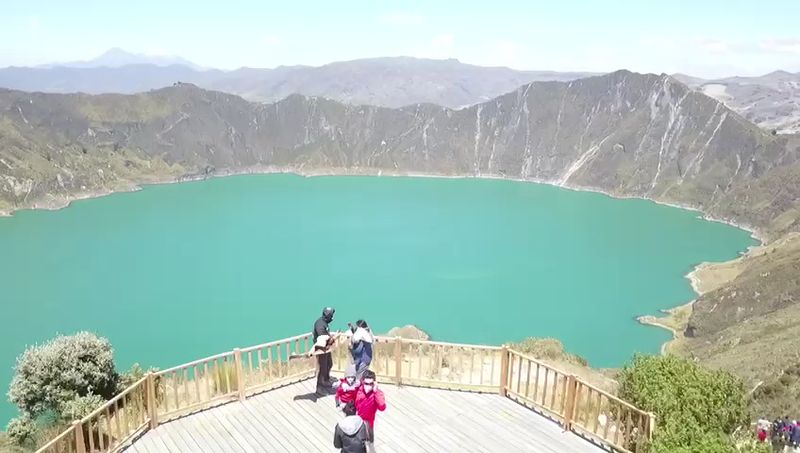
An emerald crater lake waits at the end of a flexible hut-to-hostel loop that winds through Andean villages where locals still herd llamas along ancient paths. You can start or finish at Quilotoa’s stunning volcanic caldera, customizing your route through highland communities that welcome backpackers with simple beds and home-cooked meals.
June through September offers drier trails and clearer views across the patchwork fields that climb the mountainsides. Well-documented logistics make planning easy, and the loop’s flexibility lets you adjust distances based on your pace, energy, and how many extra empanadas you ate at lunch.
8. Salento & the Cocora Valley, Colombia
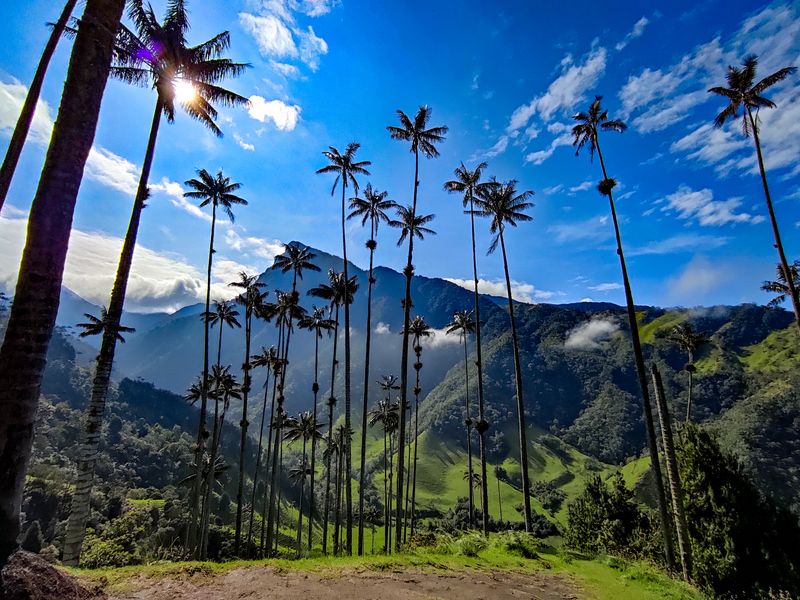
Wax palms soar sixty meters skyward like nature’s skyscrapers, their slender trunks topped with feathery crowns that sway in mountain breezes. The Cocora Valley showcases Colombia’s national tree in surreal concentrations, creating a landscape that looks plucked from a fantasy novel, while charming Salento offers colorful balconies and coffee farm stays across the region.
January through March and July through September bring less rain and better hiking conditions through the valley’s muddy trails. Bus connections make hopping between coffee towns easy, and you can sip freshly roasted beans on farm porches while hummingbirds dart through flowering hedges just steps away.
9. Tayrona National Natural Park, Colombia
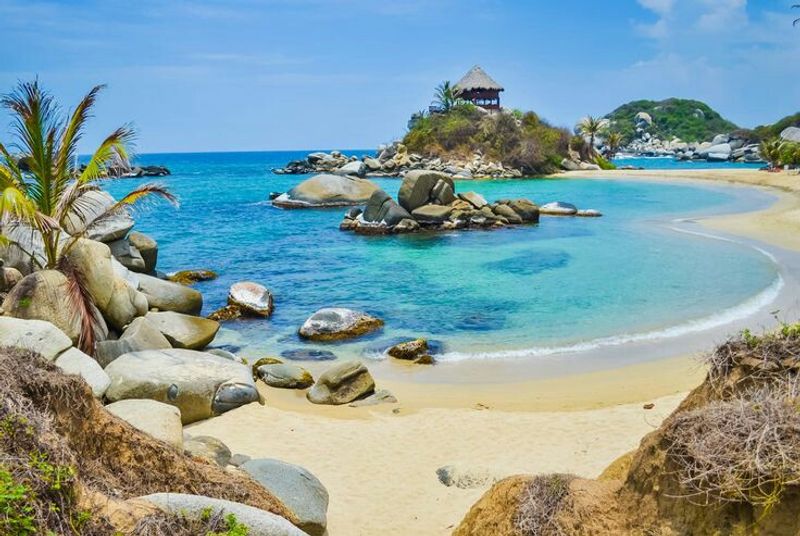
Jungle trails spill onto Caribbean beaches where waves crash against boulders and hammock camps swing beneath palm fronds. Tayrona National Natural Park blends coastal beauty with dense rainforest, creating a humid paradise where howler monkeys wake you at dawn and snorkeling spots hide around rocky points.
December through March brings calmer seas perfect for swimming, though riptides demand respect year-round. Check park hours and ticket details before arriving, as visitor management systems control access to protect this fragile ecosystem. Trails connect secluded coves, and camping under stars with ocean sounds creates memories that outlast any sunburn you might earn along the way.
10. Ciudad Perdida (Lost City) Trek, Colombia
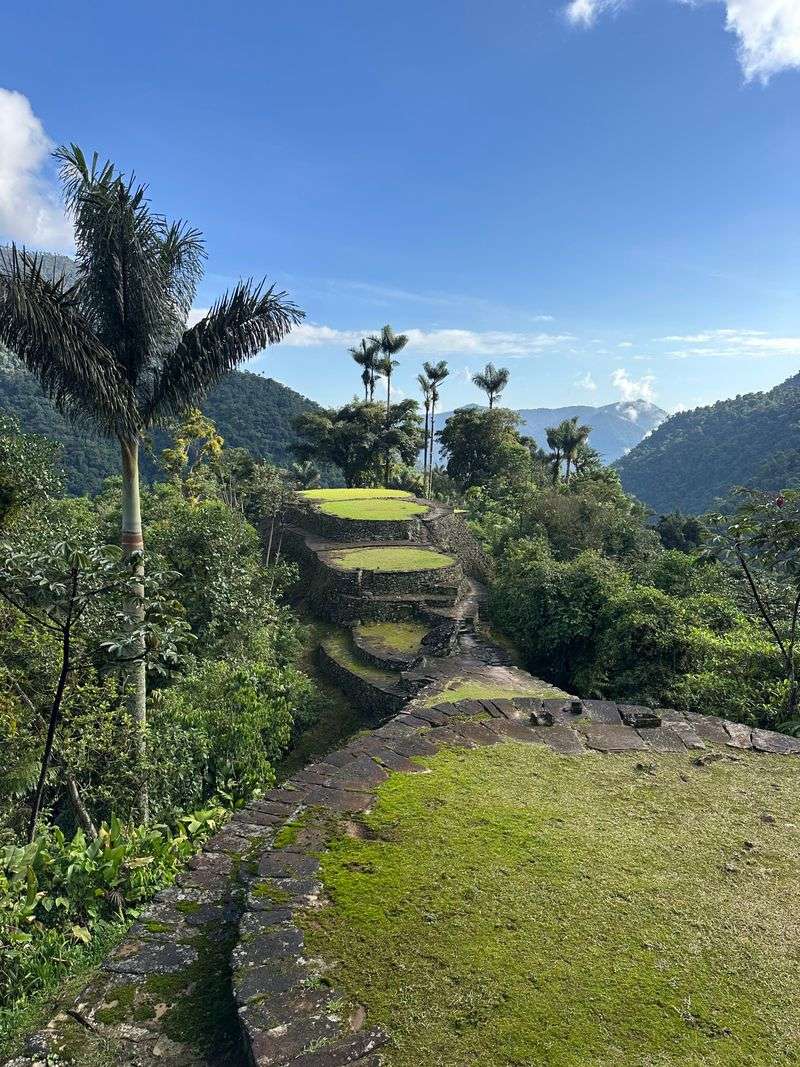
Four to five days of humid jungle trekking, river crossings, and muddy climbs lead to Teyuna, an archaeological wonder that predates Machu Picchu by centuries. The Lost City trek pushes you through sweat-soaked rainforest where butterflies the size of your hand flutter past and indigenous communities still call these mountains home.
December through March or June through September help you dodge the heaviest downpours, though humidity never really quits in this corner of Colombia. Authorized outfitters run all trips, ensuring guides know the terrain and local protocols. Reaching those ancient stone terraces after days of jungle struggle feels like discovering your own secret civilization.
11. Bariloche & Nahuel Huapi National Park, Argentina
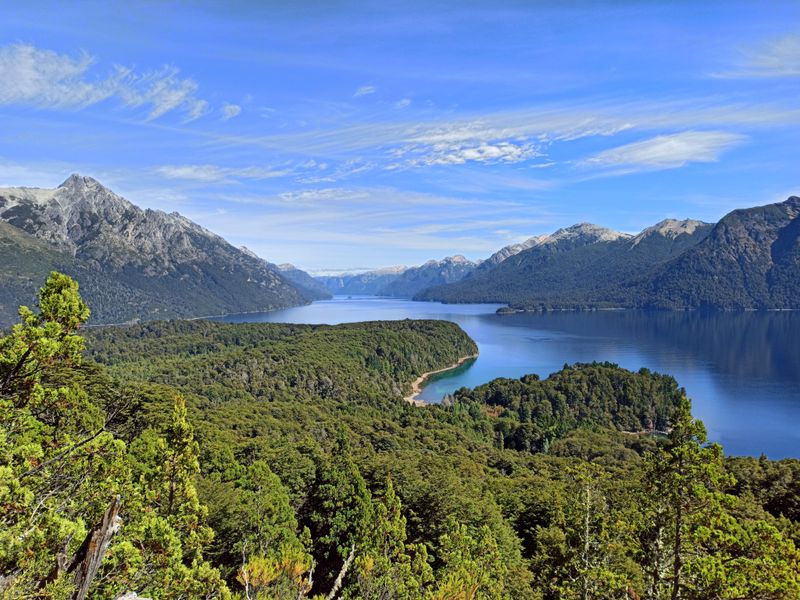
Lakes shimmer between peaks in a trekking playground that combines Swiss-style alpine scenery with Argentine hospitality. Bariloche serves as base camp for adventures into Nahuel Huapi National Park, where staffed mountain huts welcome hikers and trail registration systems keep everyone safe across rugged terrain.
December through March opens summer trekking season with long days and milder weather, perfect for multi-day circuits around glacial lakes. The town itself buzzes with chocolate shops and gear stores, creating a cozy vibe after hard days on the trail. Officials maintain current park information online, helping you plan routes that match your ambition and fitness level through this lake-and-peaks paradise.
12. Choquequirao, Peru
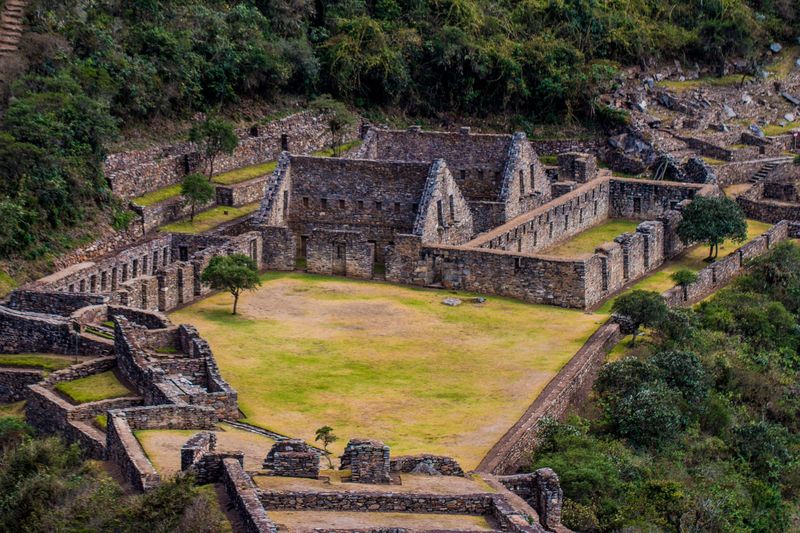
A tougher, quieter sister to Machu Picchu waits for those willing to earn their ruins through steep descents and lung-busting climbs. Choquequirao spreads across a remote mountain ridge, still being excavated by archaeologists who uncover new terraces and structures each season, offering a glimpse of Inca engineering without the crowds that swarm more famous sites.
May through September provides dry-season stability for the demanding multi-day trek that drops into a canyon before climbing back out. Fewer permits and regulations mean more freedom, but also more responsibility for your own safety and preparation through this challenging alternative that rewards persistence with solitude among ancient stones.
13. Carretera Austral (Ruta 7), Chile
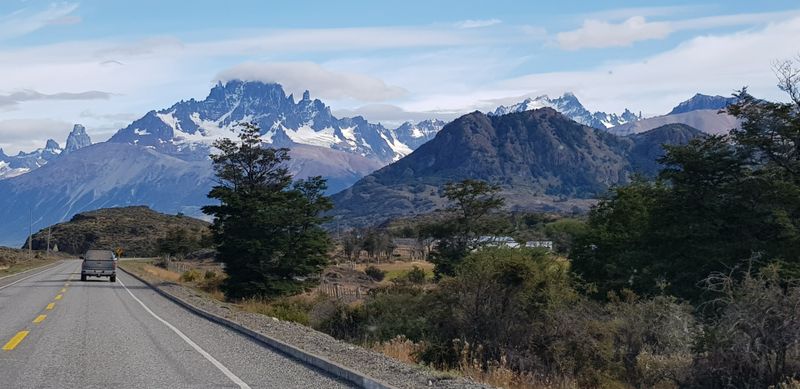
Over 1,200 kilometers of gravel, pavement, and pure Patagonian magic stretch from Puerto Montt to Villa O’Higgins along one of the world’s most spectacular road corridors. The Carretera Austral ribbons through hanging glaciers, past turquoise fjords, and into valleys where multi-day treks like Cerro Castillo branch off into wilderness.
December through March brings summer weather and longer daylight hours, essential for covering distances on this remote route. Hitchhiking culture thrives, buses run sporadically, and cyclists tackle the entire length for the ultimate slow-travel experience. Tiny villages offer basic supplies and warm beds between long stretches of untamed scenery that redefines your concept of remote.
14. Ilha Grande, Brazil
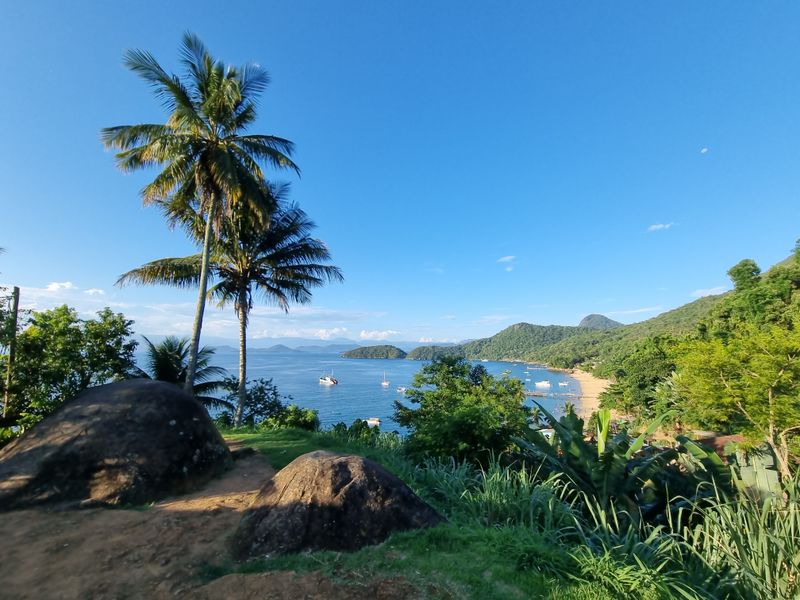
No cars interrupt the sound of waves and jungle birds on this island paradise where rainforest trails connect beaches that could star in any tropical fantasy. Lopes Mendes ranks among Brazil’s most beautiful stretches of sand, while the classic sunrise hike to Pico do Papagaio rewards early risers with views across island-dotted bays.
April through June or September through November bring milder weather and thinner crowds, perfect for boat hopping between coves and snorkeling spots. Village life centers around simple pousadas and beachfront restaurants where fresh fish and cold drinks fuel your next adventure through trails that can get muddy but always deliver stunning coastal payoffs worth every slippery step.
15. Chapada Diamantina National Park, Brazil
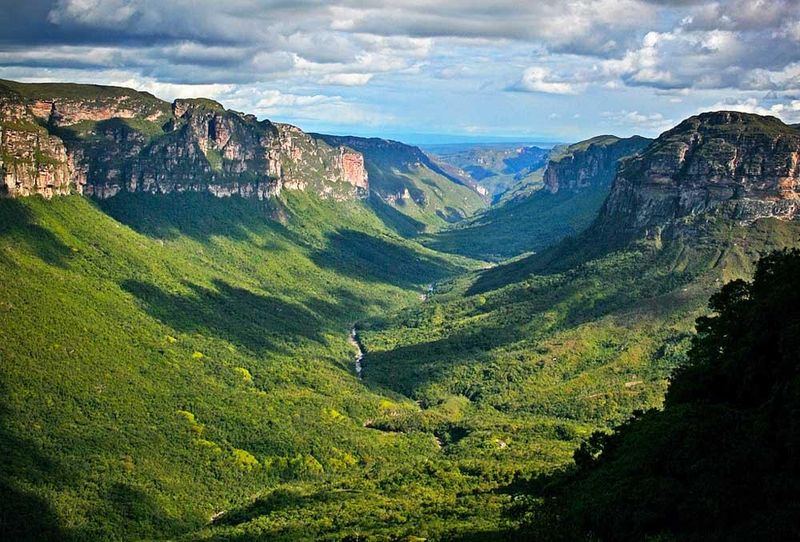
Table mountains rise from valleys carved by rivers that disappear into cave systems filled with crystal-clear pools you can swim through like an underground dream. Chapada Diamantina National Park protects a vast wilderness of canyons, waterfalls, and long off-grid traverses that test your navigation skills and reward your persistence with landscapes few international travelers ever witness.
May through October delivers drier conditions and clearer views from mesa tops where you can see for miles across Brazil’s interior. This federally protected park maintains active visitor management, though infrastructure stays minimal, preserving the wild character that makes multi-day treks here feel like genuine expeditions into forgotten corners of the continent.



