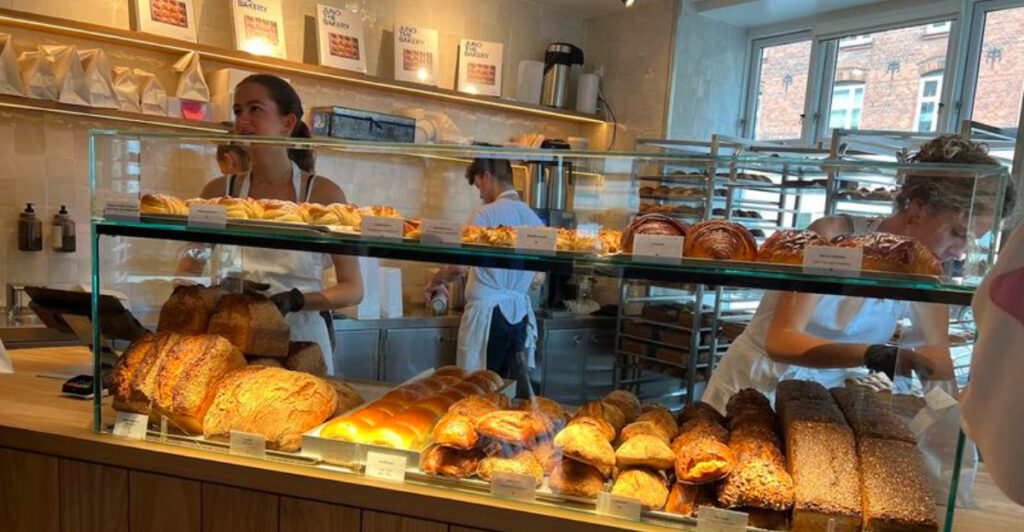
There is something quietly impressive about a baker who shows up before dawn, rolls out dough by hand, and refuses to let a machine do the heavy lifting. Danish pastries have a long and serious history, built on technique, patience, and an almost stubborn commitment to doing things the right way. The laminated dough alone, folded with cold butter layer by layer, takes days to prepare correctly. Most large commercial bakeries gave up on that process long ago, swapping tradition for speed and convenience.
But a handful of dedicated places around the world never budged. From a small family shop in Wisconsin that has been folding Kringle dough for three days straight since the 1940s, to a centuries-old Copenhagen institution still turning out hand-shaped pastries daily, these 15 bakeries prove that the old-school way is still the best way.
1. O&H Danish Bakery, Racine, Wisconsin
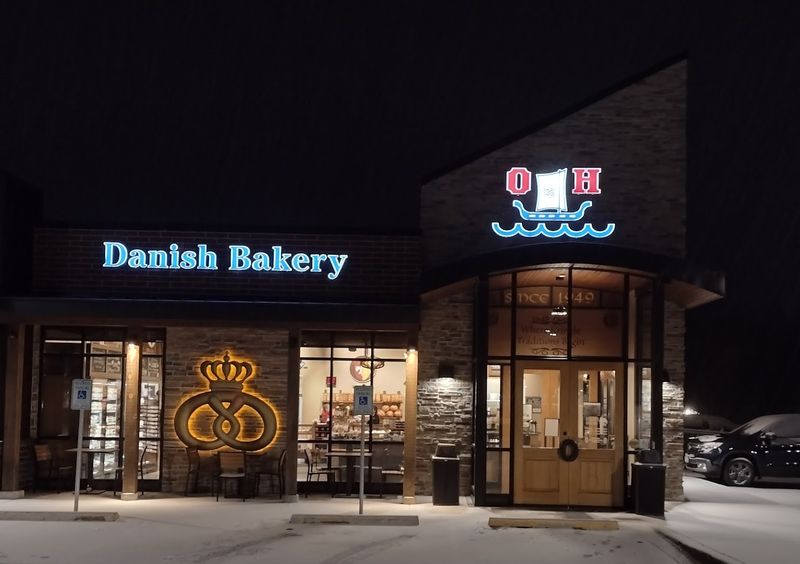
Few bakeries in America can say their dough takes three full days to prepare, but O&H Danish Bakery is not most bakeries. Founded in 1949 by Christian Olesen, this Racine institution has kept the same painstaking process alive through four generations of the same family.
Their famous Kringle is rolled, folded, and layered with real butter 36 times before it ever gets near an oven. That is not a typo. Thirty-six layers, built by hand, every single day.
Racine itself has a deep Danish heritage, and O&H sits at the center of that identity like a proud anchor. The bakery ships Kringles across the country, but locals still line up in person for the freshest versions. It is one of those places where the recipe has not changed because nobody has found a reason to change it.
2. Bendtsen’s Bakery, Racine, Wisconsin
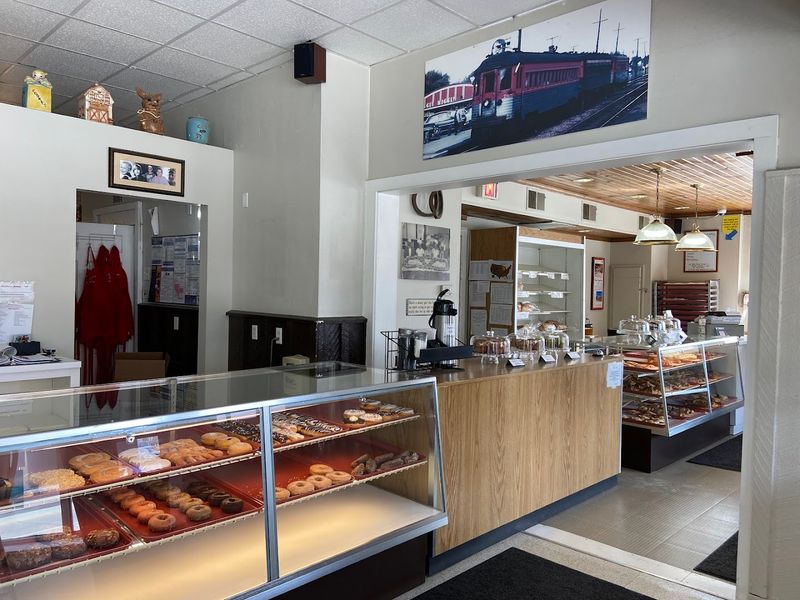
Racine, Wisconsin has more Danish bakeries per square mile than almost anywhere outside of Denmark itself, and Bendtsen’s is one of the oldest reasons why. The bakery opened in 1934, which means it has been hand-rolling pastry dough through the Great Depression, multiple recessions, and a global pandemic without missing a beat.
The family behind Bendtsen’s learned their craft in Denmark and brought those exact methods to Wisconsin, where they have stayed stubbornly unchanged. Their Kringle uses a traditional oval shape and a buttery, many-layered dough that requires real skill to execute properly.
What makes Bendtsen’s stand out even within Racine’s competitive Danish bakery scene is its no-frills focus. There are no trendy flavor experiments or Instagram-driven menus here. Just classic pastries made the way they were always meant to be made, by experienced hands that know exactly what they are doing.
3. Larsen’s Danish Bakery, Ballard, Seattle, Washington
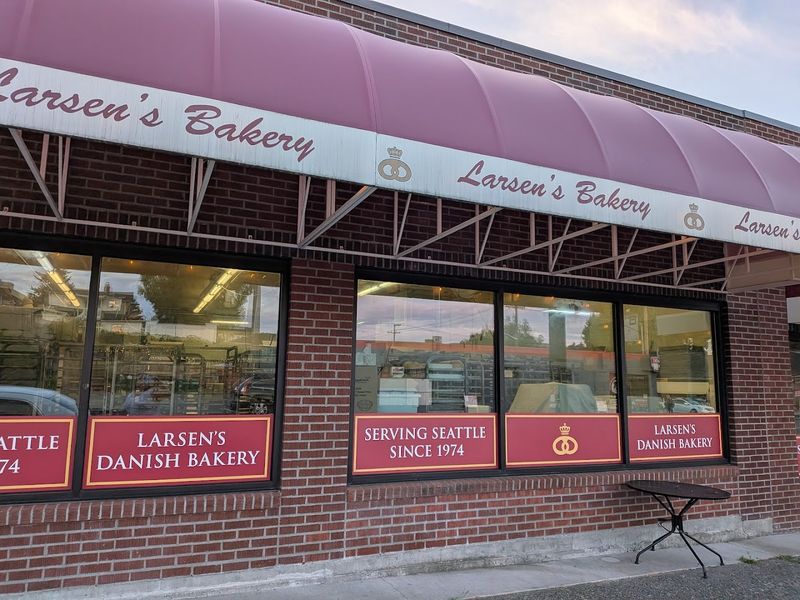
Ballard, Seattle’s historically Scandinavian neighborhood, is exactly the kind of place you would expect to find a proper Danish bakery, and Larsen’s has been filling that role since 1974. The bakery was founded by Danish immigrants who wanted to recreate the pastries they grew up eating back home.
Larsen’s is particularly well known for its Kringle, which follows the same labor-intensive lamination process used in Denmark. The dough is worked in stages over multiple days, and shortcuts are simply not part of the vocabulary here.
The bakery also produces a range of traditional Danish breads and cookies that reflect the full scope of Scandinavian baking, not just the flashy pastry items. Regulars treat Larsen’s less like a bakery and more like a cultural landmark, which, given its 50-year run in the neighborhood, is a fair way to describe it.
4. Copenhagen Pastry, Culver City, California
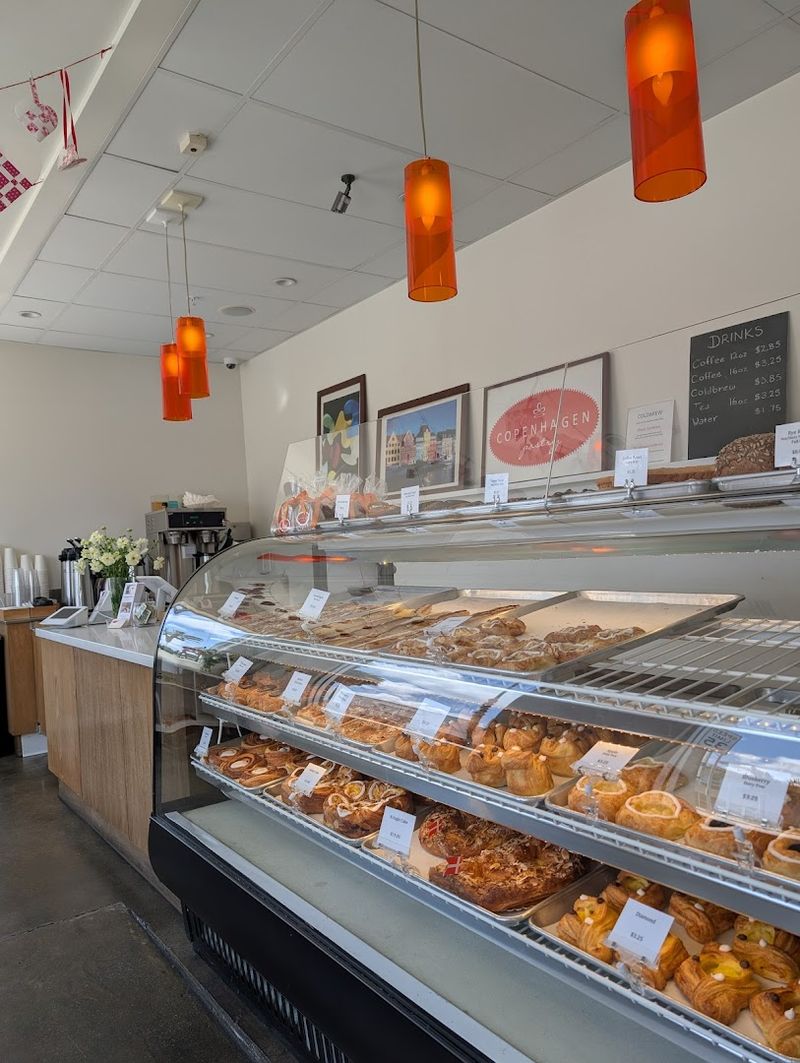
Karen Hansen runs the baking operation at Copenhagen Pastry with a level of precision that would impress even the most seasoned European pastry chef. The bakery, located in Culver City just outside Los Angeles, is built around one core principle: authentic Danish methods, no compromises.
The pastry dough here is laminated by hand using real butter, and the shaping of each piece is done individually rather than by machine. Hansen oversees quality control personally, which is how a bakery in Southern California manages to produce pastries that genuinely taste like they came from Copenhagen.
Copenhagen Pastry serves a wide range of traditional items including spandauer, tebirkes, and other classics that are rarely found outside of Denmark. For Danish expats living in the LA area, this bakery functions as a direct connection to home, which is not a small thing to offer.
5. Olsen’s Danish Village Bakery, Solvang, California
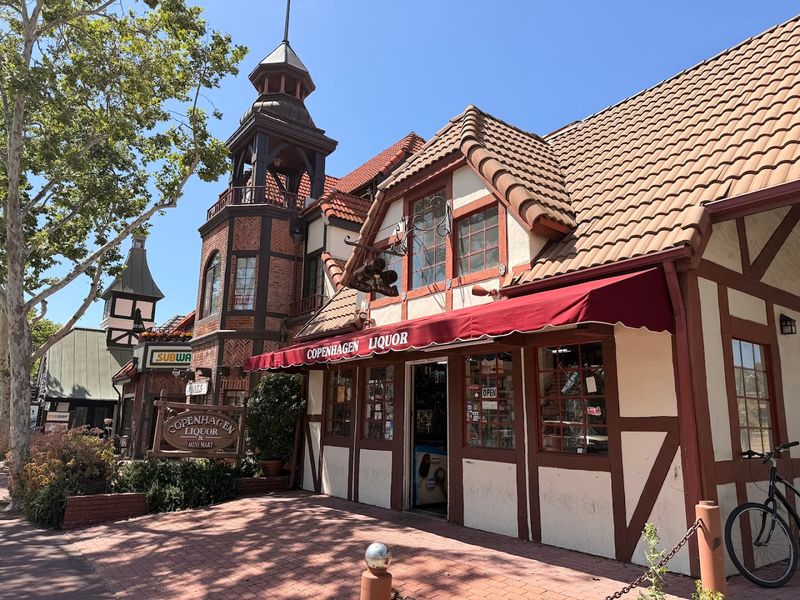
Solvang, California was founded by Danish immigrants in 1911 and still looks like a small Danish village dropped into the Santa Ynez Valley. Olsen’s Danish Village Bakery fits right into that setting, having operated there for decades as one of the town’s most consistent producers of traditional pastries.
The bakery makes its pastries using old-country recipes that prioritize real ingredients and hand-shaping over any kind of automated production. Their æbleskiver, a traditional round Danish pancake-style pastry, is one of the most popular items and draws visitors who have never tried one before.
Olsen’s also produces a solid range of Danish cookies, including the beloved butter cookies that come in decorative tins. The bakery leans into Solvang’s cultural identity without being a tourist gimmick, because the pastries themselves are genuinely good and made with real technique.
6. Mortensen’s Danish Bakery, Solvang, California
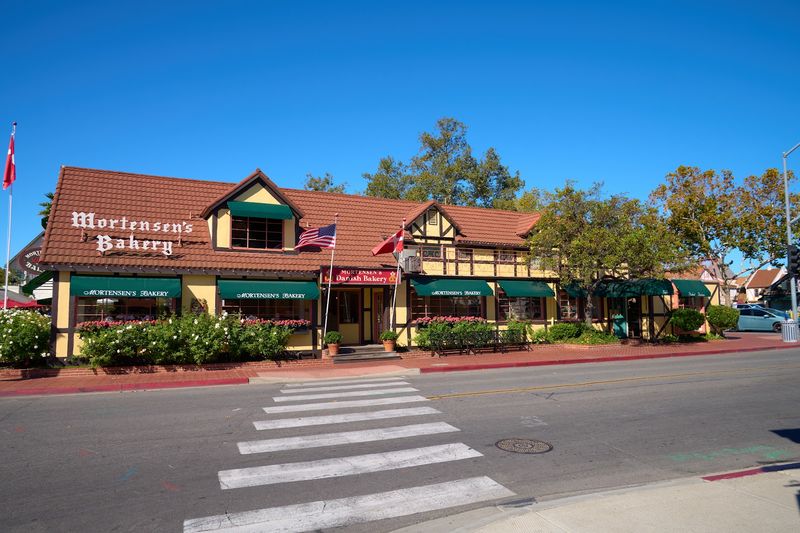
Bear claws get a serious upgrade at Mortensen’s, where each one is filled with real almond paste and baked inside a properly laminated dough that holds its layers through the whole baking process. This is not the kind of bear claw you grab from a gas station display case.
Mortensen’s Danish Bakery is another Solvang staple, and it competes with its neighbors by sticking firmly to traditional techniques rather than trying to modernize. The pastry team here works with dough that requires multiple steps and real patience, which is what separates their products from anything mass-produced.
The bakery also makes Danish rye bread and other savory items that round out the menu beyond just sweets. Visitors to Solvang often end up visiting both Olsen’s and Mortensen’s on the same trip, and that is completely reasonable behavior given the quality of both.
7. Sankt Peders Bageri, Copenhagen, Denmark
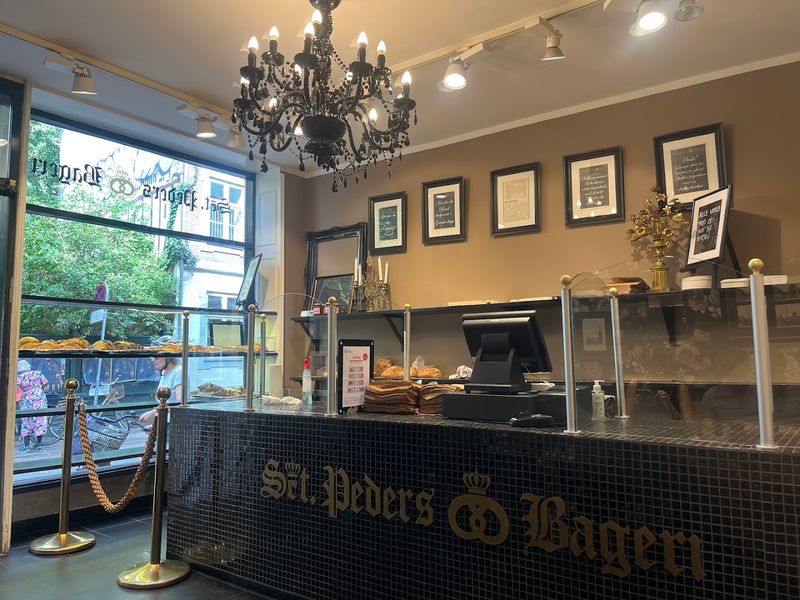
Sankt Peders Bageri holds the title of Copenhagen’s oldest bakery, with roots going back to 1652. That is not a misprint. This bakery has been operating in the same city for nearly four centuries, which gives it a certain authority when it comes to defining what traditional Danish baking actually looks like.
Located in the city center, the bakery is popular with both locals and tourists, though it has never chased trends to attract either group. The pastries here are made using established methods, and the rye bread in particular has a devoted following among Copenhagen residents who know their bread.
Sankt Peders Bageri represents the kind of institutional knowledge that only comes from doing something correctly for a very long time. Visiting it feels less like a casual bakery stop and more like a small history lesson delivered through exceptionally good pastry.
8. Hart Bageri, Copenhagen, Denmark
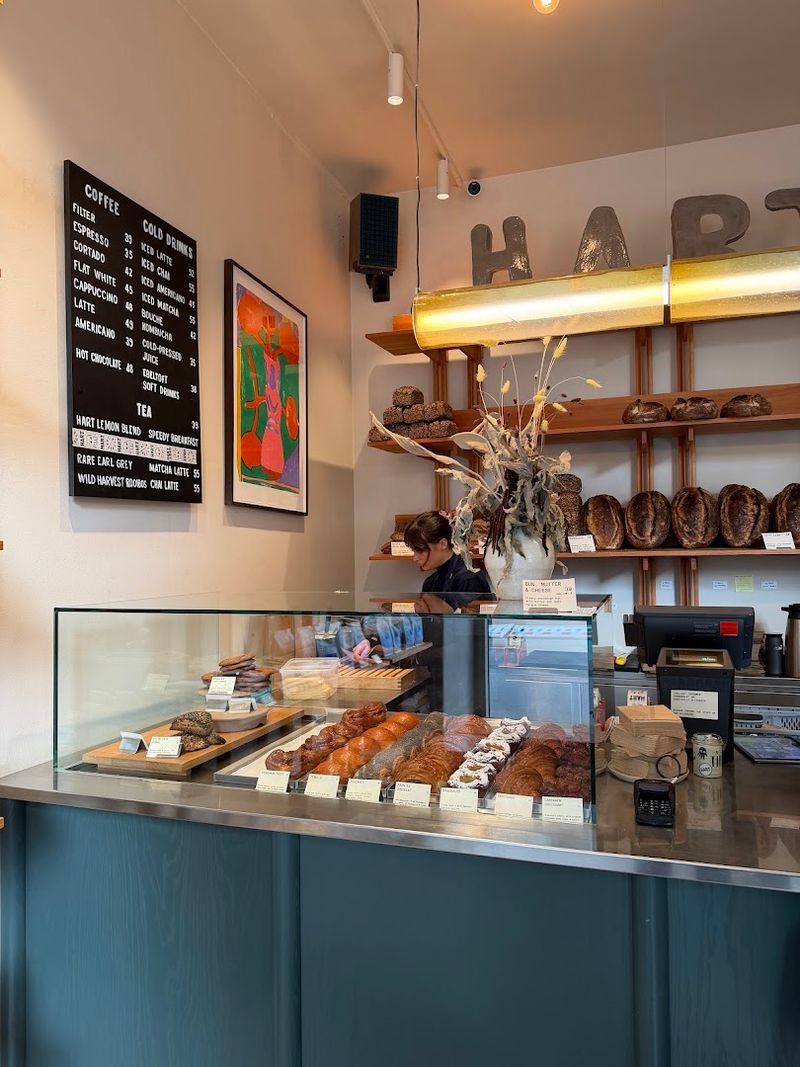
Richard Hart founded Hart Bageri after spending years as the head baker at Tartine in San Francisco, one of the most respected bread bakeries in the United States. That resume alone tells you this is not a bakery that cuts corners.
Hart brought serious technical skill back to Copenhagen and applied it to traditional Danish formats, including brunsviger, a flat yeast cake covered in a brown sugar and butter topping that is deeply beloved in Denmark. His version became immediately talked-about because it respects the original while being executed at an extremely high level.
The bakery operates with a clear philosophy: use good ingredients, apply proper technique, and let the results speak for themselves. Hart Bageri has built a loyal following in Copenhagen not by reinventing Danish pastry, but by taking it as seriously as it deserves to be taken.
9. JUNO the Bakery, Copenhagen, Denmark
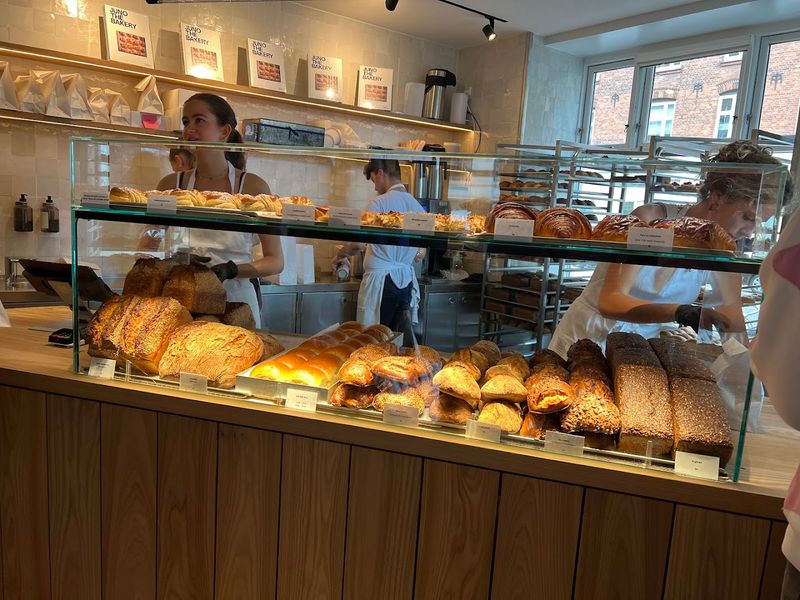
JUNO the Bakery has developed a reputation in Copenhagen that extends well beyond the city, with food writers and pastry enthusiasts regularly citing it as one of the best places in Denmark to find hand-crafted laminated pastries. That kind of reputation takes consistent, skilled work to build and maintain.
The bakery focuses on a shorter, carefully selected menu rather than trying to offer everything at once. This approach means that every item on the list receives the full attention it needs, and the quality of the lamination and shaping reflects that focus.
JUNO is particularly well regarded for its cardamom rolls and croissants, both of which require precise dough handling to achieve the right structure. The bakery sells out regularly, which is both a minor inconvenience for late arrivals and a reliable indicator that the pastries are worth showing up early for.
10. Andersen Bakery, Copenhagen, Denmark Andersen Bakery
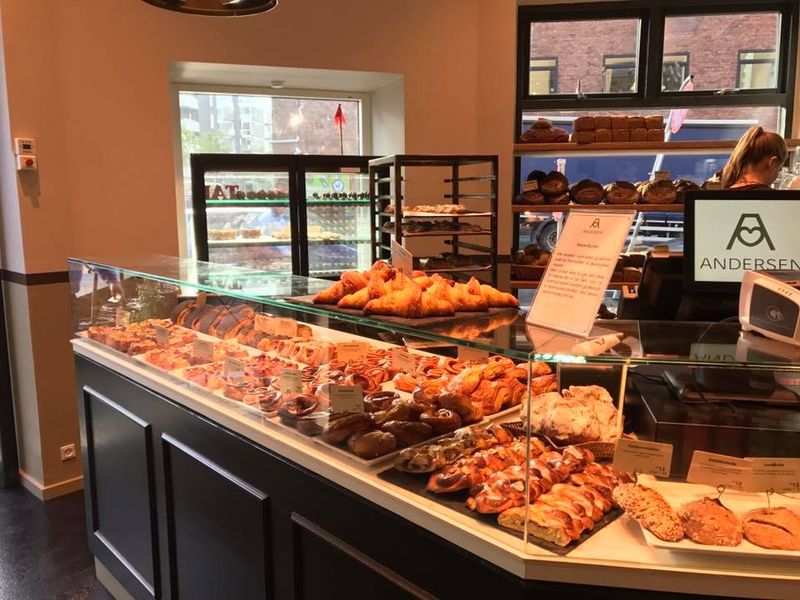
Andersen Bakery takes the classic Danish pastry format and executes it with a consistency that keeps customers coming back on a daily basis. The bakery has multiple locations across Copenhagen, which means their hand-crafting standards have to be maintained across a larger operation, and they manage that challenge well.
Their wienerbroed, the traditional Danish pastry that most of the world simply calls a “Danish,” is made using laminated dough that is folded and rested in the proper stages. The result is a pastry with distinct, readable layers and a clean finish that reflects real technique.
Andersen Bakery also puts effort into its bread program, including sourdough and rye loaves that follow traditional Danish recipes. For visitors to Copenhagen who want a reliable, high-quality pastry without hunting down a single-location spot, Andersen Bakery is a dependable and genuinely good choice.
11. Bageriet Benji, Copenhagen, Denmark Bageriet Benji
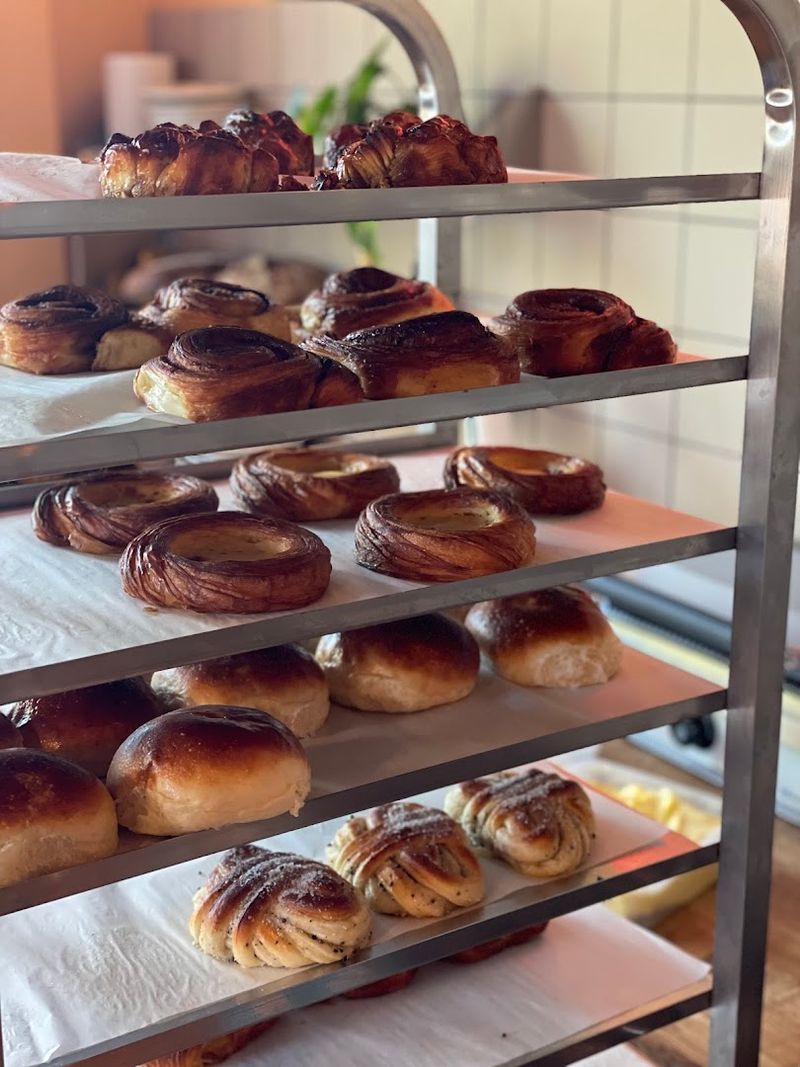
Bageriet Benji is the kind of Copenhagen bakery that earns its reputation through product quality rather than marketing. The bakery has built a following among locals who pay close attention to what is actually in their pastry dough and how carefully it has been handled before reaching the display case.
The team at Benji works with traditional lamination techniques but applies them to both classic and slightly updated formats, keeping the core method intact while allowing for some creative variation in fillings and toppings. This balance is harder to achieve than it sounds.
The bakery operates on a smaller scale, which allows the bakers to maintain close control over each item from start to finish. Regulars in the neighborhood treat it as a daily stop rather than an occasional treat destination, which says a great deal about the consistency of what comes out of the kitchen.
12. Andersen & Maillard Bakery, Copenhagen, Denmark Andersen & Maillard
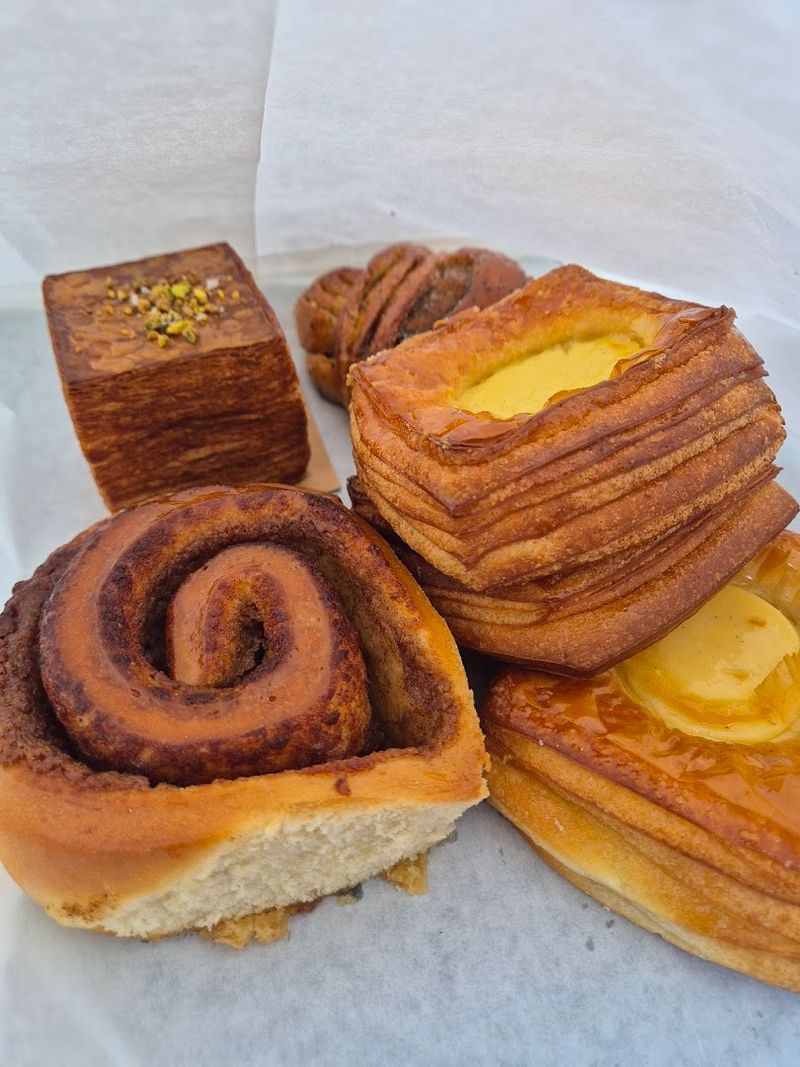
The name Andersen & Maillard references two different baking traditions, and the bakery lives up to both sides of that identity. It has been praised specifically for the delicate craftsmanship of its pastries, a phrase that gets thrown around a lot in food writing but genuinely applies here.
The bakery cranks out classic Danish pastries on a daily basis using hand methods that preserve the structural integrity of the laminated dough. Each piece is shaped individually, which is visible in the finished product if you know what to look for.
Andersen & Maillard has also developed a strong following for its coffee program, which pairs well with the pastry menu and has made the bakery a popular morning destination in Copenhagen. The combination of serious baking technique and a relaxed, welcoming setup makes it easy to understand why the place stays busy.
13. Lille Bakery, Copenhagen, Denmark
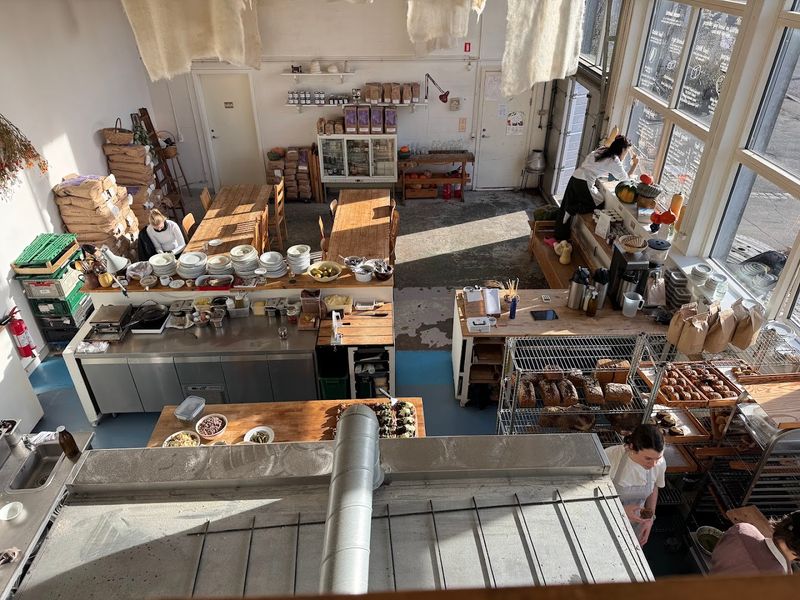
Small-batch baking is the entire philosophy at Lille Bakery, and the name itself, which means “little” in Danish, signals exactly what kind of operation this is. The bakery produces a limited number of items each day, which means everything is made with full attention and nothing sits around waiting to be bought.
Lille has developed a loyal customer base in Copenhagen’s increasingly competitive bakery scene by focusing on quality over volume. Their pastries use traditional lamination methods, and the shaping is done by hand for every single piece that goes into the oven.
The bakery also puts real effort into sourcing good ingredients, which is a choice that shows up clearly in the finished product. Lille is the kind of place that sells out before noon on most days, so visitors who want the full selection learn quickly that early arrival is the only real strategy.
14. Reinh. van Hauen, Copenhagen, Denmark
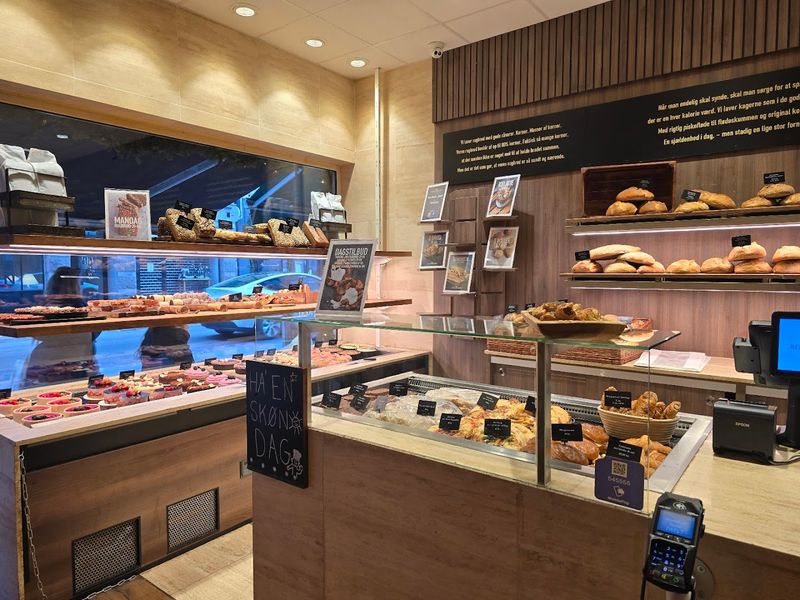
Reinh. van Hauen has been part of Copenhagen’s baking culture since 1891, which puts it in a very short list of bakeries that have outlasted multiple generations of competition, food trends, and changing customer habits. Staying relevant for over 130 years requires more than just good pastry, but it definitely starts there.
The bakery is known for its traditional approach to Danish pastries and cakes, with recipes that reflect the full depth of the country’s baking history. Their wienerbroed and layer cakes are particular strengths, and both are made using hand methods that have not been replaced by automation.
The shop itself has a classic look that fits its age, with a display case format and a service style that feels properly old-fashioned in the best possible way. For anyone curious about what Copenhagen’s pastry culture looked like a century ago, Reinh. van Hauen offers a direct and delicious reference point.
15. Conditori La Glace, Copenhagen, Denmark
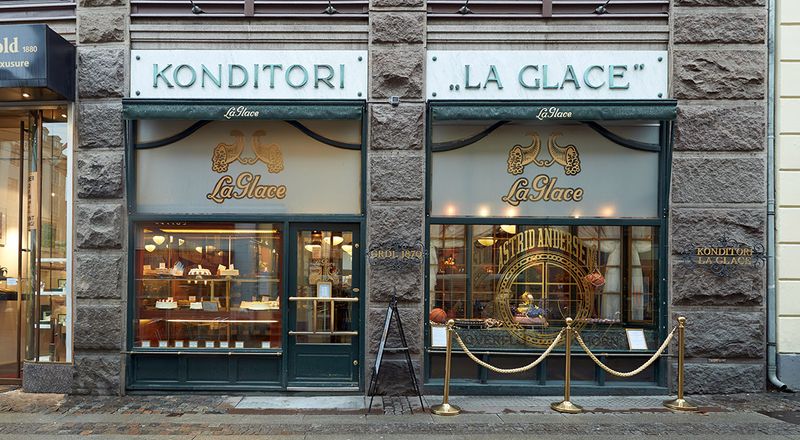
Founded in 1870, Conditori La Glace is Denmark’s oldest confectionery and one of the most celebrated pastry destinations in all of Scandinavia. The word “conditori” refers to a traditional pastry shop and cafe, a format that La Glace has upheld without apology for over 150 years.
The bakery is particularly famous for its elaborate layer cakes, called lagkage, which are assembled by hand and decorated with a level of precision that reflects genuine pastry mastery. Their Sportskage, a signature cake with a history stretching back to the 19th century, remains one of the most ordered items on the menu.
La Glace prides itself on preserving techniques that most modern bakeries have abandoned, and the results are consistently described as demonstrating the true craft of the Danish pastry tradition. A visit here is less a quick stop and more a full experience in what serious Danish baking can achieve.
Share this story