Africa’s highland regions reveal a side of the continent that many travelers never see. From volcanic peaks and cool mountain plateaus to crater lakes and dramatic valleys, these elevated landscapes offer remarkable scenery, unique wildlife, and rich cultural history.
Some are renowned trekking destinations, while others provide sweeping views, rare ecosystems, and year-round mild climates. Together, they showcase the incredible diversity of Africa beyond its famous deserts and savannas.
Here are 14 highland regions that deserve a place on every travel lover’s radar.
1. Simien Mountains, Amhara Region, Ethiopia
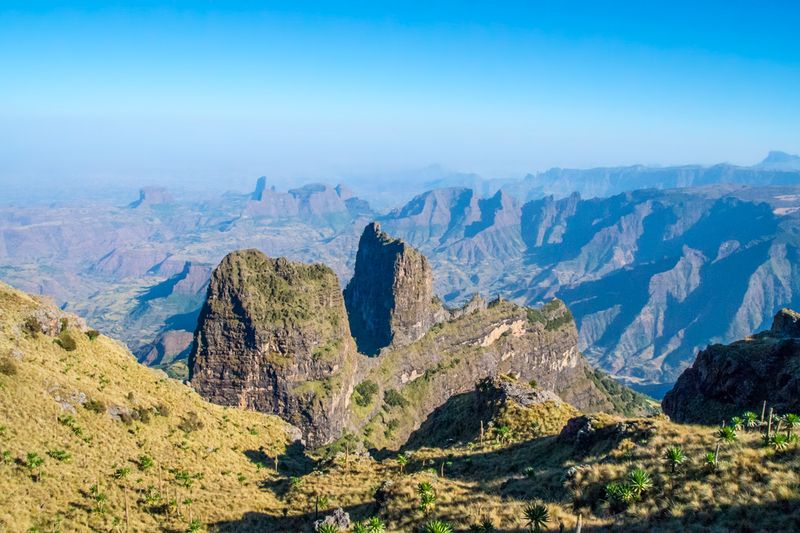
Few mountain landscapes on Earth match the sheer drama of this UNESCO World Heritage Site in northern Ethiopia. The Simien Mountains feature vertical cliff faces dropping hundreds of meters, carved over millions of years into shapes that look almost architectural.
Ras Dejen, the highest peak in Ethiopia at 14,930 feet, stands at the heart of this range. Trekkers who reach its upper elevations are rewarded with panoramic views that stretch far beyond the horizon.
The region is also home to some of Africa’s rarest animals. The gelada monkey, found nowhere else on Earth, grazes in large troops across the highland meadows.
The Ethiopian wolf, critically endangered and equally unique, also patrols these slopes.
2. Bale Mountains, Oromia Region, Ethiopia
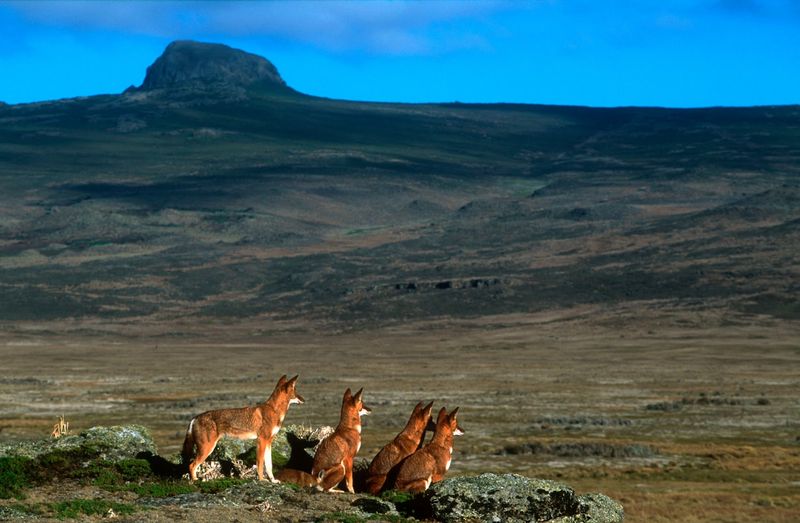
Most travelers to Ethiopia head straight for the Simien Mountains, but the Bale Mountains quietly offer something just as spectacular and far less crowded. This highland region in Oromia sits at elevations exceeding 13,000 feet and contains Africa’s largest continuous area of Afroalpine habitat.
The Sanetti Plateau, cutting across the heart of the park, is one of the highest roadways on the continent. Driving across it feels like traveling through another world entirely, with giant lobelias dotting the landscape like something from a science fiction story.
Wildlife here is exceptional. The Ethiopian wolf, Africa’s most endangered carnivore, is regularly spotted hunting rodents across the open moorlands.
Mountain nyala and Bale monkey are also found exclusively in this region.
3. Drakensberg Mountains, KwaZulu-Natal, South Africa
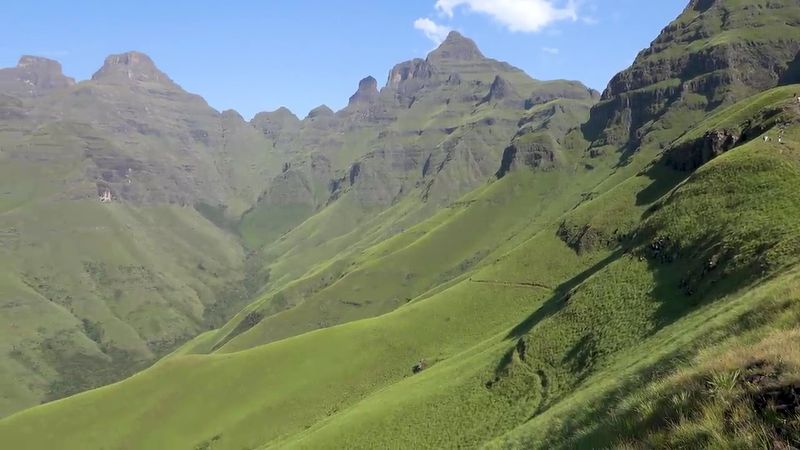
The name translates from Afrikaans as Dragon’s Mountain, and one look at the towering basalt escarpment explains exactly why. The Drakensberg stretches for 700 miles through South Africa and Lesotho, creating one of the continent’s most recognizable mountain skylines.
Thabana Ntlenyana, the highest point in the range, reaches 11,424 feet. The surrounding terrain offers over 200 mapped hiking trails, ranging from easy valley walks to serious multi-day ridge routes that challenge even experienced mountaineers.
Beyond the physical grandeur, the Drakensberg holds one of the largest collections of San rock art in the world. More than 35,000 individual paintings have been recorded across cave shelters and rock faces throughout the region, some dating back thousands of years.
4. Nyika Plateau, Northern Region, Malawi
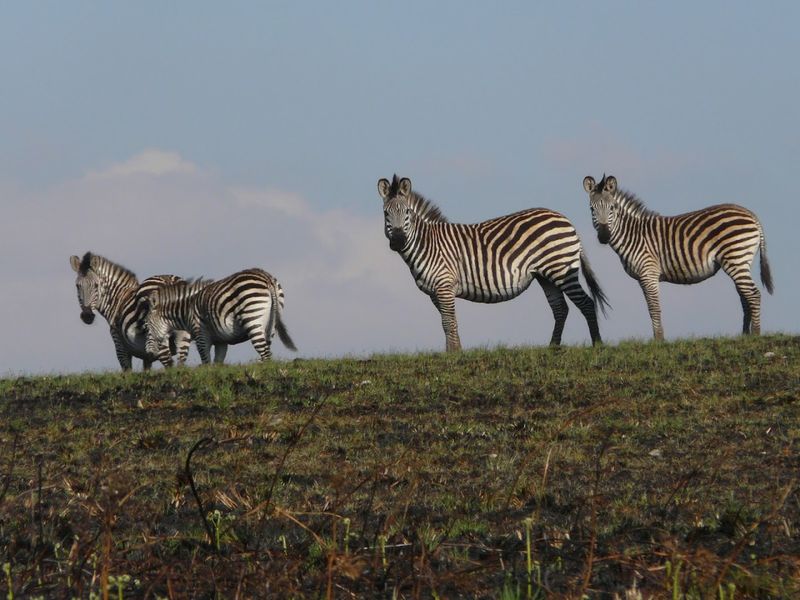
Nyika looks nothing like the Africa most people picture. Instead of savanna and acacia trees, this high plateau in northern Malawi presents rolling grasslands stretching in every direction beneath enormous, cloud-filled skies.
At elevations between 6,500 and 8,500 feet, Nyika is the largest national park in Malawi and one of the most unusual landscapes in the entire region. The plateau’s open terrain makes wildlife spotting remarkably easy, with roan antelope, zebra, and reedbuck frequently visible from the road.
Wildflowers transform the grasslands during the rainy season, creating carpets of color across the hillsides. Over 200 orchid species have been recorded here, making the plateau a genuine destination for botanical enthusiasts.
5. Mount Elgon Highlands, Eastern Uganda
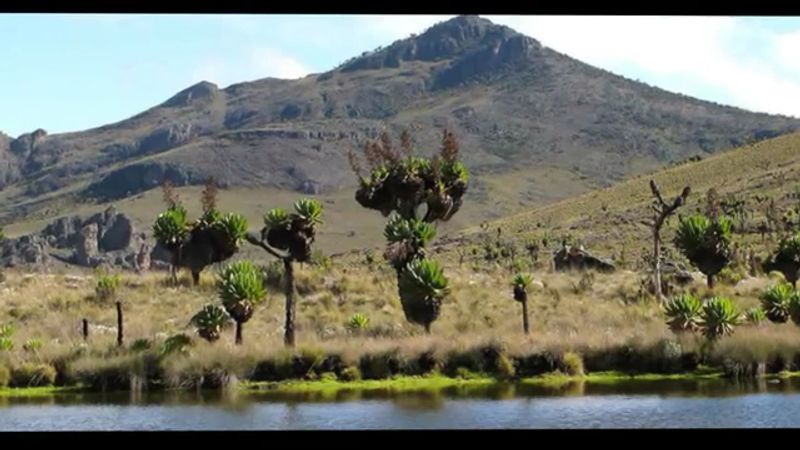
Mount Elgon holds a distinction that surprises most visitors: it has the largest volcanic base of any mountain on Earth. The mountain’s massive caldera stretches nearly five miles across the summit area, making it one of the most remarkable geological features in East Africa.
Straddling the Uganda-Kenya border, the highland region surrounding Elgon is considerably cooler and greener than the surrounding lowlands. The slopes support dense montane forests, bamboo zones, and open moorlands, each home to distinct wildlife communities.
Hot springs inside the caldera are a genuine curiosity, attracting both visitors and large herds of elephants that regularly enter the caves to mine salt from the walls. Watching elephants navigate cave tunnels in near darkness is one of East Africa’s most unusual wildlife experiences.
The lower slopes are heavily farmed by the Bagisu people, whose coffee and Arabica tea production is highly regarded.
6. Rwenzori Mountains, Western Uganda
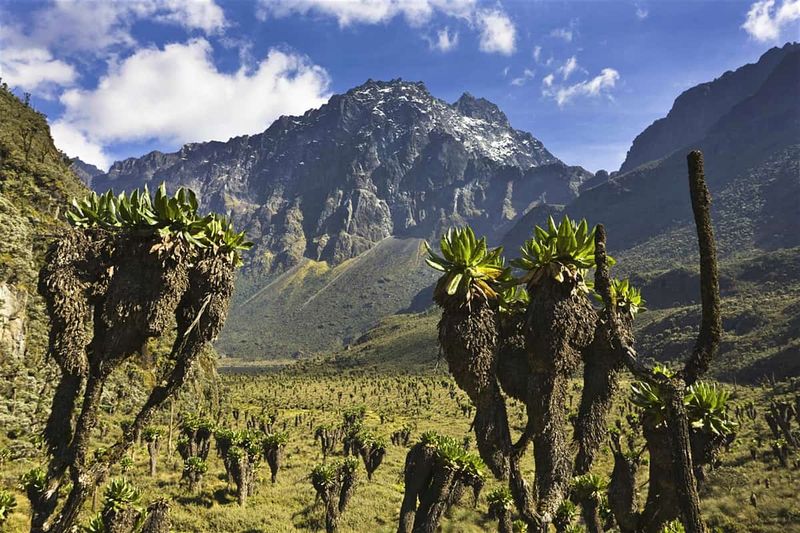
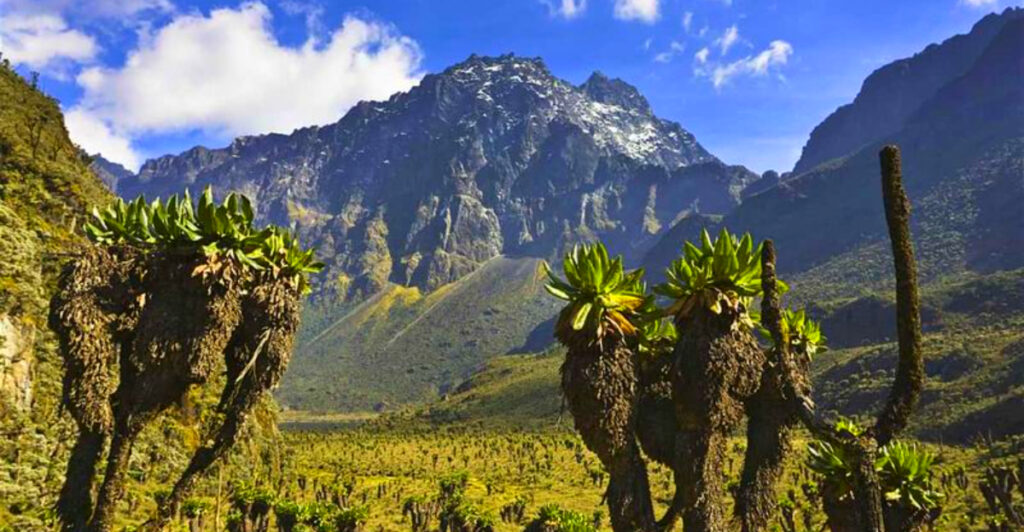
Ptolemy called them the Mountains of the Moon, and the name has stuck for nearly two thousand years. The Rwenzoris rise along the Uganda-Congo border with permanent glaciers, mist-filled valleys, and vegetation so strange it looks like it belongs on another planet.
Mount Stanley, the range’s highest peak at 16,763 feet, ranks as Africa’s third-tallest mountain. Unlike most African peaks, the Rwenzoris are not volcanic but formed through ancient tectonic uplift, giving them a completely different character from Kilimanjaro or Mount Kenya.
The flora here is genuinely extraordinary. Giant groundsels grow to tree height, lobelias reach several meters tall, and heathers form dense thickets across the upper slopes.
These oversized versions of familiar plants are a result of the high-altitude equatorial conditions unique to this range.
7. Lesotho Highlands, Kingdom of Lesotho
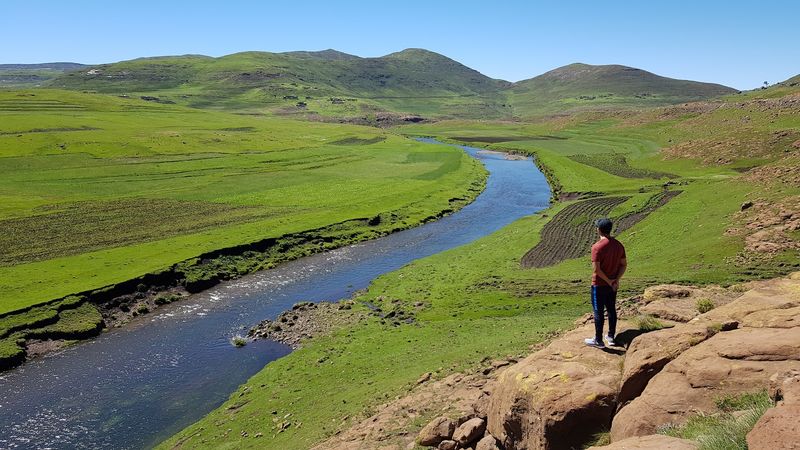
Lesotho holds a geographical distinction shared by no other country on Earth: its lowest point sits higher than the highest point of most nations. The entire Kingdom of Lesotho sits above 4,600 feet, making its highlands some of the most consistently elevated terrain anywhere in Africa.
Known as the Kingdom in the Sky, Lesotho’s interior highlands are defined by rugged mountain passes, winding dirt roads, and Basotho villages built from local stone. The traditional Basotho blanket, worn by herders on horseback across the peaks, remains a living cultural symbol rather than a tourist prop.
Sani Pass, connecting Lesotho with South Africa’s KwaZulu-Natal province, is one of the most dramatic mountain roads on the continent. The road climbs through a series of sharp switchbacks before crossing into highland terrain at over 9,400 feet.
8. Fouta Djallon Highlands, Guinea
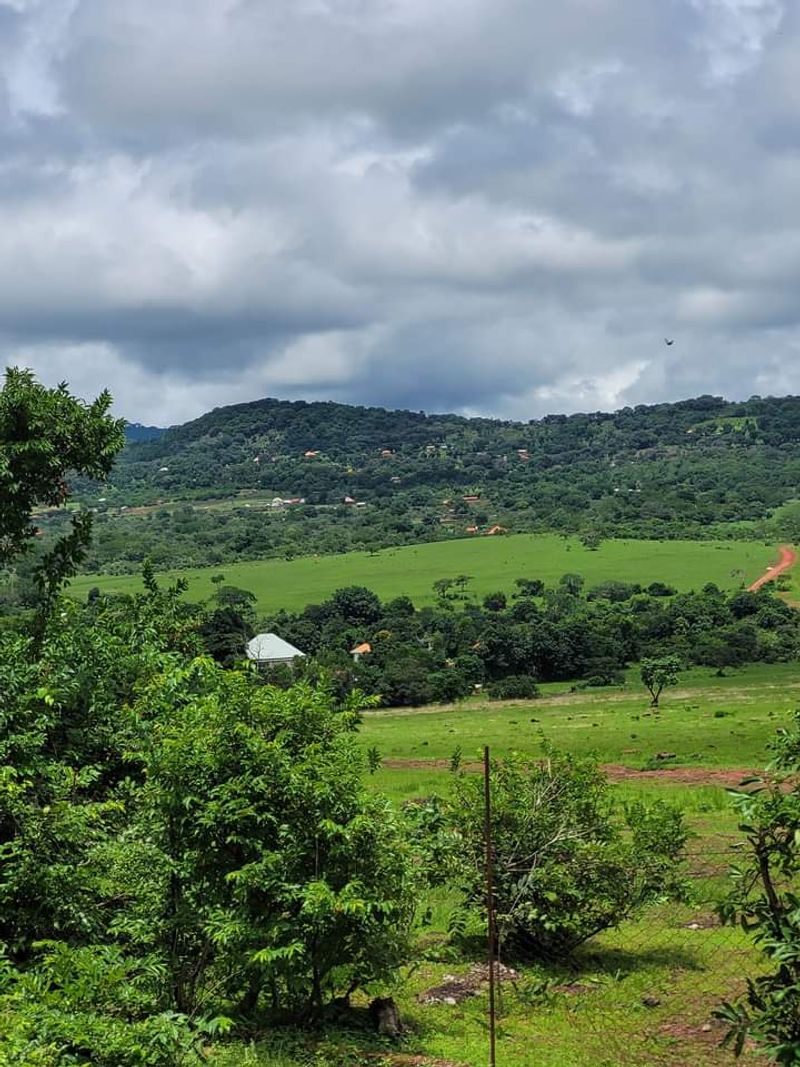
West Africa’s most important water tower sits in Guinea and most of the world has never heard of it. The Fouta Djallon Highlands are the source of three of West Africa’s greatest rivers: the Senegal, the Gambia, and the Niger, all beginning their long journeys to the sea from this central plateau.
The landscape is a patchwork of green hills, deep gorges, and waterfalls that drop dramatically into the valleys below. Kinkon Falls and Kambadaga Falls are among the most impressive, drawing a growing number of visitors to a region that remains largely off the international tourism radar.
The Fulani people, known locally as the Fula or Peul, have shaped this highland region for centuries through cattle herding and agricultural traditions. Their distinctive architecture and market culture add a rich human dimension to the natural scenery.
Cool temperatures year-round and relatively good road access from Conakry make the Fouta Djallon a surprisingly practical destination. The region’s combination of natural beauty and cultural depth is genuinely underappreciated on the global stage.
9. Cameroon Highlands, Northwest And West Regions, Cameroon
Cameroon’s highland belt sits where West Africa and Central Africa meet, and the landscape carries influences from both directions. The region is volcanic in origin, which explains the crater lakes, fertile soils, and dramatic topography that define towns like Bafoussam and Bamenda.
Lake Nyos, a crater lake in the northwest, gained international attention in 1986 following a natural gas release event that affected surrounding communities. Today the lake is monitored carefully and remains one of the region’s most visually striking natural features.
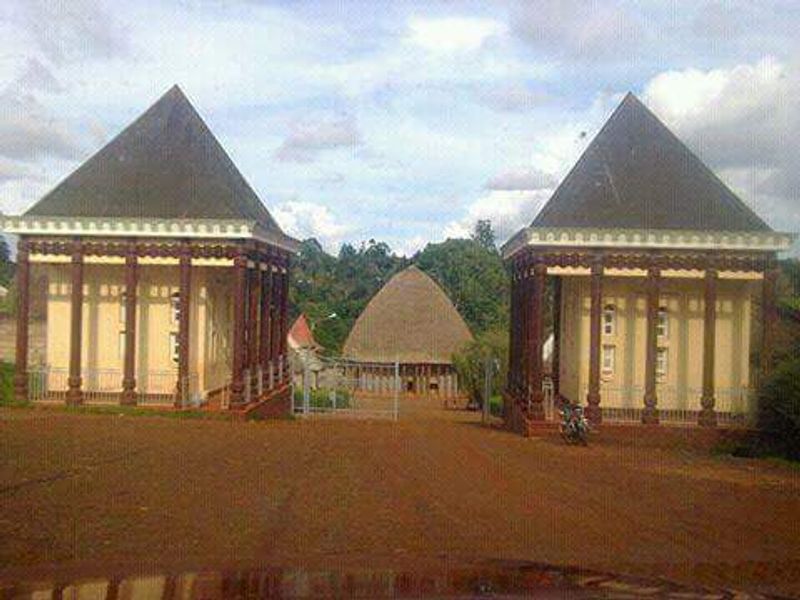
The highland grasslands support a network of traditional chieftaincies, known as fondoms, each with its own palace, ceremonies, and cultural identity. The Bafut Palace and the Foumban Royal Palace are among the most visited, offering visitors a direct encounter with living royal traditions.
Ring Road, a circular route through the highlands connecting multiple towns and villages, is a popular way to experience the region’s variety. The route passes through changing landscapes, local markets, and community life that feels genuinely authentic and unhurried.
10. Aberdare Range, Central Kenya
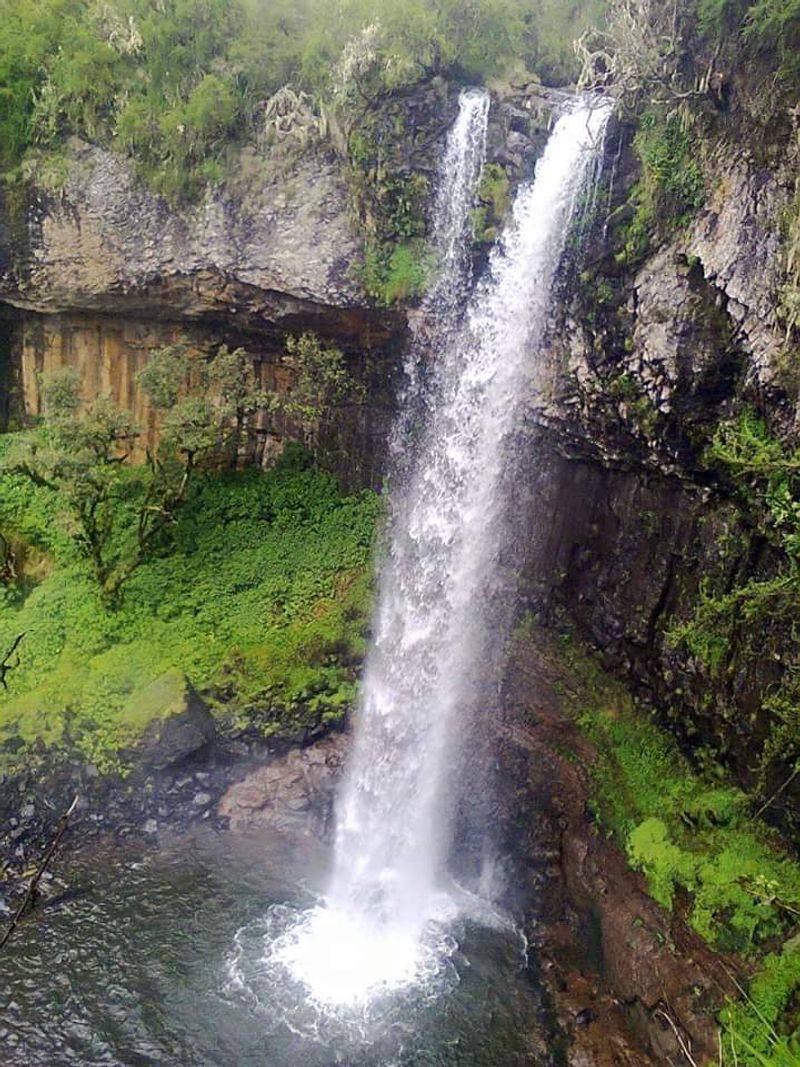
The Aberdares rise directly north of Nairobi, yet they feel worlds away from the city. This mountain range is one of Kenya’s most important water catchments, feeding rivers that supply millions of people across the country.
Dense bamboo forests cover the middle elevations, giving way to open moorlands above the tree line. The moorlands support wildlife that surprises most visitors: leopards, serval cats, and even lions have been recorded at elevations above 10,000 feet.
The Aberdare National Park includes two famous lodges built over water holes, Treetops and The Ark, where guests watch wildlife arrive through the night from elevated platforms. Queen Elizabeth II was famously staying at Treetops in 1952 when she learned she had become queen, a historical footnote that still draws curious visitors.
Waterfalls are a consistent highlight throughout the range. Karuru Falls, one of the tallest in Kenya, drops in stages through forested gorges that remain cool and green throughout the year.
11. Ethiopian Highlands, Northern And Central Ethiopia
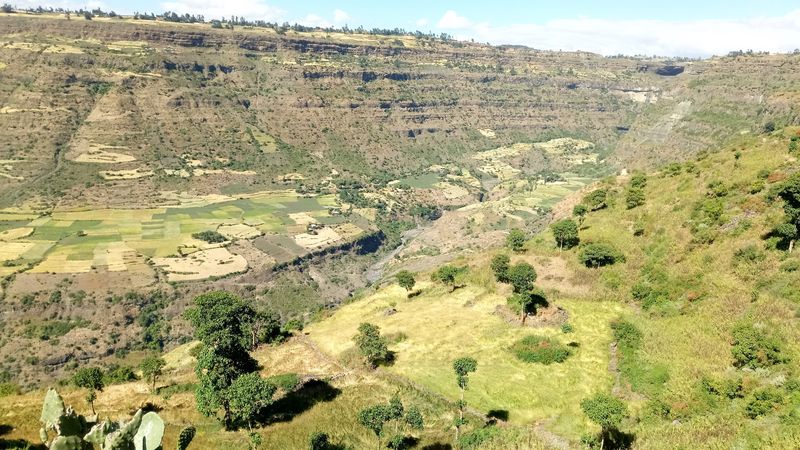
Africa’s largest continuous highland region covers roughly half of Ethiopia’s total land area, and its influence on the country’s history is impossible to overstate. The Ethiopian Highlands are sometimes called the Roof of Africa, and the civilizations that developed here shaped the entire Horn of Africa for thousands of years.
Ancient cities like Axum and Lalibela sit within this highland zone. Lalibela’s rock-hewn churches, carved directly into the mountainside during the 12th century, are among the most remarkable architectural achievements anywhere in the world.
The highlands receive reliable rainfall that supports intensive agriculture across terraced hillsides. Teff, the grain used to make injera, Ethiopia’s staple flatbread, grows across these elevated fields and has been cultivated here for over 3,000 years.
Wildlife is present throughout, with the Ethiopian wolf and mountain nyala both found in highland national parks. The combination of cultural history, agricultural heritage, and natural scenery makes this region genuinely extraordinary by any measure.
12. Matobo Hills, Matabeleland South, Zimbabwe
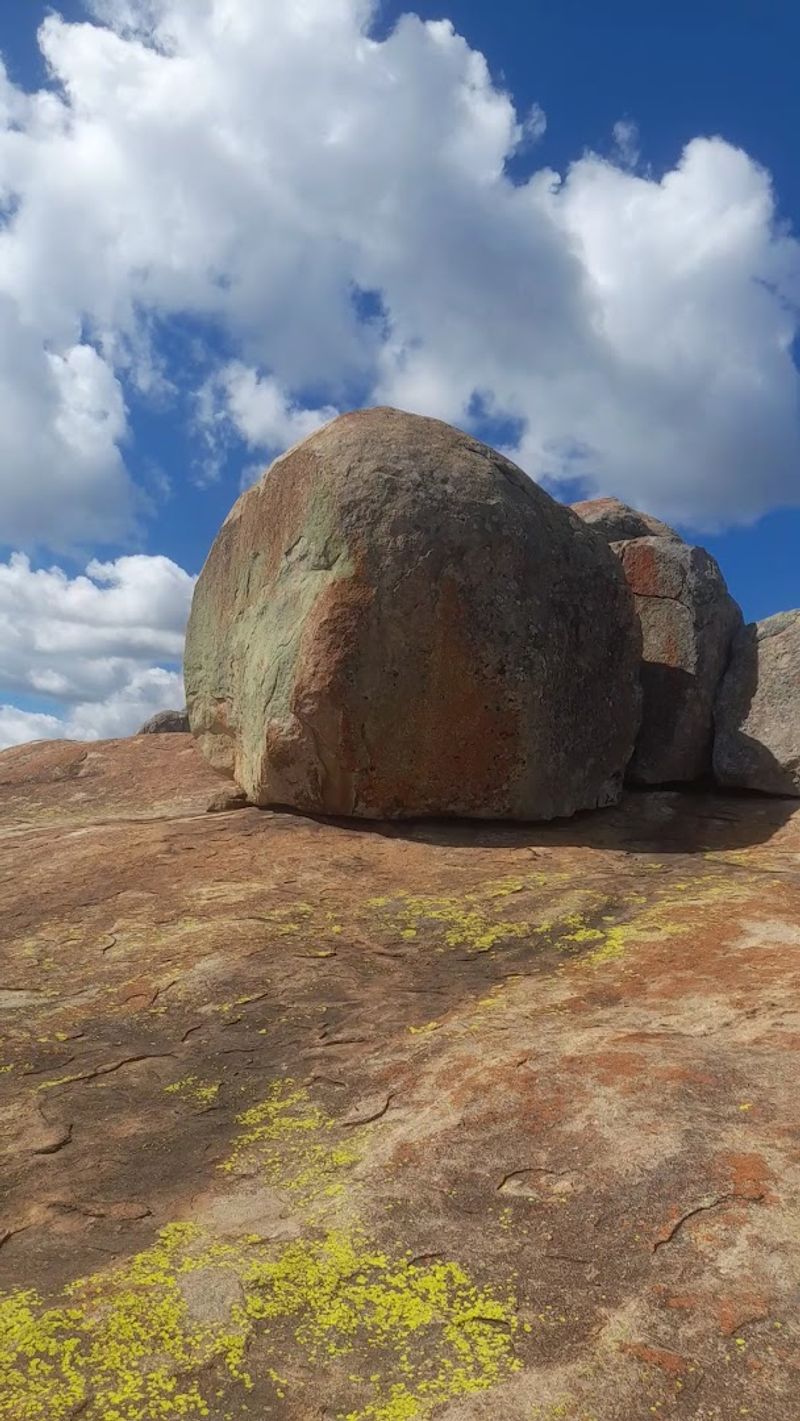
Nowhere in Zimbabwe generates quite the same sense of ancient mystery as this landscape of enormous granite boulders balanced in formations that seem to defy gravity. The Matobo Hills were formed over two billion years ago and have been a sacred landscape for human communities throughout recorded history and long before.
The San people left an extraordinary legacy here. More than 3,000 rock art sites have been documented across the hills, with some paintings depicting animals and ceremonial scenes in remarkable detail and preservation.
Cecil Rhodes, the British colonial figure who gave Rhodesia its name, specifically requested burial at the summit of a granite hill he called World’s View. His grave remains one of the most visited sites in the park, drawing visitors with an interest in colonial history alongside those who come purely for the scenery.
White rhinos roam the park in significant numbers, and guided walks to observe them on foot are among the most popular activities. The combination of geology, history, and wildlife makes Matobo genuinely one of a kind.
13. Jos Plateau, Plateau State, Nigeria
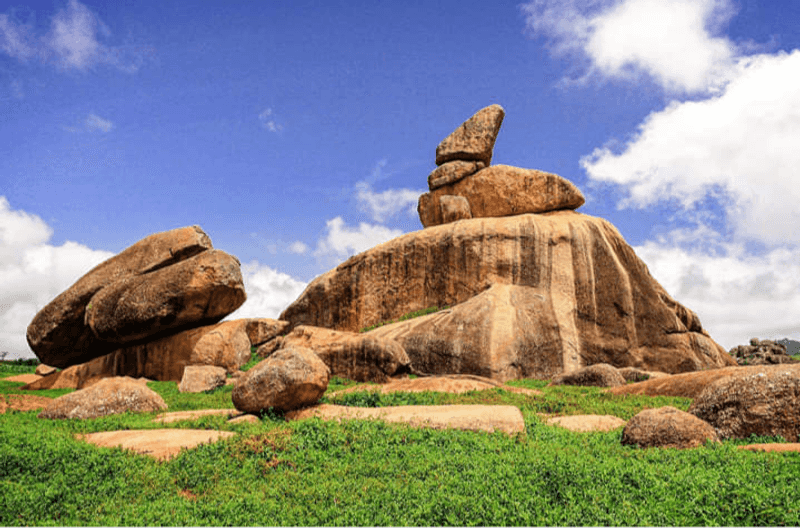
Nigeria is not a country most travelers associate with mountain scenery, which makes the Jos Plateau one of West Africa’s best-kept geographical secrets. Sitting at an average elevation of around 4,200 feet, the plateau enjoys temperatures that feel genuinely cool compared to the humid lowlands that surround it on every side.
The landscape is punctuated by dramatic granite outcrops rising from the plateau surface, creating a rocky, photogenic terrain that has attracted artists and photographers for generations. Assop Falls, one of several waterfalls in the region, drops through a gorge surrounded by lush greenery that feels entirely unexpected in this part of Nigeria.
Jos has a long history as a tin mining center, and the legacy of that industry is visible in the landscape and local economy. Several museums in the city document both the mining era and the remarkably rich archaeological heritage of the surrounding region.
The Nok culture, one of Africa’s earliest known iron-smelting civilizations, flourished on and around this plateau over 2,000 years ago. Terracotta sculptures from this period have been found throughout the area.
14. Usambara Mountains, Tanga Region, Tanzania
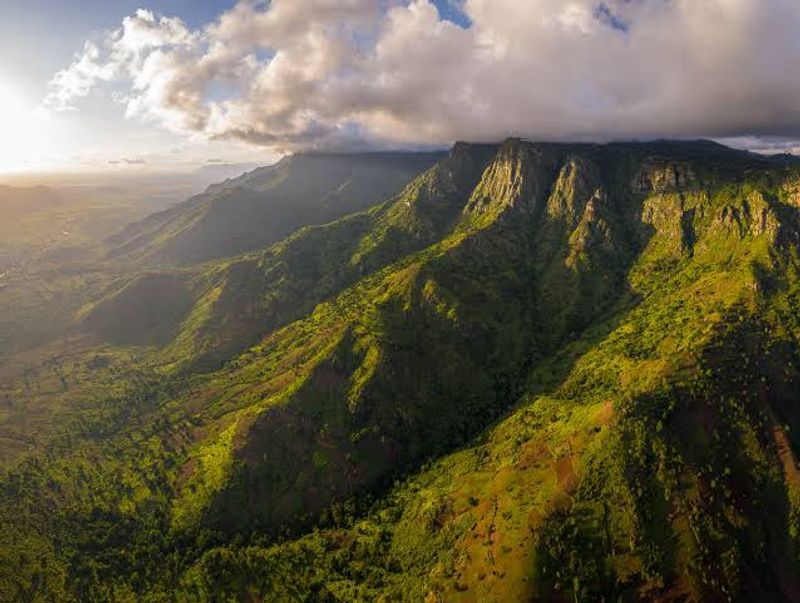
Tucked into the northeastern corner of Tanzania, the Usambara Mountains are often called the Galapagos of Africa by biologists, and the comparison is well earned. The range has been isolated long enough to develop a remarkable number of plant and animal species found nowhere else on the planet.
The West Usambaras, centered around the town of Lushoto, are the most accessible part of the range. Lushoto sits at around 4,900 feet and serves as the starting point for walking trails that wind through farmland, forest patches, and villages connected by footpaths used for generations.
African violets, now found in households worldwide, were first discovered growing wild in these mountains in 1892. The Usambara region remains one of the few places where they still grow naturally outside of cultivation.
The Shambaa people have farmed these hillsides for centuries, developing an intricate system of terraced agriculture that shapes the landscape just as much as the natural vegetation. Visiting their markets and villages offers genuine insight into highland farming life in East Africa.
Share this story