 Unearth The Voyage
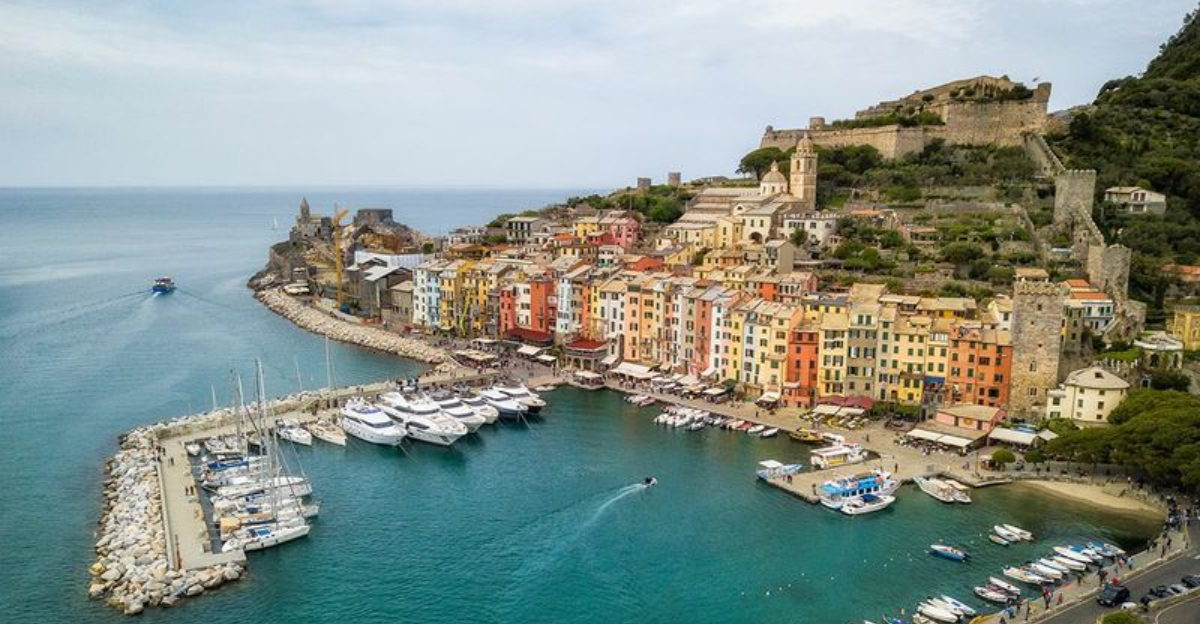
The Italian Riviera has a magic trick: it refuses to age. While the rest of the world races toward the next big thing, these towns quietly kept their striped awnings, their fishing boats, and their unhurried rhythms intact.
I first stumbled onto this coastline expecting pretty scenery and left convinced someone had hit pause on the 1960s. Pack light, walk slow, and let these ten towns do the rest.
Camogli
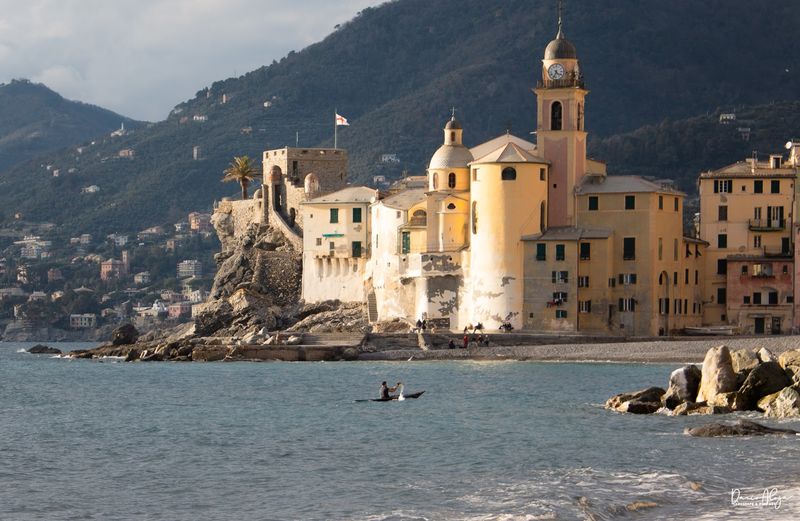
Camogli has a secret weapon: its buildings are wearing costumes. The tall facades along the waterfront are painted with trompe-l’oeil windows, shutters, and balconies that fool the eye completely.
First-time visitors stop mid-step, squinting, trying to figure out what is real.
The pebbled beach fills with locals who treat the evening passeggiata like a non-negotiable appointment. Nobody rushes.
Nobody checks a phone. It is the kind of place that quietly embarrasses you into slowing down.
Bar Dai Muagetti is your aperitivo headquarters, perched with cliffside views that make a simple Aperol feel like a cinematic event. Camogli also sits close enough to Portofino to make a great base without Portofino prices.
The fish here is exceptional, and the town festival in May, where the locals fry fish in a massive pan, is gloriously, unapologetically extra. Come hungry.
Portofino
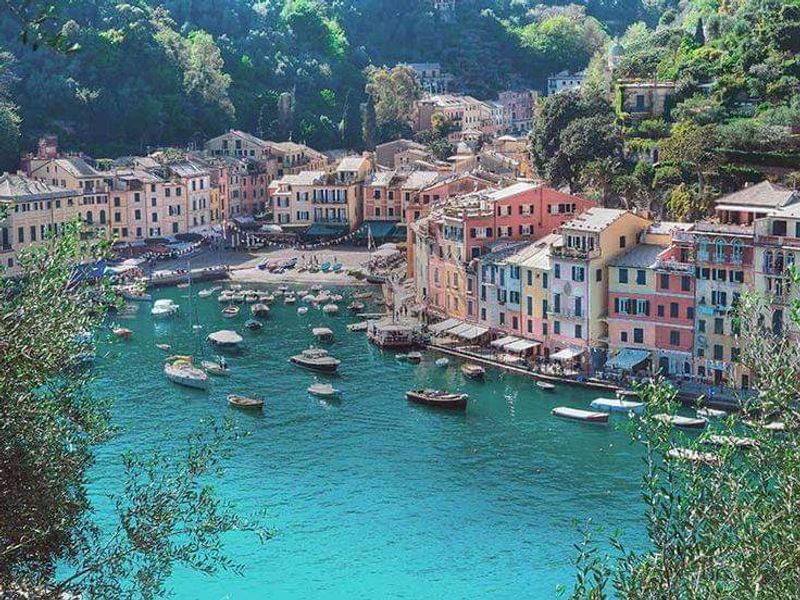
Portofino is the town everyone has heard of, which is exactly why you should visit at the wrong time. Early morning, the harbor is almost silent.
Boats rock gently. Shutters are half-closed.
The famous piazzetta belongs to you and a few fishermen.
By midday, the yachts arrive and the magic gets diluted. So set your alarm, earn the view, and grab a table at Da i Gemelli before the crowds catch on.
Lo Stella Portofino, with its long restaurant lineage, is worth a splurge for the history alone.
What keeps Portofino feeling timeless is its stubbornness. There are no chain stores, no garish signage, and strict rules about what can be built or changed.
The whole town is essentially a protected aesthetic. It sounds controlling, but honestly?
Walking those narrow lanes, you will be grateful someone said no to bad architecture.
Santa Margherita Ligure
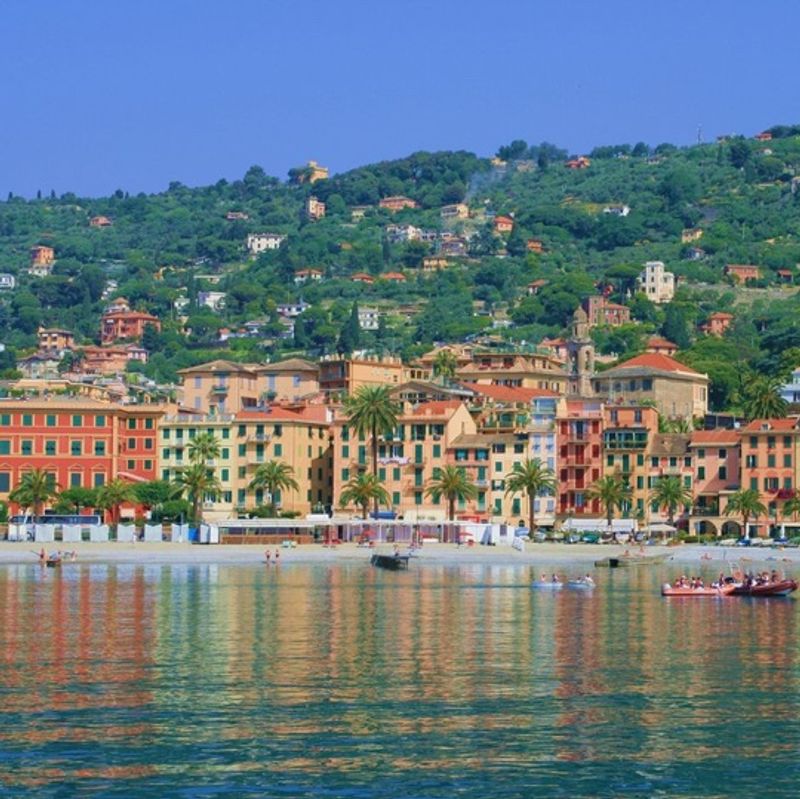
Santa Margherita Ligure is what happens when a town decides elegance does not require showing off. The promenade is wide, the palms are tall, and the locals move through their day with a confidence that only comes from living somewhere genuinely lovely.
Unlike its famous neighbor Portofino, Santa Margherita actually functions as a real town. People buy groceries here.
Kids ride bikes. The morning market smells like fresh basil and just-caught fish.
Pasticceria Oneto keeps the coffee-and-pastry ritual alive with the kind of dedication that deserves its own award.
The town also works as a launchpad. Ferries to Portofino leave from the harbor, so you get proximity without paying Portofino hotel rates.
Hotels here are genuinely good and often gorgeous. I stayed in one that had a rooftop terrace and a view that made me briefly consider quitting everything and opening a small bookshop nearby.
Sestri Levante
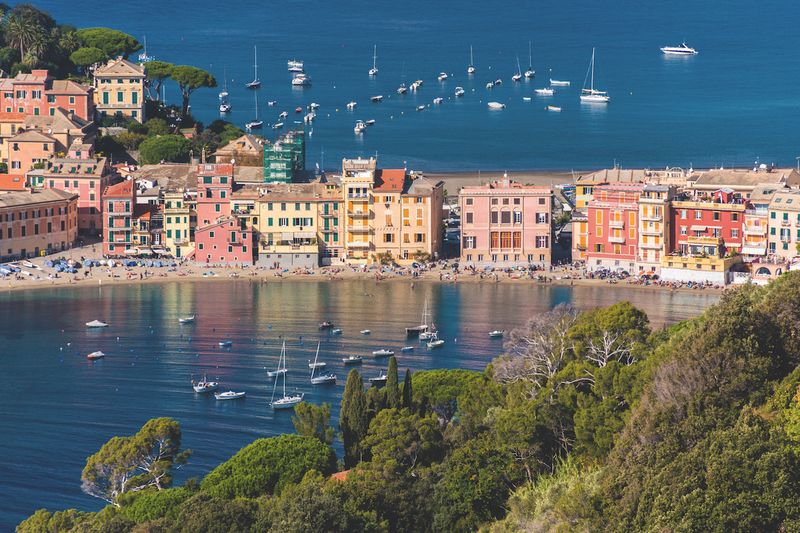
Sestri Levante has two bays, which is already showing off. The Bay of Fables and the Bay of Silence sit on either side of the town’s narrow peninsula, and choosing which one to spend the afternoon at is a genuine daily dilemma.
The pace here is unapologetically slow. Sunset strolls along the waterfront feel mandatory rather than optional.
The coastline has that faded-poster quality: warm colors, calm water, and a general vibe that suggests nothing urgent has happened here since 1967.
Baciollo Bar Gelateria is the gelato stop you will return to twice in one afternoon, no regrets. Sestri also hosts a prestigious children’s literature festival named after Hans Christian Andersen, who apparently visited and loved it, which makes the town feel even more storybook-appropriate.
For travelers who want Cinque Terre energy without Cinque Terre crowds, Sestri Levante is a very smart answer.
Portovenere
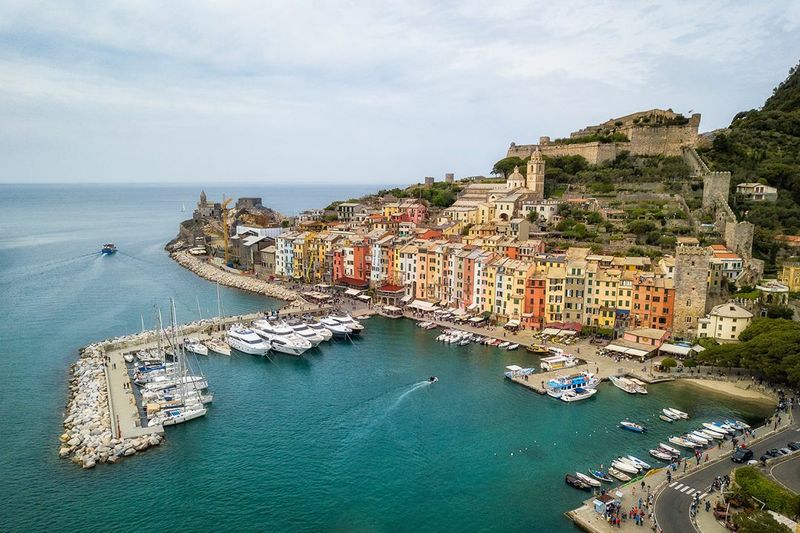
Portovenere does not do subtle. The dark limestone cliffs, the striped tower houses stacked along the harbor, and the medieval church perched at the tip of the promontory all combine into something that looks almost theatrical.
Except it is completely real.
Byron supposedly swam from here across the Gulf of La Spezia, which locals call the Gulf of Poets. Whether the story is fully accurate is debatable, but the name stuck, and the romanticism fits.
Locanda La Lucciola and Trattoria La Marina both offer waterfront tables where the views do most of the work.
The town gets busy in summer but retains its character because the architecture simply will not allow anything modern to intrude. The narrow caruggi lanes feel medieval because they are.
Portovenere is also a UNESCO World Heritage Site, sharing the designation with the Cinque Terre villages. That recognition is well-earned and, frankly, overdue.
Tellaro
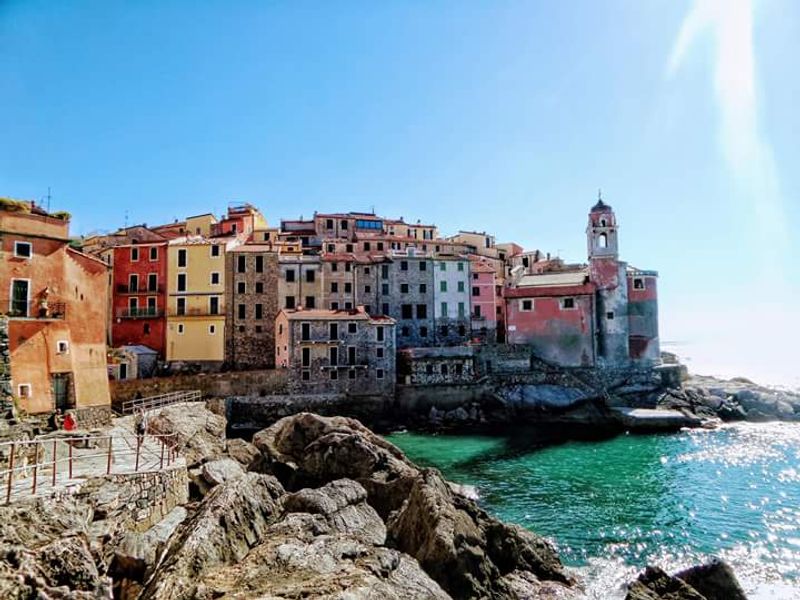
Tellaro might be the smallest town on this list, and it plays that card brilliantly. You can walk every lane in under an hour.
Then you will sit down somewhere with a view of the water and realize you have no intention of leaving.
The legend here involves an octopus that saved the village from pirate attack by ringing the church bell. Whether you believe it or not, the story is exactly the right energy for a place this quietly dramatic.
Stone lanes, sea-worn walls, and evenings so calm they feel almost conspiratorial.
Locanda Miranda has been operating since 1959, which means it was already established when the 1960s began. Its kitchen is serious and its rooms are few.
Osteria La Caletta offers a more casual option right by the water. Tellaro sits near Lerici and makes a perfect half-day trip, though most people wish they had booked an overnight stay.
Noli
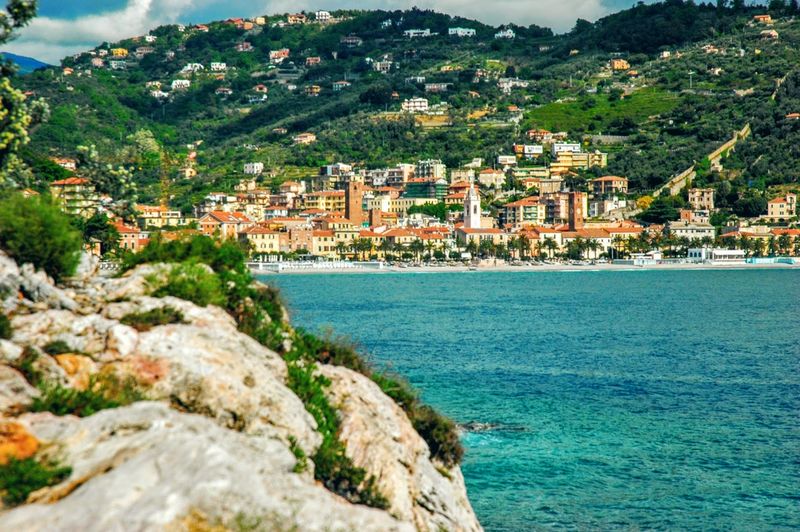
Most Riviera towns compete on glamour. Noli competes on history, and it wins comfortably.
This was once an independent republic, and it still carries itself with that quiet civic pride. The medieval towers are not decorations; they are the original architecture, still standing.
The beach here is sandy rather than pebbly, which is actually a rarity on the Ligurian coast. Families set up for full days.
The water is clear. The whole scene has a low-key confidence that does not need Instagram to validate it.
Ristorante Vescovado holds a Michelin Guide listing, which is impressive for a town this size. Bucun du Preve handles the more casual end of the meal spectrum with local cooking that feels genuinely home-style.
Noli sits between Savona and Finale Ligure, making it easy to combine with nearby spots. It is the kind of town that rewards travelers who do not follow the obvious itinerary.
Cervo
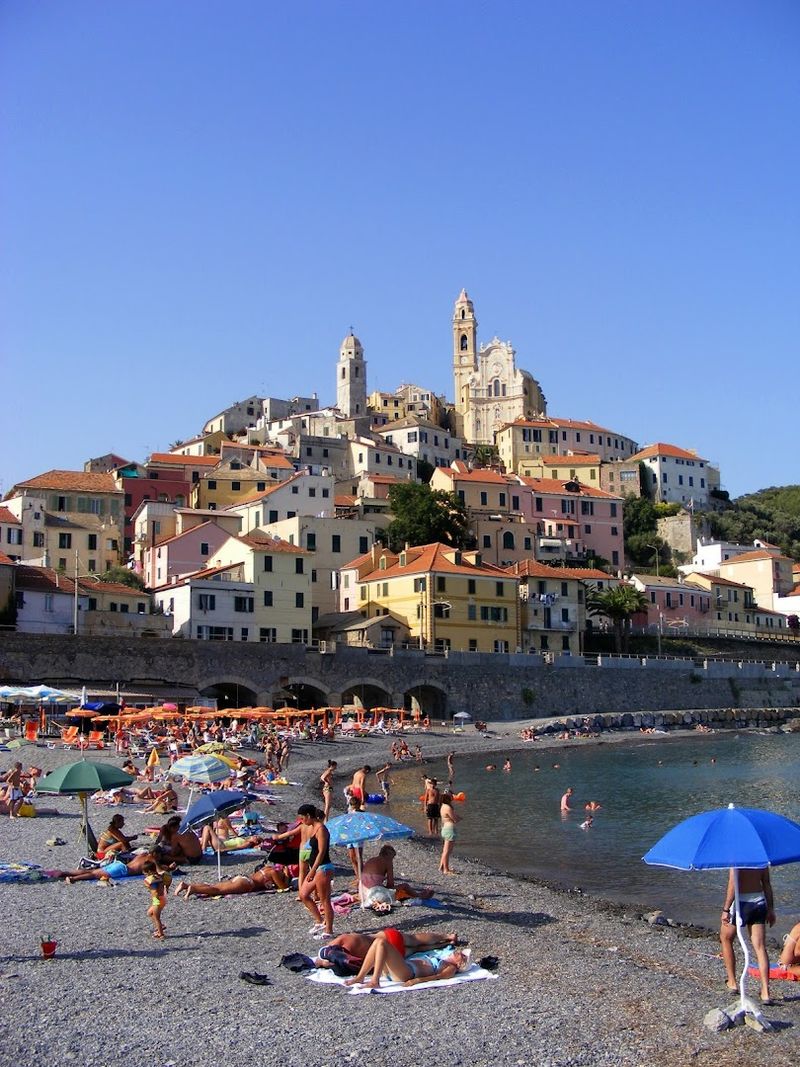
Cervo sits on a hill above the sea like it is posing for a painting, and it has been doing this for centuries. The stone stairways wind upward past warm-colored houses, and the baroque church at the top provides one of those skyline silhouettes you will describe to people for years.
The town hosts a classical music festival each summer in the church square. Concerts happen outdoors, with the sea visible below the stage.
It sounds too perfect, and yet it is exactly that perfect. Ristorante Serafino handles dinner duties with a view that competes directly with the food for your attention.
Cervo belongs to the official list of the Most Beautiful Villages in Italy, a designation it earns without effort. The western Ligurian Riviera gets fewer visitors than the Cinque Terre corridor, which means Cervo still feels genuinely unhurried.
Come in the shoulder season and you will have the stairways almost entirely to yourself.
Monterosso al Mare
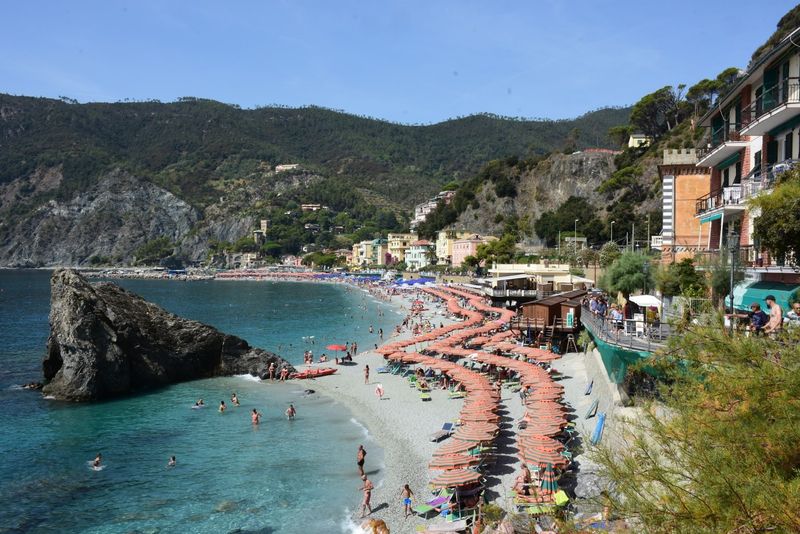
Of all five Cinque Terre villages, Monterosso is the one that actually lets you lie down. It has the only real beach in the group, with enough space for towels, umbrellas, and the kind of long afternoon that slides effortlessly into evening without anyone noticing.
The village splits into two sections: the old town and the newer Fegina district. Both are worth your time, connected by a tunnel through the cliff.
The old town has the character; Fegina has the beach. Most visitors eventually want both.
Enoteca Internazionale is the oldest wine shop serving Cinque Terre tastings in Monterosso’s historic center, and it takes that role seriously. The local Sciacchetra dessert wine is sweet, strong, and made from grapes grown on near-vertical terraced vineyards above the sea.
One small glass explains why people have been farming those impossible slopes for centuries. It is worth every sip.
Vernazza
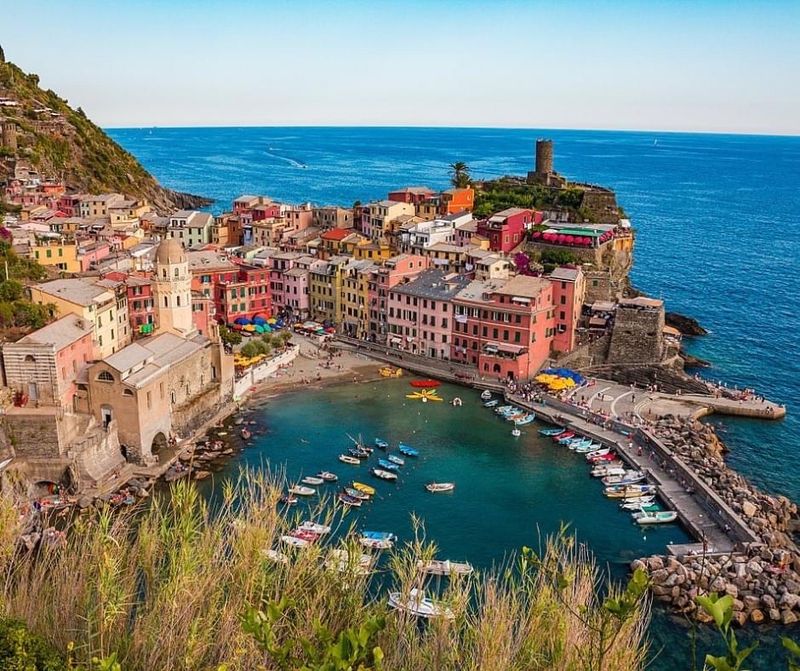
Vernazza’s harbor-front piazza is the Cinque Terre’s unofficial living room. Boats bob at one end, cafe tables fill the middle, and the whole thing is framed by colorful buildings that look hand-picked for maximum charm.
It earns every photograph taken of it.
Trattoria Gianni Franzi was purchased in the 1960s, which makes it a literal match for this article’s theme. The restaurant has fed generations of visitors and locals, and the menu reflects a commitment to the region’s flavors rather than tourist-friendly shortcuts.
Book ahead in summer.
Vernazza gets crowded, especially when cruise passengers arrive via the hiking trail from Monterosso. The trick is timing: early morning or after 6 p.m., the piazza returns to the locals.
I arrived at 7 a.m. once and sat alone at the harbor edge for a full half hour. That half hour felt like the whole point of the trip.



