 Unearth The Voyage
Long before studio tricks and pitch-correction software took over the music industry, artists had to show up and deliver the real thing every single night. The 1970s were a golden era for live music, where raw vocals, blazing guitar solos, and unstoppable stage presence were the only tools performers had.
These twelve performances stand as proof that real talent needs no digital safety net. Get ready to rediscover some of the most electrifying moments in rock, soul, and reggae history.
1. Queen – Live Aid Rehearsal Era Warmups (Late 1970s Touring Peak)
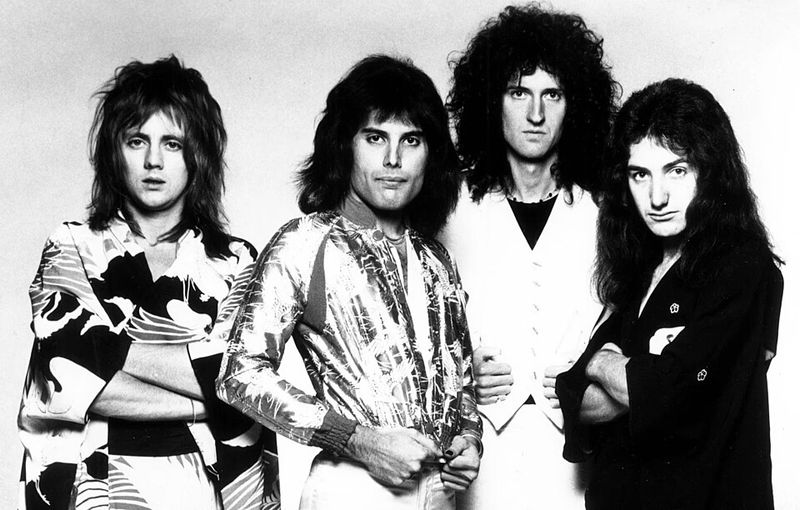
Freddie Mercury did not just sing a song; he commanded entire arenas like a general leading an army of devoted fans. Queen’s late-1970s touring years, highlighted by the legendary Hammersmith Odeon concerts in 1975 and 1979, captured Mercury at the absolute peak of his vocal power.
Every note was precise, every gesture deliberate, and every high note landed with the kind of force that made audiences feel it in their chests. Brian May’s guitar work wove seamlessly around Mercury’s voice, creating a live sound that rivaled their studio recordings.
What made these performances so extraordinary was the absence of any safety net. No backing tracks, no pitch correction, just four musicians who had practiced so hard that perfection became their natural state.
Queen in the late 1970s was simply unstoppable.
2. Led Zeppelin – Madison Square Garden (1973)
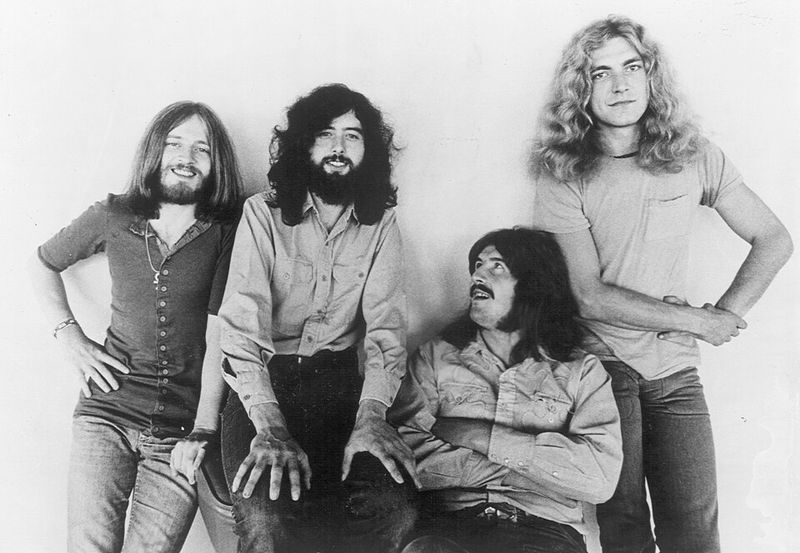
Few concerts have ever been captured on film as powerfully as Led Zeppelin’s 1973 Madison Square Garden run, which became the foundation for the concert film The Song Remains the Same. Robert Plant’s voice was a force of nature during this period, raw and untamed in a way that no studio session could fully replicate.
Jimmy Page delivered extended guitar solos that seemed to bend time itself, including his famous bow-on-guitar segment during Dazed and Confused. John Bonham’s drumming shook the floor beneath thousands of fans who stood in awe.
The energy captured in those recordings still sounds urgent and alive decades later. This was a band operating at a creative and physical peak, feeding off the crowd’s electricity and giving everything back tenfold.
Madison Square Garden 1973 remains one of rock’s defining live moments.
3. The Who – Woodstock Legacy into 1970s Dominance
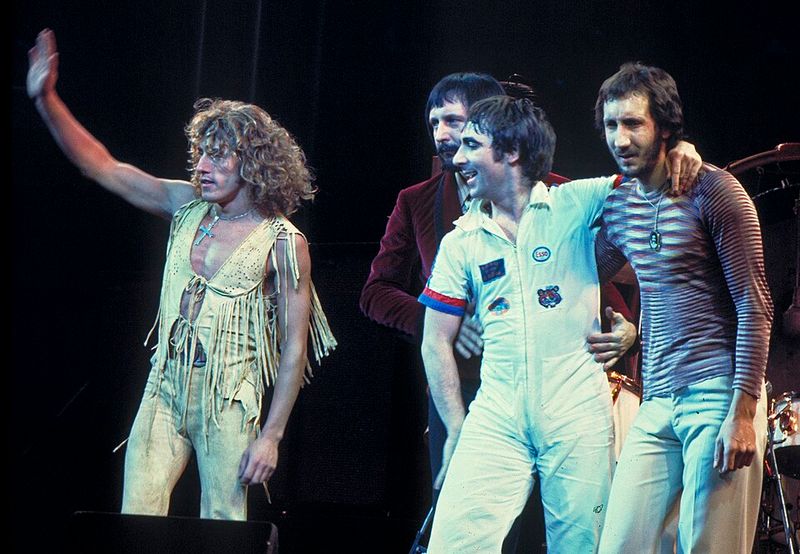
Pete Townshend once shoved Abbie Hoffman off the Woodstock stage mid-set, which tells you everything you need to know about how seriously The Who took their performances. Their chaotic Woodstock appearance in 1969 launched them into a new decade with a reputation for explosive, uncompromising live shows.
Going into the 1970s, The Who carried that same ferocious energy into theaters and stadiums across the world. Roger Daltrey’s voice soared through anthems like Won’t Get Fooled Again with a passion that felt almost dangerous.
Townshend’s windmill guitar strokes and Keith Moon’s thunderous, unpredictable drumming made every show feel like it could fall apart at any second but never did. That tension was the magic.
Fans never quite knew what they were going to get, and that unpredictability made The Who one of the most thrilling live acts of the era.
4. David Bowie – Ziggy Stardust Farewell (1973, Hammersmith Odeon)
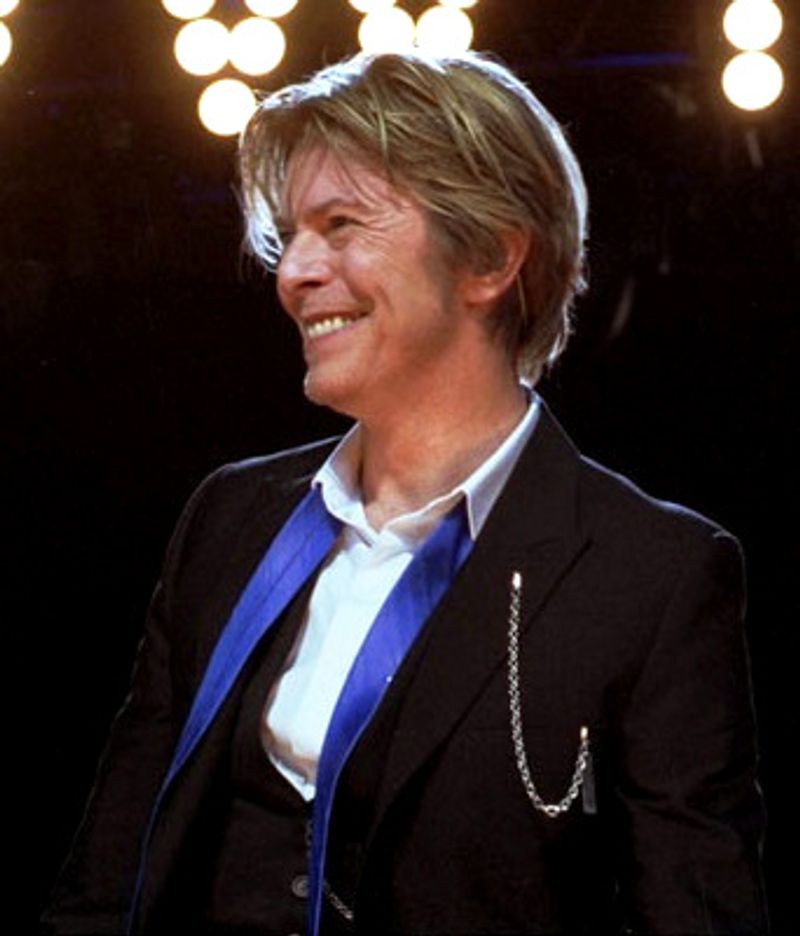
Nobody in rock history has ever retired a stage persona quite like David Bowie did on July 3, 1973. Midway through the final encore at London’s Hammersmith Odeon, Bowie stepped to the microphone and told the stunned crowd that this was the last show they would ever do as Ziggy Stardust.
Fans who had no idea this announcement was coming were left speechless. The performance itself was a theatrical masterpiece, blending glam rock spectacle with genuine emotional weight.
Bowie’s vocals throughout the night were sharp and controlled, riding the line between vulnerability and power.
The show was later released as a concert film, preserving one of rock’s most dramatic farewell moments forever. Bowie proved that night that great live performance is part music, part theater, and entirely human.
No algorithm could have scripted that level of spontaneous, heartfelt artistry.
5. Elvis Presley – Aloha from Hawaii (1973)
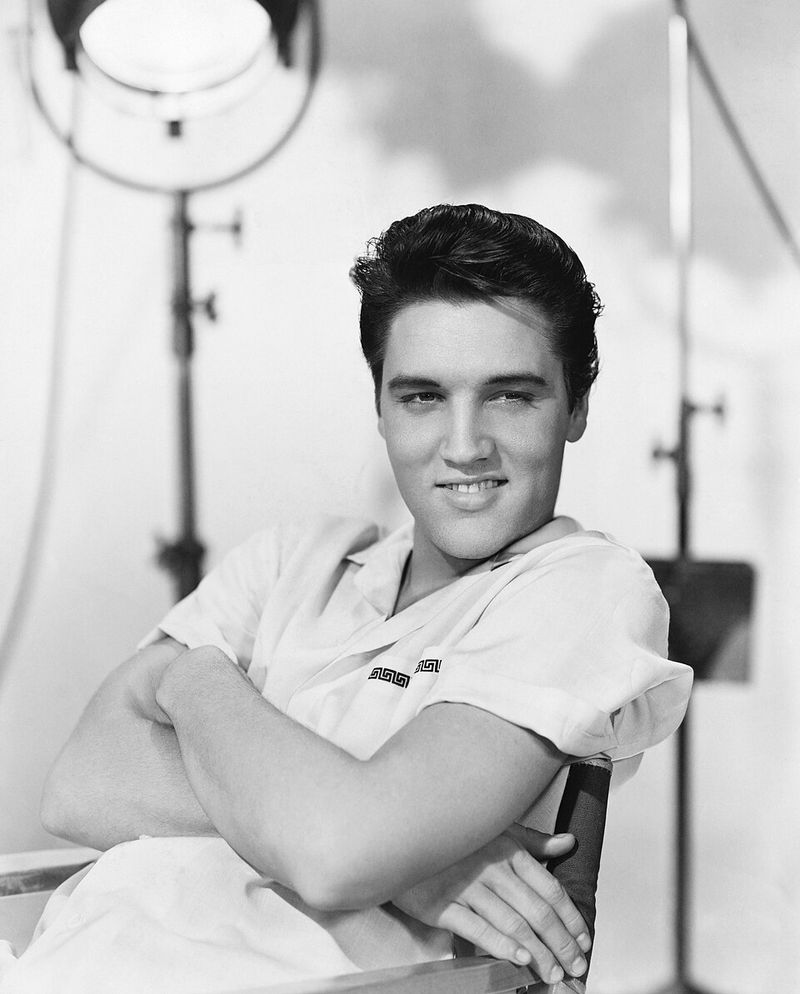
Broadcast live via satellite to over 40 countries on January 14, 1973, Elvis Presley’s Aloha from Hawaii concert was a technological milestone wrapped around a genuinely stunning vocal performance. An estimated one billion people tuned in, making it one of the most-watched entertainment events in television history at the time.
Elvis moved through his setlist with the confidence of someone who had spent two decades mastering every corner of the stage. His voice remained rich and powerful, handling ballads and rockers with equal authority.
The jumpsuit may have grabbed headlines, but it was the singing that held the world’s attention.
What stands out most, looking back, is how effortlessly he connected with an audience he could not even see through the camera lens. That kind of charisma cannot be manufactured or auto-corrected.
Aloha from Hawaii remains a high-water mark for televised live performance.
6. Pink Floyd – Live at Pompeii (1972)
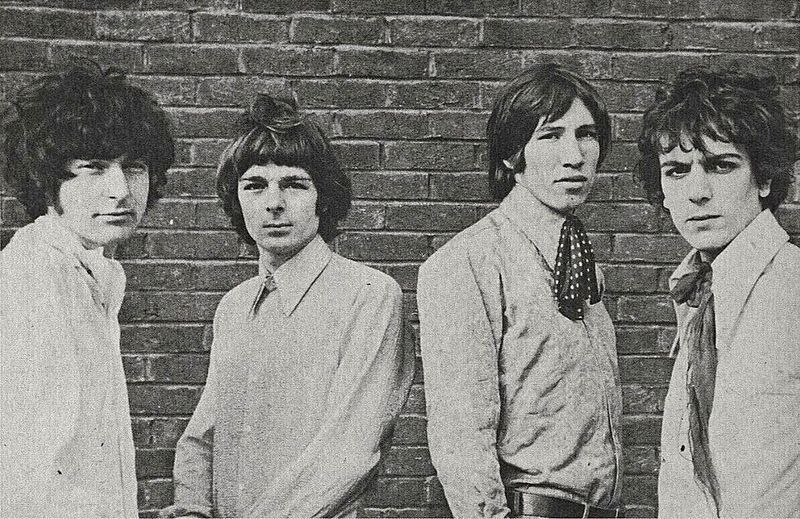
Imagine performing a full concert inside an ancient Roman amphitheater with absolutely no audience present. That is exactly what Pink Floyd did in October 1971, filming what would become the legendary Live at Pompeii, released in 1972.
The result was something that felt less like a concert and more like a ritual.
David Gilmour’s guitar work on tracks like Echoes stretched out in long, meditative passages that filled the stone arena with haunting sound. Roger Waters and Nick Mason locked into rhythms that felt as old and permanent as the ruins surrounding them.
The absence of a crowd, rather than making the film feel cold, actually amplified the music’s emotional impact. Every note had space to breathe and resonate.
Live at Pompeii proved that raw musical ability speaks for itself, needing neither an audience nor any production tricks to leave a lasting impression.
7. The Rolling Stones – Brussels Affair (1973)
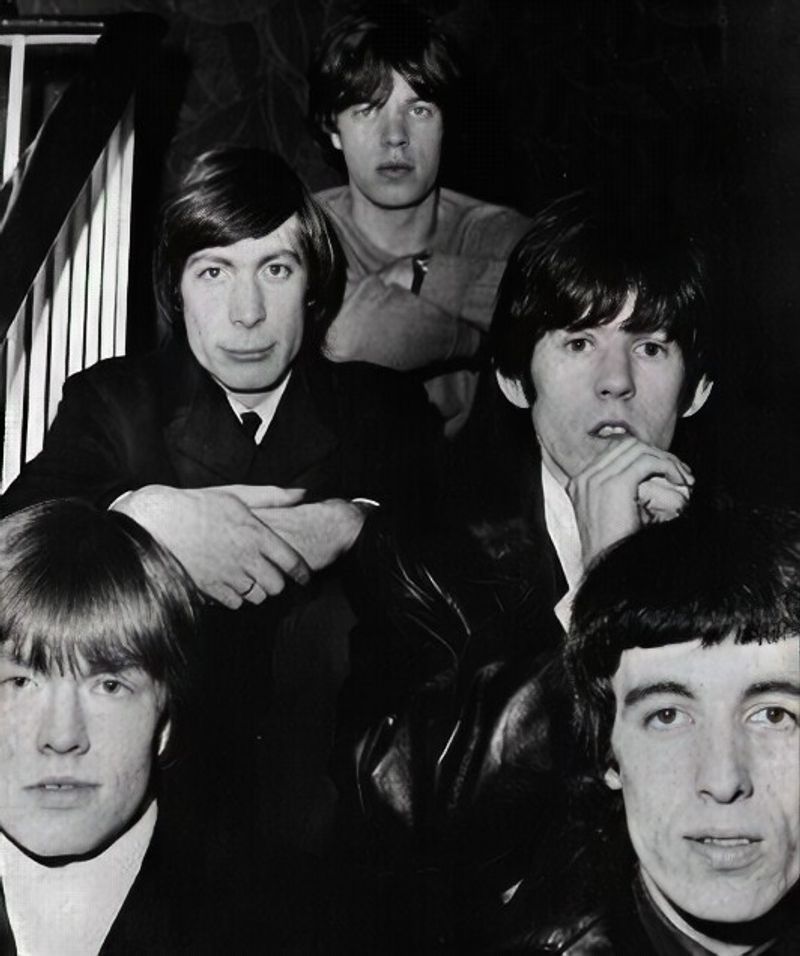
Recorded on October 17, 1973, during the European leg of their tour, The Rolling Stones’ Brussels Affair is widely regarded by fans and critics as one of the finest live recordings the band ever produced. Mick Jagger was at his most magnetic during this period, all swagger and sharp instinct.
Keith Richards and Mick Taylor’s guitar interplay was loose and gritty in the best possible way, the kind of chemistry that only comes from years of playing together in front of real crowds. The rhythm section of Charlie Watts and Bill Wyman held everything together with a steady, confident groove.
Songs like Jumping Jack Flash and Brown Sugar took on a raw urgency in a live setting that their studio versions could never quite match. Brussels Affair is a masterclass in what a great rock band sounds like when they are fully locked in and fearless.
8. James Brown – Live at the Apollo (1971 Era Shows)
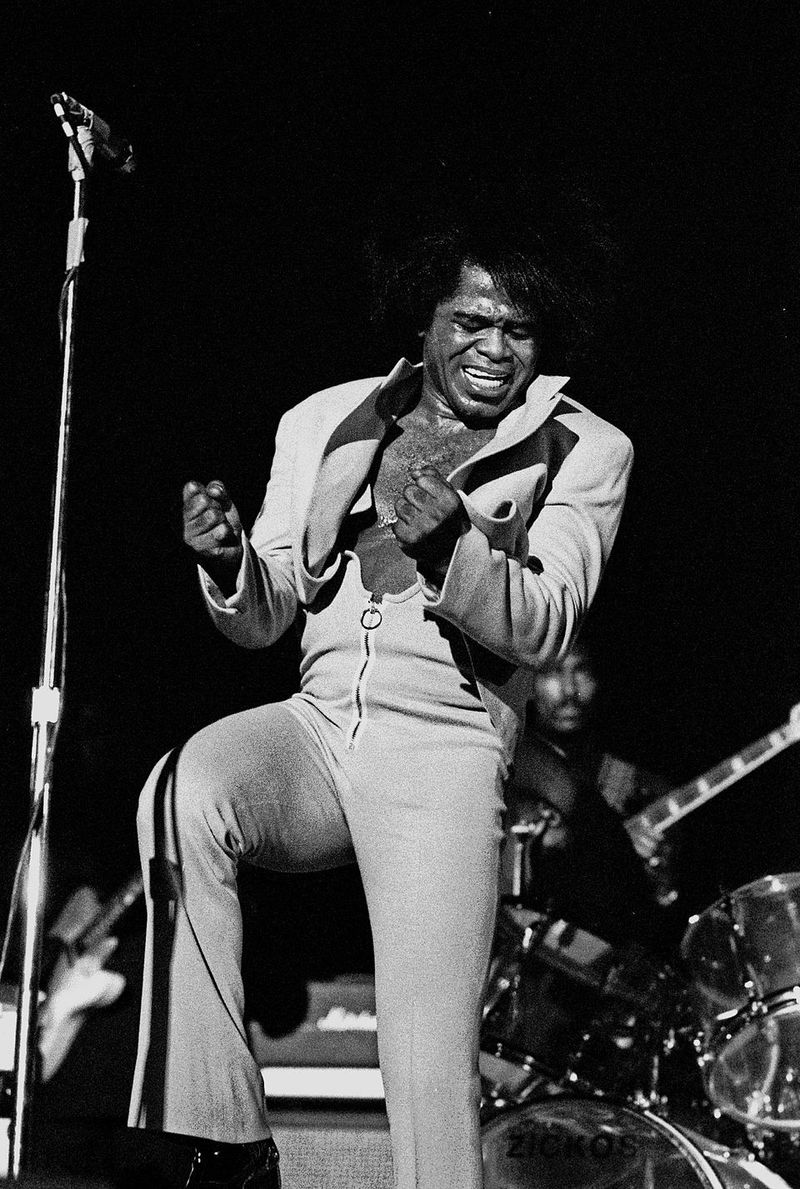
By the early 1970s, James Brown had already been called the Hardest Working Man in Show Business for over a decade, and his Apollo Theater performances from this era proved that title was earned every single night. His stamina alone was jaw-dropping, dancing and singing for hours without ever losing intensity.
Brown’s band was a precision machine, responding to his hand signals and foot stomps in real time, shifting tempos and grooves on a dime. The musicianship on display was extraordinary, but it was Brown himself who elevated everything around him.
He had an almost supernatural ability to read a crowd and give them exactly what they needed before they even knew they needed it. His vocal control, from guttural shouts to silky smooth crooning, was entirely self-taught and entirely his own.
No technology could replicate what James Brown brought to a live stage.
9. Deep Purple – California Jam (1974)
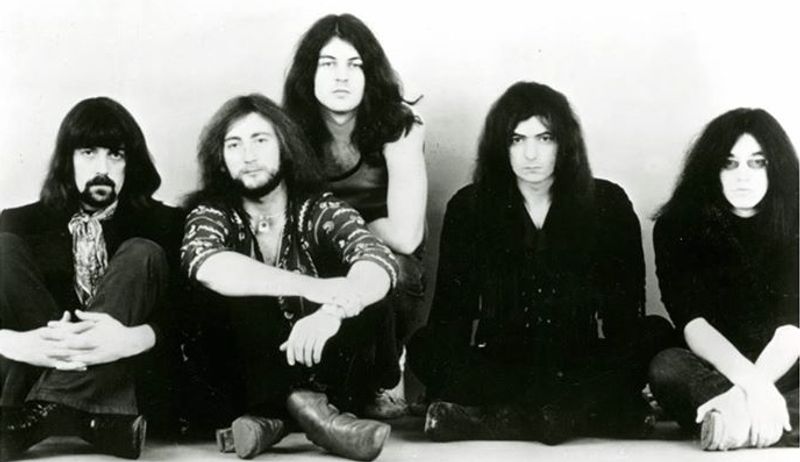
The California Jam festival on April 6, 1974, drew an estimated 200,000 people to the Ontario Motor Speedway, and Deep Purple made sure nobody who was there would ever forget it. Ritchie Blackmore spent the final moments of the set destroying his guitar and then physically attacking a camera that had been placed too close to his monitor.
Before that spectacular ending, though, the band delivered a ferocious set that showcased everything that made them one of hard rock’s most technically impressive acts. Ian Gillan’s voice cut through the outdoor air with astonishing clarity and power.
Jon Lord’s Hammond organ and Blackmore’s guitar created a wall of sound that felt almost symphonic in scale. California Jam was the kind of performance that reminded everyone why live music exists in the first place: to create moments that recordings can only partially capture.
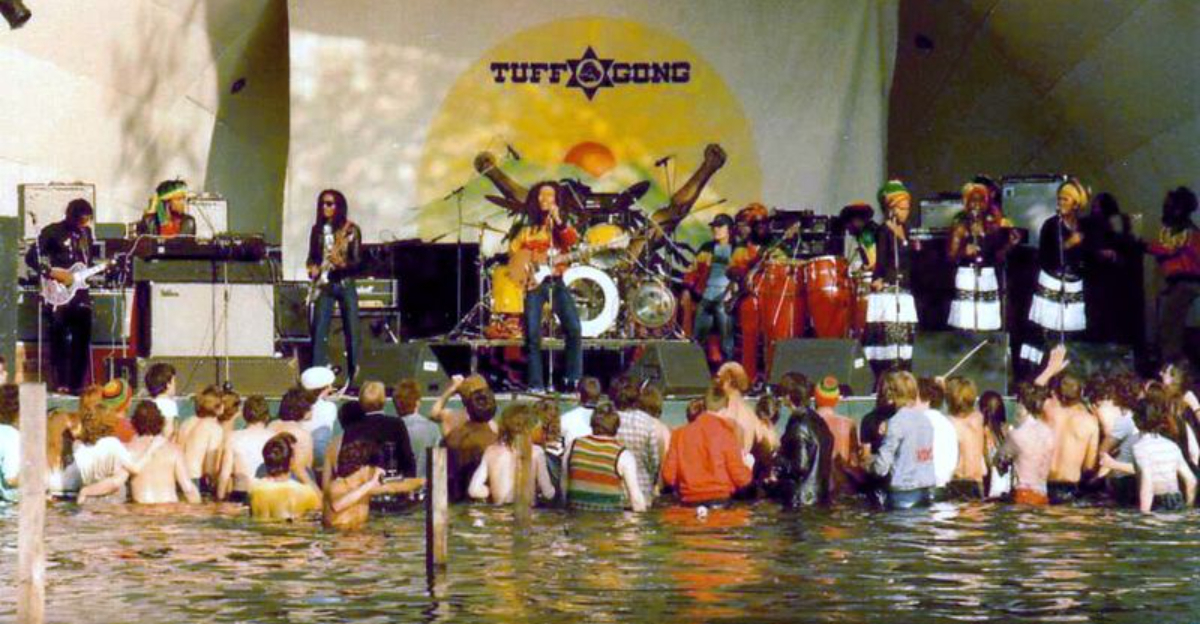
10. Bob Marley and The Wailers – The Rainbow Theatre, London (1977)
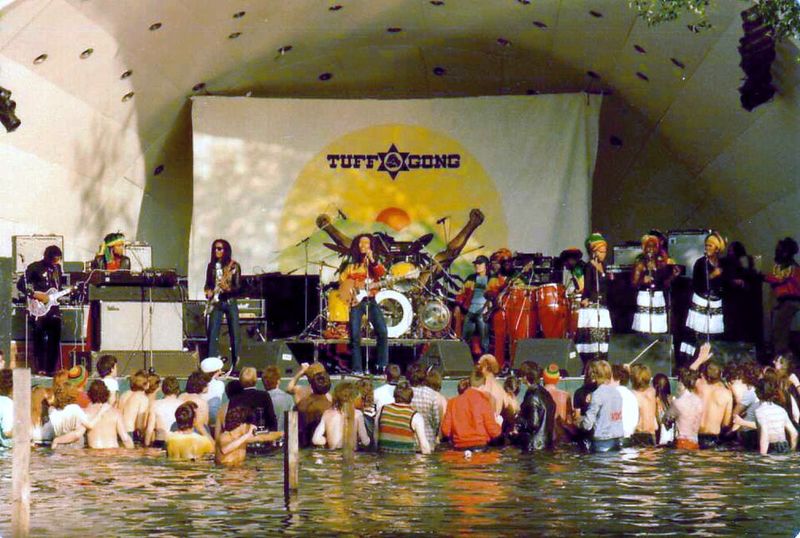
By 1977, Bob Marley had crossed from reggae icon to global spiritual figure, and his performances at London’s Rainbow Theatre that June reflected exactly that transformation. The shows were charged with a kind of emotional electricity that went well beyond entertainment.
Marley moved across the stage with fluid, almost trance-like energy, his dreadlocks swinging as he delivered songs like Exodus and Jamming to a crowd that was genuinely moved. The Wailers were a tight, deeply musical band who gave Marley’s message the perfect foundation to soar.
Political tension, spiritual yearning, and pure joy all lived side by side in a single Rainbow Theatre set. Audience members who attended those shows have described them as life-changing experiences.
Marley’s voice carried a sincerity that no vocal processor could manufacture, rooted in lived experience and genuine belief. These were performances that meant something.
11. Bruce Springsteen – Hammersmith Odeon, London (1975)
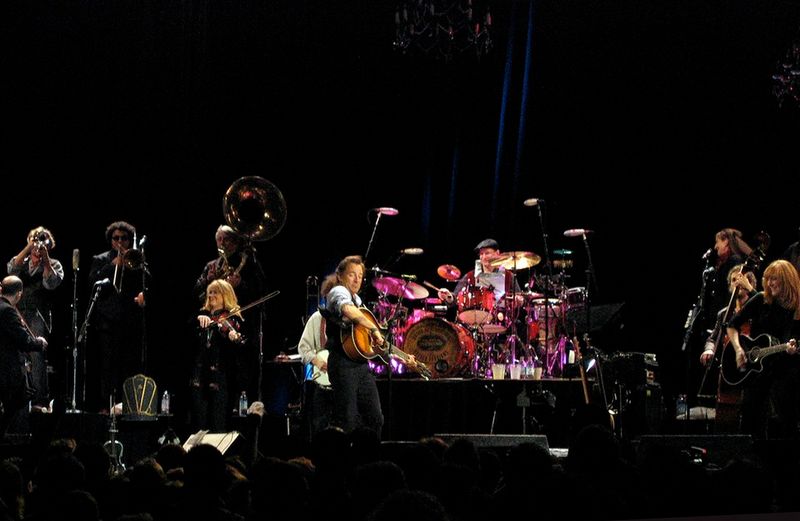
When Bruce Springsteen arrived at London’s Hammersmith Odeon on November 18, 1975, the hype surrounding him was almost impossibly high. Time and Newsweek had both put him on their covers the same week, and skeptical British audiences were ready to be disappointed.
They were not.
Springsteen played for nearly three hours, pouring everything he had into every song as if his entire career depended on it. His voice was raw and urgent, and the E Street Band matched his energy note for note, beat for beat.
Songs like Born to Run and Thunder Road took on a mythic quality in that intimate venue, feeling both deeply personal and enormous at the same time. The Hammersmith show proved that Springsteen was not a media creation but the real thing.
He earned that reputation the old-fashioned way, one electrifying, sweat-soaked performance at a time.
12. The Band – The Last Waltz (1976)
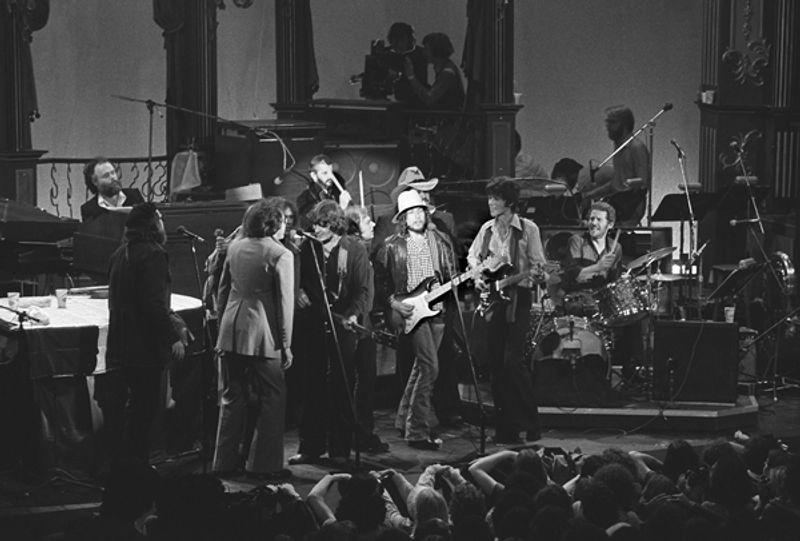
Thanksgiving night, 1976, at San Francisco’s Winterland Ballroom: The Band threw what might be the greatest farewell party in rock history. Martin Scorsese filmed the whole thing, and what he captured was nothing short of extraordinary.
The guest list alone reads like a dream: Bob Dylan, Eric Clapton, Neil Young, Joni Mitchell, Van Morrison, and more.
But beyond the celebrity lineup, what made The Last Waltz so remarkable was the musicianship on display. Robbie Robertson, Levon Helm, Richard Manuel, Rick Danko, and Garth Hudson were one of the tightest, most soulful bands America ever produced.
Every collaboration that night felt natural and unforced, musicians who genuinely respected each other sharing a stage for the last time. The Last Waltz is frequently cited as the greatest concert film ever made, and watching it today, that claim is very hard to argue with.



