Most people picture Antarctica when they think of penguins, but these tuxedo-wearing birds actually show up in some pretty surprising corners of the world. From tropical volcanic islands to windswept Patagonian shores, penguins have claimed territory across the Southern Hemisphere and beyond.
A few species have even pushed their luck north of the equator. What makes penguin watching so addictive is the combination of genuine wildlife drama and the sheer comedy of watching a bird that looks like it dressed up for a formal dinner then decided to belly-flop into the ocean.
Whether you are planning a dedicated wildlife trip or just hoping to stumble across a colony during a bigger adventure, there are far more options than most travelers realize. The 13 destinations below cover everything from remote island expeditions to surprisingly urban encounters, so there is something here for every kind of penguin enthusiast.
1. Punta Tombo, Chubut Province, Argentina
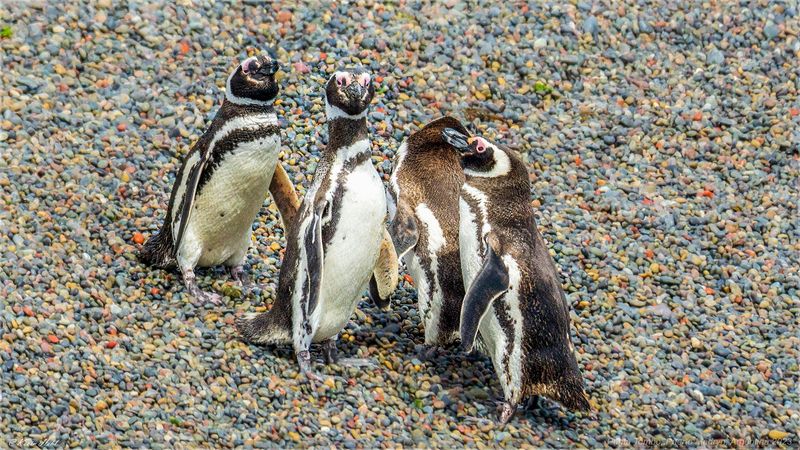
The numbers alone are staggering: roughly one million Magellanic penguins descend on Punta Tombo every breeding season, making it the largest Magellanic penguin colony on the planet. They arrive from September and stay through March, filling the scrubby coastal landscape with activity.
Designated walking trails pass directly through the nesting grounds, and penguins treat the paths like their own personal highways. It is entirely normal to find yourself waiting politely while a penguin crosses in front of you with zero urgency whatsoever.
Each bird returns to the same burrow year after year, and many pairs reunite with the same mate each season. Rangers manage visitor numbers carefully to protect the colony, so booking in advance is recommended.
The surrounding Patagonian steppe adds a stark, beautiful backdrop that makes the sheer density of wildlife feel even more dramatic.
2. Phillip Island, Victoria, Australia
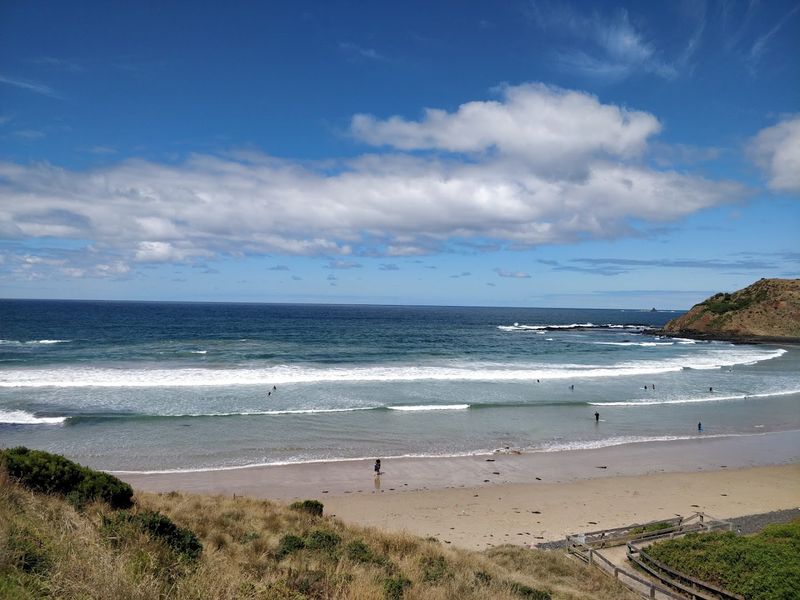
Every single evening, without fail, little penguins emerge from the surf at Phillip Island and waddle across the beach to their burrows in the dunes. This nightly event, known as the Penguin Parade, has been drawing visitors for decades and remains one of Australia’s most iconic wildlife experiences.
Little penguins are the world’s smallest penguin species, standing only about 33 centimeters tall. Watching a group of them march purposefully across a beach in the dark while completely ignoring a crowd of hundreds of humans is genuinely entertaining.
Phillip Island Nature Parks manages the site carefully, with elevated boardwalks keeping visitors at a respectful distance. Rangers are on hand to answer questions and ensure the birds are not disturbed.
The island also offers daytime visits to see penguins resting near their burrows, which is a quieter and equally rewarding experience for those who prefer daylight.
3. Otago Peninsula, South Island, New Zealand
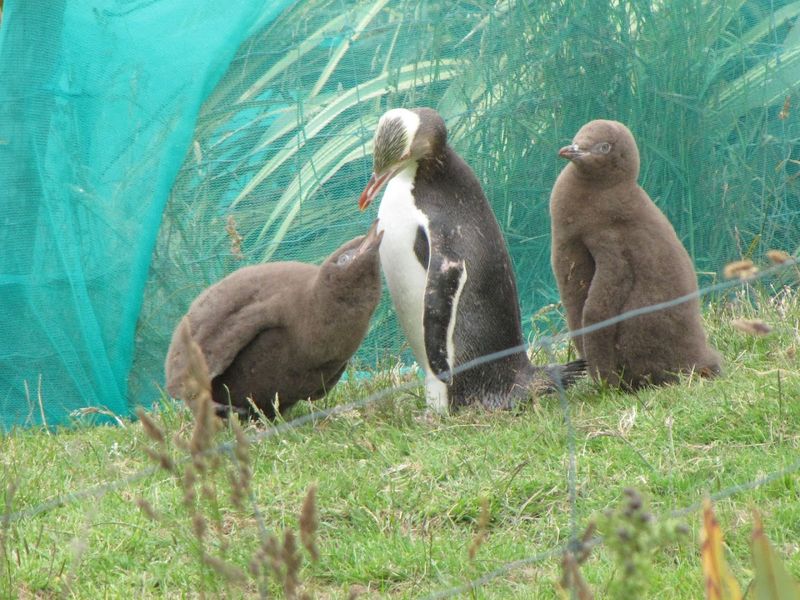
The yellow-eyed penguin, known in Maori as hoiho, is one of the rarest penguin species in the world, and the Otago Peninsula on New Zealand’s South Island is one of the best places to see them. Unlike most penguins, hoiho prefer to nest in forested coastal areas rather than open colonies, which makes spotting them feel like a proper discovery.
Several conservation-focused operations offer guided access to carefully managed viewing hides, allowing close observation without causing stress to the birds. The peninsula also hosts little blue penguins, so there is a good chance of seeing two species in a single visit.
Hoiho numbers have been declining due to habitat loss and introduced predators, so conservation efforts here are genuinely critical. Visiting through accredited operators means your entry fee goes directly toward protecting the habitat.
The surrounding coastal scenery, with its rugged cliffs and sweeping views, is worth the trip on its own.
4. Boulders Beach, Simon’s Town, South Africa
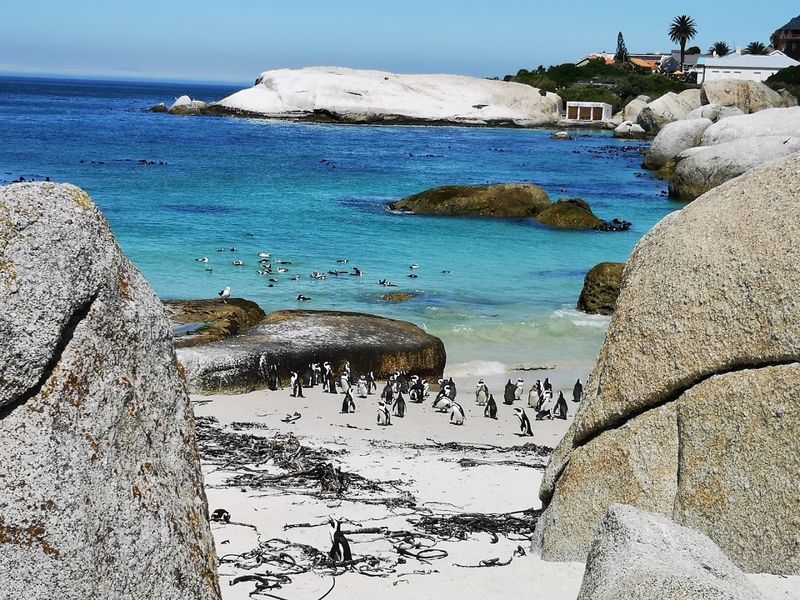
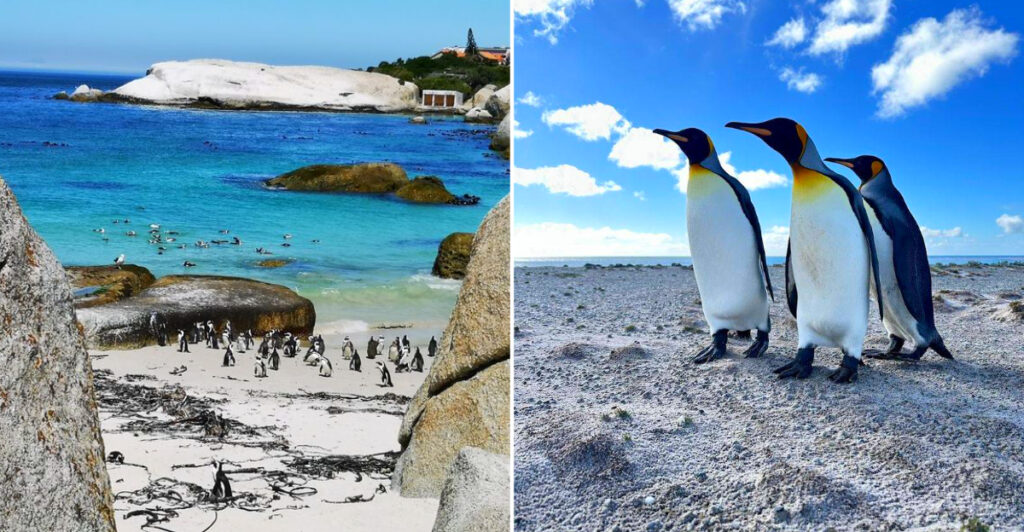
Nowhere else on Earth will you find African penguins sharing prime beachfront real estate with sunbathers quite as confidently as at Boulders Beach. This sheltered cove near Cape Town is home to a thriving colony of endangered African penguins, also called jackass penguins because of their distinctive braying call.
Wooden boardwalks wind between enormous granite boulders, putting visitors within a few feet of nesting pairs and preening birds without disturbing them. The penguins here are remarkably unbothered by people, which makes photography straightforward even for beginners.
African penguins are the only penguin species native to the African continent, and their global population has dropped sharply over recent decades. Visiting a managed site like Boulders Beach directly supports conservation funding.
The beach itself is also open for swimming, making this one of the more relaxed wildlife experiences you will find anywhere.
5. Galápagos Islands, Ecuador
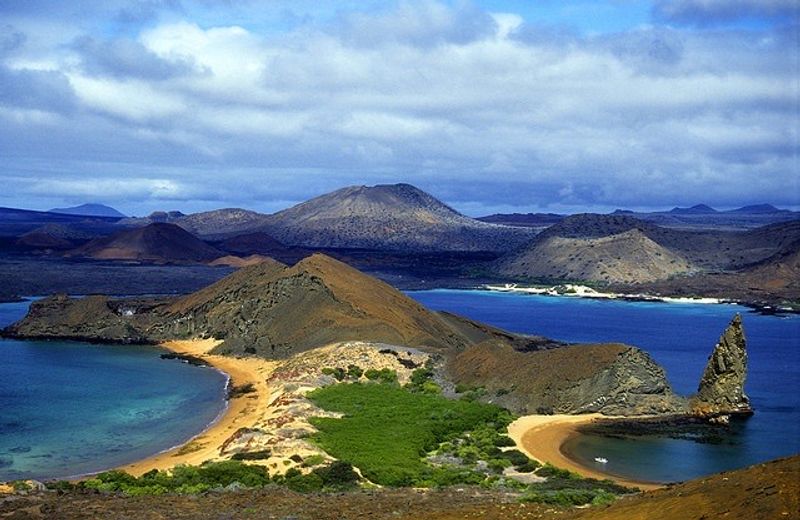
A penguin standing on a lava field near the equator sounds like the setup to a joke, but that is exactly what you get in the Galapagos. The Galapagos penguin is the only penguin species found north of the equator, surviving in tropical conditions by relying on the cold Humboldt Current for food and temperature regulation.
With only around 2,000 individuals remaining, this is one of the rarest penguin species on Earth. Fernandina and Isabela islands offer the best viewing opportunities, and snorkeling near Sombrero Chino and Bartolome islands sometimes brings you face to face with them underwater.
Galapagos penguins stand roughly 19 inches tall and weigh around 5.5 pounds, making them one of the smaller species. They nest in lava caves and rock crevices rather than burrows.
Sharing a snorkel with a penguin in warm tropical water is genuinely one of the more surreal wildlife experiences available anywhere on the planet.
6. Falkland Islands, South Atlantic Ocean
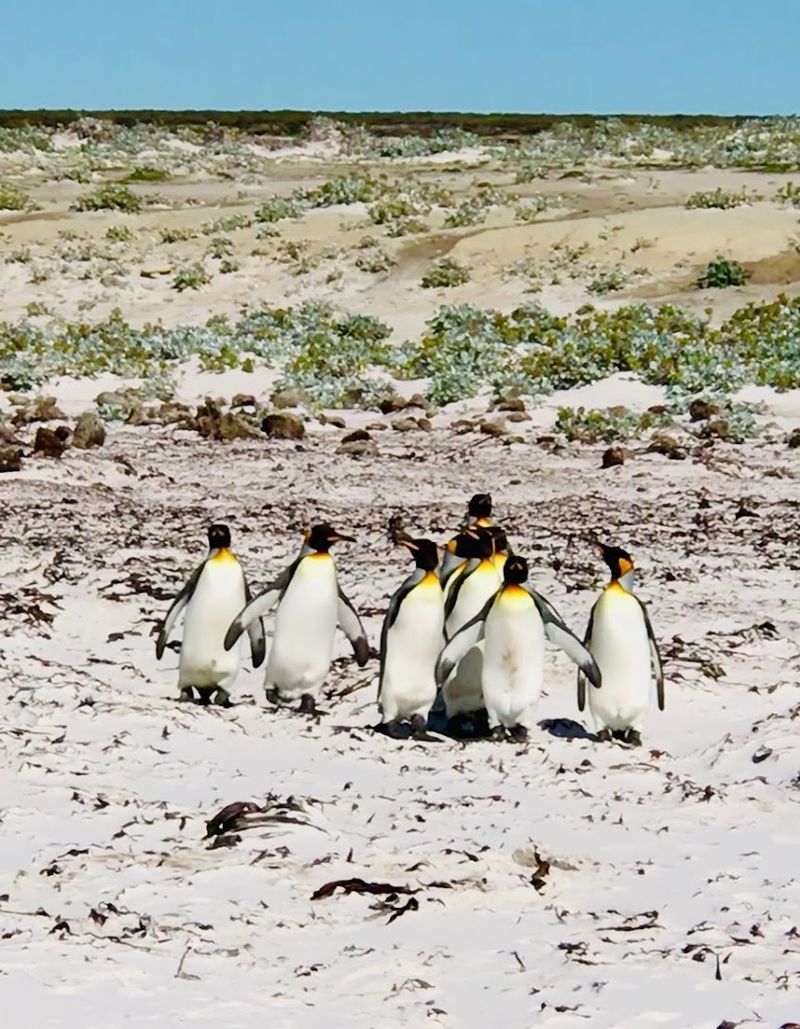
Five different penguin species in one destination sounds almost too good to be true, but the Falkland Islands genuinely deliver on that promise. King, gentoo, rockhopper, Magellanic, and macaroni penguins all breed here, often in overlapping or neighboring colonies that make species comparison easy and endlessly interesting.
The islands host around 120,000 breeding pairs of gentoo penguins alone, which is a significant proportion of the global gentoo population. Remote beaches and rolling grassland give the landscape an untouched quality, and visitor numbers remain low compared to more famous wildlife destinations.
Getting to the Falklands requires planning, either by cruise ship or a connecting flight through Santiago or Sao Paulo, but the effort pays off considerably. Wildlife encounters here feel genuinely wild rather than managed.
Rockhopper penguins, with their spiky yellow eyebrow feathers and dramatic cliff-top colonies, are a particular highlight that tends to steal the show from every other species.
7. Isla Magdalena, Magallanes Region, Chile
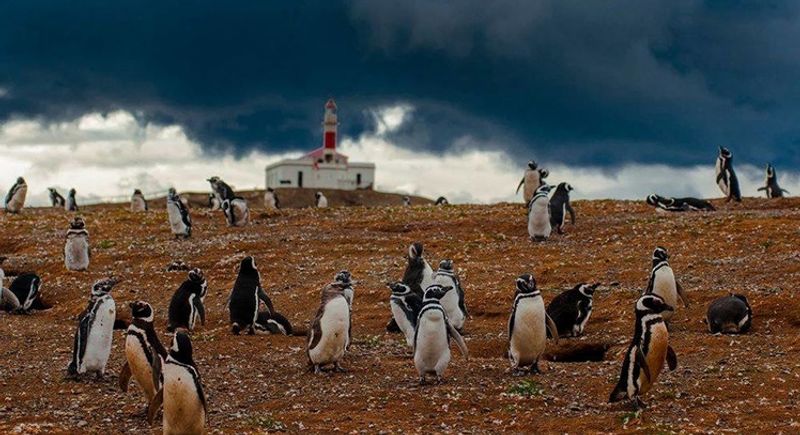
Roughly 120,000 pairs of Magellanic penguins set up their breeding colony on this small island in the Strait of Magellan each year, turning what is otherwise a windswept patch of Patagonian land into one of South America’s most spectacular wildlife events. The red lighthouse standing at the island’s center has become an unlikely penguin landmark.
Access is by boat from Punta Arenas, and the journey across the strait adds its own sense of occasion. A single circular trail winds through the colony, and penguins nest so close to the path that you genuinely have to watch where you step.
The breeding season runs roughly from October to March, with peak activity around December when chicks are hatching. Winds on the island can be fierce even in summer, so layers are always a good idea.
The combination of dramatic Patagonian skies and tens of thousands of penguins going about their business creates a scene that is hard to replicate anywhere else.
8. St Kilda Pier, Melbourne, Australia
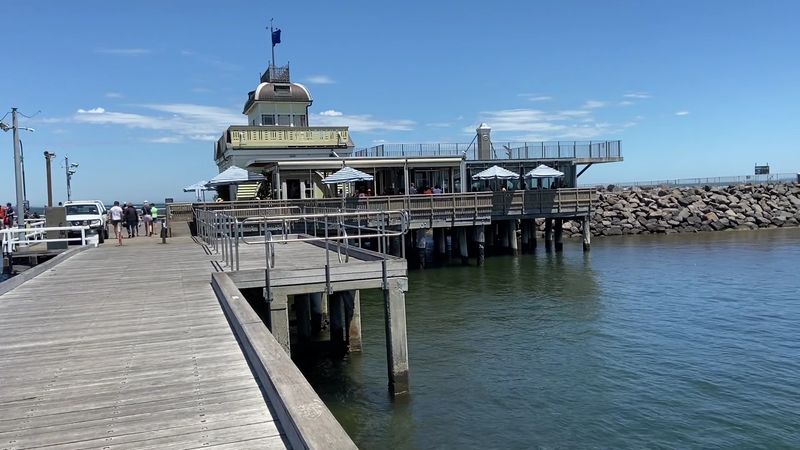
Most urban wildlife encounters involve pigeons. St Kilda Pier in Melbourne offers something considerably more interesting: a thriving colony of little penguins living under the pier’s breakwater, just minutes from the central business district.
This is probably the most convenient penguin colony on the planet.
The penguins return to the rocks each evening after a day at sea, and a team of trained volunteers manages the viewing area to ensure both birds and visitors behave appropriately. No flash photography is allowed, and the penguins are surprisingly good at ignoring the audience.
The colony has been present at St Kilda for many years, and local conservation efforts have helped it remain stable despite the urban surroundings. There is no entry fee, which makes it one of the most accessible wildlife experiences in Australia.
Combining a pier walk with a penguin sighting is an oddly satisfying way to spend a Melbourne evening.
9. Kaikōura, South Island, New Zealand
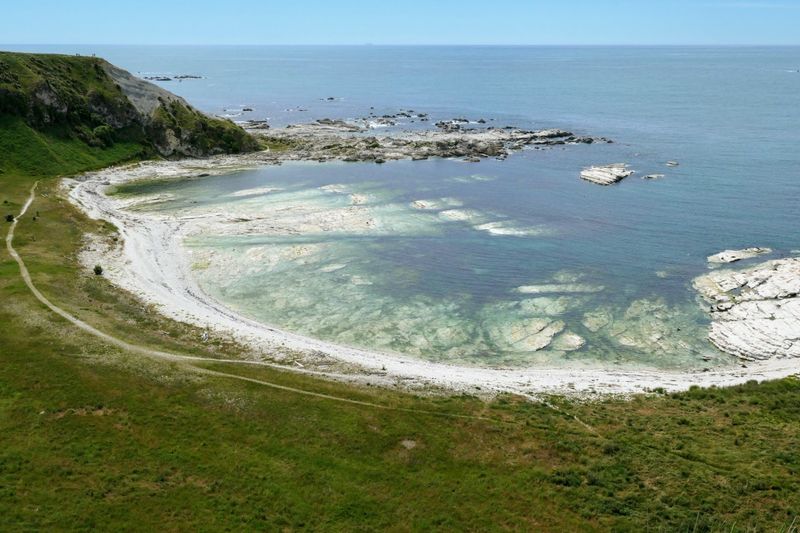
Kaikoura is one of those places where the wildlife lineup is almost unfairly impressive. The town is best known internationally for whale watching, but little penguins are a consistent presence along its coastline throughout the year, adding another layer to an already packed marine wildlife itinerary.
The Kaikoura Peninsula walkway passes through coastal terrain where little penguins have been known to nest, and boat tours in the area frequently encounter them bobbing around in the water alongside dolphins and fur seals. The backdrop of the Kaikoura Ranges rising directly from the coast is genuinely dramatic.
Little penguins in this area tend to be most visible during the breeding season from late winter through spring, though sightings are possible year-round. The town has a good range of accommodation and tour operators, making it an easy destination to organize.
Kaikoura rewards visitors who stay for at least two days to fit in multiple wildlife activities.
10. Volunteer Point, East Falkland, Falkland Islands
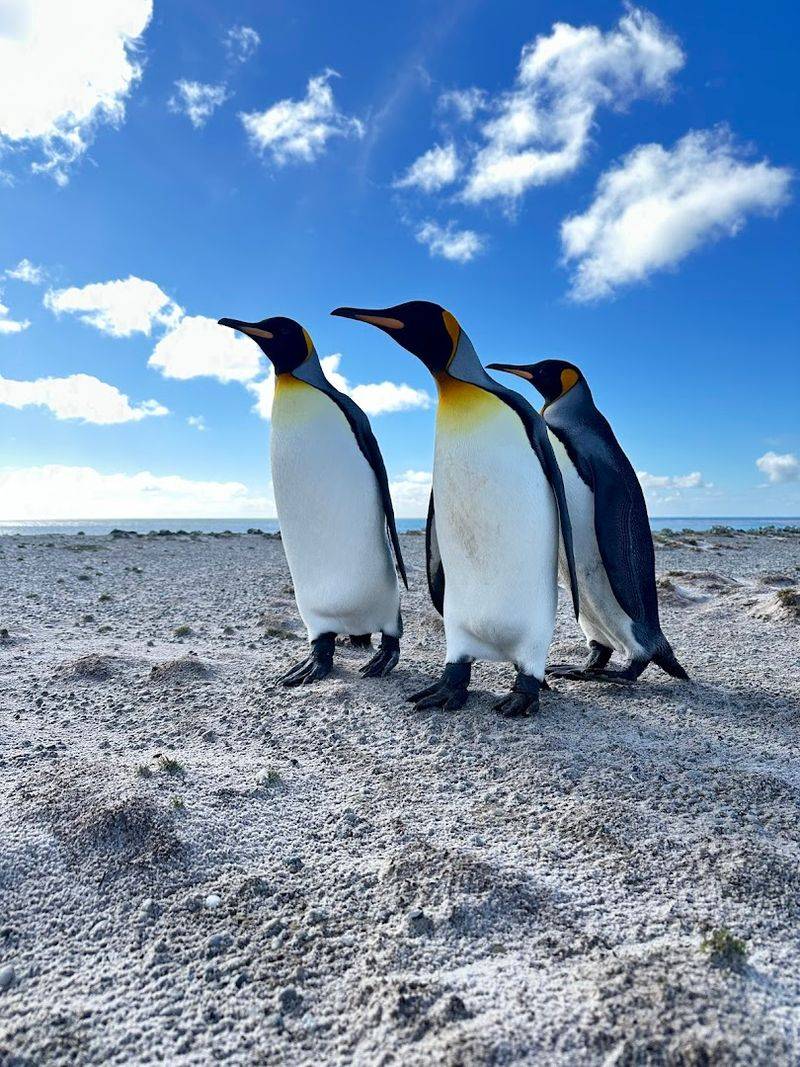
King penguins are the second-tallest penguin species in the world, and watching hundreds of them gathered on a white-sand beach with rolling Falklands hills behind them is the kind of scene that makes even experienced wildlife travelers stop and stare. Volunteer Point hosts one of the most accessible king penguin colonies outside of South Georgia.
Reaching Volunteer Point requires a four-wheel-drive journey across open farmland from Stanley, which takes around two hours each way. The remoteness keeps visitor numbers low, which means you can spend time with the birds without feeling rushed or crowded.
King penguins are present at Volunteer Point year-round, unlike many colonies that are only active during breeding season. Chicks in their fluffy brown juvenile plumage stand alongside sleek adults in full breeding colors, making the age range visible within a single colony particularly striking.
The beach setting is genuinely one of the most photogenic penguin locations in the world.
11. Betty’s Bay, Western Cape, South Africa
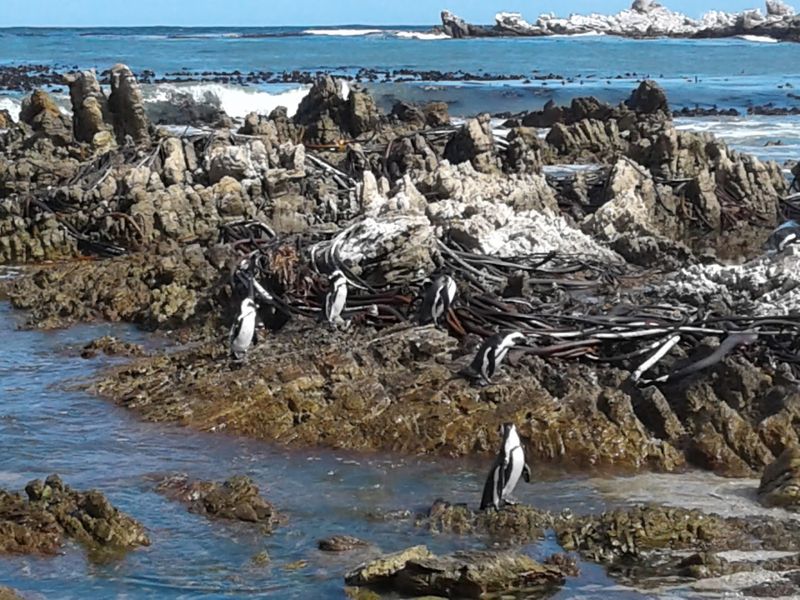
Betty’s Bay tends to get overlooked in favor of its more famous neighbor down the coast, but the African penguin colony at Stony Point Nature Reserve here is actually one of the largest in the world. Fewer visitors means a more relaxed experience, and the fynbos-covered coastal landscape gives the site a distinctly wild character.
Elevated boardwalks allow safe observation of the colony without disturbing nesting birds. African penguins here behave much like their counterparts at Boulders Beach, going about their routines with impressive disregard for the humans watching from a few meters away.
The colony at Betty’s Bay has been growing steadily in recent years, which is encouraging news for a species classified as endangered. The surrounding coastal scenery, with dramatic rock formations and mountain views, makes the visit feel like more than just a wildlife stop.
Combining Betty’s Bay with a drive along the Whale Coast route is a highly recommended way to spend a day in the Western Cape.
12. Ushuaia, Tierra Del Fuego, Argentina
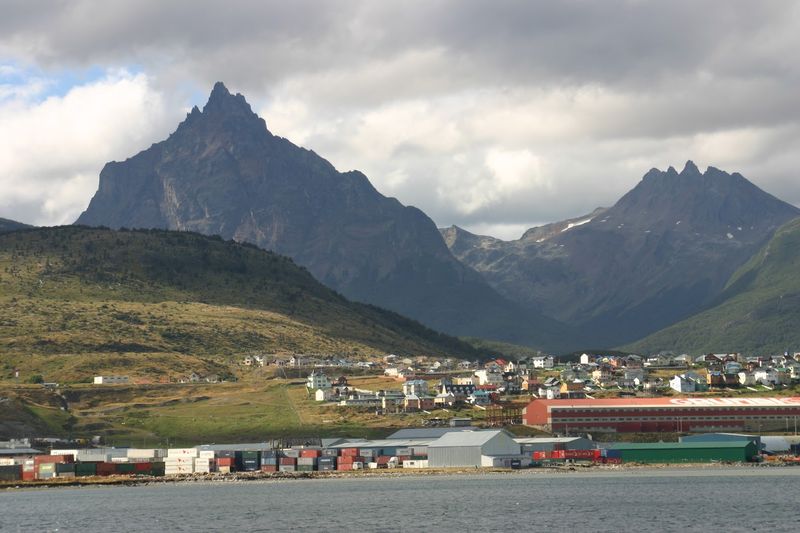
Billing itself as the southernmost city in the world, Ushuaia has geography working firmly in its favor when it comes to penguin access. Boat excursions on the Beagle Channel bring visitors to Martillo Island, where both Magellanic and gentoo penguins breed, and some tours allow passengers to walk among the colony on land.
Gentoo penguins are particularly entertaining to watch at close range. They are fast, curious, and have a habit of approaching humans with a confidence that suggests they are the ones doing the observing.
Magellanic penguins, by contrast, tend to stick closer to their burrows and are slightly more reserved.
The setting around Ushuaia is undeniably spectacular, with the Andes meeting the Beagle Channel in a landscape of forests, glaciers, and open water. Tierra del Fuego National Park is nearby for those wanting to extend the trip.
Ushuaia works well as a base for two to three days of southern wildlife exploration before or after a longer Patagonia itinerary.
13. Penguin Island, Western Australia, Australia
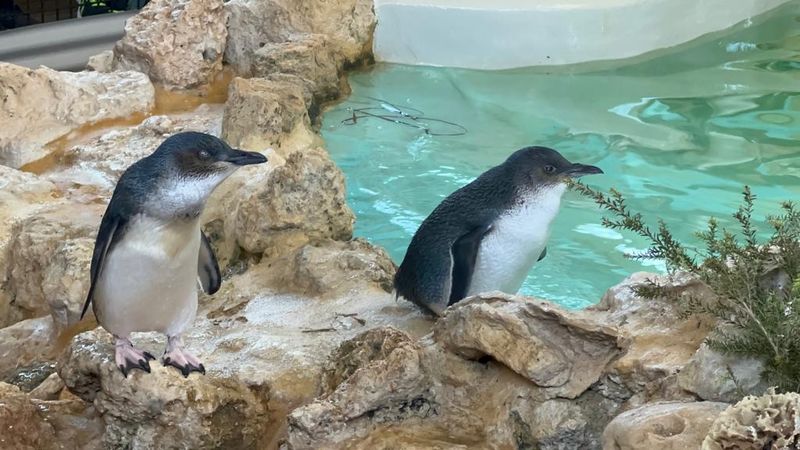
Just 45 minutes south of Perth, Penguin Island punches well above its weight as a wildlife destination. The island is home to a colony of little penguins, the same species found at Phillip Island and St Kilda, and its proximity to a major city makes it one of the most accessible penguin experiences in the Southern Hemisphere.
A short ferry ride from Rockingham Beach gets you there, and boardwalks and beach paths allow easy exploration once you arrive. The island also has a discovery centre where injured or orphaned penguins are cared for, offering a chance to see the birds up close in a rehabilitation context.
Visiting hours are managed carefully to protect the colony, so checking seasonal schedules before booking is important. The surrounding waters are home to dolphins and sea lions, which frequently appear near the ferry crossing.
Penguin Island works especially well as a family day trip, combining wildlife with beaches and open coastal scenery in a compact, easy-to-navigate package.
Share this story