 Unearth The Voyage
Getting back on the trail after surgery can feel intimidating, but the right boots make every step more confident. You want cushioning that softens impact, stable support that protects healing tissues, and traction that prevents slips. The models below are standouts for comfort, ankle control, and arch support, helping you rebuild strength at a safe pace. Read on to find the pair that fits your recovery and your favorite trails.
1. Oboz Bridger Mid B-Dry

These boots shine when arch support is nonnegotiable. The sculpted O Fit insole cradles the midfoot, reducing strain through long, careful steps. A firm yet forgiving midsole stabilizes uneven landings, and B-Dry waterproofing manages puddles without swampy feet.
Traction is secure on mixed terrain, so you can focus on gait mechanics instead of slips. The upper holds the ankle comfortably, limiting torsion while swelling fluctuates. Begin with mellow fire roads and add elevation gradually as symptoms settle.
2. Merrell Moab 3 Mid Waterproof
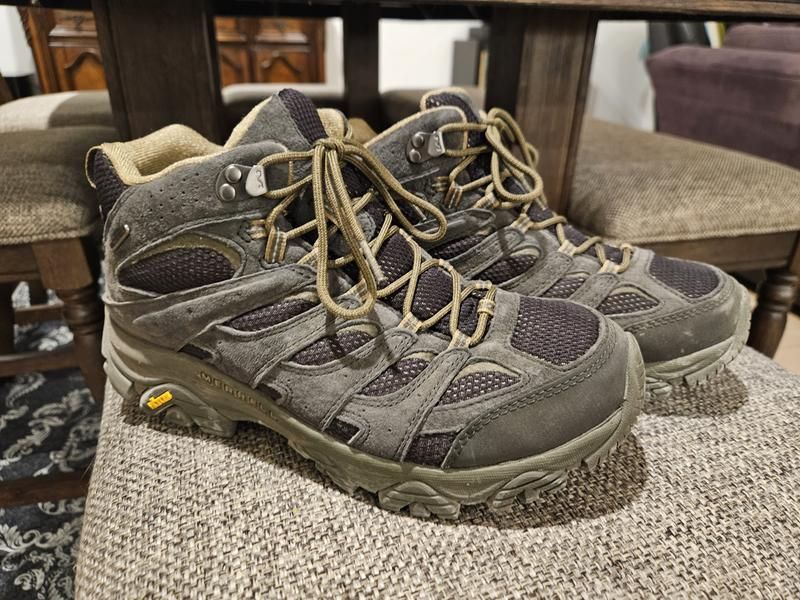
Durability meets cushioned comfort here. The padded collar reduces hot spots as you reintroduce mileage, and the molded midsole supports the arch to calm overworked plantar tissues. An elevated, shock-absorbing heel softens descents, especially helpful when calves and Achilles feel guarded.
Waterproof protection keeps recovery walks consistent, even when weather changes. The fit is accommodating without being sloppy, aiding natural toe splay and stable transitions. Start with trekking poles for extra balance, then scale back support as your stride normalizes.
3. Salomon X Ultra 4 Mid GTX
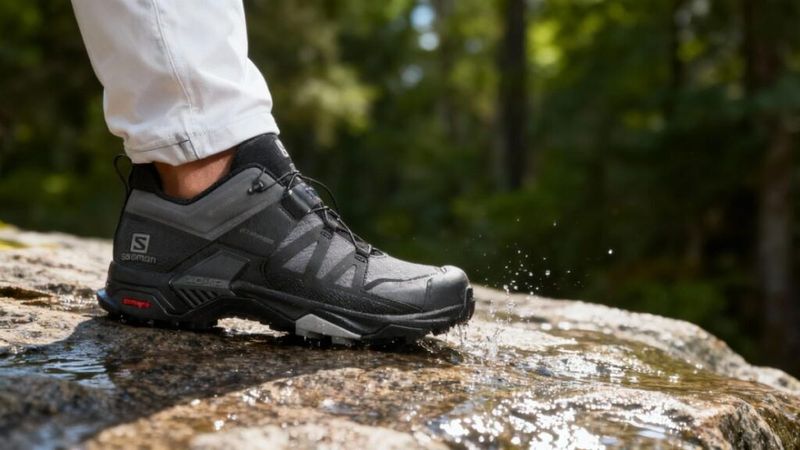
Lightweight boots reduce fatigue when rebuilding strength. This pair blends a supportive chassis with a flexible forefoot, helping you roll smoothly without fighting bulk. The insole molds to your feet, encouraging even pressure while Gore-Tex keeps weather in check.
Traction inspires confidence on slick rock and damp leaves, making careful steps more predictable. Lacing cinches evenly, so you can fine tune pressure over sensitive areas. Use on moderate trails once swelling is controlled, and keep strides short to maintain form.
4. Hoka Anacapa Mid GORE-TEX
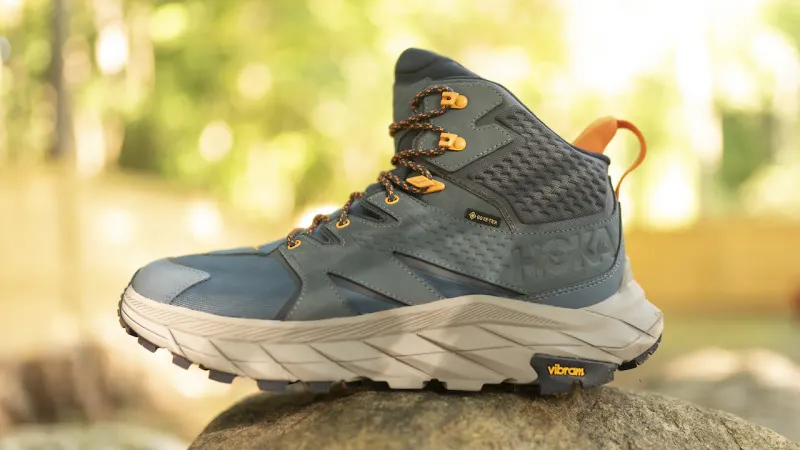
If cushioning is priority one, these feel like pillows on dirt. The plush midsole and early-stage rocker ease heel strikes and transitions, reducing jarring forces through recovering joints. Ankle structure is supportive without feeling restrictive, ideal for cautious miles.
Gore-Tex protection and grippy lugs keep outings consistent across seasons. The platform feels stable, so you can focus on cadence and alignment. Great for walking recovery phases that gradually blend into light hikes.
5. La Sportiva Nucleo High II GTX
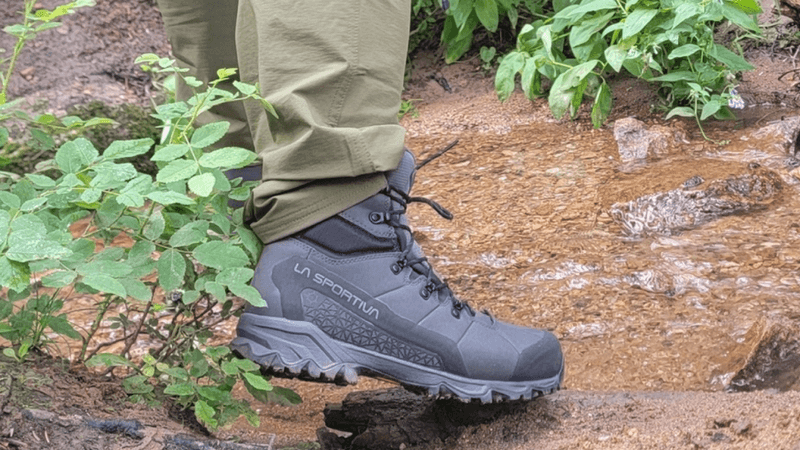
High-cut support meets breathable waterproofing for controlled steps. The cuff steadies the ankle while Vibram lugs bite into soft dirt and slick roots. Underfoot, a responsive midsole balances cushion and edge feel, assisting careful foot placements as confidence returns.
Nano-cell panels help manage heat when mileage increases slowly. The locked-in midfoot reduces wobble, useful when proprioception is still recalibrating. Consider these for moderate terrain after your therapist clears uneven surfaces.
6. Lowa Renegade GTX Mid
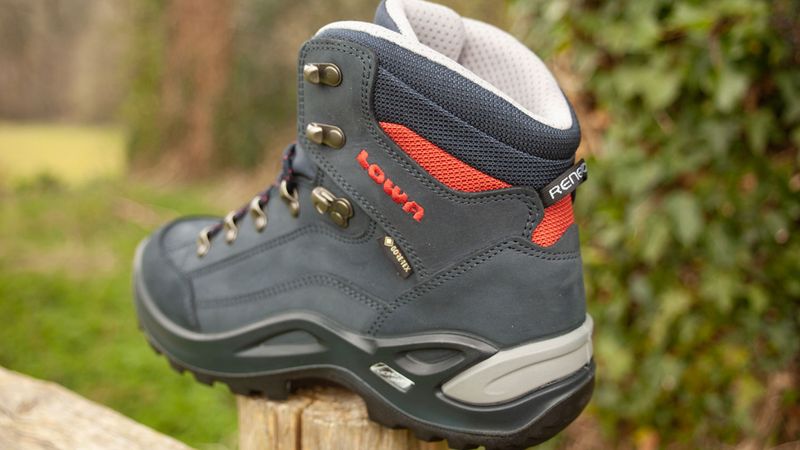
This classic boot is a stability specialist. The mono-wrap frame and firm midsole create a confident platform that limits torsional twist. Gore-Tex lining handles rainy forecasts so rehab walks stay on schedule.
The fit is precise yet comfortable, helping maintain alignment from heel to toe. Traction is reliable on crushed gravel and mild rocky paths. Ideal when you want less flex during early return to hiking. Break them in through short, structured sessions to dial comfort before bigger days.
7. Scarpa Zodiac Plus GTX

When rocky terrain calls, this hybrid boot brings confidence. A partial rand shields toes and sides, while the platform stays firm for edging and careful steps. Cushioning is measured, keeping feedback high as you rebuild trust on uneven rock.
Gore-Tex delivers weather control without soggy weight. The secure heel hold reduces slop that can irritate healing tissues. Use once you are cleared for steeper hikes, and keep pace conservative to maintain form. Poles pair nicely for extra control.
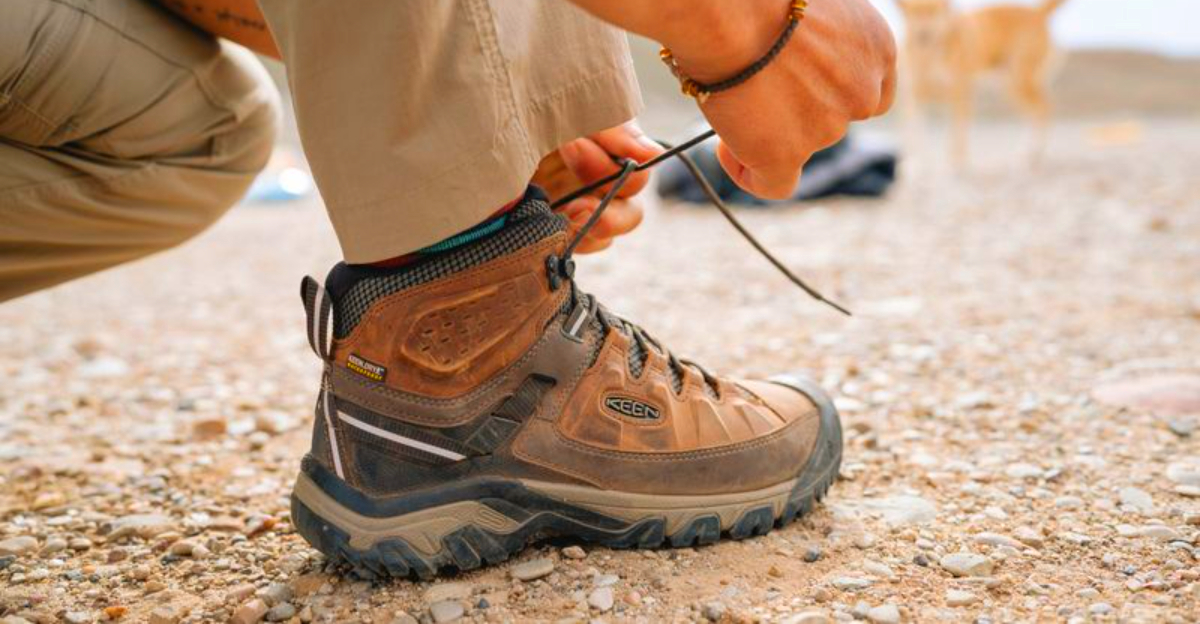
8. KEEN Targhee III Mid Waterproof

Recovery demands stability, and these feel planted the moment you lace up. The heel-lock strap hugs your rearfoot to reduce unwanted motion while deep lugs grip slab, mud, and roots. A soft midsole cushions each strike, easing pressure on tender heels and arches.
Waterproof protection keeps feet dry, yet the boot still feels flexible enough for gentle miles. Odor control helps when you repeat easy walks during rehab. Start with short outings on predictable paths, then progress to rolling trails as your confidence grows.
9. Altra Lone Peak Hiker 2
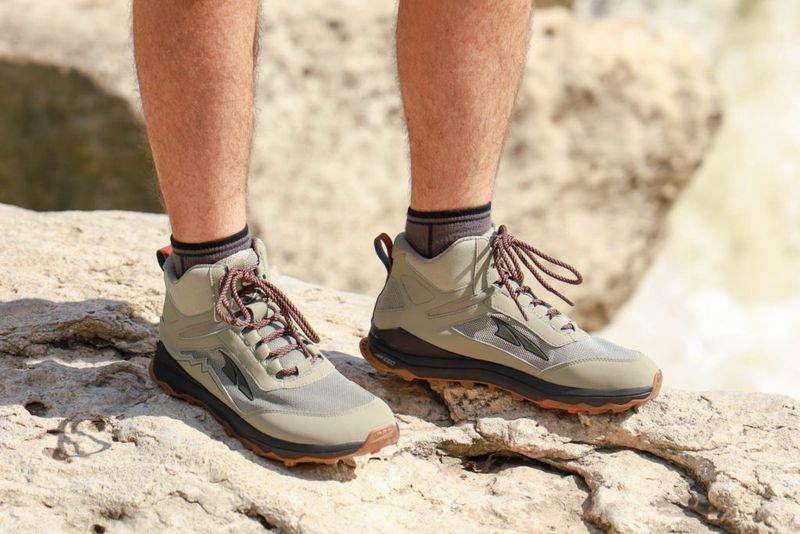
A zero-drop platform with a roomy toe box helps natural alignment and splay. If your clinician approves low stack with balanced cushioning, these encourage gentle, midfoot-focused strides. The flexible feel promotes foot strength, though you should transition gradually to avoid overload.
Grip is solid on packed dirt and light rock, while the upper holds without pinching. Consider this for later recovery stages or those used to minimalist mechanics. Short, frequent walks beat long single pushes.
10. Vasque Breeze LT NTX 2.0
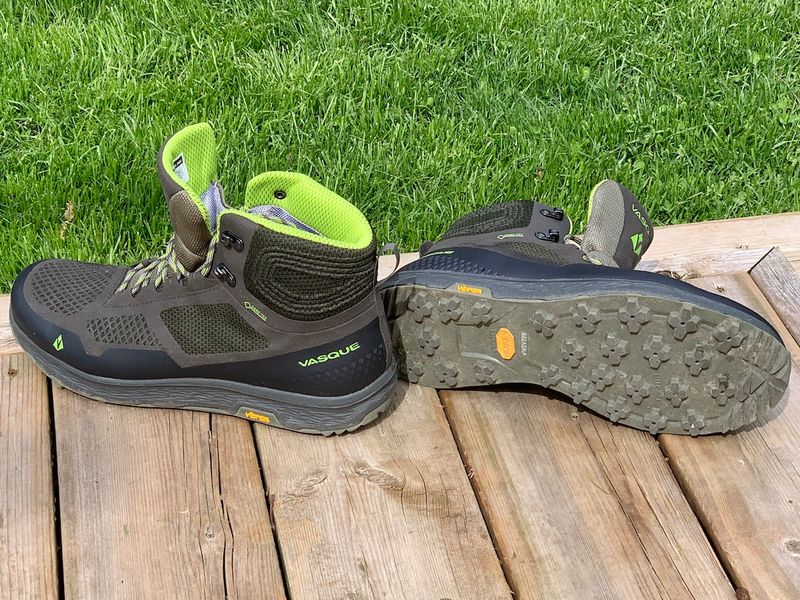
This lightweight option helps reduce fatigue during careful progression. The LT chassis feels nimble, yet the platform remains stable on mild uneven surfaces. NTX waterproofing keeps feet dry without heavy heat buildup, useful for slow, methodical mileage.
Cushioning is balanced, softening impact while preserving trail feel for precise placement. The fit is accommodating for mild swelling days. Ideal for transitioning from rehab walks to short hikes with modest elevation. Increase duration slowly and monitor soreness the next day.



