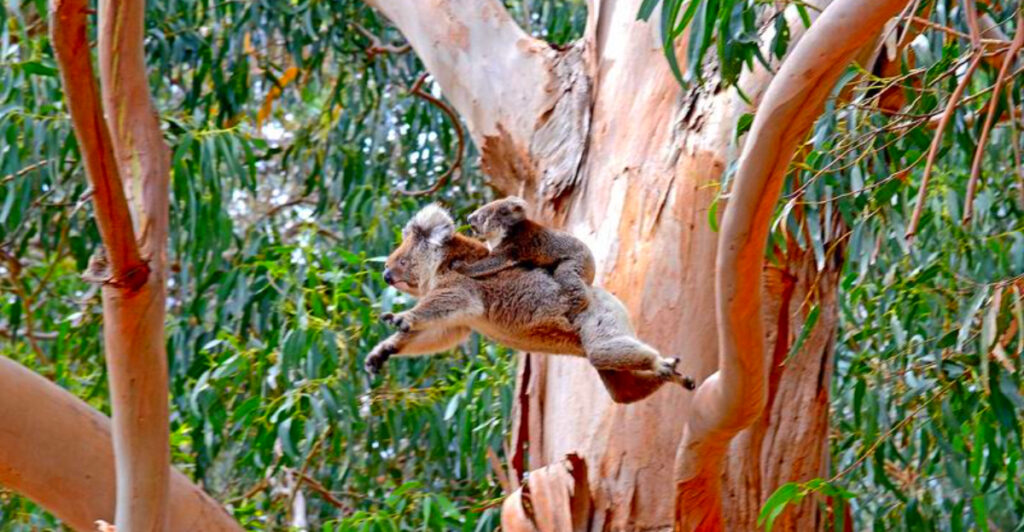
Australia is home to some of the world’s most extraordinary wildlife, and few encounters beat spotting a wild koala tucked high in a gum tree, completely unbothered by the world below. These compact, fuzzy marsupials spend up to 20 hours a day sleeping, which means finding one is less about speed and more about knowing exactly where to look. From island sanctuaries to coastal national parks and surprisingly urban nature reserves, Australia offers a remarkable range of settings where wild koalas can be observed without a zoo enclosure in sight. Whether you are road-tripping the Great Ocean Road, island-hopping off South Australia, or exploring a quiet reserve near a city center, this guide covers 14 outstanding locations where your chances of spotting a wild koala go from hopeful to genuinely excellent.
Pack your binoculars, bring patience, and keep your eyes on the treetops.
1. Kennett River Walk, Kennett River, Victoria
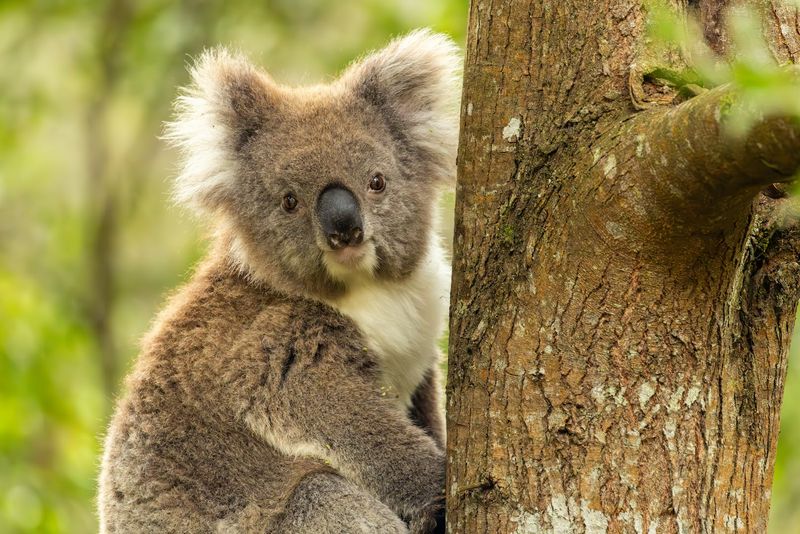
Tucked between Lorne and Apollo Bay on the Great Ocean Road, Kennett River has quietly built a reputation as one of Victoria’s most reliable koala hotspots.
Grey River Road is the main attraction here, a narrow route lined with towering gum trees where koalas can be found at almost any time of day.
Early mornings and late afternoons tend to produce the most active sightings, catching these animals as they shift position or reach for a fresh cluster of leaves.
Koalas are skilled at blending into tree forks, so scanning slowly from branch to trunk rather than rushing past improves your chances considerably.
Colourful king parrots and cockatoos add extra wildlife interest along the route, though feeding them is discouraged to keep their natural foraging habits intact.
Parking near the local cafe serves as a practical base before heading further up the road.
2. Flinders Chase National Park, Karatta, Kangaroo Island, South Australia
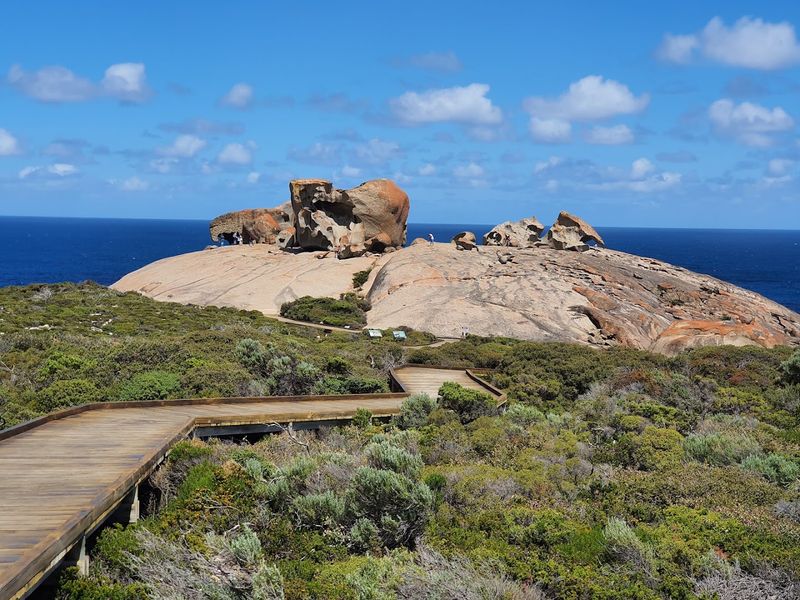
Most visitors arrive at Flinders Chase National Park expecting dramatic coastal scenery and iconic rock formations, and the park delivers on both counts without hesitation.
What catches many by surprise is the quality of wild koala sightings available throughout the park’s extensive eucalyptus woodland, particularly along quieter inland trails and scenic drives.
The koala population here forms part of a critically important disease-free genetic pool, giving these animals a conservation significance that extends well beyond Kangaroo Island itself.
Unlike purpose-built viewing areas, Flinders Chase offers a genuinely unscripted wildlife experience where each sighting feels like a personal discovery rather than a scheduled event.
Kangaroos, wallabies, and a wide variety of native birds round out the wildlife picture on any given visit.
Combining a koala search with a walk to the Remarkable Rocks or Admirals Arch makes for a full and rewarding day in this remarkable national park.
3. Magnetic Island National Park, Magnetic Island, Queensland
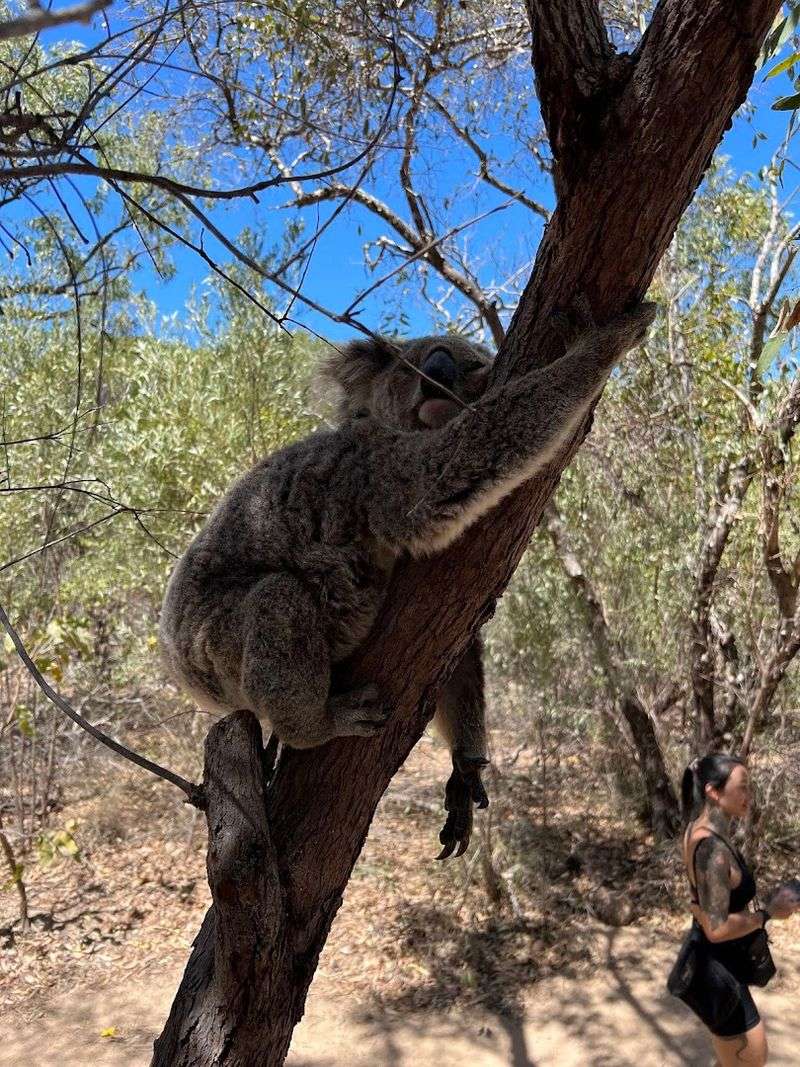
Magnetic Island hosts one of northern Australia’s largest wild koala populations, which comes as a genuine surprise to many visitors who arrive primarily for the beaches.
The island sits just 20 minutes by ferry from Townsville, and its mix of granite outcrops, hoop pines, and eucalyptus woodland creates habitat that koalas find particularly agreeable.
The Forts Walk is the standout trail for koala seekers, combining WWII fortification history with consistently good wildlife viewing as the path climbs through gum tree canopy.
Multiple koalas are often spotted on a single walk along this route, frequently resting at eye level or just slightly above, giving visitors an unusually close view.
Rock wallabies add to the excitement, scrambling across granite boulders near the coastline with impressive agility.
Sweeping views of the Coral Sea from the hilltop fortifications make the walk worthwhile even on the rare occasion when koalas are playing hard to find.
4. Raymond Island Koala Trail, Raymond Island, Victoria
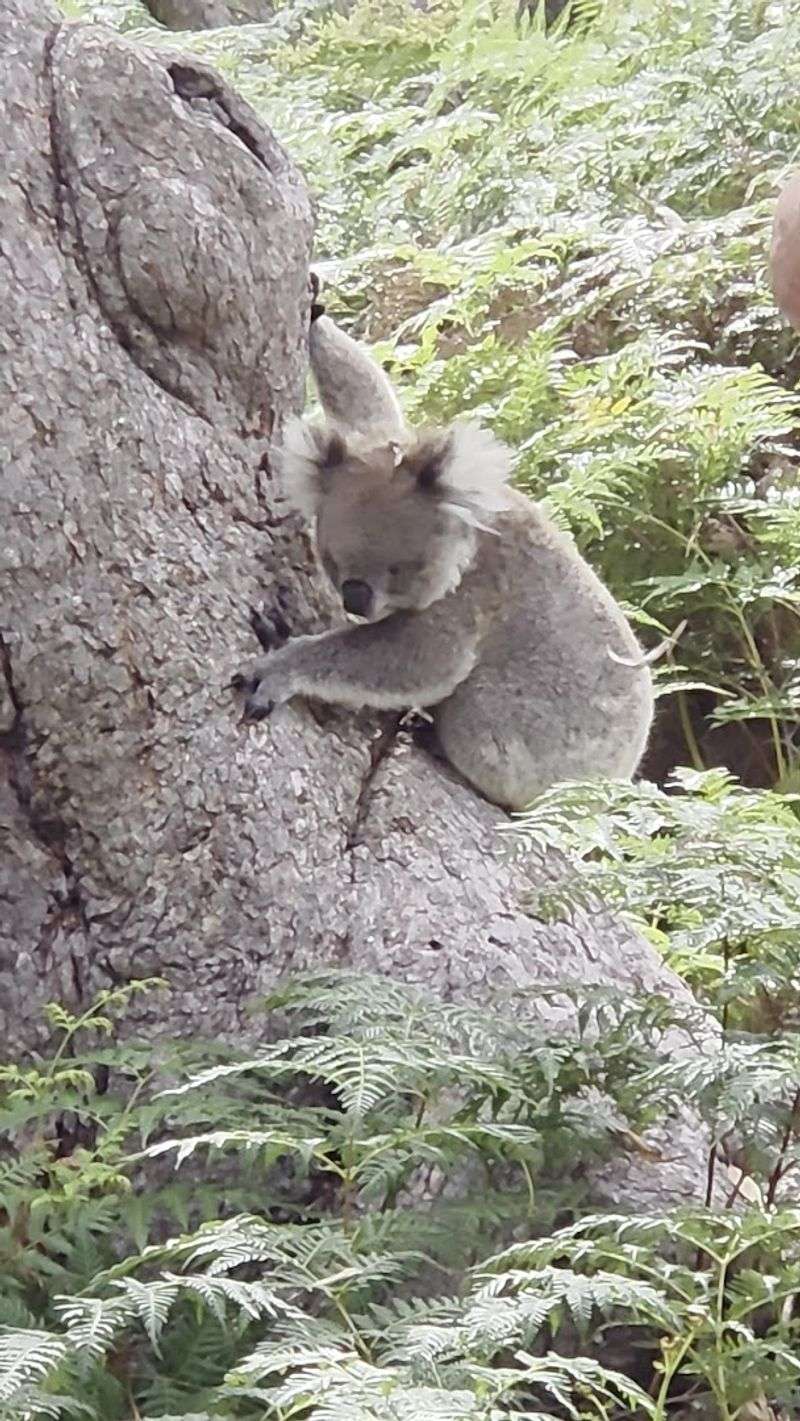
On Raymond Island, koalas outnumber the permanent human residents, which makes this one of the most delightfully lopsided wildlife destinations in all of Victoria.
A free ferry from the town of Paynesville takes just a few minutes, and from there, a well-marked trail winds through dense eucalyptus forest where koalas are spotted with remarkable regularity.
Most visitors see multiple koalas on a single walk, often perched in high branches alongside colorful eastern rosellas and laughing kookaburras.
The trail is easy to follow and suitable for all ages, making it an accessible option for families and solo travelers alike.
Eastern grey kangaroos and echidnas also call the island home, so your wildlife count can grow quickly.
Visiting between April and October tends to provide more comfortable walking conditions, with cooler temperatures and fewer insects to contend with along the trail.
5. Noosa National Park, Noosa Heads, Queensland
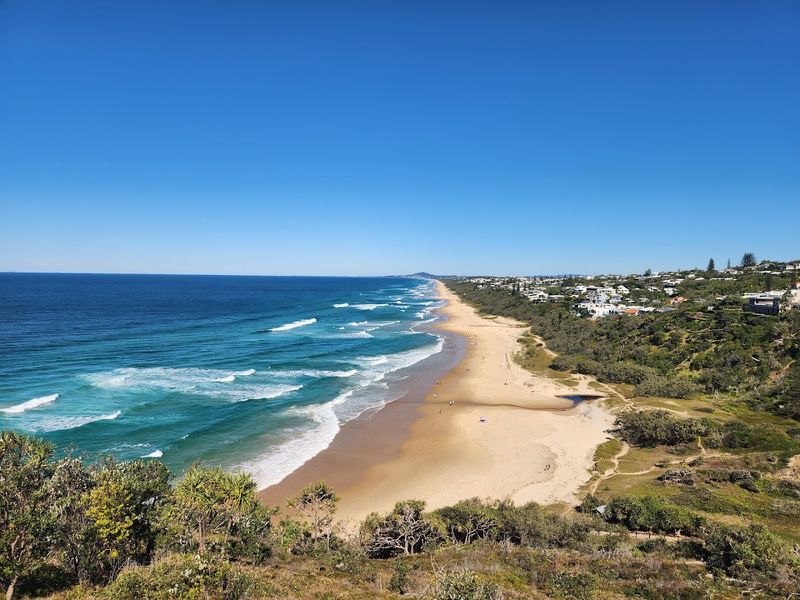
Noosa National Park is the kind of place where beachgoers and wildlife enthusiasts share the same trail system without either group feeling shortchanged.
While the coastal path draws the crowds with its ocean views and secluded coves, the Tanglewood Track offers a quieter alternative that passes directly through koala territory.
This inland route winds through eucalyptus canopy where koalas are regularly observed resting in the upper branches, often completely relaxed about the humans pausing below to look up.
Moving slowly and checking each large gum tree individually rather than scanning broadly tends to produce the best results on this track.
Wallabies, goannas, and a rich variety of bird species add further wildlife interest throughout the park’s varied terrain.
The park’s position within walking distance of Noosa Heads township means a koala search can be easily combined with a visit to the town’s cafes and markets afterward.
6. Tilligerry Habitat Reserve, Tanilba Bay, New South Wales
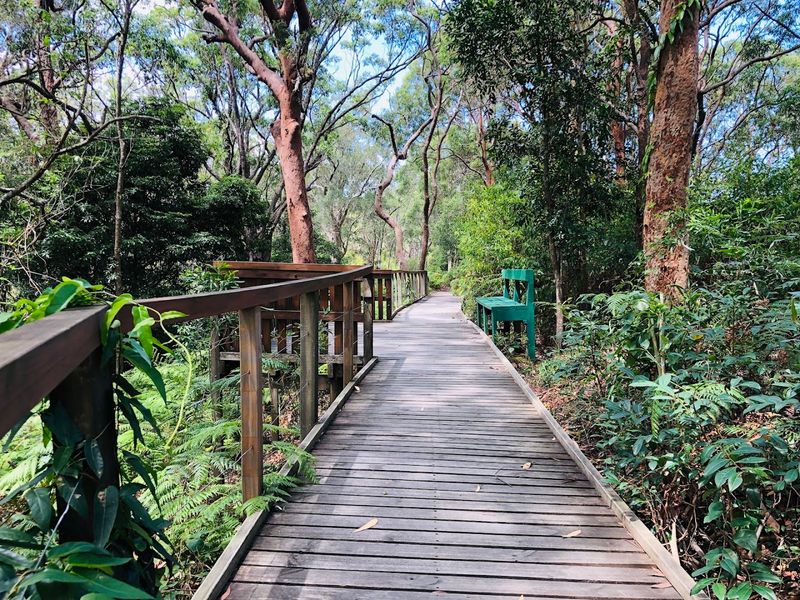
Entirely volunteer-managed and spanning nine hectares of coastal bushland, Tilligerry Habitat Reserve punches well above its weight as a koala viewing destination in New South Wales.
Elevated boardwalks and gravel walking tracks guide visitors through the reserve’s eucalyptus woodland without disturbing the habitat, keeping the experience comfortable and the ecosystem intact.
A practical tip passed around among regular visitors involves checking the ground for koala droppings beneath large gum trees, since a fresh scatter of pellets often means a koala is sleeping directly overhead.
More than 100 bird species have been recorded within the reserve, giving birdwatchers plenty to focus on between koala sightings.
Echidnas are also spotted regularly, digging through leaf litter with their long snouts in search of ants and termites.
An onsite visitor centre provides maps, wildlife information, and a native plant nursery, making it a well-rounded starting point for any exploration of the reserve.
7. Hanson Bay Wildlife Sanctuary, Karatta, Kangaroo Island, South Australia
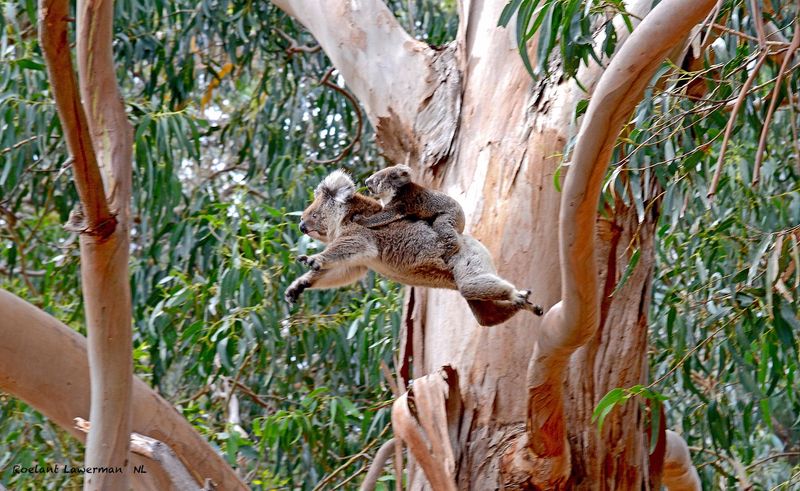
Few places in Australia can claim a seventh-generation, disease-free koala colony, but Hanson Bay Wildlife Sanctuary on Kangaroo Island can do exactly that.
The sanctuary’s thriving koala population traces its lineage back to the accidental planting of Tasmanian blue gum trees decades ago, which created ideal habitat that koalas promptly claimed as their own.
A dedicated Koala Walk guides visitors through shaded eucalyptus groves where sightings are frequent and often involve mothers with young joeys clinging to their backs.
Staff sometimes place small flags near trees where koalas have been spotted, giving self-guided visitors a helpful head start.
After dusk, guided nocturnal tours reveal kangaroos, wallabies, and echidnas going about their evening routines.
The sanctuary has recovered impressively following the 2020 bushfires, with extensive revegetation work restoring the landscape and bringing wildlife back in growing numbers.
8. Yanchep National Park, Yanchep, Western Australia
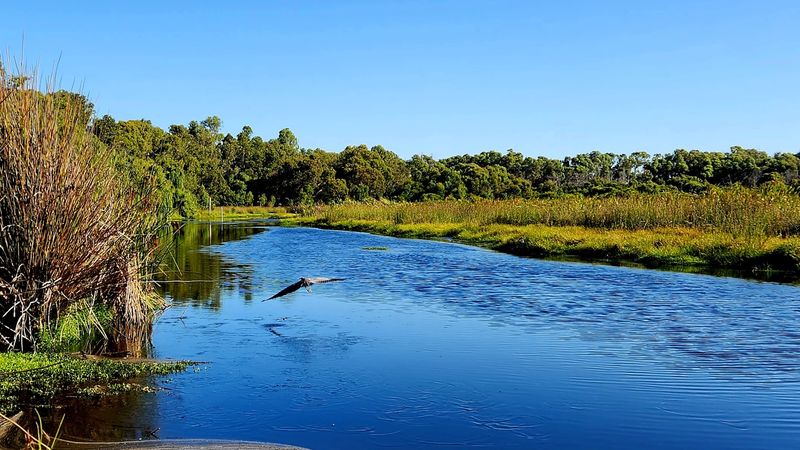
Koalas are not native to Western Australia, yet since 1938 a free-ranging colony has lived comfortably within Yanchep National Park, making it the state’s best and only reliable location to see them in a bushland setting.
A dedicated Koala Viewing Area features a raised boardwalk that positions visitors at tree-canopy level, providing clear, unobstructed views of these animals as they rest among the mature eucalyptus branches.
Interpretive signs along the boardwalk explain koala biology and behavior, which helps visitors understand why these animals sleep so many hours each day and what to look for when scanning the canopy.
Western grey kangaroos graze openly throughout the park, while short-billed black cockatoos are a distinctive and frequently sighted bird species in the area.
Underground cave systems and Nyoongar Aboriginal cultural programs add considerable depth to a visit beyond the koala viewing area alone.
The park sits roughly an hour north of Perth, making it a practical day trip from the city.
9. Tidbinbilla Nature Reserve, Paddys River, Australian Capital Territory
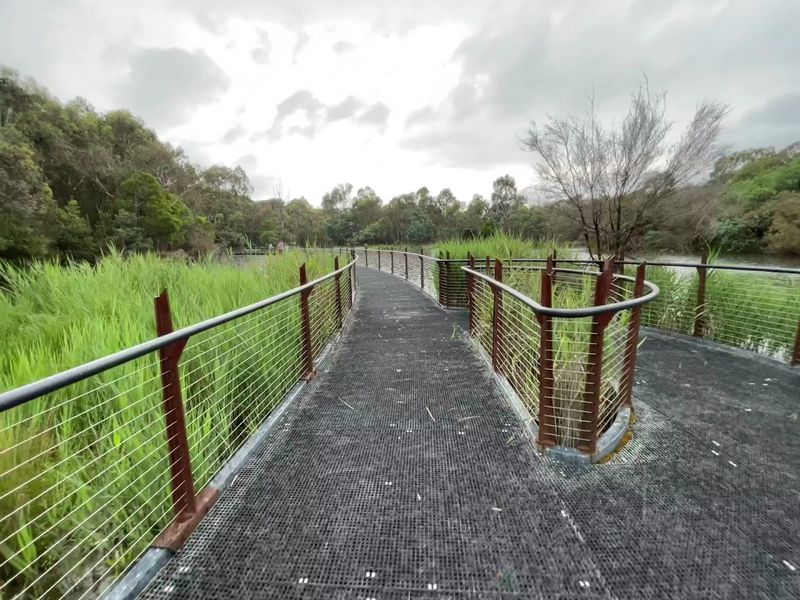
Located about 40 kilometres southwest of Canberra, Tidbinbilla Nature Reserve offers one of the most accessible wild koala experiences available anywhere near Australia’s capital city.
The Koala Path is a gentle, well-maintained walking trail that passes through groves of eucalyptus specifically favored by the reserve’s resident koala population, making it the logical starting point for any visit.
Koalas here are regularly seen resting naturally in the branches, occasionally shifting their position or reaching for a fresh leaf with the casual confidence of an animal that knows it has nowhere to be.
Kangaroos, wallabies, and emus are encountered frequently in the reserve’s open grassland areas, adding easy wildlife sightings to complement the koala search.
Tidbinbilla also supports a range of wetland habitats that attract numerous waterbird species throughout the year.
Well-maintained facilities and educational programs make the reserve a practical and rewarding destination for visitors of all ages and experience levels.
10. Cape Otway, Cape Otway, Victoria
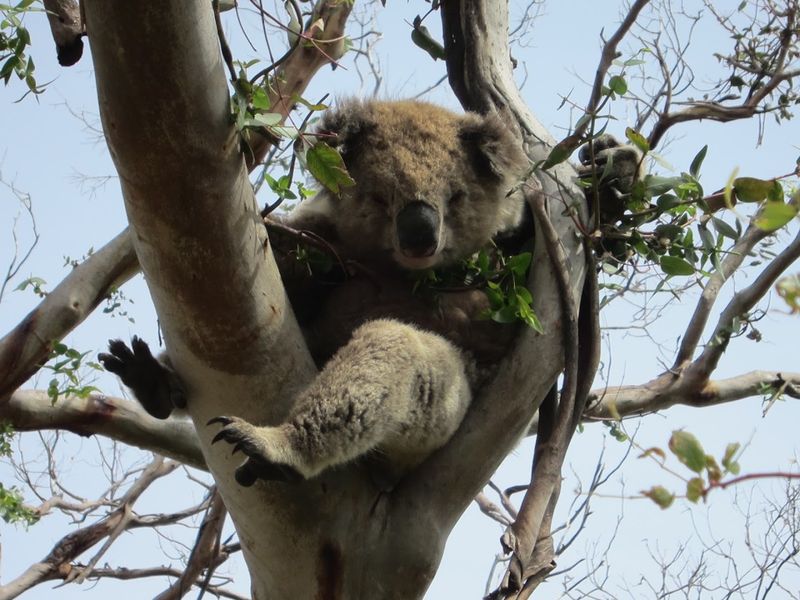
Cape Otway has earned a reputation among wildlife enthusiasts as one of the most koala-dense areas in Victoria, with Manna Gum woodlands supporting a population that is hard to miss for anyone paying attention to the treetops.
Lighthouse Road and the surrounding quiet roads reward slow drivers who stop frequently to scan the upper branches of roadside gum trees, where koalas are often found wedged comfortably into branch forks.
Early mornings and late afternoons occasionally catch these animals in a more active state, either climbing between trees or selecting their next eucalyptus meal with careful deliberation.
Conservation management programs involving health monitoring, fertility control, and translocation have helped maintain a healthy balance between the koala population and its preferred food source over recent years.
Sea eagles, kookaburras, and colourful parrots make regular appearances throughout the area, adding to an already impressive wildlife tally.
The historic Cape Otway Lightstation provides a compelling reason to extend the visit beyond the koala search alone.
11. Bimbi Park, Cape Otway, Victoria
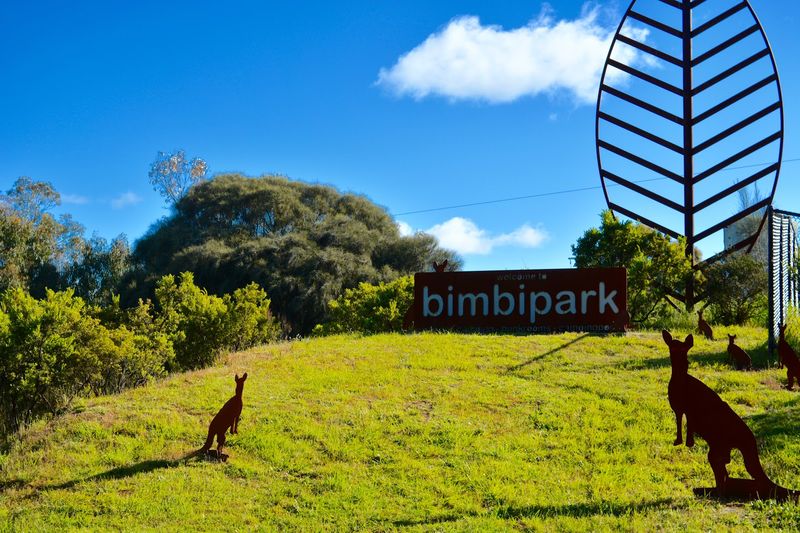
At Bimbi Park, the koalas do not just live nearby, they live directly above the campground, which makes waking up to a resident marsupial peering down from a gum tree a genuine possibility.
This secluded bush camp within the Great Otway National Park is surrounded by towering Manna Gums, providing an abundant and consistent food source that keeps the local koala population reliably present throughout the year.
Early mornings and late afternoons are the most productive times for observation, when koalas are more likely to be moving between trees or actively feeding rather than simply sleeping through the day.
Accommodation options range from basic bush camping sites to self-contained cabins, allowing visitors to stay long enough to maximize their koala spotting opportunities across multiple mornings.
Kangaroos and a wide variety of bird species are regular presences around the park, keeping wildlife interest high between koala sightings.
The surrounding national park offers additional walking trails and natural attractions for those wanting to explore beyond the campground.
12. Coombabah Lakelands Conservation Area, Coombabah, Queensland
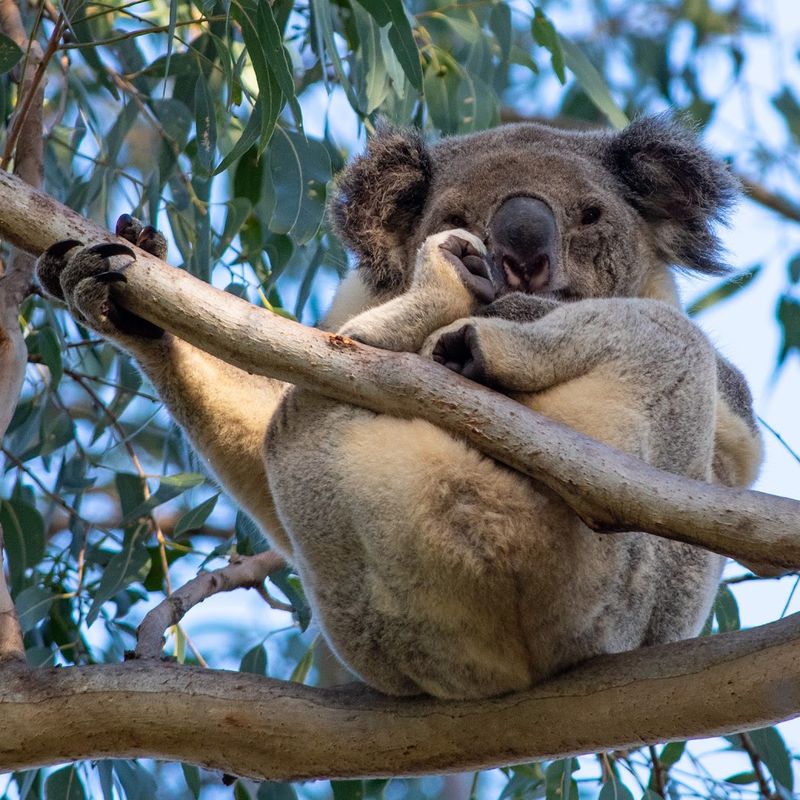
Better known to Gold Coast locals than to visitors scrolling through tourist brochures, Coombabah Lakelands Conservation Area quietly delivers some of the most satisfying wild koala sightings on the northern Gold Coast.
The dedicated Koala Walk passes through open eucalyptus woodland where koalas are spotted with a frequency that consistently surprises first-time visitors who expected a more difficult search.
The relaxed atmosphere here stands apart from more heavily promoted wildlife destinations, offering a genuinely peaceful setting where koalas can be observed without the distraction of large crowds.
Eastern grey kangaroos are a prominent feature of the open grassland areas, sometimes gathering in sizeable groups that add considerable spectacle to the visit.
Birdwatchers will find the reserve particularly rewarding, with wetland and woodland habitats supporting a diverse mix of species throughout the year.
The reserve’s accessible location on the northern Gold Coast makes it an easy addition to any coastal itinerary without requiring a lengthy detour from the main tourist areas.
13. Great Otway National Park, Glenaire, Victoria
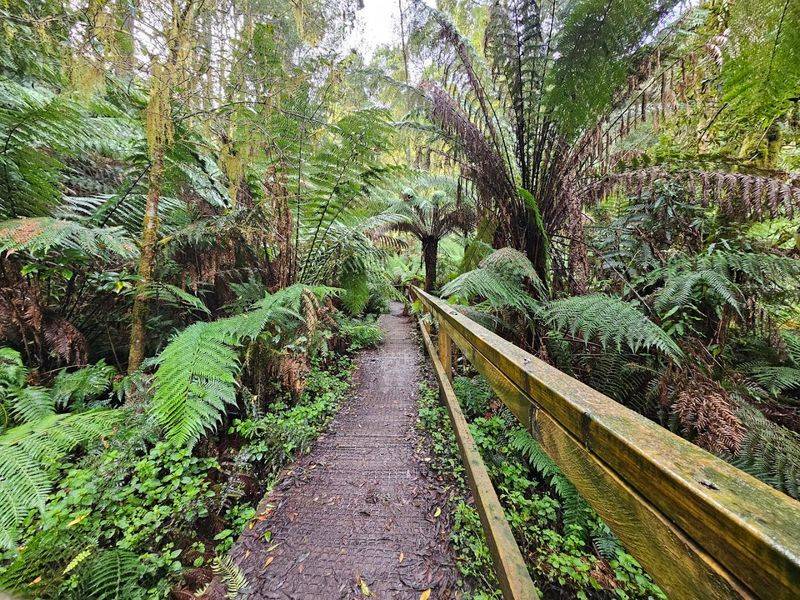
Covering a vast sweep of temperate rainforest, fern gullies, and rugged coastline, Great Otway National Park provides some of the most extensive wild koala habitat found anywhere along the Great Ocean Road corridor.
Estimates suggest the broader Otway Ranges support around 20,000 koalas, making this one of the highest-density populations in the country and giving patient visitors excellent odds of a sighting.
Quieter back roads and lesser-traveled walking trails tend to produce the most rewarding encounters, as koalas away from high-traffic areas are less likely to have shifted position in response to vehicle noise.
Scanning the upper branches systematically rather than glancing broadly is the technique that experienced wildlife watchers consistently recommend for this type of dense eucalyptus forest.
Waterfalls, ancient fern gullies, and dramatic coastal viewpoints ensure the park holds considerable appeal even on occasions when koalas prove elusive.
The park is recognized as an Important Bird Area, adding strong birdwatching potential to any visit throughout the year.
14. Kooloonbung Creek Nature Reserve, Port Macquarie, New South Wales
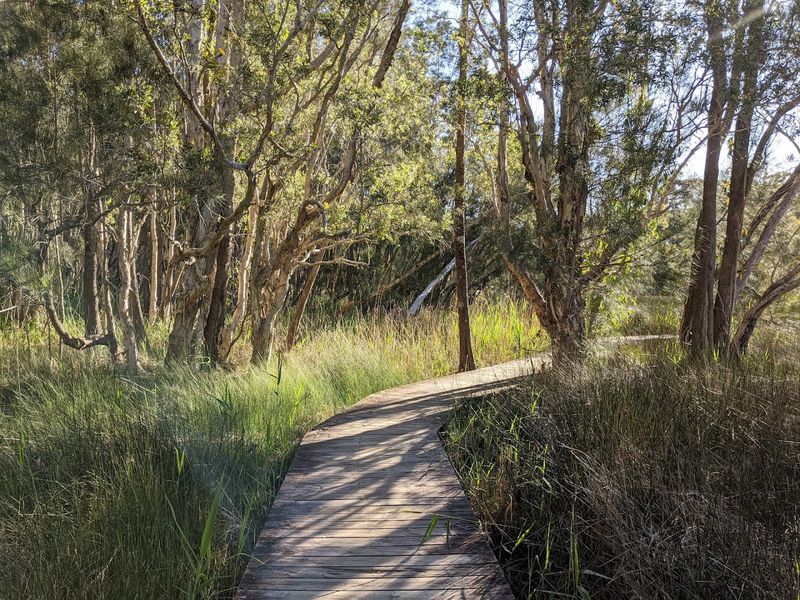
Right in the middle of Port Macquarie, just minutes from the town center, Kooloonbung Creek Nature Reserve proves that meaningful wildlife encounters do not always require a long drive into remote bushland.
Shaded boardwalks and walking trails pass through a mix of wetlands, mangroves, and eucalyptus woodland, creating a varied habitat that supports a surprisingly diverse range of native animals including the occasional wild koala.
Koala sightings here carry a particular charm precisely because they occur within an urban setting, serving as a reminder that these animals can adapt and persist even alongside a functioning town.
Flying foxes are a standout attraction, often roosting in large numbers within the reserve and providing a dramatic spectacle as they take flight toward evening.
Waterbirds frequent the wetland areas throughout the year, while other native bird species add consistent wildlife interest along every section of the walking trail.
The reserve represents a practical model of urban conservation, balancing community access with meaningful habitat protection in a compact and well-managed green space.
Share this story