Charleston, South Carolina, is the kind of city that quietly convinces you to cancel your return flight. Its streets are lined with centuries-old history, pastel-painted architecture, and enough Southern charm to fill a whole travel journal.
Visitors quickly discover that this city is not just a pretty backdrop but a living, breathing place with a deeply layered past and a vibrant present. From a 400-year-old tree that will make your jaw drop to a public market that has been open since before the United States was even a country, Charleston delivers one unforgettable experience after another.
This guide covers twelve of the best spots in and around the city, each one offering something genuinely worth your time. Whether you are a history buff, a nature lover, or just someone who appreciates a well-placed pineapple fountain, there is a place on this list that was made for you.
1. The Battery and White Point Garden
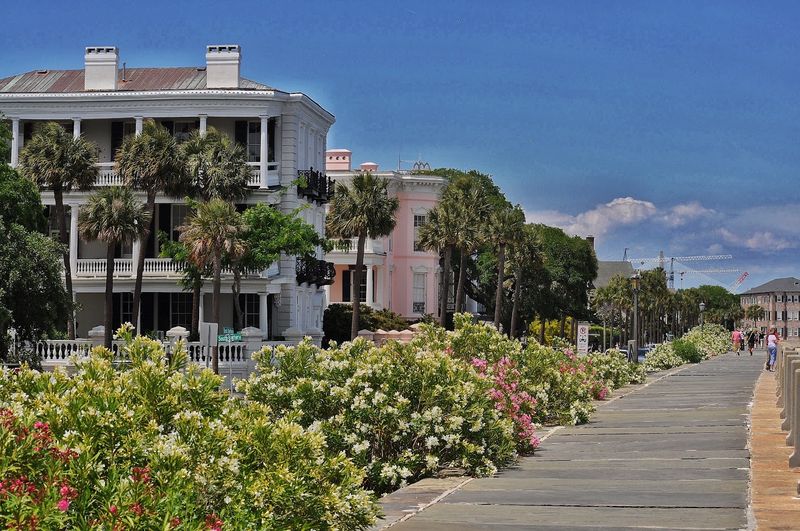
At the very southern tip of Charleston’s peninsula, two of the city’s most beloved public spaces sit side by side and manage to outdo nearly everything else in the city for sheer historic atmosphere.
The Battery is a seawall promenade lined with grand antebellum mansions that have stood since the 1800s. Walking along it, you get wide open views of Charleston Harbor, with Fort Sumter visible in the distance on a clear day.
White Point Garden fills the adjacent park space with massive live oak trees, historic cannons, and monuments that tell stories from Charleston’s military past. The cannons alone are a hit with younger visitors who want a hands-on history moment.
Locals and tourists both use this area for picnics, leisurely walks, and quiet afternoons on the benches. It costs nothing to visit, which makes it one of the best free experiences in the entire city.
The neighborhood surrounding the Battery, known as South of Broad, is equally worth exploring on foot after your visit.
2. King Street
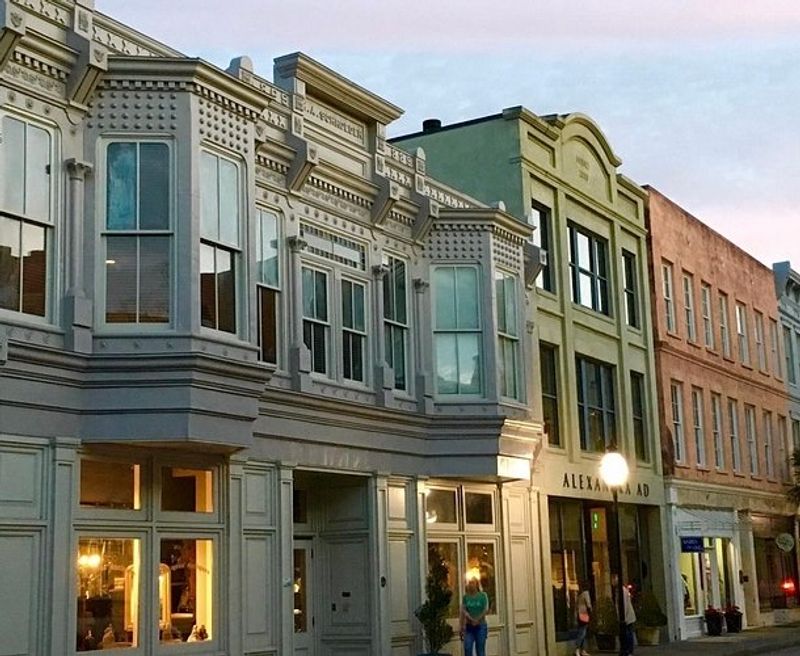
Few streets in the American South pack as much personality per block as King Street, which stretches through the heart of Charleston and somehow manages to be a shopping district, a dining corridor, and a history tour all at once.
The street divides naturally into distinct sections. Lower King leans heavily into antique shops, jewelry stores, and upscale boutiques housed inside beautifully preserved historic buildings.
Upper King shifts the energy toward trendy restaurants and popular local eateries.
Antique hunters especially love this stretch, since Charleston has long been one of the country’s top cities for finding high-quality vintage furniture and decorative items. Some shops have been family-owned for generations.
King Street also hosts regular events throughout the year, including First Fridays, when galleries and shops stay open late and the street takes on a festive atmosphere.
3. Charleston City Market
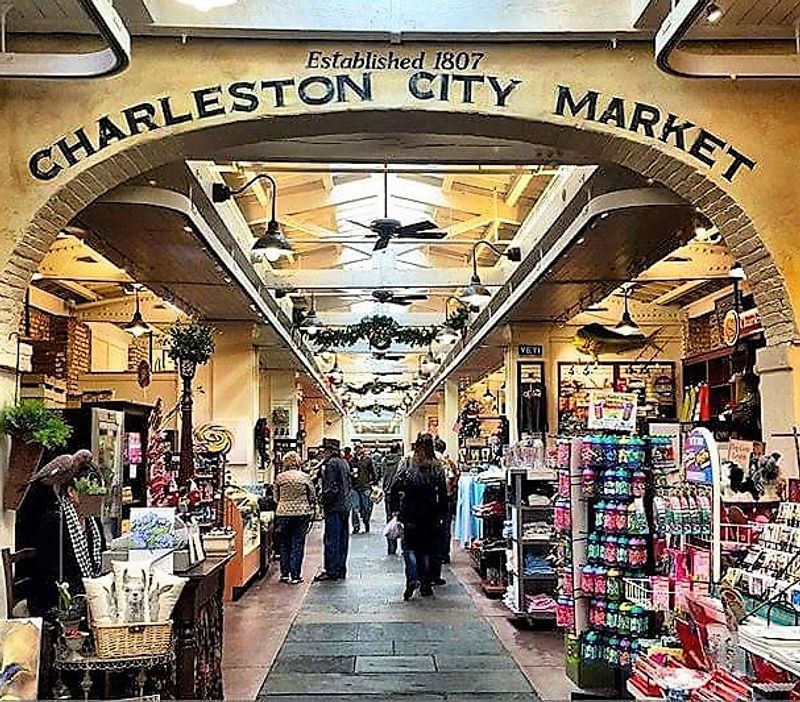
Open for business since the late 1700s, the Charleston City Market has outlasted empires, survived wars, and still manages to be one of the most lively spots in the city on any given afternoon.
The market stretches across four city blocks and is divided into a covered open-air section and an enclosed Great Hall. Vendors here sell everything from Gullah sweetgrass baskets and handmade jewelry to local honey, artwork, and souvenirs.
The sweetgrass baskets deserve special attention. Handwoven by Gullah artisans using a tradition passed down through generations, these baskets are genuine works of craft and one of the most meaningful things you can bring home from Charleston.
Food vendors are also part of the mix, offering quick bites that let you refuel between browsing. The market is free to enter, though your wallet may not escape entirely unscathed once you see the selection.
It is open daily, making it a flexible stop that fits into almost any itinerary, whether you have twenty minutes or two hours to spare.
4. Rainbow Row
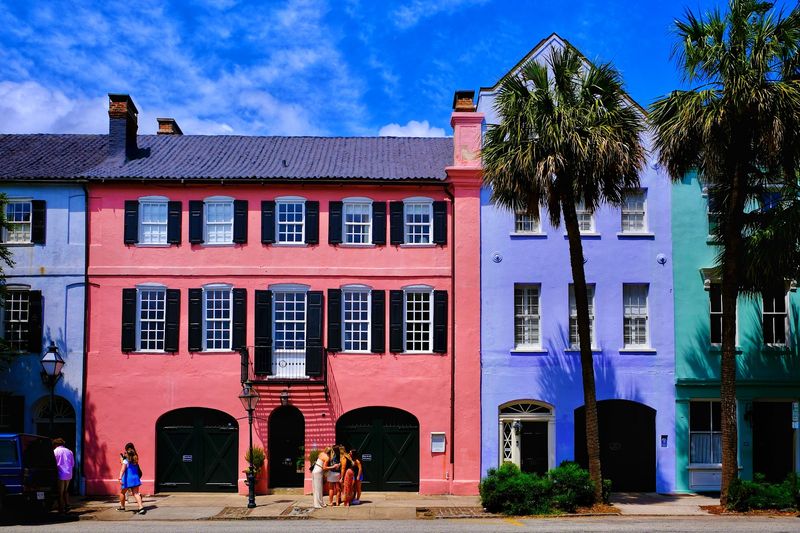
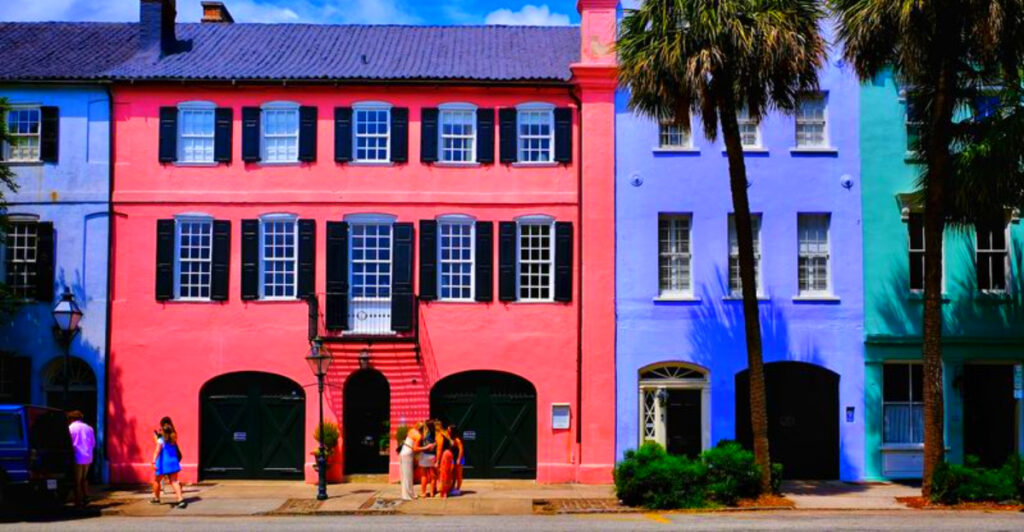
Thirteen pastel-painted Georgian row houses standing side by side might sound modest until you see them in person and realize every single tourist on the street has their phone pointed at the same direction as yours.
Rainbow Row runs along East Bay Street between numbers 79 and 107, and it holds the title of the longest cluster of Georgian row houses in the entire United States.
These buildings were constructed in the 1700s and used mainly as merchant shops and residences. They fell into disrepair over the years before being restored and painted in cheerful colors during the 1930s and 1940s.
The best time to visit is early morning, when foot traffic is light and the colors look especially vivid against the bright Carolina sky. Parking nearby is limited, so walking from the historic district is usually the smartest move.
5. Waterfront Park
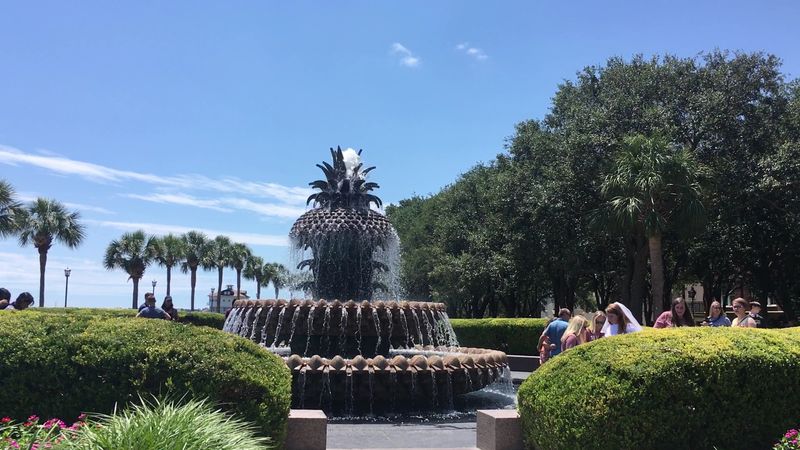
There is a giant pineapple fountain in this park, and that alone tells you something important about Charleston’s personality: historically rooted, slightly quirky, and completely committed to Southern hospitality.
Joe Riley Waterfront Park sits along the Cooper River and offers some of the most open and unobstructed views of Charleston Harbor available from within the city. The Pineapple Fountain has become one of the most photographed spots in all of South Carolina.
Beyond the famous fountain, the park features a long pier that juts out over the water, swing benches positioned along the water’s edge, and well-maintained walking paths that connect to the surrounding historic district.
It is a genuinely peaceful place to spend an afternoon, especially after a busy morning of touring historic sites. Families, couples, and solo travelers all seem equally at home here.
The park is free to visit and sits within easy walking distance of Rainbow Row, the French Quarter, and Charleston City Market, making it a natural anchor point for a full day of exploring the lower peninsula.
6. Boone Hall Plantation
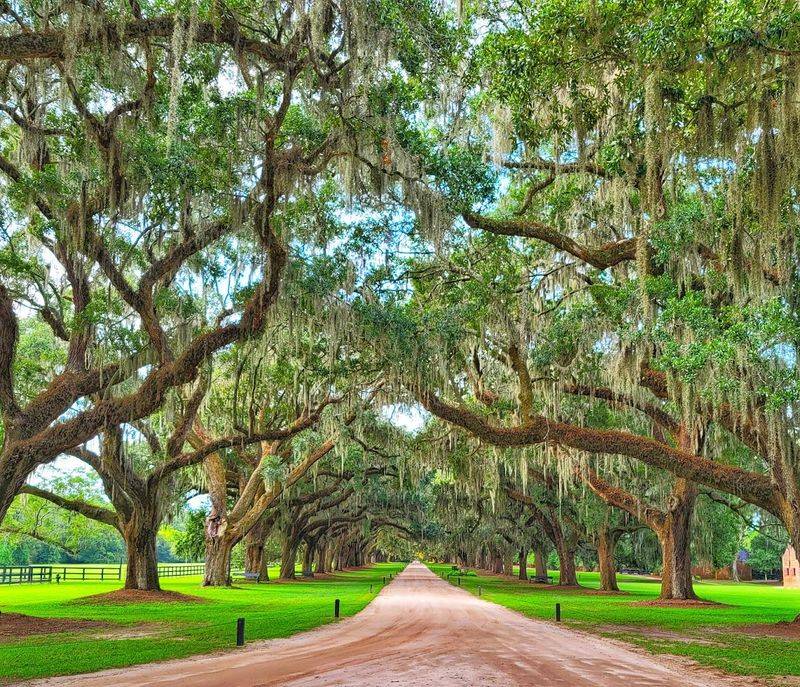
The Avenue of Oaks at Boone Hall is one of the most recognized tree-lined entrances in the entire country, with massive live oaks forming a long natural canopy over the road leading to the main house.
Located about eight miles north of downtown Charleston in Mount Pleasant, Boone Hall has been a working plantation since the 1600s, making it one of the oldest continuously operating plantations in the United States.
Visitors can tour the main house, the formal gardens, and the preserved row of brick cabins that once housed enslaved people. The plantation takes a serious and honest approach to presenting this history, including guided tours that focus specifically on the lives of enslaved individuals who built and sustained the property.
The grounds also host seasonal events, markets, and strawberry picking in spring, which brings a different kind of crowd and energy to the property.
Admission fees apply, and reservations are recommended during peak tourist season. Plan for at least two to three hours to do the visit justice without feeling rushed through the grounds.
7. Sullivan’s Island
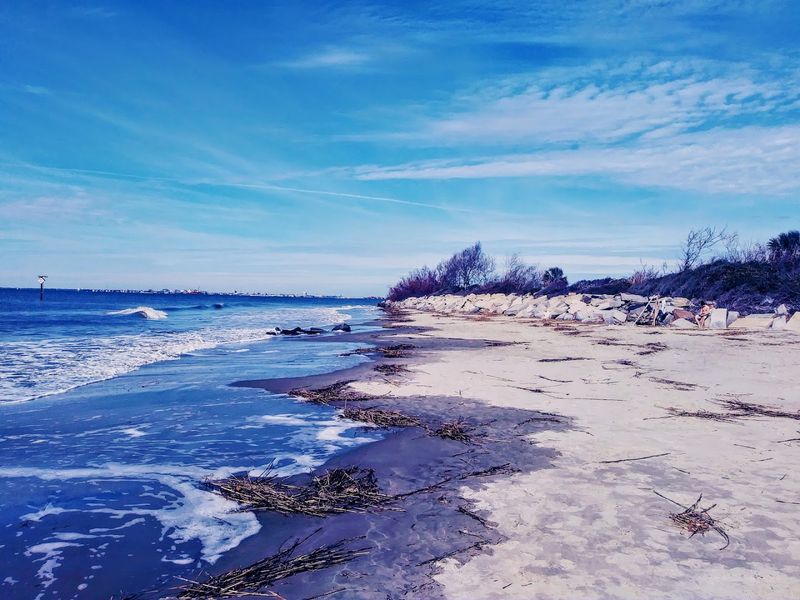
Just a short drive across the bridge from Mount Pleasant, Sullivan’s Island operates on a completely different frequency from downtown Charleston, one that moves slower and asks very little of you except to relax.
The beach here is wide, relatively uncrowded, and backed by modest beach houses rather than commercial development. That lower-key character is exactly what draws locals who want a real beach day without fighting for a patch of sand.
The island has a fascinating history of its own. It served as a quarantine station for arriving ships in the colonial era and later as a military base.
Fort Moultrie, located on the island, played a significant role in the American Revolution and the Civil War, and it is open to visitors as a National Park site.
Several casual seafood restaurants line the main road through the island, offering fresh catches in a no-fuss setting. The overall vibe is relaxed and local-friendly.
8. French Quarter
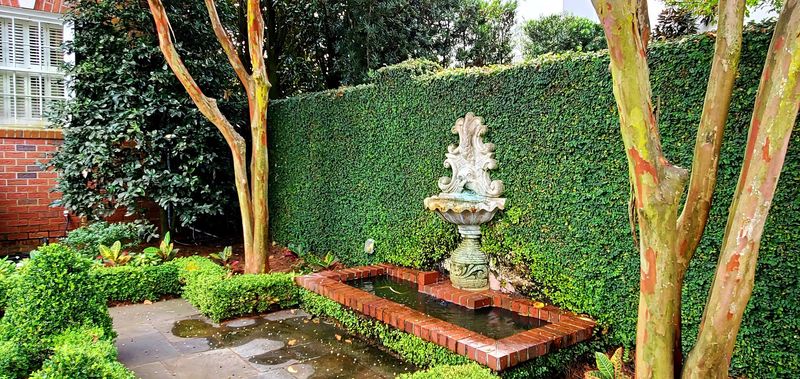
Named for the French Huguenots who settled this part of Charleston in the 17th century, the French Quarter is one of those neighborhoods where every alleyway looks like it belongs on a postcard.
The area is packed with preserved 18th and 19th century buildings that house art galleries, independent shops, and historic landmarks. The Dock Street Theatre, one of the oldest theaters in America, sits at the heart of the neighborhood and still hosts live performances today.
Cobblestone streets and narrow lanes like Philadelphia Alley, also known as Dueler’s Alley, add a distinctly old-world character to the area. These passages were once used as shortcuts between buildings and now serve as quiet retreats from busier streets nearby.
Art lovers will find the French Quarter especially rewarding, as it is home to a high concentration of galleries featuring both established and emerging artists. The work on display ranges from traditional Lowcountry landscapes to contemporary sculpture.
9. Magnolia Plantation and Gardens
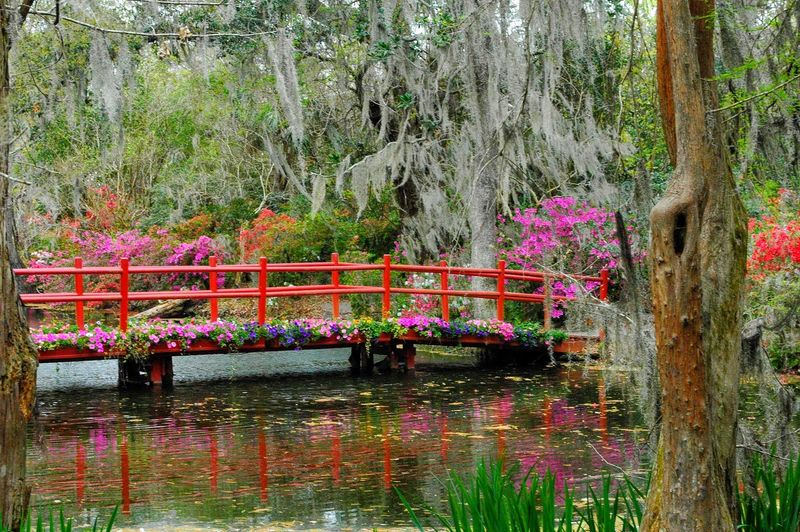
Established in 1676, Magnolia Plantation holds the distinction of being one of the oldest public gardens in the United States, and it has been drawing visitors for so long that some of its trees were already old when America became a country.
The gardens cover a large portion of the property and are organized into distinct areas including formal flower gardens, a biblical garden, and a maze. Spring brings peak blooms, but the grounds remain visually striking throughout the year thanks to the landscape’s natural structure.
Beyond the gardens, the plantation offers nature boat tours, a petting zoo, a nature train tour, and a separate tour focused on the history of the enslaved people who lived and worked on the property. That last tour is a meaningful and important part of the full experience.
Wildlife sightings are common here. Visitors regularly spot great blue herons, river otters, turtles, and alligators during the nature tours.
The plantation is located about ten miles from downtown Charleston. Admission covers garden access, with additional fees for specialty tours, so budgeting accordingly before arrival is a smart move.
10. Folly Beach
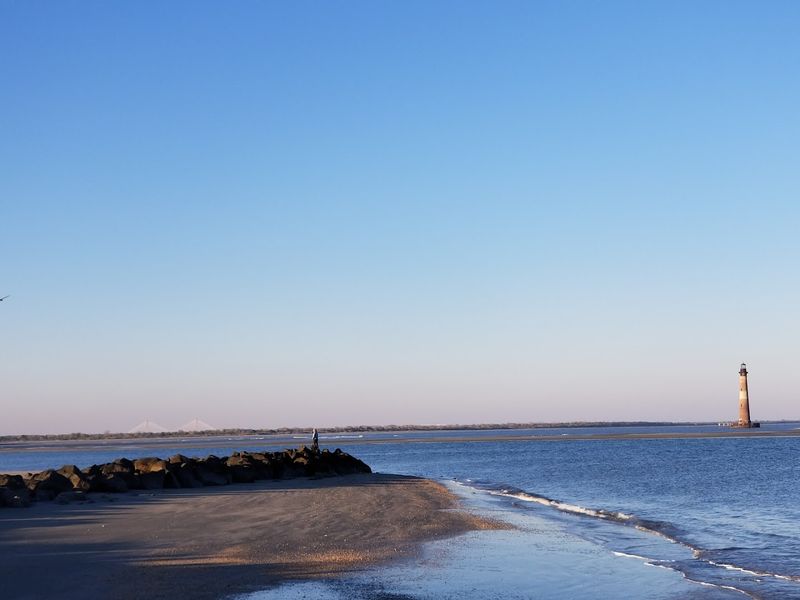
Folly Beach has earned its nickname, the Edge of America, partly because of its geography and partly because it has always had a slightly rebellious, free-spirited reputation compared to Charleston’s more polished neighborhoods.
Located about eleven miles from downtown, Folly is the closest ocean beach to the city and draws a younger, more casual crowd than quieter nearby islands. Surfing is a genuine activity here, not just a backdrop, and the consistent waves make it one of the few real surf spots along the South Carolina coast.
The Folly Beach Pier stretches 1,045 feet into the Atlantic and is open for fishing, walking, and dolphin watching. Dolphins are spotted frequently from the pier, especially in the early morning and late afternoon hours.
The main strip along Center Street is lined with casual restaurants, surf shops, and beach rental outfitters. The overall atmosphere is unpretentious and welcoming.
Parking can be competitive on summer weekends, but the county-operated lots fill quickly. Arriving before 9 a.m. or using the shuttle service from James Island County Park on busy days saves significant time and frustration.
11. St. Michael’s Church
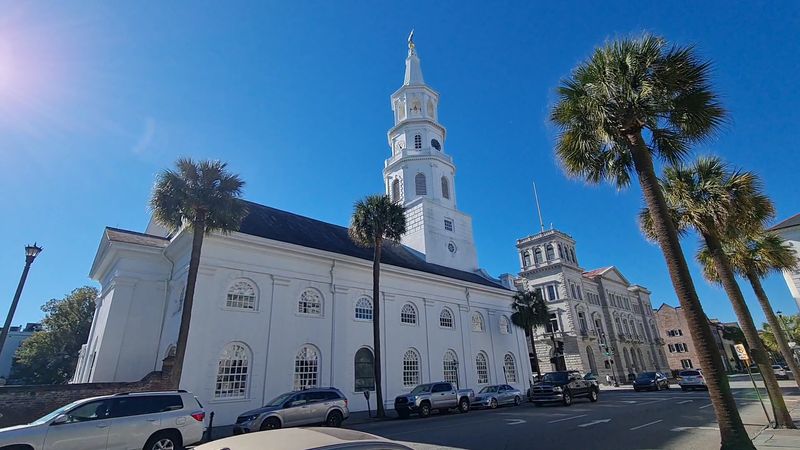
Completed in 1761, St. Michael’s Church stands at the corner of Meeting and Broad Streets and holds the title of the oldest surviving church building in Charleston, a city that takes its historic buildings very seriously.
The white steeple rises 186 feet above street level and has served as a navigational landmark for ships entering Charleston Harbor for more than two and a half centuries. It remains one of the most recognizable silhouettes in the entire city skyline.
Both George Washington and Robert E. Lee are documented to have worshipped here during their respective visits to Charleston, which gives the interior a particular historical weight beyond its architectural beauty.
The church is still an active Episcopal congregation, so visiting hours for tourists are limited and visitors are asked to be respectful of ongoing services and private events. Checking the schedule in advance prevents an unnecessary trip to a locked door.
12. Angel Oak Tree
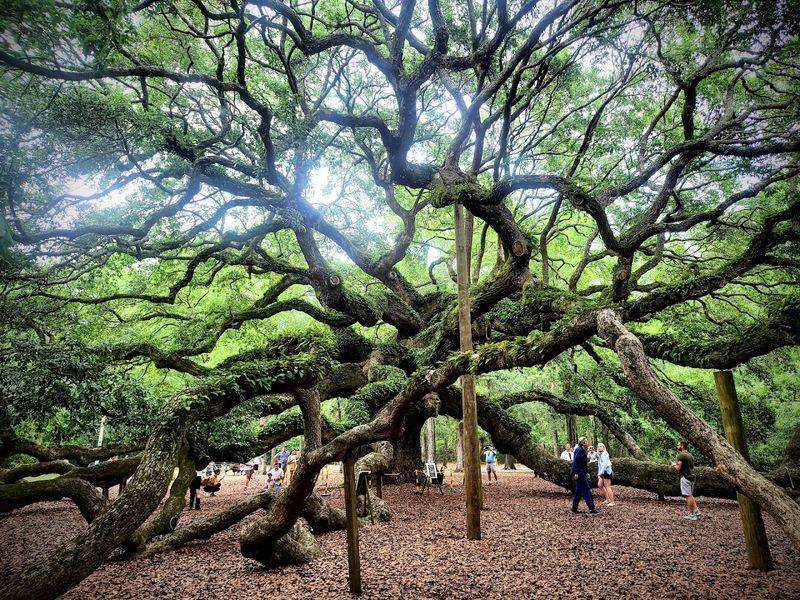
Estimated to be between 400 and 500 years old, the Angel Oak Tree on Johns Island is the kind of natural landmark that makes even the most schedule-focused traveler stop, put the phone down, and just stare for a while.
The tree is a Southern live oak with branches that spread outward rather than upward, reaching as far as 187 feet in total. The longest individual branch extends 89 feet from the trunk, which means parts of this tree are farther from its center than many houses are wide.
It is considered one of the oldest living organisms east of the Mississippi River, which adds a layer of perspective to any visit. Generations of people have stood in exactly the same spot you are standing, looking up at the same branches.
The tree is located in Angel Oak Park, which is free to enter and maintained by the City of Charleston. Johns Island is about a 30-minute drive from downtown.
Share this story