 Unearth The Voyage
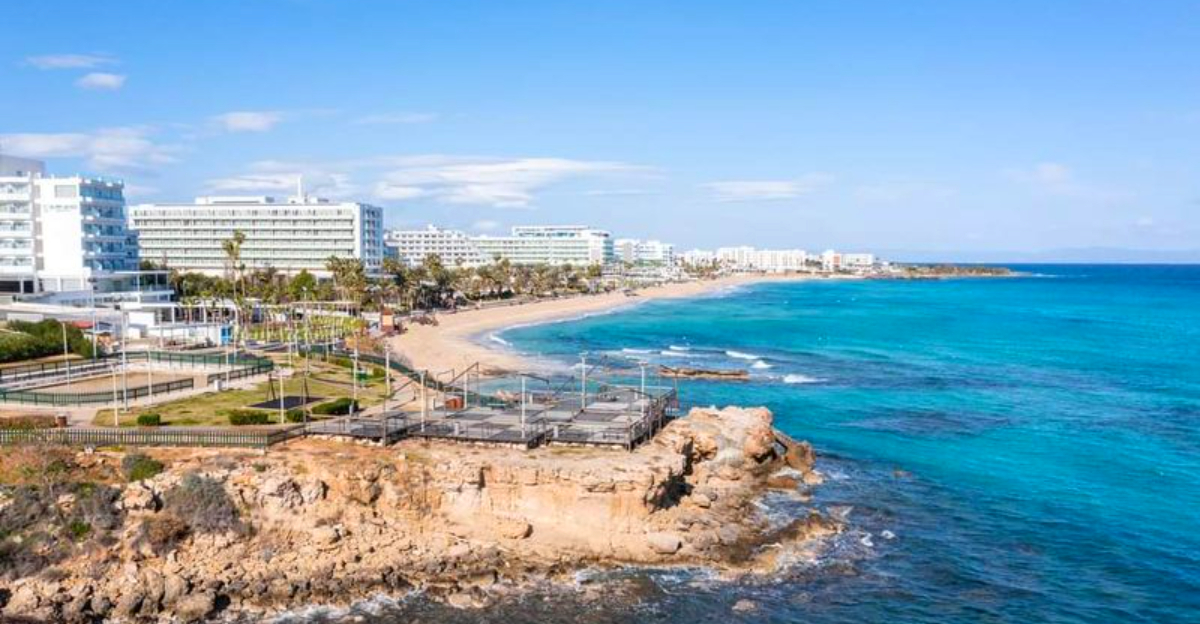
Retirement dreams often include sunshine, slower rhythms, and landscapes that make you feel like you’re on permanent vacation. Europe’s islands deliver all of this, with the added bonus of reliable healthcare, strong infrastructure, and communities where English is often widely spoken.
Whether you’re drawn to volcanic peaks, medieval villages, or beaches that stretch for miles, these 14 islands offer real-life retirement possibilities worth exploring.
1. Madeira, Portugal
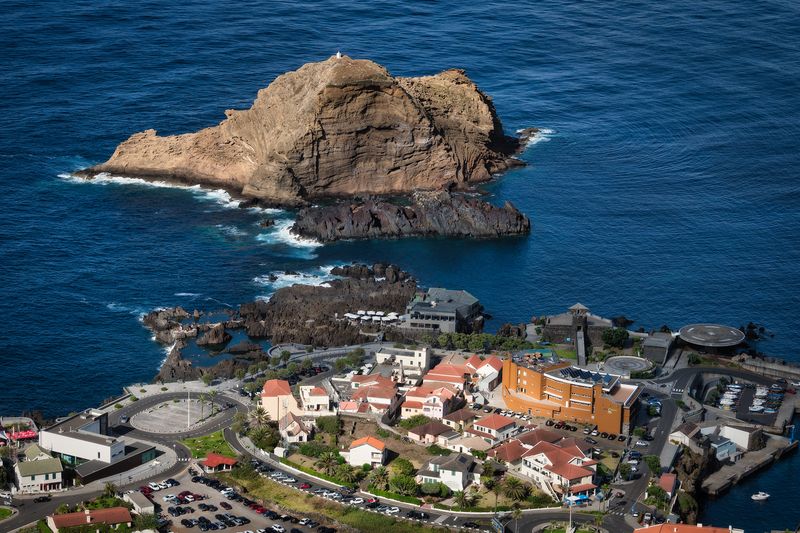
Floating in the Atlantic, Madeira feels like Portugal’s best-kept secret, a place where spring weather lasts all year and hiking trails wind through cloud forests down to the coast. Funchal, the island’s capital, gives you everything a retiree needs: supermarkets, hospitals, restaurants, and a marina lined with cafes where locals and expats mix easily.
Beyond the city, terraced hillsides and levada walks offer endless outdoor adventure without requiring a car or complicated logistics.
What makes Madeira especially appealing is how connected it feels despite being remote. Direct flights link you to Lisbon, London, and other European hubs, so visiting family or exploring the continent stays simple.
The cost of living sits comfortably in the middle range, not dirt cheap but far more reasonable than many mainland European cities.
Retirees here tend to be active types who enjoy morning walks, farmers’ markets, and spontaneous weekend trips to Porto Santo. The island’s infrastructure is modern, English is common in medical settings, and the expat community is large enough to offer support without overwhelming the local culture.
If you want island life that doesn’t sacrifice convenience or connection, Madeira delivers that balance beautifully.
2. São Miguel, Azores (Portugal)
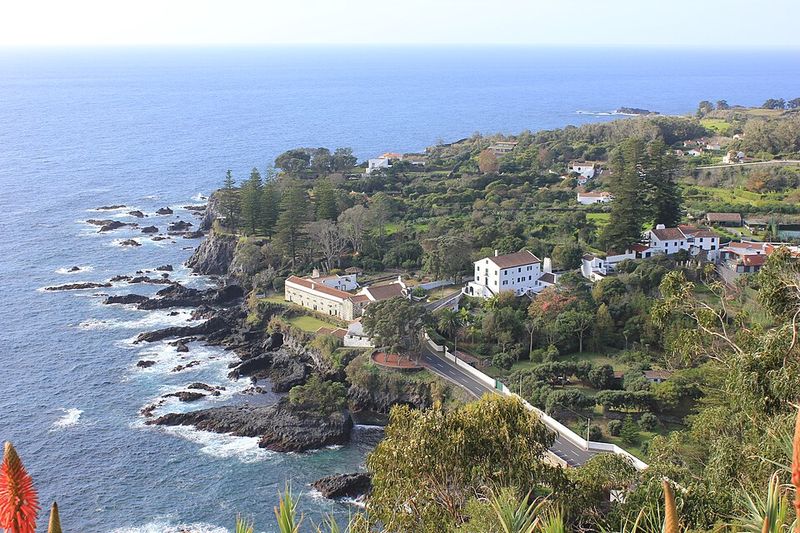
São Miguel is Portugal with the volume turned way down. Crater lakes, hot springs, and rolling green pastures define the landscape, and the pace of life here is measured in long lunches and unhurried conversations.
This is not the island for people who need constant stimulation or a packed social calendar. Instead, it’s for retirees who find peace in nature, enjoy solitude, and don’t mind a bit of planning when it comes to healthcare or specialized services.
The island’s main town, Ponta Delgada, offers enough amenities to keep daily life running smoothly, including grocery stores, pharmacies, and a hospital. But compared to Madeira or the Canaries, São Miguel feels more off the grid.
The expat community is smaller, English is less widespread, and you’ll need to embrace a slower rhythm if you want to fit in.
That said, the trade-offs come with serious rewards. Housing costs are lower, the natural beauty is jaw-dropping, and the sense of discovery never quite fades.
Retirees who settle here often describe feeling like they’ve found a place that’s still genuinely theirs, not overrun by tourists or development. If you value space, quiet, and a deep connection to the land, São Miguel might be your perfect match.
3. Tenerife, Canary Islands (Spain)
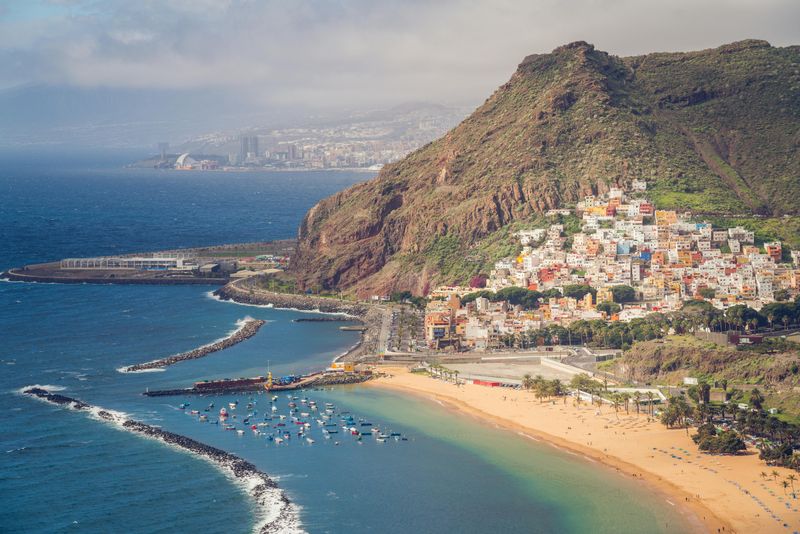
Tenerife is the Canary Island that has it all: year-round sunshine, excellent healthcare, modern infrastructure, and enough variety to keep life interesting. Mount Teide, Spain’s highest peak, dominates the center of the island, while coastal towns offer everything from bustling resorts to quiet fishing villages.
Retirees here can choose their vibe, whether that’s beach walks in Los Cristianos or mountain hikes in the Anaga Rural Park.
The island’s healthcare system is a major draw, with both public and private options that meet European standards. English is widely spoken in medical settings, pharmacies, and expat-heavy areas, making the transition smoother for newcomers.
The cost of living is reasonable, especially compared to mainland Spain or northern Europe, and housing options range from modern apartments to traditional Canarian homes.
Tenerife’s size and infrastructure mean you won’t feel isolated or limited. Direct flights connect you to major European cities, and the island has everything from international grocery stores to cultural events and fitness centers.
The expat community is large and welcoming, so finding friends and social activities is easy. If you want sunshine, services, and a strong sense of security, Tenerife checks every box without feeling overly touristy or artificial.
4. Gran Canaria, Canary Islands (Spain)
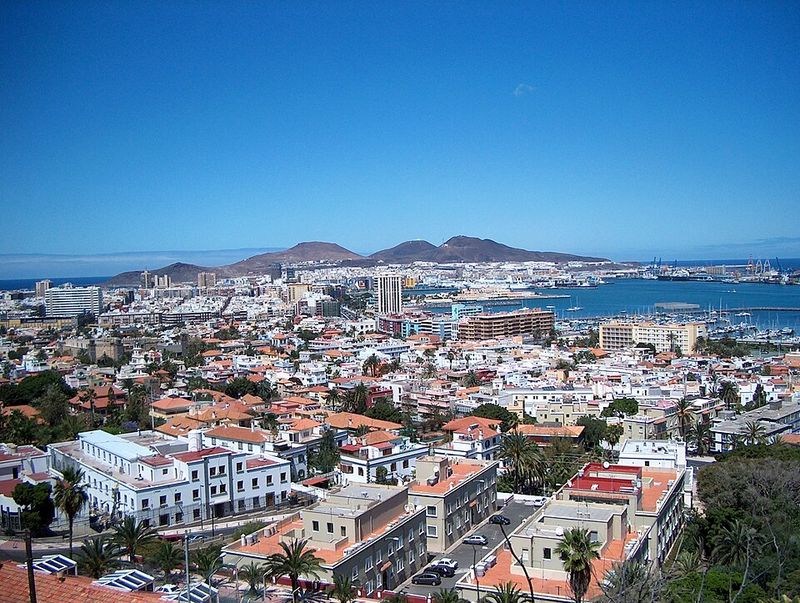
Gran Canaria surprises people with its diversity. Drive 30 minutes in any direction and you’ll encounter completely different landscapes: sand dunes, pine forests, rocky coastlines, and green valleys.
This variety means retirees can choose their ideal microclimate and lifestyle without leaving the island. The south stays sunny and dry, the north is greener and cooler, and the interior offers mountain villages with a distinctly local feel.
Las Palmas, the island’s capital, is a real city with museums, theaters, shopping districts, and a thriving food scene. It’s not just a tourist hub; it’s a place where locals live, work, and raise families, which gives the island a grounded, authentic energy.
Healthcare is excellent, with modern hospitals and English-speaking doctors, and the cost of living remains affordable despite the island’s popularity.
The expat community here is well-established, with plenty of clubs, meetups, and support networks for newcomers. Whether you want to join a hiking group, take Spanish lessons, or simply meet people for coffee, options abound.
Gran Canaria offers the perfect balance for retirees who want options: lively areas when you crave activity, quiet corners when you need peace, and everything in between without ever feeling stuck or bored.
5. Lanzarote, Canary Islands (Spain)
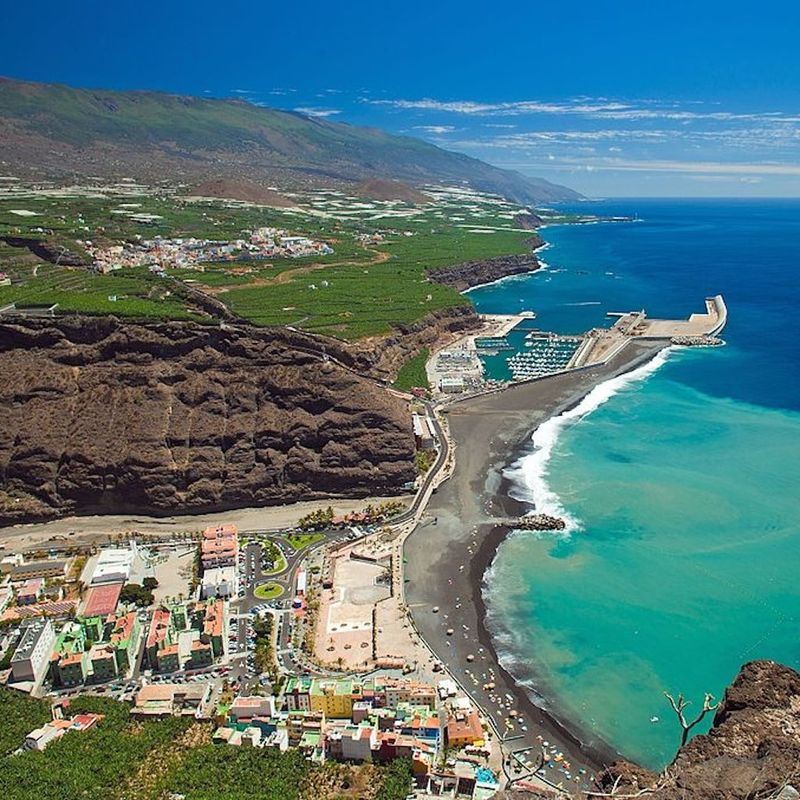
Lanzarote is the Canary Island for people who prefer calm over chaos. The volcanic landscape gives the island a dramatic, almost otherworldly beauty, and the pace of life here is noticeably slower than on Tenerife or Gran Canaria.
There’s no bustling nightlife scene, no massive resorts dominating the coastline, just quiet towns, stunning beaches, and wide-open spaces perfect for long walks and quiet reflection.
The island’s infrastructure is solid, with good healthcare, reliable services, and enough amenities to keep daily life running smoothly. English is common in expat areas, and the cost of living is reasonable, though not necessarily the cheapest in the Canaries.
What you get in exchange is space, peace, and a sense of living somewhere truly unique.
Retirees who settle in Lanzarote tend to be people who value routine, nature, and simplicity. Morning walks along the coast, afternoons reading on the terrace, evenings cooking at home or dining at a local restaurant.
The expat community is friendly but not overwhelming, and the island’s small size means you’ll quickly feel like you know your way around. If you’re looking for a retirement destination that prioritizes tranquility and natural beauty over entertainment and bustle, Lanzarote delivers exactly that.
6. Mallorca, Balearic Islands (Spain)
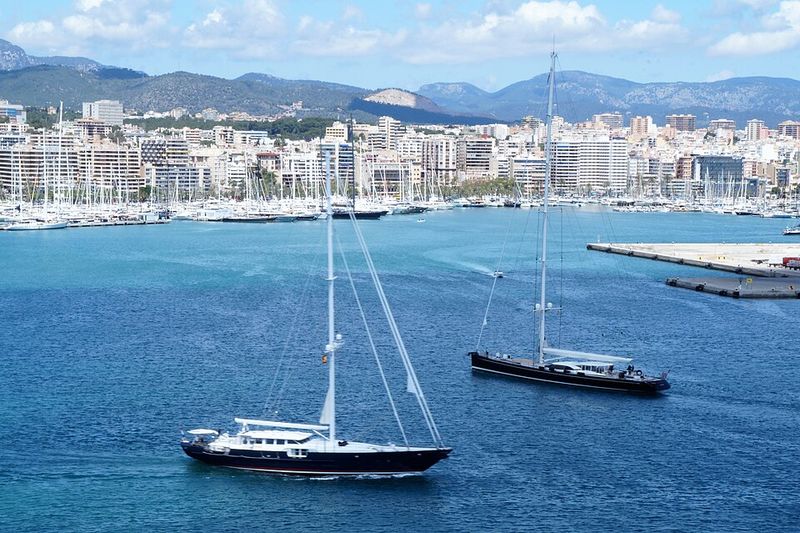
Mallorca manages to be both an island and a fully functioning place with all the conveniences of a major city. Palma, the capital, offers museums, theaters, high-end shopping, and a food scene that rivals Barcelona.
Beyond the city, the island unfolds into mountain villages, hidden coves, and agricultural valleys where life moves at a gentler pace. Retirees here can have it all: island beauty with urban sophistication just minutes away.
The island’s infrastructure is excellent, with top-tier healthcare, reliable public transport, and direct flights to cities across Europe. English is widely spoken, especially in expat-heavy areas, and the cost of living, while not cheap, is manageable compared to other Mediterranean hotspots.
Housing options range from modern apartments in Palma to traditional stone houses in rural areas.
Mallorca’s expat community is large, diverse, and well-integrated, making it easy to find friends, activities, and support networks. Whether you’re into cycling, sailing, hiking, or simply enjoying long lunches with a view, the island offers endless possibilities.
The combination of natural beauty, cultural richness, and modern conveniences makes Mallorca one of Spain’s most popular retirement destinations. If you want an island feel without sacrificing access to big-city amenities, this is the place to be.
7. Menorca, Balearic Islands (Spain)
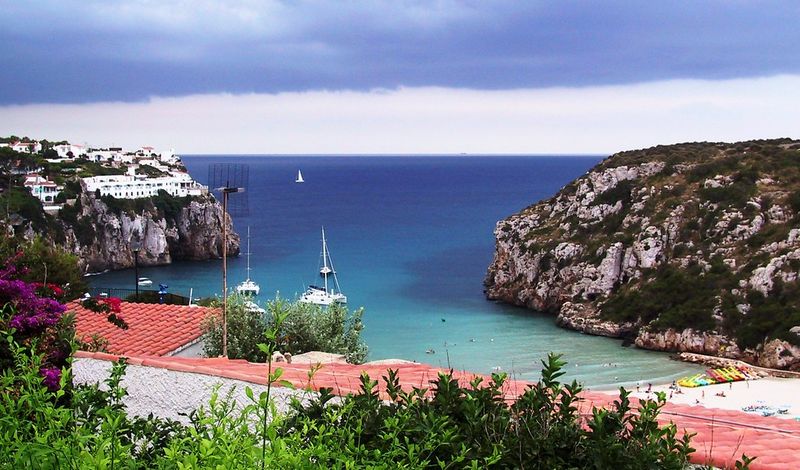
Menorca is Mallorca’s quieter sibling, a place where life moves slowly and the focus is on nature, community, and simplicity. The island is smaller, less developed, and far less crowded, making it ideal for retirees who want a peaceful Balearic experience without the hustle.
Beaches here are pristine, towns are charming without being touristy, and the overall vibe is relaxed and welcoming.
The island’s two main towns, Mahón and Ciutadella, offer everything you need for daily life: supermarkets, healthcare, restaurants, and a strong sense of local culture. English is less common than on Mallorca, but the expat community is friendly and supportive, and many locals are patient with newcomers learning Spanish.
The cost of living is reasonable, though housing can be competitive during peak season.
Menorca’s appeal lies in its balance. It’s quiet without being isolated, small without feeling limiting, and beautiful without being overrun by tourism.
Retirees here enjoy morning walks along coastal paths, afternoons exploring historic sites, and evenings dining at family-run restaurants where everyone knows your name. If you liked the idea of Mallorca but wanted something gentler and more intimate, Menorca offers exactly that.
It’s island life with a strong sense of place and community.
8. Malta (island), Malta
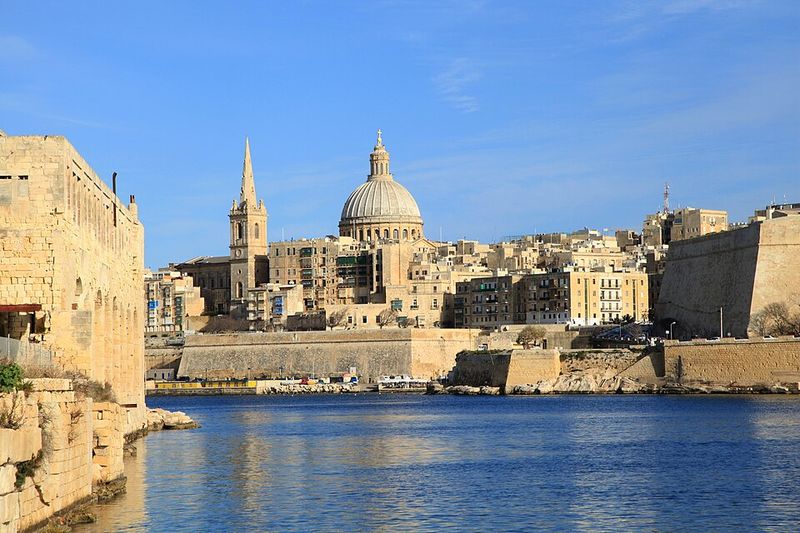
Malta is a tiny island nation with a big personality. English is an official language, a legacy of British rule, which makes the transition incredibly easy for English-speaking retirees.
The island’s compact size means everything is close: healthcare, shopping, entertainment, and social activities are all within a short drive or bus ride. Valletta, the capital, is a UNESCO World Heritage site packed with history, while coastal towns offer a more relaxed, seaside vibe.
Healthcare in Malta is modern and accessible, with both public and private options available. The expat community is large and active, with clubs, meetups, and social events happening year-round.
The cost of living is moderate, not the cheapest in Europe but far from the most expensive. Housing options range from traditional stone townhouses to modern apartments with sea views.
Malta’s sunny climate is a major draw, with over 300 days of sunshine per year. The island’s location in the Mediterranean makes it easy to explore nearby countries, and direct flights connect you to major European cities.
Social life here is vibrant, with a strong sense of community among both locals and expats. If you want a retirement destination where language barriers are minimal, services are plentiful, and the social scene is lively, Malta is hard to beat.
9. Gozo, Malta
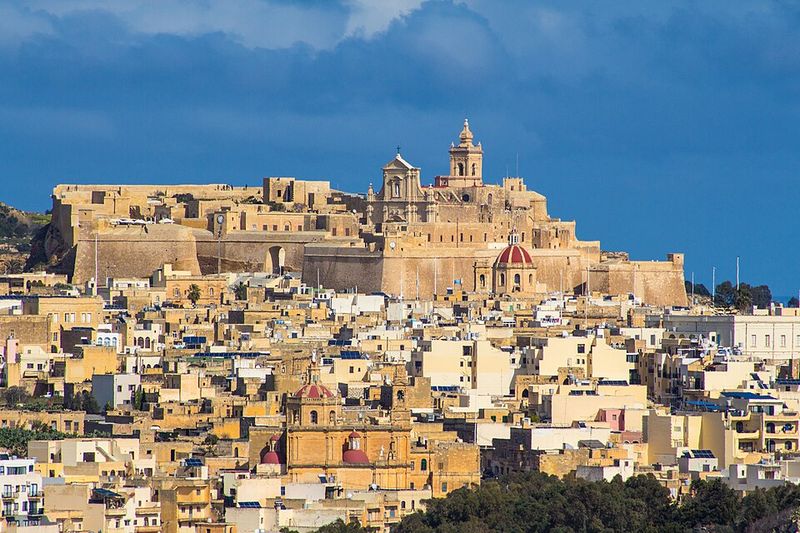
Gozo is Malta’s smaller, slower sister island, a place where life revolves around community, nature, and tradition. While Malta can feel busy and bustling, Gozo offers a gentler pace with rolling countryside, quiet beaches, and villages where everyone knows each other.
The island is small enough to explore in a day but rich enough in character to keep you engaged for years.
Healthcare on Gozo is decent, with clinics and a hospital, though more serious cases may require a short ferry ride to Malta. English is widely spoken, making daily life easy for expats, and the cost of living is similar to Malta, though housing can be limited due to the island’s small size.
The expat community is smaller but tight-knit, and newcomers are welcomed warmly.
Gozo’s appeal lies in its simplicity. Days here are filled with walks along coastal paths, visits to local markets, and meals at family-run restaurants where the menu changes with the seasons.
The island’s natural beauty is stunning, with dramatic cliffs, hidden coves, and farmland that feels timeless. Retirees who settle in Gozo tend to be people who value quiet, community, and a slower rhythm.
If you liked the idea of Malta but wanted something more peaceful and intimate, Gozo offers exactly that.
10. Cyprus (Republic of Cyprus)
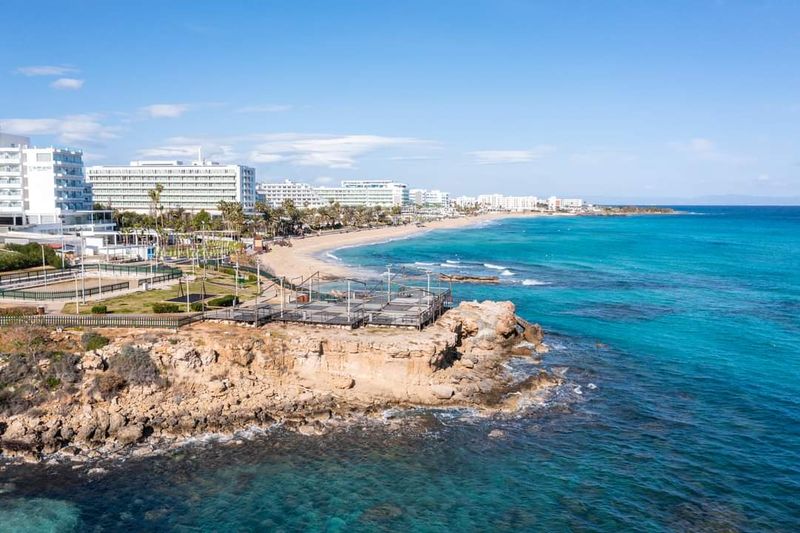
Cyprus is an entire island nation designed for sunshine and simplicity. With over 300 days of sun per year, a low cost of living, and a large English-speaking expat community, Cyprus has become a go-to retirement destination for people seeking warmth and ease.
The island’s healthcare system is modern, with both public and private options, and English is widely spoken in medical settings, shops, and restaurants.
Coastal cities like Paphos and Limassol are popular with retirees, offering beaches, promenades, and plenty of social activities. Inland areas provide a quieter, more traditional experience with mountain villages and slower rhythms.
Housing is affordable, whether you’re looking for a seaside apartment or a villa in the countryside, and the cost of living remains lower than most Western European countries.
Cyprus’s location in the eastern Mediterranean makes it easy to explore nearby countries, and direct flights connect you to major European cities. The expat community is large, diverse, and welcoming, with clubs, groups, and activities catering to all interests.
Social life here is vibrant, and making friends is easy. If you want a retirement destination that combines sunshine, affordability, and a strong expat network, Cyprus delivers all three without complication.
It’s straightforward, warm, and welcoming, a place where settling in feels natural and stress-free.
11. Crete, Greece
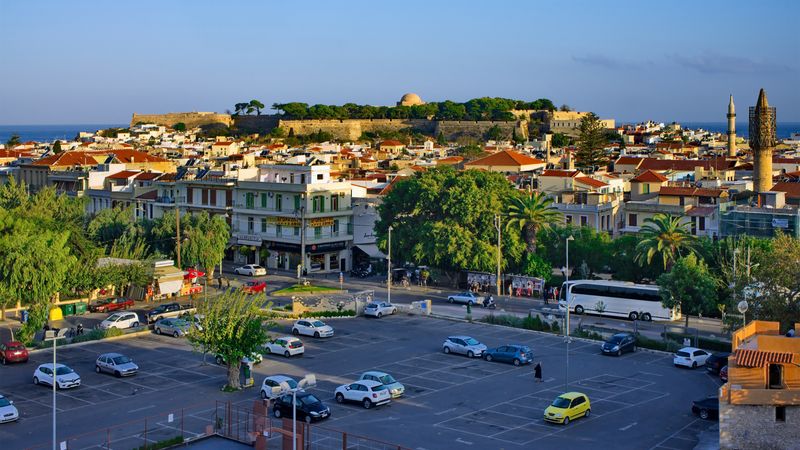
Crete is big enough to feel like a real place, not just a tourist destination. Greece’s largest island offers mountains, beaches, cities, and villages, giving retirees the freedom to choose their ideal lifestyle.
Chania and Heraklion provide urban conveniences, while rural areas offer olive groves, traditional tavernas, and a slower pace of life. The island’s size means you’ll never feel trapped or limited by island living.
Healthcare in Crete is solid, with hospitals in major cities and clinics in smaller towns. English is common in tourist areas and medical settings, though learning some Greek will help you integrate into local life.
The cost of living is affordable, especially outside peak tourist season, and housing options range from modern apartments to traditional stone houses.
Crete’s culture is rich and deeply rooted, with festivals, music, and food that reflect centuries of history. The expat community is growing, with retirees from across Europe settling here for the climate, affordability, and quality of life.
Daily life on Crete revolves around fresh food, outdoor activities, and strong community connections. If you want island life that feels authentic, grounded, and full of possibility, Crete offers all that and more.
It’s Greece at its best, with space to breathe and room to explore.
12. Corfu, Greece
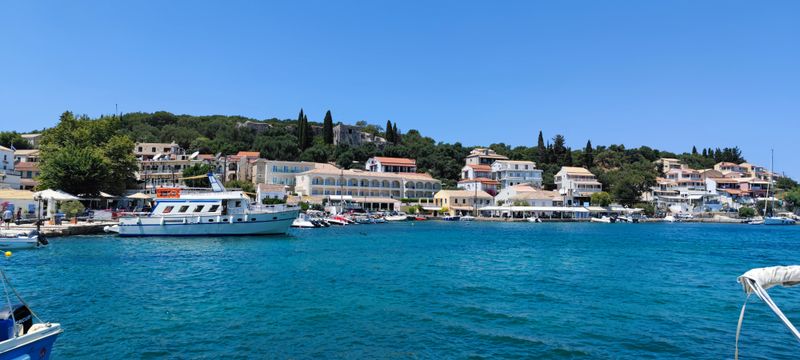
Corfu combines classic Greek island beauty with a strong expat presence and excellent infrastructure. The island’s lush greenery, Venetian architecture, and turquoise waters create a postcard-perfect setting, while modern amenities and services make daily life comfortable and convenient.
Corfu Town offers shopping, dining, and cultural activities, while coastal villages provide a quieter, more relaxed pace.
Healthcare on Corfu is good, with a hospital in Corfu Town and clinics in smaller areas. English is widely spoken, especially in expat-heavy neighborhoods, and the cost of living is reasonable compared to other Greek islands.
Housing options range from apartments in town to villas with sea views, and the expat community is large, active, and welcoming.
Corfu’s social scene is one of its biggest draws. Clubs, groups, and meetups cater to all interests, from hiking and sailing to book clubs and cooking classes.
The island’s location makes it easy to explore mainland Greece and neighboring countries, and direct flights connect you to major European cities. Daily life here revolves around outdoor activities, socializing, and enjoying the Mediterranean climate.
If you want a Greek island retirement with a strong sense of community, reliable services, and endless opportunities for connection, Corfu delivers beautifully. It’s island living with a social twist.
13. Sardinia, Italy
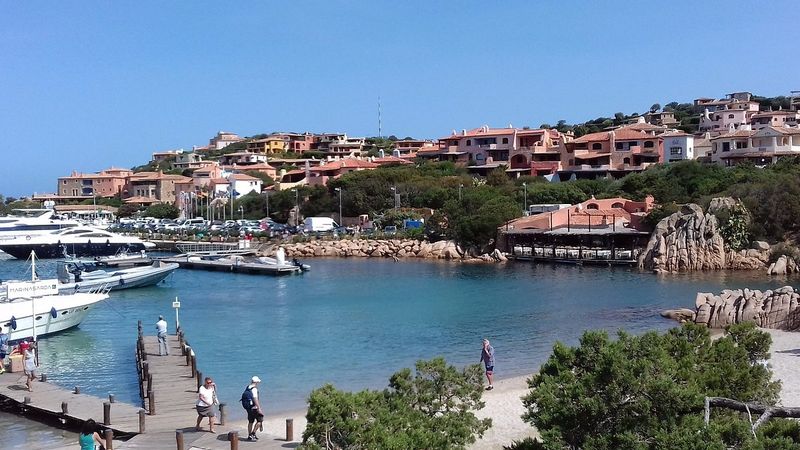
Sardinia offers Italian culture with an island twist. The food, wine, and lifestyle here are deeply rooted in tradition, and the island’s rugged beauty provides endless opportunities for exploration.
From white-sand beaches to mountain villages, Sardinia feels both wild and welcoming, a place where retirees can enjoy la dolce vita without the crowds of mainland Italy.
Healthcare in Sardinia is good, with hospitals in major cities like Cagliari and Olbia, though more specialized care may require travel to the mainland. English is less common here than in other European islands, so learning Italian will help you integrate and build connections.
The cost of living is moderate, with housing prices varying depending on location and proximity to the coast.
Sardinia’s appeal lies in its authenticity. This is not a heavily developed tourist island; it’s a place where local culture thrives, and traditions run deep.
Retirees here enjoy fresh food, outdoor activities, and a strong sense of place. The expat community is smaller but growing, and seasonal swings mean some areas quiet down in winter.
If you want Italian culture, island beauty, and a lifestyle that prioritizes food, nature, and community, Sardinia offers all three in abundance. It’s Italy with space to breathe and time to savor.
14. Sicily, Italy
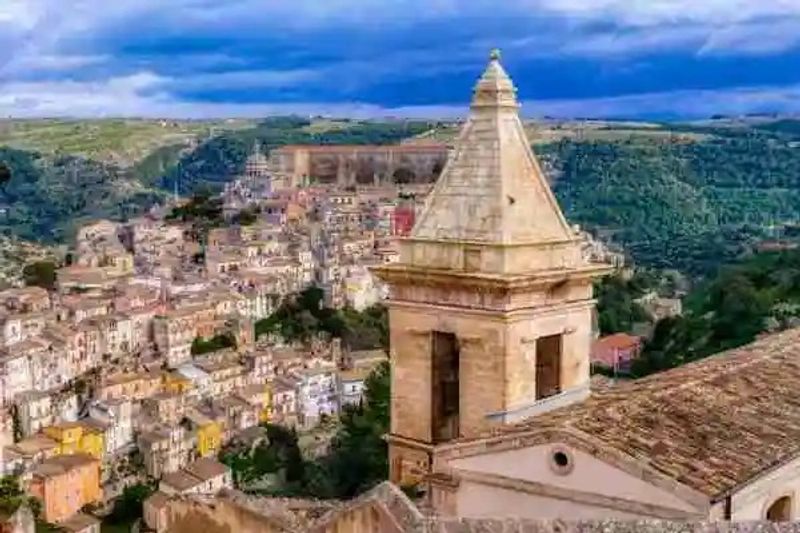
Sicily is Italy’s most affordable island, a place where history, culture, and natural beauty collide in the best possible way. Ancient ruins, baroque architecture, and vibrant markets fill the island’s cities, while coastal areas offer beaches and fishing villages with a timeless feel.
Sicily is big enough to support year-round living, with cities like Palermo and Catania offering all the amenities retirees need.
Healthcare in Sicily is solid, with hospitals and clinics throughout the island. English is less common than in northern Europe, so learning Italian will help you navigate daily life and build relationships.
The cost of living is lower than most of Italy, making Sicily an attractive option for retirees on a budget. Housing options range from apartments in historic centers to countryside homes with land.
Sicily’s culture is rich and deeply authentic, with festivals, food traditions, and a strong sense of place that runs through every corner of the island. The expat community is smaller than in other European islands, but newcomers are welcomed warmly.
Daily life here revolves around fresh food, outdoor markets, and strong community connections. If you want Italian culture, affordability, and a sense of living somewhere real and deeply rooted, Sicily delivers all that and more.
It’s island life with soul.



