 Unearth The Voyage
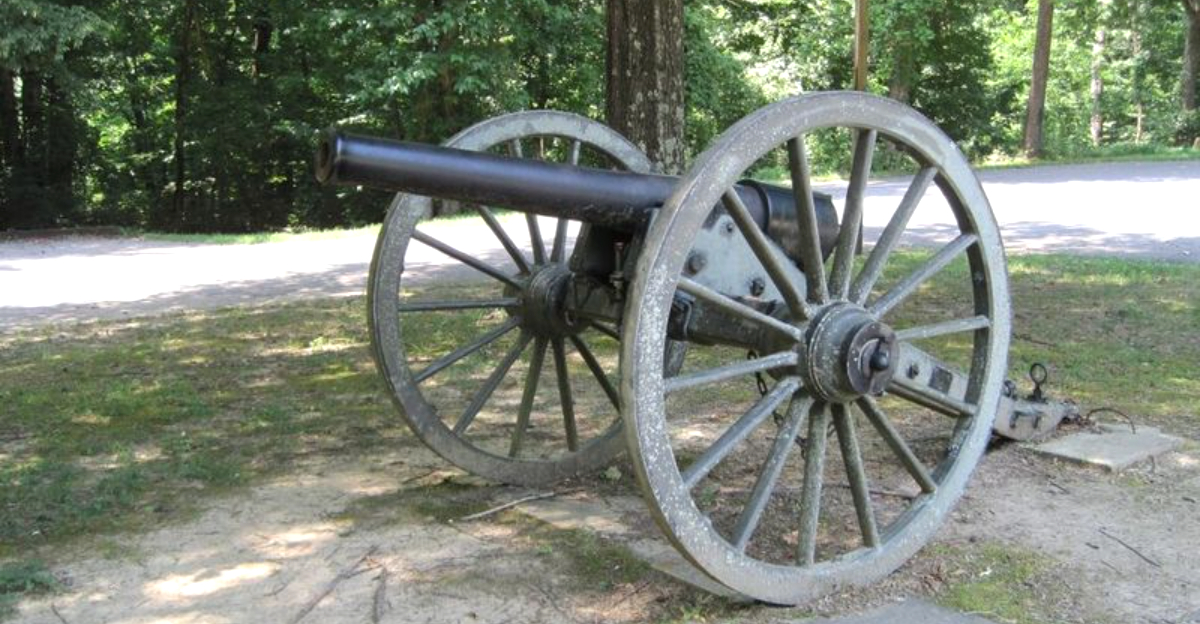
Most people know Gettysburg, but the Civil War was fought across an entire nation, from the Atlantic coast to the deserts of New Mexico. Each battlefield, prison, and courthouse tells a story that shaped the country we live in today.
Some of these places decided who would win the war. Others decided what kind of country America would become after the guns went silent.
Fort Sumter, South Carolina
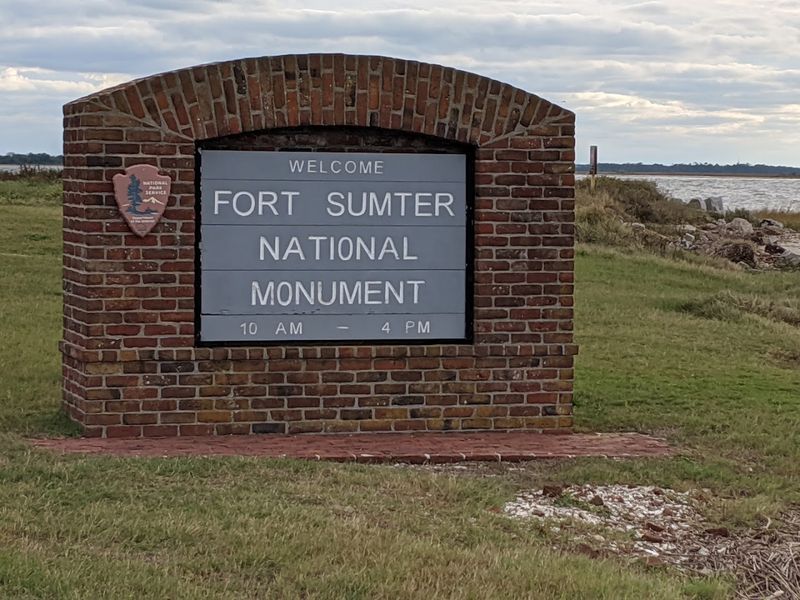
The first shots of the Civil War were not fired by a soldier charging across a field. They were fired at a fort sitting quietly in a harbor.
On April 12, 1861, Confederate artillery opened fire on Fort Sumter, and the United States was never the same again.
Before that morning, war was still just a political argument. After it, over 600,000 people would die.
Fort Sumter sits in Charleston Harbor, and you can reach it by ferry today. The fort itself is surprisingly small when you see it up close.
Standing on those battered walls, I kept thinking about the Union soldiers who watched Confederate shells rain down for 34 hours straight. They eventually surrendered without losing a single man in combat.
Fort Sumter was later recaptured by the Union, and today it stands as a powerful reminder that wars rarely start the way anyone expects.
Antietam, Maryland
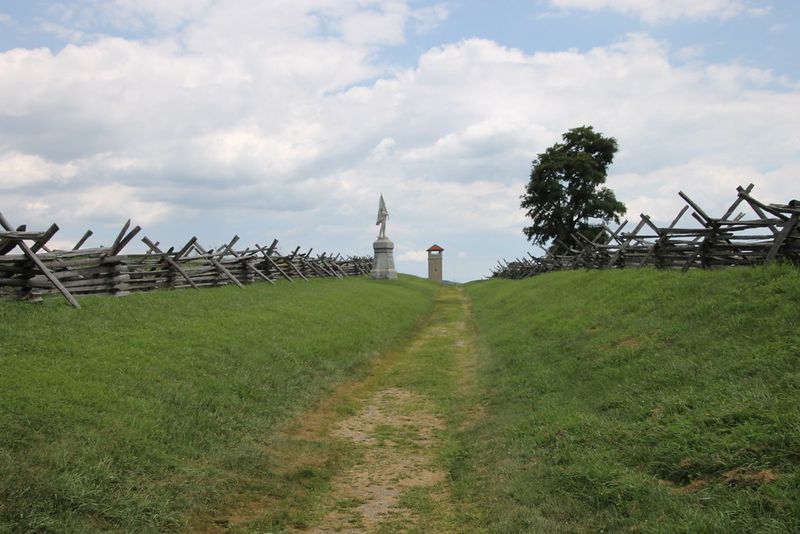
September 17, 1862, holds the grim title of the bloodiest single day in American history. Over 22,000 soldiers were killed, wounded, or went missing at Antietam.
That is more American casualties in one day than in the War of 1812 and the Mexican-American War combined.
The battle itself was tactically a draw, but strategically it was a massive Union win. President Lincoln had been waiting for a Union victory to announce the Emancipation Proclamation.
Antietam gave him that opening, and he used it five days later.
Walking the cornfield where the fighting was most brutal, you feel how personal this ground is. The Sunken Road, nicknamed Bloody Lane, saw so many casualties that bodies reportedly piled three deep.
Antietam changed the war from a fight to preserve the Union into a fight to end slavery. That shift changed everything about what victory would actually mean.
Shiloh, Tennessee
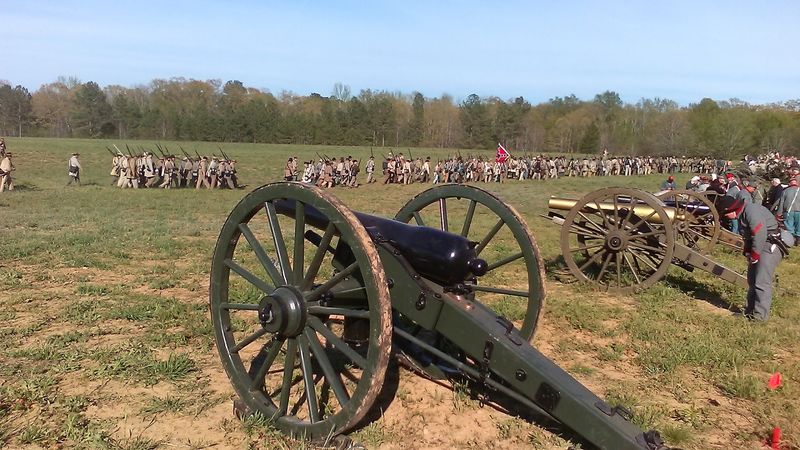
Nobody was ready for Shiloh. When Confederate General Albert Sidney Johnston launched a surprise attack on April 6, 1862, Union soldiers were literally eating breakfast.
Some were still in their tents. The assault nearly destroyed Ulysses S.
Grant’s army before noon.
What followed was two days of some of the most savage fighting of the entire war. By the time it ended, both sides had suffered a combined 23,000 casualties.
The North won, but the cost shocked the entire country.
Shiloh shattered the popular belief that the war would be short and glorious. After those two days in Tennessee, everyone understood this would be a long, grinding, brutal conflict.
Grant himself later wrote that after Shiloh, he gave up all hope of a quick resolution. The park today is beautifully preserved, with over 150 monuments scattered across the quiet Tennessee woods where so much chaos once erupted.
Vicksburg, Mississippi
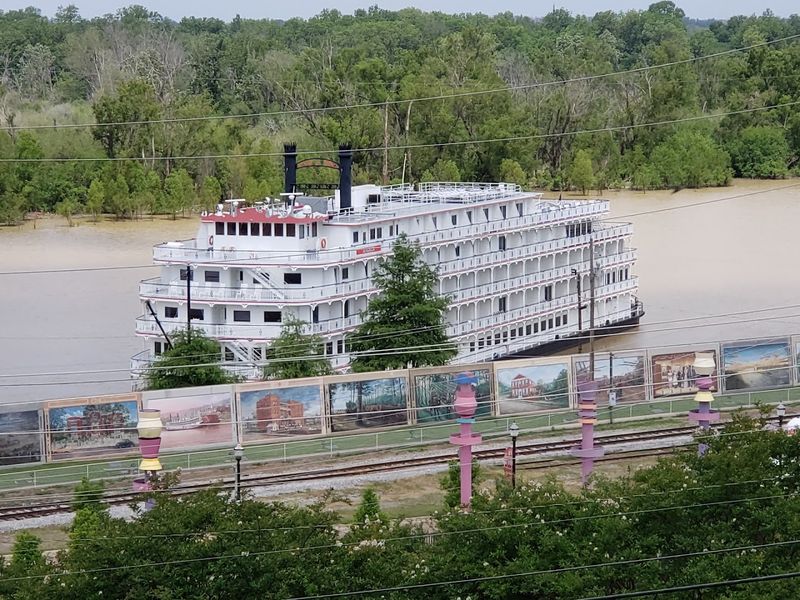
Control the Mississippi River, control the Confederacy. That was the Union strategy, and Vicksburg was the lock on the door.
Perched on high bluffs above the river, the city was so well defended that Grant tried and failed multiple times to take it.
His solution was bold and a little crazy. He marched his army through swamps, crossed the river south of the city, and laid siege to Vicksburg for 47 days.
Civilians dug caves to survive the constant shelling. When the city finally surrendered on July 4, 1863, the Confederacy was literally cut in half.
Combined with the Union victory at Gettysburg the day before, the fall of Vicksburg marked the true turning point of the war. The park today features over 1,300 monuments, and you can still see the earthworks where Union and Confederate soldiers sometimes stood just yards apart.
It is one of the most impressive military parks in the country.
Fort Pillow, Tennessee
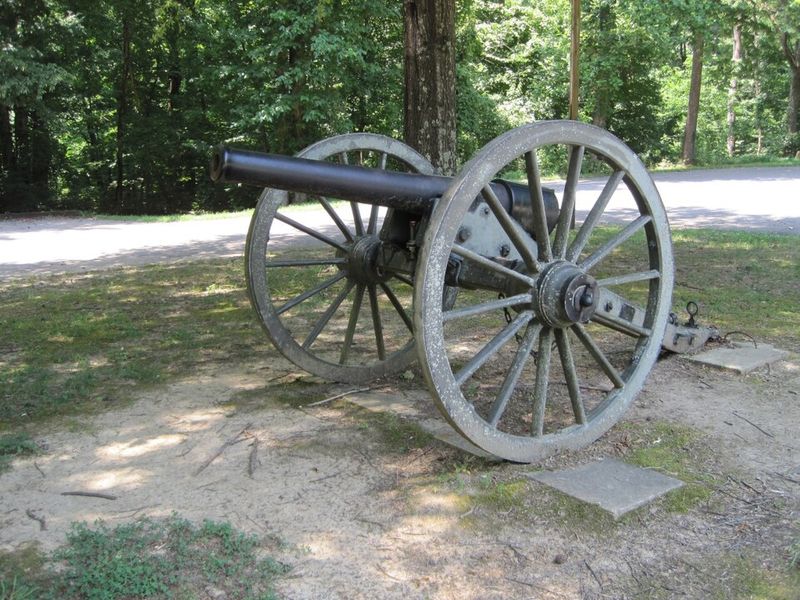
Some Civil War battles are remembered for strategy. Fort Pillow is remembered for a massacre.
On April 12, 1864, Confederate cavalry under General Nathan Bedford Forrest overran this Union garrison on the Mississippi River bluffs.
What happened after the fort fell is deeply disturbing. A large portion of the Union garrison was made up of Black soldiers.
Eyewitness accounts and a congressional investigation found that Confederate troops killed many of these soldiers after they had surrendered, rather than taking them as prisoners of war. The death toll among Black troops was far higher than among white soldiers.
Fort Pillow became a rallying cry. Black Union soldiers went into future battles shouting its name.
The massacre sparked outrage across the North and hardened the Union’s resolve to fight. It also exposed the brutal reality that Black soldiers faced a different and far more dangerous war.
This site forces visitors to reckon with the ugliest parts of this conflict.
Andersonville, Georgia
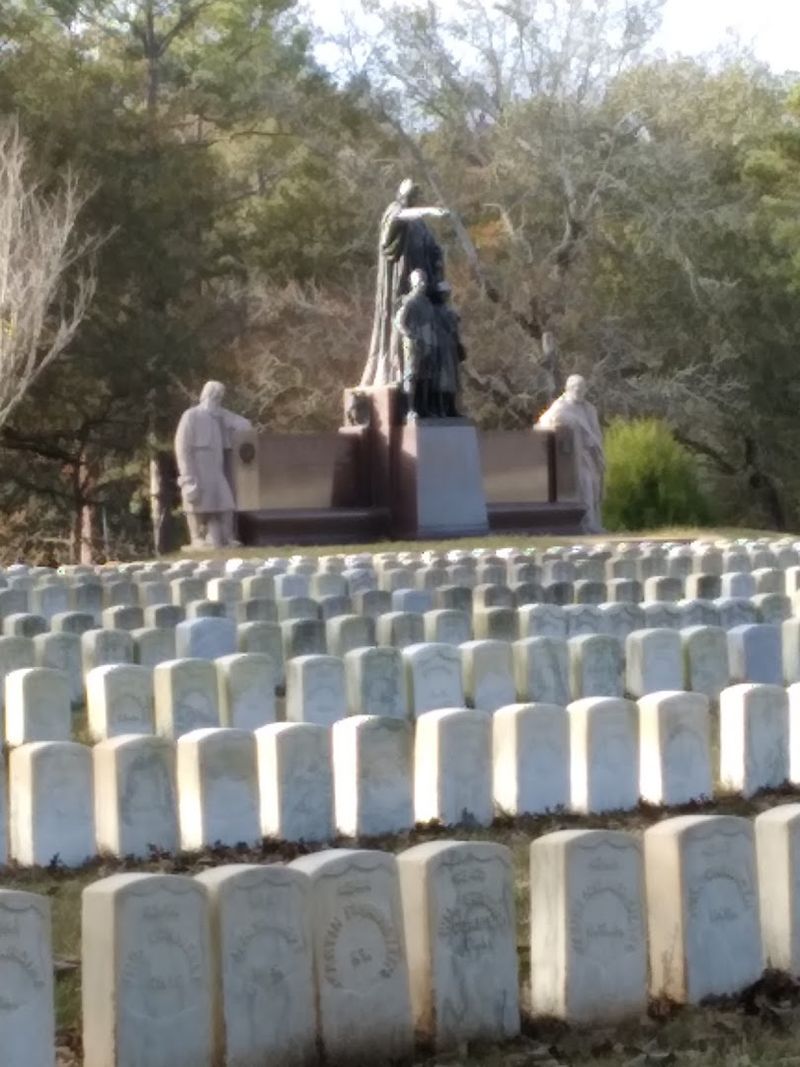
Andersonville was not a battlefield. It was something arguably worse.
Built in early 1864 to hold 10,000 Union prisoners, Camp Sumter at Andersonville eventually crammed over 32,000 men into a space the size of a few city blocks.
There was almost no shelter, barely any food, and the only water source was a creek that also served as a sewer. In just 14 months of operation, nearly 13,000 Union prisoners died there.
The commandant, Captain Henry Wirz, was later executed for war crimes, making him one of only a handful of people hanged for Civil War atrocities.
Andersonville today is also home to the National Prisoner of War Museum, which honors American POWs from every conflict. Visiting is genuinely sobering.
The Providence Spring, which reportedly burst from the ground during a rainstorm, is still there. Prisoners believed it was a miracle.
Whether or not it was, the story captures the desperate hope people cling to in the darkest places.
Appomattox Court House, Virginia
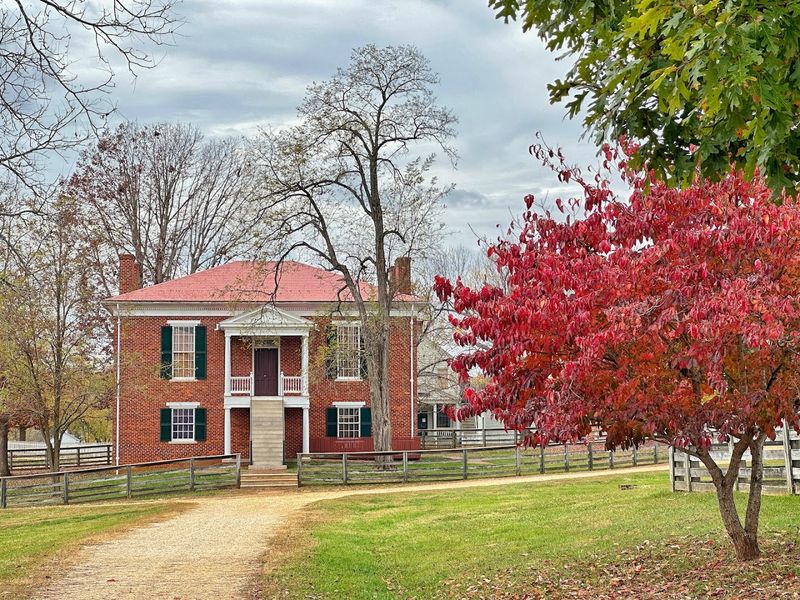
On April 9, 1865, Robert E. Lee walked into Wilmer McLean’s parlor and walked out as the general who ended the Civil War.
The surrender at Appomattox Court House was not just the end of a battle. It was the end of four years of catastrophic bloodshed.
What makes Appomattox remarkable is how it ended. Grant’s terms were surprisingly generous.
Confederate soldiers could go home. Officers kept their sidearms.
Men who owned their own horses could keep them for spring plowing. Lee reportedly told Grant the terms would have a very good effect on his men.
The McLean House has been restored to its 1865 appearance, and walking through it feels oddly quiet for a place where history pivoted so dramatically. Wilmer McLean, by the way, had previously lived near Manassas, where the first major battle of the war was fought on his farm.
The war literally started and ended in his living rooms.
Harpers Ferry, West Virginia
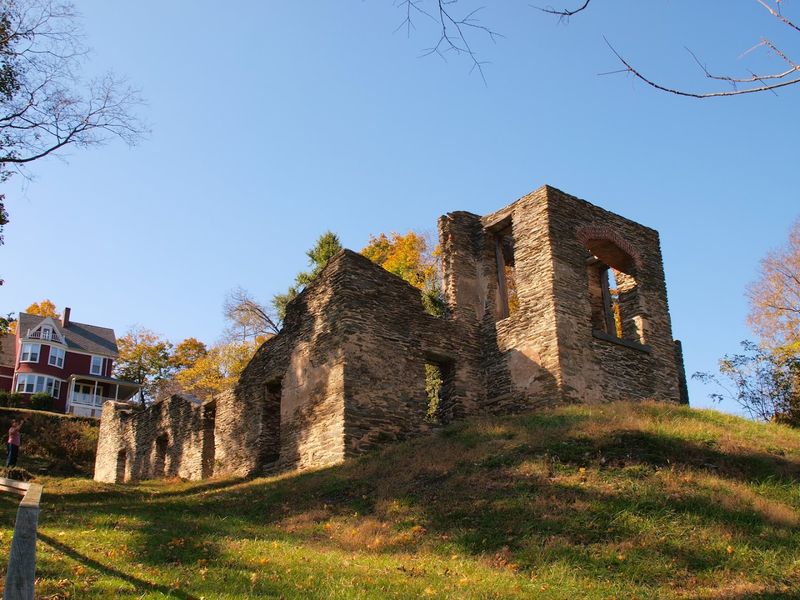
Before the Civil War even started, Harpers Ferry was already on fire. In October 1859, abolitionist John Brown led a raid on the federal arsenal here, hoping to spark a slave uprising across the South.
It failed spectacularly, but the shockwaves never stopped.
Brown was captured by Robert E. Lee, tried for treason, and hanged.
But his raid terrified the South and electrified abolitionists in the North. It pushed an already divided country closer to the breaking point.
When war finally came two years later, both sides understood that Harpers Ferry was about more than guns.
The town itself changed hands eight times during the war, which tells you how strategically important it was. Today it sits at the confluence of the Potomac and Shenandoah rivers, looking almost exactly as it did in the 1860s.
The hike up to Jefferson Rock gives you a view that Thomas Jefferson once called worth a voyage across the Atlantic. He was not wrong.
The Crater, Petersburg, Virginia
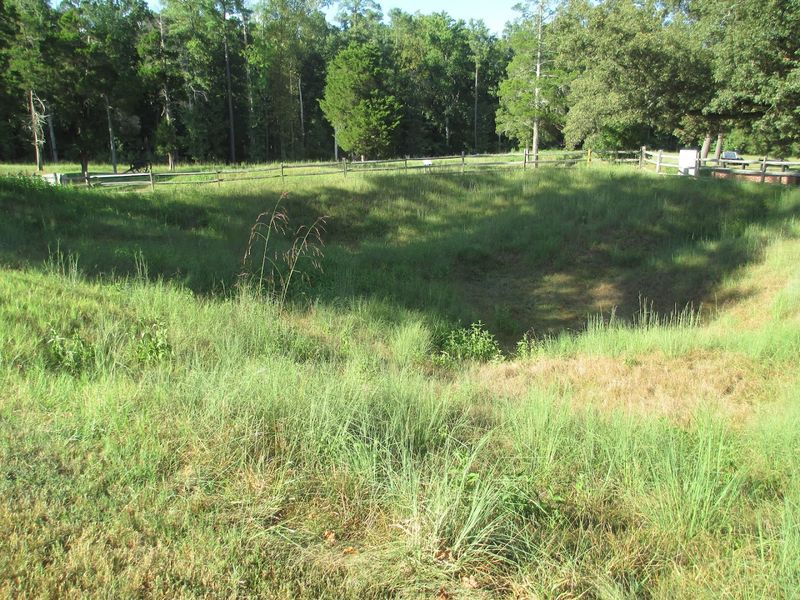
Someone actually thought this would work. Union engineers spent weeks digging a 511-foot tunnel under Confederate lines at Petersburg, packed it with four tons of gunpowder, and blew a hole in the earth the size of a swimming pool.
The plan was bold, creative, and then went completely sideways.
On July 30, 1864, the explosion created a massive crater 170 feet long and 30 feet deep. Union soldiers were supposed to charge around the crater.
Instead, thousands of them charged into it, where they became sitting targets for Confederate troops firing down from the rim above.
The Battle of the Crater became one of the Union’s most embarrassing defeats of the war. Black Union soldiers, who had trained specifically for this assault, were held back at the last minute and then sent in after the disaster had already unfolded.
The crater still exists today at Petersburg National Battlefield, a literal hole in the ground filled with hard lessons.
Olustee, Florida
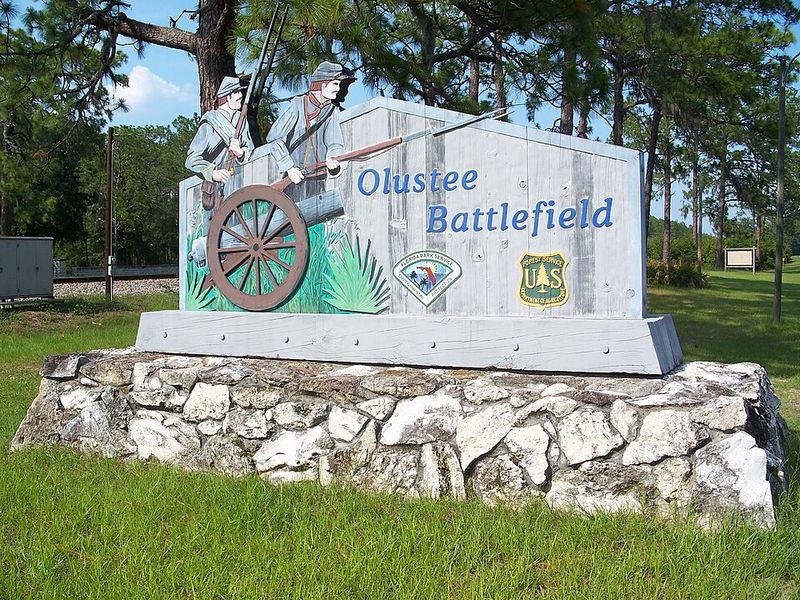
Florida does not usually come up in Civil War conversations, but the state was more involved than most people realize. Olustee was the largest Civil War battle fought in Florida, and it was a decisive Confederate victory that sent Union forces retreating back to Jacksonville.
The February 1864 battle lasted only about four hours, but it was ferocious. Union forces suffered over 1,800 casualties out of roughly 5,500 men engaged.
Three Black Union regiments fought at Olustee, and their performance under brutal conditions drew significant attention in Northern newspapers.
The Union’s goal had been to cut off Confederate supplies of beef and salt, which Florida provided in huge quantities to Confederate armies. Olustee stopped that plan cold.
The battle also showed that even states far from the main theaters of war played crucial supporting roles in the Confederate war effort. The park today is small but well-maintained, with an annual reenactment that draws thousands of visitors every February.
Palmito Ranch, Texas
The Civil War ended on April 9, 1865, at Appomattox. Except nobody told the guys in Texas.
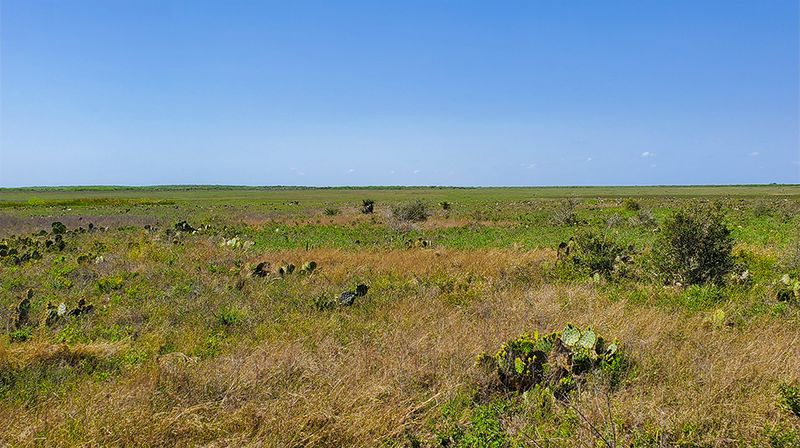
The last land battle of the Civil War was fought at Palmito Ranch, near Brownsville, Texas, on May 12 and 13, 1865, more than a month after Lee’s surrender.
In a twist that history loves to serve up, the Confederates won. A Union force attacked a Confederate position along the Rio Grande and was eventually driven back with significant losses.
The men fighting had no idea the war was officially over. Some historians believe the Confederate commander knew about the surrender but chose to fight anyway.
Private John J. Williams of Indiana holds the unfortunate distinction of being the last Union soldier killed in the Civil War.
He died in a battle that decided absolutely nothing. Palmito Ranch is a flat, quiet stretch of South Texas prairie today, with a historical marker that most drivers probably zoom right past.
It deserves more attention than it gets.
New Market, Virginia
Two hundred forty-seven teenage cadets from the Virginia Military Institute changed a battle here on May 15, 1864. When Confederate lines began buckling under Union pressure, VMI sent its corps of cadets, some as young as 15, into the fight.
They helped turn the tide and push Union forces from the field.
Ten cadets were killed or mortally wounded. The rest became legends.
Every year on May 15, VMI still holds a ceremony where cadets march onto the parade ground and the names of the fallen are called. When each name is read, a current cadet answers, “Dead on the field of honor.” I have heard that ceremony described by veterans who say it never fails to raise the hair on the back of your neck.
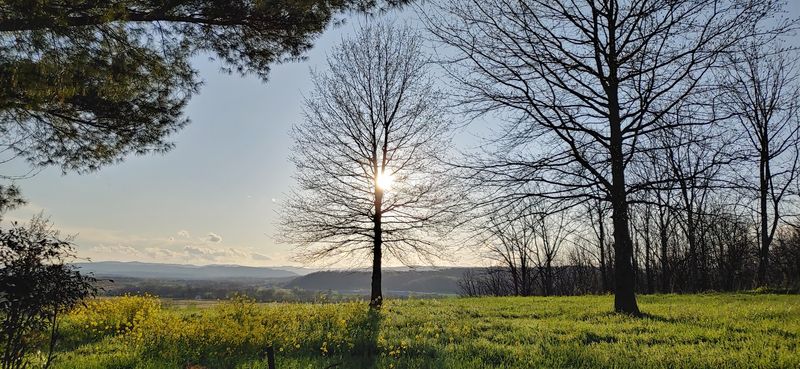
The New Market battlefield sits in the beautiful Shenandoah Valley with stunning views of the Blue Ridge Mountains. The Hall of Valor Civil War Museum on the grounds is excellent and well worth the visit.
Fort Monroe, Virginia
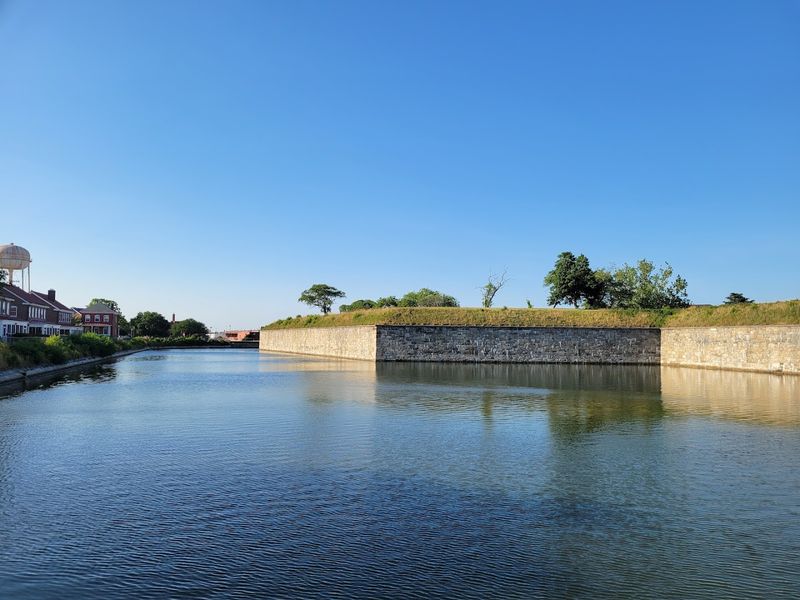
Fort Monroe never fell to the Confederacy. Surrounded by Confederate Virginia on three sides, the massive stone fort at the tip of the Hampton Roads peninsula stayed in Union hands throughout the entire war.
It became something remarkable as a result.
In May 1861, three enslaved men named Frank Baker, Shepard Mallory, and James Townsend escaped to Fort Monroe and asked for asylum. The fort’s commander, General Benjamin Butler, refused to return them to their Confederate owner, calling them contraband of war.
The legal logic was creative, but it worked.
Word spread fast. Within months, thousands of freedom-seeking Black Americans were flooding into Fort Monroe.
Butler’s contraband decision was a legal workaround that eventually helped push Lincoln toward the Emancipation Proclamation. The fort later held Jefferson Davis as a prisoner after the war.
Today it is a national monument, and you can walk the same grounds where freedom was first officially recognized on American soil.
Honey Springs, Oklahoma
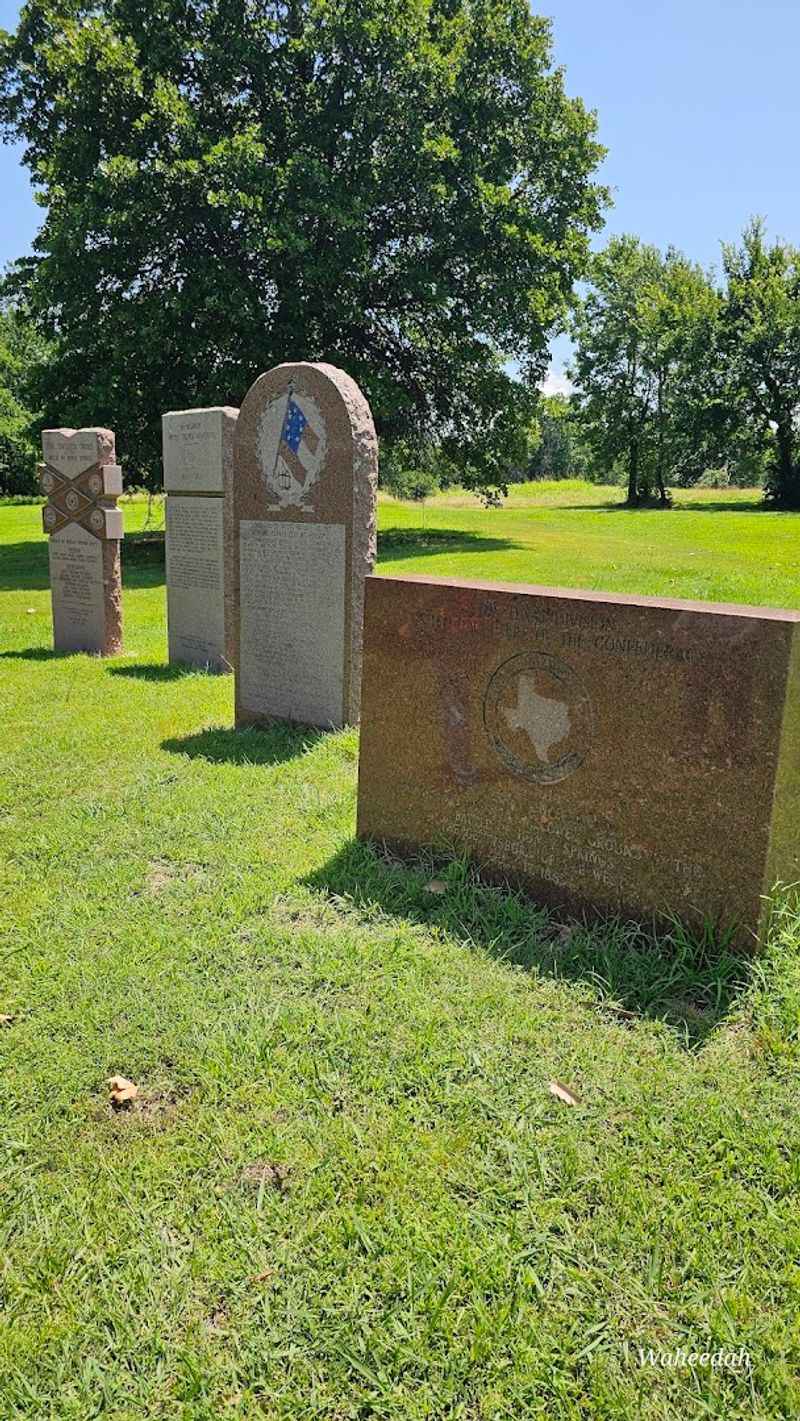
The largest Civil War battle fought in Indian Territory took place at Honey Springs, in present-day Oklahoma, on July 17, 1863. What made it unusual was the remarkable diversity of the armies involved.
Union forces included Black soldiers and Native American troops. Confederate forces included Native American regiments as well.
The Five Civilized Tribes were deeply split over the war. Some members of the Cherokee, Creek, and other nations sided with the Confederacy, while others supported the Union.
The battle of Honey Springs reflected that painful division, with Native Americans literally fighting each other in someone else’s war.
The Union won decisively, which effectively ended Confederate control over Indian Territory. For the Black soldiers of the 1st Kansas Colored Infantry, it was also a chance to prove themselves under fire, months before the famous assault on Fort Wagner.
Honey Springs is rarely mentioned in mainstream Civil War histories, which is a genuine shame. The battlefield park in Checotah, Oklahoma, is free and worth the detour.
Glorieta Pass, New Mexico
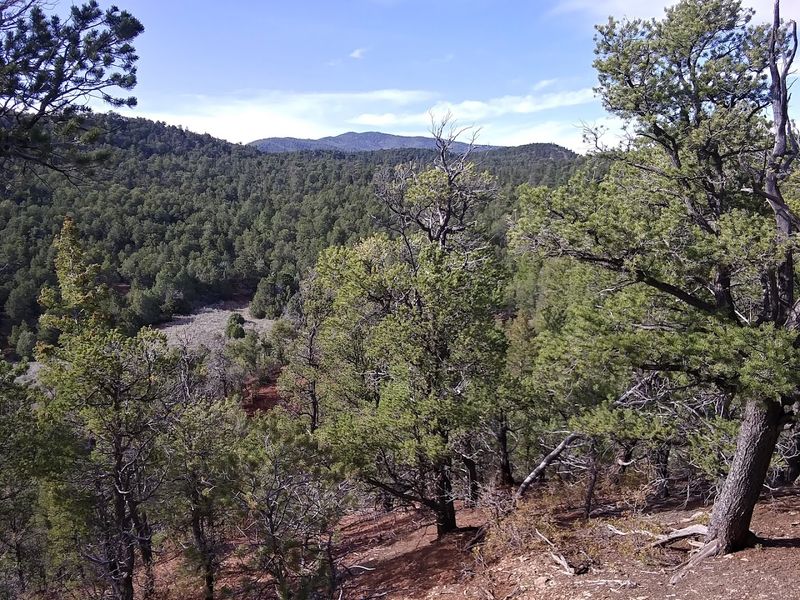
The Civil War reached the Rocky Mountains, and not many people know it. In March 1862, Confederate forces from Texas marched into New Mexico Territory with a bold plan to capture Colorado’s gold mines, then push west to California and cut the Union off from the Pacific coast.
The Battle of Glorieta Pass stopped that plan permanently. Union forces from Colorado, including a group of volunteers called the Pike’s Peakers, fought a two-day battle in this narrow mountain pass.
The decisive moment came when a Union detachment destroyed the Confederate supply train, including food, ammunition, and medical supplies. Without supplies, the Confederate army had to retreat all the way back to Texas.
Glorieta Pass is sometimes called the Gettysburg of the West, and while that comparison is debatable, the strategic importance is not. If the Confederates had succeeded, the entire western half of the continent might have changed hands.
The pass is accessible today and offers both great hiking and genuinely important history.
Camp Nelson, Kentucky
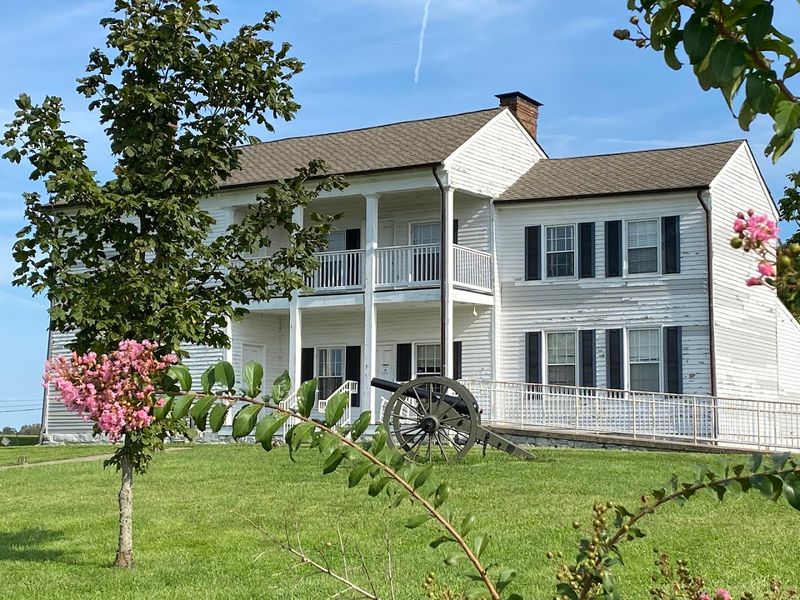
Camp Nelson started as a Union supply depot and became something far more significant. By 1864, it was one of the most important recruitment and training centers for Black Union soldiers in the entire country.
Over 10,000 Black men enlisted here, making it a place of profound transformation.
The complicated part is what happened to the families those men left behind. When soldiers enlisted, their wives and children, many still technically enslaved, followed them to Camp Nelson seeking safety.
In November 1864, military authorities expelled over 400 women and children from the camp in freezing weather. Several people died.
The resulting public outrage helped accelerate the passage of legislation freeing the families of Black Union soldiers.
Camp Nelson became a National Monument in 2018, which is long overdue. The visitor center is excellent and tells the full story with real honesty.
For anyone wanting to understand how Black Americans shaped the Union war effort and pushed the country toward emancipation, this Kentucky site is absolutely essential.
The White House of the Confederacy, Richmond, Virginia
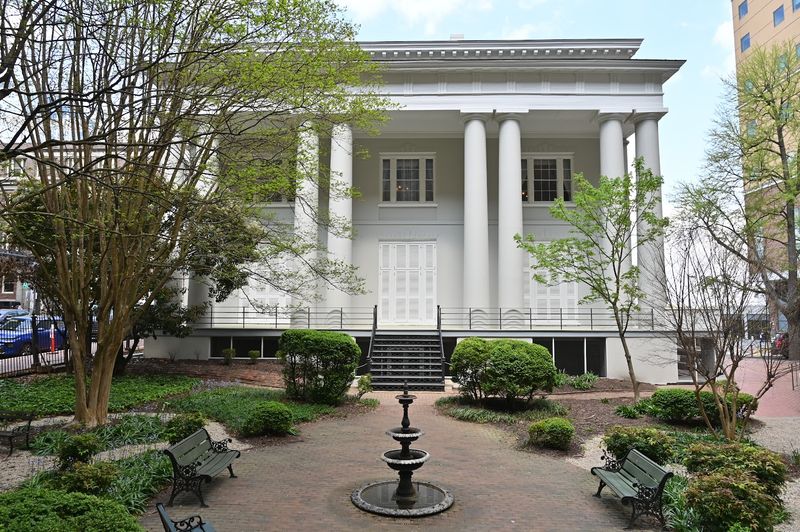
Jefferson Davis lived here while commanding a nation fighting to preserve slavery. The White House of the Confederacy in Richmond served as the executive mansion of the Confederate States from 1861 to 1865, and it is one of the best-preserved buildings of the entire Civil War era.
Walking through the rooms where Davis planned strategy, hosted diplomats, and watched his government slowly crumble is a strange experience. The house is meticulously restored, with original furniture and personal belongings still in place.
Davis’s children played in the same backyard where Union soldiers eventually camped after Richmond fell.
The house sits next to the American Civil War Museum, which does an exceptional job of presenting the war from multiple perspectives, including Confederate, Union, and enslaved people’s viewpoints. That balance makes it one of the most thoughtful Civil War museums in the country.
The White House itself is a physical reminder that the Confederacy was a real government with real power for four very destructive years.



