 Unearth The Voyage
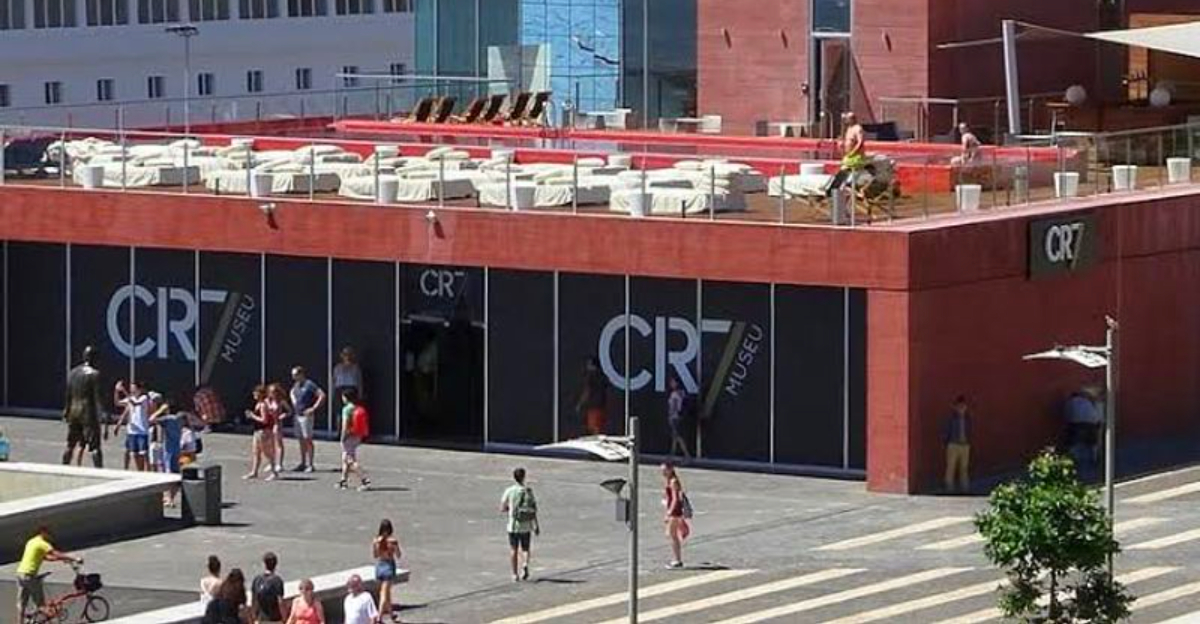
Cristiano Ronaldo is part of Madeira’s story in a way you can actually experience while you’re there. Beyond the ocean views and laid-back island rhythm, his legacy shows up in real places that visitors can step into, walk through, and even stay at.
This isn’t only for soccer fans. Even if you don’t follow the sport, it’s a fun, unexpected angle on Madeira that adds culture, design, and a bit of local pride to your itinerary.
From a trophy-filled space to a sleek spot by the water, there’s more connected to Ronaldo here than most travelers expect. Here’s where to go if you want to see that side of the island for yourself.
1. It’s in the easiest possible location for a quick visit
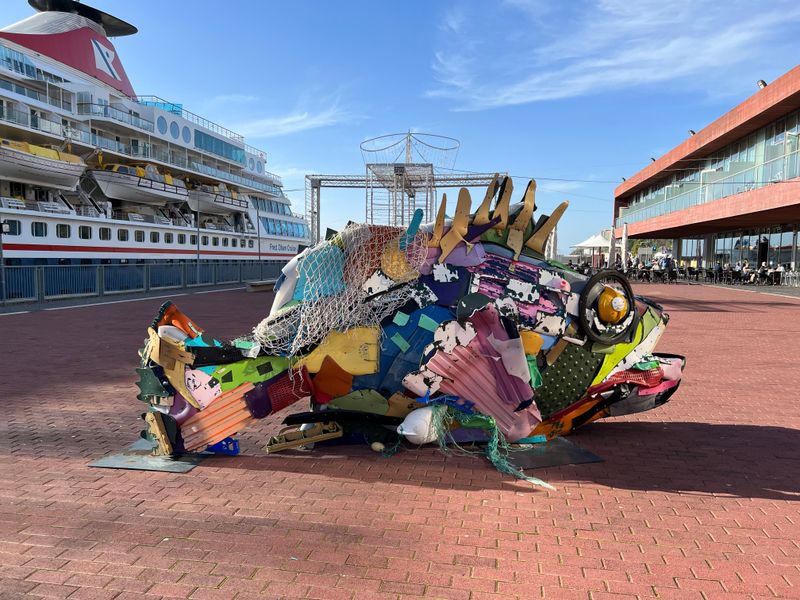
Funchal’s harbor area makes everything ridiculously convenient. You can literally walk off a cruise ship and be inside the museum within minutes.
No taxi drama, no confusing directions, just a straight shot from the water.
I passed through on a port day once and had exactly three hours before the ship left. The museum was so close I actually had time to browse, take photos, and still grab lunch at a harbor café without breaking a sweat.
That’s the beauty of this setup.
The marina vibe adds to the experience too. After checking out trophies and memorabilia, you step outside to boats bobbing in the water and tourists strolling along the promenade.
It feels less like a pilgrimage to some remote shrine and more like a natural part of exploring Funchal’s waterfront scene.
Even if you’re staying elsewhere on the island, getting here is simple. Buses run regularly, and most hotels are within a quick ride.
The location removes every possible excuse for skipping it, which is probably exactly what Ronaldo’s team intended when they chose this spot for the complex.
2. The museum started in 2013 but the waterfront setup came later
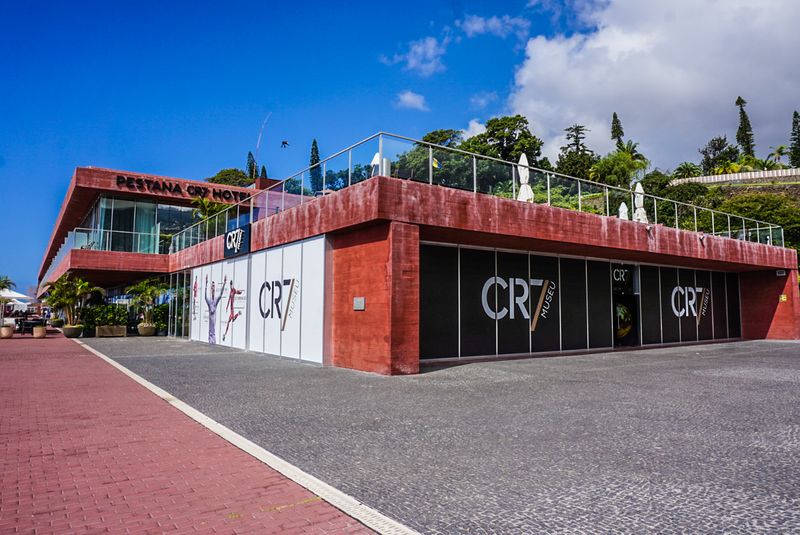
Museu CR7 didn’t always sit where you find it today. The original version opened back in 2013, but the slick waterfront location came later when everything shifted to the marina complex in December 2016.
Think of it as version 2.0 of the Ronaldo museum experience.
Why the move? The waterfront location makes way more sense for foot traffic and tourism flow.
The old spot was fine, but this setup puts the museum right where cruise passengers and harbor visitors naturally congregate. Smart business move, really.
The relocation also tied the museum more closely to the CR7 hotel project, creating a mini Ronaldo district along the water. Now you’ve got trophies, accommodation, dining, and shopping all clustered together.
It’s basically a one-stop Ronaldo experience rather than scattered pieces across town.
What’s cool is how the newer space feels purpose-built for what it displays. The 2016 version isn’t just a relocated collection crammed into a new building.
It’s designed around the exhibits, with better flow, more interactive elements, and that Instagram-ready aesthetic modern museums need. The move upgraded the whole experience beyond just changing addresses.
3. You’re not going for a soccer museum – you’re going for a trophy vault
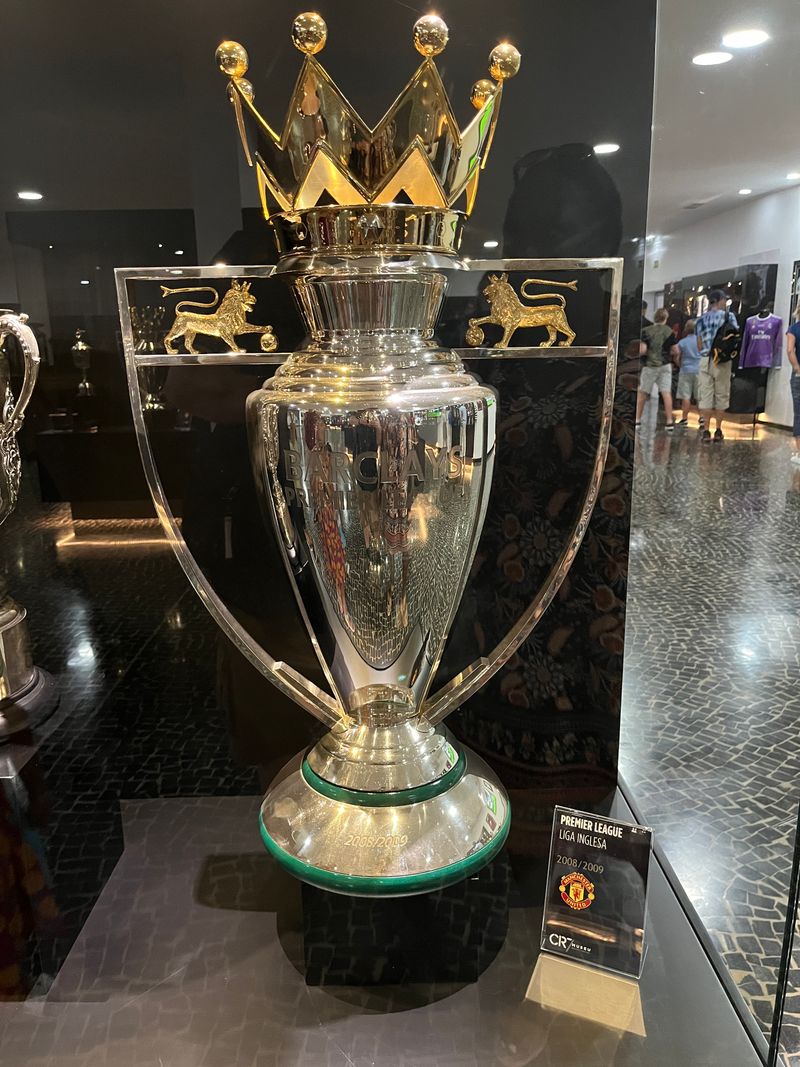
Walking into Museu CR7 feels less like entering a history museum and more like stepping into someone’s personal hall of fame. Over a hundred trophies gleam behind glass, each one representing a specific achievement, match, or season.
It’s not about soccer’s evolution or the sport’s greatest moments. It’s about one player’s collection of wins.
The official tourism materials don’t exaggerate when they call it a trophy showcase. You’re looking at Ballon d’Ors, Champions League hardware, national team silverware, and individual awards most players never get close to touching.
The presentation style is pure highlight reel, each case telling a victory story.
What strikes you is how personal it all feels. These aren’t replicas or loan items from various clubs.
This is Ronaldo’s actual stuff, the physical proof of every major career milestone. You’re basically walking through his résumé, except instead of bullet points on paper, you’re seeing golden boots and championship medals.
If you’re expecting deep dives into soccer tactics or Madeira’s sporting history, you’ll be disappointed. But if you want to see what greatness looks like when it’s collected in one room, this delivers exactly that.
It’s achievement architecture, pure and simple.
4. Expect the headline items fans ask about first
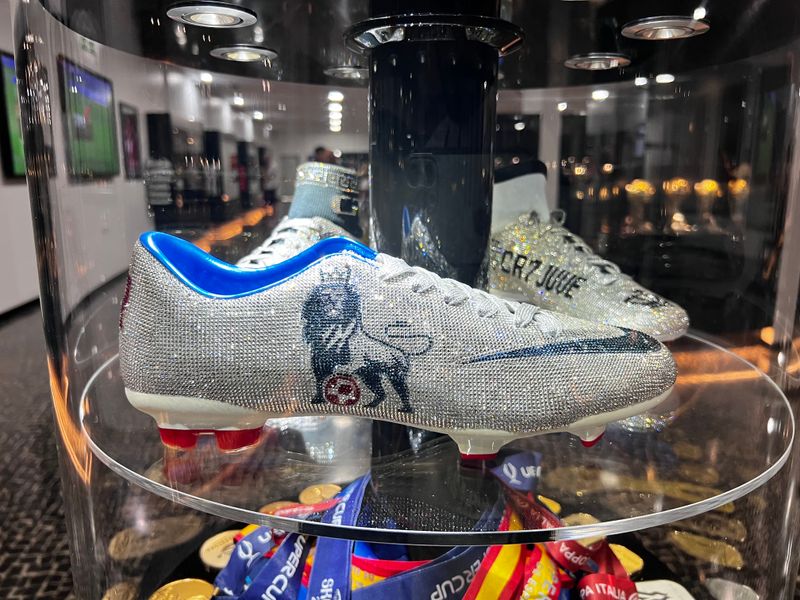
People don’t travel to Funchal just to see random memorabilia. They come for the big-ticket items, the awards that made headlines worldwide.
Ballon d’Or trophies take center stage because those are the ones casual fans and hardcore supporters alike recognize instantly. They’re football’s Oscars, and seeing them in person hits differently than photos online.
Beyond individual honors, you’ll find Champions League hardware and Portuguese national team pieces that tell the story of Ronaldo’s career arc. These aren’t just shiny objects.
They represent specific matches, tournaments, and moments that defined entire seasons or competitions. Each one connects to memories fans already have.
The museum knows what people want to see. The layout guides you toward these headline pieces rather than burying them among lesser-known awards.
It’s smart curation that respects both the serious collector and the casual visitor who just wants to snap a photo with the most famous trophy in the building.
Club memorabilia from Real Madrid, Manchester United, and Juventus fills out the collection nicely. Seeing jerseys and boots from different career chapters reminds you just how long Ronaldo’s been at the top level.
The variety keeps things interesting even after you’ve seen the major trophies.
5. There’s a life-size figure/photo moment built into the experience
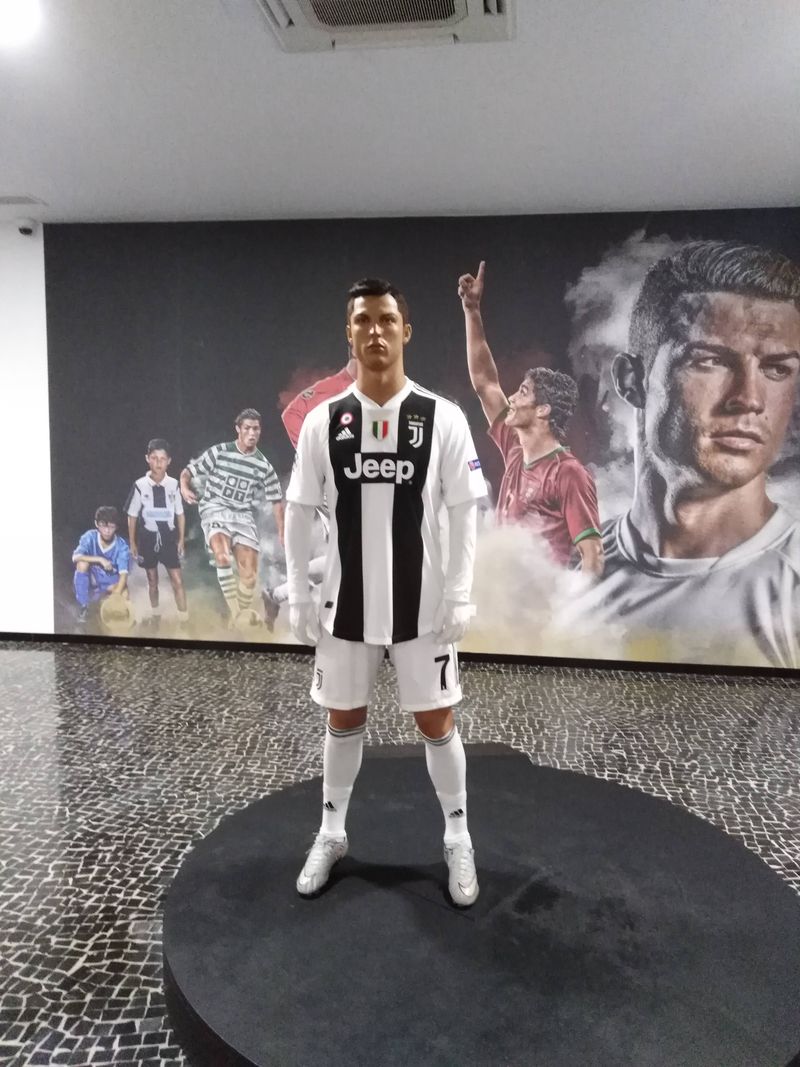
Every visitor knows the drill before they even arrive: you’re getting that photo with the Ronaldo figure. The museum includes a life-size representation that’s become as much a part of the visit as the trophies themselves.
It’s not subtle or tucked away in a corner. It’s positioned exactly where you’d expect a photo op to be.
Wax statue, figure, realistic display, whatever you want to call it, the point is capturing that “I was here” moment. Families queue up, friends pose with ridiculous expressions, solo travelers hand their phones to strangers.
It’s tourist behavior at its most predictable, but that’s exactly why the museum built it into the experience from day one.
The figure typically shows Ronaldo in action pose or celebration mode, frozen mid-movement in a way that makes for dynamic photos. You’re not just standing next to a mannequin in a glass case.
You’re recreating that feeling of being on the pitch with him, even if the reality is you’re in a climate-controlled museum surrounded by other tourists.
Some people roll their eyes at the obvious tourist-trap nature of it. But honestly, if you’re already visiting a museum dedicated to one player, you might as well embrace the full experience.
Skip the photo and you’ll regret it later when everyone else is sharing theirs.
6. It’s interactive by design (not a ‘read 40 plaques’ kind of place)
Forget standing in front of endless text panels trying to care about dates and statistics. Museu CR7 leans hard into screens, videos, and interactive elements that keep things moving.
You’ll find highlight reels playing on loop, touchscreen displays letting you explore different career moments, and media installations that feel more like a sports bar than a traditional museum.
The tech-forward approach makes sense for the subject. Ronaldo’s career is defined by motion, goals, and visual spectacle.
Trying to capture that with static displays and written descriptions would miss the point entirely. The museum gets that watching a bicycle kick on video beats reading about it any day.
Kids especially appreciate this setup. Instead of parents dragging bored children through quiet galleries, families can actually engage together with the interactive elements.
Watching goal compilations or exploring trophy timelines through digital interfaces keeps attention spans from wandering, which is crucial for younger visitors who couldn’t care less about reading museum labels.
The pacing feels intentional too. You’re not spending 20 minutes per room absorbing dense information.
You’re moving through at a clip that matches modern attention spans, pausing when something catches your eye, skipping past what doesn’t. It’s museum design for people who scroll Instagram, and there’s nothing wrong with that approach when it works this well.
7. Plan your timing realistically: most people don’t need hours
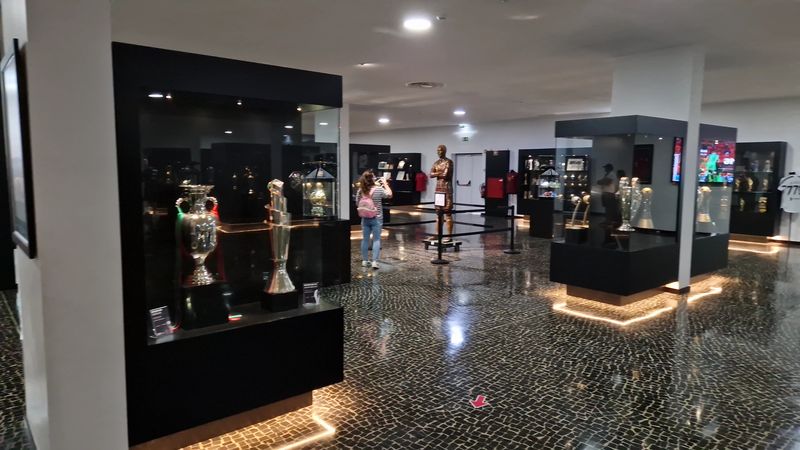
Budget somewhere between 20 minutes and an hour depending on your fan intensity level. Hardcore Ronaldo devotees who read every caption and watch every video clip might stretch it longer, but most visitors fall into the quick-visit category.
This isn’t the Louvre. You can see everything without dedicating your entire afternoon.
The compact nature works in your favor when you’re juggling multiple Funchal activities. Hit the museum mid-morning, then move on to lunch and other sights without feeling like you’ve blown half your day.
Or make it an evening stop before dinner at the marina. The flexibility matters when you’re trying to pack experiences into limited vacation time.
Photo-taking inflates visit length more than actual exhibit time. If you’re documenting everything for social media or taking careful shots with the life-size figure, add extra minutes.
But if you’re just doing a quick walk-through with a few snaps, you’ll be done faster than you think.
Cruise passengers especially appreciate the quick turnaround. When you’ve only got a few hours in port, knowing you can thoroughly experience the museum without rushing or skipping sections removes stress from the equation.
You won’t leave feeling like you missed half of it because you had to catch the ship.
8. Ticket price is typically around €5 but always double-check
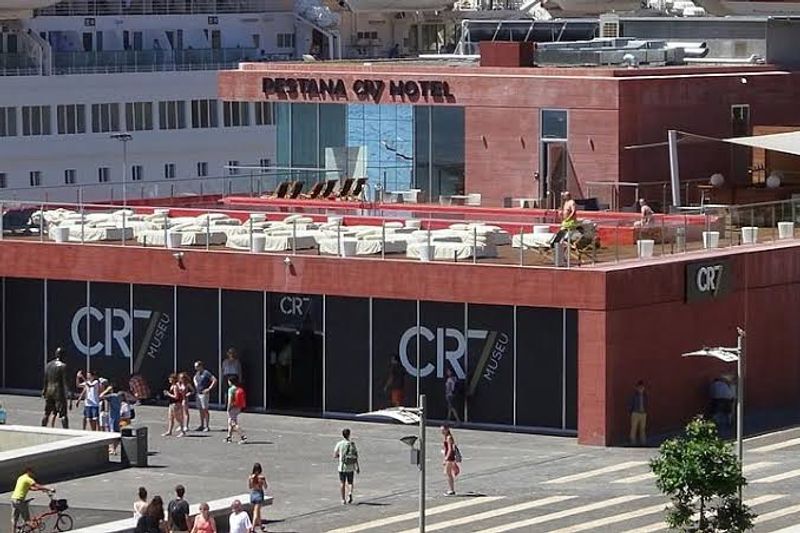
Most recent travel sources peg adult admission at roughly €5, which makes it one of the more affordable museum experiences you’ll find anywhere. That’s less than a fancy coffee in most European cities, so the value proposition is solid even if you’re only mildly interested in football.
Prices can shift, though, so treat that number as a planning estimate rather than gospel. Museums adjust rates, special exhibitions might cost extra, and currency fluctuations affect how much you’re actually spending if you’re paying in dollars or pounds.
Always verify current pricing on the official website or by calling ahead if budget matters to you.
The low entry cost removes barriers for families traveling with kids. Taking three or four people to a museum can get expensive fast, but at this price point, you’re not sweating the decision.
Even if half your group isn’t that into football, nobody’s complaining about dropping five euros to check it out.
Group rates and child discounts often apply, which can drop the per-person cost even lower. If you’re traveling with a larger party or bringing kids under a certain age, ask about reduced pricing.
The museum wants visitors through the door, so they’re not trying to price people out of the experience.
9. The shop is CR7-focused (not a generic football megastore)
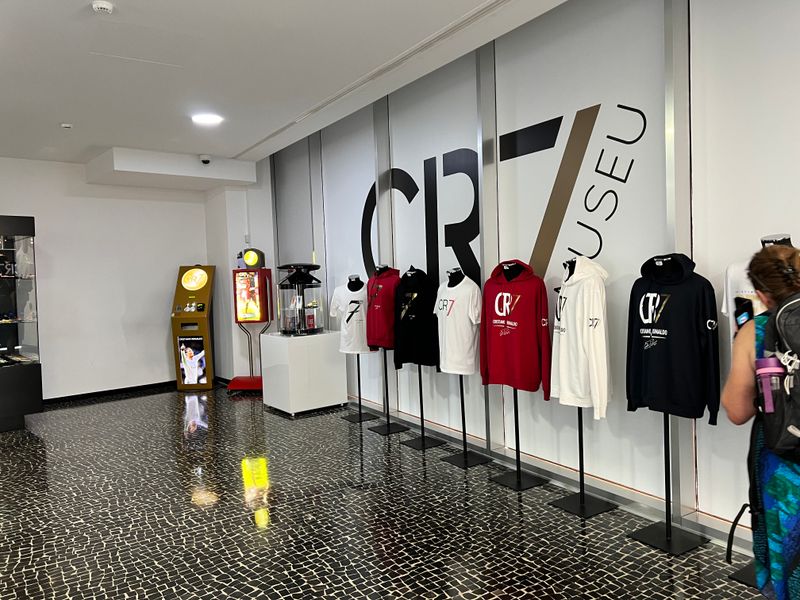
Step into the museum shop expecting CR7-branded everything. Clothing with his logo, accessories carrying his personal brand, and lifestyle items that tie back to Ronaldo’s commercial empire rather than generic football merchandise.
You won’t find a wall of jerseys from every European club or random soccer gear. This is brand-focused retail.
The distinction matters if you’re hoping to grab a Barcelona scarf or generic football souvenirs. That’s not what this shop does.
It’s an extension of the CR7 lifestyle concept, which means products align with Ronaldo’s personal brand identity rather than football culture broadly. Think of it as a CR7 boutique that happens to be attached to a museum.
Quality tends to be decent because it’s protecting the CR7 brand reputation. You’re not buying cheap knockoffs or flimsy tourist junk.
The products reflect the same attention to presentation and branding that defines Ronaldo’s commercial ventures elsewhere. It costs more than a street vendor’s offerings, but you’re getting legitimate branded merchandise.
Prices reflect the branded nature of everything. You’ll pay more here than at a random souvenir shop in town, but that’s the trade-off for official products.
If you’re a collector or serious fan, the authenticity justifies the premium. Casual shoppers might browse and skip buying unless something really catches their eye.
10. The hotel next door is part of the official CR7 lifestyle concept
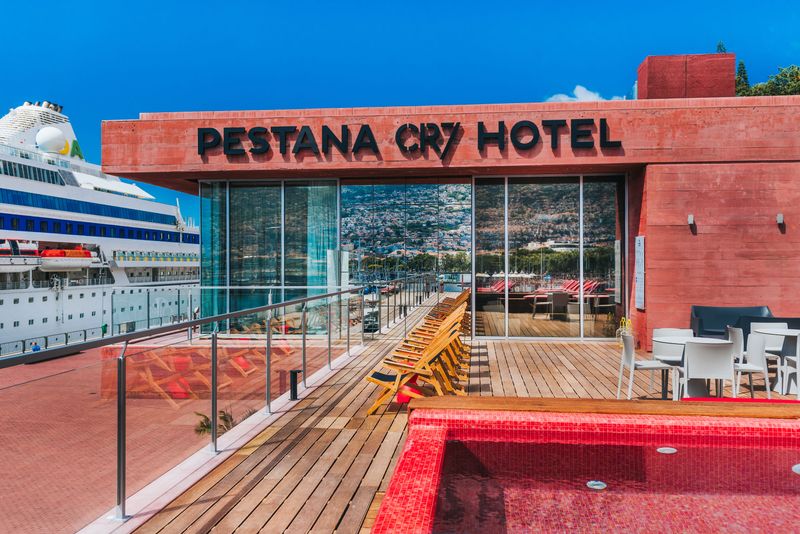
Pestana CR7 isn’t just a hotel that happens to be near the museum. It’s a deliberate extension of Ronaldo’s lifestyle brand, positioned as a modern property for travelers who want comfort, style, and that sporty edge without crossing into formal luxury territory.
The branding is intentional, the design is cohesive, and the whole thing feels like a carefully managed piece of the CR7 empire.
The lifestyle angle means you’re not staying at a stuffy traditional hotel or a massive resort complex. The vibe skews younger, more casual, with design choices that nod to Ronaldo’s personal aesthetic without beating you over the head with football imagery in every corner.
It’s sophisticated enough for adults but relaxed enough that you’re not worried about wearing shorts in the lobby.
Location-wise, you’re right on the marina with the museum literally next door. Everything connects seamlessly, which is the whole point of building this as a mini destination district rather than scattered properties.
You can roll out of bed, hit the museum, grab food, and be back poolside without ever needing transportation.
The central Funchal position means you’re walking distance to restaurants, shops, and other attractions beyond the CR7 bubble. It’s urban convenience wrapped in Ronaldo branding, which appeals to visitors who want both the themed experience and access to the rest of what the city offers.
11. It’s a boutique-sized stay, not a massive resort
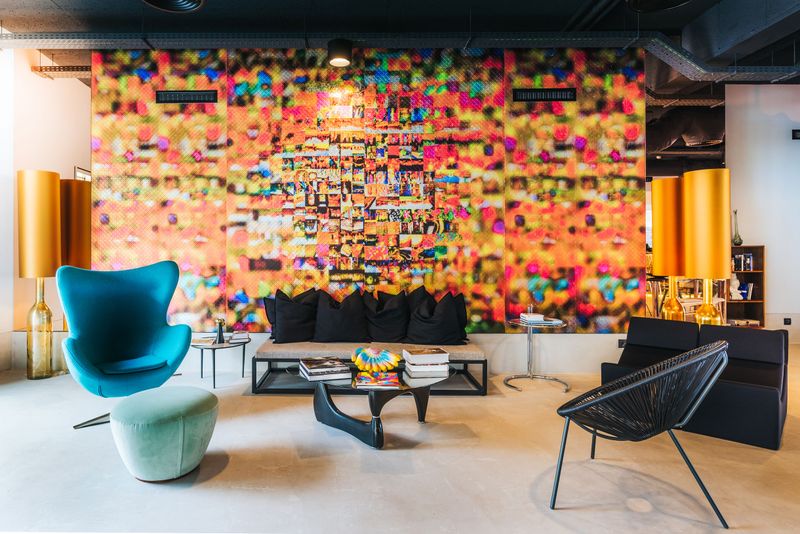
Forget sprawling resort complexes with endless corridors and multiple pools. Pestana CR7 operates on a boutique scale, keeping things intentionally compact and manageable.
You’re not hiking 10 minutes from your room to the lobby or getting lost trying to find the elevator. Everything stays tight and navigable.
The smaller footprint suits the urban waterfront location perfectly. There’s no room for a massive property here, and honestly, it would feel wrong.
The boutique approach matches the vibe of staying in the heart of Funchal rather than isolating yourself on some hillside resort that requires shuttles for everything.
Room count stays limited compared to big hotels, which means you’re not fighting crowds for breakfast or waiting forever for elevators. The more intimate scale creates a different energy than mega-resorts where you’re one of 500 guests.
You might actually recognize faces during your stay, which some travelers prefer.
This setup isn’t for everyone. If you want extensive resort amenities, multiple restaurants, kids’ clubs, and sprawling grounds, look elsewhere.
But if you prefer walkable urban convenience over isolated resort bubbles, the boutique size becomes an advantage rather than a limitation. You’re staying in Funchal, not just near it, and that distinction matters when you’re trying to actually experience the destination.
12. The rooftop is a big part of the CR7 experience
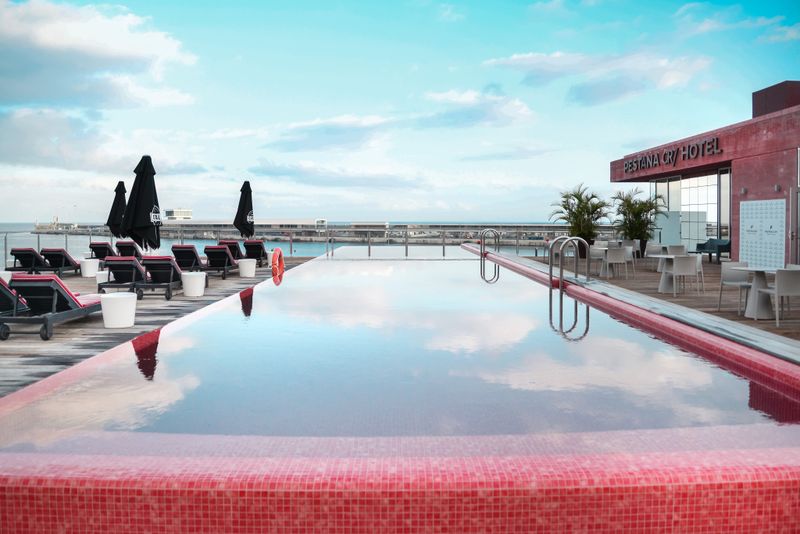
Head straight to the rooftop and you’ll understand why people keep mentioning it in reviews. The pool and terrace area deliver exactly the kind of scene you’d expect from a Ronaldo-branded property: sleek design, marina views, and a social atmosphere that feels more like a lifestyle club than a standard hotel pool deck.
The views alone justify spending time up there. You’re looking out over Funchal’s harbor, watching boats come and go, with the city spreading out beyond.
It’s the kind of setting that makes you want to order a drink and settle in rather than just taking a quick dip and leaving.
The energy shifts depending on when you visit. Daytime brings a more relaxed poolside vibe with families and couples claiming lounge chairs.
Evening ramps up the social atmosphere as the rooftop bar scene kicks in and the lighting creates that golden-hour Instagram aesthetic everyone’s chasing.
Even if you’re not staying at the hotel, the rooftop represents what the CR7 brand is trying to achieve. It’s not about football nostalgia or sports memorabilia plastered everywhere.
It’s about creating spaces that feel current, stylish, and connected to Ronaldo’s image as someone who lives well. The rooftop executes that vision better than almost anything else in the complex.
13. You can do it as a simple 2-stop mini-itinerary
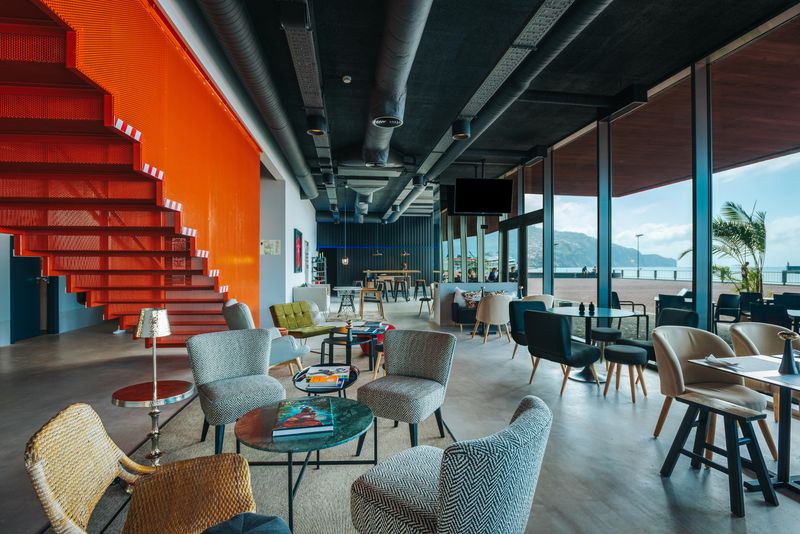
The beauty of this setup is how naturally it flows into a compact half-day experience. Start at the museum, spend your 30-60 minutes with the trophies and photos, then step outside and you’re already positioned perfectly for the second part: grabbing a drink or snack along the waterfront.
No complicated logistics, no backtracking across town.
The marina area surrounding the museum and hotel offers plenty of café and restaurant options. You’re not stuck hunting for food or wondering where to go next.
Just pick a spot with harbor views, sit down, and decompress from the museum visit while watching boats drift past. It’s effortless tourism at its finest.
This two-stop approach works brilliantly for cruise passengers with limited port time. You’re not overcommitting to some elaborate day tour that might run late.
You’re doing one main attraction plus a meal, which leaves buffer time for getting back to the ship without stress. The simplicity removes anxiety from tight schedules.
Even if you’re staying on the island longer, this makes a great morning or afternoon activity. Knock out the museum early, follow it with lunch, and you’ve still got the rest of the day free for other Madeira adventures.
Or reverse it and make the museum your evening activity after spending the day elsewhere. The flexibility fits into any itinerary style.
14. The Ronaldo-theme doesn’t stop there: the airport carries his name
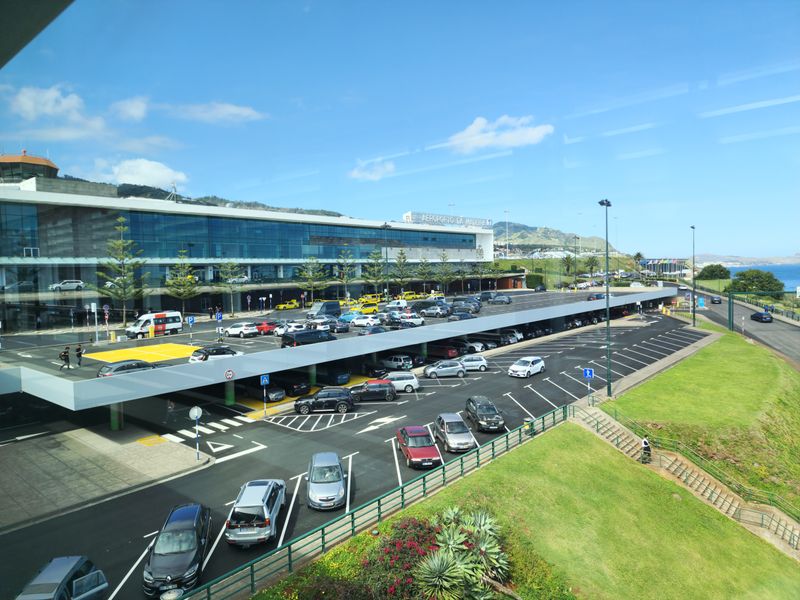
Your Ronaldo experience literally begins the moment your plane touches down. Madeira’s airport was officially renamed Aeroporto Cristiano Ronaldo back in 2017, making it impossible to miss the message that you’ve entered Ronaldo territory.
The name change sparked some debate at the time, but it stuck, and now it’s just part of the island’s identity.
The airport naming feels like the ultimate hometown honor. Plenty of athletes get statues or streets named after them, but having an international airport carry your name while you’re still actively playing?
That’s a different level of recognition entirely. It signals just how important Ronaldo is to Madeira’s global profile and tourism appeal.
Practical signage throughout the airport incorporates the CR7 branding, so you’re constantly reminded whose island you’re visiting. It’s not subtle, but it doesn’t need to be.
The airport name serves as free marketing for both Ronaldo’s brand and Madeira’s connection to him, creating a feedback loop that benefits everyone involved.
Some travelers find the whole thing excessive, especially those who aren’t soccer fans. But you can’t deny the effectiveness.
The airport name instantly communicates something about the destination’s character and gives visitors an immediate talking point. Whether you love it or find it over-the-top, you’ll definitely remember landing at Aeroporto Cristiano Ronaldo long after your trip ends.



