Idlewild once drew thousands of visitors each summer and became a rare destination where Black families could vacation freely during segregation. Known as a major entertainment hub in mid-20th century America, it hosted well-known performers and built a lasting cultural legacy.
Today, the Idlewild Historic and Cultural Center preserves that history through photographs, recorded stories, and original artifacts. It offers a clear look at how the town operated, who visited, and why it mattered.
What makes this place stand out is how much of that story is still visible. Beyond the exhibits, it highlights a chapter of American history that many people have never fully explored.
The Address and Setting That Starts the Story
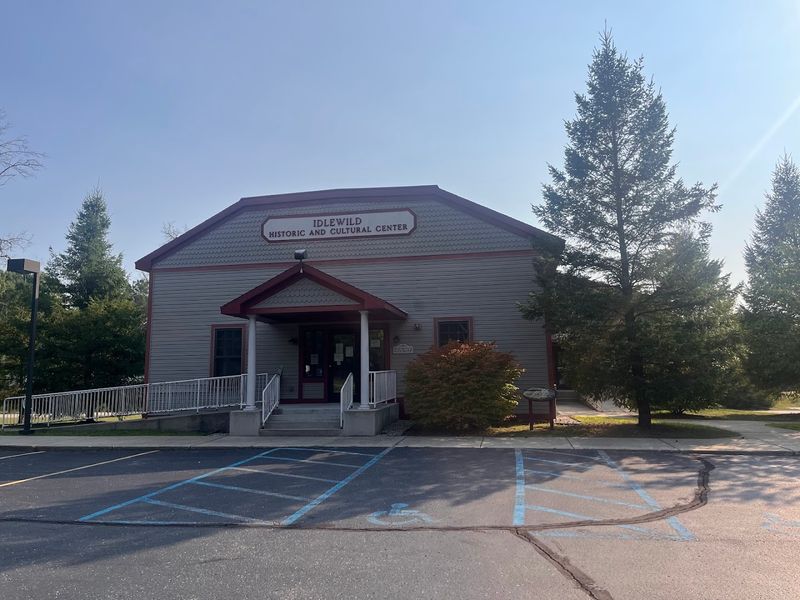
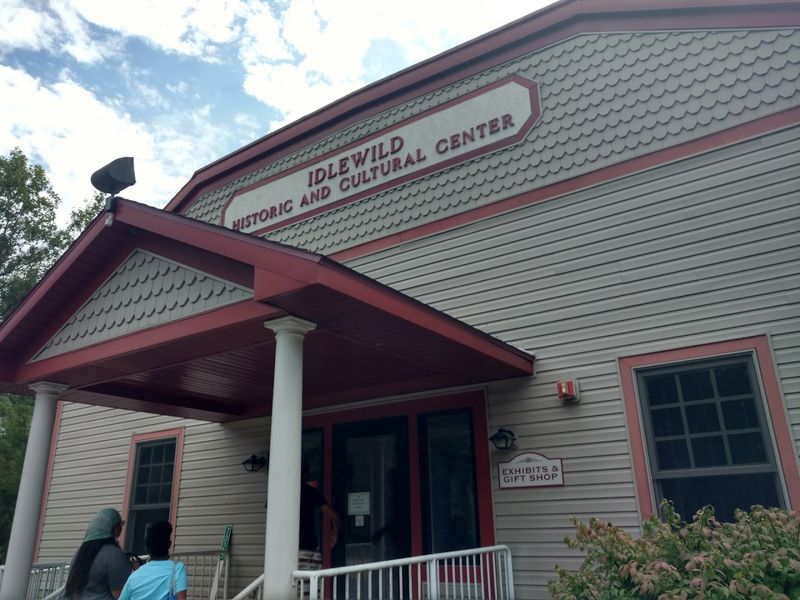
Some of the most powerful places in America do not look like much from the outside, and that is exactly the case here. The Idlewild Historic and Cultural Center sits at 7025 S Broadway Street in Idlewild, Michigan 49642, a quiet stretch of Lake County nestled within the Huron-Manistee National Forests.
The building itself is modest, the kind you might drive past without a second glance. But the moment you step through the door, the weight of what happened in this small Michigan town becomes very real.
Idlewild is located roughly 30 miles east of Ludington, far enough from the highway that it feels like a world apart. That sense of quiet separation is actually part of the point.
This was always a place designed to offer something different, a retreat from a world that did not always welcome Black Americans.
The center earns a 4.7-star rating from visitors, and that warm reception reflects exactly what the space delivers.
Why “Black Eden” Was More Than Just a Nickname
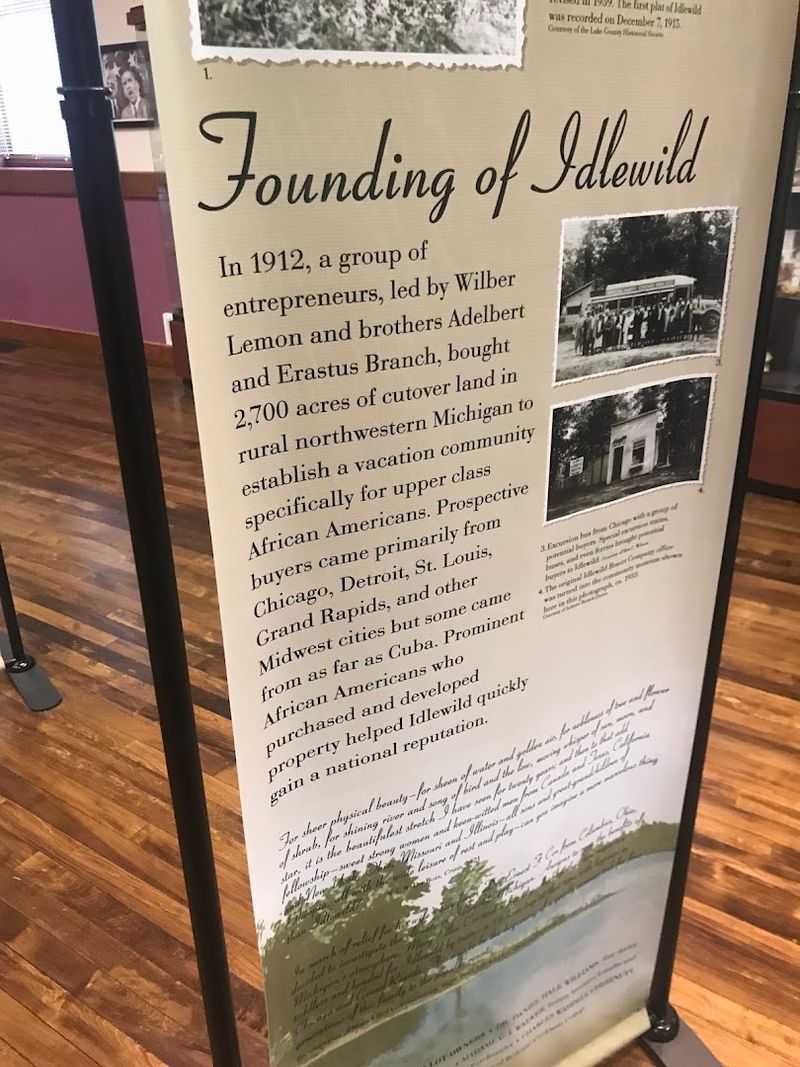
The nickname “Black Eden” was not given lightly. During the era of Jim Crow laws, African Americans faced legal segregation at hotels, beaches, restaurants, and public spaces across much of the United States.
Idlewild was founded in 1912 by white land developers who saw a real need and a real market. They created a resort community where Black families could vacation, own property, and gather without fear of discrimination or humiliation.
That was not a small thing. That was a lifeline.
By the 1950s and 1960s, Idlewild was drawing as many as 25,000 visitors each summer. Doctors, lawyers, teachers, artists, and entertainers all made the trip north to Michigan for a taste of freedom that the rest of the country was still withholding.
The cultural center does a beautiful job of explaining this context, making sure visitors understand not just what Idlewild was, but why it had to exist in the first place.
The Founding Vision That Changed Everything
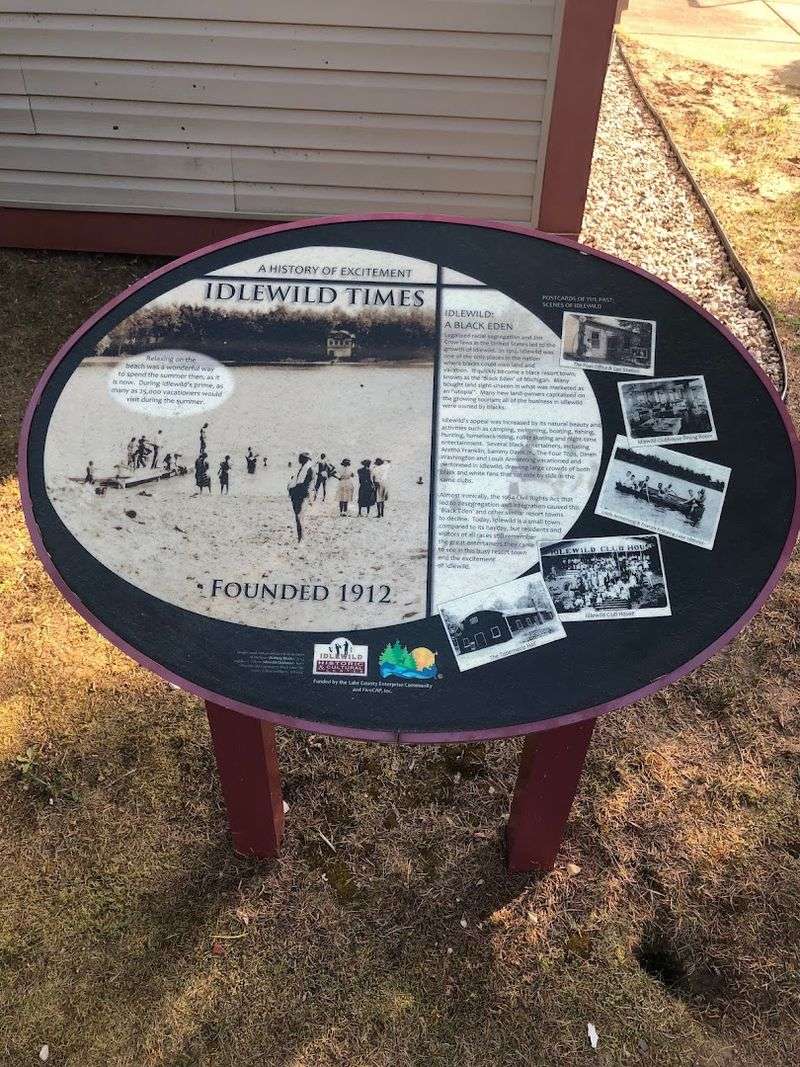
The story of how Idlewild came to be is a fascinating blend of business savvy and social necessity. In 1912, a group of white developers from Chicago recognized that Black Americans had money to spend on leisure but almost nowhere to spend it without facing hostility.
They purchased land in Lake County, Michigan, and began marketing lots specifically to African Americans. The pitch was simple and powerful: here is a place that is yours.
No signs telling you where to sit. No hotels turning you away at the door.
The response was overwhelming. Families bought cottages, built community buildings, and returned year after year.
What began as a real estate venture quickly became something much deeper, a cultural institution and a symbol of what Black Americans could build when given the space to do so.
The cultural center walks visitors through this founding story with care, helping you understand that Idlewild was not just a vacation spot but a declaration.
The Legends Who Performed and Gathered Here
Few details about Idlewild stop people in their tracks quite like the list of names associated with this small Michigan town. Louis Armstrong performed here.
Aretha Franklin graced its stages. W.E.B.
Du Bois walked these grounds, and Dr. Daniel Hale Williams, the pioneering heart surgeon, was a regular presence in the community.
These were not one-time appearances. Idlewild was a genuine cultural hub, and its nightclubs and performance venues attracted the biggest Black entertainers in America during a time when many mainstream venues refused to book them.
The cultural center preserves this legacy through photographs, displays, and video footage that brings the energy of those peak summers back to life. Seeing the names and faces of those who once filled this town with music and intellectual energy gives the whole place a kind of electricity.
One visitor spotted a photograph of a family member on the wall and was moved to tears, which tells you everything about how personal this history remains for many people.
Hotel Casa Bonita and Its Fight for Survival
Among all the landmarks connected to Idlewild’s golden era, Hotel Casa Bonita holds a particularly important place. Built in 1949 by Black architect Woolsey Coombs, the hotel became a cultural anchor for the community, hosting artists, activists, and guests who had few other welcoming options during the segregation era.
In 2025, the National Trust for Historic Preservation named Hotel Casa Bonita one of America’s Most Endangered Places. That designation is both an honor and a warning, recognizing the building’s historic importance while raising urgent questions about its future.
The cultural center helps tell the story of the hotel and what it meant to the people who passed through its doors. Understanding Casa Bonita means understanding the broader story of Idlewild, a community that built its own infrastructure out of necessity and pride.
The hotel’s story is a reminder that preserving physical spaces is part of preserving history itself, and that some battles for recognition are still very much ongoing.
What the Civil Rights Act Did to a Paradise
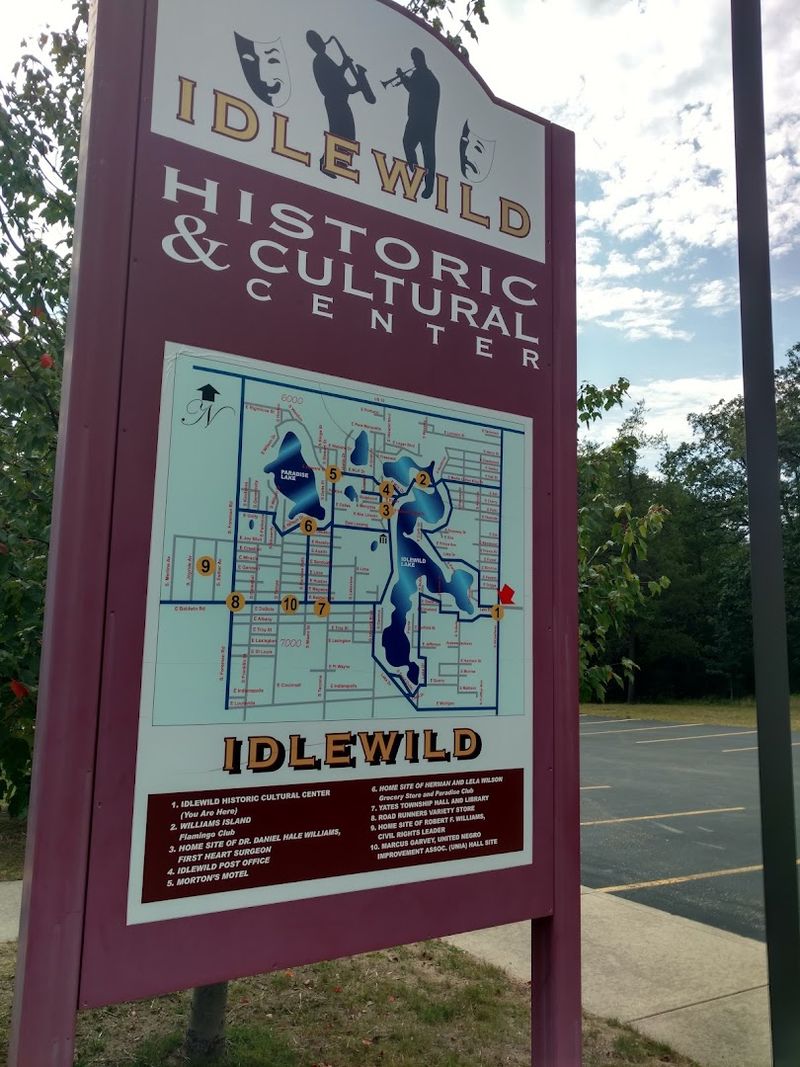
There is a bittersweet irony at the center of Idlewild’s story. The Civil Rights Act of 1964 was a landmark achievement, mandating the desegregation of public accommodations across the country.
It was a hard-won victory that changed American life in countless ways.
But for Idlewild, integration had an unintended consequence. When Black Americans finally gained legal access to the resorts, hotels, and beaches that had been closed to them, many chose to explore those newly opened spaces.
The unique appeal that had made Idlewild essential began to fade.
By the 1970s and 1980s, businesses closed, populations shrank, and the town that had once buzzed with 25,000 summer visitors grew quiet. The cultural center addresses this chapter honestly and thoughtfully, without framing it as a simple tragedy.
Progress is always complicated, and Idlewild’s story captures that complexity in a way that sparks genuine reflection long after you have left the building.
Inside the Cultural Center: What You Will Actually See
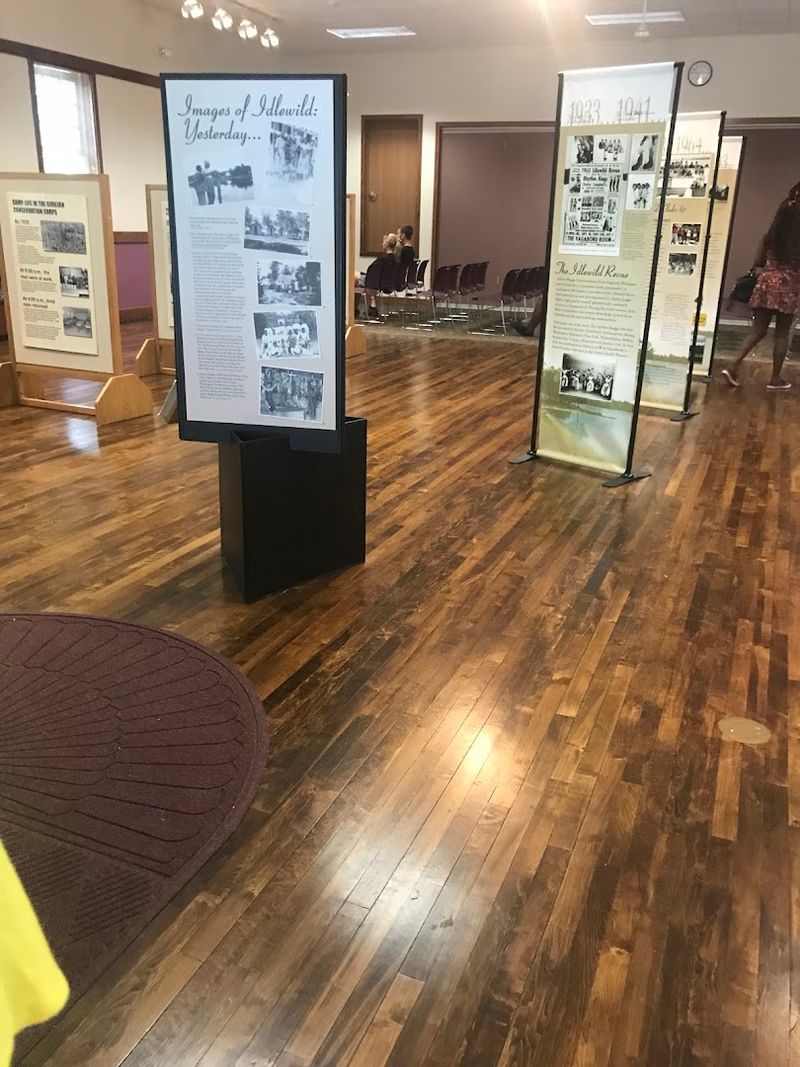
The cultural center is honest about what it is: a small but meaningful space packed with history. Displays include historical photographs, framed portraits of notable figures, and written panels that trace Idlewild’s rise, peak, and evolution across the decades.
One of the most talked-about features is a documentary-style video produced in the 1990s that features narration and interviews from people who actually lived in Idlewild during its golden years. Hearing firsthand voices describe what this community meant to them adds a layer of emotional depth that no exhibit panel can fully replicate.
The gift shop is a genuine highlight. Visitors consistently mention it as a favorite stop, stocked with T-shirts, coffee mugs, books, and other items that let you carry a piece of this history home with you.
The center is free to enter, with a recommended donation, which means there is absolutely no reason to skip it if you are anywhere near Lake County, Michigan.
The Staff Who Make the Experience Personal
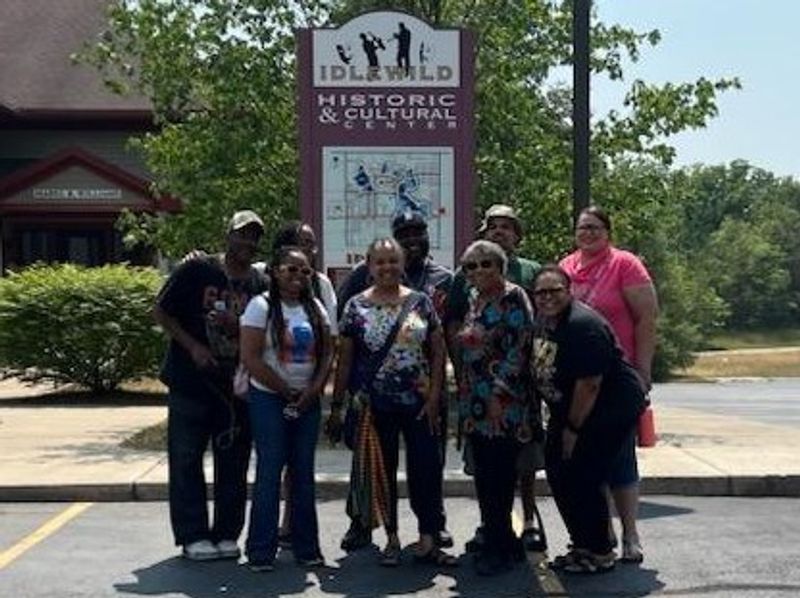
A museum is only as good as the people inside it, and by that measure, the Idlewild Historic and Cultural Center punches well above its weight. The staff here are consistently described as passionate, knowledgeable, and genuinely warm.
There is a story that captures the spirit of the place perfectly. A family visiting with a diabetic child experienced a medical scare when the child needed sugar urgently.
The staff member on duty offered an apple from her own supplies without hesitation. That kind of human care is not something you find in every cultural institution.
The guides share information with a personal investment that goes beyond reading from a script. Many of them have deep connections to this community and its history, which means the stories they tell carry real weight.
That combination of expertise and heart is what transforms a visit from an educational stop into something you genuinely remember, and it is a big reason the center earns its strong ratings.
Outdoor Plaques and the Grounds Worth Exploring
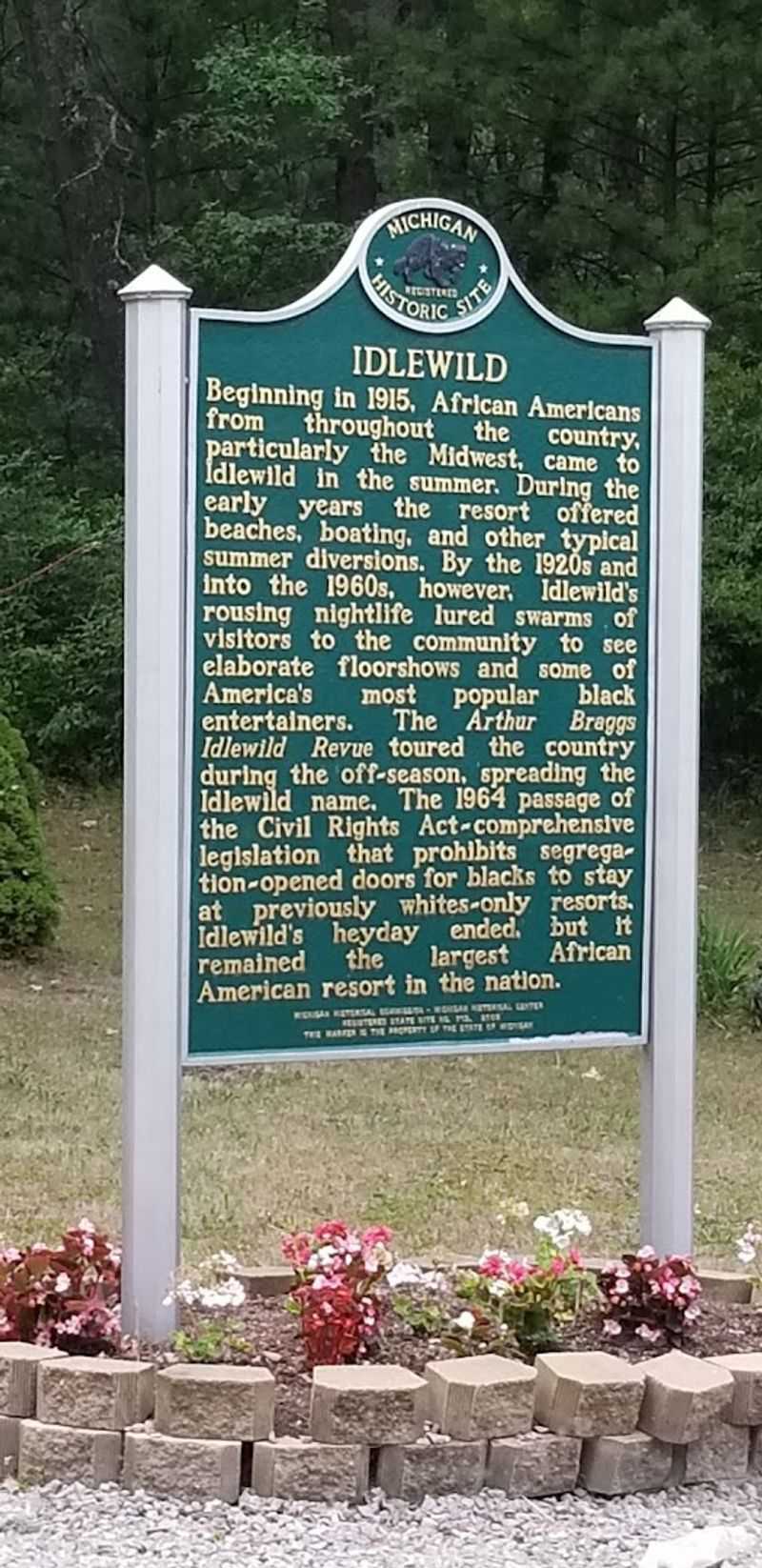
Even when the building is closed, the Idlewild Historic and Cultural Center offers something worth your time. The grounds outside feature historical plaques placed along the driveway that tell parts of the story even when the doors are locked.
Visitors who arrive outside of operating hours have noted that the outdoor plaques are genuinely informative and that the grounds are well maintained. It is not the full experience, but it is enough to spark curiosity and make you want to come back during open hours.
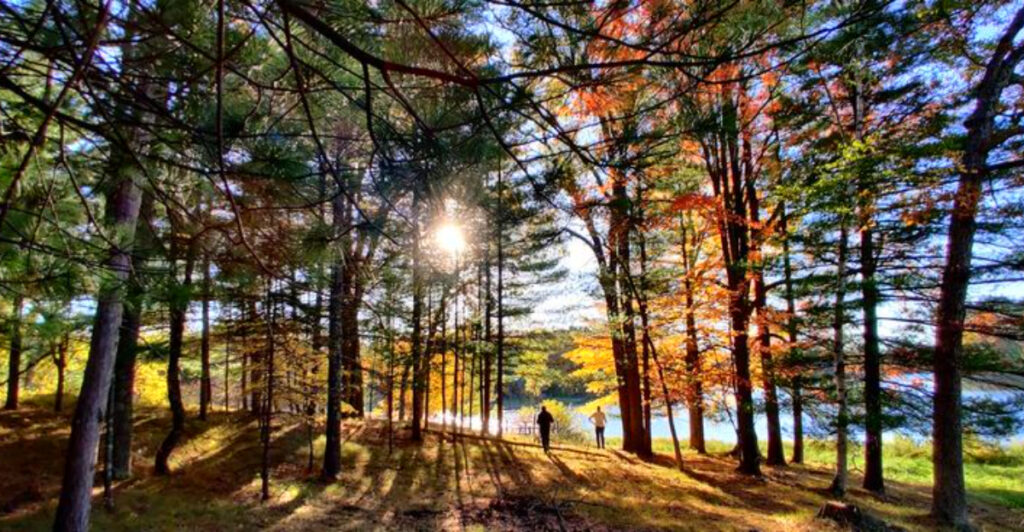
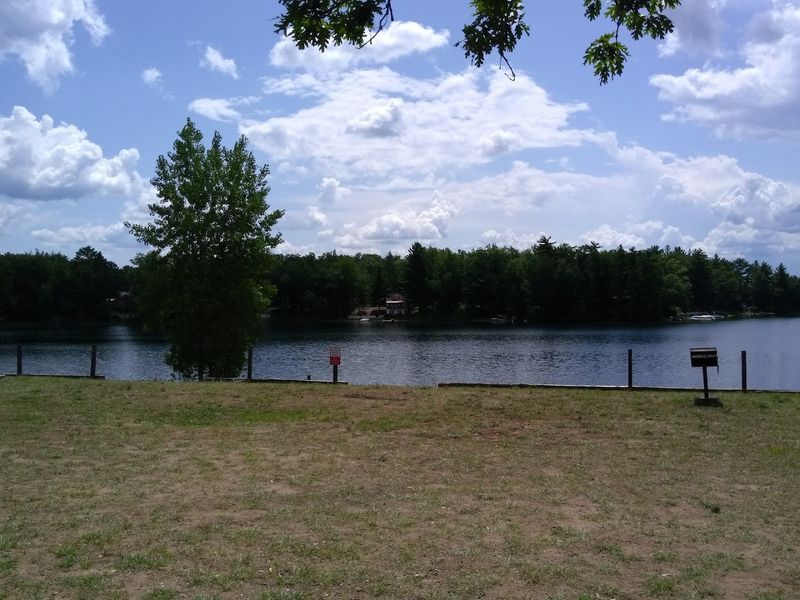
The surrounding landscape also tells its own quiet story. The forests and lakes that made Idlewild appealing to vacationers a century ago are still very much present, and the natural setting adds a layer of context that no indoor exhibit can fully provide.
There is something powerful about reading a plaque about a thriving 1950s resort community while standing on the same land where all of it actually happened, the past and present occupying the same ground.
When to Visit and What to Know Before You Go
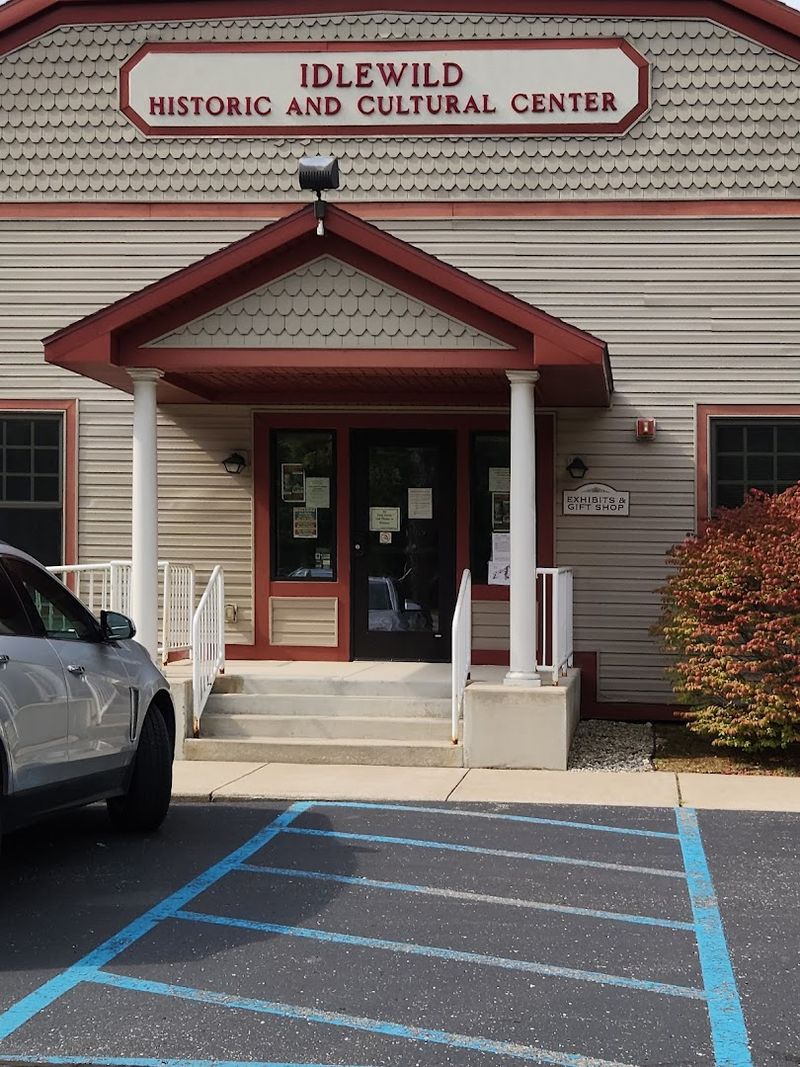
Planning your visit takes a little preparation, because the Idlewild Historic and Cultural Center keeps limited hours. As of the most recent information available, the center is open on Saturdays from 10 AM to 4 PM, and it is closed the rest of the week.
That schedule reflects the reality of a small community-run institution that operates with limited resources and big ambitions. Calling ahead or checking the website at historicidlewild.org before making the drive is genuinely good advice, especially since seasonal closures can affect availability.
The center is handicap accessible, which is worth noting for visitors who need that information. Admission is free with a recommended donation, making it an accessible stop for families of all budgets.
Summer weekends tend to bring more activity to the area, including concerts and community events that add to the experience. If you can time your visit to coincide with one of those gatherings, the town comes alive in a way that makes the history feel immediate and very much present.
Outdoor Activities That Surround the History
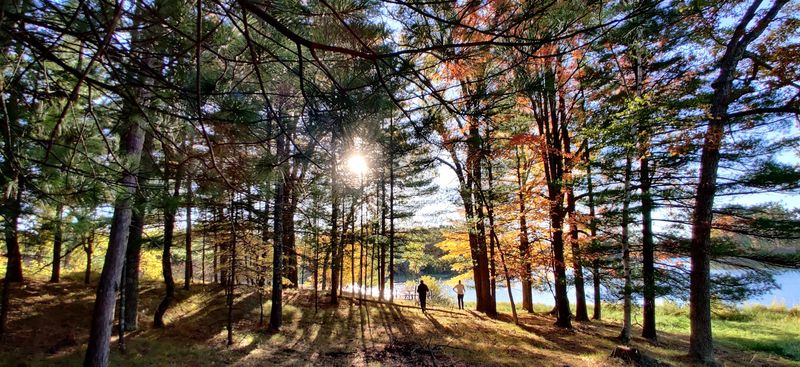
Idlewild is not just a history lesson. The natural landscape surrounding the town is genuinely beautiful, and the area offers hiking, fishing, boating, and biking for visitors who want to extend their stay beyond the cultural center.
The Huron-Manistee National Forests wrap around the community, offering trails and waterways that the original vacationers also enjoyed. There is something meaningful about recreating in the same natural spaces that gave Black families joy and freedom during a very different era of American life.
Lake Idlewild and the surrounding smaller lakes are popular spots for fishing and boating, and the quiet roads around town are well suited for cycling. The pace here is deliberately slow, which is the whole point.
Families with children will find plenty to do between a visit to the cultural center and an afternoon on the water. The combination of outdoor recreation and rich historical context makes Idlewild a genuinely well-rounded destination, not just a quick stop on the way somewhere else.
Why This Place Deserves a Spot on Every History Lover’s Map
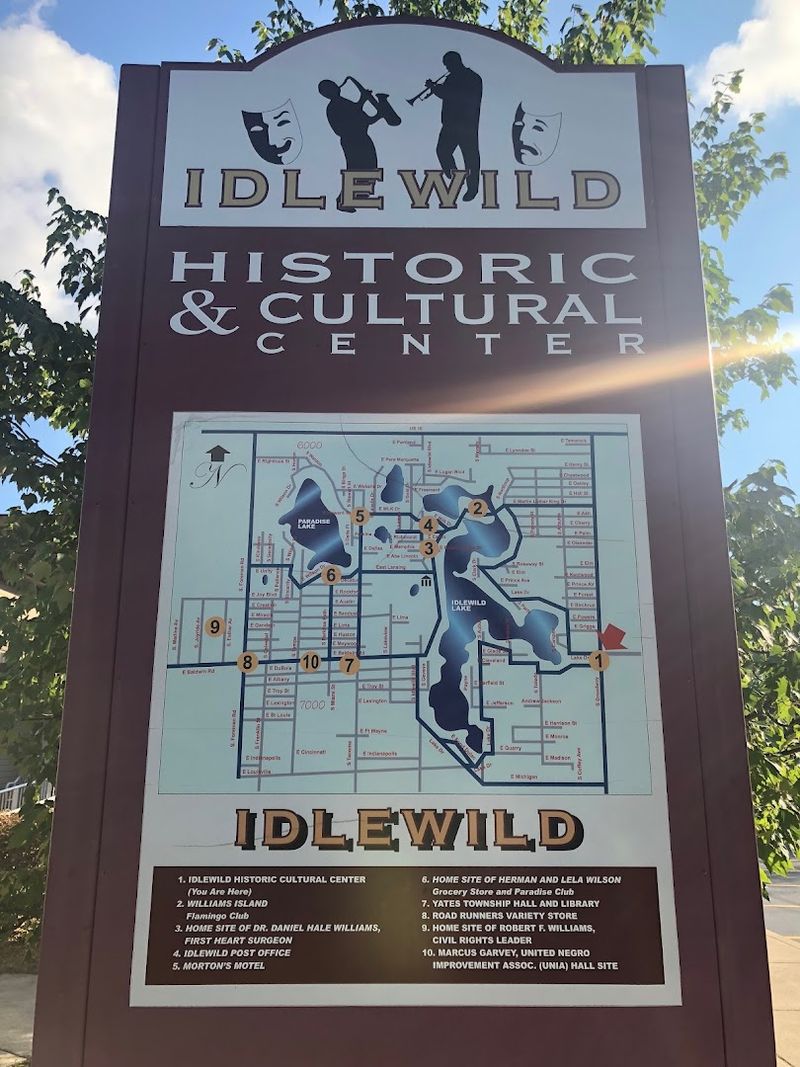
There is a reason visitors consistently describe the Idlewild Historic and Cultural Center as a must-see stop, and it is not just because the history is interesting. It is because this is a story that most people have never heard, and hearing it changes something in you.
Idlewild represents what happens when a community refuses to accept the limits placed on it. Facing a country that denied them access to leisure, rest, and public life, Black Americans built their own paradise in the forests of northern Michigan, and it flourished for decades.
The cultural center carries that legacy forward with dedication and heart, operating on limited hours and a donation-based model while still managing to leave a lasting impression on nearly everyone who walks through the door.
American history is full of chapters like this one, stories of creativity, resilience, and community that never made it into the standard textbooks. Idlewild is proof that some of the most important places in this country are the ones you have to go looking for.
Share this story