 Unearth The Voyage
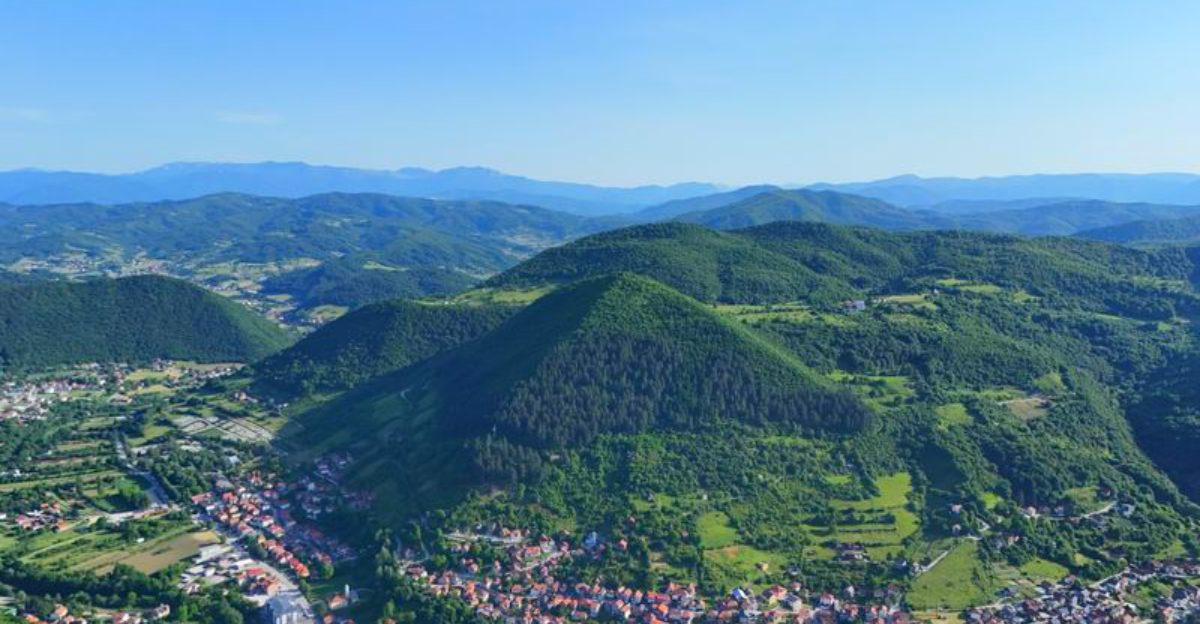
When a Bosnian hill was branded the first pyramid in Europe, curiosity exploded faster than funding ever could. Experts scoffed, volunteers grabbed shovels, and a quiet town suddenly found itself on the world map.
You might visit for views, tunnels, or just to judge the claims yourself. Before you pick a side, here are the essential facts you should know.
The Claim Was the First European Pyramid
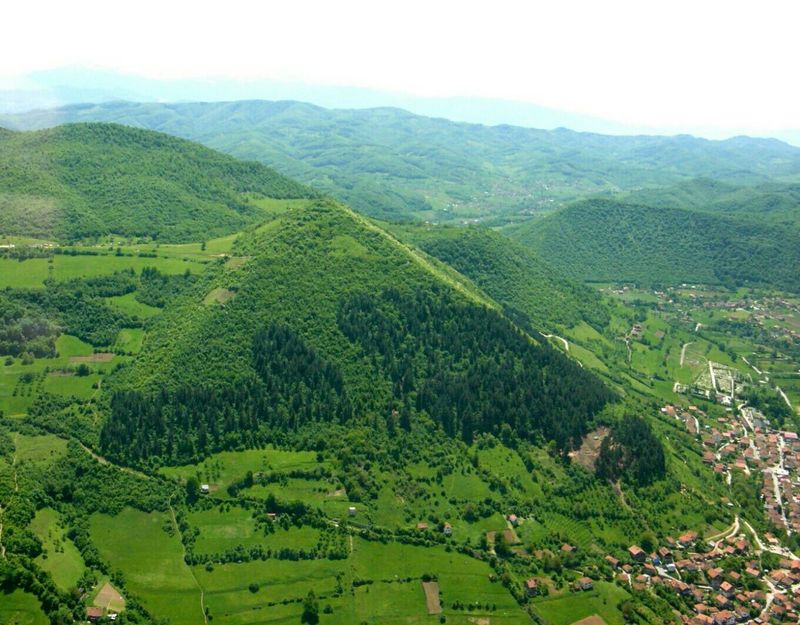
In 2005, businessman and author Semir Osmanagić announced that Visočica Hill above Visoko was not just a hill, but a colossal man-made structure. The idea promised a rewriting of European prehistory, presenting Bosnia as home to the first pyramid on the continent.
The claim arrived with bold superlatives, from world’s largest to astonishingly ancient.
Locals watched as the media descended, while skeptics asked for data, not headlines. You could feel the split forming even then, between wonder and rigorous proof.
For visitors, the hill’s symmetry makes the idea tempting at first glance.
Tour boards and guides recount the origin story with photos, maps, and enthusiastic storytelling. Yet without a clear archaeological sequence, the claim remained an assertion waiting for verification.
Whether you hike for views or theories, this is where the controversy begins.
The Site Is a Naturally Pyramid-Shaped Hill
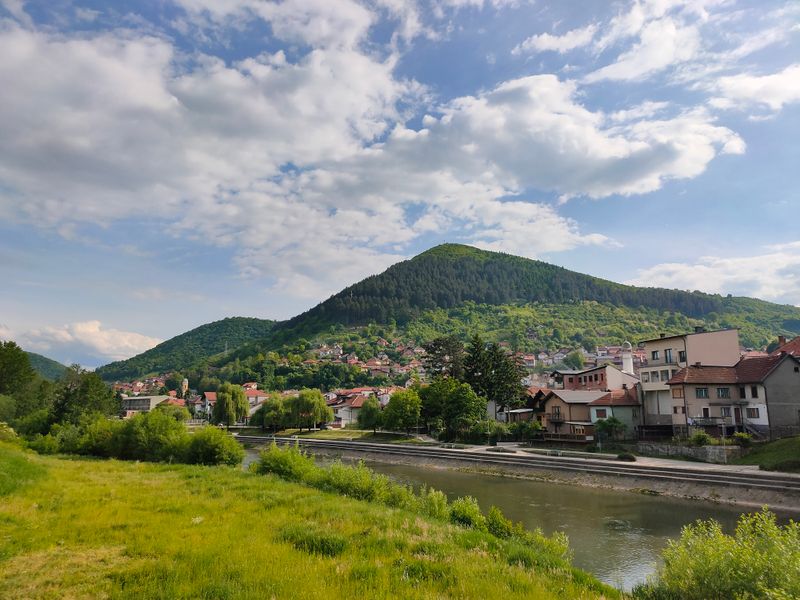
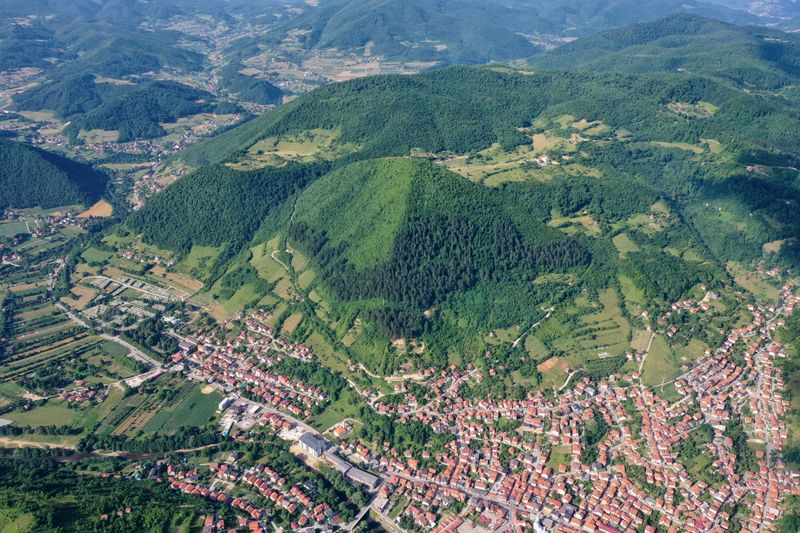
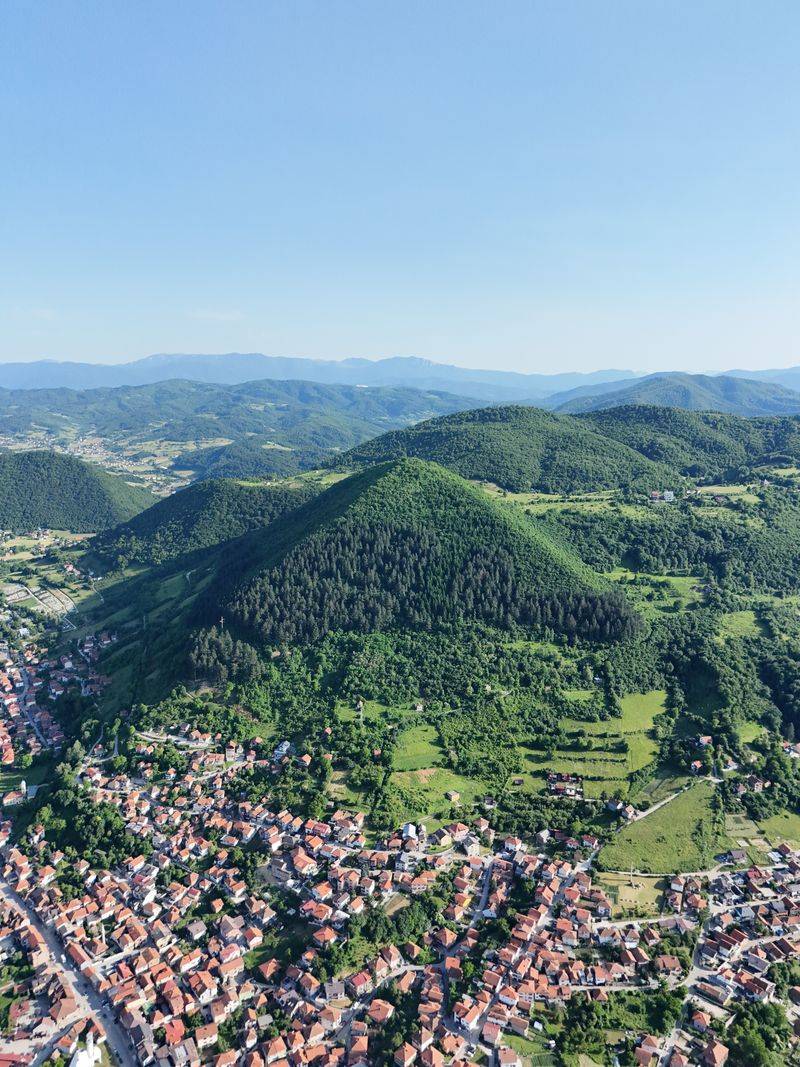
Stand below the slope and the symmetry is striking, with clean angles that look engineered. Geologists, however, point to layered sedimentary rocks, tilted and eroded to form facets that mimic architecture.
The appearance can fool the eye, but shape alone is not construction.
When you walk the path, look closely at the bedding planes and joint patterns. Natural processes often break rock into rectilinear blocks, stacking in ways that resemble masonry.
It feels designed, yet the patterning follows geological logic.
From a distance, photos amplify the illusion, especially under sharp sunlight. Up close, the rock’s texture and context tell a different story.
If you like separating image from evidence, this hill is a great case study in how landscapes perform visual tricks.
Excavations Began Without Academic Backing
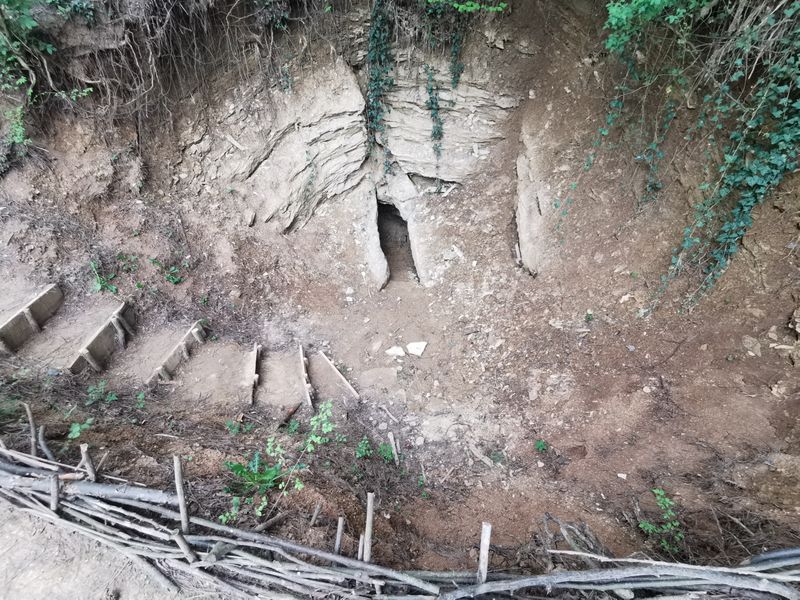
Early trenches and clearings appeared quickly, supported by volunteers and donations, not by a university department. You will see signage from a private foundation rather than permits from major academic teams.
That origin shaped everything that followed, from methods to public perception.
Without institutional oversight, documentation standards varied. Supporters saw freedom to explore, while critics worried about disturbed stratigraphy and missing context.
If you care about how knowledge is built, the funding and governance model matters here.
Walking the site, you will notice a mix of hand-dug cuts and interpretive boards. There is energy and passion, but also the risk that enthusiasm outran protocols.
That gap became a central line in the debate about credibility.
Archaeologists Rejected the Pyramid Hypothesis Early
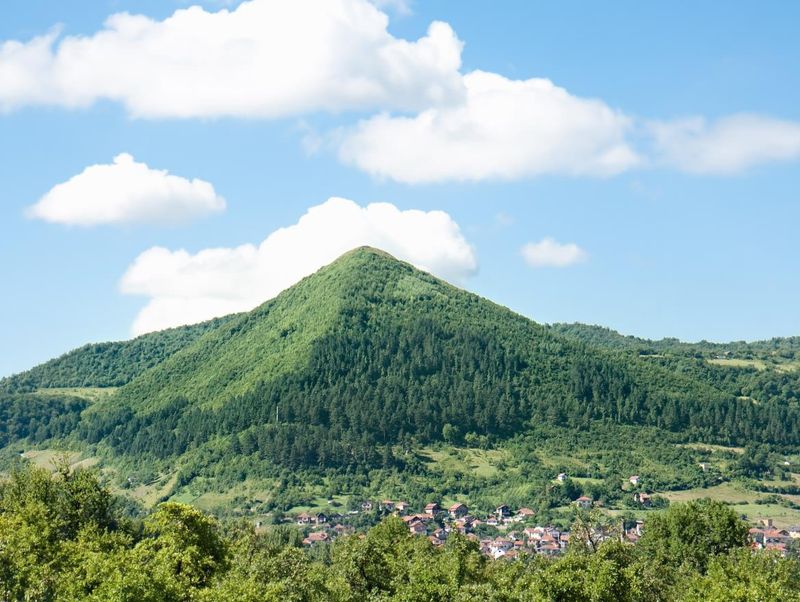
Several archaeologists and geologists inspected the slopes and quickly concluded the formations were natural. Their reports highlighted the absence of cultural layers, tool marks, or engineered mortar.
You can read summaries that emphasize geology over architecture.
For visitors, that verdict can be jarring after dramatic claims on brochures. The contrast is sharp: a scenic hike presented as a megalithic monument, then experts saying it is a hill.
If you value consensus, this early rejection sets expectations.
Still, the idea did not fade. Media attention and volunteer enthusiasm kept momentum alive.
The divide between popular fascination and professional assessment widened into a long-running standoff.
The European Association of Archaeologists Condemned the Project
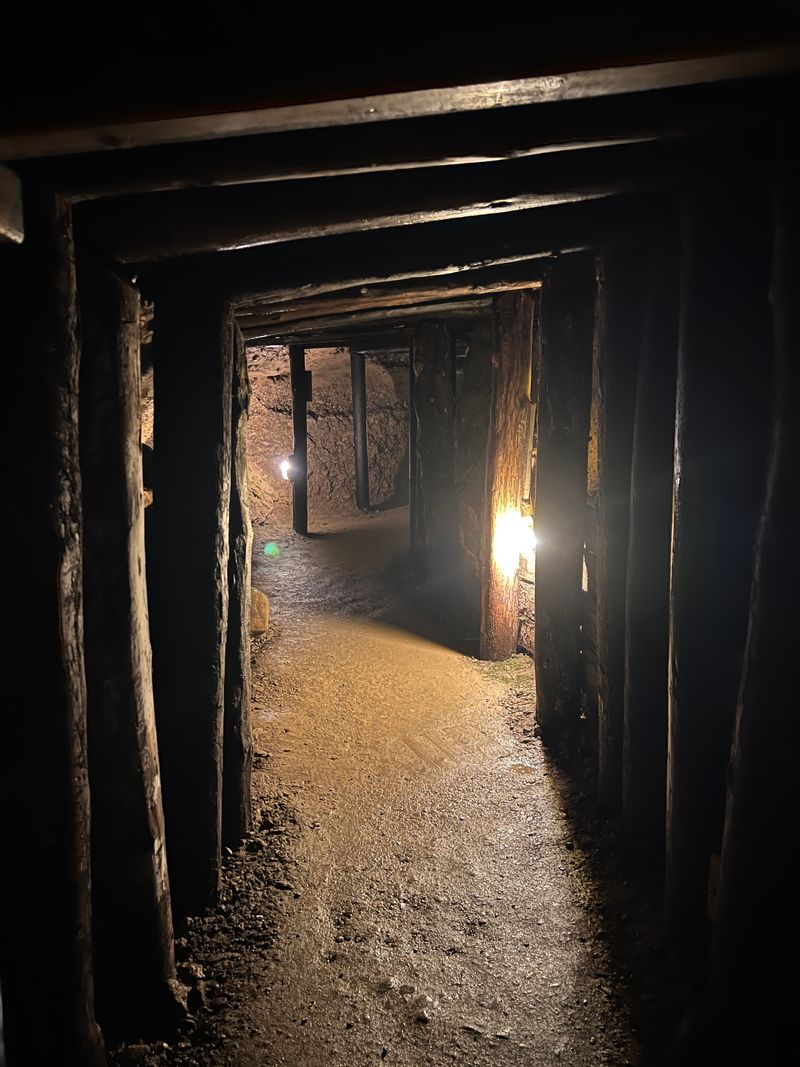
The EAA issued a formal statement warning that the project could damage authentic heritage. They stressed that resources should protect real medieval sites around Visoko, not chase an unsubstantiated pyramid.
If you care about preservation, that caution lands heavily.
On the ground, you might pass ruined walls and historic features unrelated to the pyramid story. The fear was that trenches and visitor paths might cut through genuine archaeology.
It is a reminder that context can be as valuable as spectacle.
Critics cite this condemnation to argue for halting excavations under pyramid assumptions. Supporters counter that oversight has improved and tourism helps the town.
The EAA’s position remains a key milepost in the timeline.
No Cultural Artifacts Support an Ancient Builder Civilization
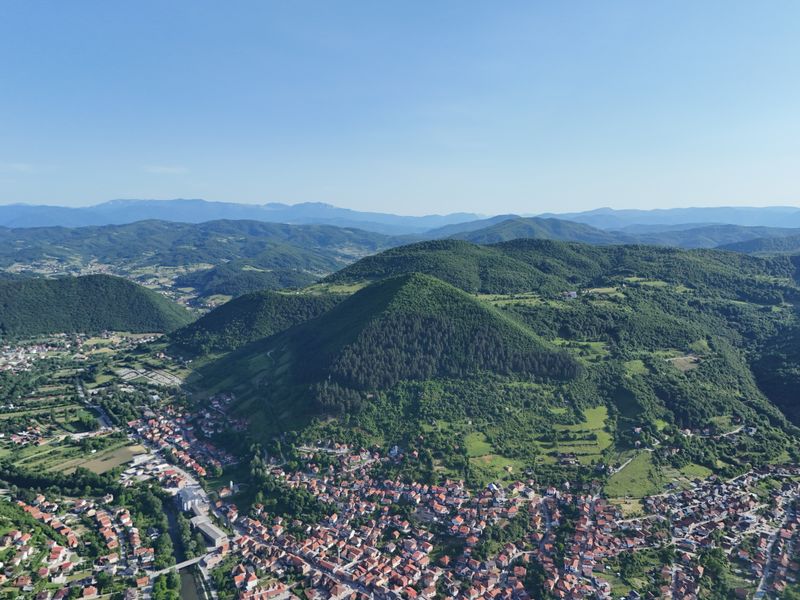
After years of work, there is no accepted assemblage of tools, inscriptions, workshops, or burials tied to construction. When you tour, displays highlight rocks and alignments rather than cultural remains.
Archaeology typically builds stories from artifacts, and those are missing here.
You might hear about isolated finds, but none establish a construction culture at scale. Without settlements, quarries, or dated contexts, the case stays speculative.
It is like reading a book where the pages about people are blank.
For many visitors, that gap is decisive. Others argue that future digs could still reveal a horizon of activity.
Until then, the absence of verified cultural material undermines the pyramid hypothesis.
The Tunnels Exist, Purpose Disputed
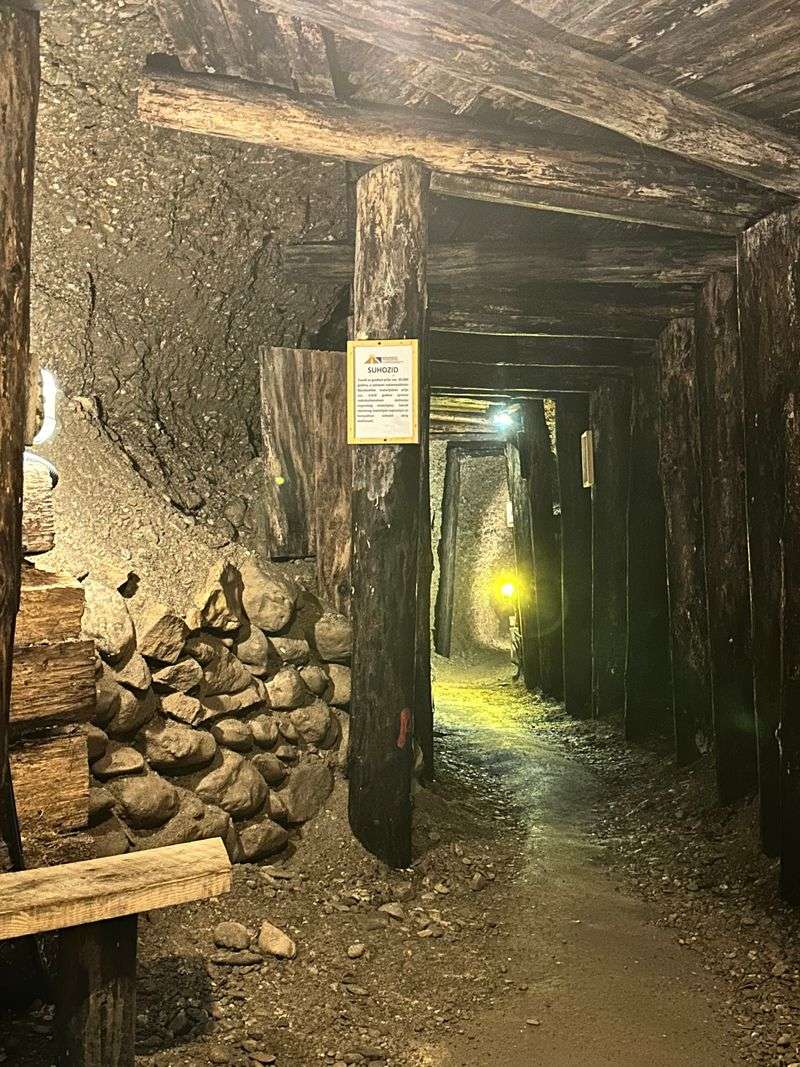
Guided tours take you into cleared underground passages marketed as part of a larger complex. Visitors report cool air, dim lighting, and frequent talk of energy or healing.
It feels mysterious, especially if you enjoy subterranean spaces.
Experts counter with simpler explanations. They suggest natural cavities, expanded voids, or relatively modern mining or drainage works.
Age estimates vary, and without firm dating, purpose remains unsettled.
If you go, wear good shoes and expect low ceilings in places. The experience can be fun even if you disagree with the narrative.
Whether ancient network or modern alterations, the tunnels are real, and interpretation is the crux.
Supporters Claim Advanced Construction Techniques
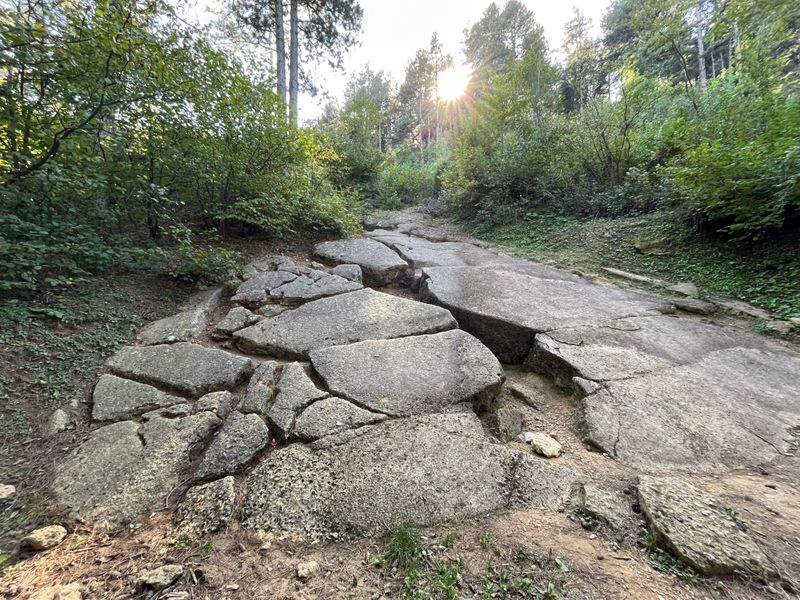
Proponents point to flat stone faces, apparent concrete-like layers, and right-angled corners that look engineered. You will hear about alignments, compass precision, and geometric harmonies that seem uncanny.
These details can be persuasive when seen in curated slices.
Geologists explain many features via natural fracturing, weathering, and bedding-plane failure. Polygonal blocks form without masons when sedimentary rocks crack along joints.
Up close, you can test claims by tracing layers across supposed seams.
If you enjoy weighing competing explanations, this is fertile ground. The same rock can tell two stories depending on your assumptions.
The question is whether extraordinary design claims beat simpler geological processes.
No Accepted Dating Confirms Extreme Age Claims
Timelines offered by supporters stretch into tens of thousands of years, sometimes beyond known civilizations. Reliable dating requires samples tied to human activity in clear context.
When you check references, independently verified dates for construction are missing.
Radiocarbon from loose materials or disturbed layers cannot date a monument’s building phase. Distant analogies or surface samples do not solve it either.
Without stratified contexts and lab replication, extraordinary ages remain unproven.
For a visitor, this means the age you hear on tours may be aspirational. Scientists prefer caution until methods and samples align.
The clock, for now, has not started ticking on a builder’s timeline.
Peer-Reviewed Support Is Limited and Disputed
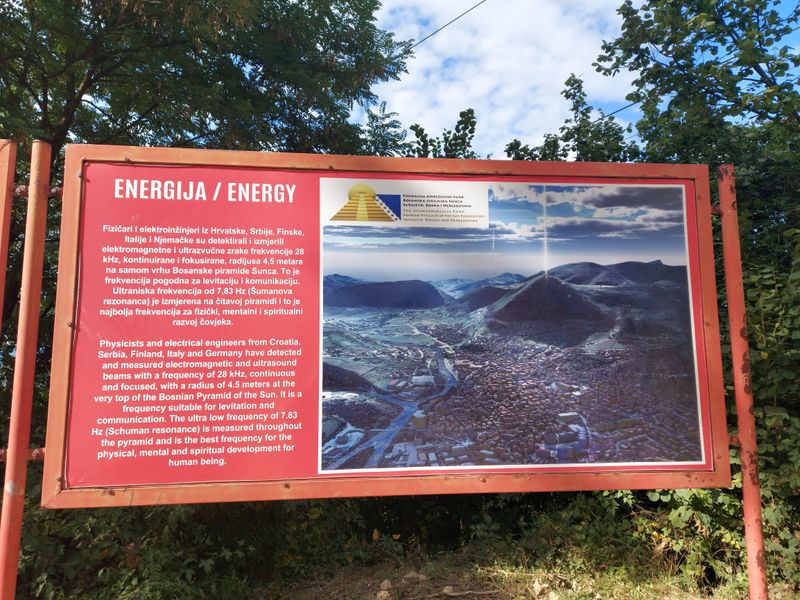
A few papers argue for artificial structures, often in non-mainstream or low-impact journals. You can find citations on tour boards, but they have not shifted consensus.
Academic debates hinge on method quality and replicability, not just publication.
Critics say these studies misread geology or overinterpret patterns. Supporters counter that gatekeeping blocks unconventional findings.
This back-and-forth keeps the topic alive online far more than in seminars.
If you care about evidence, ask where results were replicated and by whom. Impact factors are not everything, but they matter for visibility and critique.
The literature exists, yet its influence remains marginal.
Mainstream Science Did Examine the Site
Contrary to the idea that experts ignored Visoko, multiple teams visited, sampled, and reported. Their conclusions emphasized natural geomorphology and urged protection of real heritage.
You can track statements from national and international bodies over the years.
When you arrive, you will see traces of that scrutiny in media excerpts and museum panels. The story that nobody looked does not hold up under basic checks.
Many looked, they simply disagreed with the pyramid label.
For travelers, this adds context to guides who claim suppression. Investigation happened; interpretation diverged.
That distinction helps you read the site with clearer expectations.
Tourism Increased Dramatically
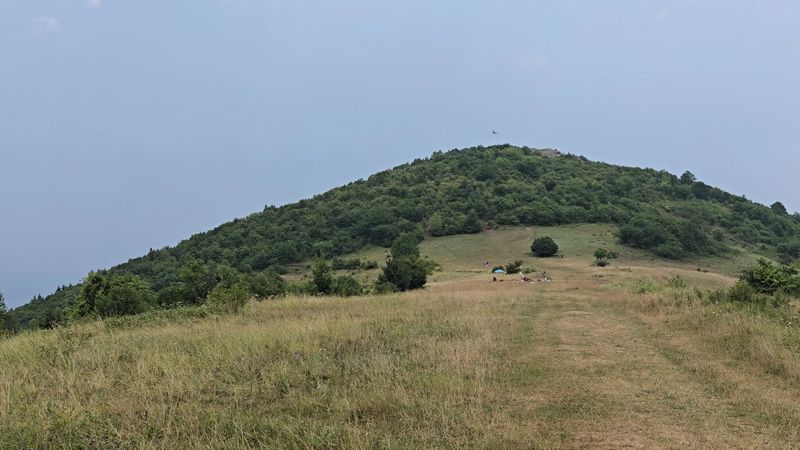
Whether you believe the claims or not, visitor numbers surged and businesses followed. Cafes, souvenir stalls, and tunnel tours now anchor a local economy.
If you come in season, expect groups hiking for views and stories.
Reviews range from awe to frustration, reflecting mixed expectations. Some praise meditative parks and panoramic vistas, while others see a tourist trap.
Either way, the site made Visoko a destination that sparks conversation.
For the town, tourism brought jobs and visibility. For travelers, it offers a day trip with a built-in debate.
Your experience will depend on whether you chase mystery, scenery, or both.
The Debate Became About Institutions, Not Just Stones
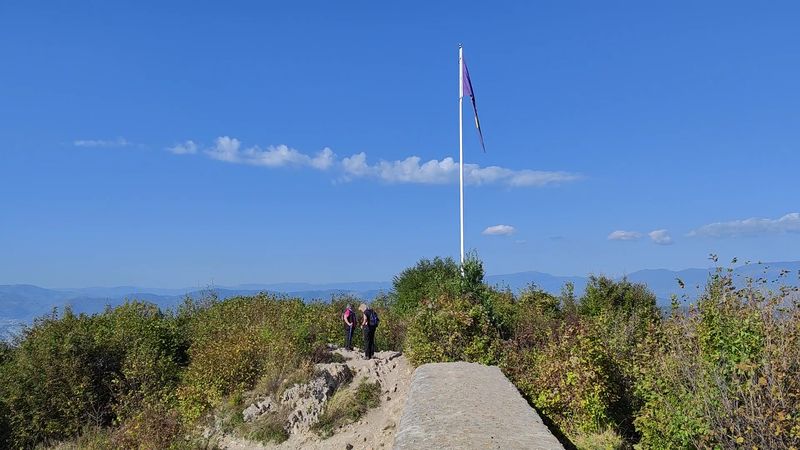
Over time, arguments shifted from rock faces to trust in academia. Supporters felt dismissed, pointing to slow responses and rigid peer review.
Critics emphasized standards that protect the historical record.
As a visitor, you will hear both narratives. One side frames discovery as courage against gatekeeping.
The other frames caution as responsibility to evidence and heritage laws.
This institutional angle explains why opinions harden even after field visits. You are not only judging geology, but also systems of validation.
Understanding that helps you navigate the conversation without picking a tribe.
Bosnia Does Have Important Authentic History Nearby
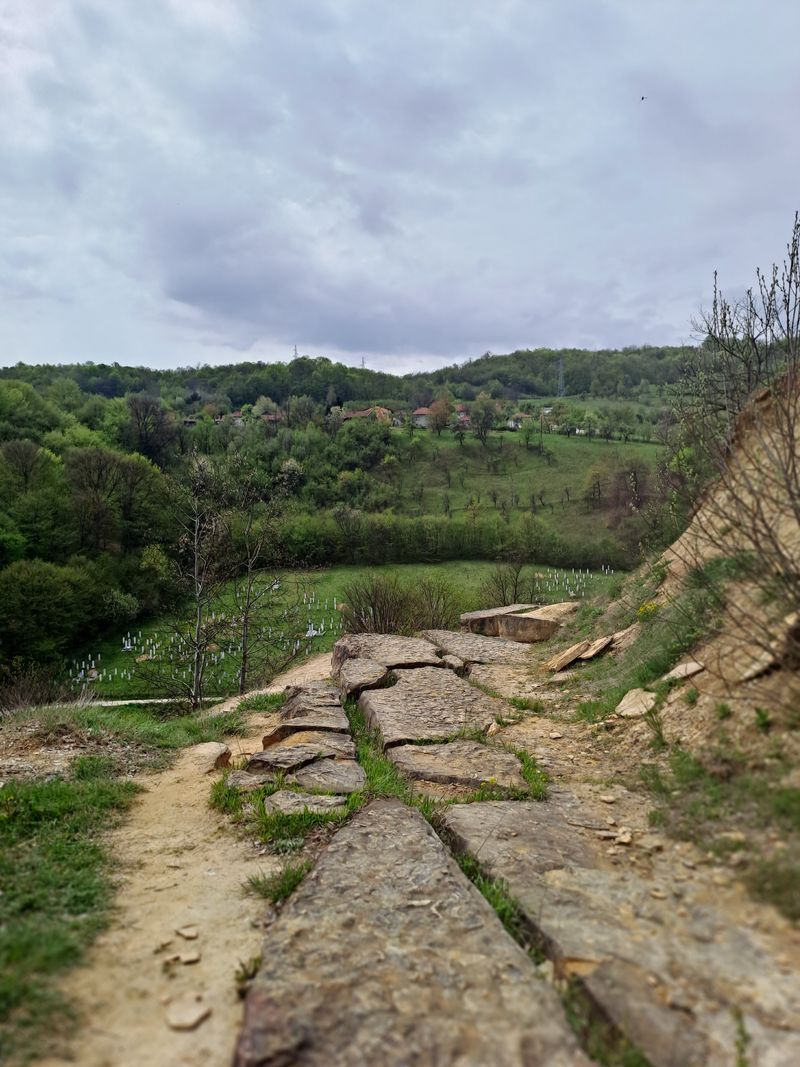
Visoko’s valley holds medieval ruins, Ottoman layers, and earlier traces that historians value. You might pass genuine walls and hillfort remains on the way to the slope.
These sites tell documented stories with artifacts, texts, and architectural context.
Experts worry that headline digging could overshadow or harm this record. The EAA’s warning referenced exactly that risk.
If you love authentic heritage, plan time to appreciate verified landmarks.
The irony is sharp: real history sits beside a lightning-rod claim. Your best experience comes from seeing both landscapes clearly.
Let the scenery wow you, but let evidence guide your understanding.
After Nearly 20 Years, the Consensus Has Not Changed
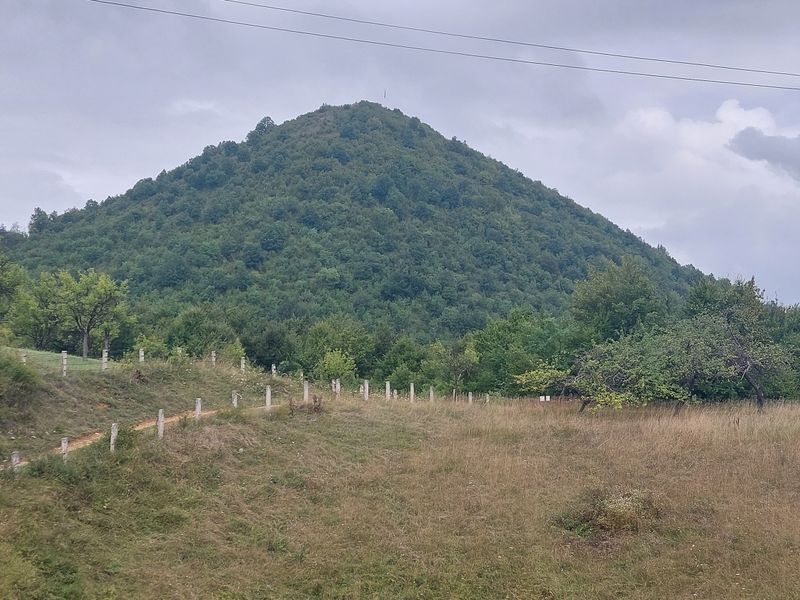
Two decades on, the mainstream view still holds that these are natural hills, not pyramids. No robust artifacts, construction layers, or verified dates have emerged to overturn that.
You will still find excitement on tours, but not acceptance in textbooks.
That does not mean the story failed. It sparked tourism, volunteerism, and a global argument about how we know things.
In that sense, the controversy became its own phenomenon.
Your visit can be worthwhile regardless of your conclusion. Climb for the view, walk the tunnels for curiosity, and read the boards critically.
The debate is real, but the pyramids remain unproven.
Practical Visiting Facts: Place, Hours, Safety
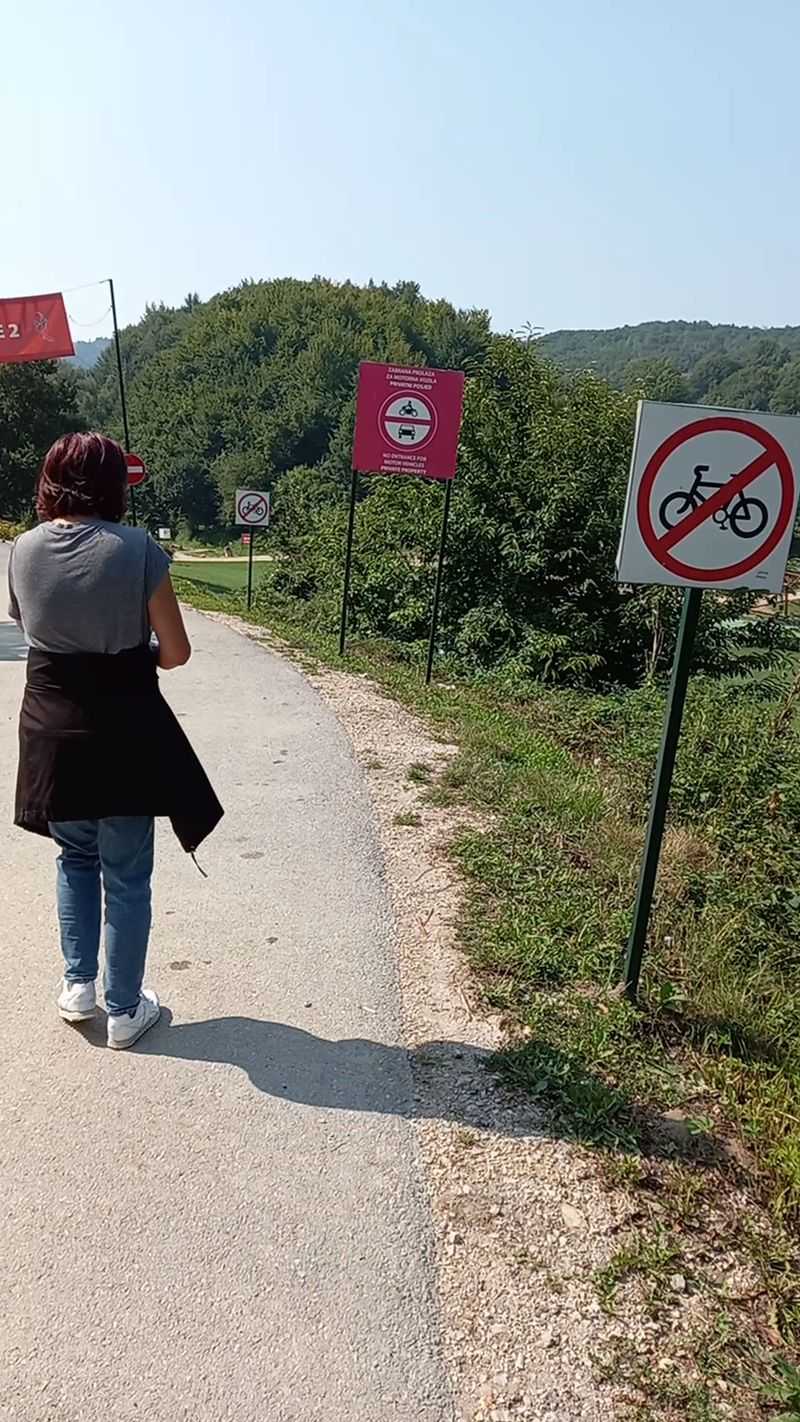
The Bosnian Pyramid of the Sun is a tourist attraction at Ulica Ravne 1, Visoko. Hours are long, often listed as open until 4 AM, with daytime tours common.
Expect steep trails, variable signage, and basic facilities near entrances.
Wear sturdy shoes and bring water, especially in summer. Tickets vary by tunnel tour or hill access, and guides are optional.
You can hike without one, relying on posted boards for information.
Parking exists near the entrance, but ignore roadside hustles further down. Weather changes trail conditions quickly, making mud and slip risks real.
Plan your route, check local updates, and keep expectations grounded in debate and scenery.
How To Read The Site Like A Skeptical Traveler
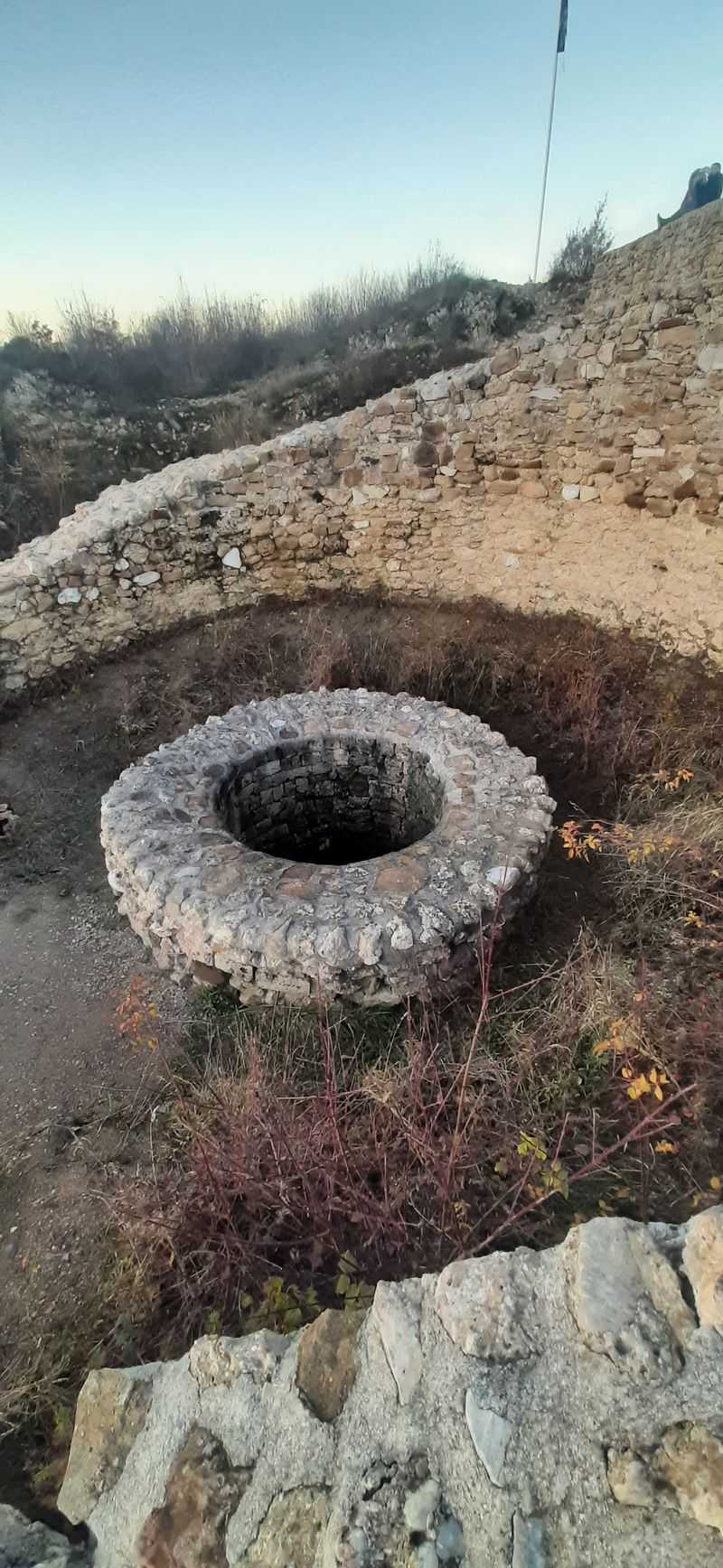
Start by separating view, story, and evidence. Enjoy the panorama and forested climb for what they are.
Then test claims: look for tool marks, mortar, and consistent courses instead of isolated blocks.
Ask where samples came from and how they were dated. Prefer independent labs and clear context over anecdotes.
If an explanation is extraordinary, check whether a simpler geological process fits.
Finally, compare the hill with nearby authentic ruins to calibrate expectations. You can appreciate local passion while still demanding proof.
That stance lets you leave with photos, perspective, and your own well-earned conclusion.



