 Unearth The Voyage
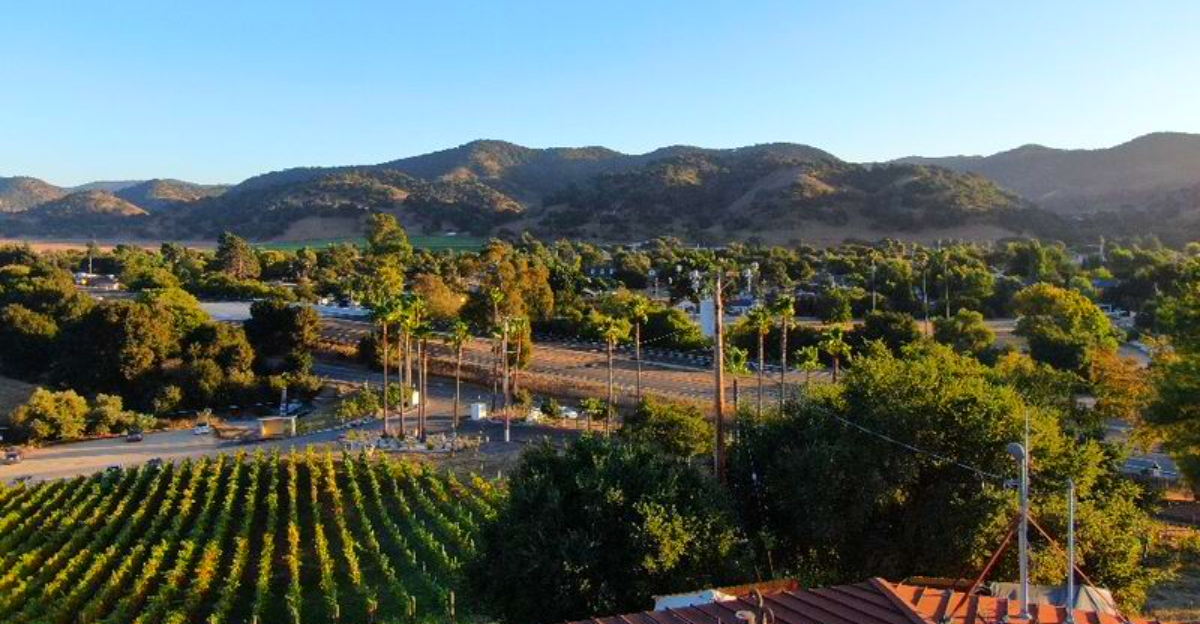
Blink and you might miss Los Alamos, but slow down and the place starts talking in scents of oak smoke, fresh tortillas, and sun-warmed chaparral. The main street is seven blocks of antiques, wine bars, and rancher trucks idling beside cyclists in clipped shoes.
Locals will tell you dinner lines form early and neighbors actually wave, which sounds quaint until you realize it changes how the day feels. If a best-places list surprised you, give it one weekend and see how quickly it makes sense.
Bell Street’s First Walk: Grain, Timber, and Slow Mornings
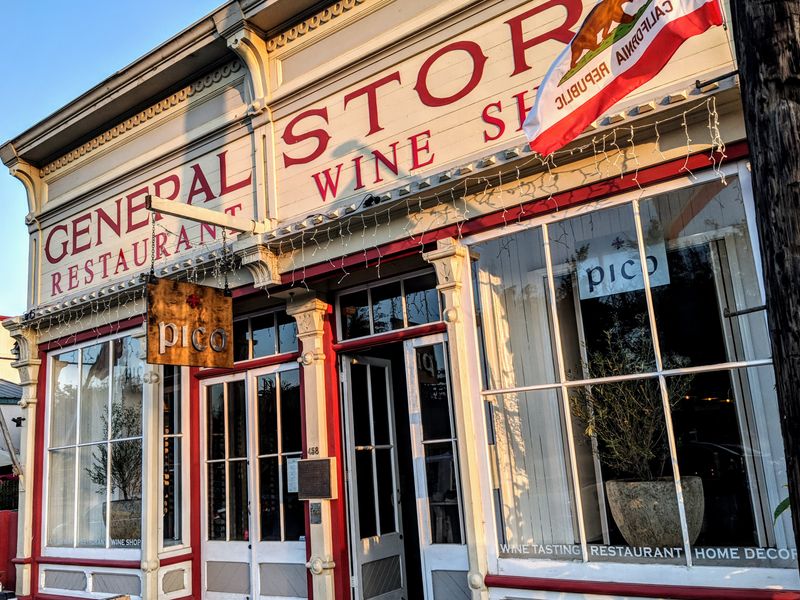
Bell Street wakes like a bakery, slow and fragrant. Doors creak open, someone drags a chalkboard sign onto the sidewalk, and sparrows chatter in the telephone lines.
You will hear espresso tamped, plates stacking, then the soft thud of a delivery truck tailgate. The buildings wear peeling paint that photographs better than fresh, and the street feels scaled to conversation over speed.
Step into a general store for a cinnamon roll the size of your palm, and you will see ranch hands in ball caps next to weekenders in linen. The floorboards have a memory, and they tell it with each step.
By nine, bell jars of flowers sit on café tables, and the smell of mesquite drifts from a smoker out back. If you wander further, you will find a bench under a pepper tree, where time forgets its phone.
Wine Country, Without the Gloss
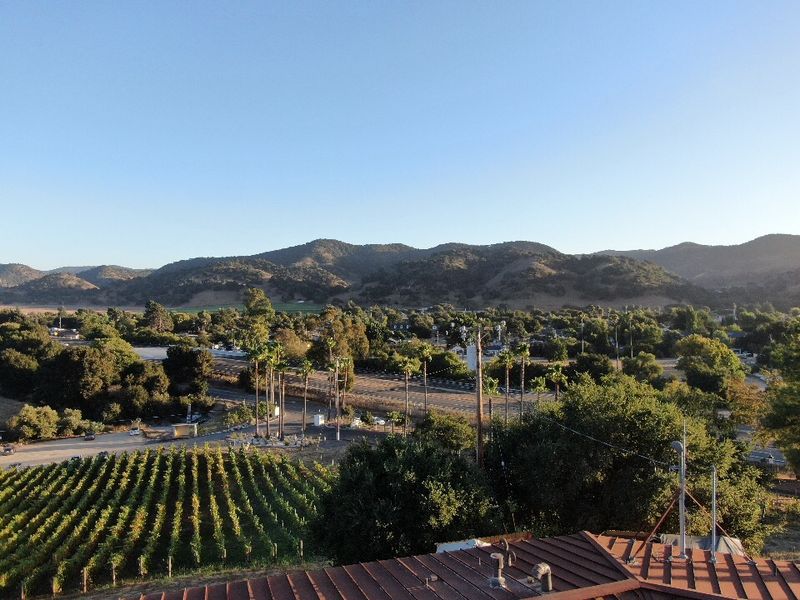
Los Alamos pours wine with a shrug, like it has nothing to prove. Tiny tasting rooms tuck inside old storefronts, their chalkboards listing single-vineyard Grenache, cool-climate Syrah, and the kind of Chardonnay that keeps its oak on a leash.
You can actually talk to the winemaker, who might be rinsing glasses between stories about wind on the slopes and a stubborn harvest.
This valley rides the Santa Rita Hills breeze, and you taste that chill in the glass. The pours come with candor, not gloss, and prices do not bite the way bigger appellations do.
If numbers help, Santa Barbara County reported over 200 wineries in recent counts, yet here the ratio of tasting rooms to foot traffic keeps conversations unhurried. Order a flight, sit by the window, and watch afternoon stretch like a cat in warm light.
Lunch That Smells Like Smoke and Flour
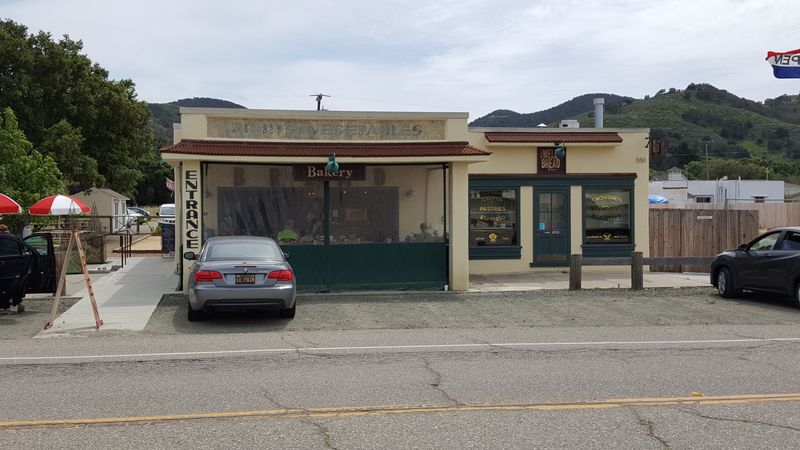
Midday settles in with the scent of oak smoke and toasted masa. A line forms early, half locals, half travelers, all aiming for the same few plates.
Tri tip bleeds gently under a charred crust, salsa brightens like a squeeze of daylight, and tortillas puff on a hot comal. You hear tongs click, knives tap, and someone tells you to grab extra napkins because you will need them.
Lunch here is humble and careful at once. Vegetables show blistered edges, beans arrive glossy, and the specials board runs out like an hourglass.
Santa Barbara County’s farm output regularly ranks among the state’s leaders, and you taste that proximity in a tomato that still smells like field. Sit under string lights, even at noon, and accept that your afternoon plans just became slower and happier.
Antique Stores That Double as Time Machines
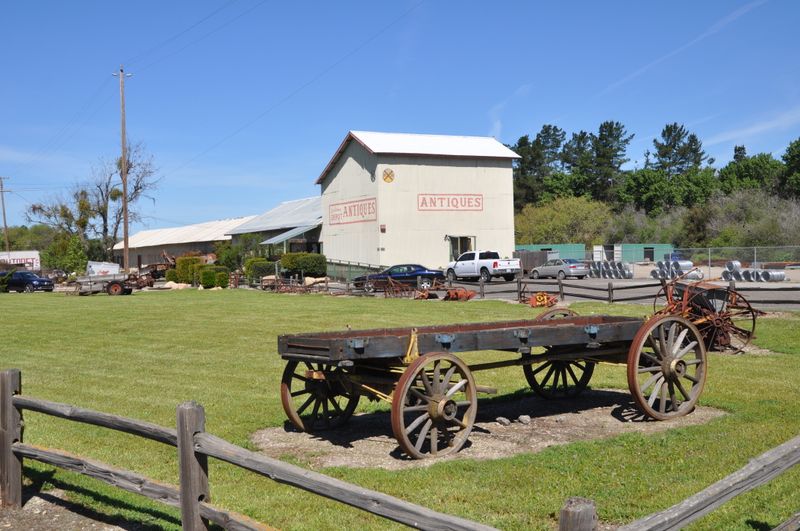
Push open a heavy door and you are inside someone else’s decades. The air smells like old paper and lemon oil, the soundtrack is a needle scratching quietly on an Elvis record.
You drift between enamelware, motel key tags, and a stack of photographs with names penciled on the back. A brass lamp warms a corner, making the chrome cigarette case look inexplicably elegant.
Antique hunting here rewards patience. Owners know their finds and their stories, and prices follow logic rather than hype.
You might leave with a quilt stitched by hands that outlived trends, or a soda sign that will upstage your whole kitchen wall. Time behaves differently when every object insists on a past, and walking back into the sun feels like a small, good shock.
Edges of Town: Oaks, Dust, and Big Sky
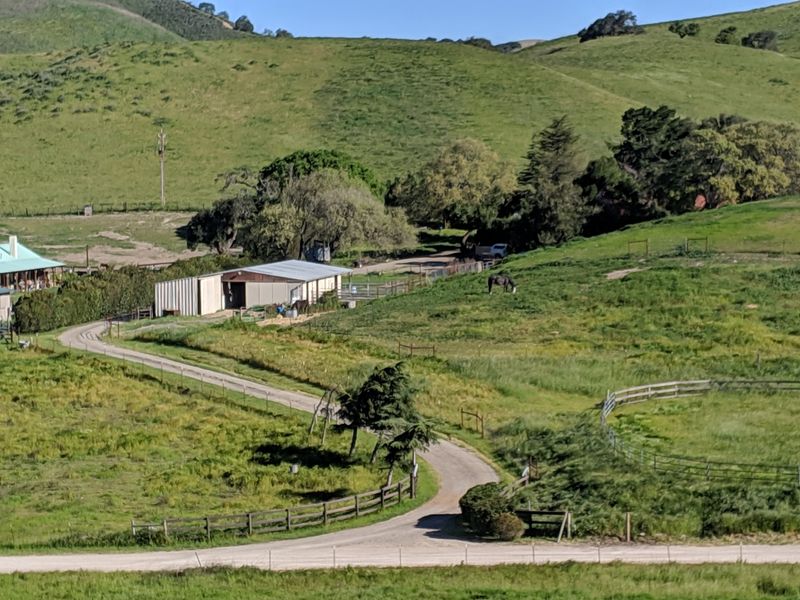
Leave Bell Street and the town loosens into pasture. A gravel shoulder crackles under tires, fennel and sage lean into the wind, and the horizon gets wide enough to quiet a crowded head.
Valley oaks stand like elders, arms crooked, patient over clipped grass and cattle trails. You can pull over and hear almost nothing but grasshoppers and the slow creak of a fence.
The light turns syrupy in late afternoon, laying long shadows across wind-cut hills. Santa Ynez Valley averages over 285 sunny days a year by regional tourism counts, and the sky wears that number with swagger.
Bring water, a hat, and the willingness to let pace fall away. Out here, the town’s appeal rounds out, proving it is not only about food and wine, but space to think.
A Brief Past You Can Still Touch
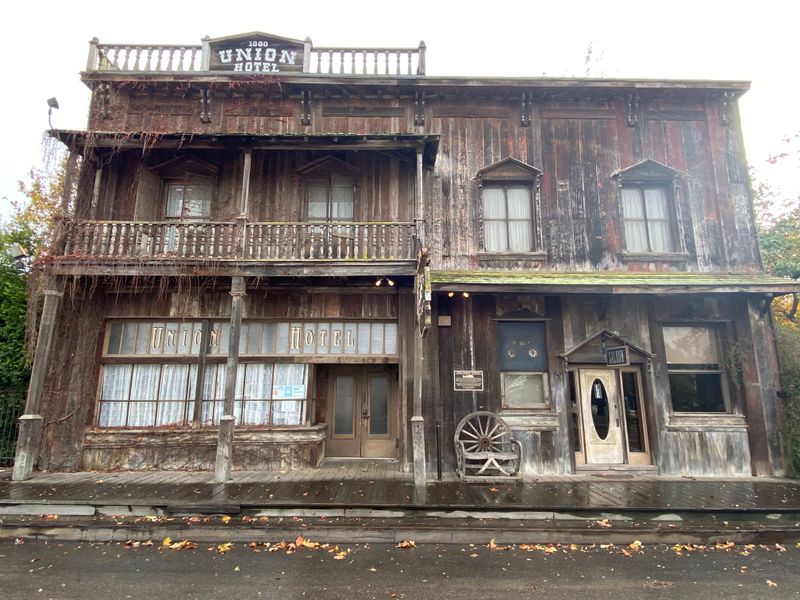
History in Los Alamos hides in plain sight. False-front facades, a weathered hotel sign, a doorframe rubbed smooth by a century of hands.
Founded in the 1870s as a stage stop, the town kept its scale even as highways sped around it. You can read dates in the window glass, wavy and imperfect, or feel them in the iron of a latch.
Locals tell family names like chapters, and stories circle back to ranching, drought, and the first wine pioneers. Santa Barbara County’s population has grown steadily past 450,000, yet this pocket resisted sprawl and kept its bones.
The preservation is not museum-perfect, more lived-in and useful. Walk it slowly, and you start noticing how the past is not packaged, just present.
Where to Sleep: Quiet Rooms and Thin Walls of Time
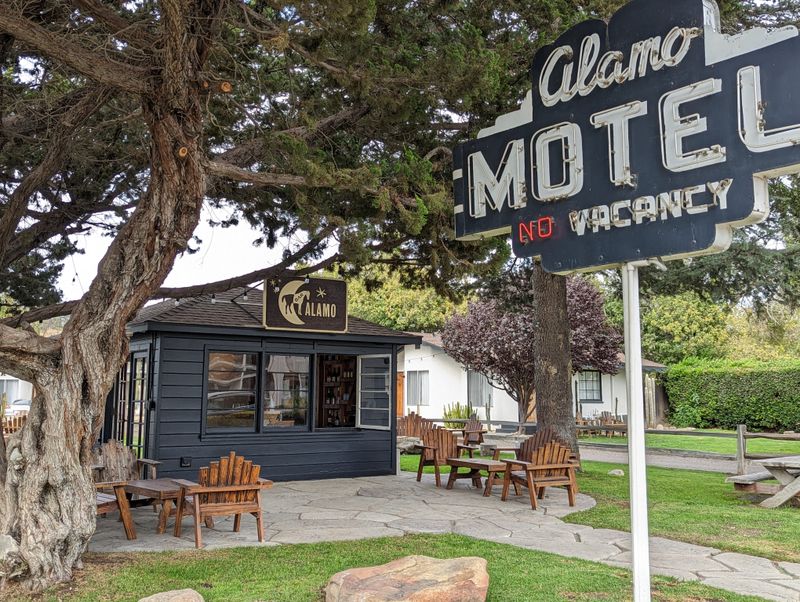
Nights in Los Alamos settle softly. Small inns cluster near the center, mixing vintage bones with clean lines, wool throws, and the kind of soap you end up Googling.
Hallways hold the night like a thermos, and porches collect murmurs over a last glass of red. Crickets work the dark, and the wind lifts eucalyptus like a page turning.
Rooms tend to focus on essentials done right: crisp sheets, a sturdy mattress, a lamp that behaves, blackout curtains that actually close. Prices drift under the coastal elite but above budget chains, a fair middle for the experience.
Book early on weekends because word travels faster than you might think. Morning brings coffee and the sense that you slept in a place with edges, not anonymity.
Saturday Market Rhythms and Real Produce
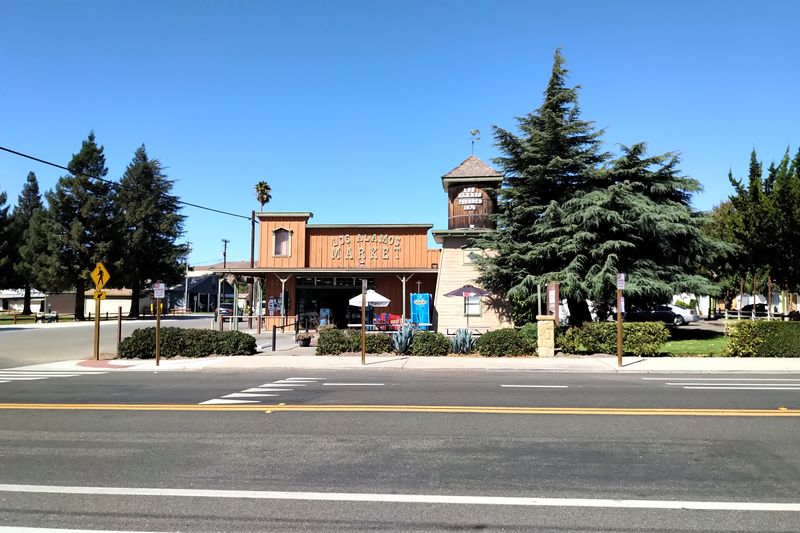
On market day, the town smells like strawberries and soil. Tables bow under tomatoes that still carry field warmth, stacks of herbs, and jars of honey catching the sun like small lanterns.
You can ask who picked the peaches and get a name, not a brand. People cluster to swap recipes and news, the line for eggs running like a rumor.
Agriculture is the county’s backbone, consistently generating billions in value according to state figures, and that abundance condenses here into hand-to-hand exchange. Bring cash and a tote.
Taste before you commit, because one berry can ruin you for supermarket fruit. Walk away with a bag that thumps your leg and the feeling you contributed to a loop that actually closes.
Dinner Reservations You Will Be Glad You Made
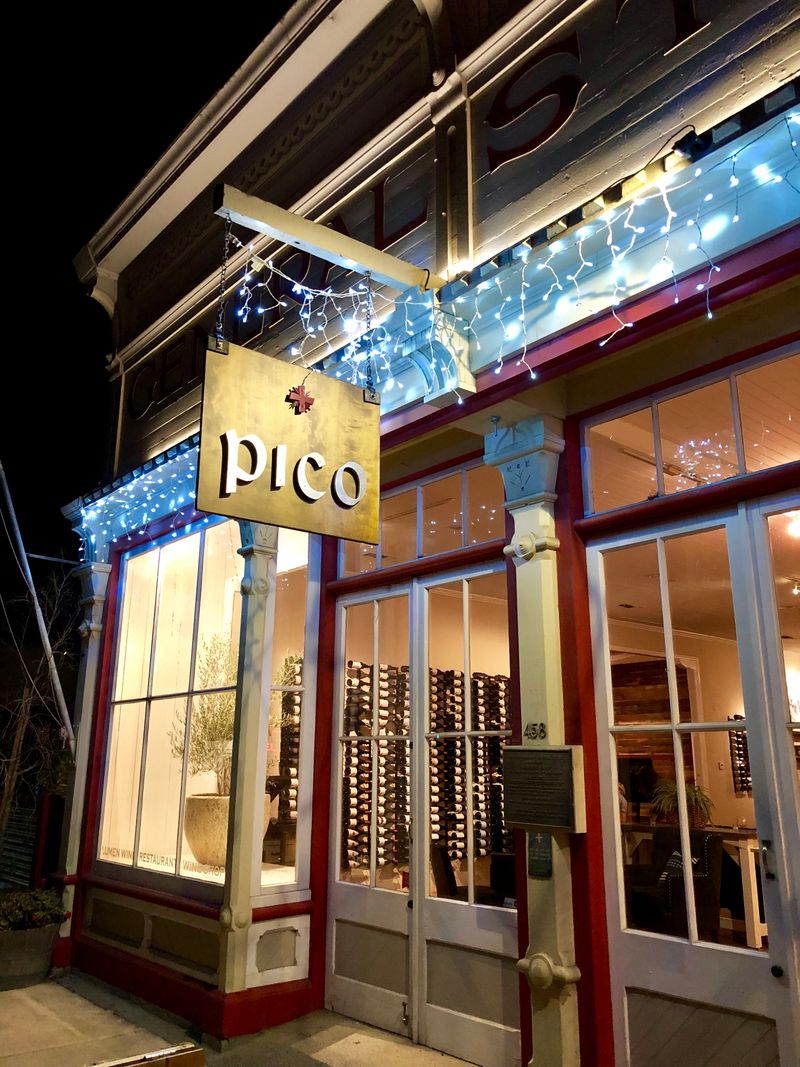
Come evening, the town punches above its weight. Chefs here shop the same farms you met at the market, then send out plates that read like postcards from the valley.
You will taste smoke, citrus, and the steady hand of someone cooking where they live. The dining rooms are human-sized, which means you need a reservation if you prefer your meal without a wait.
Menus change with weather and whim, but expect vegetables treated with respect, handmade pasta, and proteins that meet the fire honestly. Service tends to be direct and friendly rather than choreographed.
Pair with local wine and plan on a walk afterward to let the night finish the story. The bill feels like value when you do not need a taxi or a translation.
Practical Notes: Getting Here, Moving Slow, Spending Right
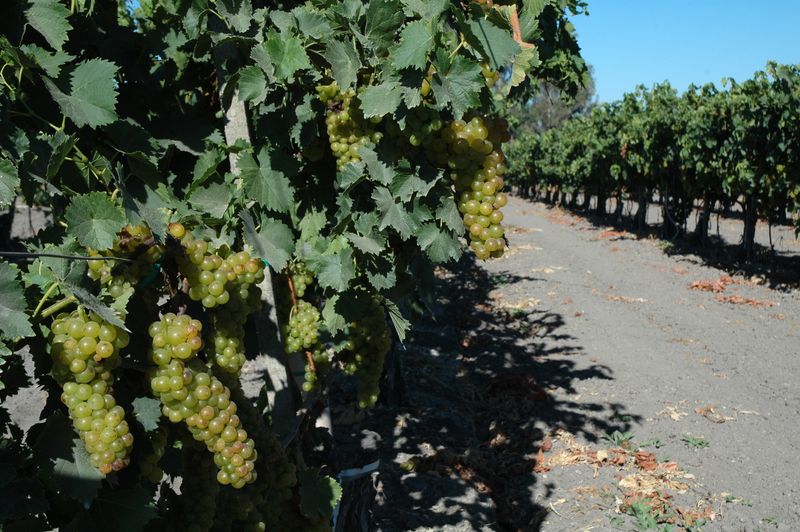
Los Alamos sits just off Highway 101, roughly 45 minutes northwest of Santa Barbara and about 20 from Santa Maria. Parking is easy on side streets, and the town is best on foot once you arrive.
Cell coverage is decent, though some interiors turn bars to whispers. Weekends swell, weekdays breathe.
Plan for sun and cool evenings. Bring layers, comfortable shoes, and a small appetite window so you can follow your nose.
Pricing leans moderate for wine country; you can still eat well without a ceremony. If you track livability, consider this: Santa Barbara County’s unemployment rate hovered near 4 percent in recent state reports, and violent crime remains well below big metro levels.
Those numbers play quietly in the background while you decide to stay another night.



