 Unearth The Voyage
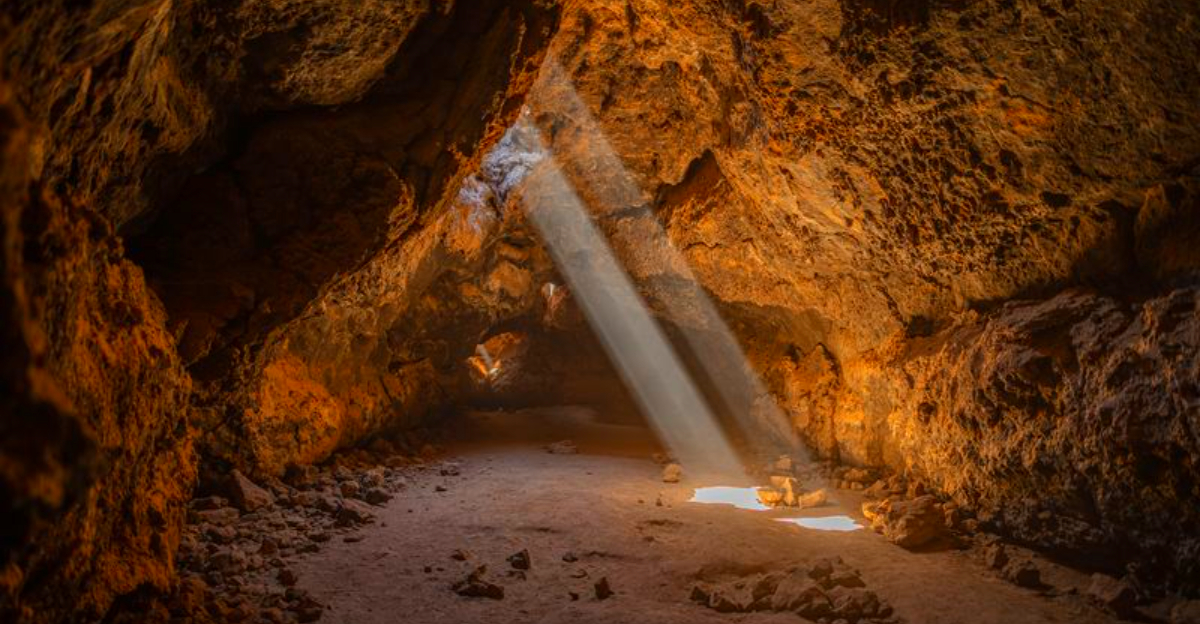
Hidden in the California desert, Mojave National Preserve shelters a surreal lava tube you can actually walk into. The hike is short, the payoff is huge, and you do not need a guide or special gear to feel like you discovered a secret.
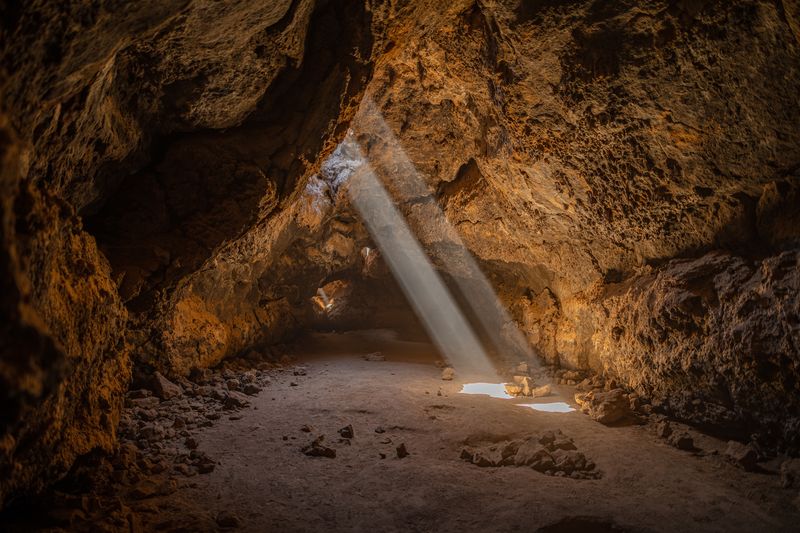
Imagine sunbeams slicing through a rocky ceiling while your footsteps echo below. Here is everything you need so your quick detour becomes an unforgettable desert adventure.
What a Lava Tube Is
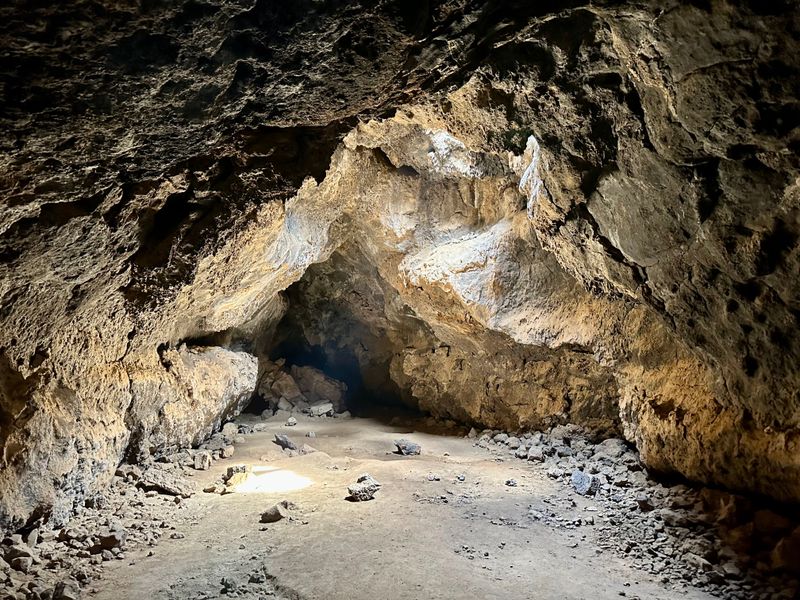
A lava tube forms when flowing lava crusts over on top while molten rock continues moving beneath. When the lava drains, it leaves a hollow tunnel behind.
You are essentially walking inside an ancient river of fire.
In Mojave, the walls are rough, dark, and glassy in spots where heat once licked the rock. Skylight holes pierce the ceiling, spotlighting sand and cinders.
It feels otherworldly, yet surprisingly accessible.
Bring curiosity and respectful footsteps. Touching delicate formations can damage them.
Let your light sweep slowly across textures, and watch how the tunnel reveals its history.
Exactly Where It Sits
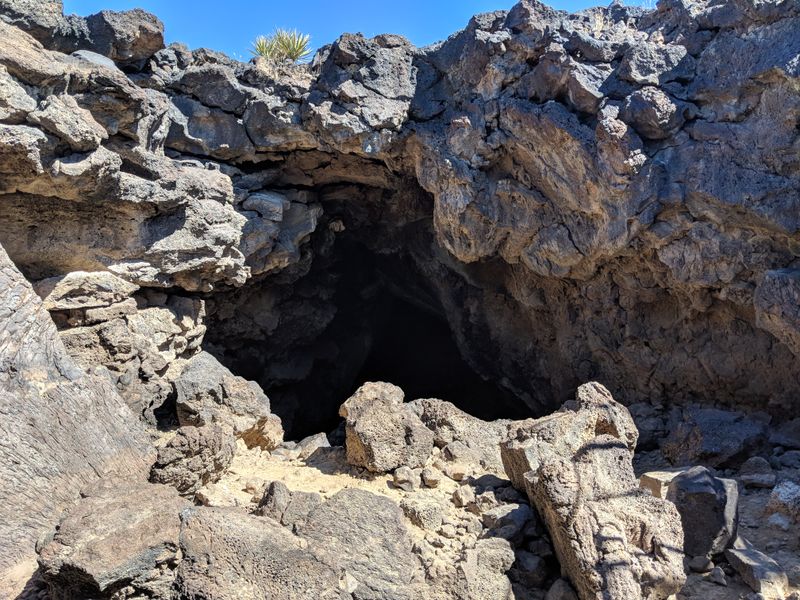
The lava tube lies off Aiken Mine Road in the Cima volcanic field, inside Mojave National Preserve. You will drive gravel and washboard stretches that feel remote but navigable with care.
High clearance helps, especially after storms.
From Kelbaker Road, turn onto Aiken Mine Road and continue past tanks and corrals toward a small parking area. Cell service can be spotty.
Download maps beforehand.
Even without a sign frenzy, the spur paths and volcanic cinders let you know you are close. Look for a well-worn footpath heading uphill.
The desert horizon stretches forever.
Short Hike, Big Payoff
The walk from the parking pullout is about 0.2 miles, gently uphill on sandy tread sprinkled with cinders. Most visitors of average fitness can handle it.
Go slow if heat or loose footing bothers you.
There is little shade, so start hydrated and protect your skin. The approach is straightforward, but loose rocks appear near the entrance.
Watch your step.
Even on a quick road trip, this stop fits easily between bigger sights. You will be surprised how quickly silence takes over.
Each crunch underfoot pushes the desert wider and the world quieter.
The Metal Ladder Descent
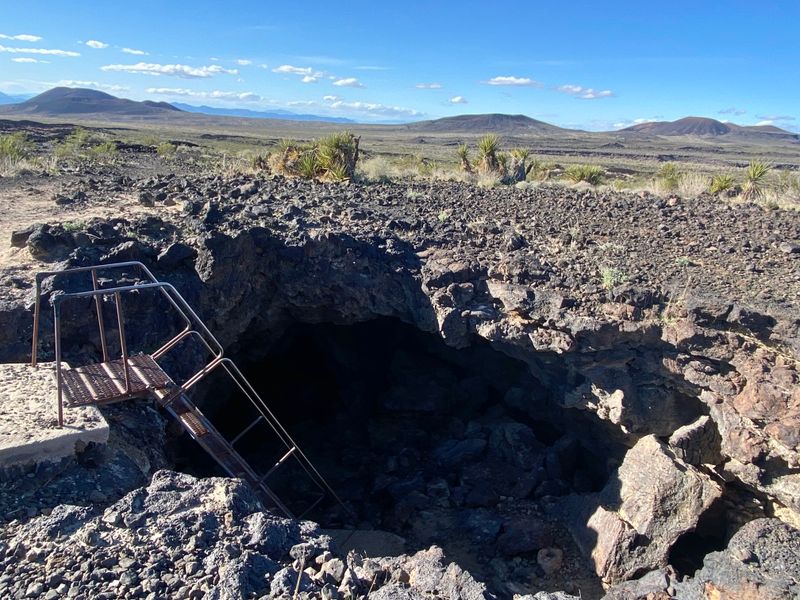
A sturdy metal ladder leads down through the opening into the tube. Rungs can feel sandy or slick, so move slowly and maintain three points of contact.
A flashlight or headlamp helps immediately.
At the bottom, a short low ceiling requires a stoop or crouch before the chamber opens. Taller visitors should watch their heads.
Gloves can add grip if dust coats the rails.
You are stepping into darkness that swallows surface noise. Take a breath before moving on.
Let your eyes adjust, then sweep your beam to study the walls and floor.
Inside That Hidden World
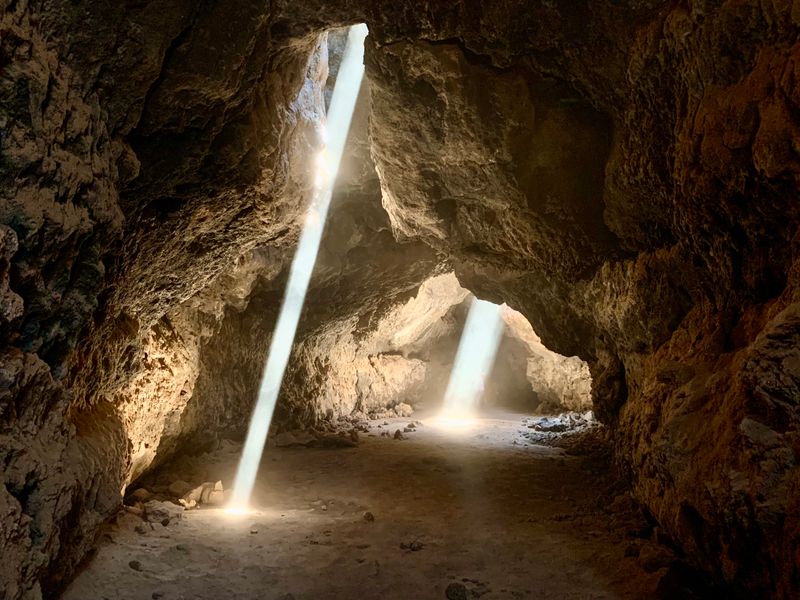
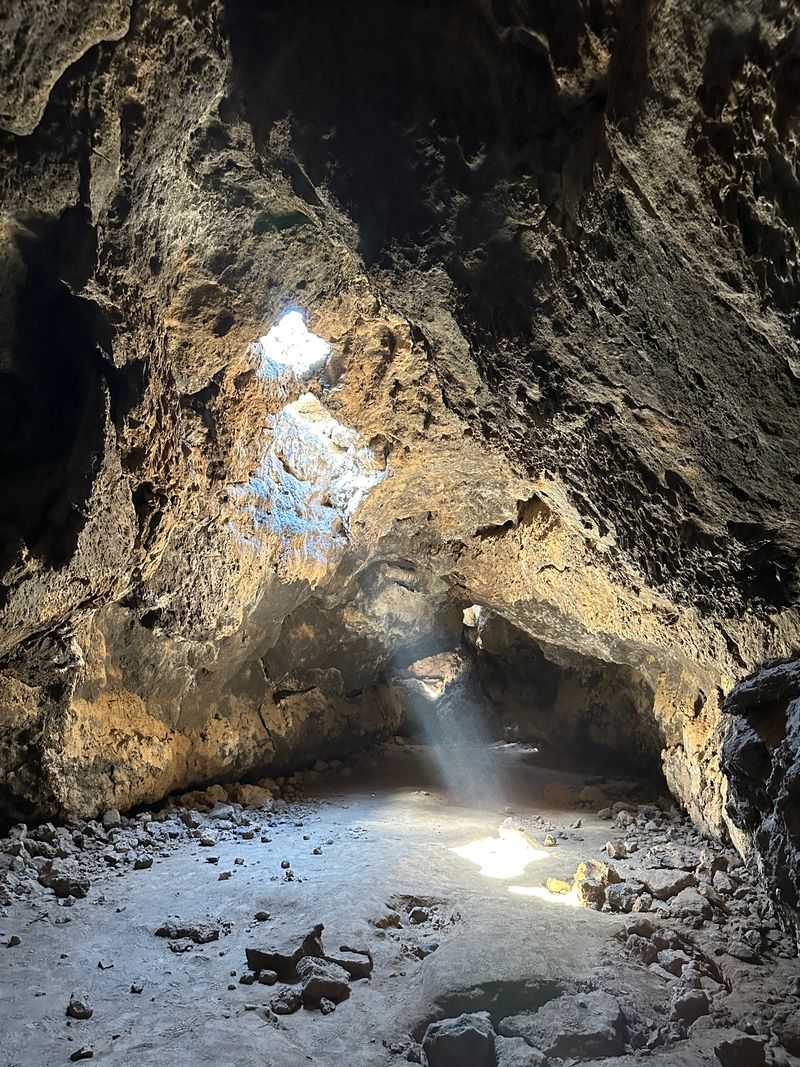
Inside, the main chamber feels like a stage lit by the sun. Beams pour through skylights and illuminate floating dust, shifting with every breath and footstep.
Shadows carve dramatic shapes across the basalt walls.
Listen for tiny echoes and the soft crumble of cinders underfoot. You can trace old flow lines and see textures both glossy and rough.
It is a glimpse of volcanic history from the inside.
Stand back from skylight edges and avoid scrambling on fragile rock. Move deliberately.
This is a quiet, reverent space where small sounds travel far.
Photographing the Skylights
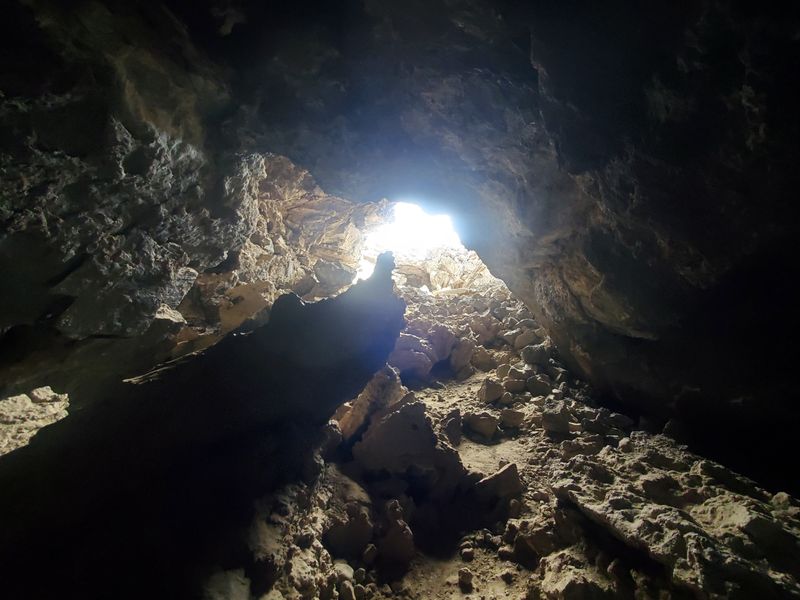
Midday light is your best friend here. When the sun sits high, beams spear through skylights and turn dust into gold.
Pause movement to let particles settle for cleaner shafts.
Use a tripod if possible, or brace against the wall. Shoot wide to capture the full cone of light, then go close for texture.
Expose for highlights to keep beams defined.
Turn off headlamps between frames to control spill. Ask companions to stand still in the ray for scale.
You will leave with images that look like a movie set.
Costs and Permits
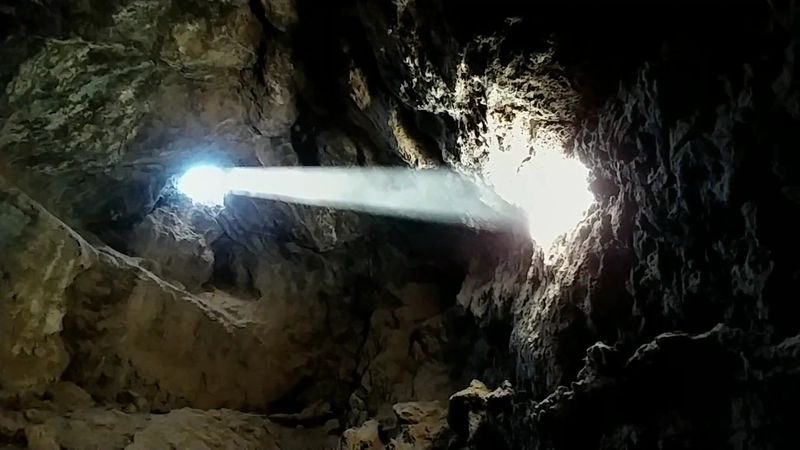
Good news: visiting the lava tube is free. You do not need a permit for a standard visit, and crowds are usually light.
The tradeoff is remoteness and rough approaches.
Always check current road conditions with Mojave National Preserve updates. Unpaved segments can wash out after storms.
If rangers advise avoiding Aiken Mine Road, listen.
There are no on-site services, reservations, or fees. Bring everything you need, then pack it back out.
Treat the quiet like a privilege bought with preparation and care.
What to Bring
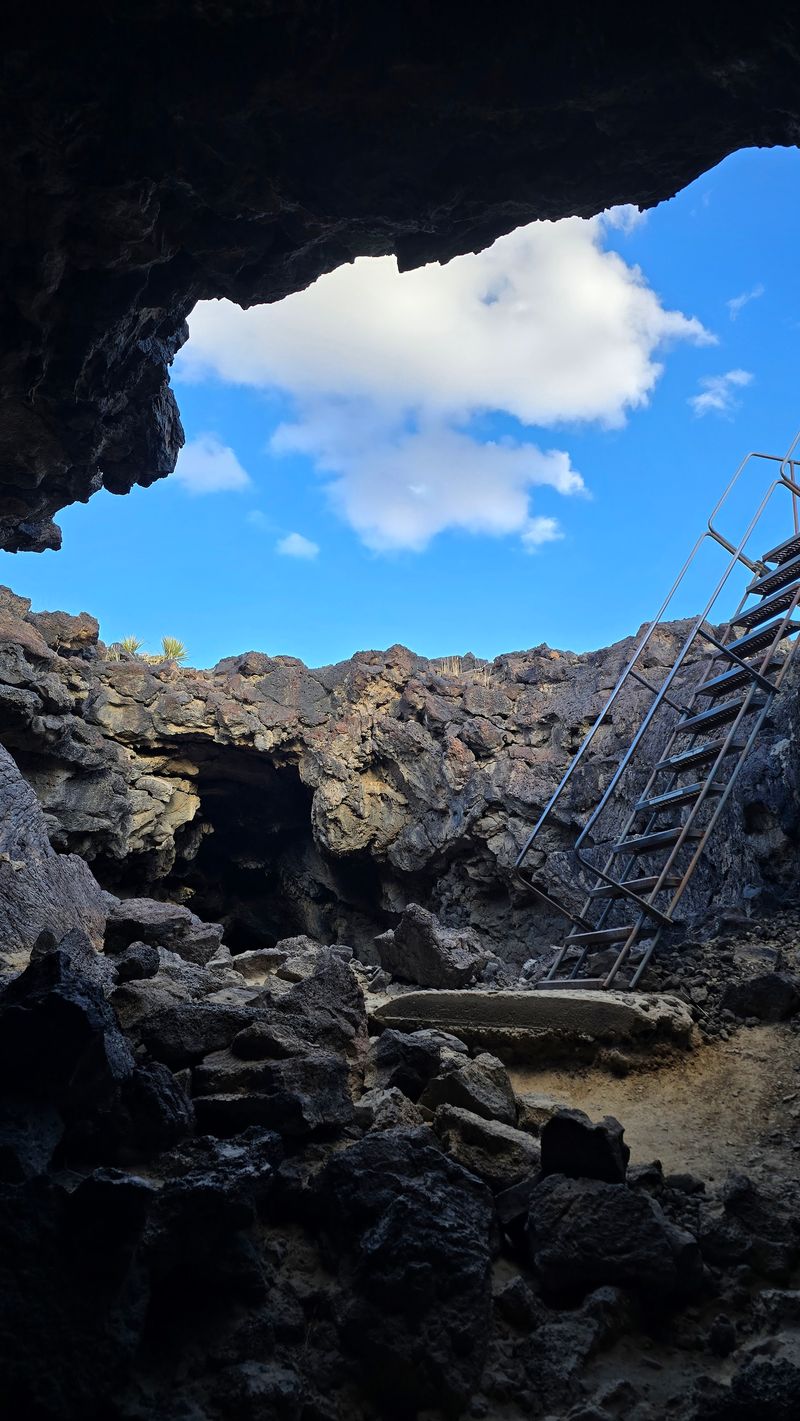
Bring a flashlight or headlamp, sturdy closed toe shoes, and plenty of water. There is no shade on the approach and no services nearby.
A brimmed hat and sunscreen help enormously.
Gloves give confidence on the ladder. A small first aid kit, snacks, and downloaded maps round out the kit.
Pack extra layers in cooler months.
Travel light but not careless. You will want hands free for balance and photos.
Keep gear simple so you can focus on the light, the silence, and your steps.
Best Time to Go
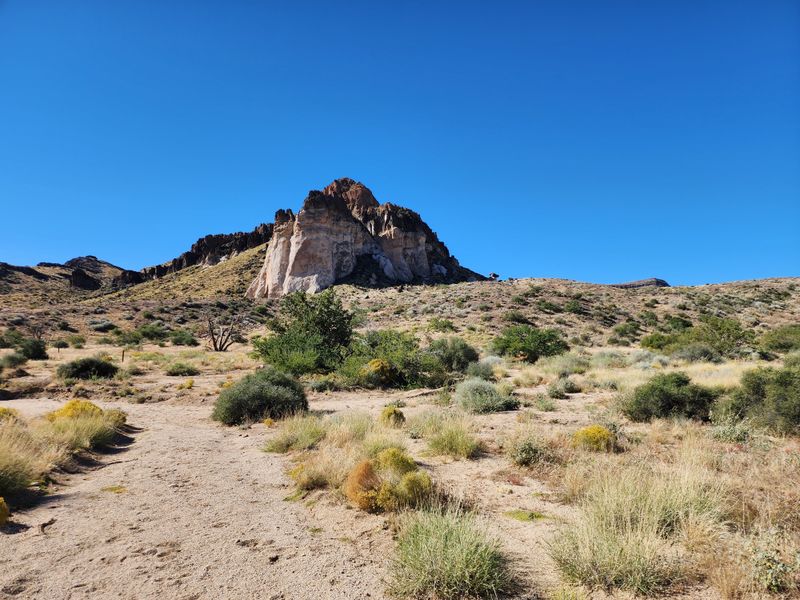
Fall through spring offers the most comfortable temperatures for hiking in Mojave. Summer brings extreme heat, and the approach has zero shade.
Plan your entry around midday if you want the strongest beams.
After rain, unpaved roads can become rutted or muddy. Always check conditions before committing.
Wind can kick up dust that changes visibility in the tube.
If you love solitude, aim for weekdays and earlier hours. The calm feels endless.
Even then, carry more water than you think you need, and watch the sky for developing weather.
Safety and Conditions
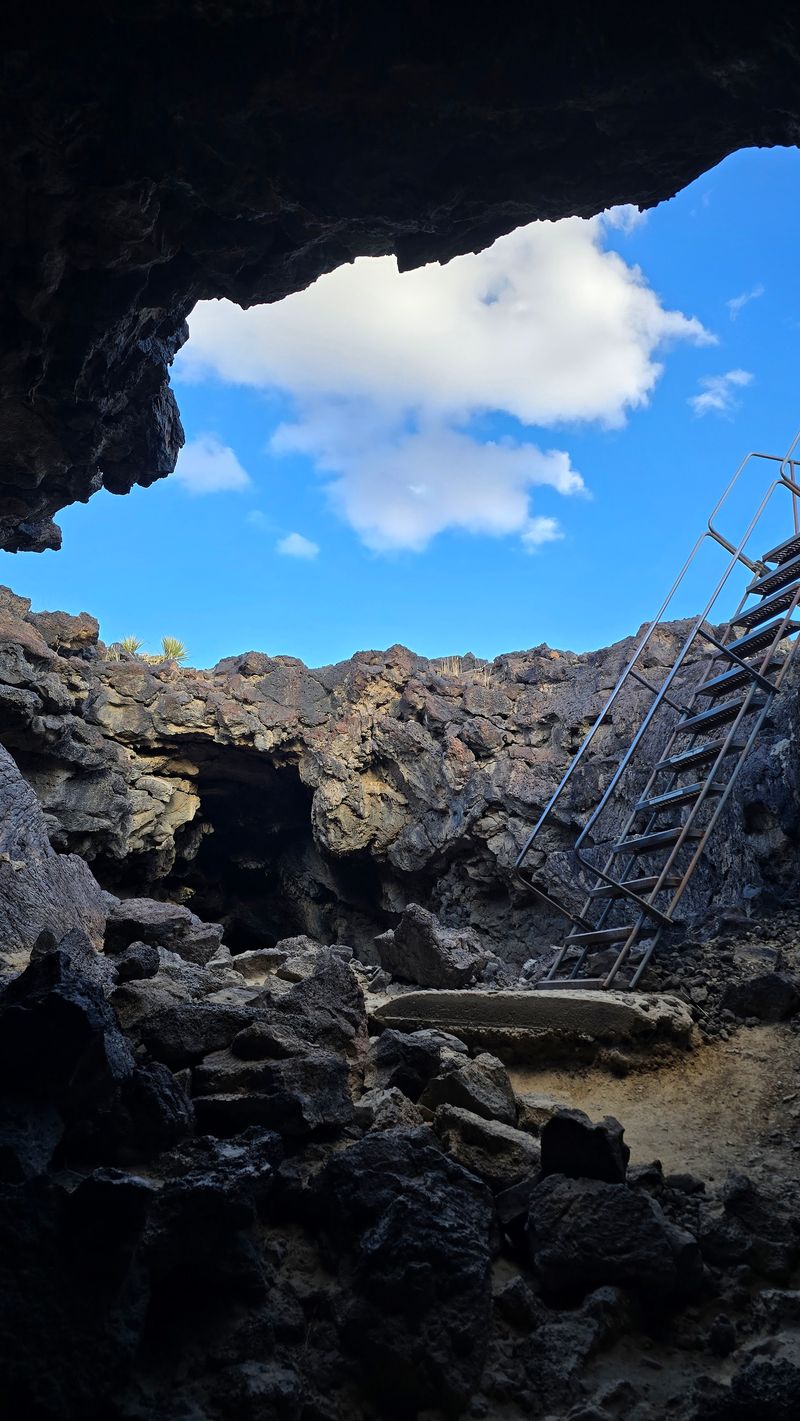
The National Park Service does not regularly maintain the tube. Enter at your own risk and move slowly.
Loose rocks, low ceilings, and uneven footing demand attention.
Test each step, mind your head, and avoid touching delicate surfaces. If the ladder looks damaged or conditions feel sketchy, turn back.
There is no shame in caution.
Tell someone your plan and carry a charged phone plus offline maps. Keep pets leashed outside and never bring them into tight passages.
Your choices protect you and this fragile place.
Leave No Trace
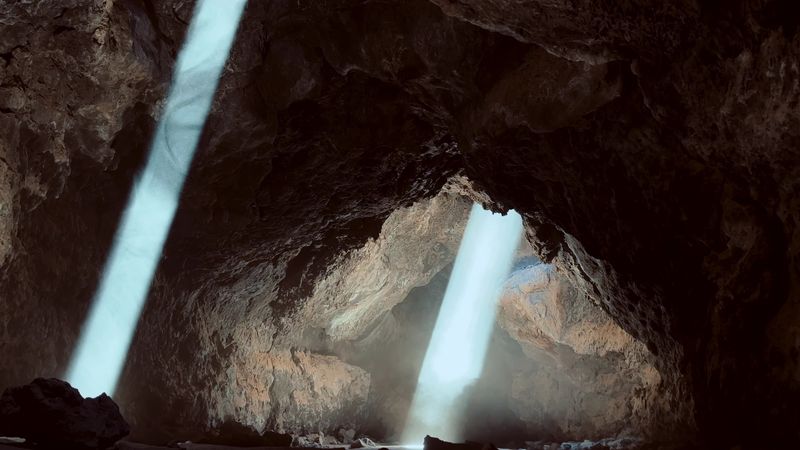
Mojave is a protected landscape, and the lava tube is especially vulnerable. Pack out everything you bring in, including tiny wrappers and orange peels.
Stay on established paths and avoid scraping walls.
Sand shows tracks for a long time, so tread lightly. Keep noise down so others can enjoy the hush.
If you see microtrash, pick it up.
Respect wildlife and plant life on the approach. The less you disturb, the longer this place stays magical.
Your best souvenir is a memory and a camera roll, not a rock.
Getting There From Hubs
From Las Vegas, you can reach Mojave National Preserve in about two hours, then continue to Kelbaker Road and Aiken Mine Road. From Los Angeles, expect roughly three and a half hours.
Fuel up and carry extra water.
Download directions since service drops in the preserve. Drive slowly on washboard sections and yield to wildlife.
A high clearance vehicle is recommended.
Look for the small parking turnout near the spur path. Do a quick gear check before heading uphill.
With a little planning, this remote corner becomes a simple, thrilling stop.



