Some cafés become world-famous for a single dessert perfected over decades. Whether it is a flaky tart in Lisbon, a towering frozen drink in New York, or a delicate pastry in Vienna, these iconic treats have become inseparable from the places that serve them.
Built on tradition, craftsmanship, and a little obsession, these cafés prove that sometimes one unforgettable dessert is all it takes to put a destination on the map.
1. Pastéis de Belém, Lisbon, Portugal
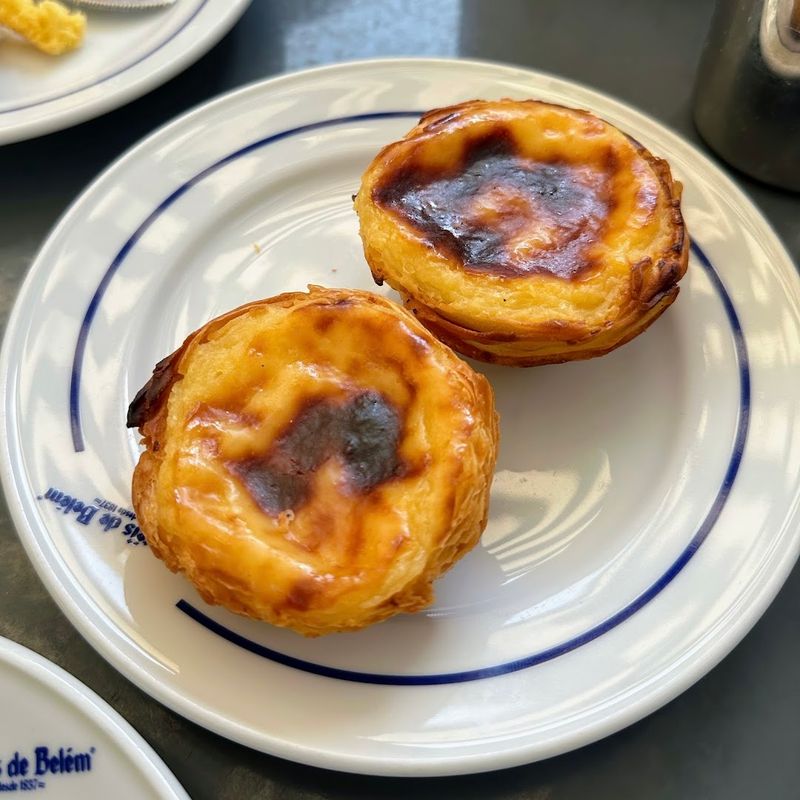
The queue outside this Lisbon bakery starts early and rarely gets shorter, and the reason is one small, unassuming custard tart that has been made from the same secret recipe since 1837.
Pastéis de Belém is the original home of the pastel de nata, and locals are quick to point out that what is sold here is technically called a Pastel de Belém, distinct from the imitations found across the city.
The recipe is known only to a handful of pastry chefs who work behind closed doors in a room visitors never see. The tarts come out of the oven with a blistered, caramelized top and a custardy center tucked inside shatteringly crisp pastry.
2. Café du Monde, New Orleans, Louisiana
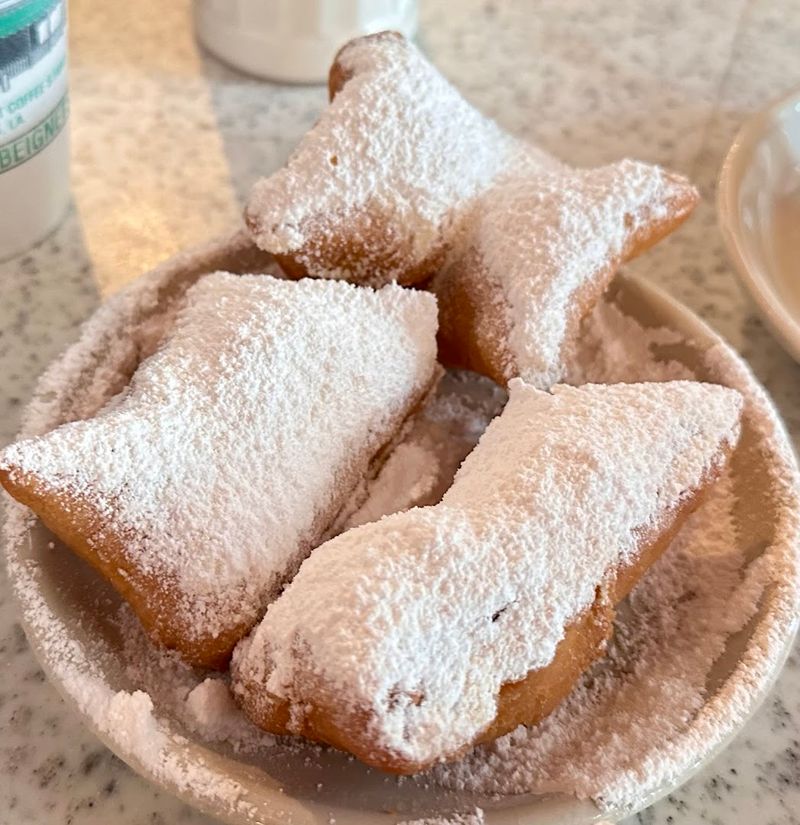
Since 1862, one dessert has defined this New Orleans institution so completely that ordering anything else feels almost beside the point.
Beignets at Café du Monde are square, deep-fried pieces of dough buried under a mountain of powdered sugar, and they arrive at your table piping hot in sets of three. The café operates 24 hours a day, seven days a week, every day of the year except Christmas Day, which tells you something about how seriously New Orleans takes this particular pastry.
The open-air seating along Decatur Street puts diners directly in view of Jackson Square, one of the most photographed public spaces in the American South.
Café du Monde has been serving the same beignet recipe for over 160 years without meaningful changes, a decision that has proven to be remarkably smart.
3. Demel, Vienna, Austria
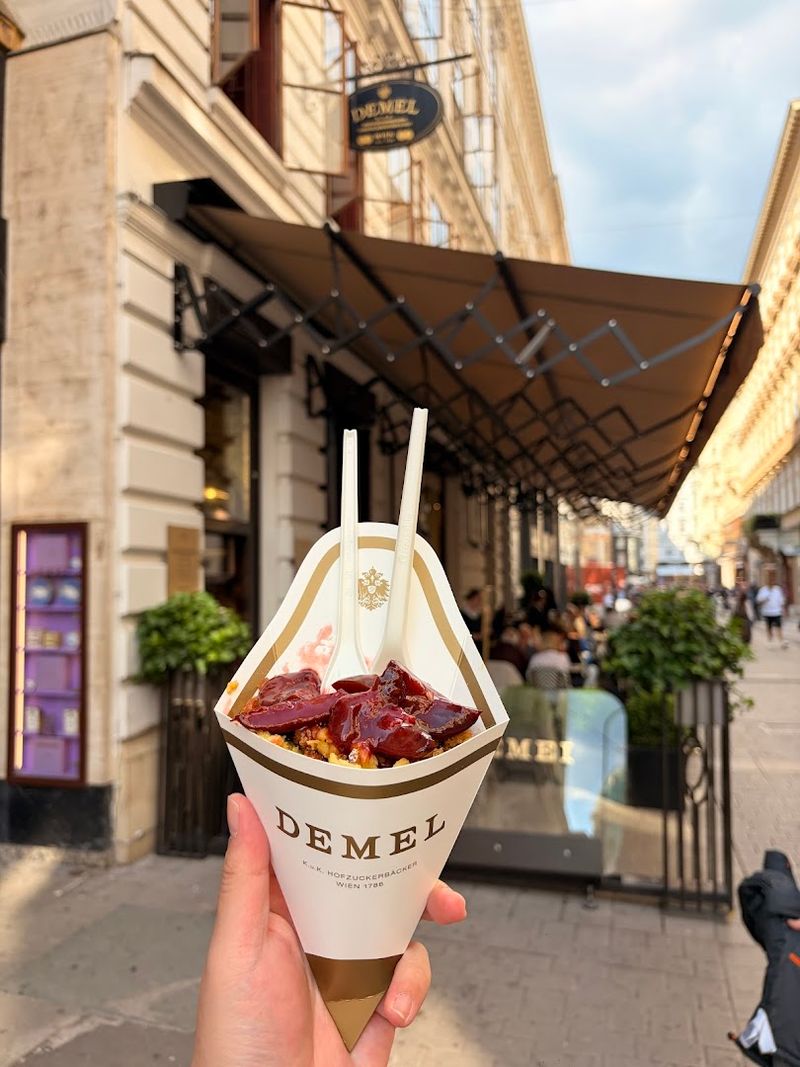
Demel has been making pastries for the Habsburg imperial court since 1786, which means it has had a very long time to perfect its craft.
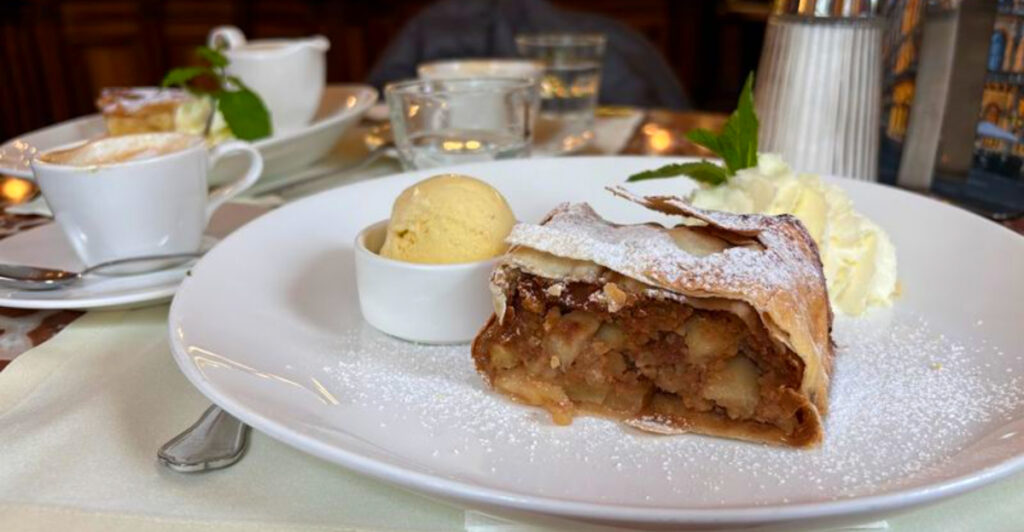
Located steps from the Hofburg Palace on Kohlmarkt Street, this legendary Viennese confectionery is known above all for its strudel, particularly the classic apple version that has been refined over generations of master pastry chefs.
The pastry is notoriously thin, stretched by hand to near-translucency before being filled and baked. Watching the Demel bakers work through the glass window is a popular attraction in itself, giving visitors a front-row seat to one of Vienna’s most practiced culinary traditions.
The café’s interior is all dark wood, gilded mirrors, and formal service, creating an atmosphere that feels genuinely old-world rather than staged.
Demel also holds a famous historical rivalry with Café Sacher over the rights to the original Sachertorte recipe, a dispute that became a real legal case in Austrian courts during the 1950s.
4. Serendipity 3, New York City, New York
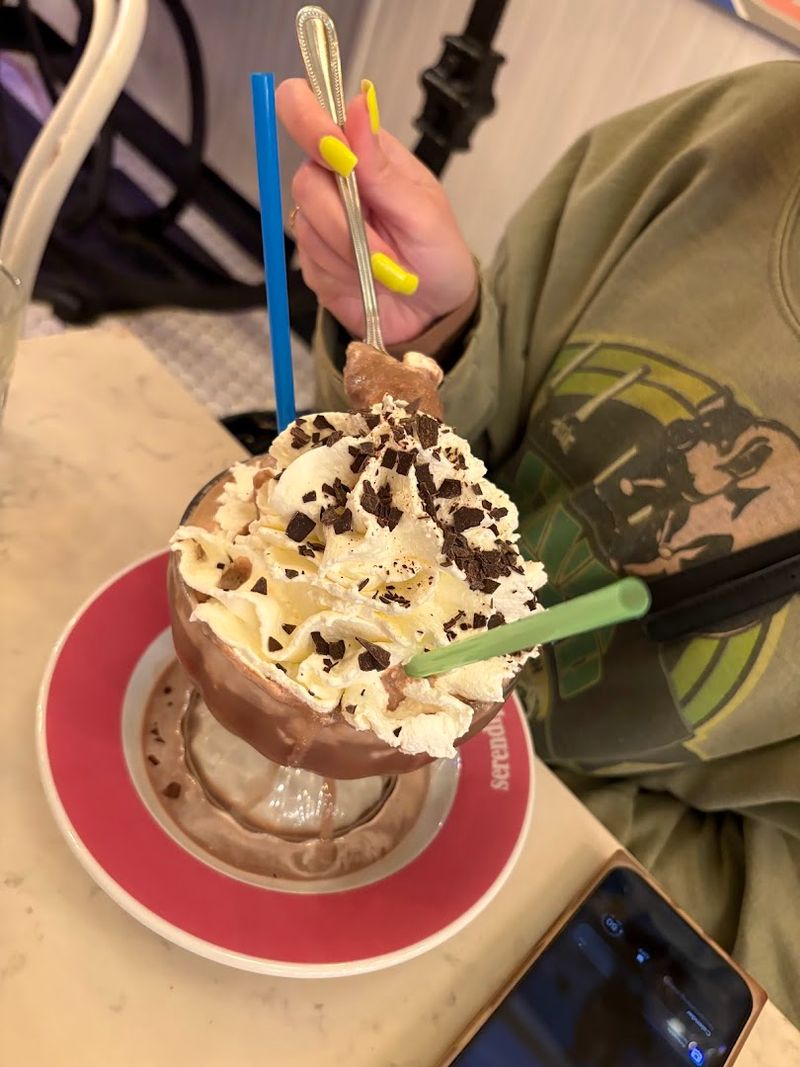
Back in 1954, a café opened on East 60th Street in Manhattan with the kind of over-the-top personality that New York City tends to reward generously.
Serendipity 3 became famous fast, and the dessert that put it on the map was the Frozen Hot Chocolate, a thick, chilled drink made from a blend of fourteen types of cocoa mixed into a creamy, frozen base and topped with whipped cream.
The recipe was developed by the café’s founder, Calvin Lee, and it became such a signature that Serendipity 3 trademarked it. Over the decades, celebrities including Marilyn Monroe, Andy Warhol, and Cher have been photographed enjoying the drink at the café’s famously packed tables.
5. Café Central, Vienna, Austria
Few places in the world can claim to have served dessert to emperors, poets, and revolutionaries, but Café Central in Vienna makes that case without blinking.
Opened in 1876, this grand coffeehouse sits inside the Palais Ferstel and is one of the most architecturally striking cafés in Europe, with soaring vaulted ceilings and arched passageways that make every visit feel like a history lesson.
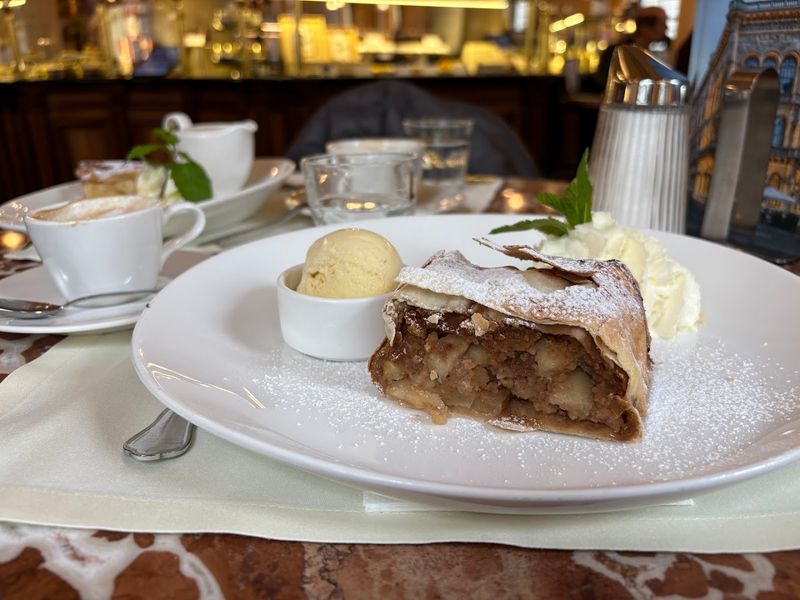
The dessert that keeps people coming back is the Apfelstrudel, a classic Austrian apple strudel made with tissue-thin pastry wrapped around a spiced apple filling.
It is served warm with a generous helping of whipped cream on the side. The recipe follows a tradition that stretches back centuries in Austrian culinary culture.
6. Pasticceria Marchesi, Milan, Italy
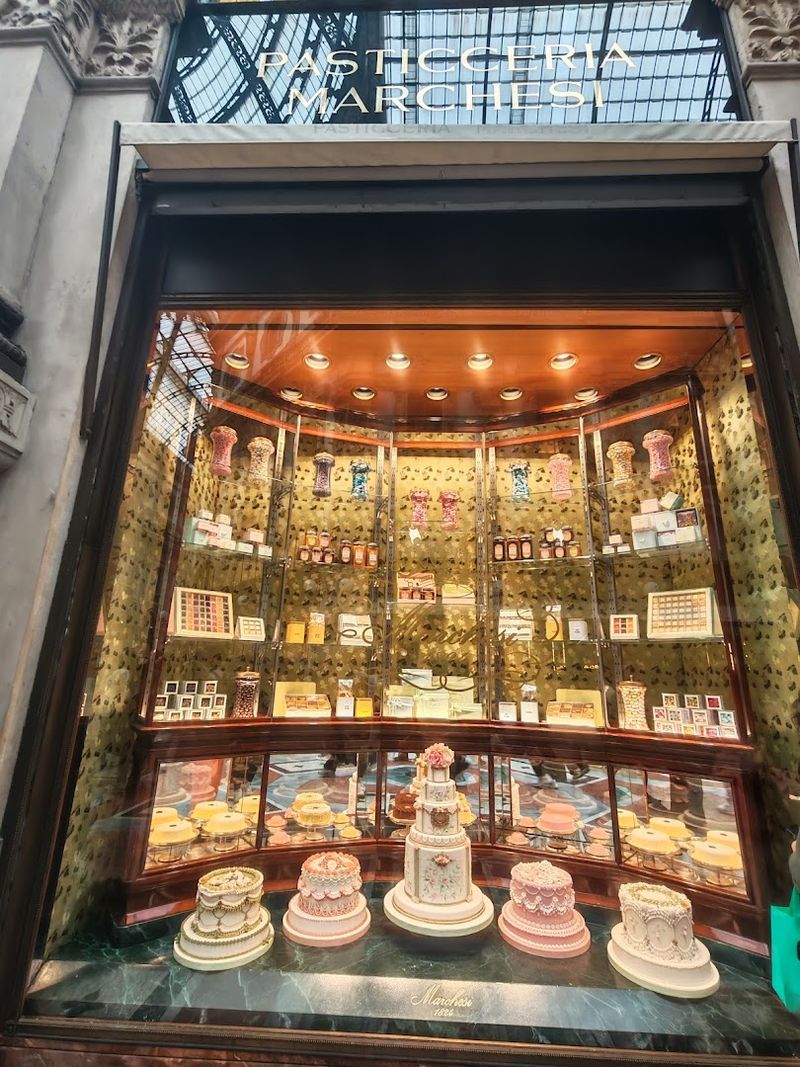
There is a particular kind of Milanese confidence that says: we have been making this since 1824 and we have no plans to change it.
Pasticceria Marchesi operates with exactly that energy, and its panettone is the product that best represents it. This tall, dome-shaped Italian sweet bread studded with candied fruit and raisins is a Christmas tradition across Italy, but Marchesi makes a version that people seek out year-round.
The café has two locations in Milan, including one inside the Prada building on Via Montenapoleone, which puts it squarely in the middle of the city’s most fashionable shopping district.
The interiors are formal and precise, with marble counters and display cases arranged with the kind of geometric care you might expect from a luxury brand rather than a bakery.
7. Angelina, Paris, France
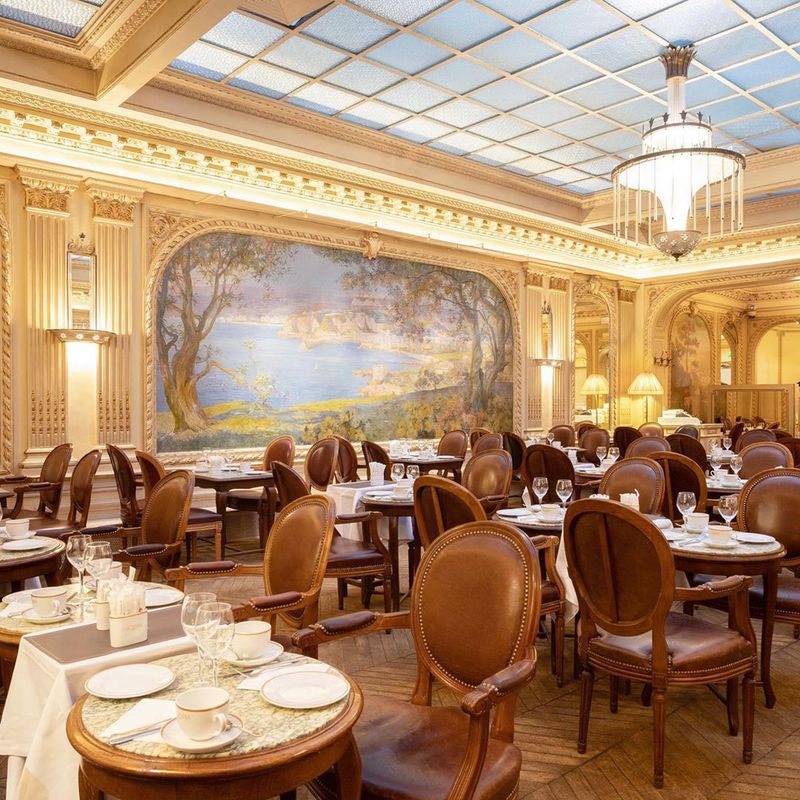
Opened in 1903 on the Rue de Rivoli, Angelina has spent well over a century building a reputation around two things: hot chocolate so thick it practically needs a spoon, and the Mont Blanc dessert that has made it one of Paris’s most recognizable café addresses.
The Mont Blanc is a classic French dessert made from chestnut cream piped in thin, worm-like strands over a meringue base and topped with whipped cream. Angelina’s version is considered the benchmark by which other Mont Blancs in Paris are judged.
The café’s interior features gilded ceilings, arched windows, and murals that have remained largely unchanged since its early 20th-century opening, attracting a steady flow of tourists alongside longtime Parisian regulars.
8. Dominique Ansel Bakery, New York City, New York
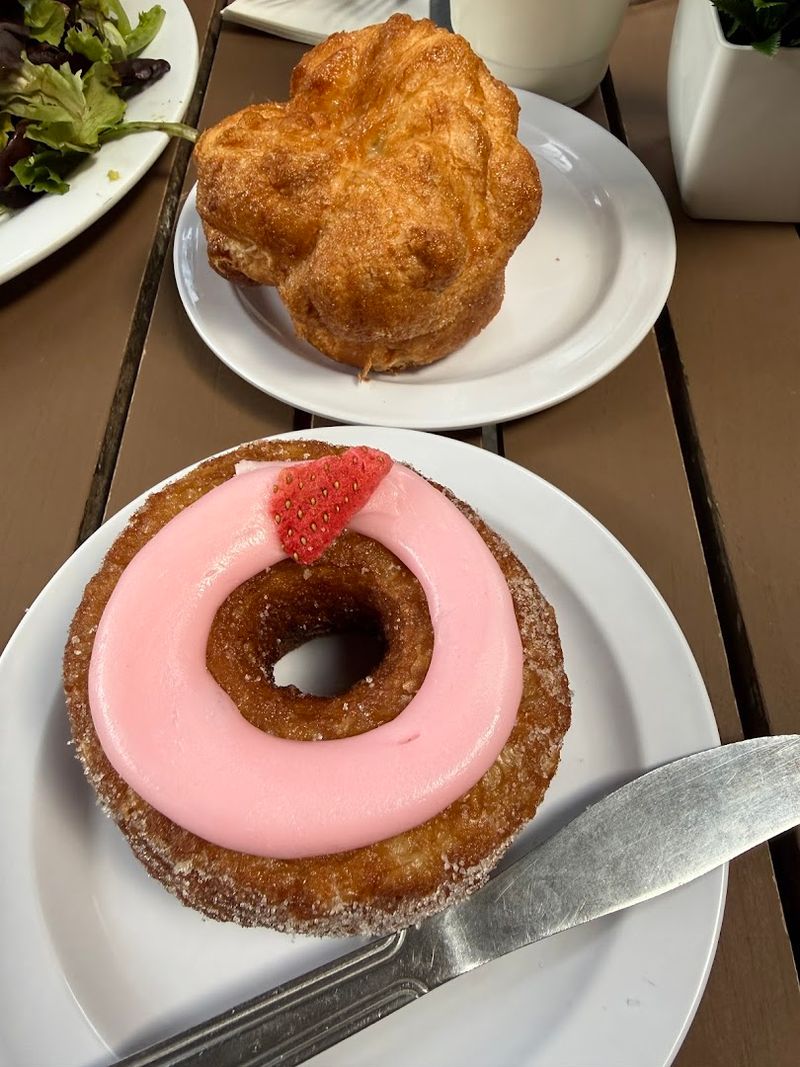
In May 2013, a French pastry chef in SoHo quietly added a new item to his menu and accidentally started a global food craze that had people camping outside his bakery door before sunrise.
The Cronut, a laminated pastry that combines the layered structure of a croissant with the round shape and frying method of a doughnut, was invented by Dominique Ansel and immediately went viral before that word was even commonly used for food.
Within two weeks of its debut, the Cronut had been covered by major news outlets worldwide. The bakery still limits purchases to two Cronuts per customer and changes the flavor monthly, which means there is always a reason to return.
9. Café Majestic, Porto, Portugal
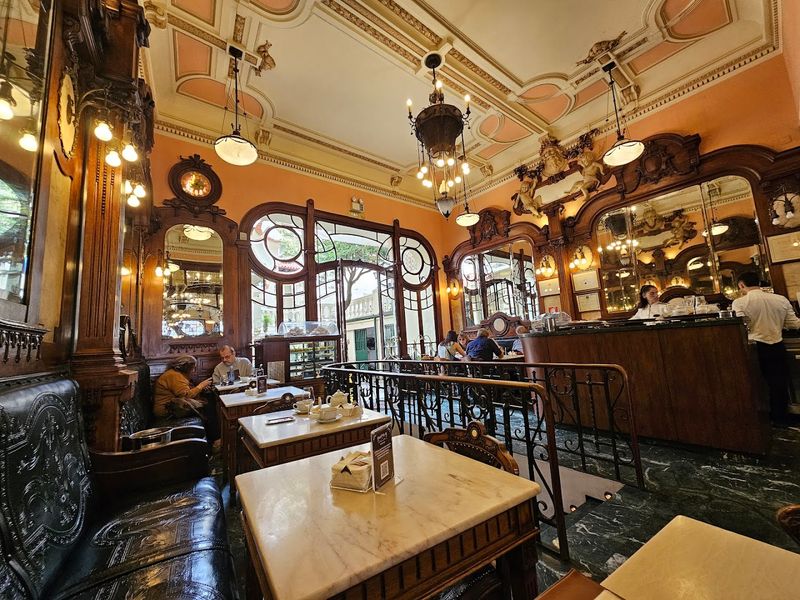
Opened in 1921, Café Majestic on Rua Santa Catarina in Porto is widely regarded as one of the most beautiful cafés in the world, a claim backed up by the fact that it has appeared on multiple international lists of landmark café interiors.
The carved wood panels, leather seating, and large gilded mirrors create an interior that has changed very little since the café first opened its doors, and that consistency is part of the draw.
The desserts served here lean into Portugal’s deep tradition of egg-based sweets, with silky custard pastries and classic regional confections taking center stage on the menu. The café’s custard-filled pastries have a loyal following among both Porto residents and visitors making a dedicated stop.
J.K. Rowling is said to have written parts of the Harry Potter series while living in Porto and frequenting cafés like this one, which has added a layer of literary lore to the Majestic’s already considerable reputation.
10. B. Patisserie, San Francisco, California
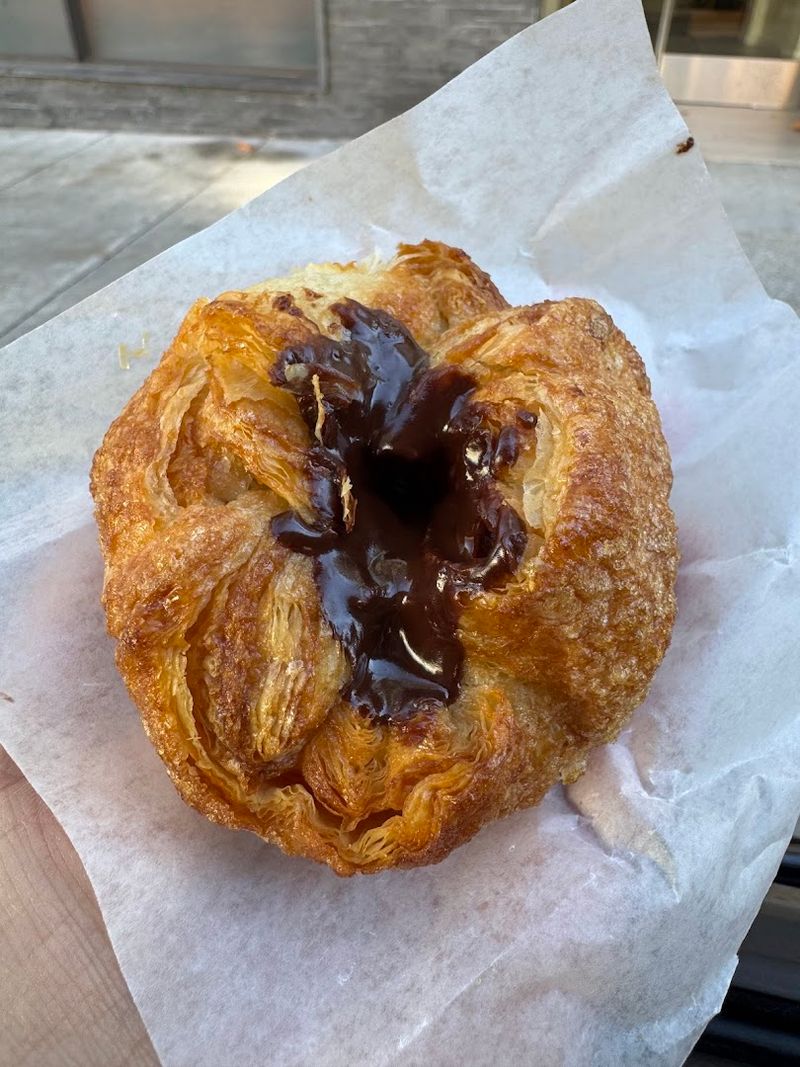
Belinda Leong opened B. Patisserie in San Francisco’s Pacific Heights neighborhood in 2012, and within months it had developed the kind of following that most bakeries spend years trying to build.
The item responsible for most of that buzz is the kouign-amann, a Breton pastry from the coastal region of Brittany in France. The name translates roughly to butter cake in the Breton language, and the description is accurate: layers of laminated dough are folded with generous amounts of butter and sugar, then baked until the outside caramelizes into a crisp, amber shell.
Leong trained in Paris and worked at some of Europe’s most respected patisseries before returning to San Francisco, and that background shows in the technical precision of her baking..
11. Tatte Bakery & Café, Boston, Massachusetts
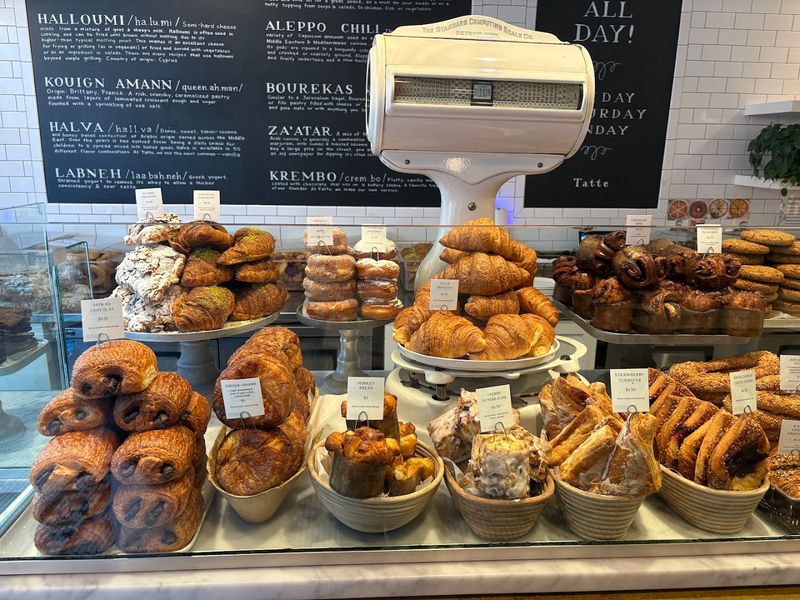
Tzurit Or started Tatte in 2007 as a home-based baking operation, selling pastries at Boston farmers markets before eventually opening a brick-and-mortar location that sparked one of the city’s most consistent café success stories.
Today Tatte has multiple locations across Boston and beyond, but the pistachio croissant and the rich, dense cheesecake are the items that regulars cite most when explaining why they keep coming back.
The pistachio croissant is filled with a pistachio cream and finished with a dusting of powdered sugar, giving it a look that photographs well and a flavor profile that holds up to the hype.
The cheesecake is made in a style that sits closer to the Israeli tradition Or grew up with, denser and more restrained in sweetness than the New York version most Americans are familiar with.
12. Karaköy Güllüoğlu, Istanbul, Turkey
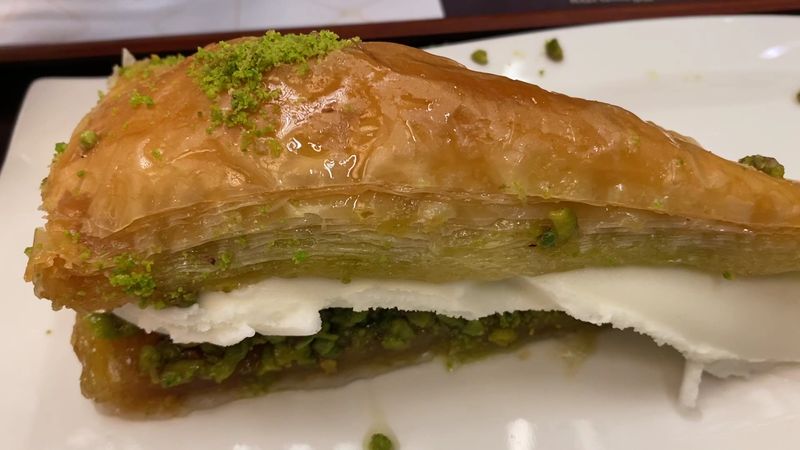
The Güllüoğlu family has been making baklava since 1871, a fact they are rightly proud of, and their flagship location in Istanbul’s Karaköy district is considered by many baklava enthusiasts to be the most serious address in a city that takes this dessert very seriously indeed.
Baklava at Karaköy Güllüoğlu is made with finely ground pistachios from Gaziantep, a city in southeastern Turkey that produces what is widely considered the best pistachio variety for pastry use.
The phyllo layers are rolled by hand to a thinness that takes years of practice to achieve consistently, and the syrup used to finish the baklava is calibrated to keep the pastry crisp rather than soggy.
The café operates a counter-service system where customers point to their preferred variety from a wide display of options. Alongside the classic pistachio version, the menu includes walnut baklava, sobiyet, and several regional variations that regulars work their way through methodically.
13. Café Tortoni, Buenos Aires, Argentina
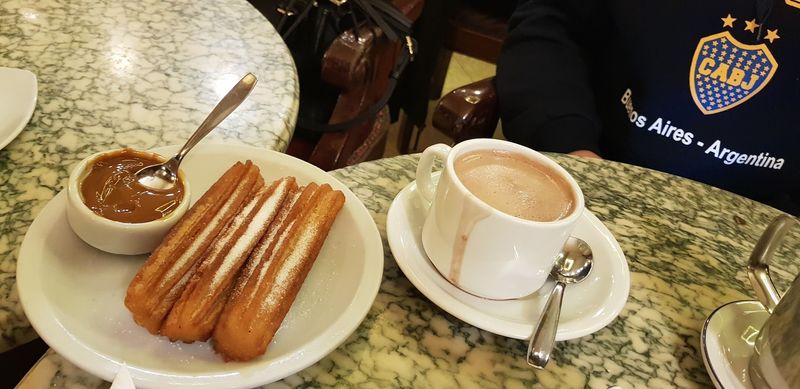
Argentina’s oldest café opened in 1858, and in over 165 years of operation it has become so embedded in Buenos Aires culture that it has been declared a National Historic Monument.
Café Tortoni sits on Avenida de Mayo, one of the city’s most historically significant streets, and its interior has barely changed since the early 20th century, with dark wood paneling, marble tables, and vintage photographs covering nearly every wall.
The dessert most associated with Café Tortoni is the churro, specifically the version served alongside a thick, dense hot chocolate and a small pot of dulce de leche for dipping. Churros here are fried to order and arrive hot, with a slightly crisp exterior and a soft interior.
The café has hosted an extraordinary list of notable guests over the decades, including Jorge Luis Borges, Federico García Lorca, and Albert Einstein, all of whom are commemorated in the café’s small on-site museum.
14. Tai Cheong Bakery, Hong Kong
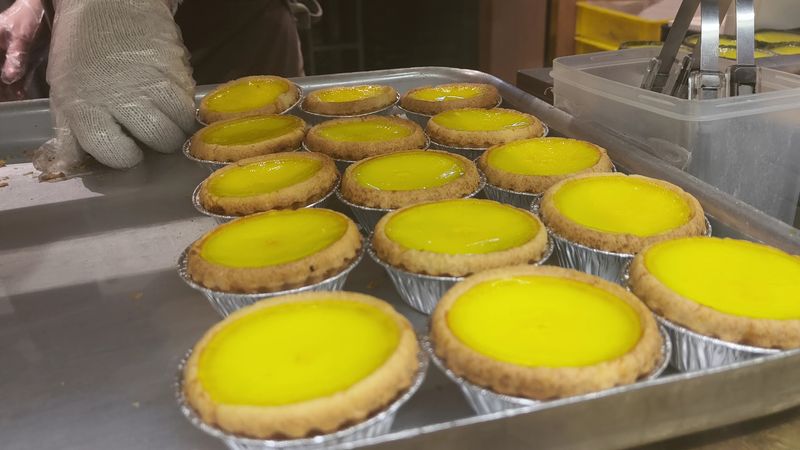
Chris Patten, the last British governor of Hong Kong, visited Tai Cheong Bakery so frequently for its egg tarts that the bakery eventually put a sign in the window advertising the fact, turning a political figure into an unlikely pastry endorser.
Tai Cheong was established in 1954 in the Central district, and its egg tarts have maintained a loyal following for seven decades. The tart consists of a buttery shortcrust shell filled with a smooth, lightly sweetened egg custard that sets with a wobble rather than a firm set.
The ratio of pastry to filling and the precise sweetness level of the custard are the details that distinguish Tai Cheong’s version from the dozens of competitors that have appeared across Hong Kong over the years.
The bakery has expanded to multiple locations and has franchised internationally, but the original Central location retains a particular significance for long-term Hong Kong residents who remember it from before the city changed around it.
15. Ladurée, Paris, France
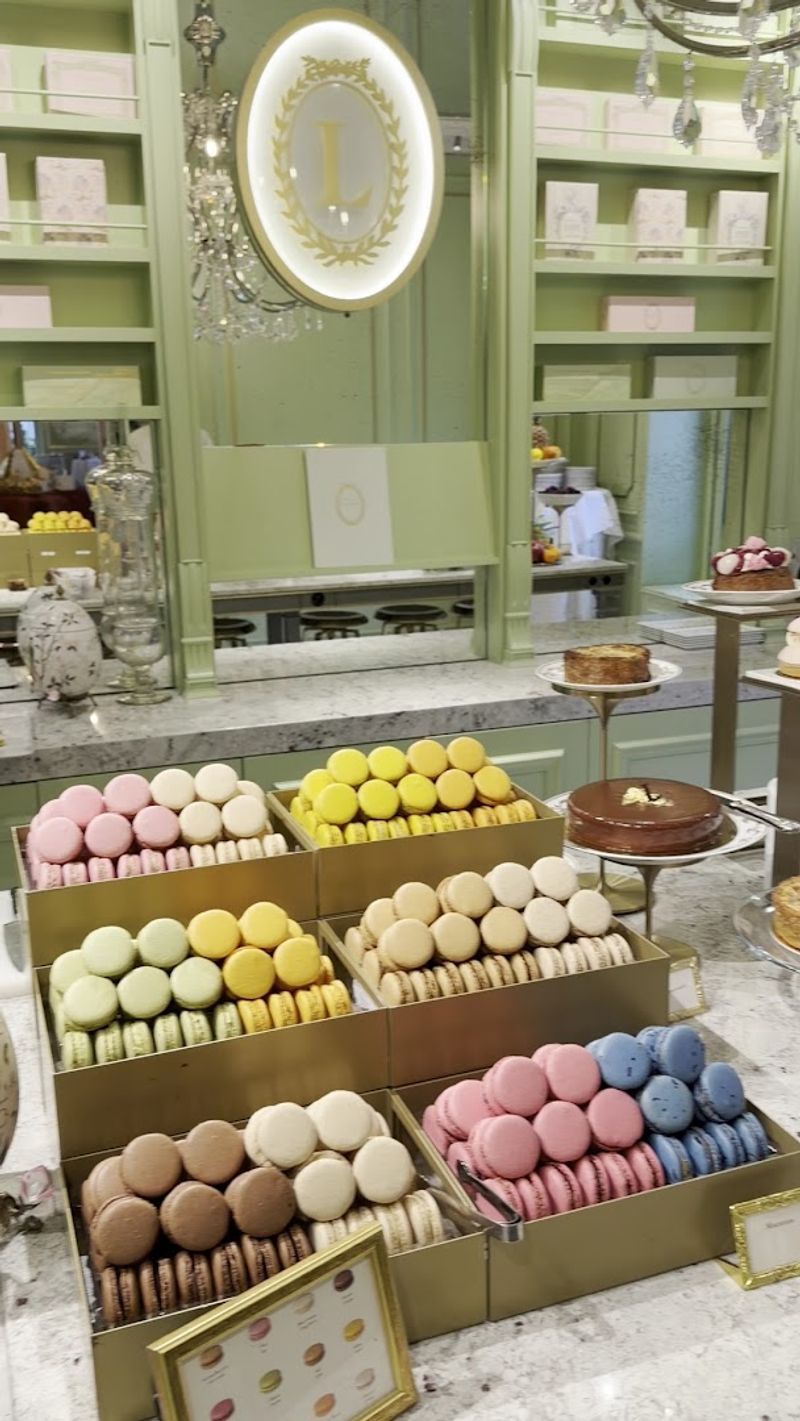
Louis Ernest Ladurée opened his first shop on Rue Royale in Paris in 1862, but it was his descendant Pierre Desfontaines who, in the early 20th century, had the idea of sandwiching ganache between two almond meringue shells and creating what became the modern French macaron.
That single decision turned Ladurée into a global brand with locations on multiple continents, all built on the reputation of a cookie that fits in the palm of your hand.
The macarons are sold in a rotating selection of flavors, with classics like raspberry, salted caramel, and rose alongside seasonal and limited-edition options that change throughout the year.
The Rue Royale tearoom, with its painted ceilings and green lacquered walls, remains the flagship location and draws long queues of visitors who want both the macaron and the experience of the original setting.
Ladurée ships its macarons internationally and has licensing agreements worldwide, but pastry professionals consistently note that the Paris locations maintain a standard the others work hard to match.
Share this story