 Unearth The Voyage

Every generation has habits that feel normal to them but confusing to others. Baby boomers grew up in a world of landlines, paper checks, and appointment television – things that shaped their daily routines for decades. Today’s younger adults live differently, favoring texts over calls, streaming over cable, and apps over paper. Understanding these differences helps explain why your grandparents still clip coupons while you scroll for promo codes.
1. Cable TV bundles & live TV news
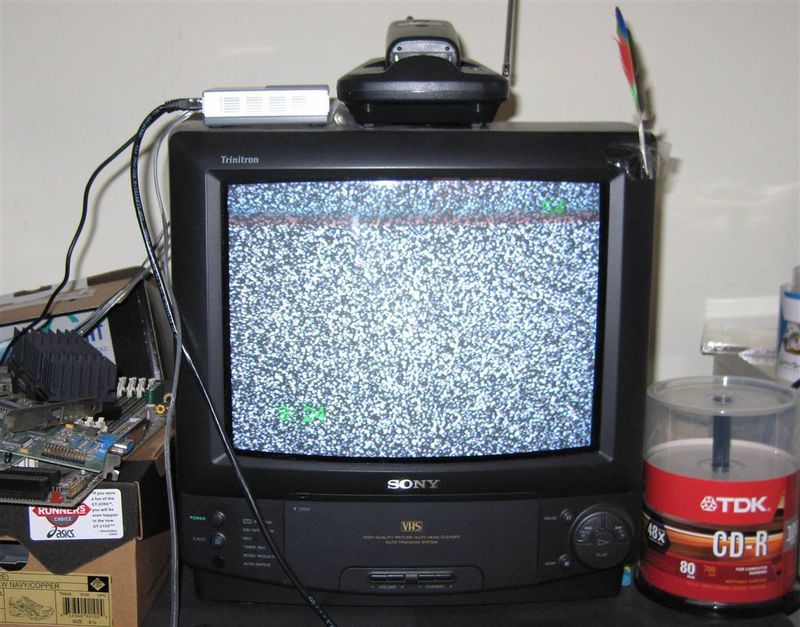
Cable packages used to be the only way to watch your favorite shows and stay informed. Boomers grew up flipping channels and catching the evening news at six o’clock sharp.
Today’s young adults rarely pay for cable. They stream what they want, when they want, on phones and laptops. Live TV news feels slow and scheduled compared to instant updates online.
This shift explains why cable companies keep losing subscribers while streaming services boom.
2. A landline at home
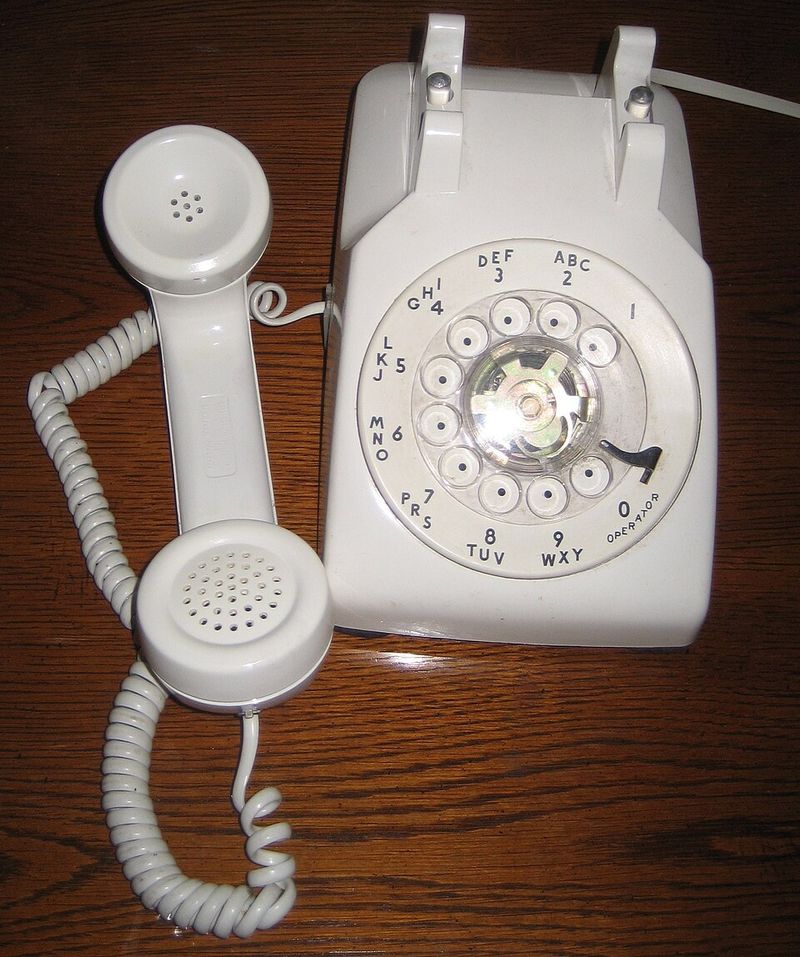
Having a phone number tied to your house used to be essential. Families shared one line, and everyone knew to answer politely because you never knew who was calling.
Most homes today are wireless-only. Younger people see landlines as unnecessary when everyone has a cell phone in their pocket.
Boomers, however, appreciate the reliability and clarity of a landline, especially during emergencies when cell towers fail.
3. Balancing a checkbook & paying by paper check
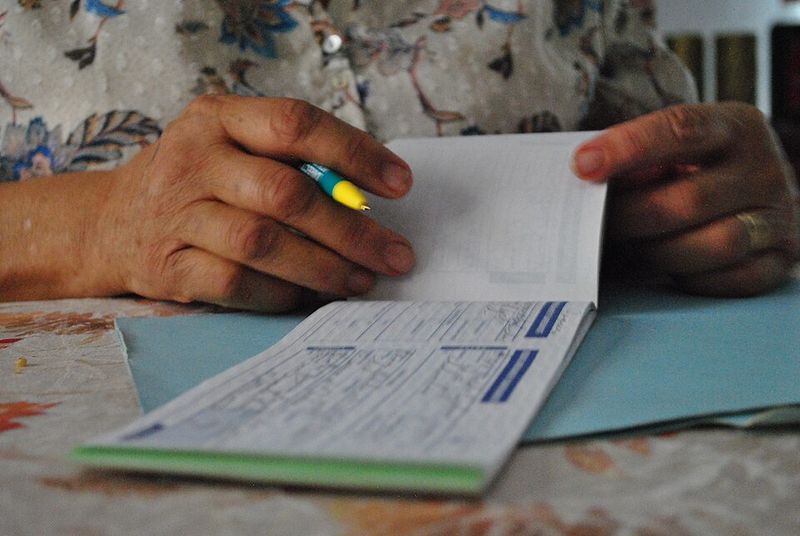
Keeping a checkbook balanced meant tracking every penny spent and received. Boomers learned this skill young and still write checks for bills, gifts, and groceries.
Younger adults rarely own checks. Digital payments, Venmo, and auto-pay make paper checks feel slow and outdated.
Federal Reserve data shows check use keeps dropping, concentrated mostly among older consumers who trust the paper trail.
4. Paper bills & snail-mail everything
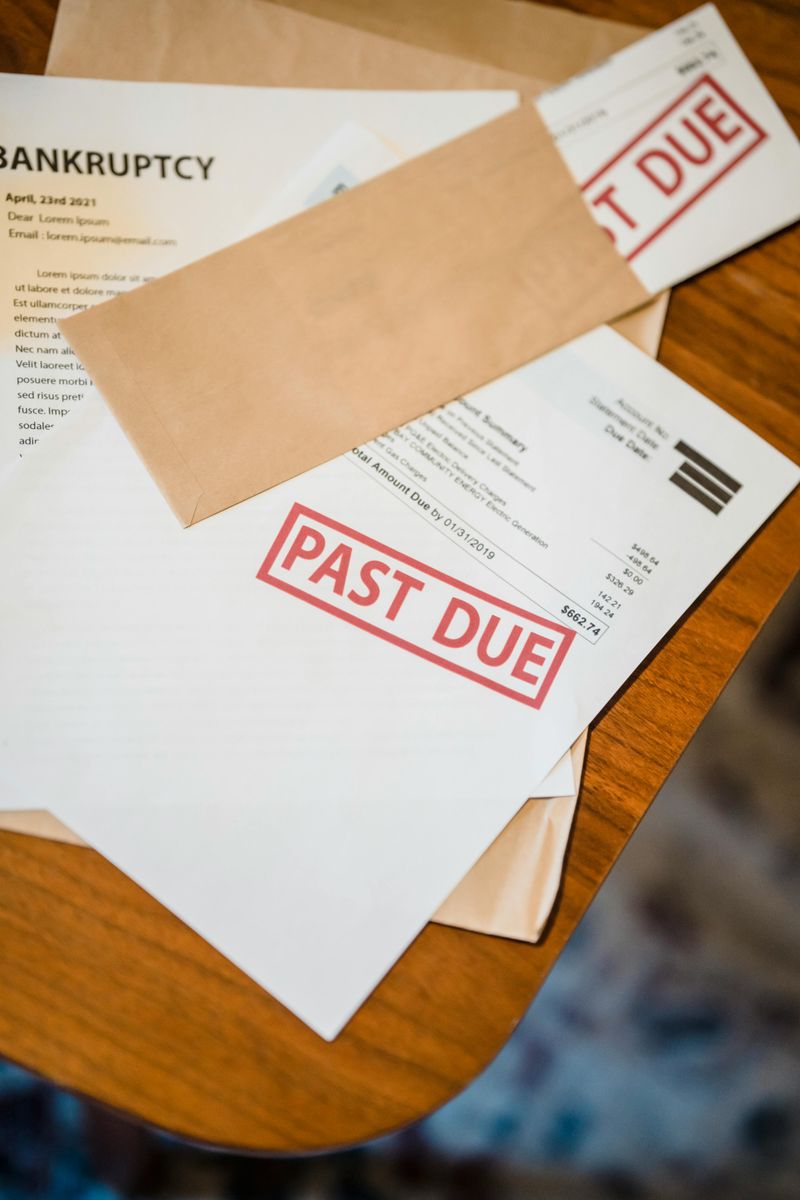
Opening the mailbox and finding bills felt like a normal part of adult life. Boomers paid by mail, filed paper statements, and kept records in folders.
Digital billing has taken over. Younger people get email alerts, pay online, and never see a paper invoice.
Postal mail volume keeps falling as postage costs rise, pushing even more services to go paperless and leave paper-loving boomers behind.
5. Print newspapers & magazines
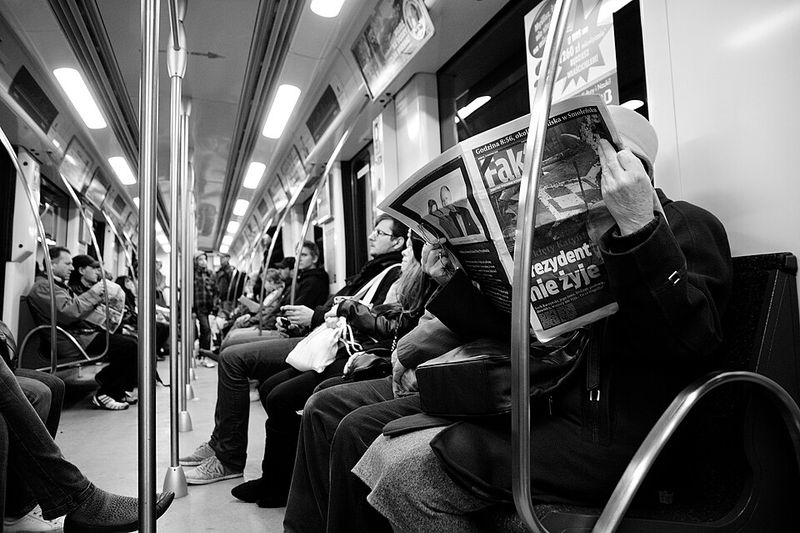
Waking up to a newspaper on the doorstep was a daily ritual. Boomers enjoyed flipping pages, reading columnists, and clipping articles to save.
Teens and young adults get their news from screens—phones, tablets, and laptops. Print feels slow and wasteful when updates happen in real time online.
Pew Research confirms print readership skews heavily older, marking a clear divide in how generations consume information.
6. Hoarding CDs/DVDs instead of streaming

Owning your music and movies on disc meant building a personal library you could touch. Boomers collected albums, built shelves, and treasured liner notes.
Streaming changed everything. Younger people access millions of songs and films instantly without owning anything physical.
Physical media now represents a tiny, aging slice of consumption. Most young adults have never bought a CD or DVD in their lives.
7. AM/FM—especially AM talk radio
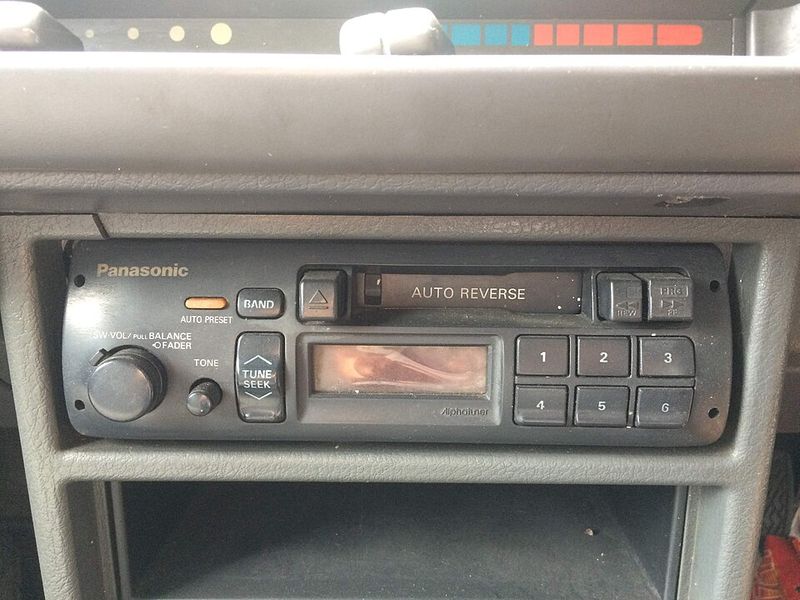
Tuning into your favorite AM talk show during the morning drive was a boomer staple. Radio hosts felt like companions, and call-ins sparked lively debates.
Younger listeners prefer podcasts and streaming audio. They choose topics on demand and skip ads, making broadcast radio feel outdated.
Congress even debated keeping AM radios in cars because older audiences still rely on them for news and talk programming daily.
8. Facebook as the main social platform
Facebook launched as the place to reconnect with old friends and share life updates. Boomers embraced it to stay in touch with family and post photos.
Younger users have moved on. They prefer TikTok, Instagram, and YouTube for quick videos, memes, and trends.
Pew Research shows Facebook’s strongest usage is among older adults, creating a generational split in where people socialize online today.
9. Cursive handwriting pride

Learning cursive in school was a rite of passage. Boomers practiced loops and flourishes until their signatures looked elegant and personal.
Common Core removed cursive from most curriculums. Only about two dozen states require it again, leaving younger generations printing or typing instead.
This shift creates a gap—boomers value beautiful handwriting, while many young adults can barely read cursive notes from grandparents.
10. Coupon clipping from the Sunday paper
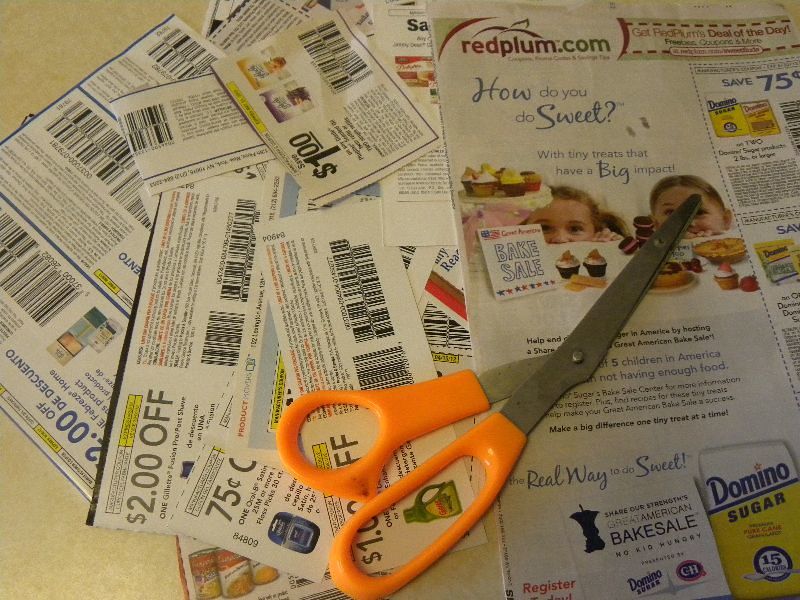
Sunday mornings meant spreading out the newspaper and carefully cutting coupons for the week’s shopping. Boomers organized them in envelopes and felt proud saving money.
Paper coupon use has plunged. Younger shoppers tap apps, scan digital codes, and get instant discounts without scissors or filing.
This habit shows how boomers value tangible effort while younger generations prefer speed and convenience over paper rituals.
11. Golf memberships as a default hobby

Joining a golf club was a social and professional move. Boomers spent weekends on the course, mixing business with leisure in a relaxed setting.
Golf participation skews older today. Younger adults find it expensive, time-consuming, and less exciting than other fitness or social activities.
The industry works hard to attract younger players, but the game remains strongly associated with an older generation’s lifestyle and values.
12. Harley-Davidson culture

Riding a Harley symbolized freedom, rebellion, and American pride. Boomers formed clubs, took long road trips, and built a whole lifestyle around their bikes.
Harley’s buyer base is notably older now. Younger riders prefer sportier, cheaper bikes or skip motorcycles altogether for other hobbies.
Analysts call it the aging rider challenge—Harley struggles to connect with a generation that doesn’t share the same cultural attachment to cruising.
13. Calling instead of texting (especially unscheduled calls)

Picking up the phone to chat felt natural and personal. Boomers call friends, family, and even businesses without hesitation, expecting real-time conversation.
Younger adults prefer texting or direct messages. Unscheduled phone calls feel intrusive and anxiety-inducing without a heads-up text first.
Surveys show this clear split—older adults value voice connection, while younger people see calls as reserved for emergencies or scheduled catch-ups only.
14. Appointment TV & channel-surfing
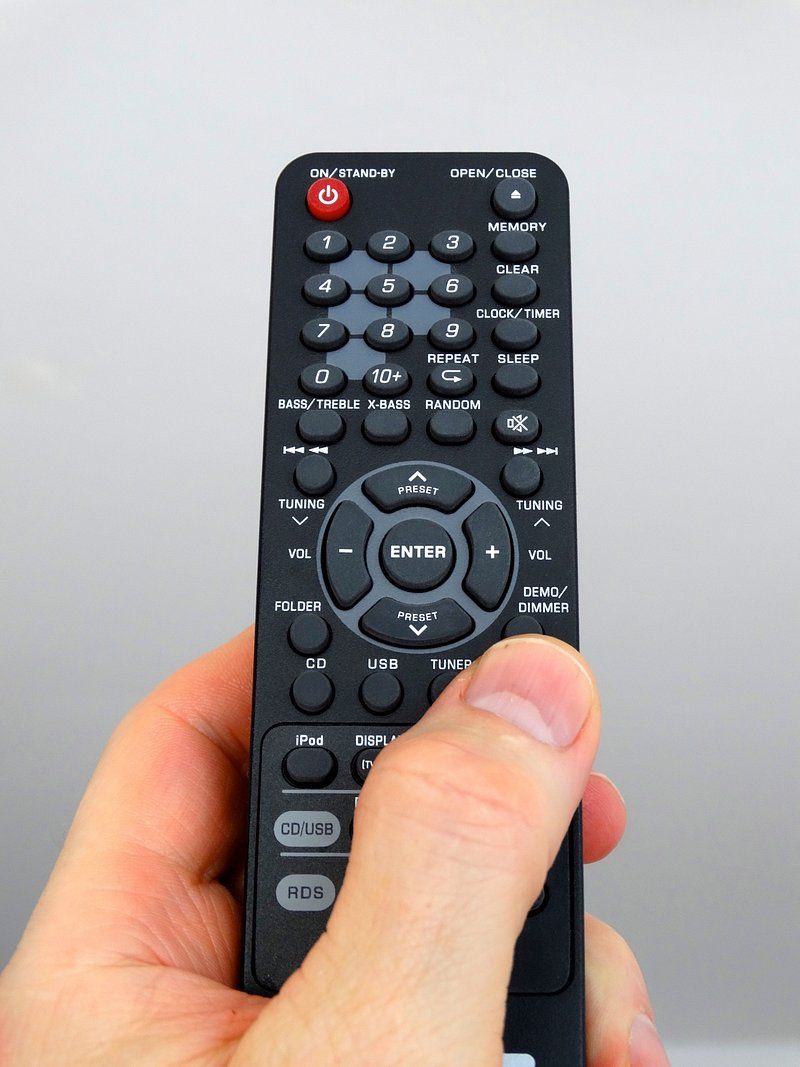
Scheduling your evening around must-see TV was routine. Boomers remember gathering for finales, flipping channels during commercials, and discovering shows by accident.
Younger viewers stream on demand. They watch entire seasons in a weekend, skip ads, and never wait for a scheduled time slot.
This on-demand, mobile-first approach makes appointment television feel like a relic from a slower, less flexible era of entertainment consumption.
15. Paper photo albums (vs. cloud galleries)
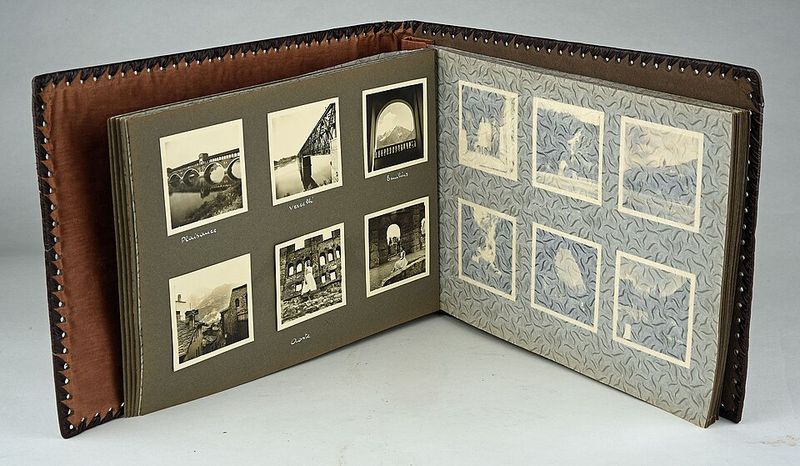
Printing photos and arranging them in albums preserved memories you could hold. Boomers labeled pictures, wrote dates, and passed albums down through families.
Younger people store thousands of photos in the cloud. They share instantly, edit on phones, and rarely print anything.
This shift from physical to digital mirrors the broader move away from tangible media, leaving boomers nostalgic for albums they can touch.
16. In-office 9-to-5 as the real way to work

Showing up to the office five days a week proved dedication and professionalism. Boomers built careers around face time, water-cooler chats, and visible presence.
The workplace has shifted to hybrid and remote models. Younger workers value flexibility, work-life balance, and results over hours logged at a desk.
Big surveys show this lasting change away from the old nine-to-five norm, creating tension between generations over what real work looks like.
17. Paying with cash out of habit

Carrying a wallet full of bills felt secure and straightforward. Boomers paid cash for groceries, gas, and daily purchases, avoiding credit when possible.
Cash use has trended downward for years. Younger consumers tap cards, use apps, and rarely carry bills or coins.
Federal Reserve data confirms older people use cash more than younger ones, who lean heavily on digital payments for speed, rewards, and convenience.
18. Early marriage and settle down fast
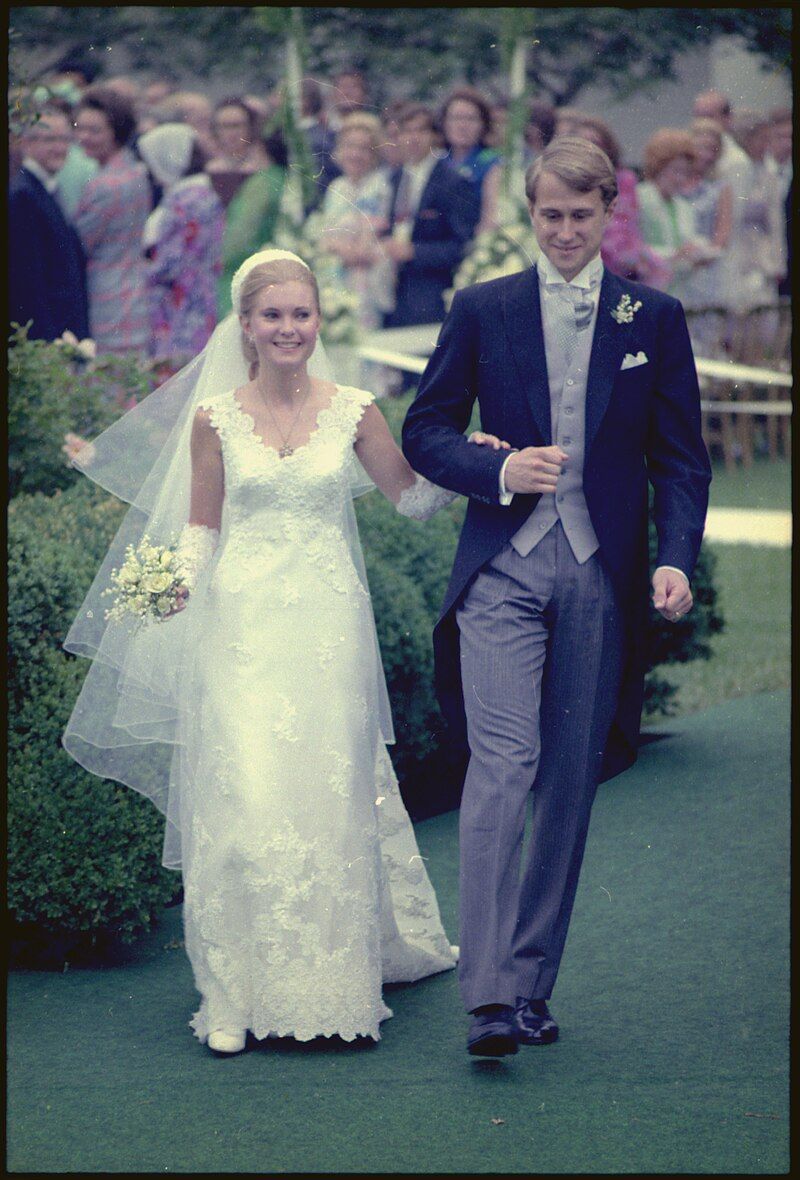
Getting married in your early twenties was the expected path. Boomers paired up young, started families quickly, and built lives around traditional timelines.
Today’s median age at first marriage has hit record highs. Younger adults focus on education, careers, and personal growth before committing.
Census data shows how far younger cohorts have shifted from the boomer norm, choosing partnership later or not at all in their twenties.
19. Homeownership as the default milestone in your 20s

Buying a house in your twenties symbolized success and adulthood. Boomers saved, got mortgages, and settled into homeownership early in life.
Affordability pressures have changed everything. Under-35 homeownership has dropped sharply as prices and student debt climb.
Census data confirms younger cohorts trail prior generations at the same age, making homeownership feel like a distant dream rather than an expected milestone today.



