 Unearth The Voyage
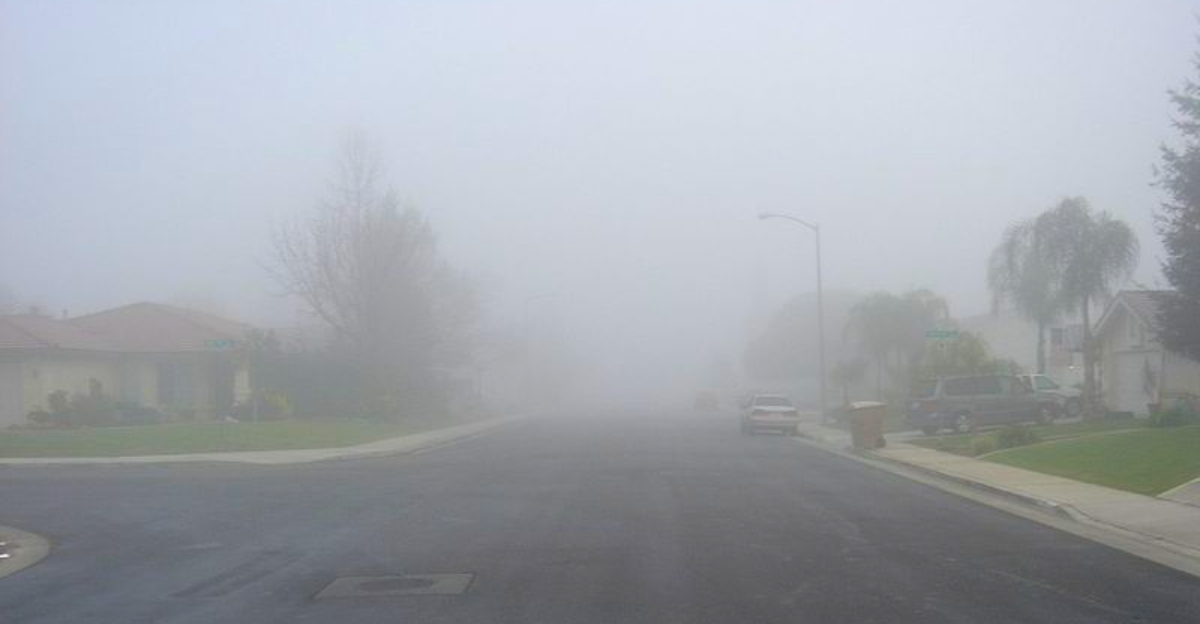
California’s Central Valley is no stranger to Tule fog, but the recent event has been extraordinary. A massive fog bank stretched nearly 400 miles, blanketing millions of residents and shutting down highways for over a week. This dense, ground-hugging fog has caused serious safety hazards, disrupted supply chains, and raised urgent questions about how communities can adapt to such extreme weather events.
Tule fog is a thick, ground-level radiation fog that forms in California’s Central Valley during late fall through winter, roughly November to March. Moist air near the ground cools rapidly overnight, especially after rainfall, reaching the dew point so water vapor condenses into visible droplets.
This process only happens under calm winds, clear skies, and stable weather conditions. The 2025 event was triggered by heavy rain in mid-November, followed by a stretch of dry, still weather.
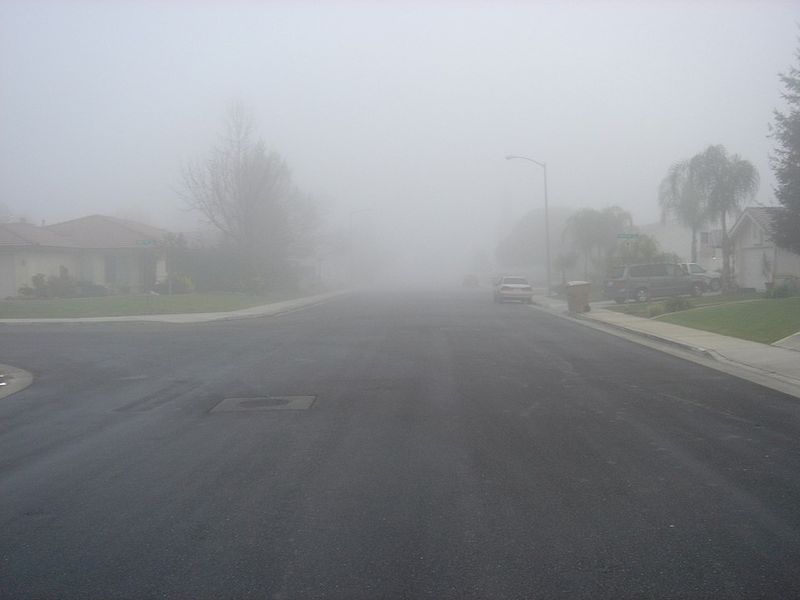
These ideal conditions created the perfect recipe for fog formation. Understanding this natural phenomenon helps explain why it appeared so suddenly and dramatically this year.
The recent fog bank reportedly stretched almost 400 miles, covering the valley from Bakersfield on the south to north of Sacramento near Red Bluff and Redding on the north. Such breadth is unusual and represents one of the most extensive fog events in recent memory.
The fog literally blanketed much of California’s agricultural heartland in a single swath. This massive coverage affected multiple counties simultaneously, creating widespread disruption.
Highways, farms, airports, and communities across this vast stretch faced identical challenges. The sheer geographic scope made coordinated emergency response and traffic management especially difficult, highlighting the need for regional planning.
According to multiple reports, the fog reformed nightly for more than a week, not just a one-night event. This persistence amplified the crisis far beyond a typical weather inconvenience.
Because the valley is bowl-shaped and surrounded by mountains, the cold, moist air stays trapped. A temperature inversion occurs when colder air sits near ground level while warmer air above prevents mixing.
This stable atmospheric setup locks the fog in place night after night. Each morning, residents hoped for clearing, but the fog returned reliably at sunset. The relentless cycle exhausted drivers, delayed shipments, and tested the patience of millions.
Under Tule fog, visibility can drop dramatically, often below an eighth of a mile, which is approximately 600 feet, and sometimes to just a few feet. In the recent event, some drivers reportedly saw visibility collapse from 10 miles to under a quarter-mile in less than an hour.
Imagine driving on a clear highway, then suddenly being swallowed by a white wall. Objects ahead vanish, lane markers disappear, and tail lights become ghostly red blurs.
This rapid change leaves drivers little time to react safely. Many pulled over, afraid to continue. The sudden onset caught commuters off guard, turning routine trips into harrowing experiences.
The National Weather Service issued dense fog advisories across the Central Valley, warning of high transportation risk on key freeways such as Interstate 5 and California State Route 99. These advisories urged extreme caution and reduced speeds.
As a result, daily commutes, trucking, and supply chain logistics have been severely disrupted. Commuters faced hour-long delays or canceled trips entirely.
Trucking companies rerouted shipments or held loads until conditions improved. The economic ripple effect was immediate, with businesses scrambling to adjust schedules. Transportation disruption on this scale affects everything from grocery deliveries to medical supplies, underscoring how dependent modern life is on clear roads.
The fog is a serious hazard. Tule fog has historically been the leading cause of weather-related traffic accidents in California. Past incidents include massive multi-vehicle pile-ups when visibility dropped under a few hundred feet.
Drivers unable to see ahead slam into stopped vehicles, triggering chain reactions. These crashes often involve dozens of cars and trucks, resulting in injuries and fatalities.
Emergency responders struggle to reach victims through the same blinding fog. The term zero-zero visibility means pilots and drivers literally see nothing. For motorists, it transforms familiar highways into deadly mazes, demanding extreme vigilance and often the best choice is simply to wait it out.
In colder conditions, Tule fog can be accompanied by freezing drizzle, not heavy rain, but enough moisture to produce invisible black ice on roads. That makes driving particularly treacherous because black ice is nearly impossible to see.
With low sunlight penetration, the fog layer can keep ground temperatures low, helping such ice to persist. Drivers hit patches of ice unexpectedly, losing control in seconds.
Braking becomes useless, steering ineffective. This hidden danger adds another layer of risk beyond poor visibility alone. Authorities warn motorists to assume ice may be present and drive accordingly, though many underestimate this threat until it is too late.
Because fog forms under a temperature inversion and light winds, pollutants like vehicle emissions can become trapped near the surface. This can worsen air quality, impacting respiratory health for millions.
Indeed, during this recent event, the stagnant fog has reportedly contributed to air quality alerts in parts of the Bay Area and Central Valley. Breathing becomes harder for people with asthma or other lung conditions.
Schools sometimes cancel outdoor activities. The fog acts like a lid, sealing in car exhaust, industrial emissions, and agricultural dust. What looks like natural weather becomes a public health concern, reminding us that environmental factors are deeply interconnected.
Historically, Tule fog has helped provide the winter chill required for many of the region’s fruit and nut crops like almonds, cherries, and pistachios, needed for buds and fruit development. Farmers depend on these chill hours to ensure healthy yields.
However, and paradoxically, over recent decades, the number of fog days in the valley has been decreasing. Research shows a roughly 46 percent drop in fog frequency from 1981 to 1999 compared to 2001 to 2012.
This decline threatens agricultural productivity. Crops may not get enough cold exposure, leading to poor harvests. The recent intense fog event is an anomaly in a long-term trend of fewer fog days.
The decline results in part from reduced air pollution. Cleaner air means fewer tiny particles, called condensation nuclei, for water vapor to cling to, which makes fog formation harder.
In other words, ironically, successful air quality improvements have suppressed one of nature’s winter helpers, fog plus chill. Decades of environmental regulation reduced smog and particulates, an undeniable public health victory.
Yet this cleaner air has an unintended side effect: less frequent fog. Farmers now face a dilemma, needing the chill that fog brings but benefiting from cleaner air. This trade-off illustrates the complexity of environmental management and the unforeseen consequences of positive change.
Some recent commentary around the 2025 fog event suggests changing climate, increased evaporation, and altered moisture flow might influence fog dynamics, raising the possibility of more intense or unpredictable fog events. As weather becomes more variable, periods of heavy rain followed by stable high pressure and calm nights, ideal for fog, may become more common.
Climate scientists are studying whether warmer temperatures and shifting jet stream patterns are creating new fog behavior. What was once predictable may now surprise us.
The 2025 event could be a preview of future extremes, where fog is rarer overall but more severe when it does occur. Adaptation strategies must account for this new unpredictability.
The fog’s impact on major freeways and routes like Interstate 5 and Highway 99 disrupts trucking, vital for moving produce out of the Central Valley. This can delay shipments of perishable goods like lettuce, tomatoes, and berries.
Delays in air freight at regional airports, which handle export of nuts, fruit, and other products, are also reported, potentially affecting both domestic and international supply chains. Grocery stores may face shortages or higher prices.
Restaurants struggle to get fresh ingredients. Exporters miss shipping deadlines, risking contracts. The economic cost extends far beyond the valley itself, rippling through the entire food system and reminding us how fragile modern logistics can be.
In past decades, fog-related pile-ups on Interstate 5 and Highway 99 spurred investment in fog detection systems, microwave sensors that can detect fog density and alert drivers. During this recent event, the National Weather Service repeatedly issued dense fog advisories and urged drivers to slow down, use low beams, and leave extra distance, echoing standard safety protocols.
These technological and communication tools save lives. Electronic signs warn motorists before entering fog banks. Radio alerts reach commuters in real time.
Yet technology alone is not enough. Driver education and behavior change are equally critical. Many accidents happen because drivers ignore warnings or overestimate their ability to navigate fog safely.



