 Unearth The Voyage
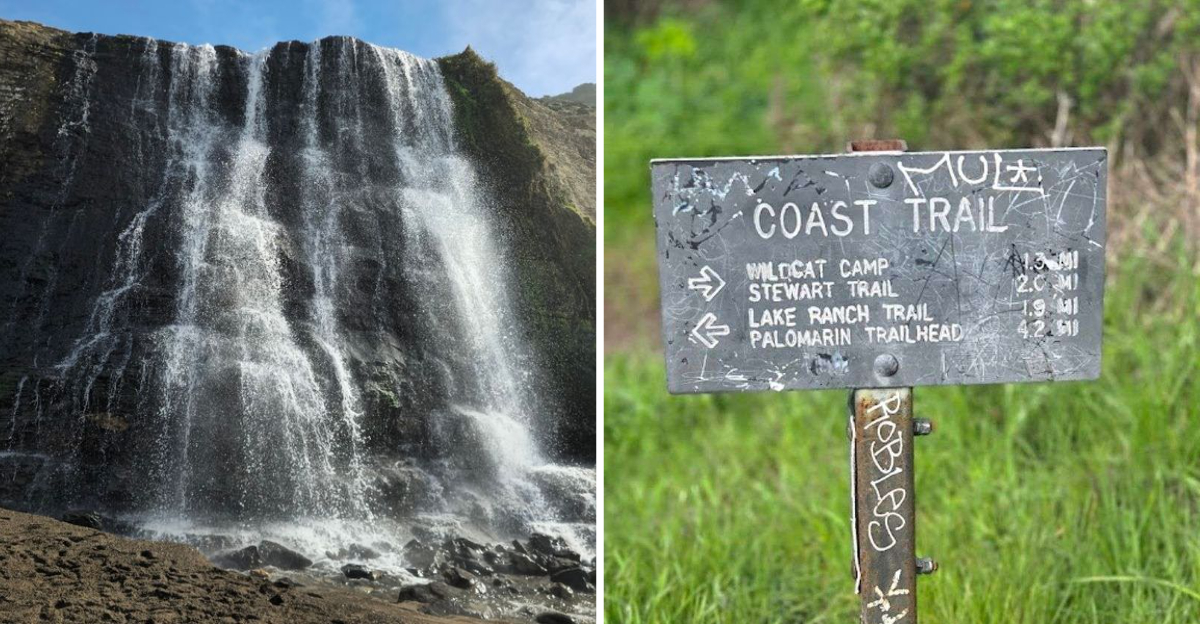
There is a waterfall in California that does not end in a pool or a river. It drops straight onto a beach and flows into the Pacific Ocean.
That alone makes Alamere Falls one of the most unusual natural features on the entire West Coast. The hike to reach it is long, the trail is rugged, and the reward at the end is the kind of scenery that stays with you for years.
I made the trip out to Point Reyes National Seashore, and I can tell you without hesitation that every step was worth it. This article walks you through everything you need to know before you go, from parking and trail options to tides, wildlife, and what to pack.
Where Alamere Falls Actually Is
Alamere Falls sits inside Point Reyes National Seashore at Bolinas, CA 94924, and the official contact number for the park is +1 415-464-5100. The falls are managed by the National Park Service, and you can find trip-planning details at nps.gov/pore/planyourvisit/alamere_falls.htm.
The trailhead most hikers use is the Palomarin trailhead, which is the closest access point to the falls. Getting there requires driving a narrow, pothole-riddled road that has surprised more than a few first-time visitors.
Rental car drivers especially take note: that road is rough, and it is not an exaggeration.
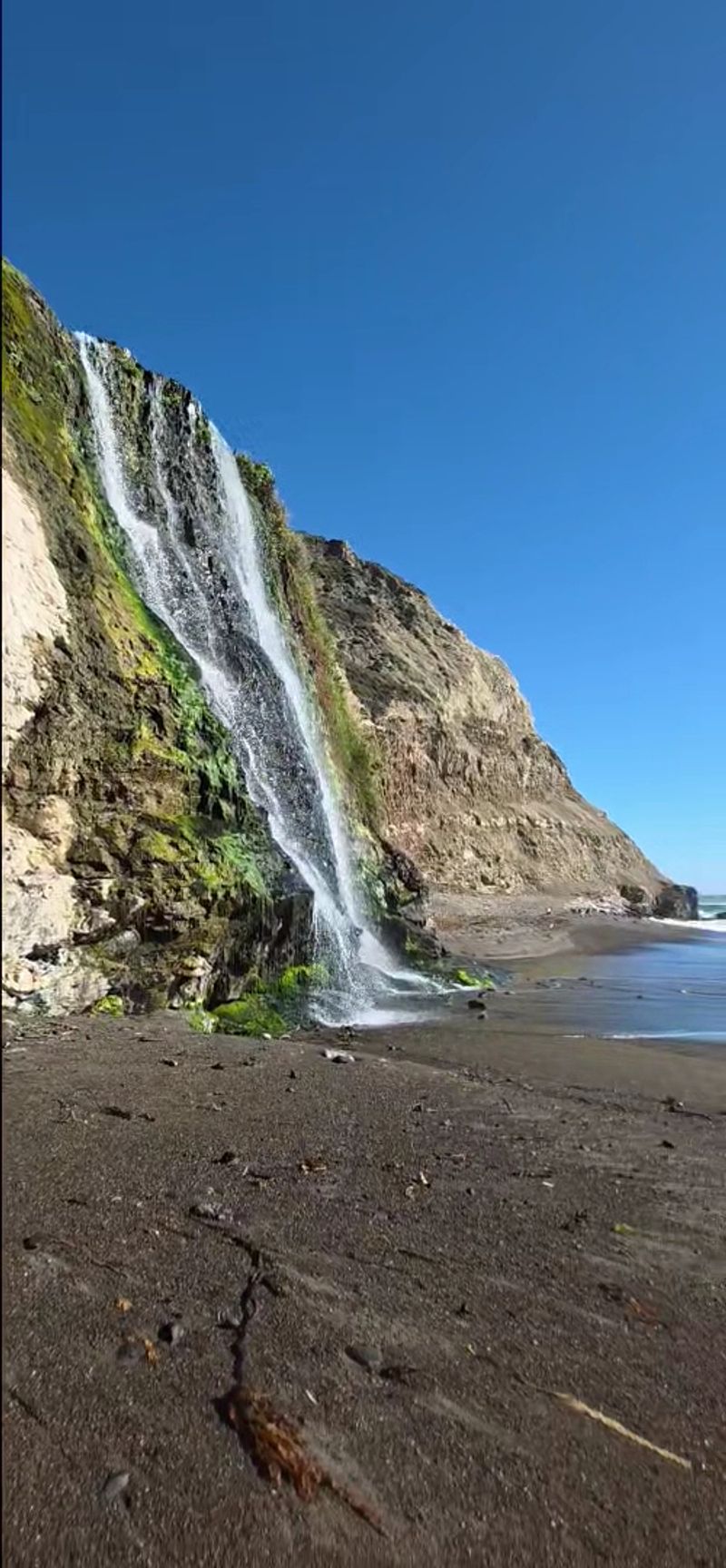
The falls are located at approximately 37.9536754 latitude and -122.7835193 longitude, deep within the coastal wilderness of Marin County. Unlike most California waterfalls, which empty into creeks or canyons, Alamere tumbles directly onto the beach and into the ocean.
That geographical quirk is what draws hikers from across the country, and even from places as far as Oklahoma, to experience something genuinely rare.
The Story Behind This Rare Coastal Waterfall
Tidefall waterfalls, which are waterfalls that flow directly into the ocean or tidal zones, are extraordinarily rare worldwide. Alamere Falls is one of only a small handful in all of California, which makes it a genuinely special place from a geological standpoint.
The waterfall is fed by Alamere Creek, which drains a series of freshwater lakes tucked into the coastal hills of Point Reyes. Bass Lake and Pelican Lake both sit along the route, and the creek collects water from the surrounding ridgelines before making its final dramatic drop to the beach below.
The land here has been protected as part of the National Seashore since the 1960s, which means the ecosystem around the falls has remained largely intact. Coastal scrub, bishop pine forest, and open grassland all share the landscape.
The combination of fresh water meeting salt water right at the shoreline creates a small but lively habitat that supports birds, marine mammals, and plant life in ways you rarely see in one compact spot. That ecological layering is part of what makes the area so compelling to explore.
How Long the Hike Really Is
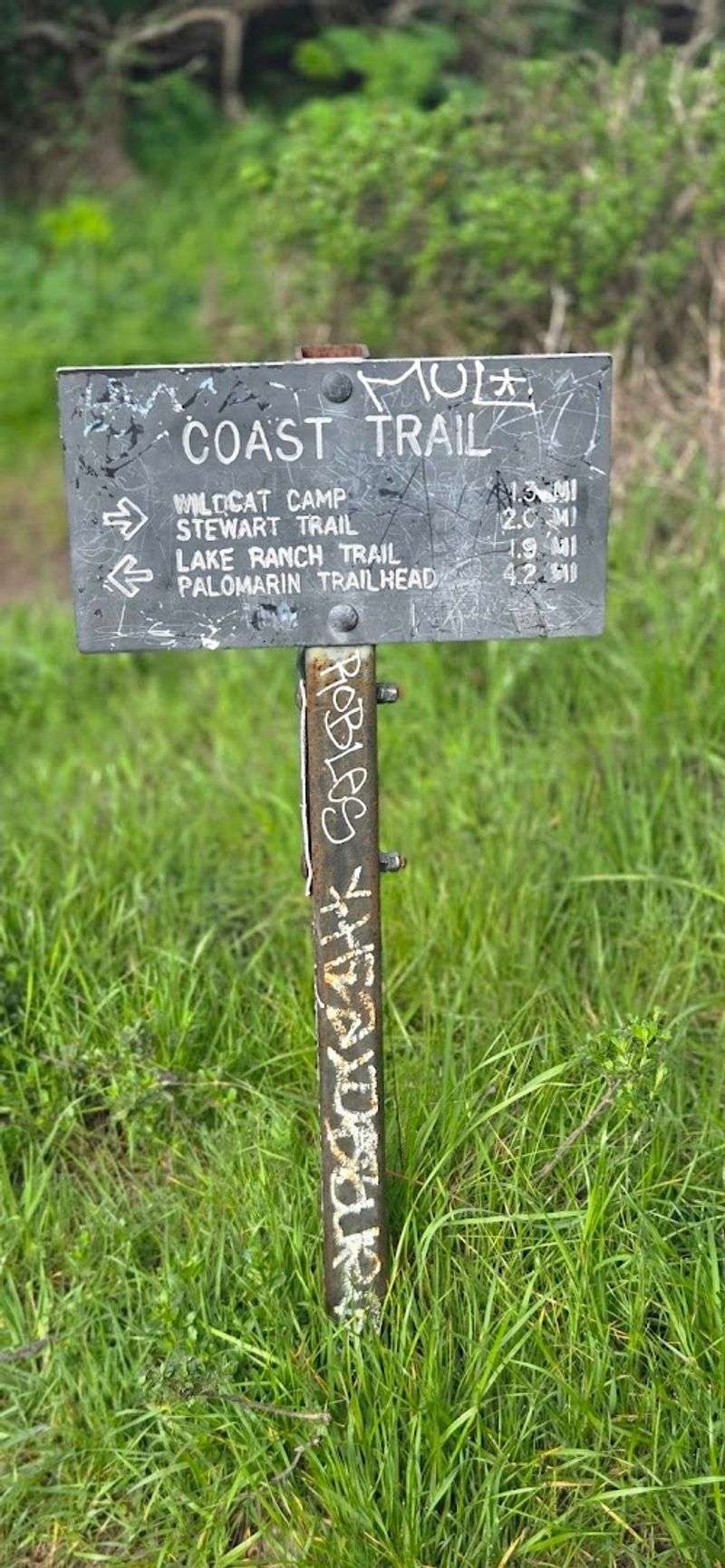
The distance question is the one that trips up the most first-time visitors, and the answer depends entirely on which route you take. From the Palomarin trailhead, the standard Coast Trail route to the falls is roughly four miles each way, making the round trip about eight miles total.
However, some hikers start from the Bear Valley Visitor Center, which pushes the total round trip to around sixteen miles. That version of the hike is a serious full-day commitment and is not something to tackle without solid preparation.
One hiker I spoke with on the trail had started at Bear Valley early in the morning and was still moving at a steady clip by early afternoon.
The elevation gain is moderate rather than steep, which makes the distance the real challenge rather than any technical climbing. That said, the final approach to the falls does involve some scrambling down rocky terrain, and the beach section can add unexpected time because walking in sand is slower than it looks on a map.
Plan your day generously, start early, and you will be in great shape. Oklahoma hikers used to flat terrain will definitely feel this one in their legs the next morning.
The Trail Itself: What to Expect Along the Way
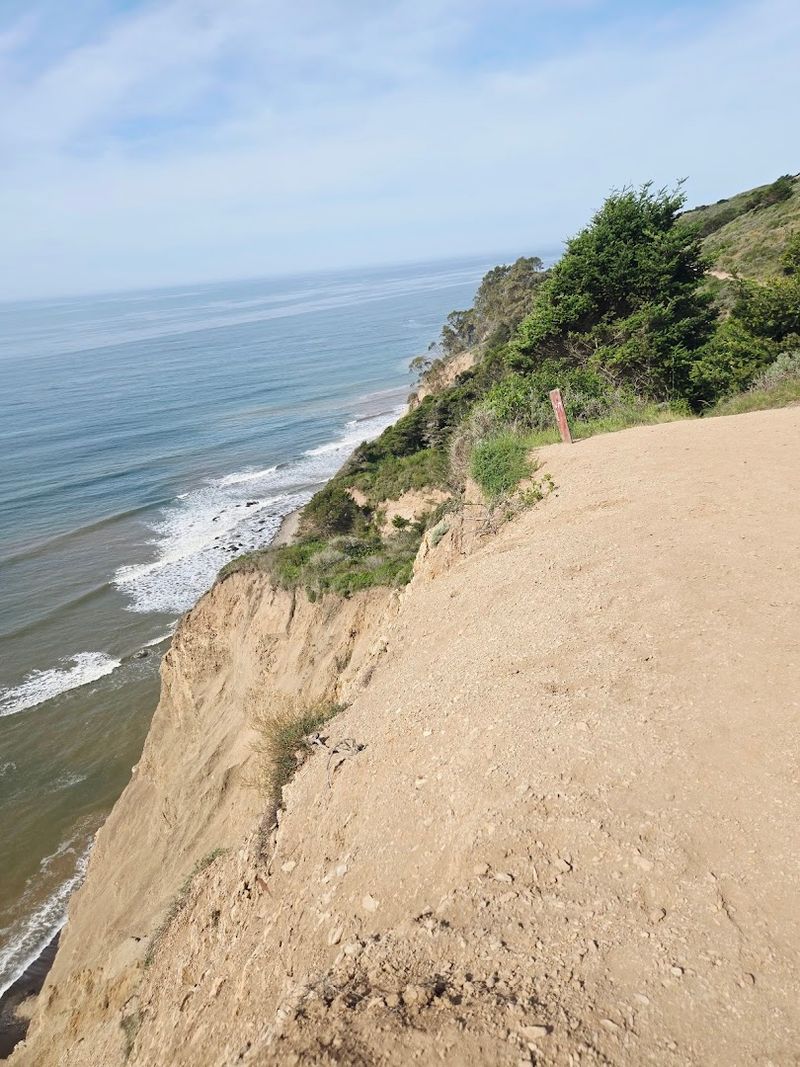
The Coast Trail from Palomarin is genuinely beautiful from the very first steps. The path hugs the edge of coastal bluffs and offers sweeping views of the Pacific for much of the early stretch, and on clear days you can see far out to sea.
The trail passes several freshwater lakes, including Bass Lake and Pelican Lake, which sit quietly among the coastal hills and reflect the sky on calm mornings. These lakes feel almost hidden, and stopping at one for a few minutes makes the long walk feel less like an endurance test and more like an actual adventure.
Sections of the trail run through dense coastal scrub that is overgrown enough to brush against both shoulders at once. Long pants are a genuinely good idea here, not just because of the overgrowth but also because poison oak grows along several stretches of the trail.
The trail can also be foggy in the morning, especially in summer, but that fog usually burns off by midday. The overall terrain is well-worn and easy to follow for most of the route, though the final turn toward the falls is easy to miss if you are not paying attention to subtle trail markers.
Finding the Hidden Turn to the Falls
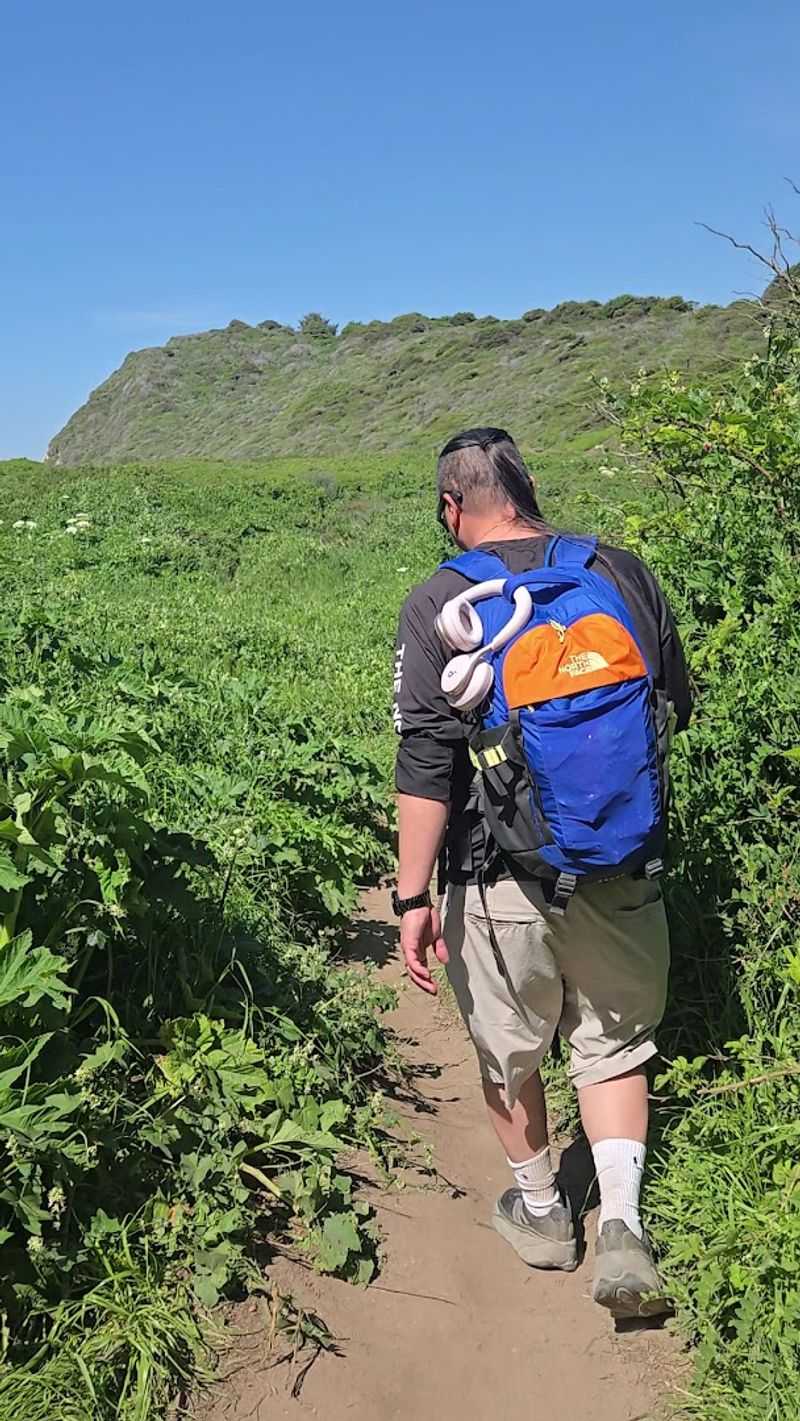
The most talked-about navigation challenge on this hike is finding the turn that leads off the main Coast Trail and toward the falls. Miss it, and you will end up continuing past the falls entirely without ever seeing them.
The turn is marked by an arrow made of rocks placed on the ground, and the entrance looks like a narrow gap in thick coastal brush. More than one hiker has described it as a hobbit hole, which is honestly not far off.
The opening is small, the vegetation closes in around you quickly, and it takes a moment of trust to keep walking through it.
Once you commit to the path, it opens up and leads toward the top of the falls. From there, some hikers are content to enjoy the view from above, where there is a small pool that is calm enough to sit beside.
Others make the steeper scramble down the rock face to reach the beach at the base of the falls. Both options offer a completely different experience of the same waterfall, and choosing between them often comes down to how confident you feel on uneven terrain.
Either way, the rock arrow is your key to finding it all.
The Waterfall Itself: What You See When You Arrive
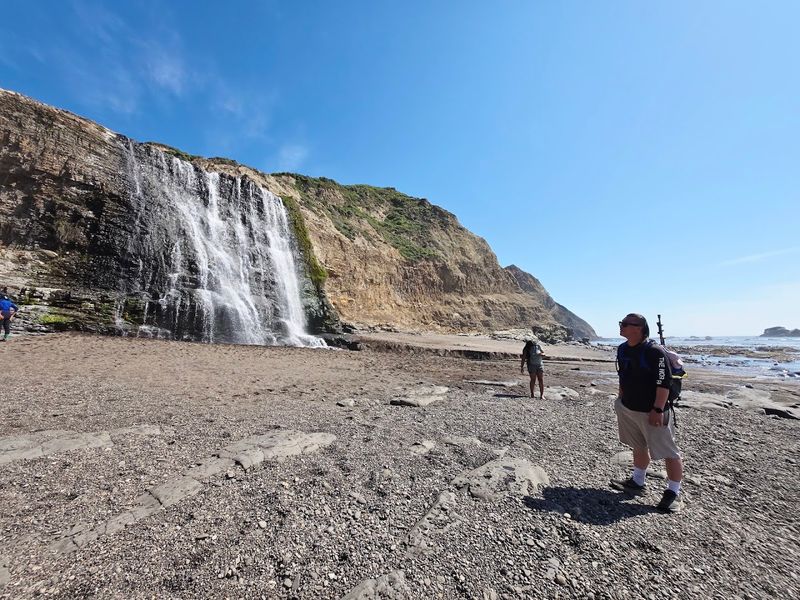
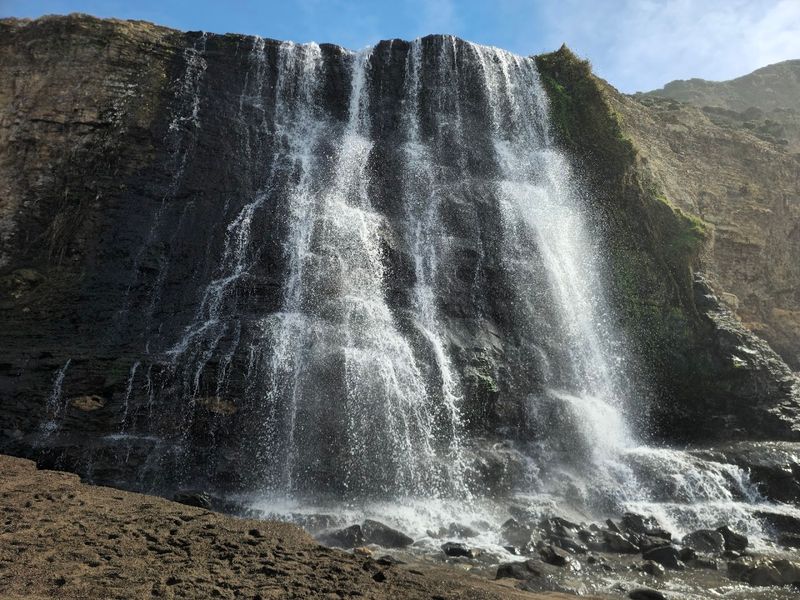
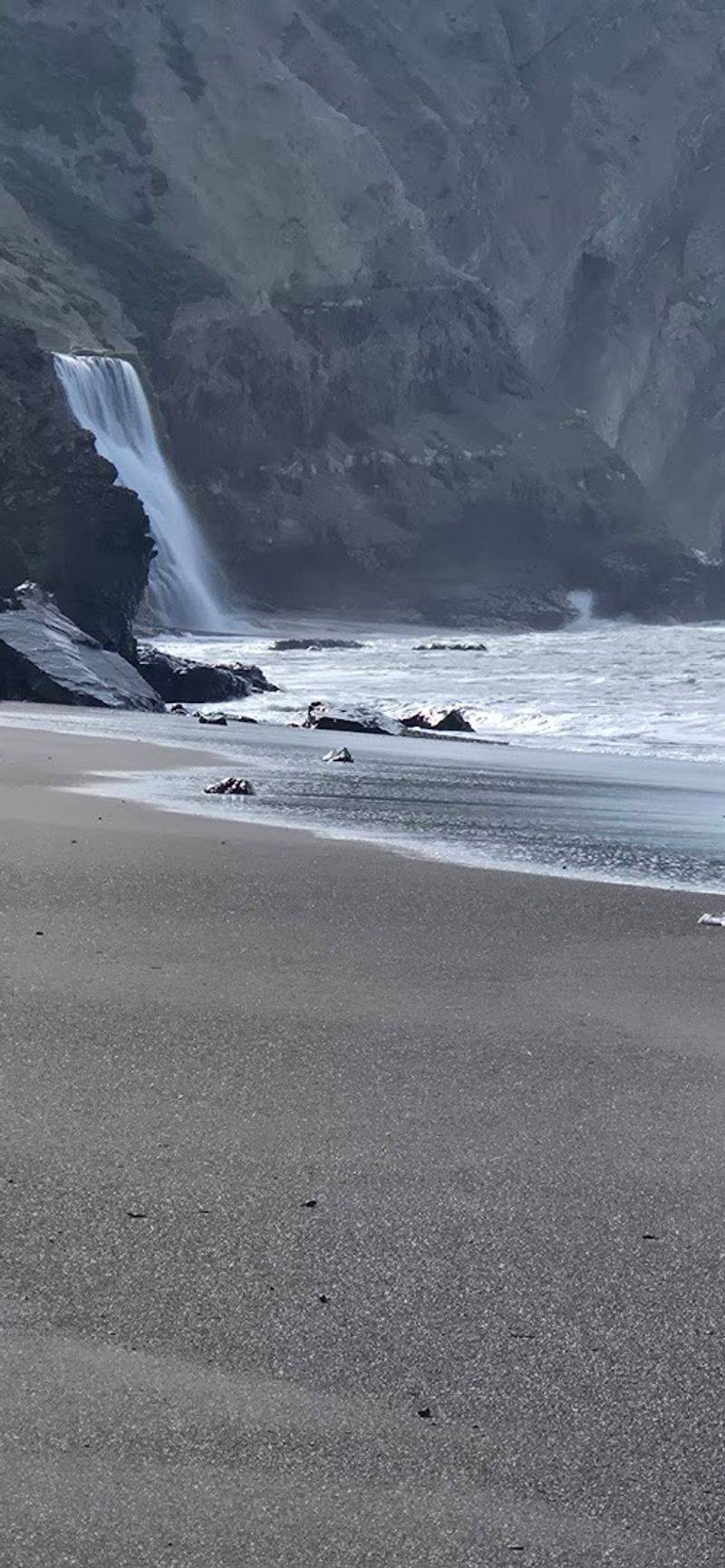
Nothing quite prepares you for the first look at Alamere Falls in full flow. The water drops roughly forty feet from the top of the bluff, fans out slightly as it falls, and lands directly on the sand before spreading into the ocean.
The main falls are the most dramatic, but the area above also has a series of smaller cascades that flow through rocky channels before reaching the main drop. These upper tiers are worth exploring before heading down to the beach, and in wet seasons they carry enough water to feel like separate waterfalls in their own right.
At the base of the falls, the beach is narrow and backed by the same dark coastal cliffs that frame the waterfall. The sound of the falls mixing with the sound of the surf creates an audio experience that is hard to describe but easy to appreciate.
Curious harbor seals sometimes surface just offshore, apparently as interested in the hikers as the hikers are in them. On clearer days, whale spouts are visible from the higher points along the trail.
This is the kind of payoff that makes the long walk feel like the best decision you made all week.
Timing Your Visit Around the Tides
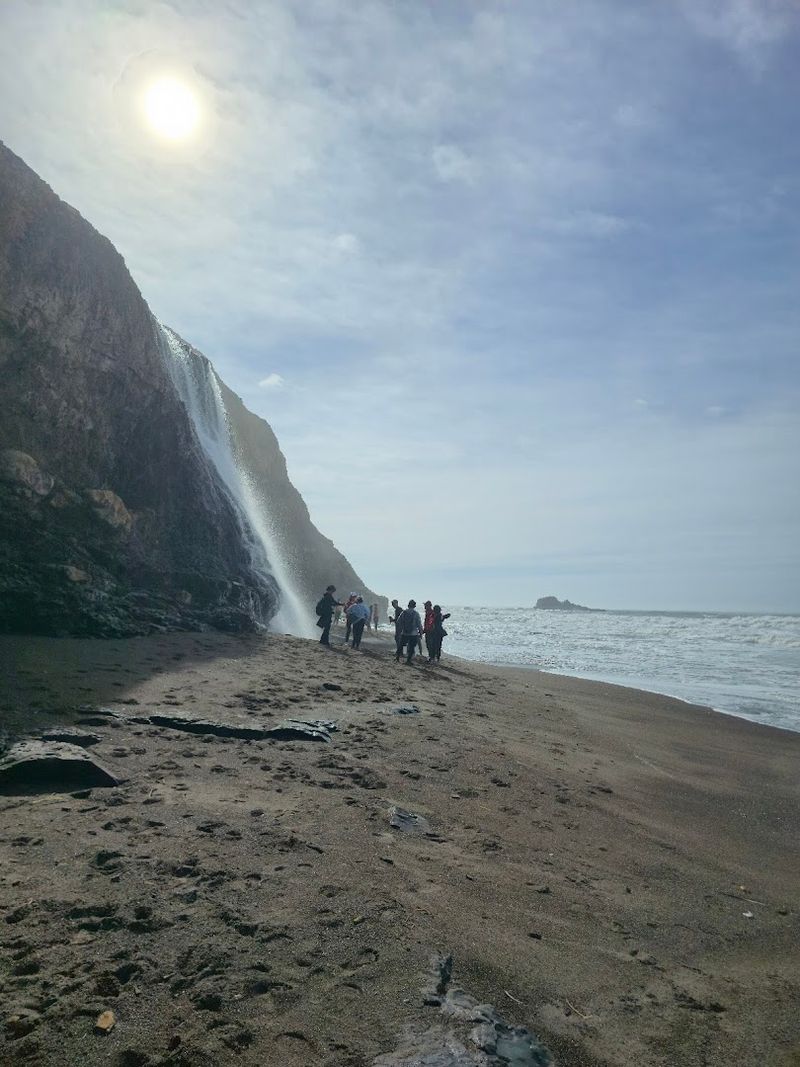
Tide timing is not optional information at Alamere Falls. At high tide, the beach at the base of the falls essentially disappears, and accessing the lower viewpoint becomes impossible or unsafe.
Planning your arrival at or near low tide is one of the most important logistical decisions you will make for this trip.
A quick check of the NOAA tide chart for the Point Reyes area before you leave home takes about two minutes and can completely change the quality of your experience. Aim to reach the beach section of the hike during low tide, which typically gives you the most open beach and the clearest view of the falls meeting the sand.
The hike takes roughly one and a half to two hours each way from the Palomarin trailhead at a comfortable pace, so you can work backward from your target low-tide window to figure out your ideal departure time. Starting at 8am from the trailhead is a strategy that works well for most tide windows and also helps you beat the parking rush.
The Palomarin lot fills up fast on weekends and holidays, a fact that catches many visitors off guard regardless of whether they are coming from nearby Marin or from as far away as Oklahoma.
Parking, Access, and the Road to the Trailhead
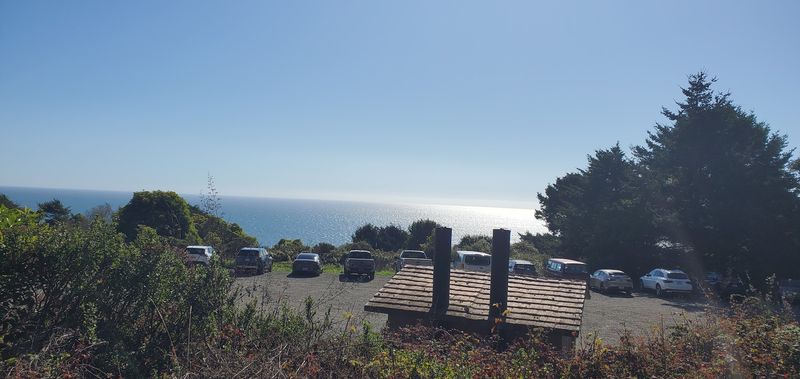
The Palomarin trailhead parking lot is a small gravel lot at the end of Mesa Road in Bolinas. It holds a limited number of vehicles, and on popular weekends it fills up well before 9am.
Arriving early is the single most effective strategy for securing a spot without stress.
The road leading to the parking lot is the part of the experience that no one fully warns you about. Mesa Road has stretches of serious disrepair, with potholes that require careful navigation at low speed.
The road is paved in name but resembles something closer to a lunar surface in certain sections. Drive slowly and do not assume the road improves around the next bend.
Despite the rough approach, seeing other cars already in the lot when you arrive is reassuring confirmation that you are in the right place. The trailhead itself is clearly marked with signage, and a map board near the lot shows the main trail options.
There are no restrooms along the trail after the trailhead, so use the facilities before you start walking. Cell service disappears quickly once you are on the trail, which is a feature rather than a flaw if you are looking to disconnect for a few hours.
Wildlife You Might Encounter on the Trail
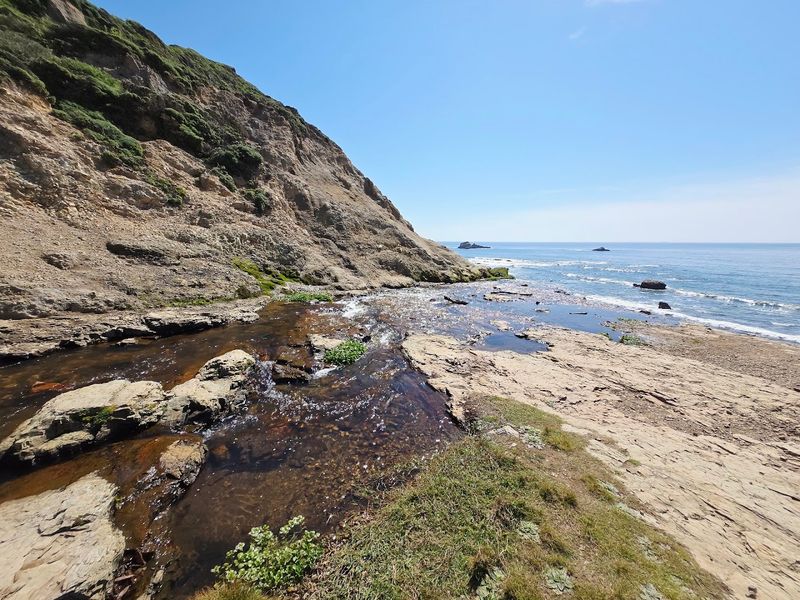
The wildlife along the Coast Trail and at the falls is one of the underrated highlights of this hike. The coastal grasslands and scrub support a wide variety of bird species, and the freshwater lakes along the route attract shorebirds and waterfowl that are not commonly seen in other parts of the Bay Area.
Harbor seals are a regular presence near the beach at the base of the falls. They often float just beyond the surf line and watch hikers with what can only be described as polite curiosity.
Seeing them pop up unexpectedly while you are standing at the water’s edge is one of those small moments that makes a hike feel like more than just exercise.
Tule elk are also known to roam the Point Reyes peninsula, and some hikers have spotted small herds near Wildcat Camp, which sits roughly midway along the longer route from Bear Valley. The bird life along the trail is rich enough to keep a birder occupied for an entire morning.
Whales are sometimes visible from the higher bluff sections during migration season, which runs from roughly December through April. The natural variety packed into one trail system is genuinely impressive and rivals anything I have seen in Oklahoma or elsewhere on the West Coast.
What to Pack for the Day
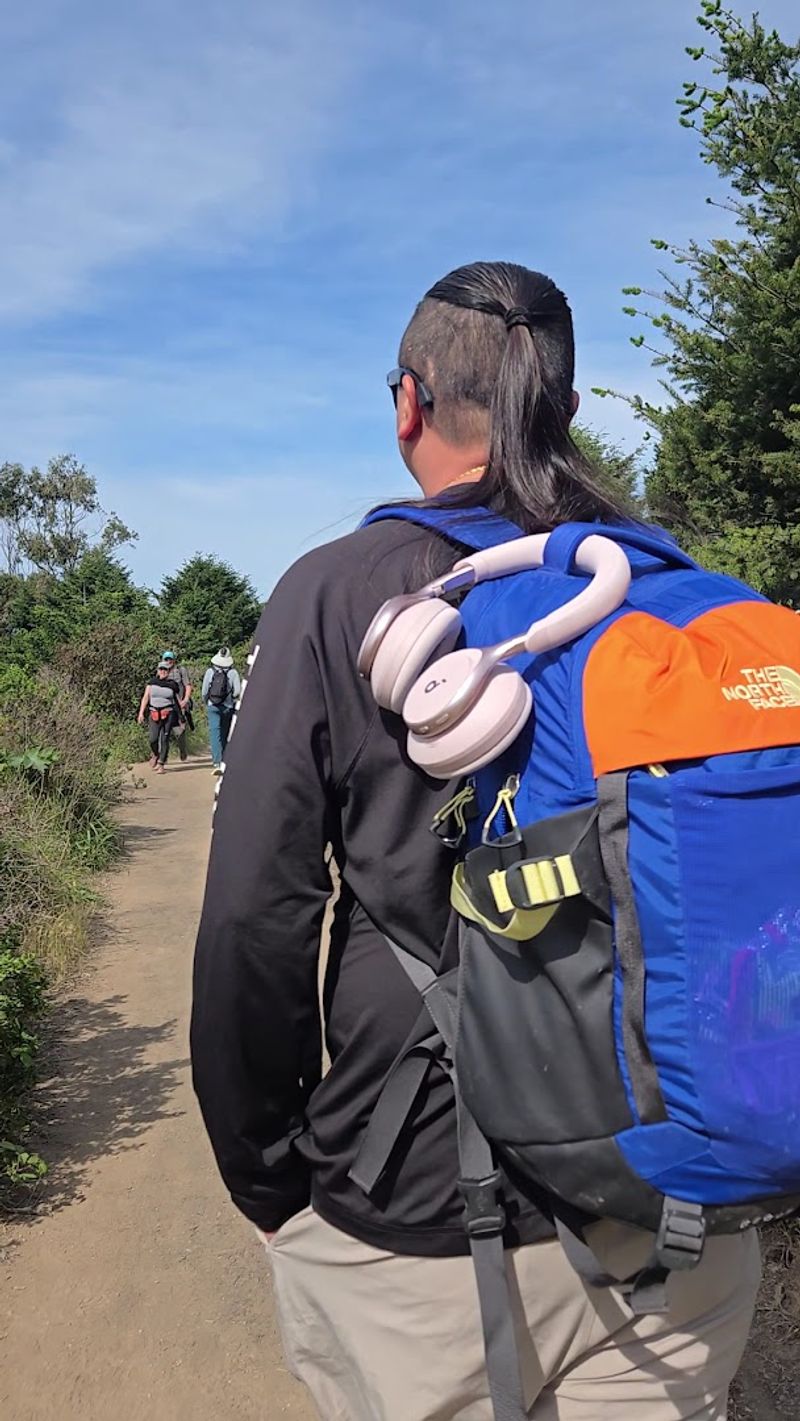
A hike of this distance in a coastal environment has a specific packing list that differs from a typical day hike in the mountains. Water is the most critical item, and more of it than you think you need is the right amount.
There are no water refill stations or food vendors anywhere along the route.
Snacks with substance make a real difference on an eight-to-sixteen-mile round trip. Trail mix, sandwiches, and energy bars are all solid choices.
A small picnic at one of the lakeside spots along the trail or at Wildcat Camp turns a fuel stop into a genuine rest.
Footwear matters more here than on many other California trails. The terrain includes packed dirt, loose rock, sandy beach, and some scrambling on coastal bluff faces.
A trail shoe or light hiking boot with solid grip handles all of those surfaces better than a standard sneaker. Long pants protect against poison oak and the overgrown brush sections.
A light jacket or packable layer is worth bringing even on warm days because the coastal fog can make the blufftop feel significantly cooler than inland temperatures. Sunscreen, a hat, and a fully charged phone with a downloaded offline map round out the essentials before you leave the trailhead.
The Best Time of Year to Visit
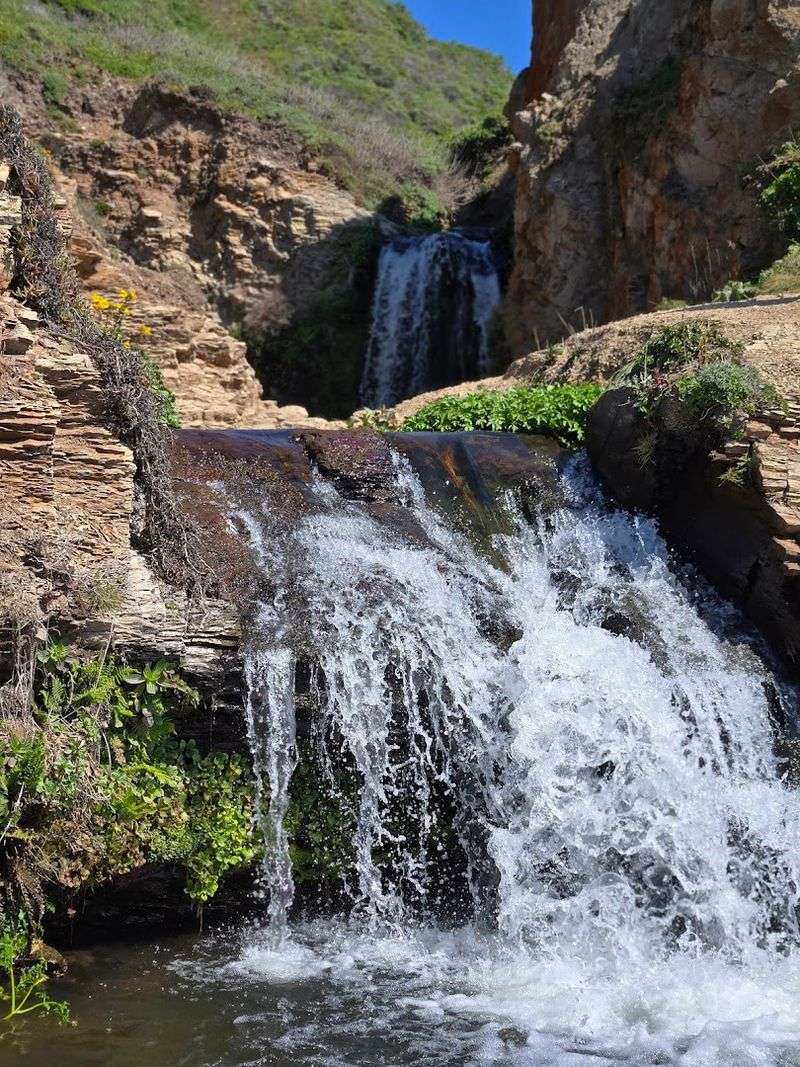
The waterfall is at its most impressive during and after the rainy season, which in coastal Marin County typically runs from November through March. Winter and early spring bring the heaviest flows, turning the falls from a pleasant trickle into a genuinely dramatic cascade that you can hear well before you see it.
Summer visits are popular because of the reliable dry weather, but the falls are noticeably smaller in volume during the dry season. The coastal fog that rolls in during summer mornings can also obscure the views from the blufftop sections of the trail, though it usually clears by midday.
Fall sits in a sweet spot, with lighter crowds, comfortable temperatures, and enough residual moisture from the first autumn rains to keep the falls flowing reasonably well.
Spring wildflowers along the Coast Trail add an extra layer of color to the landscape, and the longer daylight hours give hikers more flexibility with their timing. Weekday visits in any season offer a noticeably quieter experience than weekend trips.
The trail sees steady foot traffic year-round because the scenery is compelling in every season, and the falls, even at low flow, are worth the walk from any starting point. Visitors from Oklahoma and beyond keep this trail busy all twelve months of the year.
Why This Hike Stays With You Long After You Leave
Some hikes are pleasant while you are on them and fade quickly afterward. Alamere Falls is not one of those.
The combination of coastal views, freshwater lakes, dense forest sections, and a finale that involves a waterfall landing on a beach creates a full sensory journey that is hard to replicate anywhere else in California.
The absence of cell service for most of the route forces a kind of presence that is increasingly rare. You notice the birds, the wind off the water, the sound of the creek beside the trail, and the way the light changes as you move between open blufftop and shaded forest.
That enforced disconnection is part of what makes the experience feel so complete.
Every person I passed on the trail was friendly, and not one left any trace of their visit behind. The trail community here has a quiet respect for the place that feels earned rather than posted on a sign.
Whether you are a seasoned long-distance hiker or someone who usually sticks to shorter loops, Alamere Falls offers something that lands differently than most destinations. Hikers from Oklahoma, from the Pacific Northwest, and from everywhere in between come here once and start planning their return trip before they even reach the parking lot.



