 Unearth The Voyage
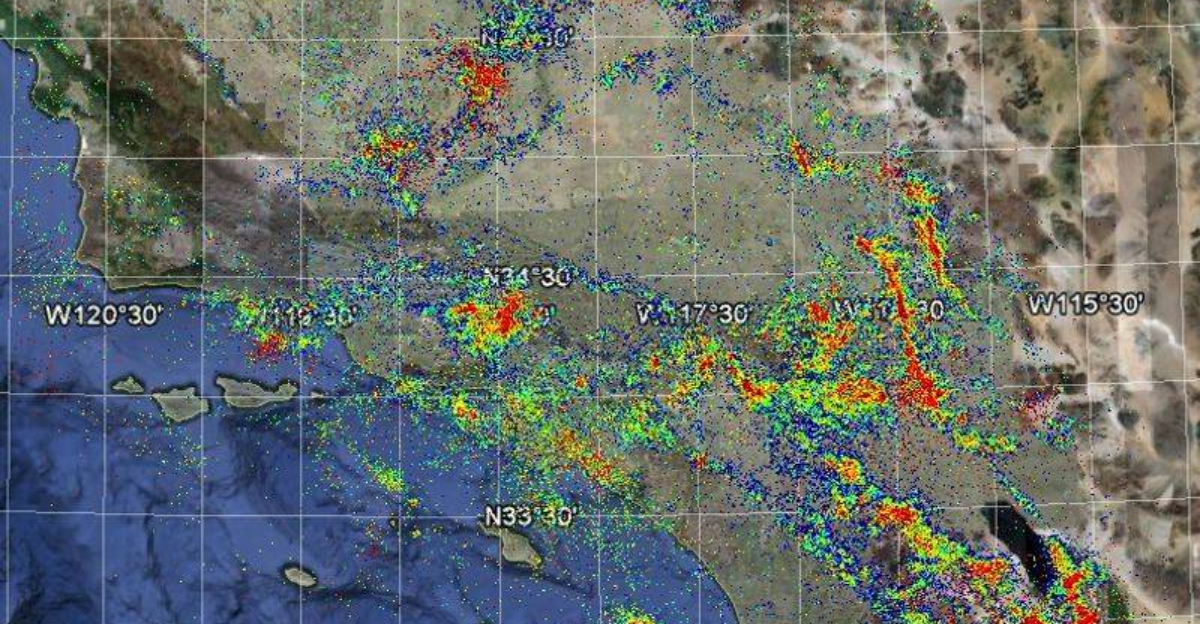
Feeling your phone buzz with another quake alert and wondering if this is the start of something big. You are not alone, and the data tells a reassuring story. California is rumbling with frequent minor earthquakes, but there is no sign of a rapid fire catastrophe. Stay curious, stay prepared, and let the facts guide your calm.
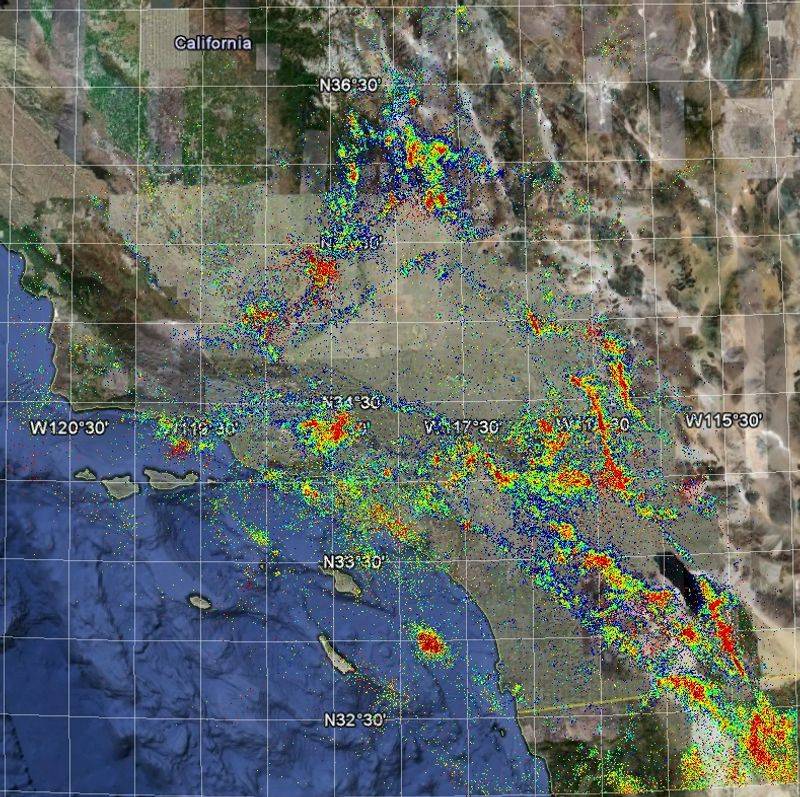
You have seen headlines hinting at a rapid fire crisis, but the instruments tell a calmer story. California has logged dozens of small quakes in recent weeks, mostly in the M1.5 to M4.4 range, spread across familiar zones. These are background tremors that seismometers catch, not the kind that topple buildings or rewrite history.
Public records show no California earthquakes at or above M5.5 in the past several months, and none flagged as USGS significant events for 2025. Daily trackers and the California Nevada catalog outline tiny, deep, often unfelt motions that register as blips on graphs. You might notice a shake, then silence, and that quiet is data too.
In other words, activity is normal for a plate boundary state like this. The buzz reads busy, yet it is not unusual or escalatory by expert standards. Keep watching, but take a breath, because the numbers do not match the hype.
Clusters of small earthquakes can feel unsettling, especially when they pop off over a weekend. Yet in California, swarms are routine outcomes of fault stress release and subsurface processes. Think of them as the crust sighing, not screaming, a natural rhythm in a long running tectonic ballet.
In places like The Geysers Geothermal Field, operations can trigger many tiny events as injected water changes temperature and pressure in rock. Those adjustments produce crisp little snaps that instruments record all day. The effect reads like chatter, not a countdown, and the energy released is usually modest.
History backs this up. Most swarms do not precede a damaging quake, and UCERF3 reminds us that short term prediction is not possible. You can treat clusters as situational awareness, useful context without panic.
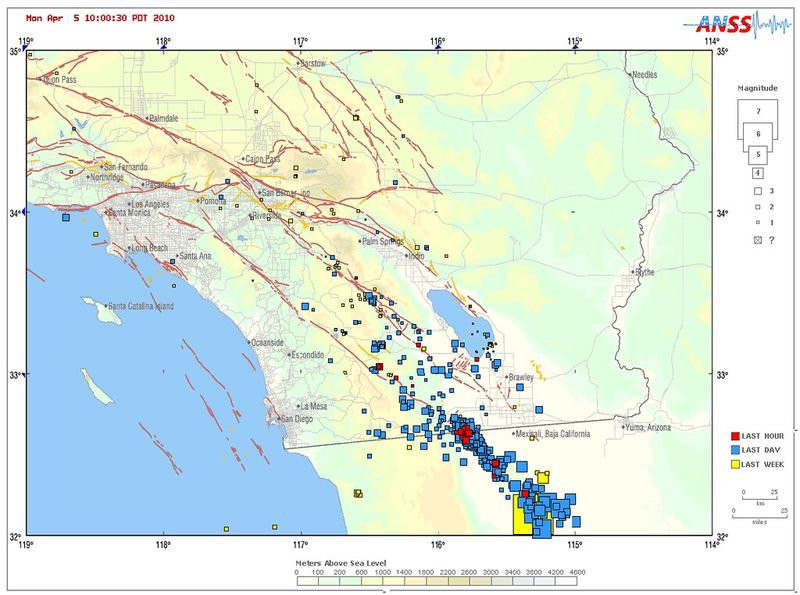
Scan the last 30 days, and you will see hundreds of small quakes dotting the map. Most land in the M1.5 to M3.5 range, with a few nudging near M4.4. None qualify as major or destructive by USGS standards, and none appear on the 2025 significant events list for California.
The locations are spread out, from Southern California deserts to coastal zones and the northern ranges. This distribution matters, because it shows no single hot zone building toward an obvious cascade. Instead, the crust is doing its usual plate boundary shuffle, active yet unalarming.
Seismologists stress that this is normal background seismicity. Risk is never zero here, but current numbers do not signal an imminent catastrophe. You can acknowledge the risk without surrendering to fear.
Frequent minor tremors are a reminder, not a prophecy. The takeaway is simple: preparedness over panic. Keep your emergency kit ready, secure heavy furniture, and check that your space meets seismic standards.
Current data does not show a spike in major quake probability, so you can plan smartly without living on edge. Retrofit older structures if needed and practice drop cover hold with family or coworkers. For energy sensitive zones like geothermal fields, monitoring should continue with realistic expectations about small, operational quakes.
Stay subscribed to official alerts and rely on reputable sources when the ground buzzes. You will feel more in control when you pair alerts with action steps you can take today. Calm is a skill, and in California, it is one worth practicing.



