 Unearth The Voyage
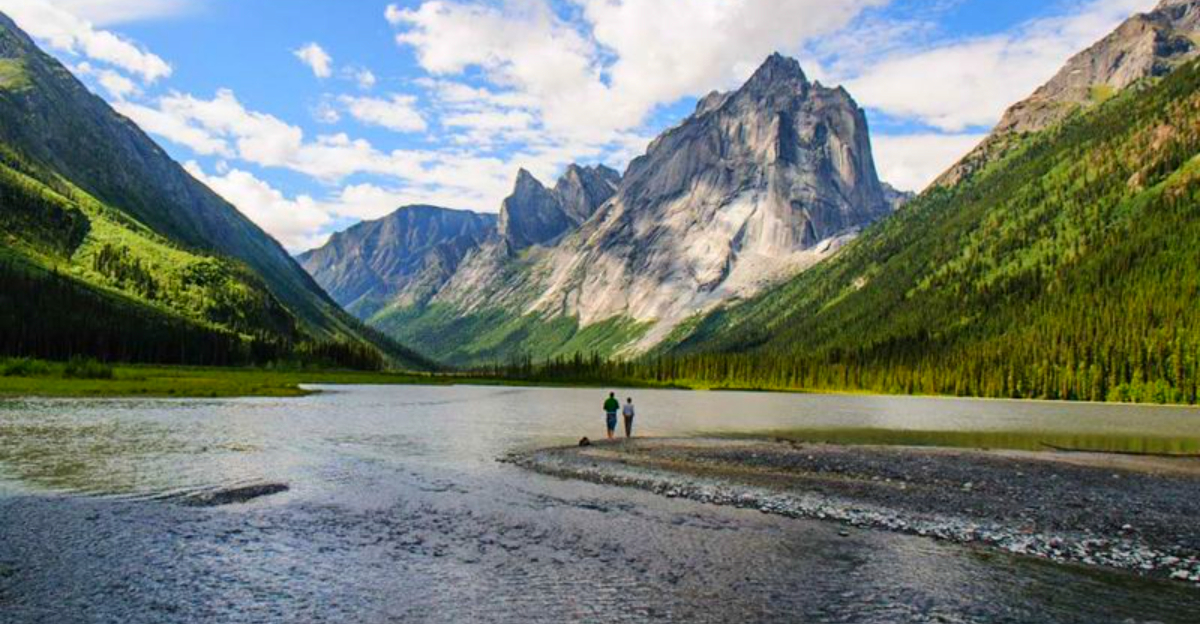
Step into a place so vast and raw that time seems to slow and the air tastes like cold stone and spruce. The Nahanni Valley is not just a destination, it is an initiation, where rivers roar, canyons loom, and weather rewrites plans in minutes.
You will feel small here, in the best possible way, as if the land is reminding you how wild the world still is. Keep reading to learn how to witness its power safely and why its legends still echo through the canyons.
South Nahanni River: The Wild Artery
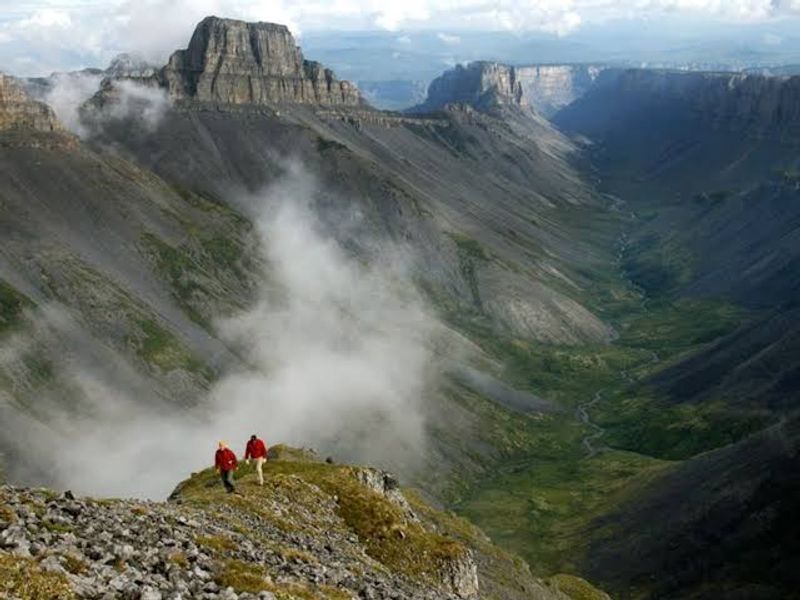
The moment the raft noses into current, the river takes over, cold and insistent, smelling faintly of wet stone and spruce pitch. You hear a low thunder before you see the horizon line, where standing waves muscle themselves into form and the canyon walls climb like ramparts.
Ravens loop on the wind, and the guide’s voice drops to a whisper that feels like respect more than caution.
Water beads on your jacket while the raft flexes underfoot, soft and living, and the paddle blade bites like a fin into green glass. Here, the South Nahanni River threads four major canyons, each deeper and sterner, their faces scored with ancient geology.
You feel the scale in your ribs, the kind of gravity that humbles talk and sharpens attention.
Statistics tug at the edge of romance, and they matter: the park sprawls over 30,000 square kilometers, with canyons reaching up to 1,000 meters and a signature waterfall dropping 96 meters just downstream. Experienced paddlers come for Class III to IV features and the long push of wilderness logistics.
If you are newer, go with an outfitter, pack redundancy, and accept the river’s terms. The Nahanni does not bully so much as expose what you know.
Camp evenings smell of woodsmoke and spruce sap, and stories lift into the cold. You will sleep differently after a day here, heavier and lighter at once.
Morning sets the rhythm again, the current sliding you onward, deeper into the spine of the mountains.
Virginia Falls: Thunder You Can Feel
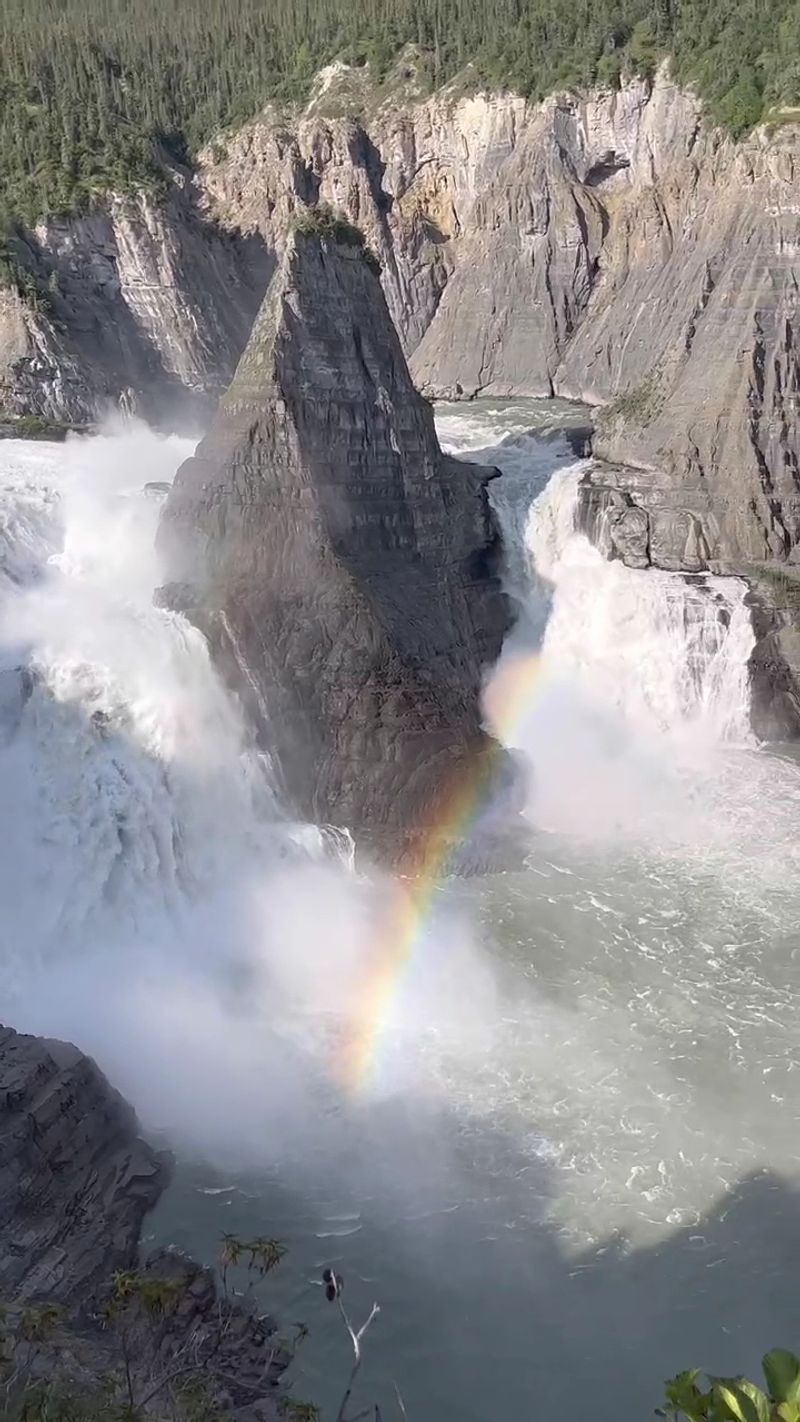
Before you even see Virginia Falls, you feel it in your chest like distant drums. The mist hits your face cool and mineral rich, and a rainbow hangs half born and trembling over Split Rock.
Trails curve along boardwalks slick with spray, where the river condenses into a single idea and then unravels in violence.
Standing at the overlook, you grip the railing and lean into the roar, which is oddly cleansing. Almost twice the height of Niagara, this 96 meter drop is the park’s beating heart, an old power station with no wires.
Locals call it Nailicho, and the name carries weight that you can sense even without knowing the language.
You learn quickly to treat edges like promises you will not break. Photographers time shots between gusts when lenses stay dry for a breath.
In peak summer, visitation remains sparse compared to southern parks, partly due to fly in access and cost, preserving a rare intimacy with a world class waterfall.
Listen long enough and the thunder becomes a kind of blank canvas for thought. The spray loads your jacket, and your hands smell faintly of metal and moss.
When you turn to leave, your ears keep ringing, and you step lighter on the trail, as if the land recalibrated something inside you. Back at camp, the ground hums like a quiet engine, and you finally understand why people whisper near the edge.
The Four Canyons: Stone Corridors
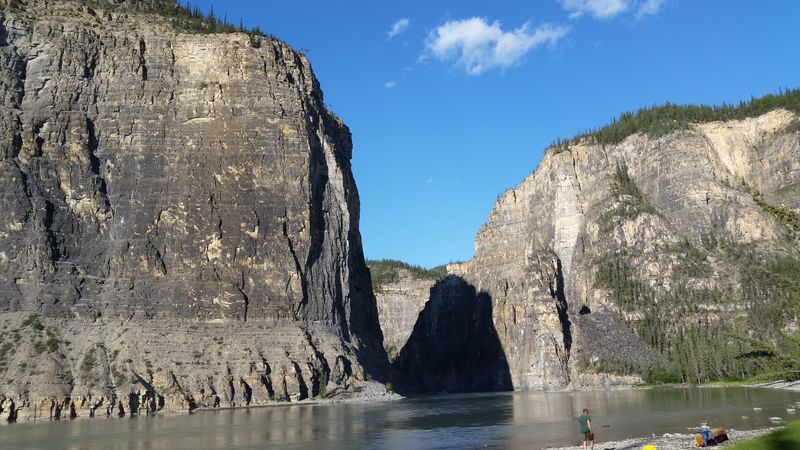
Entering First Canyon feels like a door closing behind you. The walls lift straight and pale, their faces crowded with fossils and seams, and the river threads shadows where sunlight pools in broken coins.
Sound changes, too, made sharper by stone, so paddle strokes snap and gulls echo like bells.
Second Canyon is lean and elegant, and you read water more than you read signs because there are none. The current eddies in patient shapes that promise either comfort or surprise, and you keep scanning for telltales along the cliff base.
By Third Canyon, your shoulders know the rhythm, and the boat crew hardly speaks, trading glances that say more than words.
Fourth Canyon comes last, low and secretive, the relief of wider sky sauced with reluctance. People talk about the canyons like chapters, each with a thesis and a test.
Geology here is a stern teacher, scrawling lessons in layers, while Dall sheep pick their way along impossible ledges.
History rides with you. Prospectors once floated these same bends chasing rumors of gold and met the exact same corners and cold nights.
The difference now is knowledge, maps, rescue options, and respect baked into trip plans. You leave the canyons feeling edited by stone, ready for the open reaches downstream, but already missing the way light climbs the limestone like a slow, thoughtful flame.
Headless Valley Legends: Fear and Fact
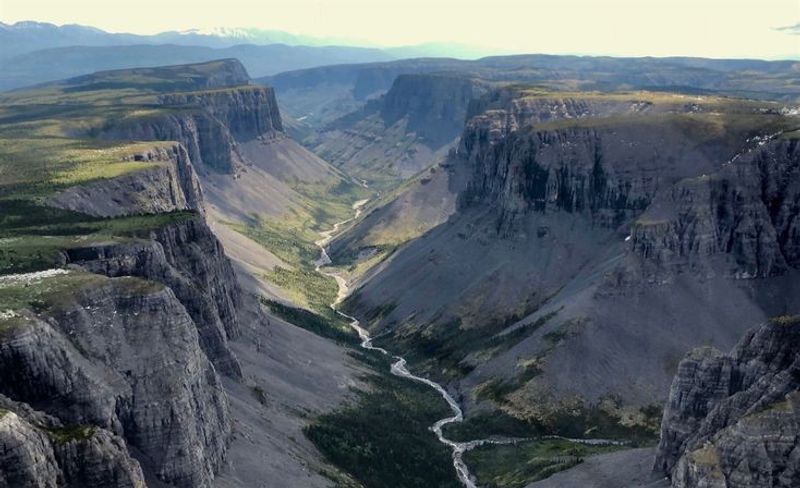
You hear the stories as soon as you mention the trip: the Headless Valley, grim discoveries, and whispers that refuse to die. Fog coils through the spruce, and old names drift like driftwood on the current.
It is tempting to romanticize fear, to let it make the place feel mythic and you somehow heroic.
What the record shows is harsher and more ordinary in its cruelty. Early prospectors underestimated distance, cold snaps, and water that can turn a bad decision into a final one.
Animal scavenging can make a scene look worse than it began, while rescue, in those days, was a hope with no timetable.
Guides today carry satellite communicators, thorough float plans, and hard earned judgment about weather windows. Parks Canada keeps access limited and informed, and the area’s UNESCO status emphasizes both preservation and safety.
Most modern incidents come from rushing the river or skimping on layers and calories, not curses.
Still, the legends serve a purpose. They remind you not to confuse beauty with mercy.
When fog floods a side valley and the temperature drops like a stone, you tighten your hood and check your partner’s eyes. The land is not out to get you, but it will not bend.
Respect is the best superstition here, and it works.
Dene Knowledge: Reading the Land
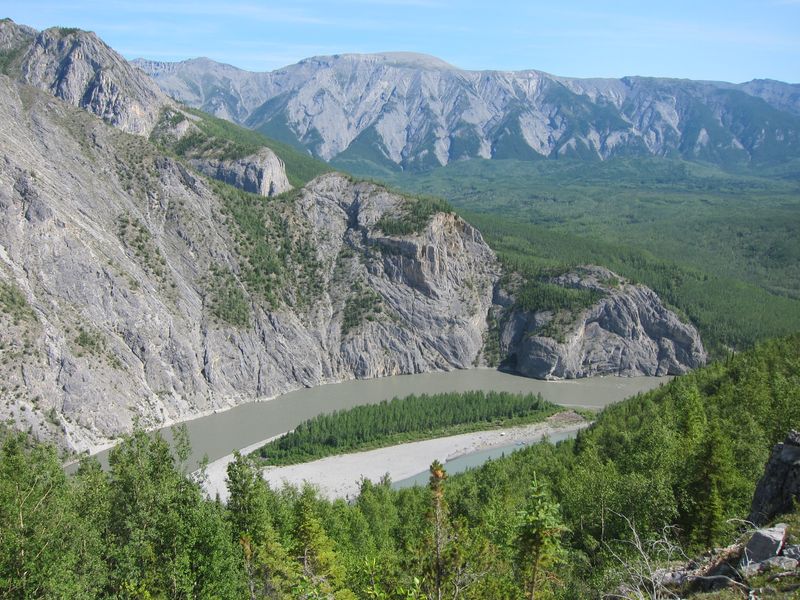
Walking a gravel bar with a Dene guide changes how you look at everything. Driftwood becomes timeline, track becomes story, and wind direction is as practical as a map.
You learn that travel here has always been about timing, not just strength.
The Dene have moved through these valleys for generations, leaving place names and protocols that teach caution and gratitude. Low clouds say one thing, high clouds another.
A bend in the river can shelter moose or funnel cold air, and both matter when you plan a camp.
There is quiet pride in the way knowledge is shared, never as a lecture, always as an invitation to notice. You are shown edible plants and warned from lookalikes, and the difference might be the shape of a stem or the smell at the break.
Stories carry safety lessons, too, light in tone but heavy in meaning.
This cultural thread is part of what the park protects, alongside caribou ranges and hot springs. Respect looks like staying on established sites, packing out everything, and asking before you take.
It also looks like listening longer than you speak. By the time you push off again, the river seems less mysterious and more legible, not tamed, just better read.
You carry that literacy forward, and it makes the whole trip click.
Wildlife Encounters: Tooth, Hoof, and Wing
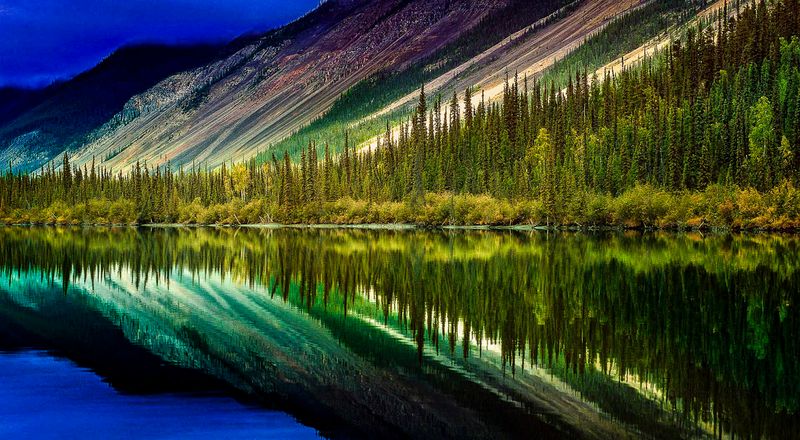
Dawn breaks thin and silver, and tracks stitch the mud like cursive. A grizzly prints a message the size of your palm and then some, clear enough to slow your heartbeat.
Across the bar, moose slots fill with water, neat and deliberate, leading toward willow browse.
Above, a peregrine slices the air, and the river answers with a splash as grayling rise. You feel watched in a good way, part of a busy neighborhood where survival is a full time job.
The park holds more than forty mammal species and over 180 kinds of birds, a roll call that turns every bend into an alert.
Good habits keep encounters calm. Make noise in brushy stretches, store food like a professional, and give anything with hooves or claws room to breathe.
Binoculars do the work better than bravado, and a camera with reach lets you stay honest distances.
There is joy in small moments, too: a beaver V on glassy water, a trumpeter swan’s soft hoot under cloud, and the bright flash of a harlequin duck riding a riffle. In late season, caribou move like moving punctuation across high shoulders.
You end each day counting species like lucky charms. That feeling, of belonging without ownership, becomes your favorite souvenir, quiet and durable as feather down.
Hot Springs and Karst: Hidden Warmth
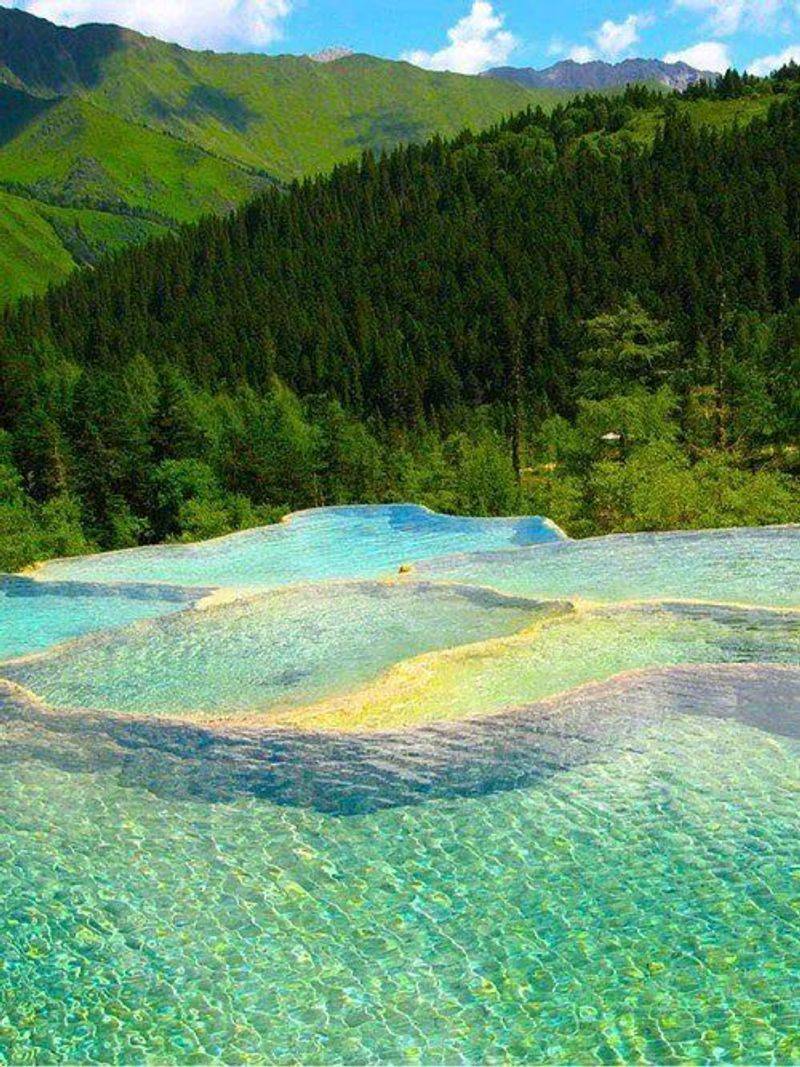
You smell the sulphur before you see the steam, a warm ribbon lifting through spruce where the air bites. In a land defined by cold water and colder nights, hot springs feel like a secret handshake.
The ground here fizzles with geology, and you can hear tiny snaps where water meets frost.
Karst landscapes add another layer of wonder, riddled with sinkholes and caves that gulp rain in one place and spit it out far away. Trails skirt fragile ground where limestone has been worked thin by time.
You step carefully, balancing curiosity with respect, because footprints last longer than you think.
These features are more than postcard curiosities. They host rare plants, shelter microclimates, and record stories of climate swings locked in mineral lace.
Scientists and rangers measure changes, and long term monitoring helps keep delicate systems intact.
When you camp near a warm seep, boots dry faster, spirits lift, and the night carries a strange comfort under wild stars. You will want to soak, but many sites are protected, and that boundary matters.
Let the steam be its own gift. In the morning, frost etches every branch, and the valley exhales.
You shoulder the pack feeling restored, warmed from the inside out by a landscape that still knows how to surprise.
Logistics and Safety: Earning the Solitude
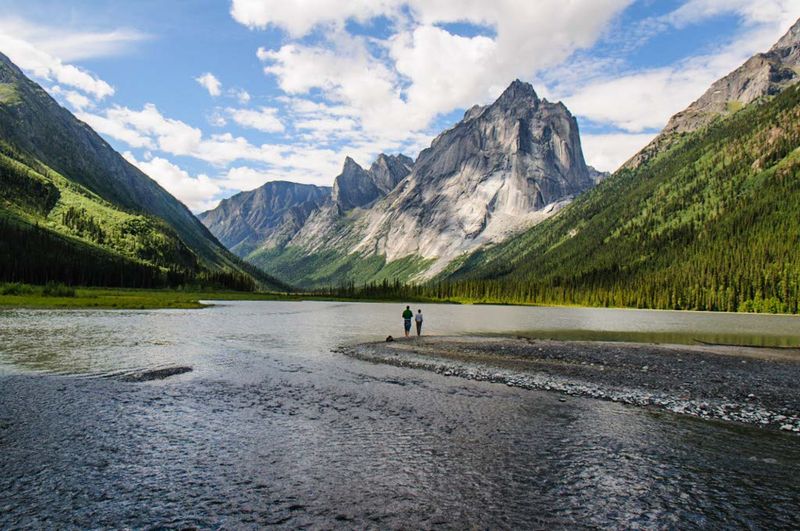
Getting to the Nahanni is part of the price of admission. You will likely stage from Fort Simpson, check weather twice, and load a bush plane where every kilogram matters.
When the wheels kiss gravel, the quiet after engine fade feels like stepping into a cathedral.
Prepare like a professional. Pack insulation for cold snaps in any month, redundant fire, and calorie dense food you can eat with cold hands.
Bring a satellite communicator, share your plan, and pad your schedule for weather days. Water levels swing, and guides adjust lines and camps with a shrug that comes from experience.
The park’s size keeps traffic low and encounters meaningful. It spans over 30,000 square kilometers, and regulations are designed to preserve that spaciousness.
Permit information, bear practices, and human waste protocols matter more here, where mistakes travel far.
Travel with people who take care of each other. A good team moves at the speed of its most tired member, sets camp before dark, and treats small issues early.
The payoff is enormous. Solitude here is not emptiness, it is clarity, and it is earned.
When you fly out, the world will seem noisy and close. You will miss the honest math of weather, water, and will, and you will start planning the next trip before your gear is even dry.



