Castles were not just stone walls and towers. They were the nerve centers of medieval power, the places where kings made decisions, armies gathered, and entire kingdoms could rise or fall. When a castle changed hands, the ripple effects could reshape borders, end dynasties, and rewrite history books. These 15 sieges did exactly that, and the stories behind them are far more gripping than any textbook ever let on.
1. Siege of Rochester Castle, England, 1215
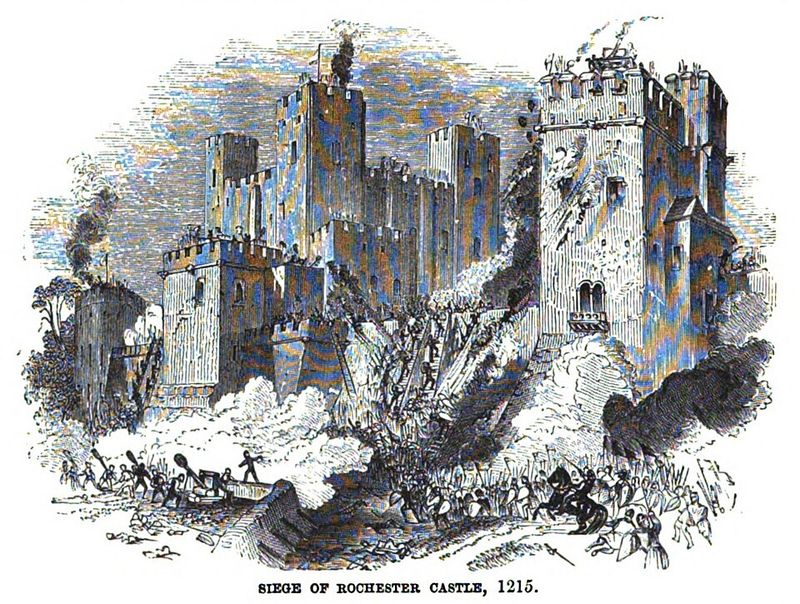
King John did not just want Rochester Castle back. He needed it, because losing it meant losing control of the road between London and the English coast during the First Barons’ War.
In October 1215, rebel barons under William d’Aubigny seized the fortress, forcing John to besiege it with five trebuchets and a team of expert miners. The miners tunneled beneath the keep’s southeast corner and burned the props using pig fat as fuel, collapsing a section of the tower.
Even after the breach, defenders retreated behind an internal spine wall and held out for seven more weeks before starvation forced surrender. The rebuilt corner of the keep was redesigned with a curved shape, a direct architectural lesson from this siege. John won the battle but never secured lasting peace.
2. Siege of Château Gaillard, France, 1203 to 1204
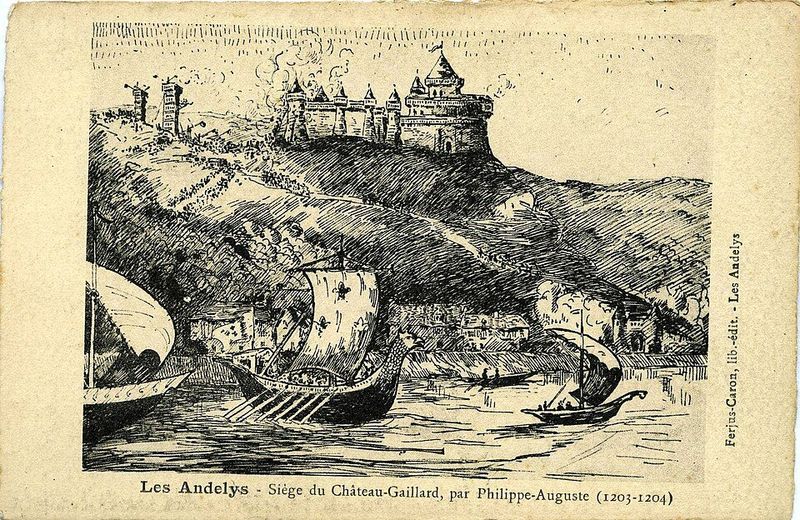
Richard the Lionheart personally designed Château Gaillard between 1196 and 1198, and he was reportedly so proud of it that he called it his “saucy castle.” Philip II of France had other plans for it.
Philip launched his siege in August 1203, cutting off supply lines and blocking the Seine with a bridge of boats to stop any English relief force. French sappers eventually entered the middle bailey through a latrine chute, an unglamorous but effective method that bypassed the outer defenses entirely.
The keep fell on March 8, 1204, after roughly six months of siege operations. With Gaillard gone, Philip annexed Normandy and stripped England of its most important continental territory. The political map of Western Europe shifted permanently, and the English crown never recovered those lands.
3. Siege of Stirling Castle, Scotland, 1304
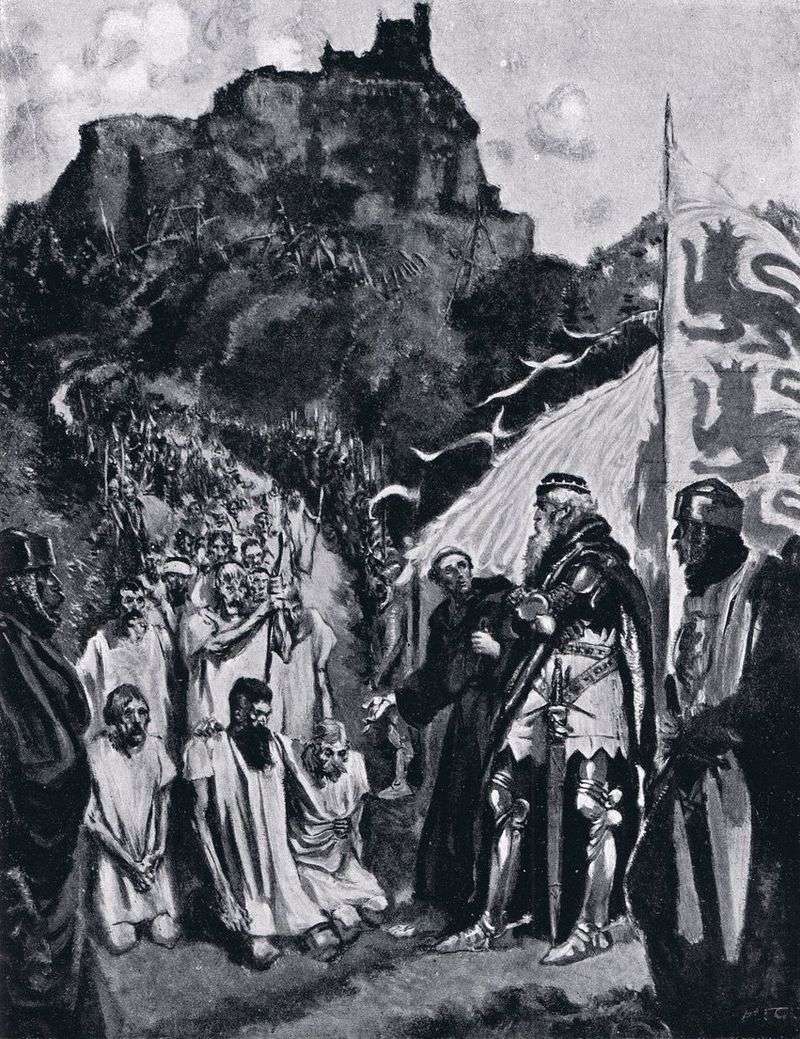
Edward I earned his nickname “the Hammer of the Scots” through campaigns like this one. By 1304, Stirling Castle was the last major Scottish holdout, defended by Sir William Oliphant and a small but determined garrison.
Edward assembled at least 12 siege engines, including a massive trebuchet called Warwolf that took 50 carpenters several weeks to build on site. The machine could launch stones weighing up to 200 pounds, and Edward reportedly refused to let the defenders surrender until Warwolf had fired at least once.
The garrison capitulated on July 24, 1304, after more than three months of continuous bombardment. While Scotland’s independence movement continued under Robert the Bruce, the fall of Stirling demonstrated how decisively overwhelming firepower could tip the balance in medieval siege warfare.
4. Siege of Kenilworth Castle, England, 1266
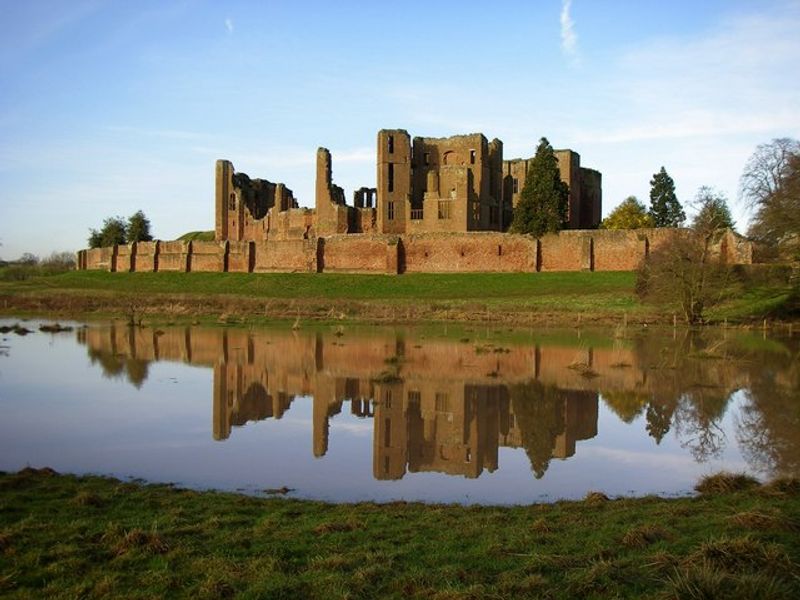
Kenilworth Castle had one feature that made it almost impossible to assault directly: a massive artificial lake surrounding its walls, which rendered conventional siege engines largely useless.
King Henry III began the siege in June 1266 after the Battle of Evesham ended the Second Barons’ War, but a stubborn contingent of rebels, including Simon de Montfort’s son, refused to yield. The royal army tried floating siege towers and armed barges, but the water defenses held firm for six months.
Rather than continue an unwinnable direct assault, the crown negotiated. The Dictum of Kenilworth, issued in October 1266, offered rebels a path to reclaim their lands by paying fines. The garrison surrendered in December 1266. The settlement was a landmark in English political history, choosing negotiation over prolonged conflict to restore stability.
5. Siege of Constantinople, 1453
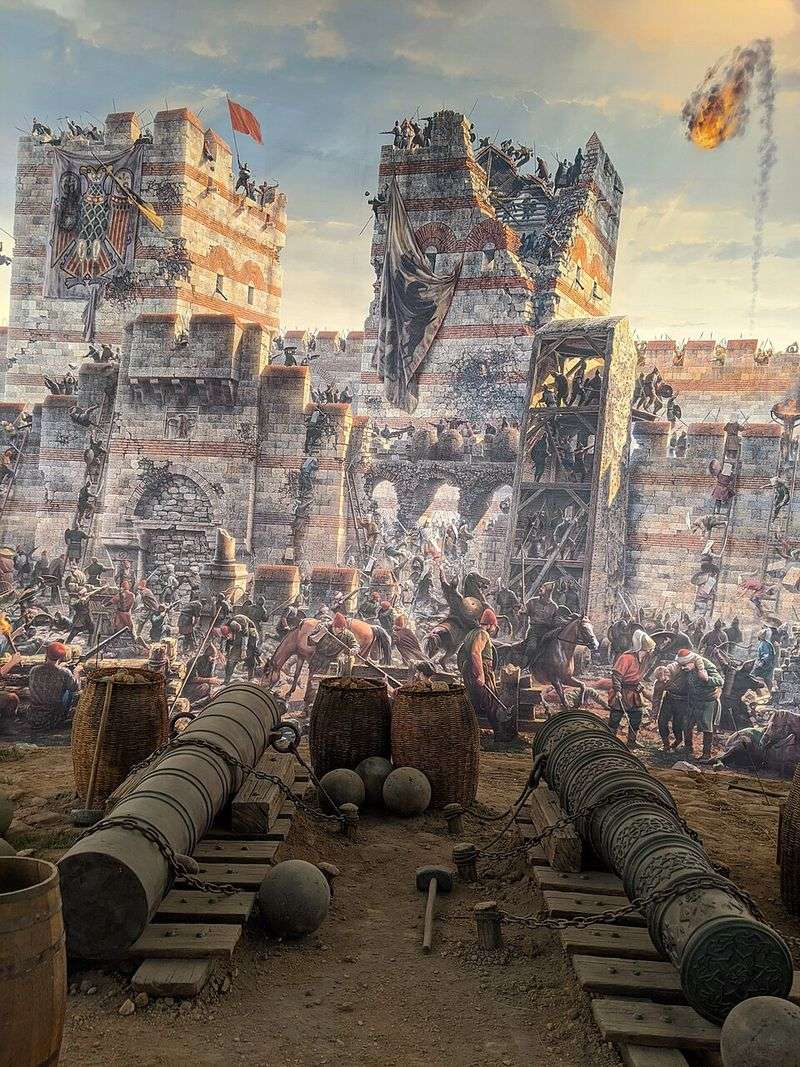
Sultan Mehmed II was 21 years old when he launched the siege that ended a civilization. Constantinople had survived sieges for over a millennium, but it had never faced artillery like this.
The Ottomans brought enormous cannons specifically cast to breach the city’s triple walls, and deployed an army estimated between 80,000 and 150,000 soldiers against roughly 7,000 defenders. One of the most audacious moves of the campaign was dragging dozens of Ottoman ships overland on greased logs to bypass a chain blockade across the Golden Horn.
On May 29, 1453, the final assault overwhelmed the exhausted defenders. The Byzantine Empire, which had endured since 330 AD, ceased to exist. Istanbul became the new Ottoman capital, trade routes shifted, and European powers began searching for alternative paths to Asia, accelerating the Age of Exploration.
6. Siege of Krak des Chevaliers, Syria, 1271
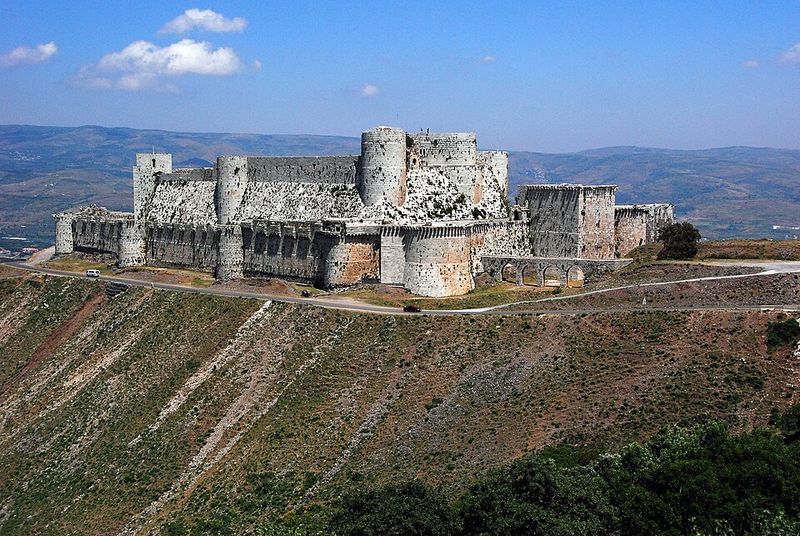
For over a century, Krak des Chevaliers had been the gold standard of Crusader military engineering. The Knights Hospitaller maintained it as a near-impregnable stronghold, and multiple Muslim forces had turned away from its walls without making a dent.
Sultan Baibars changed the approach in February 1271, surrounding the castle with a large Mamluk force equipped with trebuchets. His troops systematically captured the outer defenses and pushed the garrison of around 200 knights into the inner keep. Then came the forged letter, reportedly written to appear as an order from the Hospitaller Grand Master, instructing the garrison to surrender.
The castle fell on April 8, 1271. Baibars repaired and repurposed it as a Mamluk fortress. The capture accelerated the collapse of the remaining Crusader states, which lost their last foothold in the region within two decades.
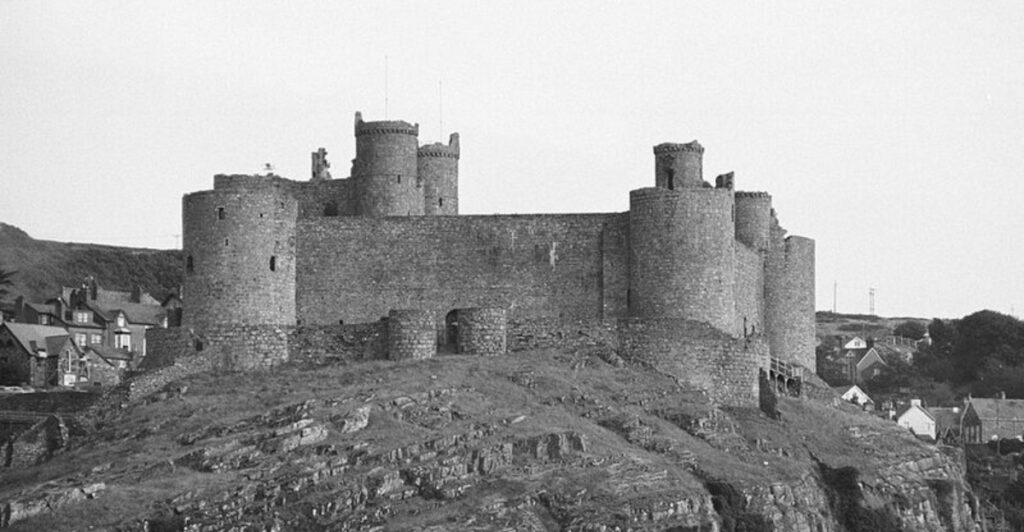
7. Siege of Harlech Castle, Wales, 1468
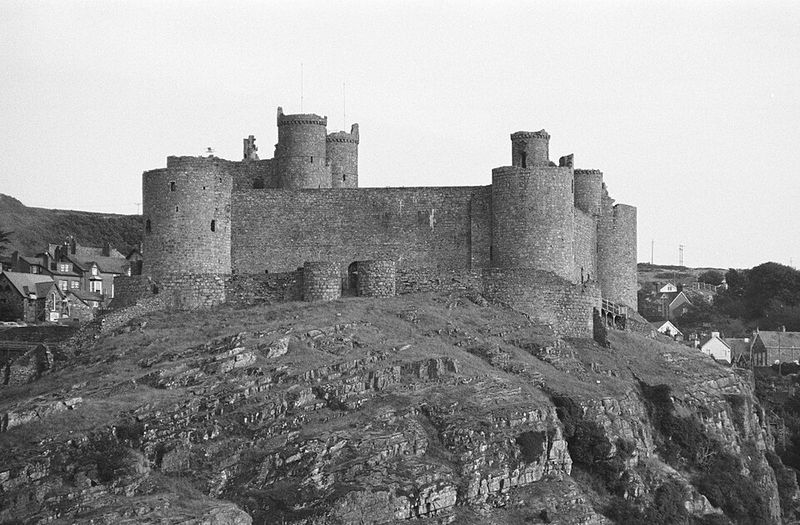
Harlech Castle held out longer than almost any other Lancastrian stronghold during the Wars of the Roses, and its defiance became so legendary that it inspired the Welsh song “Men of Harlech.”
Under Dafydd ap Ieuan, the castle served as a base for Lancastrian raids and a refuge for supporters of the deposed King Henry VI. Edward IV commissioned William Herbert, Earl of Pembroke, to end the defiance, sending a reported 10,000 men to besiege the fortress in spring 1468.
The natural advantages of Harlech’s clifftop position and surrounding marshland slowed the attackers considerably, but a sustained blockade and artillery bombardment gradually wore down the garrison. Surrender came in August 1468. The fall effectively ended organized Lancastrian resistance in Wales and helped consolidate Edward IV’s grip on the kingdom.
8. Siege of Edinburgh Castle, Scotland, 1573
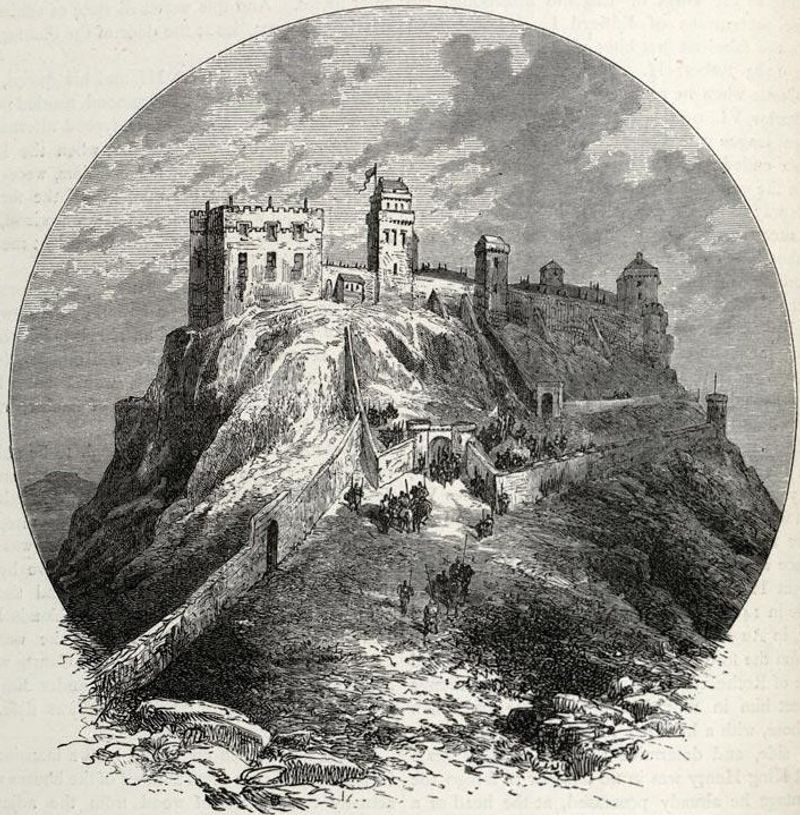
The Lang Siege, as Scots called it, was the final chapter of the Marian Civil War, a conflict that had divided Scotland between supporters of Mary, Queen of Scots, and those backing her infant son, James VI.
Sir William Kirkcaldy of Grange held Edinburgh Castle for the Marian faction from 1571 onward, using its commanding position on Castle Rock to defy the regent’s forces. The stalemate broke when Regent Morton appealed to Queen Elizabeth I of England, who sent Sir William Drury with heavy artillery in May 1573.
The English guns targeted the Half-Moon Battery and Constable Tower with sustained precision, breaching the outer defenses within weeks. The garrison surrendered on May 28, 1573. The outcome secured Protestant rule in Scotland and strengthened the political alignment between Scotland and England that would eventually produce a united crown.
9. Siege of Château de Montségur, France, 1243 to 1244
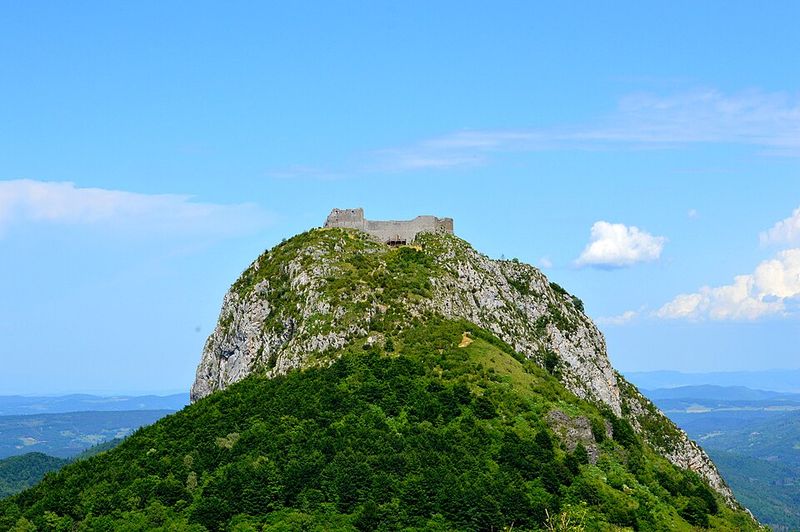
Montségur was not primarily a military installation. It was a spiritual refuge, the last significant gathering place of the Cathars, a Christian movement that the Catholic Church and the French crown had spent decades trying to eliminate.
In May 1243, a royal army under Hugues des Arcis surrounded the remote Pyrenean fortress and began a blockade. The terrain made direct assault nearly impossible, but specialized troops eventually scaled the eastern cliff face and positioned a trebuchet close enough to damage the walls.
After nearly ten months, the garrison negotiated surrender in March 1244. Those Cathars who refused to renounce their beliefs chose to perish in a pyre at the mountain’s base on March 16, 1244. The fall of Montségur effectively ended organized Cathar resistance in France, consolidating royal and papal authority over the Languedoc region permanently.
10. Siege of Dover Castle, England, 1216
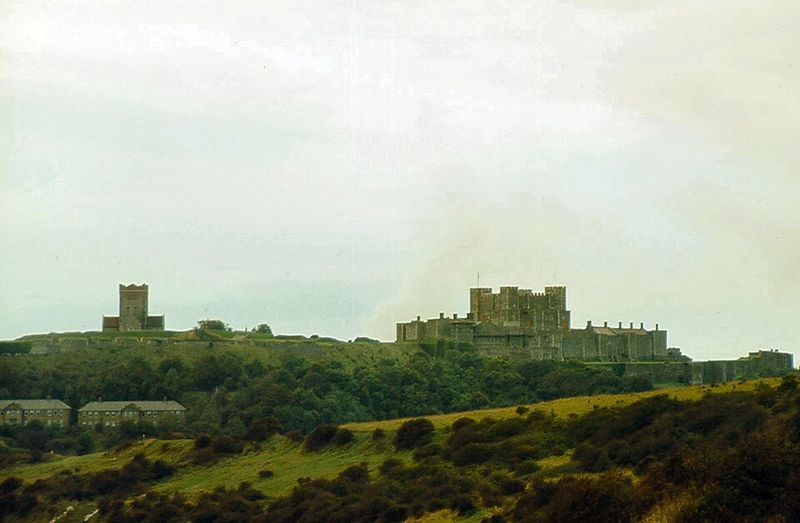
Dover Castle earned its title “Key to England” through geography as much as architecture. Controlling it meant controlling the narrowest sea crossing between England and France, which in 1216 made it the most strategically critical fortress in the kingdom.
Prince Louis of France had already taken London and won over many English barons, but Hubert de Burgh refused to yield Dover. Louis deployed siege engines and miners against the northern gatehouse, managing to capture the outer barbican but never breaking through to the castle proper.
The siege was abandoned in October 1216 after months of failed assaults. By then, King John had passed away and the tide was turning against the French invasion. Dover’s resistance denied Louis a secure supply line and communications route, and the young King Henry III’s supporters used that advantage to eventually expel the French entirely.
11. Siege of Rhodes, Greece, 1522
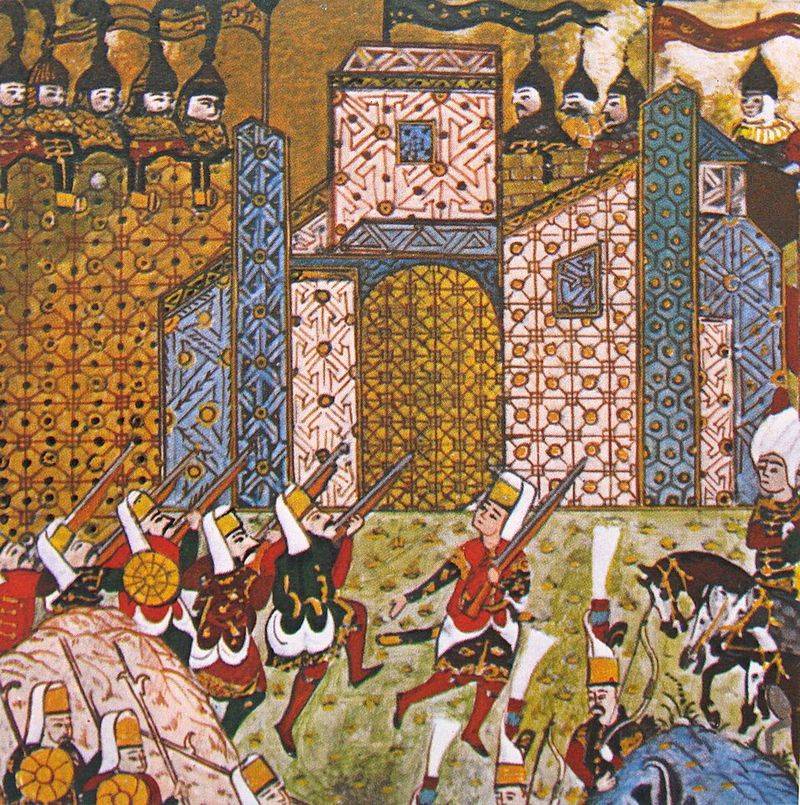
The Knights Hospitaller had held Rhodes for over 200 years, and their fortifications had been continuously upgraded to meet the latest advances in artillery and siege warfare. In 1522, none of that was enough.
Sultan Suleiman the Magnificent sent an estimated 100,000 to 200,000 soldiers and hundreds of ships against a garrison of roughly 7,000 to 8,000 defenders. The Ottomans employed relentless artillery bombardment and repeated mass assaults over more than five months, with each section of the walls assigned to a different national division of Knights.
Grand Master Philippe Villiers de L’Isle-Adam negotiated a surrender with relatively generous terms, and the Knights evacuated on January 1, 1523. They eventually settled in Malta, where they would mount another famous defense in 1565. Rhodes, meanwhile, became an Ottoman stronghold that secured their dominance over the eastern Mediterranean.
12. Siege of Orléans, France, 1428 to 1429
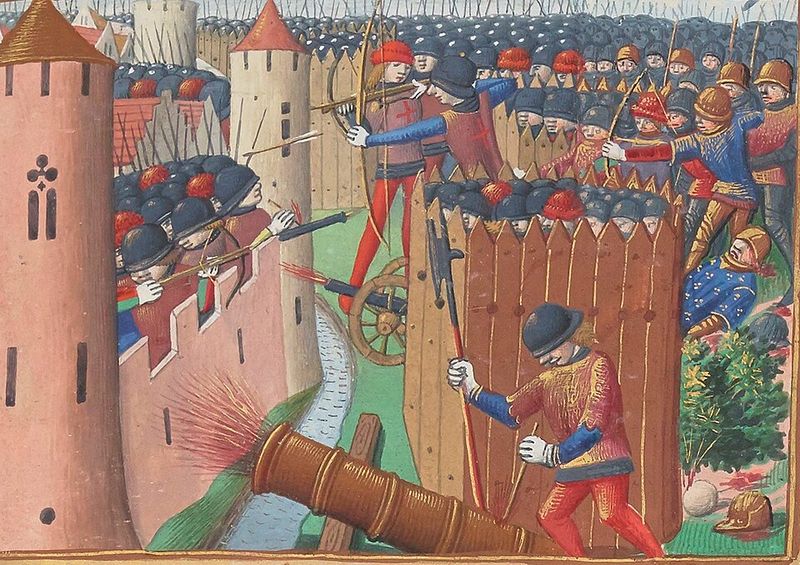
By October 1428, France was losing. The English and their Burgundian allies had built a ring of fortified bastilles around Orléans, cutting off supplies and isolating the city’s defenders on the Loire River.
The siege had dragged on for months when a 17-year-old peasant girl from Domrémy arrived claiming divine instruction to drive out the English. Joan of Arc’s presence transformed French morale almost immediately. She led assaults on the English bastilles and directed the attack on les Tourelles, the fortified tower controlling the bridge, which fell after fierce fighting.
The English lifted the siege on May 8, 1429, after seven months. The relief of Orléans reversed the entire momentum of the Hundred Years’ War, paving the way for the Dauphin’s coronation as Charles VII at Reims and the eventual expulsion of English forces from nearly all of France.
13. Siege of Château de Chinon, France, 1205
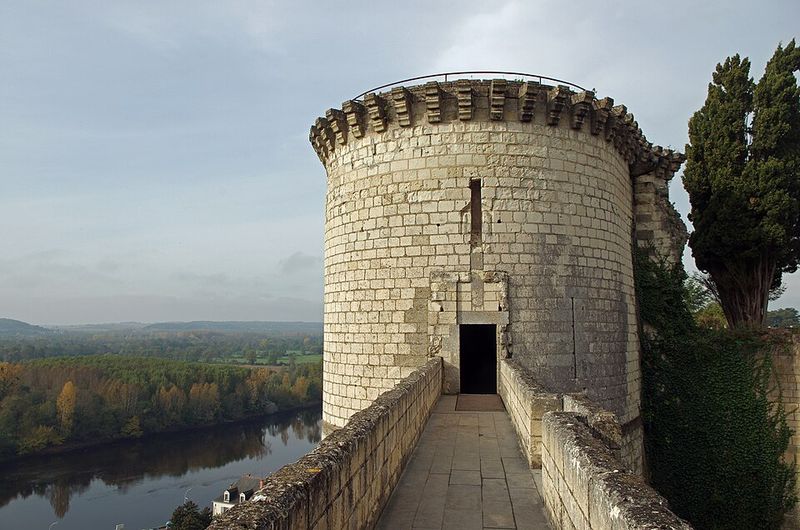
Chinon was not just a castle to the Angevin kings of England. It was the heart of their continental identity, a place where Henry II and Richard the Lionheart had governed their vast French territories from.
By 1205, Philip II of France had already dismantled much of the Angevin Empire, and Chinon was one of the last significant English-held fortresses in the Loire Valley. Philip’s forces initiated a blockade, cutting off supplies and applying sustained pressure on the garrison commanded by Hubert de Burgh.
The castle fell to Philip II in the summer of 1205 after a period of resistance that ultimately could not be sustained without relief from England. Its loss severed England’s direct connection to Anjou, Maine, and Touraine, cementing Philip’s control over western France and accelerating the permanent fragmentation of the Angevin Empire.
14. Siege of Buda Castle, Hungary, 1541
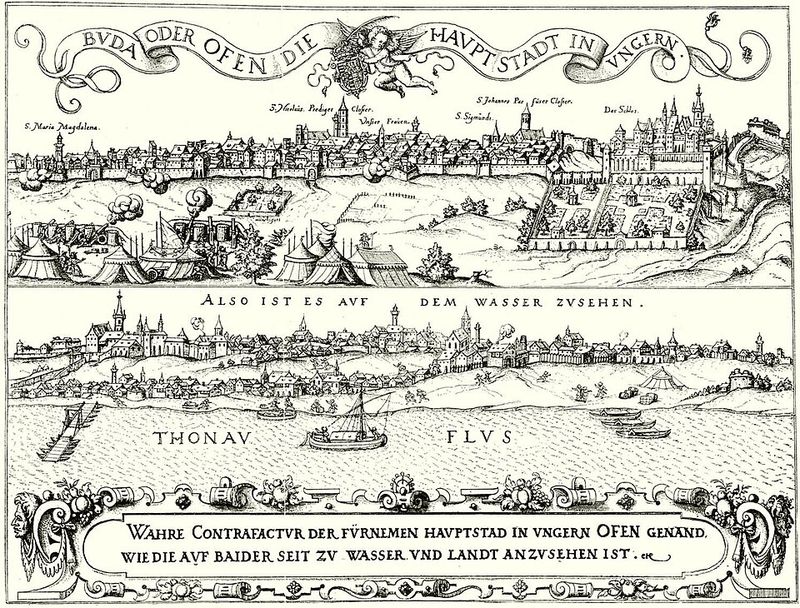
What makes the Ottoman capture of Buda Castle in 1541 unusual is that it barely resembled a conventional siege. Suleiman the Magnificent did not need to batter down the walls. He used diplomacy as a weapon instead.
After entering the city through bombardment, the Ottomans invited Hungarian nobles to Suleiman’s camp outside the walls as a gesture of goodwill. While the nobles were occupied, Ottoman Janissaries entered Buda Castle under the pretext of visiting the infant King John Sigismund. Once inside, they secured the fortress without major resistance on August 29, 1541.
The consequences were enormous. Central Hungary fell under Ottoman rule for more than 150 years. The kingdom fractured into three zones: Ottoman Hungary, Royal Hungary under Habsburg control, and the Principality of Transylvania. This division reshaped Central European politics, religion, and culture for generations.
15. Siege of Windsor Castle, England, 1642
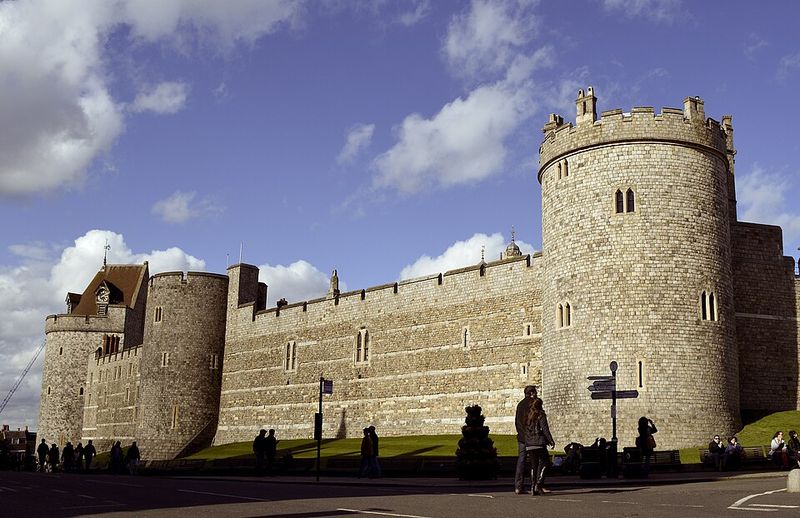
Windsor Castle fell to Parliament in October 1642 without much of a fight, and that quiet surrender turned out to be one of the more consequential moments of the early English Civil War.
The royalist garrison under a governor named Atherton had too few troops to defend the sprawling fortress against the Parliamentary force led by John Venn. Rather than risk a costly siege, the royalists withdrew. Parliament gained a strategically vital base just west of London, with direct access to the Thames and a powerful symbol of royal prestige now flying Parliamentary colors.
For the rest of the war, Windsor served as a headquarters, a prison for captured Royalists, and a military supply depot. Its capture demonstrated Parliament’s early organizational advantage and contributed to the broader transformation of English governance that followed, culminating in the temporary abolition of the monarchy itself.
Share this story