 Unearth The Voyage
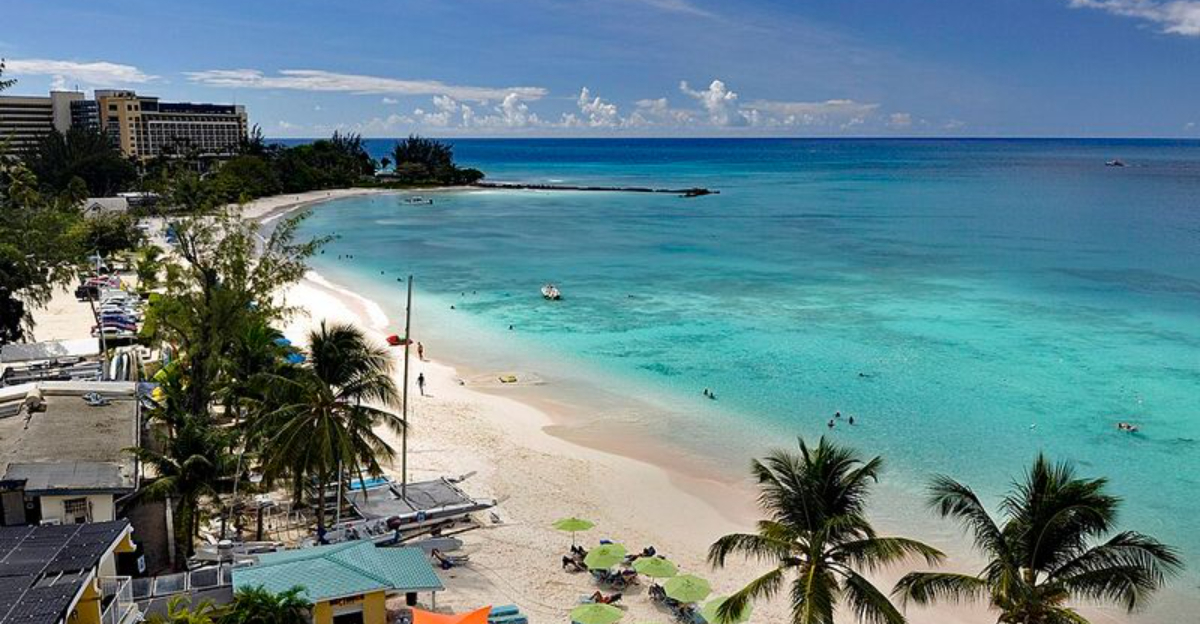
When winter bites, it doesn’t just chill the air. It chills your mood, too.
That’s usually when the daydreams start: bare feet, salty breezes, and sunlight that actually feels like a reset.
The truth is, you don’t have to put beach plans on pause until spring. While many destinations turn gray and frigid, others stay bright, warm, and easy to enjoy.
Think swimmable water, outdoor dinners, and mornings that start without a jacket.
If you’re craving a quick escape from frozen sidewalks and early sunsets, you have more options than you might expect. Some spots deliver steady sunshine.
Others offer calm seas, fewer crowds, and better deals this time of year.
1. Maui, Hawaii
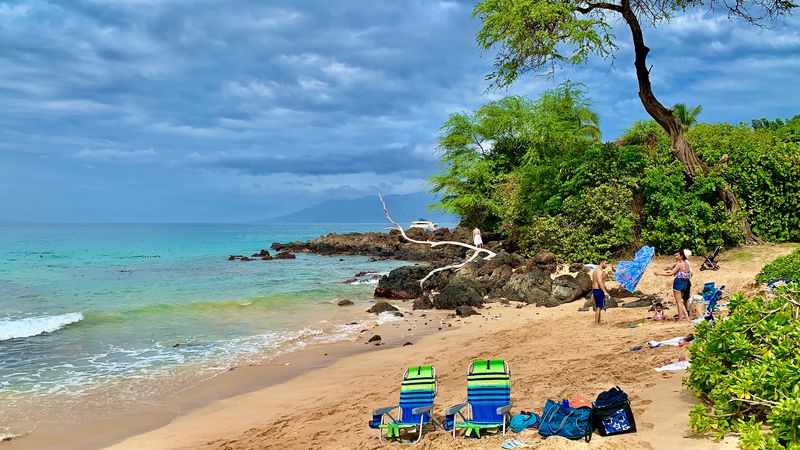
You’re standing on golden sand while your friends back home are shoveling driveways is the Maui winter experience. Temperatures hang around a delightful 80°F, making it perfect for beach days without the scorching summer heat.
What makes winter in Maui extra special is whale season. Humpback whales migrate here from Alaska, and you can spot them from the shore or take a boat tour.
Kaʻanapali Beach and Wailea Beach are both stunning spots to set up camp for the day.
The water stays warm enough for swimming, snorkeling, and paddleboarding. You might catch some rain since winter is Hawaii’s wetter season, but showers usually pass quickly.
Pack a light rain jacket just in case.
Sunsets here are legendary. The sky turns shades of orange and pink that look almost fake.
Early mornings are quieter if you want the beach mostly to yourself. Evenings stay comfortable enough for outdoor dining without needing a sweater.
Maui combines tropical warmth with dramatic volcanic landscapes. It’s pricier than some destinations, but the scenery and whale-watching opportunities make it worthwhile.
2. Cancún, Mexico
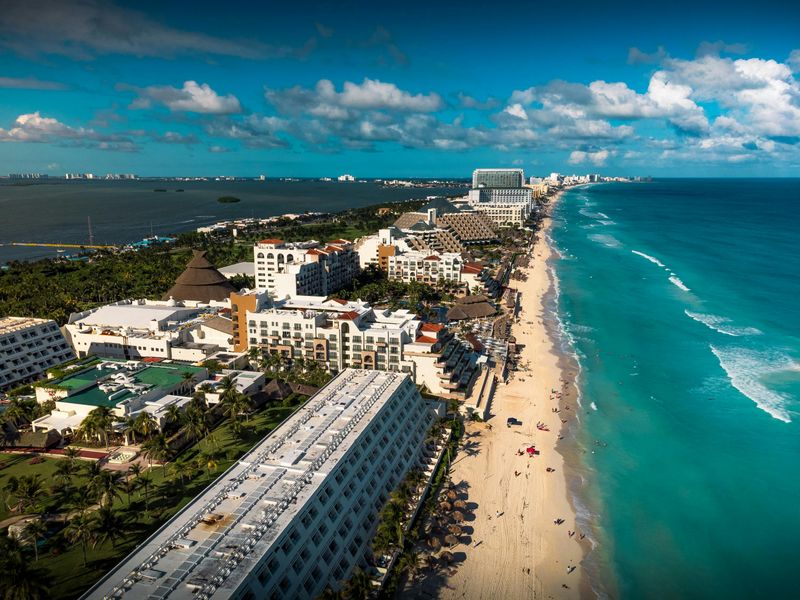
Cancún knows how to do winter right. January brings temperatures in the low-to-mid 80s without the sticky humidity that makes summer feel like a sauna.
The Caribbean water stays inviting, and the beaches stretch for miles.
Playa Delfines is a local favorite with fewer crowds than the hotel zone beaches. The waves are bigger here, so it’s fun to watch surfers or just splash around.
If you want calmer water, head to the beaches near the resorts.
Beyond beaches, Cancún offers incredible snorkeling trips and cenote adventures. Cenotes are natural sinkholes filled with crystal-clear freshwater, and swimming in them feels like entering another world.
Some are open-air, others have cave formations overhead.
The food scene is fantastic. Fresh seafood, authentic tacos, and beachside restaurants serve up delicious meals at reasonable prices.
Evenings can feel cooler than you’d expect, especially with ocean breezes, so toss a light sweater in your bag.
Hotel options range from budget-friendly to ultra-luxurious. The tourist infrastructure is well-developed, making it easy to navigate even if you don’t speak Spanish.
Winter is peak season, so book ahead.
3. San Juan, Puerto Rico
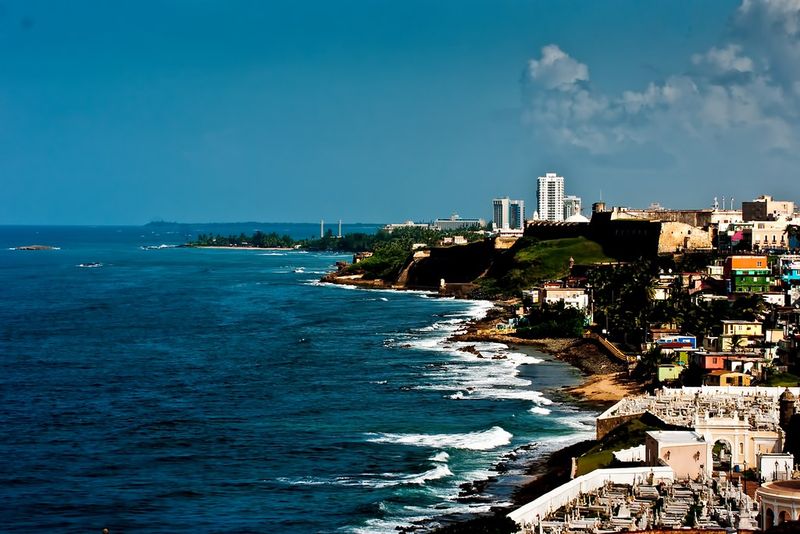
No passport needed if you’re American, which makes San Juan ridiculously convenient. The city combines beach relaxation with cultural exploration, and winter temperatures stay in the comfortable low 80s during the day.
Condado Beach sits right in the metro area, so you can walk from hotels to sand in minutes. The water is typically calm enough for swimming, though always check the flag warnings for rip currents.
Old San Juan’s cobblestone streets and colorful buildings are worth exploring during sunset.
El Yunque rainforest makes a great day trip if you want a break from saltwater. Expect some rain there since it’s a rainforest, but the waterfalls and hiking trails are beautiful.
Back in the city, the food scene blends Puerto Rican flavors with international influences.
Nights cool down to the low 70s, which feels perfect for evening strolls along the beach or exploring the nightlife. The locals are welcoming, and many speak English, though learning a few Spanish phrases enhances the experience.
San Juan offers that tropical vacation vibe without the hassle of international travel. Direct flights from many U.S. cities make it accessible for long weekends or extended stays.
4. Aruba (Oranjestad / Eagle Beach area)
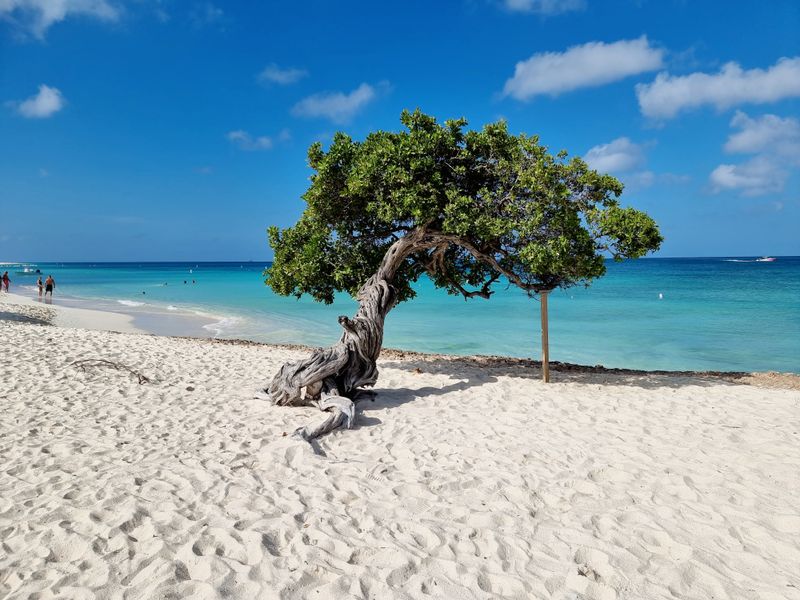
Aruba sits outside the hurricane belt, which means consistent sunshine year-round. January brings mid-80s temperatures and that famous Caribbean blue water that looks photoshopped but isn’t.
Eagle Beach regularly ranks among the world’s best beaches, and one visit explains why. The sand is powder-soft, the water is impossibly clear, and the iconic divi-divi trees provide natural photo ops.
Palm Beach offers more action with restaurants and water sports nearby.
The island stays breezy, which keeps things comfortable even when the sun is strong. Those trade winds make Aruba feel less humid than other Caribbean spots.
Nights can feel surprisingly cool with the breeze, so pack a light layer for dinners.
Aruba is small enough to explore easily. Rent a car or join tours to see natural attractions like the Natural Pool or Arikok National Park.
The local culture blends Dutch, Caribbean, and Latin American influences, creating a unique vibe.
Hotels and resorts line the main beach areas, offering everything from budget options to luxury properties. The island uses the U.S. dollar alongside the local florin, making transactions straightforward for American visitors.
5. Turks and Caicos (Providenciales)
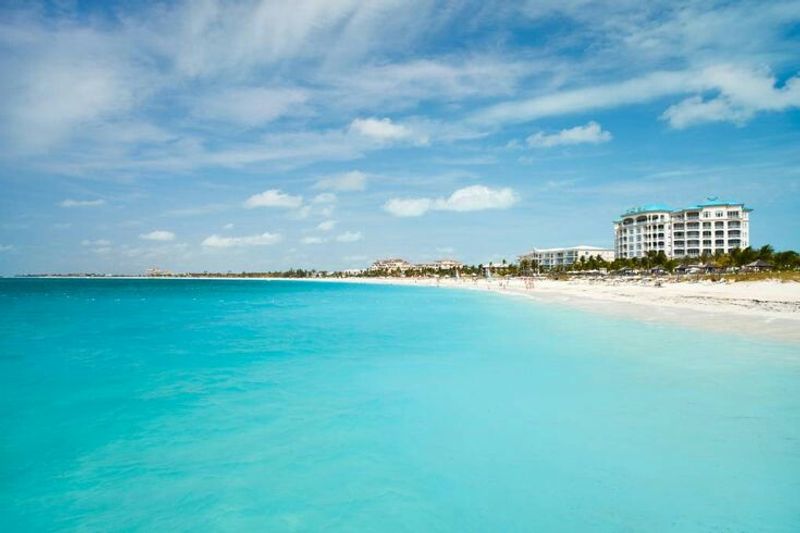
Grace Bay Beach is the kind of place that makes you question if water can really be that color. Spoiler: it can.
Winter temperatures hover around the low 80s, and the ocean stays bathwater warm in the upper 70s.
Providenciales, or Provo as locals call it, is the main tourist hub. The beaches here are consistently ranked among the world’s finest, and they live up to the hype.
Bight Reef offers incredible snorkeling right from shore, with colorful fish and coral formations.
This destination skews more upscale, with luxury resorts and high-end dining dominating the scene. That said, the natural beauty is accessible to everyone.
Public beach access is protected, so you don’t need to stay at a resort to enjoy the sand.
January is prime season, which means higher prices and more visitors. Book accommodations well in advance to secure good rates.
The island is small, so renting a car helps you explore beyond the main beach areas.
Water activities dominate here. Kayaking, paddleboarding, snorkeling, and diving are all excellent.
The calm, clear water makes it ideal for beginners trying water sports for the first time.
6. Barbados (Bridgetown / South Coast)
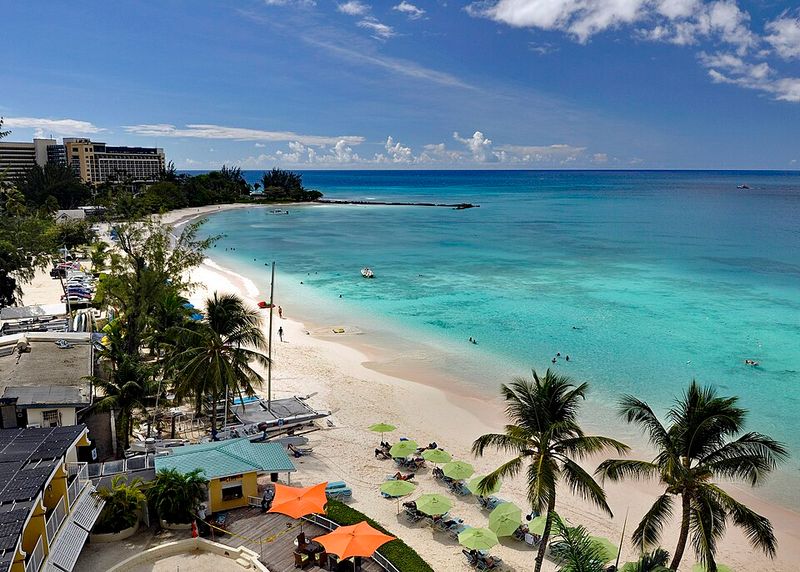
Rum punch tastes better when you’re drinking it on a beach in the low 80s. Barbados delivers that experience with style.
The island combines British colonial charm with Caribbean warmth, creating a unique cultural blend.
Carlisle Bay on the west coast offers calm, clear water perfect for swimming and snorkeling. The bay is home to several shipwrecks that attract sea turtles and tropical fish.
Bathsheba on the east coast provides dramatic scenery with powerful waves crashing against rock formations.
Trade winds pick up in winter, making it excellent for sailing and kiteboarding. The breeze keeps things comfortable even during the hottest part of the day.
Evenings are pleasant for beachside dining or exploring local rum shops.
The food scene showcases fresh seafood and Bajan specialties like flying fish and cou-cou. Local markets offer tropical fruits and handmade crafts.
The people are genuinely friendly, and the island has a laid-back vibe that helps you relax immediately.
Barbados is more developed than some Caribbean islands, with good infrastructure and plenty of accommodation options. Direct flights from North America and Europe make it accessible for winter escapes.
7. Tenerife, Canary Islands (Spain)
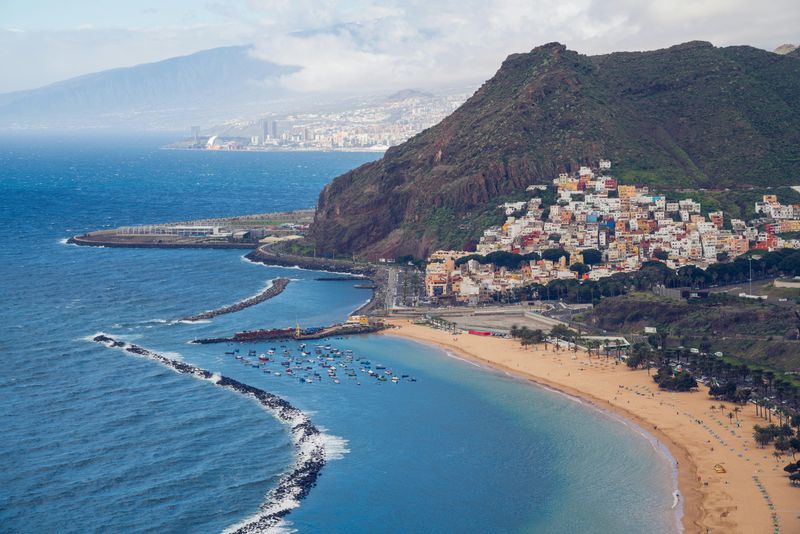
Europeans have known about Tenerife’s winter warmth for decades. January temperatures reach the upper 60s to low 70s Fahrenheit, which feels like spring when the rest of Europe is freezing.
Playa de las Américas is the main tourist hub with beaches, restaurants, and nightlife. The sand here is often darker due to the volcanic origins of the island.
Teide National Park offers a completely different landscape with Spain’s highest peak and lunar-like volcanic terrain.
The ocean temperature is cooler than Caribbean destinations, sitting around the mid-60s Fahrenheit. Many people still swim, but it’s refreshing rather than bathwater warm.
The beaches are well-maintained with good facilities.
Tenerife combines beach relaxation with cultural experiences. Spanish cuisine, local wines, and fresh seafood dominate the food scene.
The island is large enough to explore for a week or more without getting bored.
For Europeans, the flight is relatively short and affordable compared to long-haul tropical destinations. The island uses the euro and Spanish is the main language, though English is widely spoken in tourist areas.
Winter is peak season, so expect crowds at popular spots.
8. Dubai, UAE
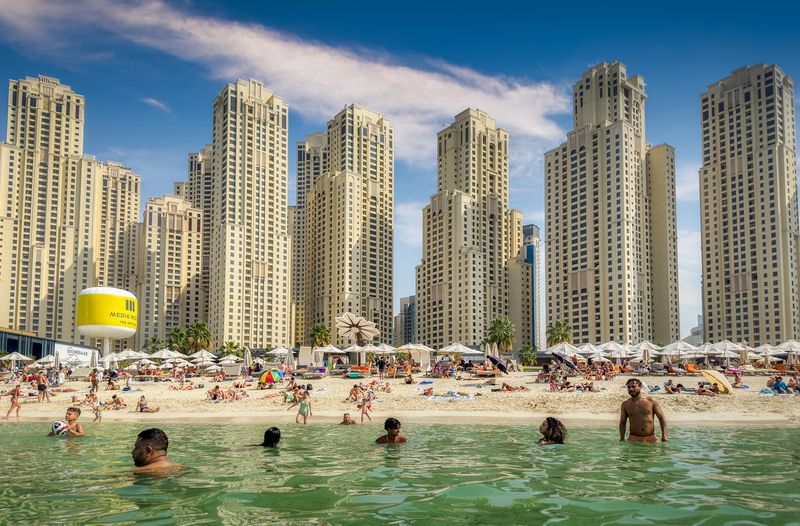
Summer in Dubai is brutally hot. Winter is when the city becomes enjoyable.
January brings mid-70s to low 80s temperatures, making outdoor activities actually pleasant instead of punishing.
Jumeirah Beach offers soft sand and views of the iconic Burj Al Arab hotel. The water stays warm enough for swimming, and the beach has good facilities.
This is peak season for outdoor dining, desert tours, and exploring the city without melting.
Dubai combines beach relaxation with urban luxury. You can spend mornings on the beach and afternoons exploring massive malls or cultural sites.
Desert sunset tours are popular, offering dune bashing and traditional Bedouin experiences.
Nights can feel surprisingly cool, especially if there’s a breeze. Pack a light jacket for evening activities.
The city is extremely modern with excellent infrastructure, making it easy to navigate even for first-time visitors.
Dubai is pricey, but deals exist if you book carefully. The food scene is diverse, representing cuisines from around the world.
Alcohol is available in hotels and licensed venues, though the UAE has strict laws about public behavior and dress codes to respect.
9. Maldives
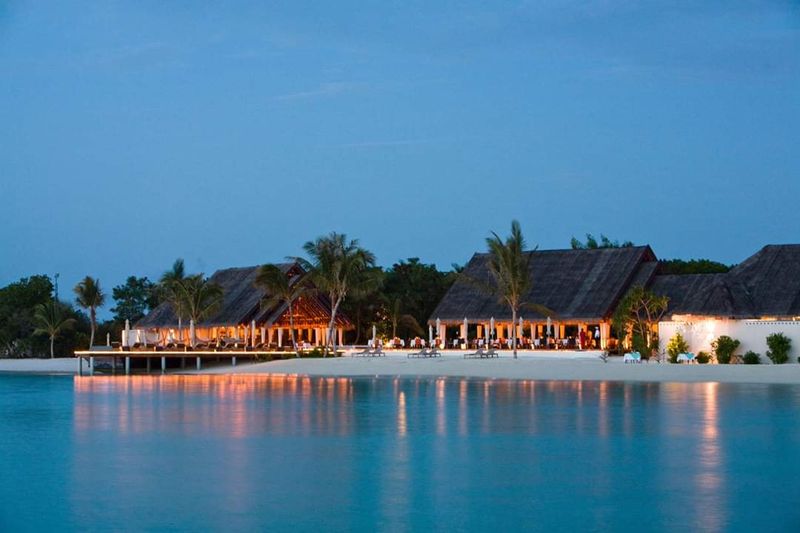
The Maldives looks exactly like those screensavers you stare at during boring meetings. Crystal-clear water, overwater bungalows, and endless blue skies define this destination.
January sits firmly in the dry season with air and water temperatures in the low 80s.
Each resort typically occupies its own island, creating an exclusive, private atmosphere. House-reef snorkeling is a major draw, with colorful fish and coral visible right from your bungalow steps.
Sandbank picnics and sunrise swims become daily routines.
Getting here requires planning. Most resorts are reached by seaplane or speedboat from the main airport, adding time and cost to your journey.
Factor these transfers into your budget and schedule.
The Maldives is undeniably expensive, but all-inclusive packages can provide good value. Meals, activities, and accommodation are bundled, so you know costs upfront.
The focus here is relaxation and natural beauty rather than cultural exploration.
Water activities dominate the experience. Diving, snorkeling, kayaking, and paddleboarding are all excellent.
The marine life is incredible, with manta rays and whale sharks sometimes visible. This destination is perfect for honeymoons or special celebrations where you want pure tropical paradise.
10. Phuket, Thailand
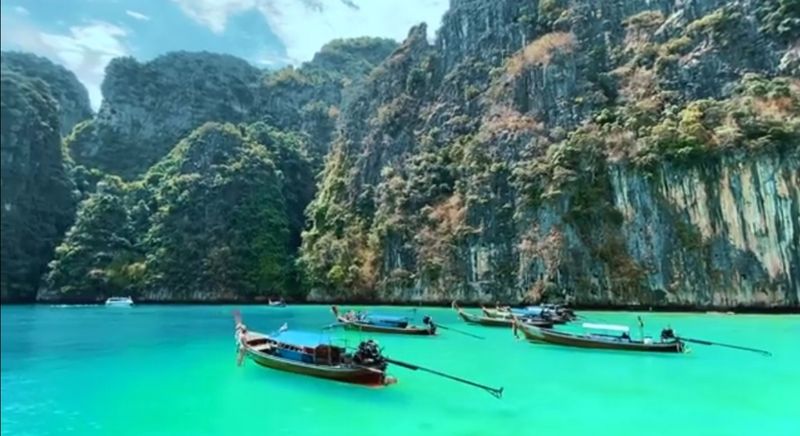
January is when Phuket shines brightest. Dry season conditions bring hot days in the mid-to-upper 80s with minimal rain.
The Andaman Sea turns calm and clear, perfect for beach days and boat trips.
Kata and Karon beaches offer beautiful sand and good swimming conditions without the overwhelming crowds of Patong. The water is warm and inviting.
Nearby islands like Phi Phi and Phang Nga Bay make excellent day trip destinations with dramatic limestone cliffs.
Thai food is a major highlight. Fresh seafood, spicy curries, and tropical fruits are abundant and affordable.
Beachside restaurants serve incredible meals at prices that seem too good to be true.
Phuket has developed significantly, offering accommodation from budget hostels to luxury resorts. The island is large enough to explore for a week or more.
Scooter rentals are popular, though traffic can be chaotic.
This is peak tourist season, so expect higher prices and busier beaches than other times of year. Book popular restaurants and tours in advance.
The Thai people are welcoming, and the culture adds depth to the beach vacation experience. Temples, markets, and local traditions provide breaks from pure beach time.



