 Unearth The Voyage
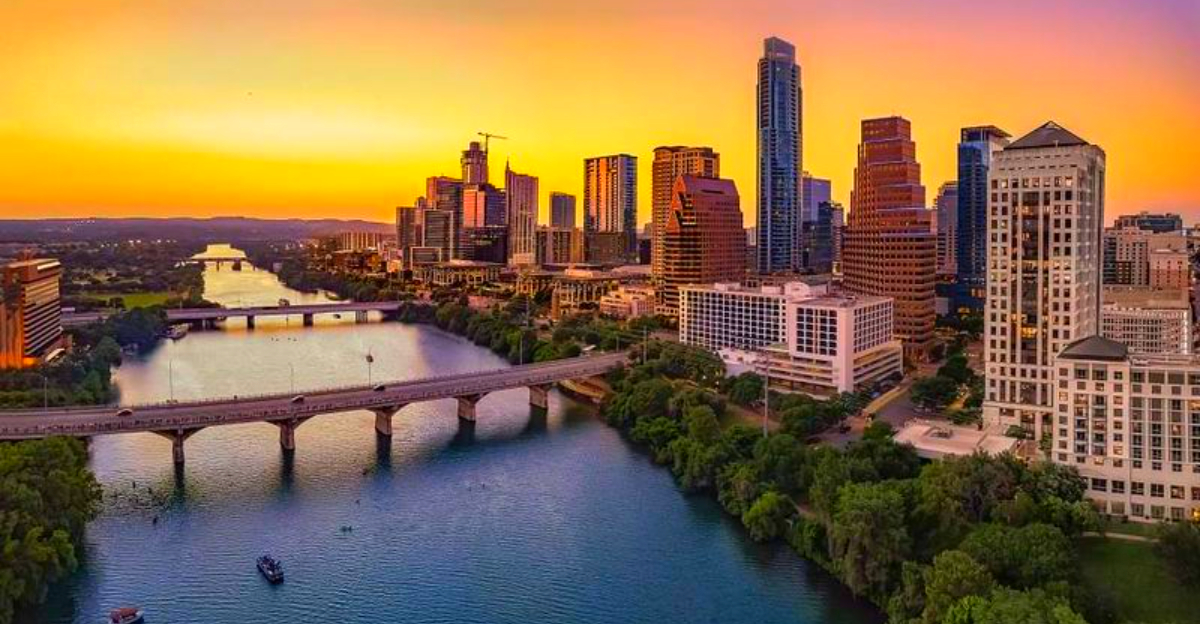
Remember when certain cities felt like the only place to be? Lately, the shine has worn off as costs spike, commutes return, and quality of life pressures pile up. If you have been rethinking your next move, you are not alone. Let us unpack the 18 once irresistible cities that many people are quietly leaving behind now.
1. New York, New York
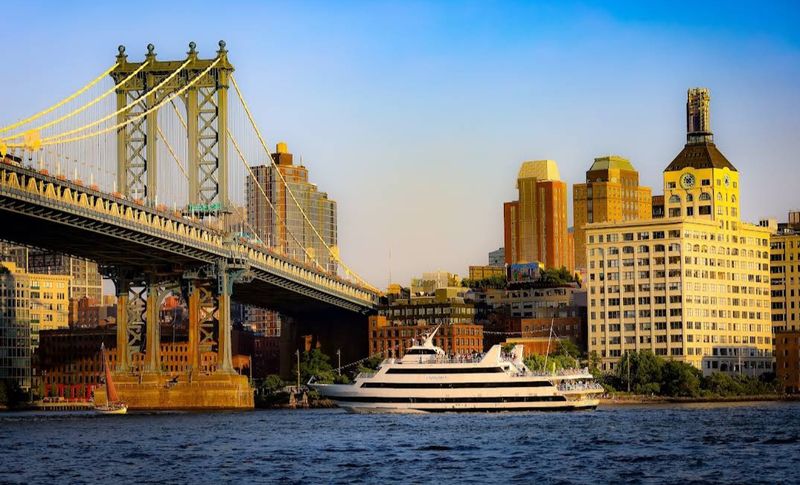
New York thrives on hustle, but lately it feels like the city is hustling you. Rents soar, taxes sting, and tiny apartments strain patience. Remote work unlocked alternatives, so you weigh bigger spaces, quieter blocks, and shorter grocery lines.
Energy still crackles, yet daily costs pinch. Subway delays, childcare waitlists, and building fees add up fast. Many friends test nearby suburbs, discovering backyards, home offices, and calm weekends.
You may love bagels, Broadway, and endless choices, but stability can matter more. If your budget and sleep are stretched thin, it is no betrayal to leave. You can always visit for the magic.
2. Chicago, Illinois
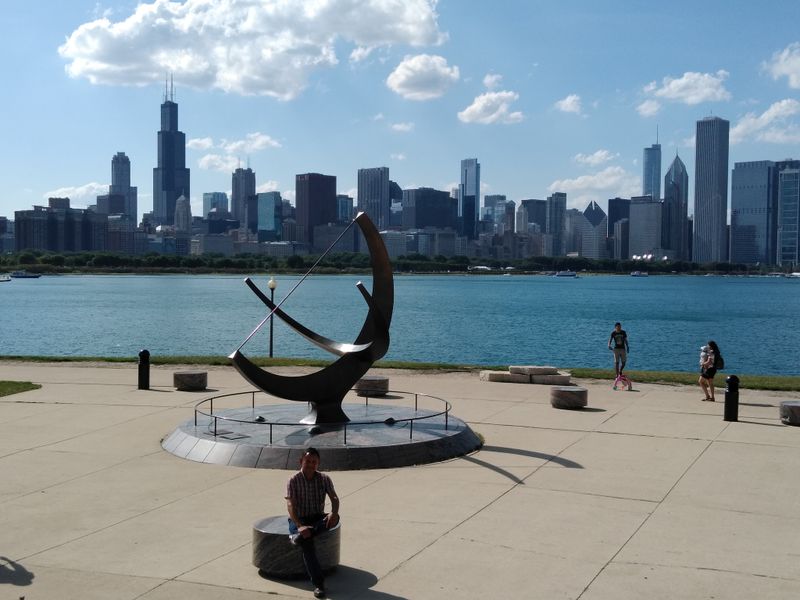
Chicago’s grit and lakefront charm used to feel unbeatable, but realities have grown heavier. Taxes weigh on budgets, winters feel endless, and some neighborhoods raise safety worries. If you crave warmth and lower costs, moving looks practical.
Downtown remains vibrant, yet remote work weakens the daily draw. Commutes back to the Loop can be draining. Friends whisper about Sun Belt cities, patios in February, and cheaper houses.
You might miss lake breezes, street festivals, and deep dish nights. Still, stability and comfort matter. When bills rise and anxieties linger, the romantic skyline view cannot always offset the everyday grind.
3. Detroit, Michigan
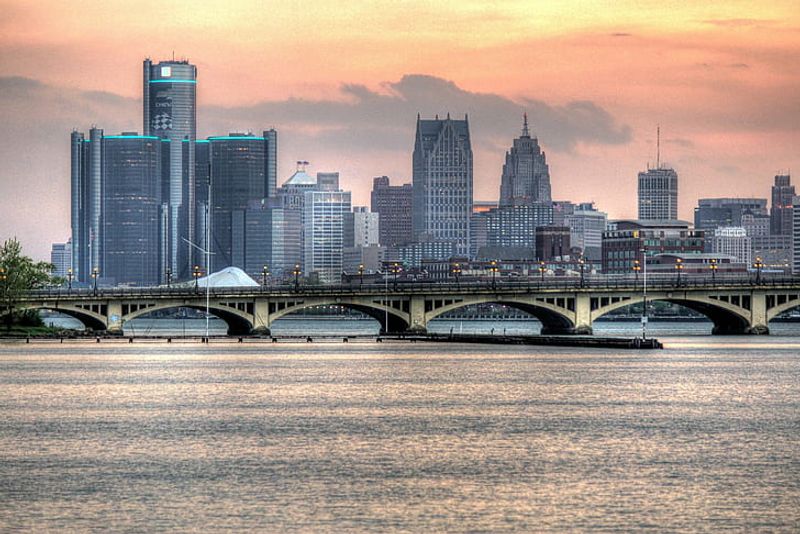
Detroit’s resilience inspires, but long headwinds are hard to ignore. Population loss remade neighborhoods, leaving gaps between bright revival pockets. If you need services nearby and strong schools, patchy investment can complicate daily life.
Creative communities flourish, yet crime concerns and uneven transit add friction. A house may be affordable, but maintenance and amenities matter too. You weigh bargains against reliability, and time against uncertainty.
Detroit’s pride runs deep, and that spirit is real. Still, the basics must work consistently. If your priorities are stability, short commutes, and predictable safety, it can make sense to look elsewhere for now.
4. San Antonio, Texas
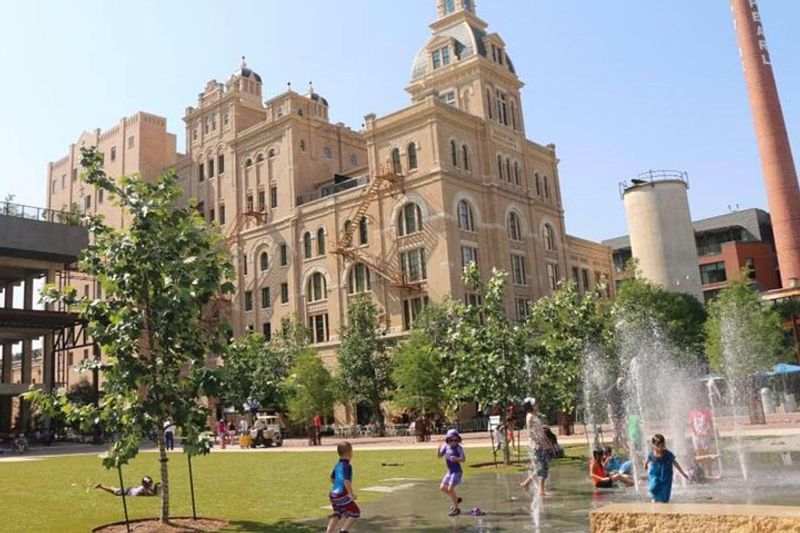
San Antonio’s affordability once drew waves of newcomers. Lately, prices climbed and commutes lengthened as sprawl expanded. If remote work disappears, that long drive across congested corridors hits harder.
Cultural richness and riverfront strolls still charm, but housing is not the easy win it was. Property taxes surprise some, and higher insurance costs bite. You may question whether the math still works each month.
Friends compare metros with better transit, closer jobs, and steadier costs. Moving is not about giving up, it is about fit. If your budget and schedule feel squeezed, there are calmer, cheaper options nearby.
5. Phoenix, Arizona
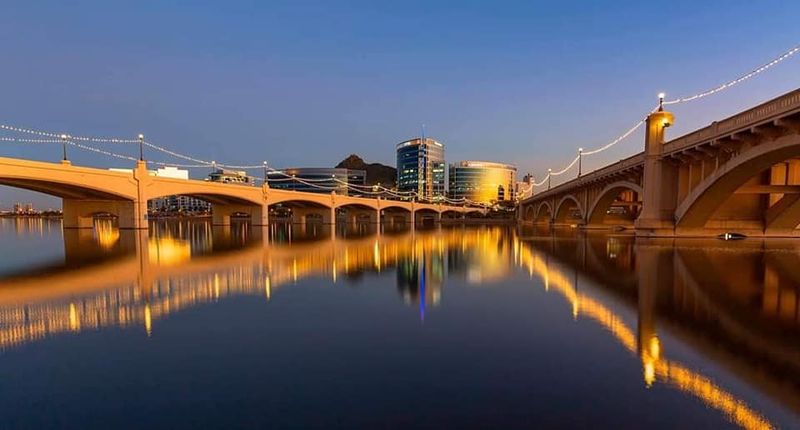
Phoenix promised sunshine and space, then heat extremes pushed limits. Energy bills surge, water worries linger, and long drives under blazing skies wear you down. If outdoor life is central, triple digit days complicate everything.
Rapid growth sent housing costs upward and clogged freeways. The dream backyard sometimes turns into a maintenance project. You weigh trail access against relentless summer months and rising insurance.
There’s undeniable beauty in the desert. Still, quality of life means comfort too. When monsoon dust storms, extended heat, and higher costs collide, it is understandable to search for milder climates and more balanced living.
6. McAllen, Texas
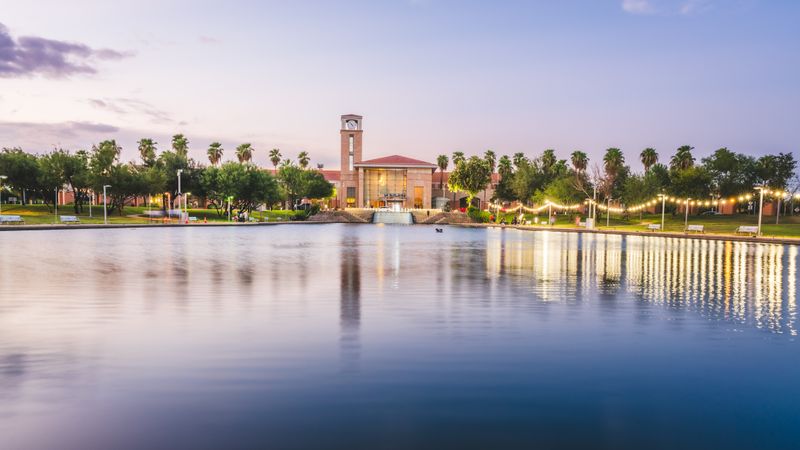
McAllen’s appeal started with low housing costs and a friendly pace. As prices climb and remote roles retract, value feels thinner. You may question whether the tradeoffs still make sense day to day.
Healthcare access is decent, yet wages can lag rising expenses. Summer heat and limited transit narrow options. If a company calls you back to an office elsewhere, relocation becomes easier to justify.
Community ties run strong, but budgets decide. When savings shrink and opportunity feels capped, moving north or to larger Texas metros can look practical. It is about aligning costs, careers, and comfort again.
7. Healdsburg, California
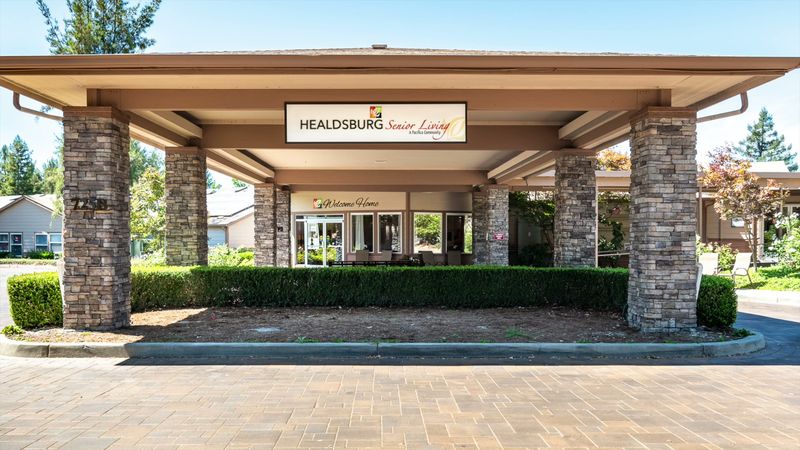
Healdsburg looks like a postcard, but the math breaks for many families. Strict housing rules and high prices limit entry. Schools feel the pinch as fewer young families can afford to stay.
Weekends sparkle with tasting rooms and farm-to-table restaurants, yet everyday life strains budgets. Service workers commute far, and starter homes are scarce. You might love the vineyards, but long term planning gets tricky.
As the town ages, it risks losing vibrancy. If you want space for kids and realistic mortgages, nearby towns or different regions may fit better. Beauty helps, but affordability shapes who can belong.
8. Seattle, Washington
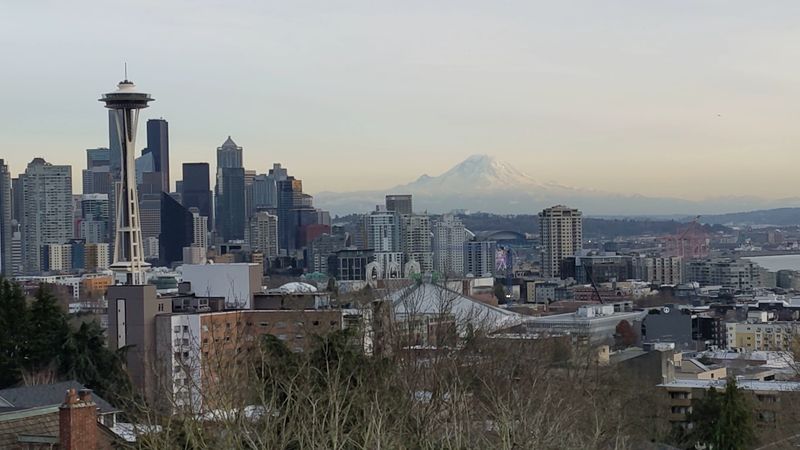
Seattle’s tech boom brought opportunities and sticker shock. Rents rose fast, and entry level homes drifted out of reach. If your salary stalls, those fees and parking pains stack up quickly.
Nature still wows, but gray months and long commutes test patience. Remote work fading means traffic snarls are back. You might crave a smaller city with shorter lines and lighter bills.
Community remains strong in pockets, yet churn is real. When savings shrink and housing bids fail, moving looks sane, not defeatist. There are other places with trails, coffee, and balance without the relentless outlay.
9. Washington, D.C.
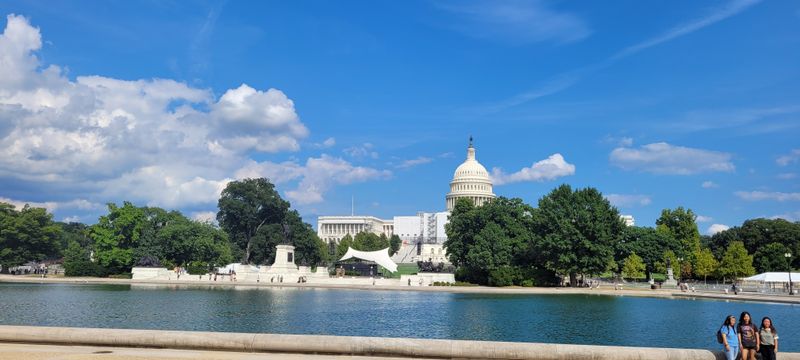
Washington, D.C. dazzles with museums and careers, but daily costs sting. Rowhouse prices soar, childcare strains budgets, and parking feels like a puzzle. If hybrid schedules shrink, Metro commutes swallow hours again.
Neighborhoods shine on weekends, yet the weekday grind bites hard. Taxes, insurance, and unexpected fees keep climbing. You start tallying what life would look like a state away.
Leaving does not mean abandoning ambition. It means choosing stability, space, and maybe a yard. When every month feels like a test, a nearby suburb or midmarket city can deliver sanity without losing opportunity.
10. Boston, Massachusetts
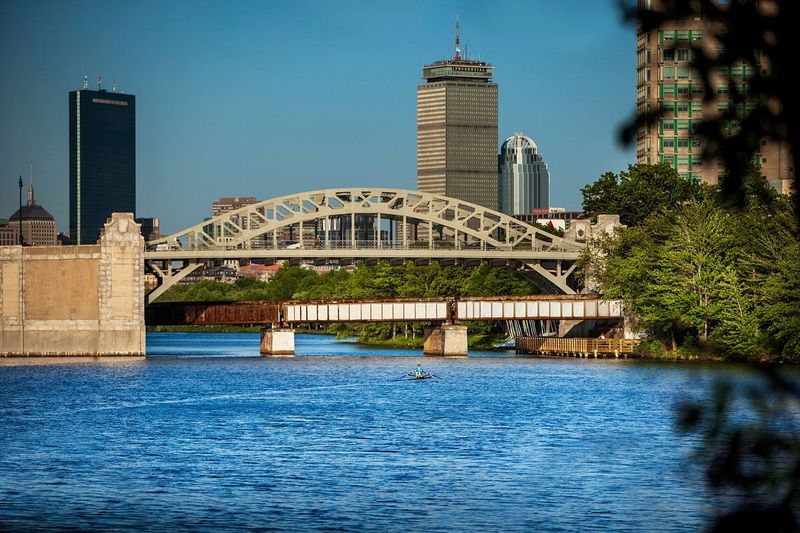
Boston’s brainpower is unmatched, yet wallets feel overmatched. Rents and condo prices sprint ahead of salaries. If roommates were charming at 22, they are less cute at 32 with a stroller.
Winter commutes and parking wars fray nerves. Remote work perks are fading, so the Green Line shuffle returns. You might love lobster rolls and lectures, but you need breathing room too.
Nearby towns tempt with comparable schools and cheaper mortgages. When every raise vanishes into rent, the calculation changes. You can keep the culture and career while reclaiming time, space, and calmer weekends.
11. Philadelphia, Pennsylvania
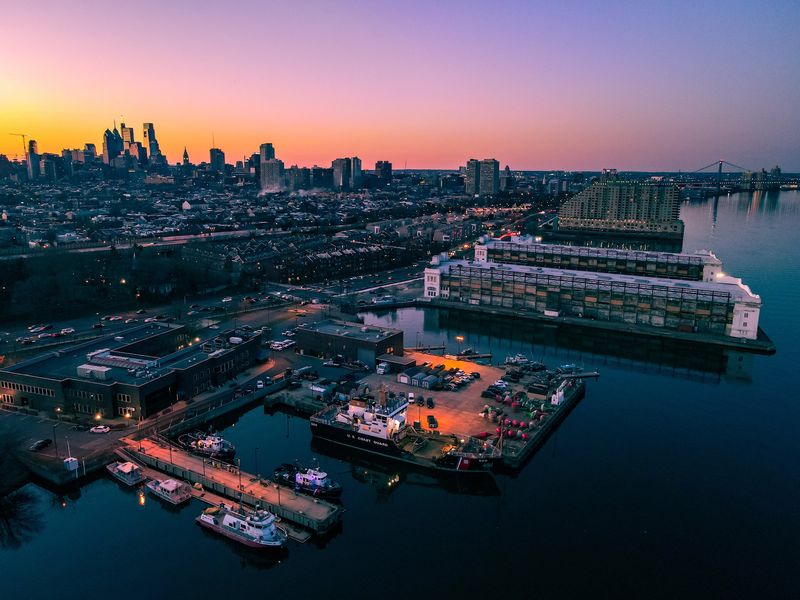
Philadelphia offers history, grit, and great food, yet many weigh costs and safety. Property taxes and insurance inch up, while wages lag in some sectors. Remote work shifts loosen ties to downtown.
Neighborhood pride is strong, but uneven schools and pockets of crime worry families. Commuting on I 76 drains patience fast. You start daydreaming about a shorter drive and a yard.
There is still plenty to love. If budget, schools, and safety top your list, nearby suburbs or different metros may fit better. Choosing peace and predictability does not erase Philly’s charm or memories.
12. Los Angeles, California
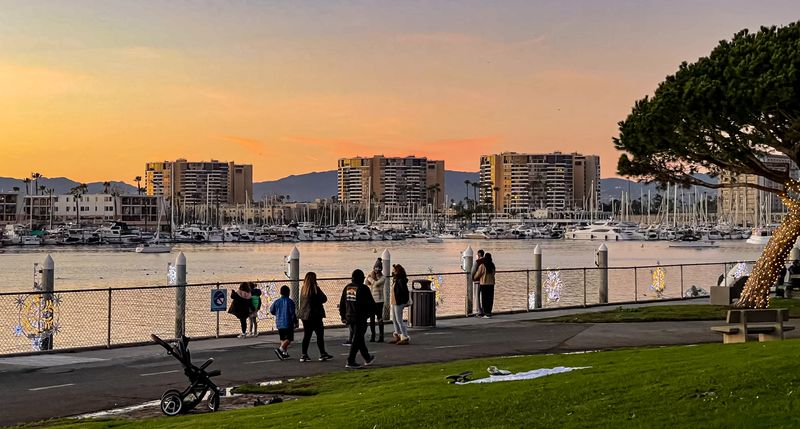
Los Angeles sells sunshine and dreams, but daily life can feel punishing. Rents climb, parking is scarce, and traffic swallows evenings. If remote work ends, slogging across town becomes a lifestyle.
Beaches and tacos still delight, yet insurance and utilities balloon. Fire seasons and heat waves add stress. You weigh creative opportunities against relentless costs and time lost in transit.
It is okay to chase the dream elsewhere. Smaller West Coast cities offer similar vibes with fewer headaches. When your budget and patience run thin, trading hype for harmony can be the smarter move.
13. San Francisco, California
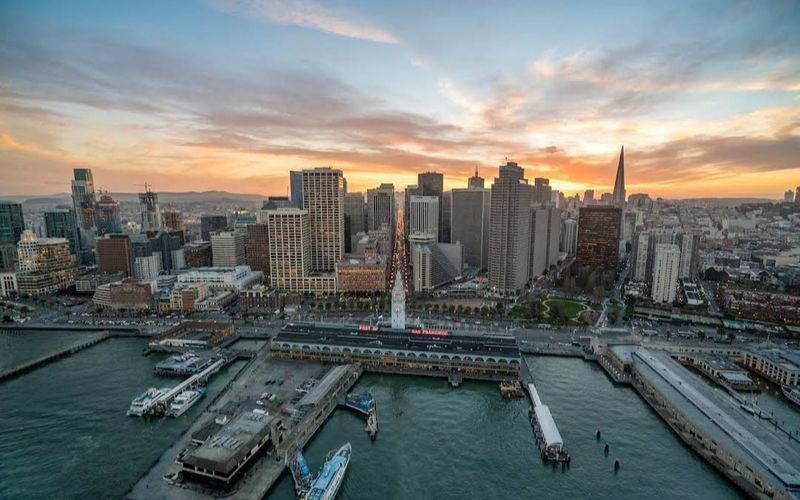
San Francisco once felt like the future. Now, housing prices still shock, commercial corridors wobble, and street conditions vary block to block. If remote work retreats, long cross bay commutes resurface.
Beauty remains in every fog bank and stairway view, but the basics are costly. Families struggle for space, and starter homes feel mythical. You calculate what life would be across the bridge or state.
Leaving does not erase your love of the city. It recognizes that comfort and savings matter. When rent eats ambition, a different zip code can restore momentum and mental bandwidth.
14. Denver, Colorado
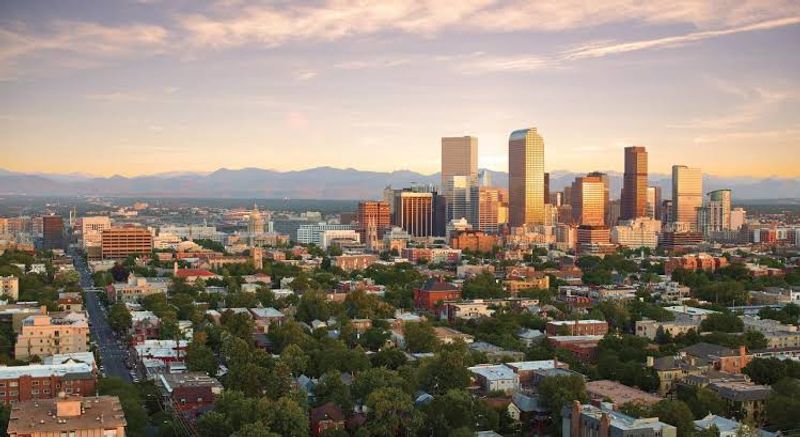
Denver’s outdoorsy promise is real, yet affordability erodes the dream. Rents and home prices rose faster than paychecks. If you hoped for a gear-filled garage, you might be stuck in a studio.
Traffic and wildfire smoke days complicate weekend plans. Return-to-office adds I 25 stress back into life. You may hunt for smaller Front Range towns with easier mortgages and similar trails.
Denver still delivers sunshine and breweries. But when bids fail and leases jump, fatigue wins. Trading ten minutes of extra driving for thousands in savings can bring back the adventure you wanted.
15. Portland, Oregon
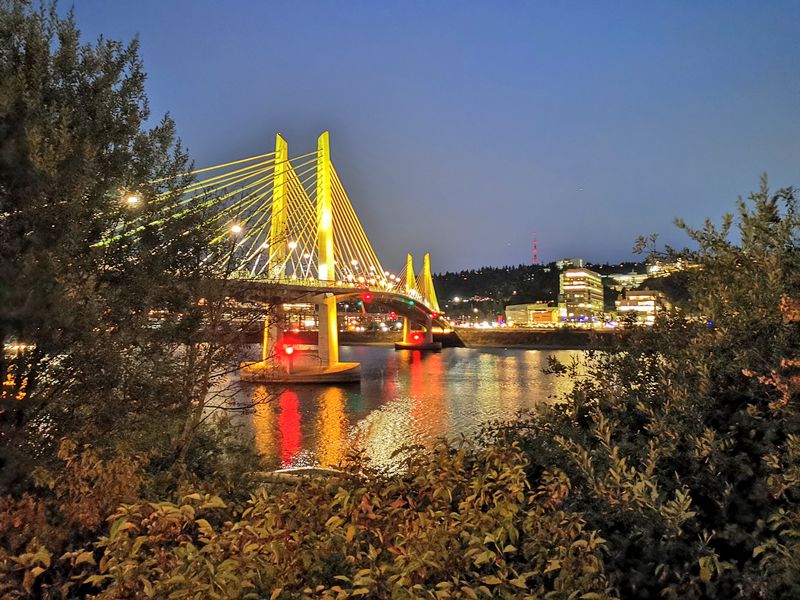
Portland’s creative streak remains, though momentum slipped. Rising rents, slower services, and visible street crises worry residents. If you came for quirky ease, the daily friction hits harder now.
Neighborhood cafes still charm, but safety perceptions and business closures shake confidence. Remote work changes loosen roots, making moves easier. You might look for similar culture with steadier city services.
This is not about giving up on ideals. It is about everyday livability and financial breathing room. When the vibe no longer offsets the hassle, choosing a balanced city can revive what you loved.
16. Austin, Texas
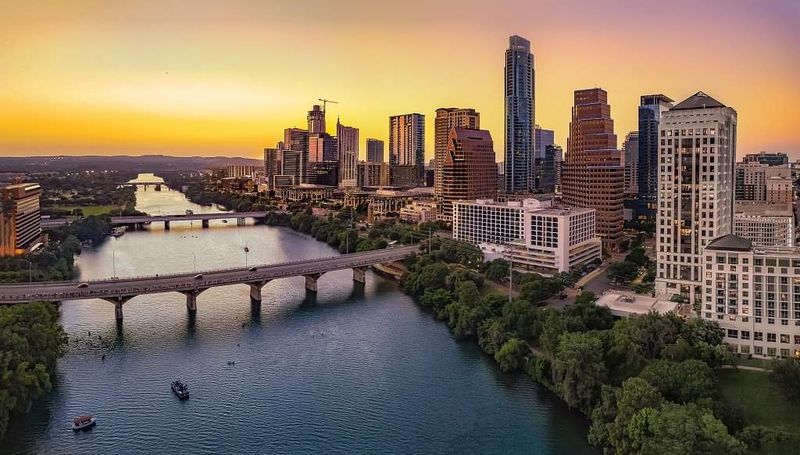
Austin’s boom rewrote the map, then it rewrote budgets. Rents spiked, homes escalated, and property taxes climbed. If salary jumps stalled, the math stopped working.
Music, tacos, and trails remain terrific, but traffic and heat drag. Remote work perks are fading, so the commute returns. You consider nearby cities with similar culture at lower costs.
Leaving does not cancel the magic of spring festivals or sunsets on the bridge. It acknowledges that balance matters. When bills grow faster than joy, shifting to a calmer and cheaper spot can restore delight.
17. Miami, Florida
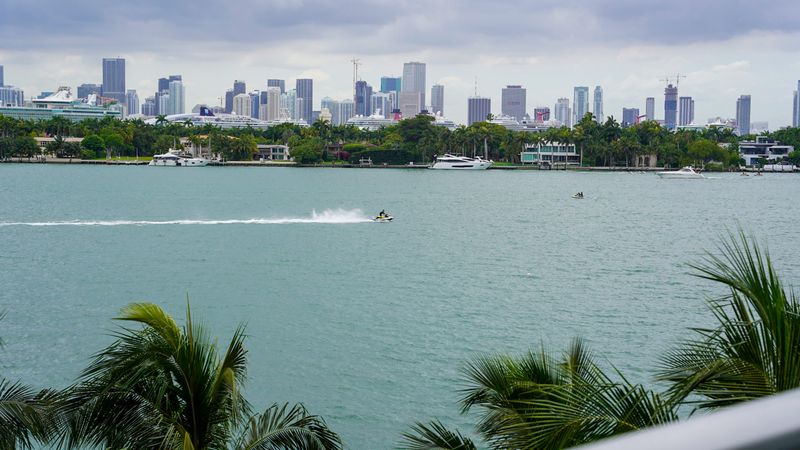
Miami’s glam is undeniable, but costs and climate risks rise together. Insurance premiums jump, rents escalate, and seasonal flooding unnerves. If you crave stability, the calculus shifts quickly.
Nightlife pops and beaches sparkle, yet daily life demands deep pockets. Commuting in humidity and planning around storms is exhausting. You start imagining inland metros with similar energy minus the stress.
Miami will keep shining, you can still visit. But when spreadsheets and storm watches dominate, it is reasonable to pivot. Choosing safer ground and sensible expenses is not fear, it is long term wisdom.
18. San Diego, California
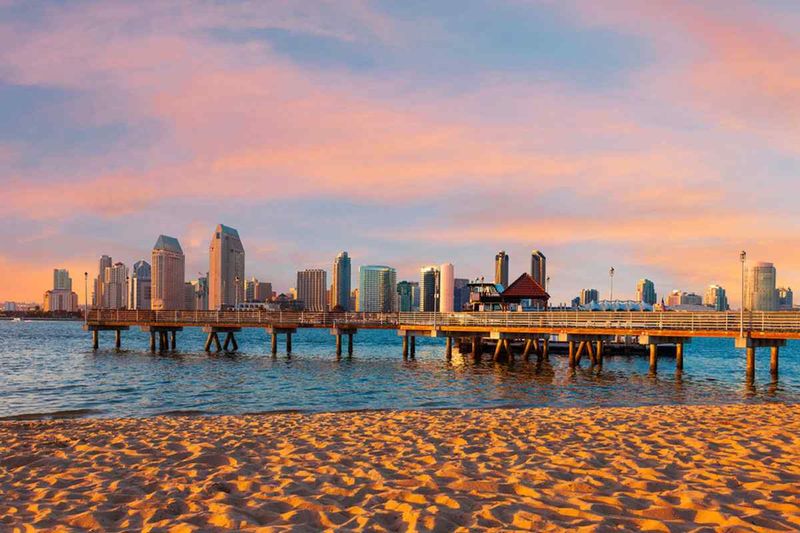
San Diego’s weather is elite, yet affordability strains patience. Rents and mortgages feel relentless, while wages lag outside niche sectors. If you wanted a backyard near the beach, reality may disagree.
Traffic creeps, parking meters multiply, and child care costs surprise. Remote work perks are receding, so freeway time returns. You weigh sunshine against savings and wonder if both are possible elsewhere.
Nothing erases the coastal joy. But long term plans need sturdy numbers. Moving to a less expensive coastal or inland city can deliver the same weekend hikes with far fewer financial headaches.



