Mexico is redefining itself as a travel destination, far beyond beaches and resorts. Across the country, vibrant cities are blending colonial history, indigenous culture, innovative cuisine, and striking architecture into experiences travelers cannot stop talking about.
Some have quietly built their reputations for years, while others are suddenly stepping into the spotlight. These 13 cities are changing the way people see Mexico and proving there is far more to discover than most visitors ever expected.
1. Mexico City (CDMX)
No other city on earth packs this much into one address. Mexico City, known locally as CDMX, has transformed from a place people passed through into a destination that travelers plan entire trips around.
The neighborhoods of Roma and Condesa alone offer a mix of Art Nouveau architecture, independent bookshops, rooftop restaurants, and galleries that could keep you busy for a week.
The culinary scene has earned serious global recognition, with several CDMX restaurants landing on the World’s 50 Best list. But beyond the fine dining, the city’s street food culture is equally impressive, from handmade tlayudas to freshly pressed juices at corner markets.
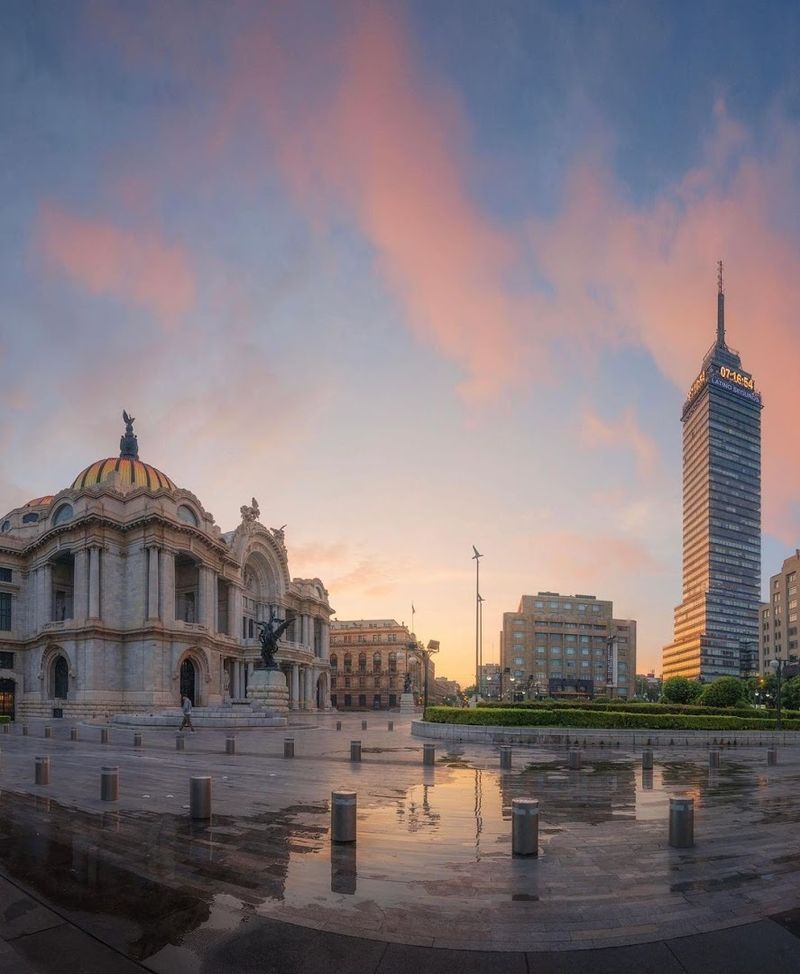
Culturally, CDMX is home to more museums per square kilometer than almost any other city in the world. The Museo Frida Kahlo and the Palacio de Bellas Artes alone draw millions of visitors annually.
Remote workers have also adopted the city enthusiastically, thanks to fast internet, affordable living costs, and a creative community that welcomes newcomers with open arms.
2. Oaxaca City
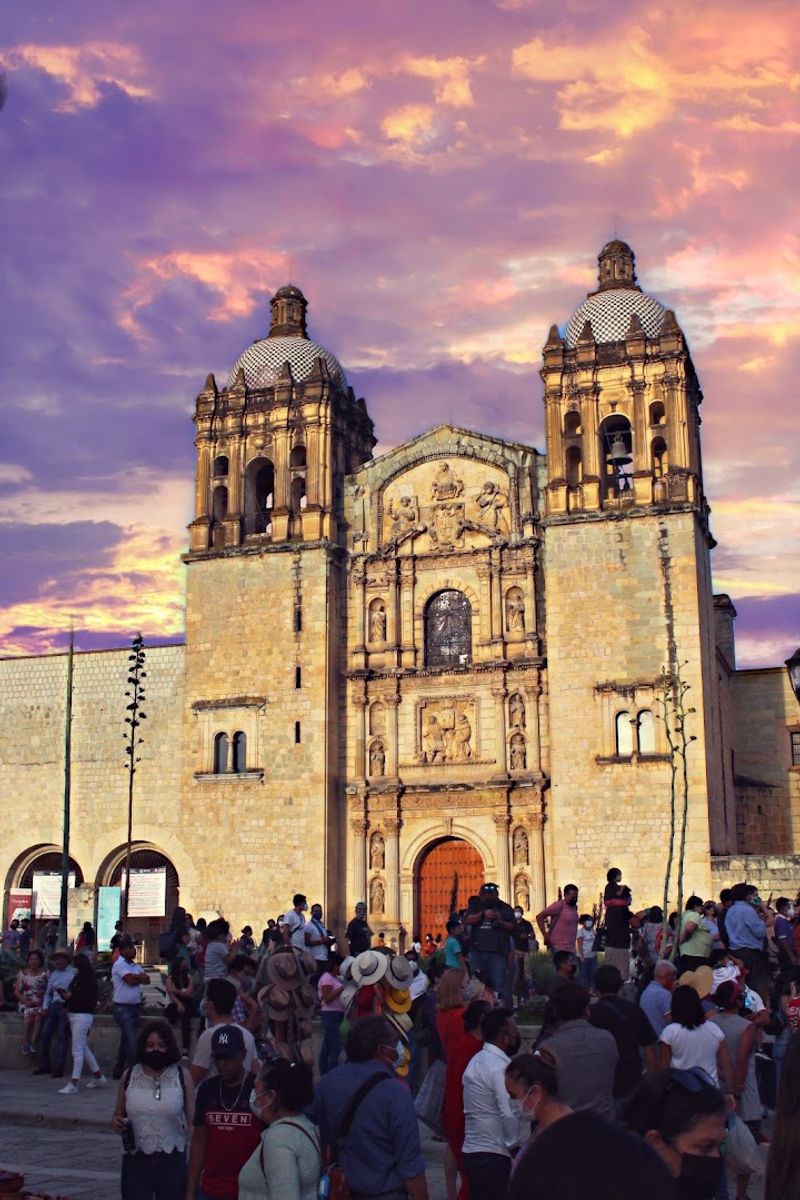
Few cities in Mexico carry as much cultural weight as Oaxaca, and right now, the rest of the world is finally catching on.
Long celebrated for its indigenous Zapotec heritage, Oaxaca City has recently entered an even bigger spotlight after the Michelin Guide and the World’s 50 Best Restaurants both recognized local chefs who are working with heirloom corn, wild herbs, and traditional cooking techniques passed down through generations.
The city’s famous mole sauces, which can take days to prepare, are reason enough to book a flight. But Oaxaca’s appeal goes well beyond the kitchen.
The Guelaguetza festival, held every July, brings together communities from across the state for one of Mexico’s most spectacular cultural celebrations. Artisan markets sell hand-carved alebrijes, black clay pottery, and intricately woven textiles that are genuinely one-of-a-kind.
Travelers who come for a long weekend routinely end up extending their stay. Oaxaca has a habit of making people cancel their return flights.
3. Mérida
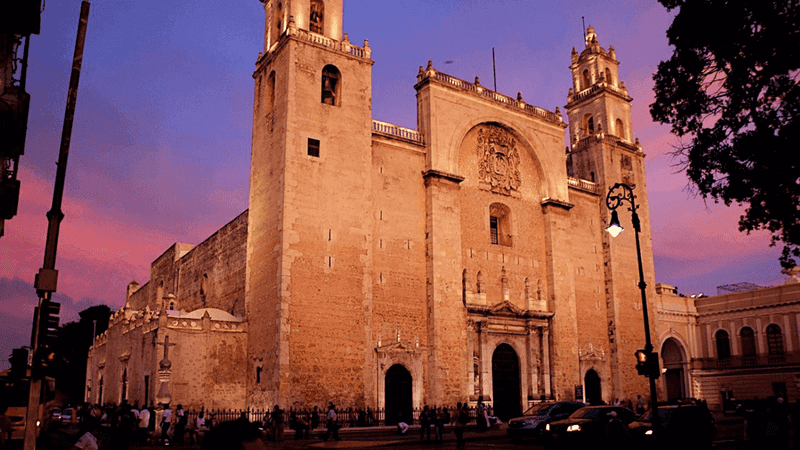
Mérida is the kind of city that earns loyalty fast. The Yucatán capital has long been considered one of Mexico’s safest and most livable cities, and international travelers are arriving in growing numbers to find out what the locals already know.
The historic center is filled with 16th and 17th century mansions converted into boutique hotels, and the city hosts free cultural events in its main plaza nearly every weekend of the year.
Yucatecan cuisine is its own universe, distinct from the rest of Mexican cooking. Dishes like cochinita pibil, sopa de lima, and papadzules reflect centuries of Mayan culinary tradition, and Mérida’s restaurants range from market stalls to chef-driven tasting menus.
The city also works as an ideal base for exploring the wider Yucatán Peninsula. Chichén Itzá, Uxmal, and dozens of cenotes are all within a two-hour drive.
Contemporary art galleries and a growing design scene are adding a modern edge to a city that was already doing plenty right.
4. Puerto Escondido
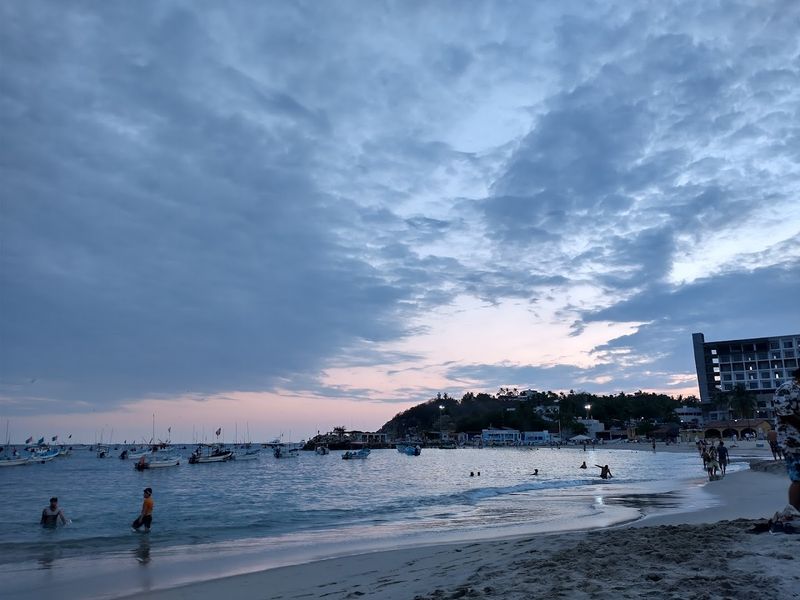
Puerto Escondido spent decades as a well-kept secret shared mostly among surfers and backpackers, but that quiet chapter is officially over.
The Oaxacan coastal town has seen a surge in boutique hotels, wellness retreats, and design-forward restaurants that cater to a new generation of travelers who want comfort without sacrificing authenticity.
The beaches here are genuinely varied. Playa Zicatela is famous among serious surfers for its powerful barrel waves, while nearby Playa Carrizalillo offers calm, clear water perfect for swimming and snorkeling.
Wildlife is a genuine draw too. Sea turtles nest on local beaches seasonally, and boat tours regularly spot dolphins and humpback whales offshore.
Digital nomads have made Puerto Escondido one of their go-to bases in Mexico, thanks to improving infrastructure, a growing coworking scene, and a pace of life that makes it easy to focus. New direct flights from Mexico City have made the town more accessible than ever before, without yet making it overcrowded.
5. San Miguel de Allende
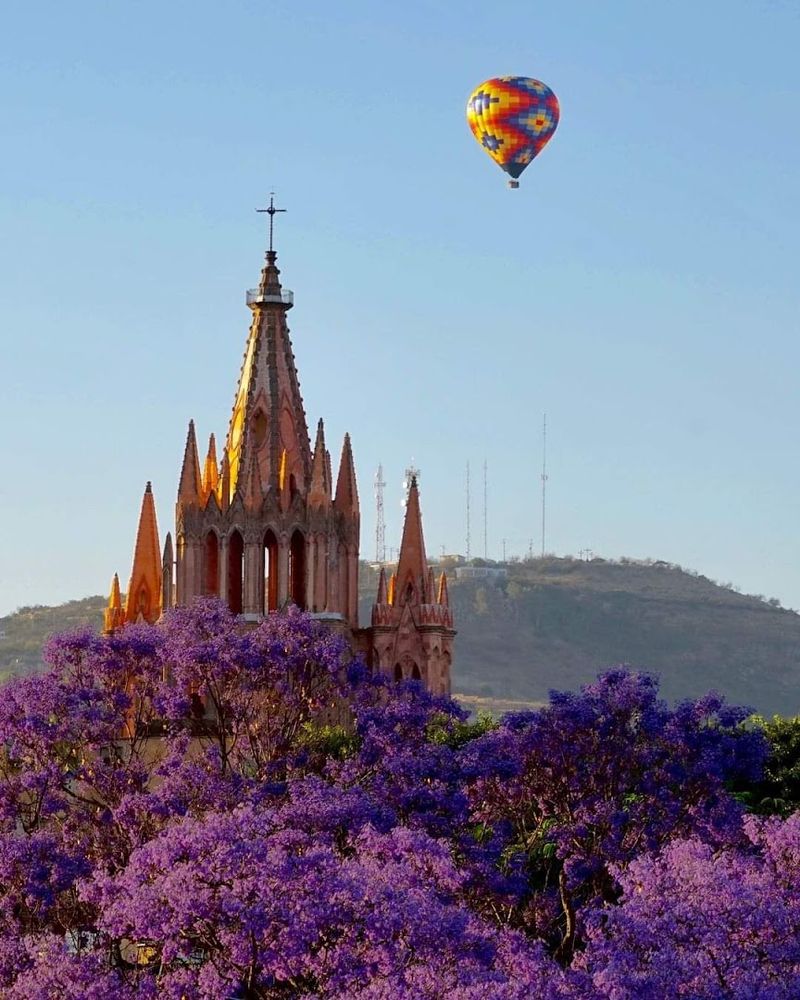
There is a reason San Miguel de Allende keeps appearing on best-of lists year after year, and it has nothing to do with luck.
This colonial city in Guanajuato state has built a genuinely distinct identity around art, architecture, and a creative community that includes Mexican artists, international expats, and culinary professionals who have made it their permanent home.
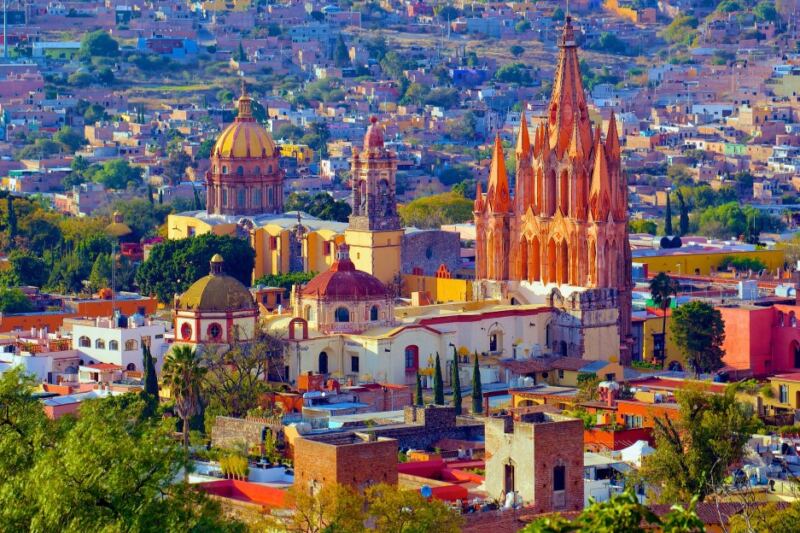
The Parroquia de San Miguel Arcangel, the city’s famous pink stone church, is one of the most photographed buildings in all of Latin America. But San Miguel’s real character lives in its cobblestone streets, courtyard galleries, and weekly artisan markets.
Luxury hotels have moved in over the past decade, with several properties occupying beautifully restored 18th-century haciendas. The food scene has followed, with a mix of traditional Mexican cooking and international menus that reflect the city’s cosmopolitan population.
Festivals run almost year-round here, covering everything from jazz and chamber music to hot air balloon rallies. There is always a reason to visit.
6. Guadalajara
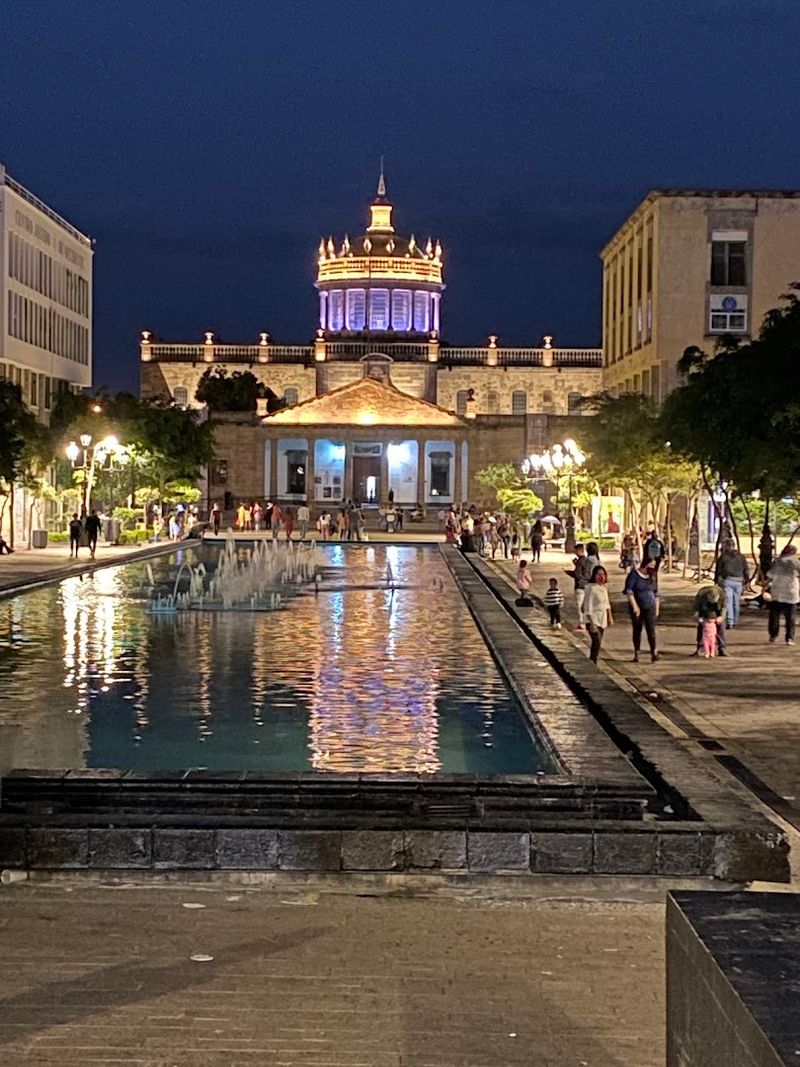
Mexico’s second-largest city is in the middle of a major reinvention, and the results are hard to ignore. Guadalajara has always been the birthplace of mariachi and the heartland of tequila production, but a new wave of creative energy is reshaping what the city stands for on the global travel map.
The tech sector has grown so fast that Guadalajara now carries the nickname “Mexico’s Silicon Valley,” and with that growth has come a surge in design studios, contemporary art spaces, and restaurant concepts that are drawing national attention.
The Hospicio Cabanas, a UNESCO World Heritage Site with murals by Jose Clemente Orozco, remains one of Mexico’s most breathtaking cultural landmarks. The city’s historic center is a walkable grid of baroque churches, lively plazas, and traditional mercados.
New hotels opened in 2025 have added boutique and lifestyle options to a city that previously leaned toward large chain properties. The Tequila Express train, recently relaunched, connects Guadalajara directly to the town of Tequila for a day trip unlike any other.
7. La Paz
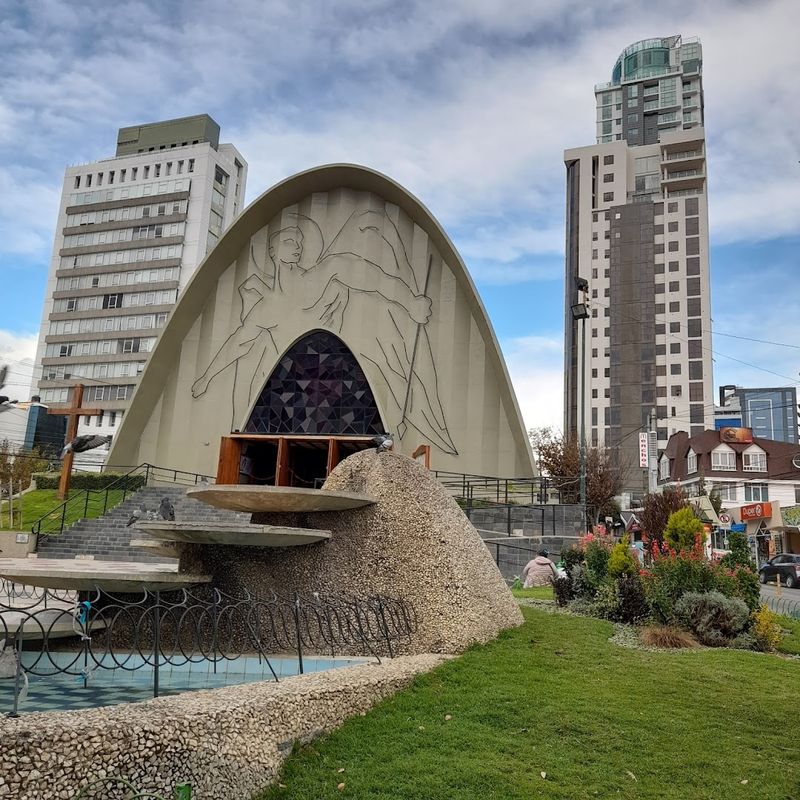
Baja California Sur has two very different personalities, and La Paz is the quieter, more thoughtful one. While Los Cabos gets the headlines, La Paz has been steadily building a reputation for sustainable tourism, unhurried coastlines, and encounters with marine life that are genuinely hard to match anywhere in the world.
The city sits along a calm bay lined with a scenic malecon, where locals and visitors share the same stretch of waterfront without the pressure of resort pricing or beach club fees.
Between January and March, gray whales migrate into the nearby bays, and responsible whale-watching tours allow visitors to get extraordinarily close. Swimming with sea lions at Espiritu Santo Island is another experience that consistently tops visitor lists.
La Paz has also developed a thoughtful culinary identity, with seafood-forward restaurants that rely on daily catches from local fishermen. The city is certified as a fair trade tourism destination, meaning local businesses and communities benefit directly from visitor spending.
8. Tulum
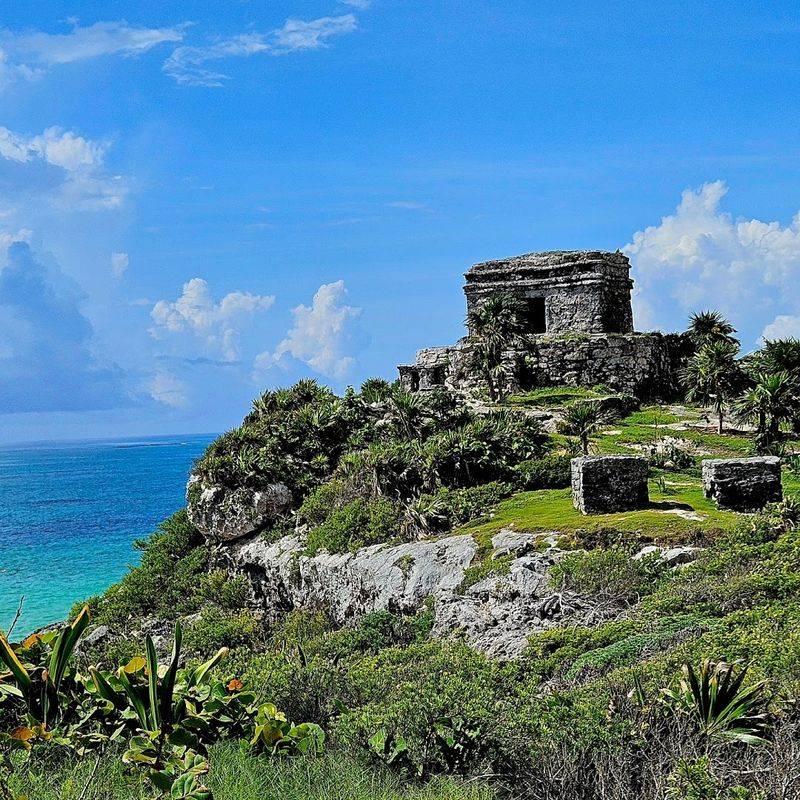
Tulum has been at the center of every travel debate for the past five years, and somehow it keeps evolving faster than the criticism can keep up.
Yes, the town has grown quickly, and yes, the beach clubs can get crowded. But Tulum’s ability to set global travel trends remains unmatched.
The wellness retreat model that has spread to destinations across the world largely originated here, built around cenote access, yoga platforms, and eco-architecture made from natural materials.
The Mayan ruins perched on the cliff above the Caribbean are among the most dramatically positioned archaeological sites in all of Mexico. Visiting at sunrise, before the crowds arrive, still delivers a genuinely powerful experience.
Tulum has also responded to overtourism concerns by developing a new town center further inland, designed to reduce pressure on the coastal strip. New all-inclusive options have joined the eco-lodge pioneers, giving travelers more ways to experience the destination.
For better or worse, Tulum continues to shape what the world expects from a beach destination.
9. Querétaro
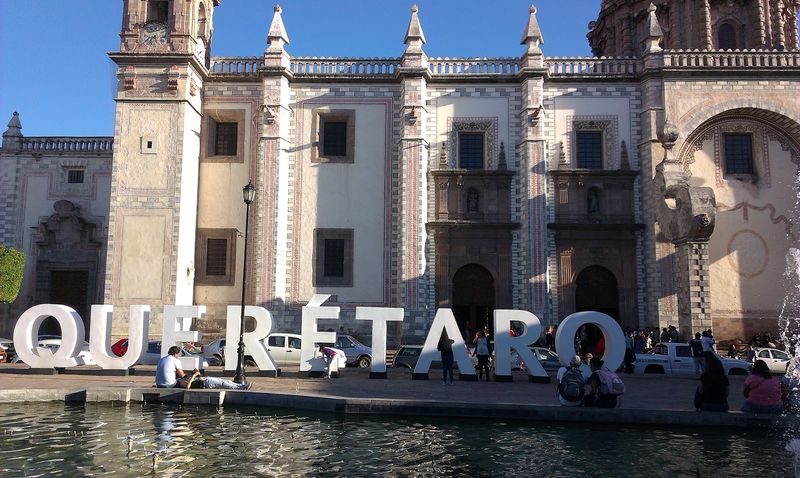
Querétaro might be the most underrated city on this entire list, which is exactly why it belongs here.
This elegant colonial city in central Mexico has been quietly building one of the country’s most impressive travel offerings, combining a UNESCO-listed historic center with a booming wine route, a fast-growing restaurant scene, and a cultural calendar that punches well above its weight.
The city’s famous stone aqueduct, built in the 18th century, runs directly through a residential neighborhood and remains fully intact. Walking the streets around it reveals some of the best-preserved colonial architecture in Mexico, with far fewer tourists than you would find in more famous cities.
Querétaro sits at the heart of Mexico’s wine country, with the Sierra Gorda and surrounding highlands producing increasingly respected bottles. Weekend wine routes through the region have become a major draw for Mexican and international travelers alike.
The city also played a central role in Mexican independence, giving it a historical depth that adds real substance to any visit.
10. San Cristóbal de las Casas
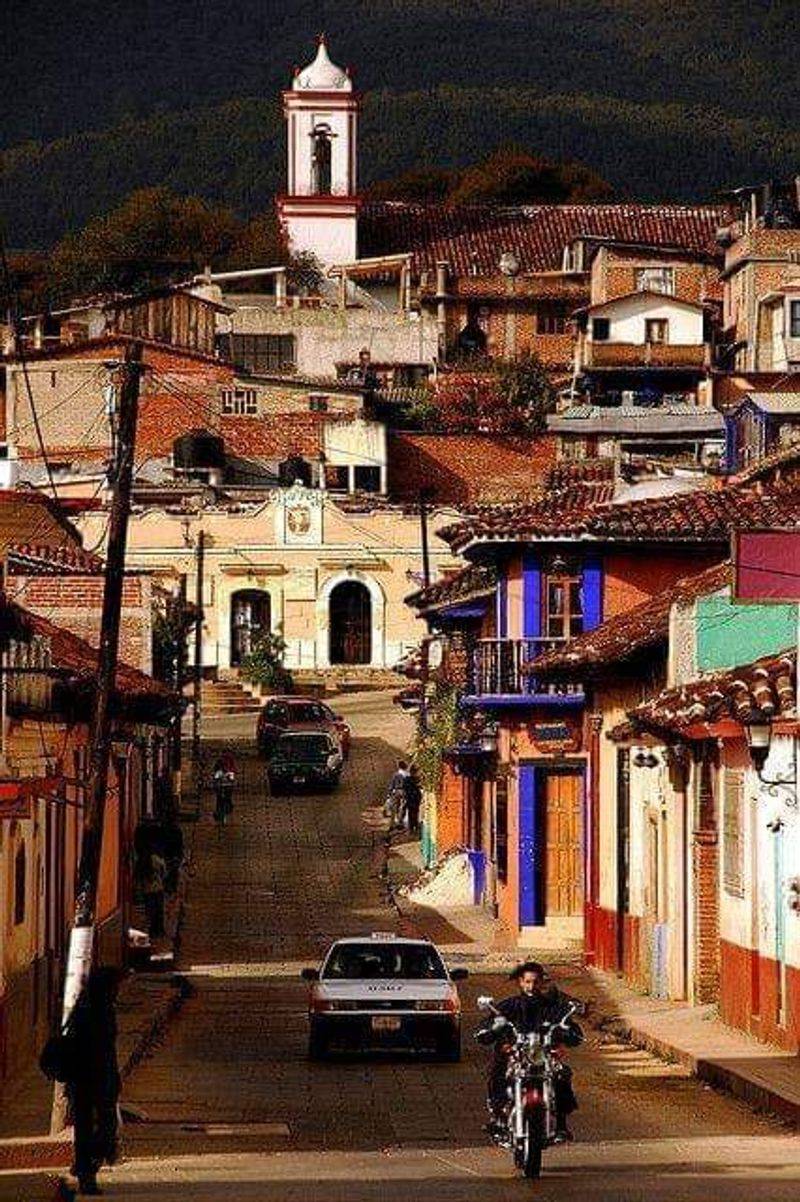
Sitting at over 2,000 meters above sea level in the highlands of Chiapas, San Cristóbal de las Casas operates on its own timeline, and that is a large part of its appeal.
The city is a living center of indigenous Maya-Tzotzil culture, where traditional textile weaving is still practiced as both art and economic livelihood. The markets here sell handwoven fabrics with patterns specific to individual villages, making every purchase a direct connection to local tradition.
The café culture is surprisingly developed for a city of this size, with independent coffee shops serving beans grown in the surrounding Chiapas highlands, one of Mexico’s most important coffee-producing regions.
Nature lovers use San Cristóbal as a base for visiting the Sumidero Canyon, the Montebello Lakes, and the Cascadas de Agua Azul. Each of these sites is within a few hours’ drive and offers a completely different natural landscape.
The city has also developed a thoughtful backpacker and boutique hotel scene that manages to stay affordable without sacrificing character. It rewards slow travel more than almost any other destination in Mexico.
11. Valle de Guadalupe
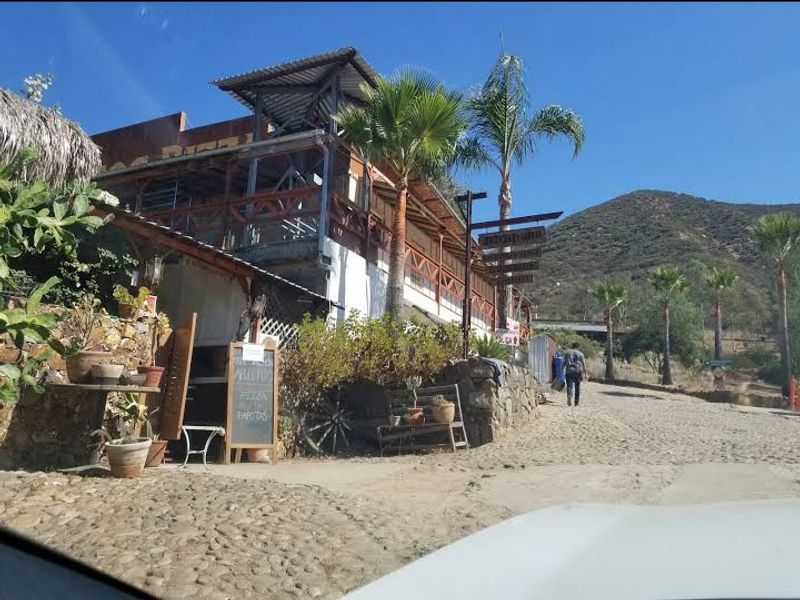
The comparison to Napa Valley gets thrown around a lot, but Valle de Guadalupe has been busy building something that is entirely its own.
Located in Baja California just 20 minutes from Ensenada, this wine valley has become one of the most exciting culinary destinations in all of North America. The region produces over 80 percent of Mexico’s wine, and the boutique vineyards here have developed a reputation for experimental blends that regularly surprise international critics.
What makes Valle de Guadalupe truly different is the dining format. Many of the most celebrated restaurants here are open-air operations built directly among the vines, serving multi-course menus that change based on what local farms and fishermen deliver that day.
Accommodation options have grown significantly, with luxury glamping sites, design-forward villas, and small inns allowing travelers to stay overnight rather than making it a day trip from Tijuana or Ensenada.
The harvest season from August through October brings festivals, outdoor concerts, and a calendar of events that turns the valley into a genuine destination rather than just a stop.
12. Mazatlán
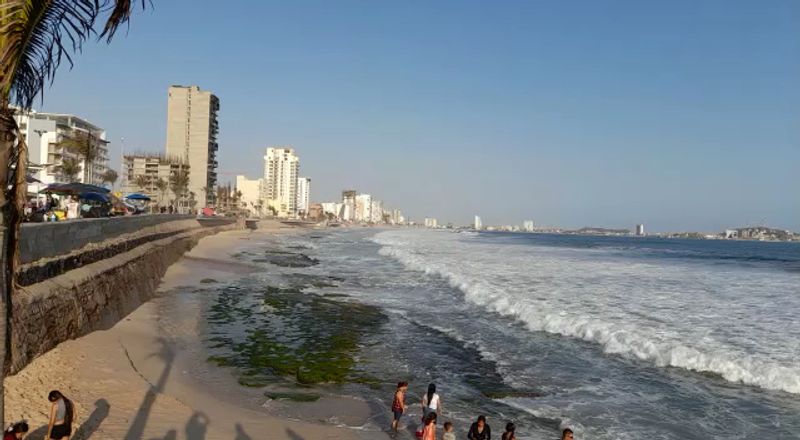
Mazatlán spent several decades watching other Mexican coastal cities get all the attention, but that wait appears to be over.
The city’s historic center, known as Centro Histórico, has undergone a remarkable restoration over the past decade. Crumbling 19th-century mansions have been converted into boutique hotels, galleries, and restaurants, creating a walkable neighborhood that rivals any colonial city center in Mexico.
The malecon here is the longest in Mexico, stretching over 20 kilometers along the Pacific coast. It connects the old town with the modern hotel zone and serves as the main artery for both locals and visitors exploring the city on foot or by bicycle.
Cruise tourism has increased significantly, bringing new investment and infrastructure to the port area. But unlike some cruise-heavy destinations, Mazatlán has managed to develop an independent traveler scene alongside it, with local chefs, artists, and entrepreneurs driving a genuinely interesting cultural revival.
The seafood, particularly the shrimp and marlin, is a serious reason to visit on its own.
13. Campeche City
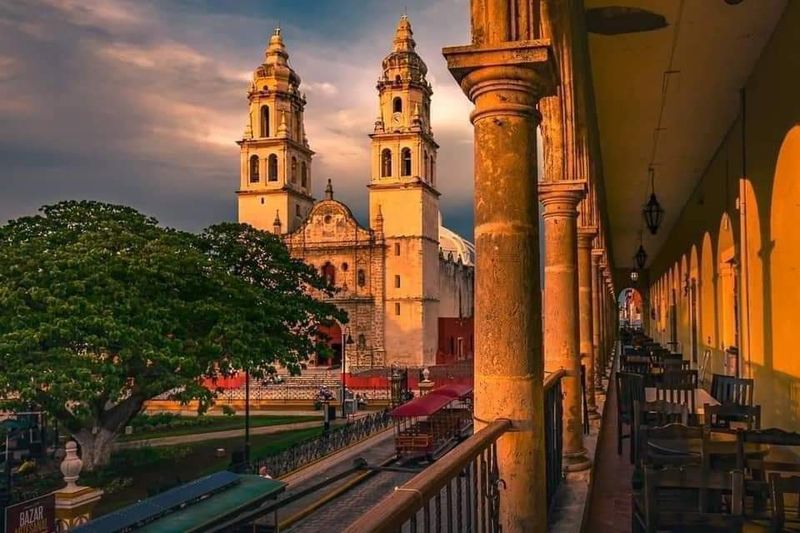
Campeche City is the rare destination that feels like a discovery even though it has been a UNESCO World Heritage Site since 1999. The city’s fortified walls were built in the 17th century to defend against pirate attacks, and they still encircle the historic center today, giving the city a layout unlike anywhere else in Mexico.
Inside those walls, the streets are lined with buildings painted in bold shades of yellow, blue, and coral, creating one of the most visually striking streetscapes in all of Latin America. The city sees far fewer visitors than Mérida or Cancún, which means you can actually enjoy the plazas and museums without navigating through large tour groups.
Campeche also serves as an excellent base for visiting the Calakmul Biosphere Reserve, one of Mexico’s most impressive and least-visited Maya archaeological sites, located about three hours south in the jungle.
The local seafood tradition is strong, with pan de cazón, a layered tortilla dish made with baby shark, being the city’s most iconic and distinctive dish.
Share this story