 Unearth The Voyage
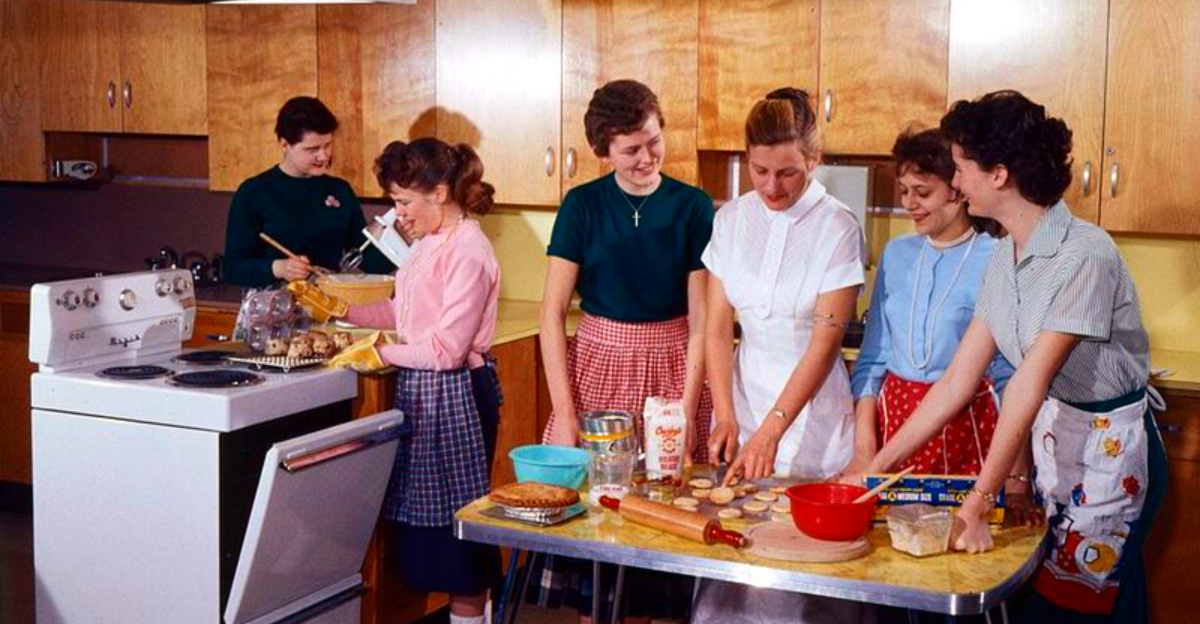
Think back to hallways that smelled like paste, sawdust, and cafeteria pizza. High school once taught hands-on skills that followed you home, not just to a standardized test. You might remember stitching a hem, balancing a ledger, or parallel parking during third period. Here are the classes many boomers took for granted that most students today will never experience.
1. Shop Class (Woodworking and Metalworking)
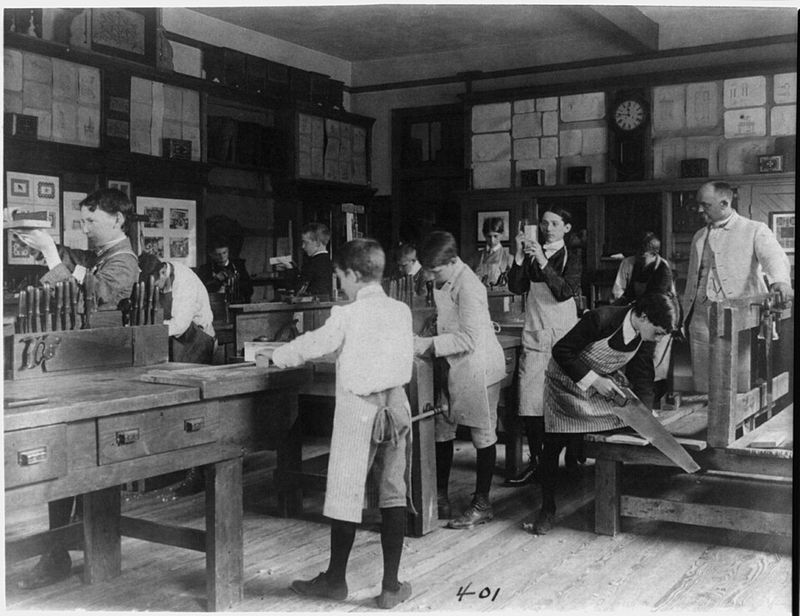
Shop class smelled like sawdust and hot metal. You measured twice, cut once, and learned fast why safety glasses matter. Projects became birdhouses, bookends, and sometimes questionable lamps, but the pride was real.
Liability, budgets, and college prep pushed many programs out. You might still find a makerspace, yet the hum of a table saw at 10 a.m. is rare. Those lessons in patience, measuring, and fixing what you built still echo.
2. Typing on Typewriters
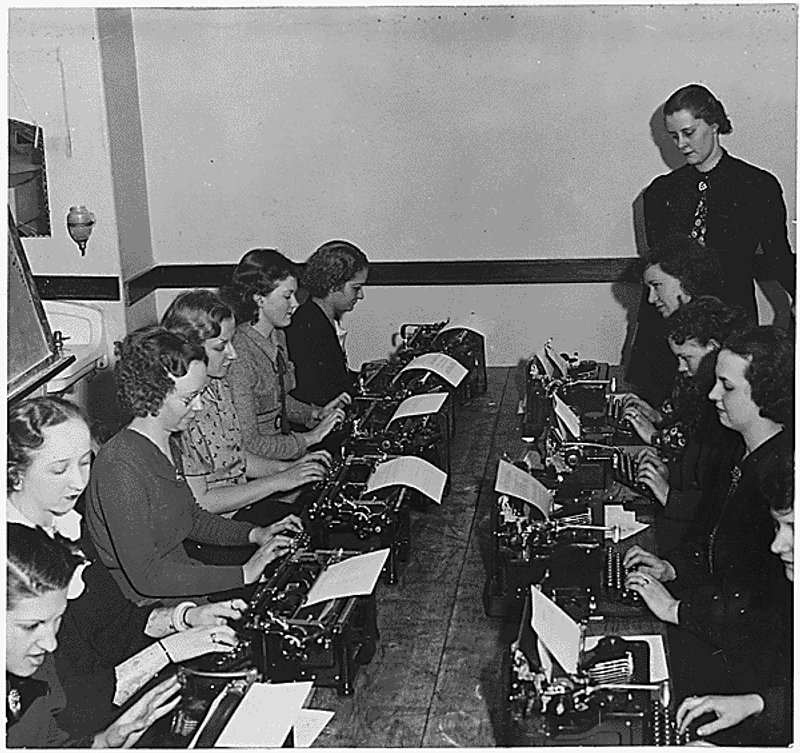
Typing class drilled muscle memory with clacks and dings. You kept eyes on the paper while fingers found keys, timing your speed against the carriage return bell. Error correction meant whiteout, not backspace.
Keyboarding lives on, but without the ritual of ribbon ink and carbon copies. Today, you tap on glass instead of steel. Those timed drills taught focus, rhythm, and the power of practice under pressure.
3. Cursive Writing and Penmanship

Penmanship class turned letters into art. You practiced loops till wrists ached, learning how pace and pressure shaped legibility. Teachers circled smudges and praised clean strokes.
Keyboards sidelined cursive in many districts. You might still sign a check, but full cursive paragraphs feel antique. The discipline it taught remains useful, even if your notes live in apps now.
4. Latin
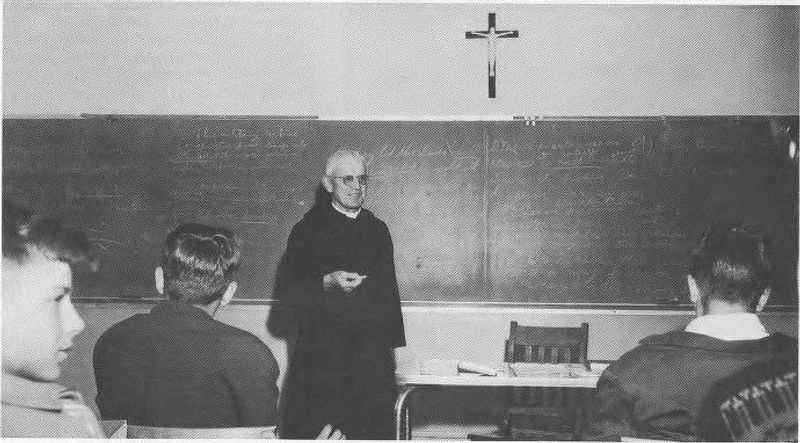
Latin promised keys to law, medicine, and big vocabulary. You wrestled with declensions, translated Caesar, and learned that et cetera really means something. It trained your brain to parse structure carefully.
Most schools replaced it with Spanish, French, or Mandarin. Yet Latin still haunts legal mottos, scientific names, and crossword clues. If you ever ace a word you never studied, thank those roots.
5. Driver’s Education (In School)
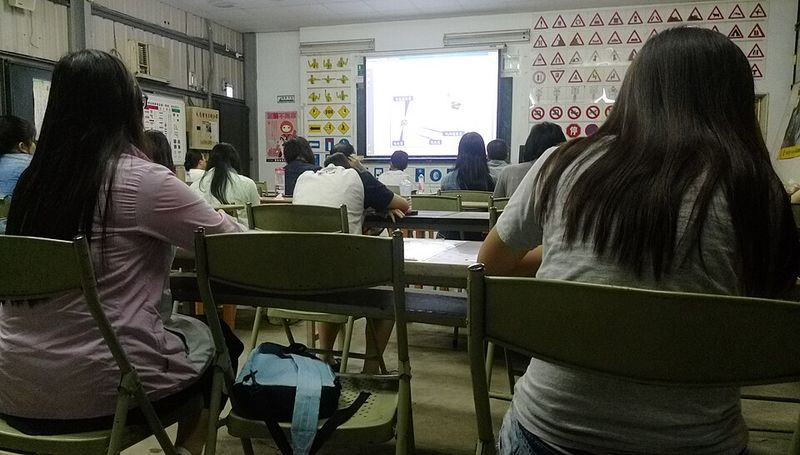
Drivers Ed once lived in the school day. You practiced three point turns in a sedan with an extra brake on the passenger side. Health class videos warned about speeding more than any lecture could.
Insurance, costs, and liability pushed programs out to private schools. Teens still learn, just not between second and third period. The shared rite of passing the test at school is mostly gone.
6. Civics and Government (Standalone)
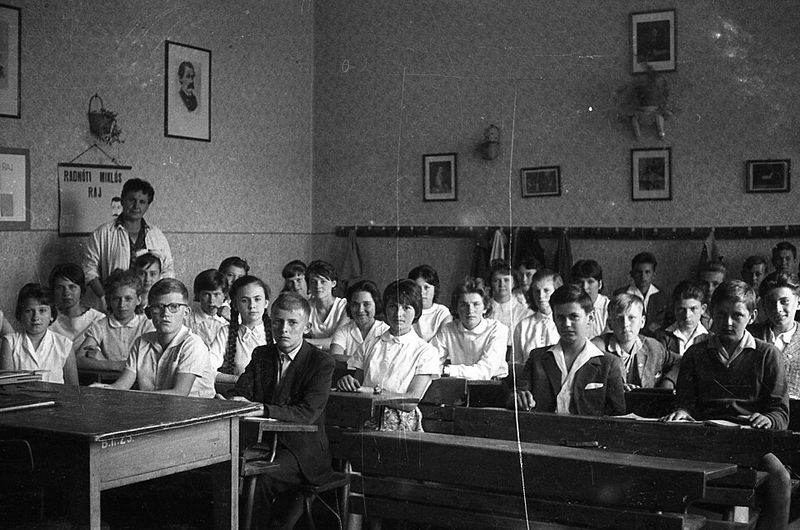
Civics class explained how a bill becomes law and why your city council matters. You learned rights, responsibilities, and how to read a ballot. Mock elections turned apathy into opinions.
Now it is folded into broad social studies or squeezed out. You still vote, but fewer classes teach how power actually moves. If you have ever felt lost at the polls, you are not alone.
7. Home Economics
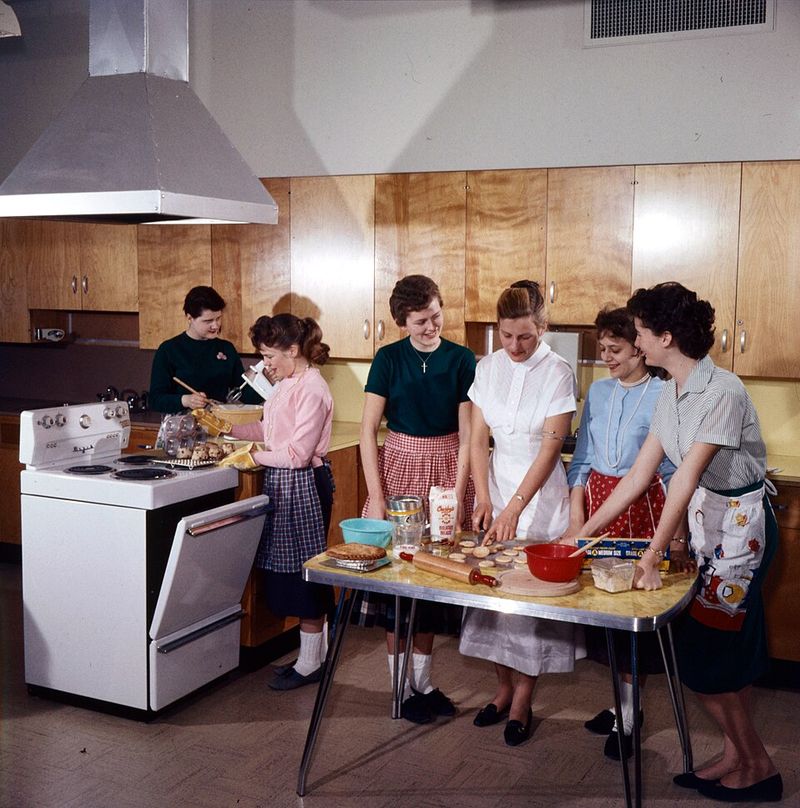
Home Economics felt like a toolbox for life. You learned to scramble eggs without burning them, hem pants that refused to cooperate, and stretch a grocery budget till payday. Recipes, sewing patterns, and meal plans doubled as confidence boosters.
Many schools folded it into Family and Consumer Sciences or cut it entirely. You still need those skills, only now YouTube fills the gap. If you ever wished school covered rent, credit, and dinner, this class tried.
8. Mechanical Drawing and Drafting
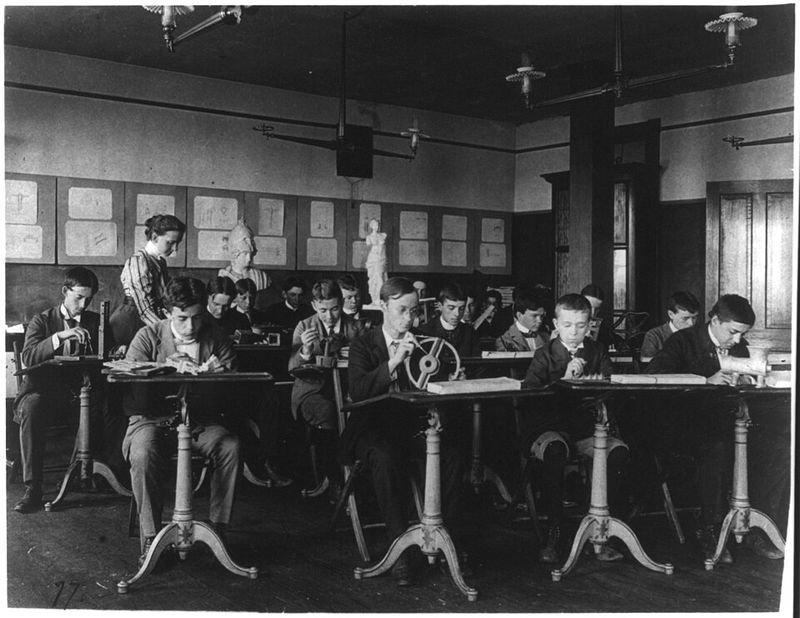
Drafting taught precision by hand. You aligned T squares, traced crisp lines, and labeled dimensions in perfect lettering. The patience it demanded built an engineer’s mindset.
CAD replaced triangles and templates. The software is faster, yet those tactile lessons in scale and clarity still matter. If your IKEA build goes smoothly, thank spatial reasoning born here.
9. Bookkeeping
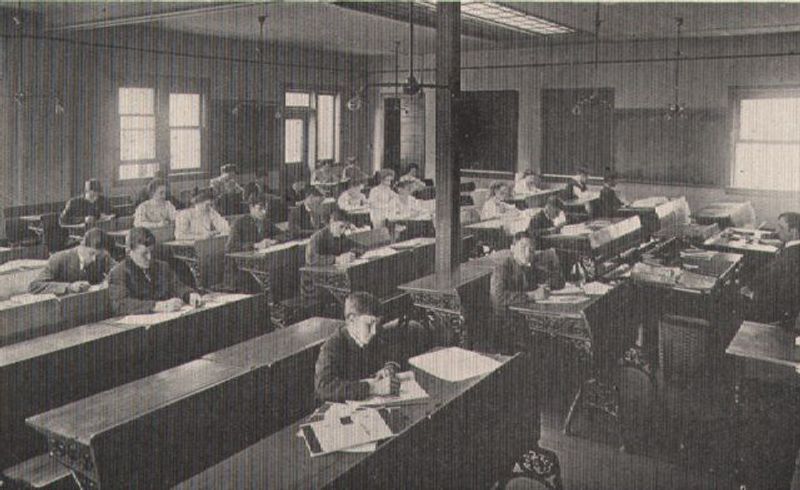
Bookkeeping was arithmetic with purpose. You posted entries, balanced T accounts, and learned that every debit needs a credit. Mistakes showed up instantly in stubborn totals.
Modern classes pivot to broad business or personal finance, if you are lucky. Software automates ledgers, but understanding the flow remains power. When a budget finally makes sense, that is the echo of this class.
10. Agriculture and FFA Programs
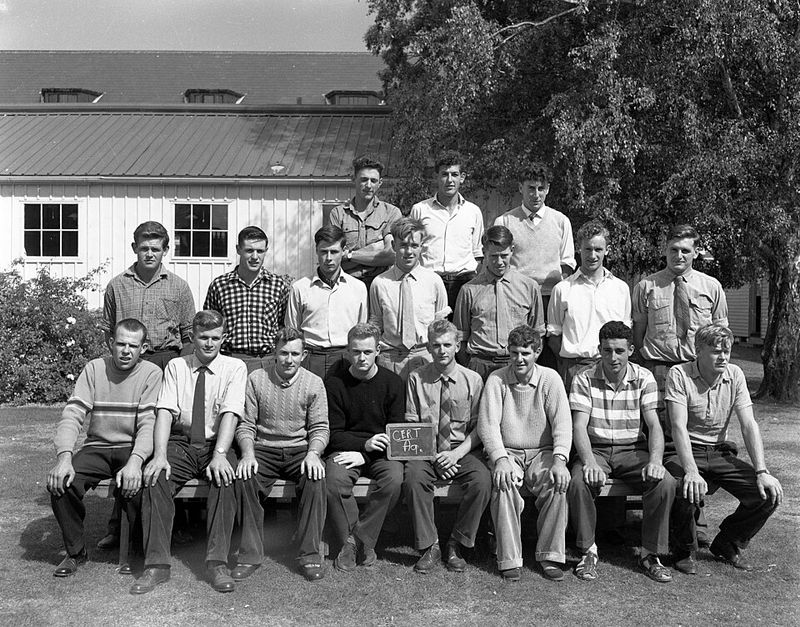
Agriculture class connected bell schedules to seasons. You studied soils, livestock care, and small engine repair. Field trips felt like workdays, not escapes.
Urbanization and shifting curricula trimmed many programs. Some thrive in rural districts, but most students never touch a tractor. The practical wisdom of food systems and stewardship is harder to find in textbooks alone.
11. Debate and Public Speaking (Required)
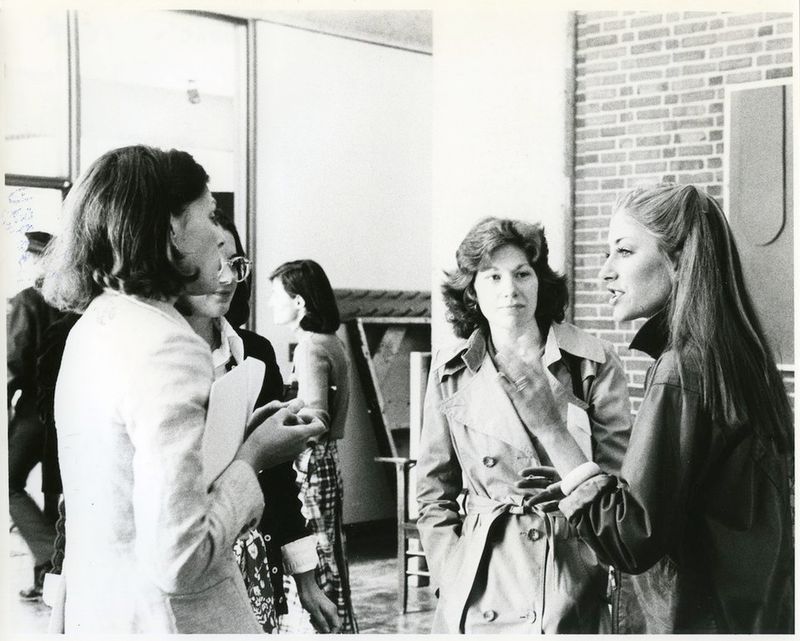
Required speech class pushed you to stand up and speak clearly. Debate taught structure, evidence, and listening under pressure. Butterflies turned into competence.
Today it is often optional or an after school club. Many students finish school without formal presentation training. When your voice shakes in a meeting, you can feel what went missing.
12. Sewing and Textiles
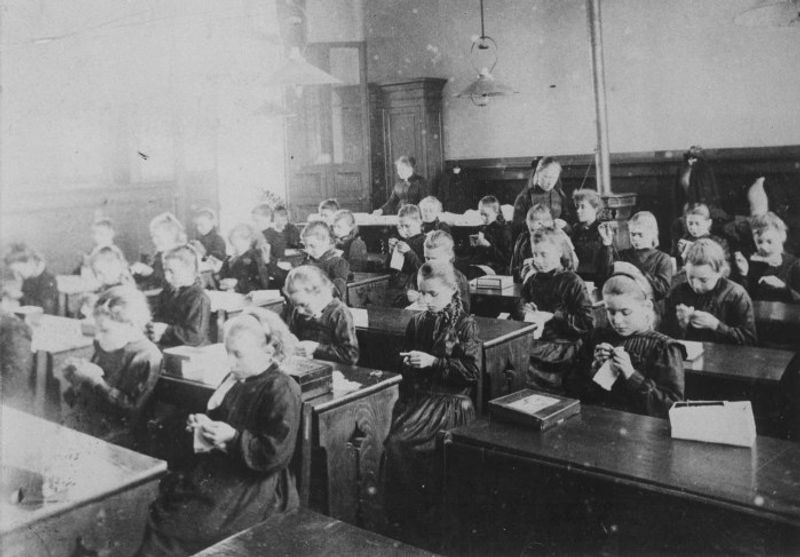
Sewing class demystified clothes. You read patterns, pinned seams, and discovered the stubborn will of fabric. A finished skirt or tote bag felt like magic you made yourself.
Outside niche programs, these classes faded. Fast fashion replaced mending, and few teens learn a backstitch. When a button pops before an interview, this gap suddenly matters.
13. Printing and Typesetting
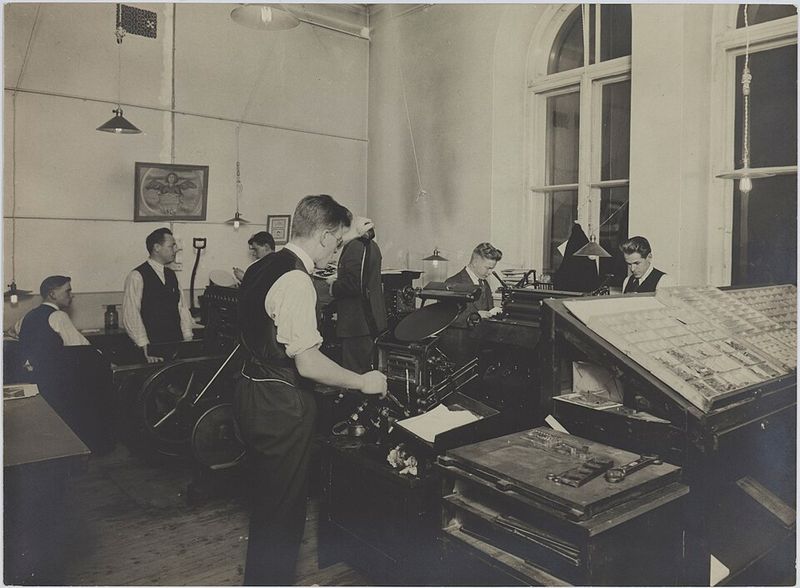
Printing class turned words into weight. You set type, locked forms, and pulled proofs with inky fingers. The thunk of the press made language feel physical.
Digital publishing erased hot metal overnight. Skills survived in art studios, not school schedules. Understanding kerning and hierarchy still improves every flyer you make.
14. Manners, Etiquette, and Social Skills
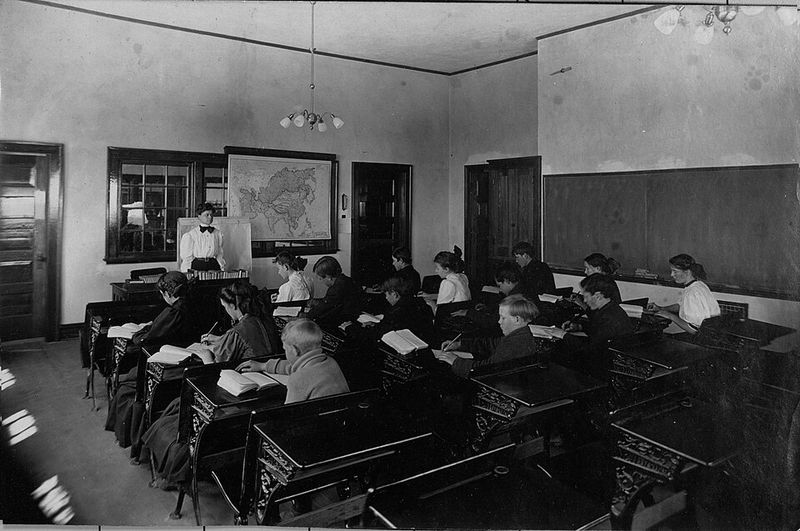
Etiquette class coached posture, introductions, and place settings. You practiced thank you notes and learned to navigate awkward conversations gracefully. It was less about forks than respect.
Modern culture calls it old fashioned, so schools rarely teach it. Social media did not replace face to face finesse. When small talk lands right at a wedding or interview, this class whispers.



