Summer 1973 was one of the most productive and genre-defining seasons in rock history. FM radio was expanding rapidly across the United States, giving stations the freedom to play longer, more adventurous tracks that AM formats had always ignored.
That shift created the perfect environment for a wave of songs that ranged from Southern rock anthems to cinematic blockbusters to blues-drenched guitar workouts. The 13 songs covered here were not just popular that summer, they reshaped what rock music could be and left a permanent mark on the culture.
Some climbed to the top of the charts almost immediately, while others took years to reach the massive audiences they deserved. What they all share is an undeniable staying power that continues to hold up more than five decades later.
Whether you lived through that summer or discovered these tracks later, understanding what made them special adds a whole new layer of appreciation.
1. Smoke on the Water (Deep Purple)
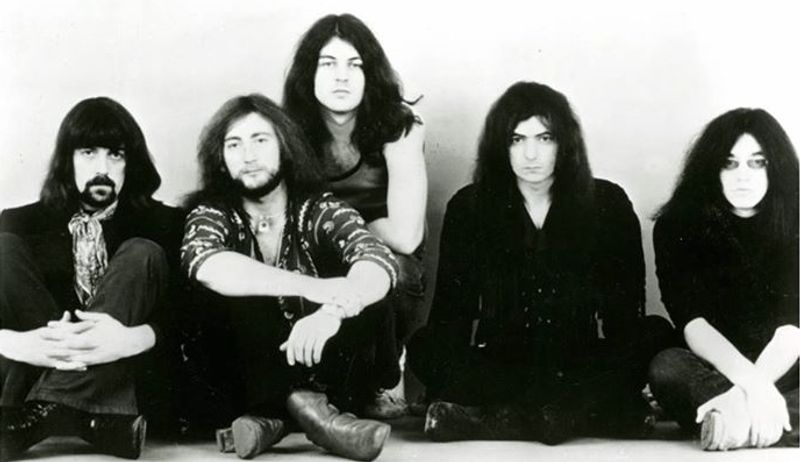
That four-note guitar riff is one of the most copied intros in rock history, and it belonged to Deep Purple by the summer of 1973. The song jumped to No. 12 on the U.S. charts in July before ultimately peaking at No. 4 nationally, a remarkable climb for a track already a year old.
The story behind the lyrics was completely real. Guitarist Ritchie Blackmore and the rest of the band watched a fire break out during a Frank Zappa concert at the Montreux Casino in Switzerland in December 1971.
Bassist Roger Glover reportedly woke up the next morning with the title already in his head.
The song blended heavy riffing with documentary-style storytelling in a way that felt fresh and direct. FM radio stations embraced it fully, and it quickly became a staple of classic rock programming that has never really gone away since.
2. Free Bird (Lynyrd Skynyrd)
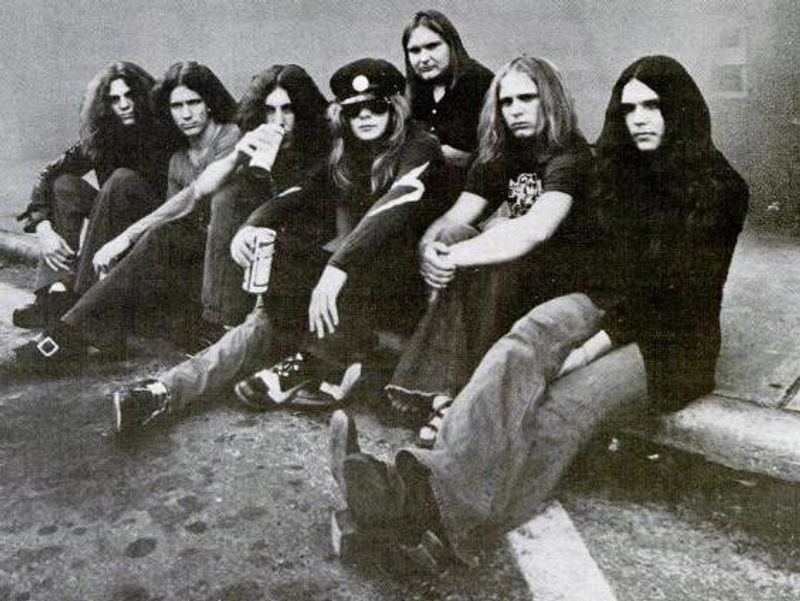
Few songs in rock history have earned the kind of audience loyalty that “Free Bird” built during its rise in 1973. Lynyrd Skynyrd had formed in Jacksonville, Florida, and the track appeared on their debut album that year, introducing a sound that mixed country, blues, and hard rock in equal measure.
The song starts as a slow, reflective ballad with clean guitar picking before shifting dramatically into a triple-guitar finale that runs for several minutes. That structural choice was bold for a debut band, and it paid off completely.
Concert crowds quickly turned it into a ritual. Audiences would shout for it at shows by other bands, making it a cultural shorthand for rock fan enthusiasm that persists to this day.
Dickey Betts and Allen Collins traded solos in a way that felt unrehearsed even when perfectly executed. The track made Southern rock impossible to ignore on the national stage.
3. Ramblin’ Man (The Allman Brothers Band)
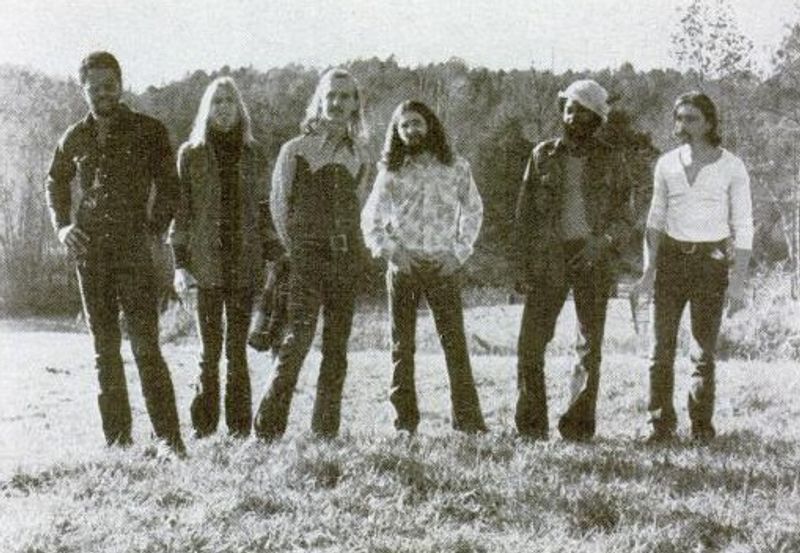
Released on July 28, 1973, “Ramblin’ Man” entered the Billboard chart at No. 26 in August and climbed all the way to No. 2, making it the only Top 20 hit the Allman Brothers Band ever scored. That commercial breakthrough came at a critical moment for the group, which had been pushing the boundaries of rock and jazz fusion for years.
Dickey Betts wrote and sang the song, giving it a distinctly different character from the Gregg Allman-led material. His clean, melodic guitar work and smooth vocal delivery gave the track a breezy quality that fit summer radio perfectly without sacrificing any musical substance.
The song came from the album “Brothers and Sisters,” which reached No. 1 on the Billboard 200. It proved that Southern rock could compete directly with anything else on the charts.
The combination of twin guitar harmonies and Betts’ storytelling made it an instant staple of AM and FM alike.
4. Saturday Night’s Alright for Fighting (Elton John)
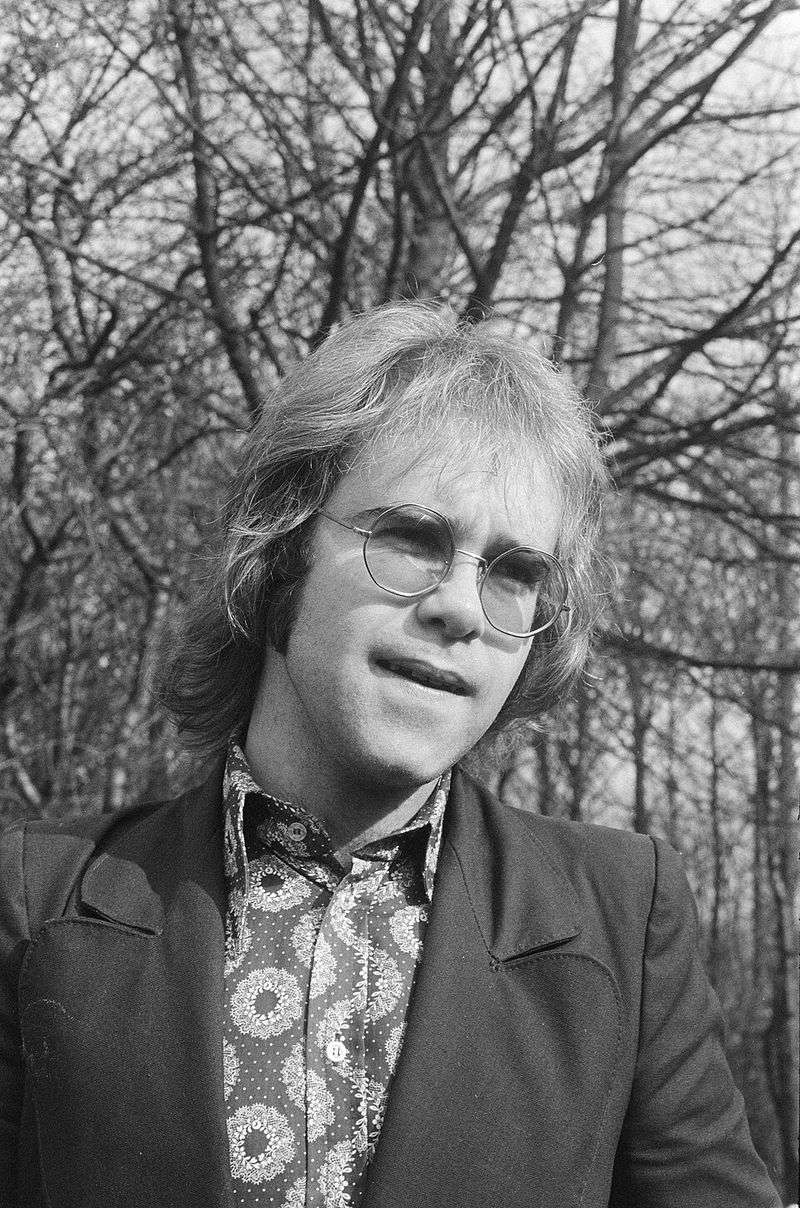
Released in July 1973, this track was one of the loudest and most physically aggressive songs Elton John had ever recorded up to that point. It reached No. 12 on the U.S. charts and announced a rowdier side of an artist most people associated with piano ballads and reflective pop songs.
The track was recorded at Strawberry Studios in France during sessions for the “Goodbye Yellow Brick Road” album. Bernie Taupin’s lyrics captured the rough, working-class energy of a Saturday night out with a directness that matched the crunching guitars and pounding rhythm section perfectly.
Elton’s piano took a backseat to the guitars on this one, which surprised plenty of fans and critics at the time. The song showed that he and his band could operate as a genuine rock unit when the material called for it.
It remains one of the most energetic performances in his entire catalog and a reliable crowd-pleaser at his concerts for decades.
5. Dream On (Aerosmith)
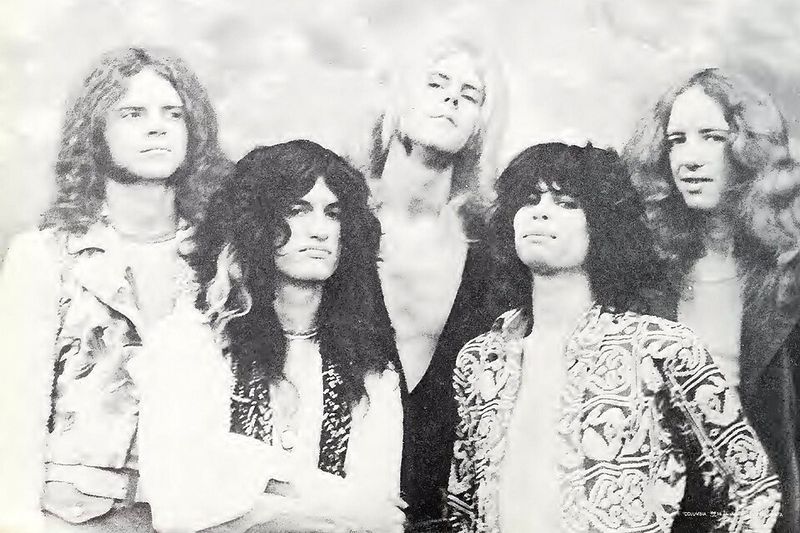
Aerosmith released “Dream On” as their debut single in late June 1973, and it initially reached only No. 59 on the Billboard Hot 100. That modest chart performance gave almost no indication of what the song would eventually become in American rock history.
Steven Tyler wrote the track as a teenager, making it one of the few major rock songs built around a piano figure rather than a guitar riff. The structure builds slowly over several minutes before Tyler delivers one of the most dramatic vocal finales of the era, hitting notes that pushed his range to its absolute limit.
The song was re-released in 1976 and climbed to No. 6, finally giving it the commercial recognition it had been denied the first time. Its emotional core, exploring ambition and the passage of time, gave it a depth that set Aerosmith apart from the party-rock bands crowding the same radio slots.
It aged remarkably well.
6. China Grove (The Doobie Brothers)
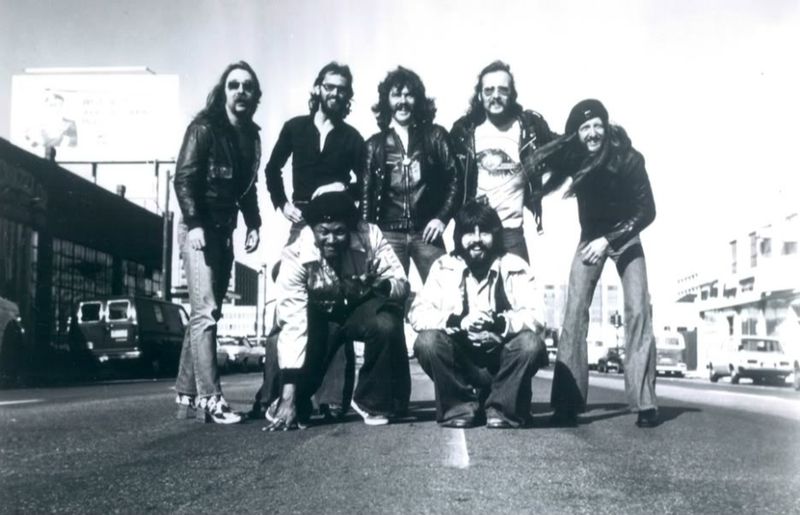
“China Grove” came out in June 1973 and became one of the defining feel-good rock tracks of that summer. The Doobie Brothers had already scored with “Listen to the Music” the previous year, but this track pushed them into harder rock territory while keeping the harmonized vocals that made them radio-friendly.
Tom Johnston wrote the song and named it after a real town in Texas, though he later admitted he had never actually visited it. The opening guitar riff was sharp and immediately recognizable, and the track’s driving rhythm gave it a momentum that suited both car radios and concert stages equally well.
The song climbed the charts steadily throughout the summer and helped establish the Doobie Brothers as one of the most consistent rock acts of the decade. Their ability to balance guitar crunch with vocal melody gave them an appeal that stretched across different listener demographics. “China Grove” remains a cornerstone of their live set even today.
7. La Grange (ZZ Top)
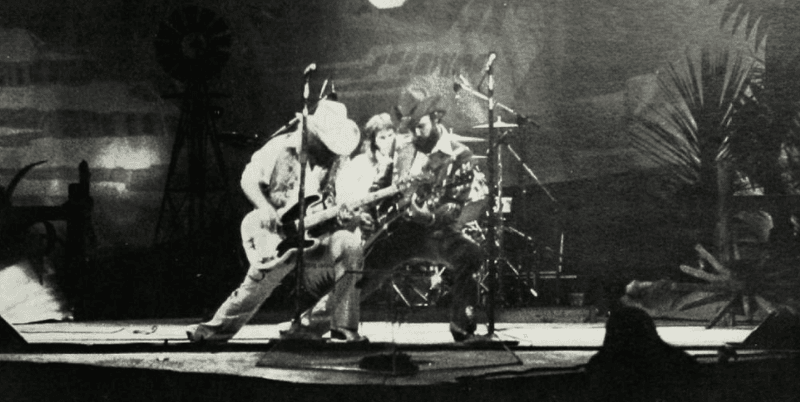
ZZ Top recorded “La Grange” for their third album, “Tres Hombres,” released in July 1973, and it became the track that truly established them as a national act. The song was built around a boogie-blues guitar pattern borrowed from John Lee Hooker’s “Boogie Chillen,” a connection the band acknowledged openly.
Billy Gibbons’ guitar tone on the track was raw and gritty in a way that felt genuinely different from the polished rock coming out of Los Angeles studios at the time. The song references a famous establishment in La Grange, Texas, giving it a local specificity that added to its mystique.
The track builds through a slow blues intro before accelerating into a frantic boogie section that showcased the band’s tight, three-piece chemistry. ZZ Top had always been rooted in Texas blues traditions, and “La Grange” was the moment that wider audiences finally caught up with what they had been doing all along.
It remains their signature song.
8. Photograph (Ringo Starr)
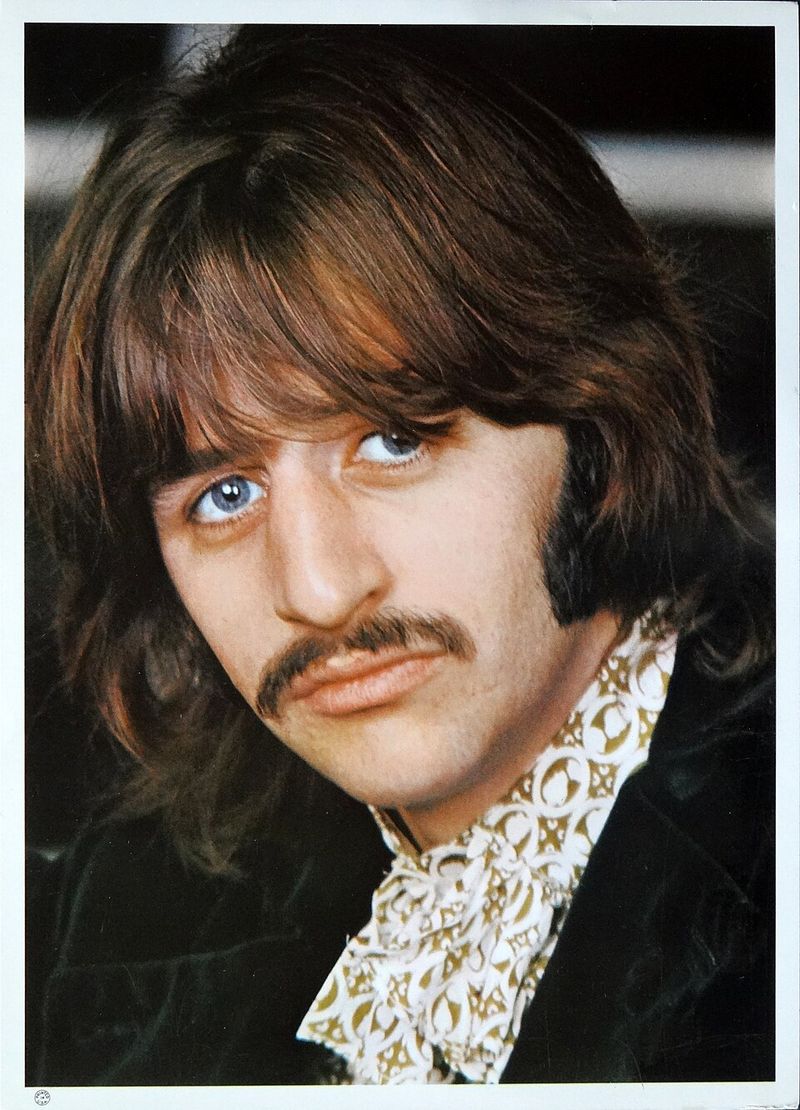
Co-written by Ringo Starr and George Harrison, “Photograph” was released in September 1973 and reached No. 1 on the Billboard Hot 100, becoming Ringo’s biggest solo hit. The fact that two former Beatles collaborated on the track gave it an emotional weight that few solo post-Beatles releases had managed to achieve.
The song carried a melodic directness that felt closer to classic Beatles craftsmanship than most of what was on the charts that fall. Harrison’s fingerprints were audible throughout, particularly in the guitar arrangement and the song’s clean, uncluttered production style.
Critics who had dismissed Ringo as the least musically significant Beatle were forced to reconsider after this. The track proved he had real instincts as a pop craftsman and not just a recognizable name.
It spent four weeks at No. 1 in the U.S. and became one of the most warmly received singles of the entire year, earning him a reputation as a genuinely capable solo artist.
9. We’re an American Band (Grand Funk Railroad)
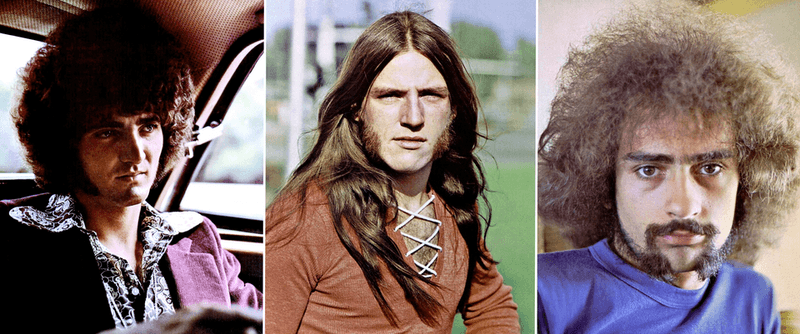
Grand Funk Railroad released this track in July 1973 and by August it was climbing toward the top of the national pop chart, eventually reaching No. 1. The song was a deliberate shift in direction for the band, moving away from their heavier psychedelic sound toward a more radio-friendly hard rock approach.
Don Brewer wrote and sang the song after a long stretch on the road, drawing directly from the experience of touring as a working rock band in America. The lyrics name-checked specific cities and specific moments, giving it a grounded, firsthand quality that resonated with audiences who had seen the band live.
Producer Todd Rundgren helped shape the track’s cleaner, more polished sound, which made it accessible without sacrificing the band’s energy. The song became an anthem for arena rock culture and a template that many bands would follow throughout the rest of the decade.
It remains one of the most recognizable rock singles of 1973 and a reliable classic rock radio fixture.
10. Live and Let Die (Paul McCartney and Wings)
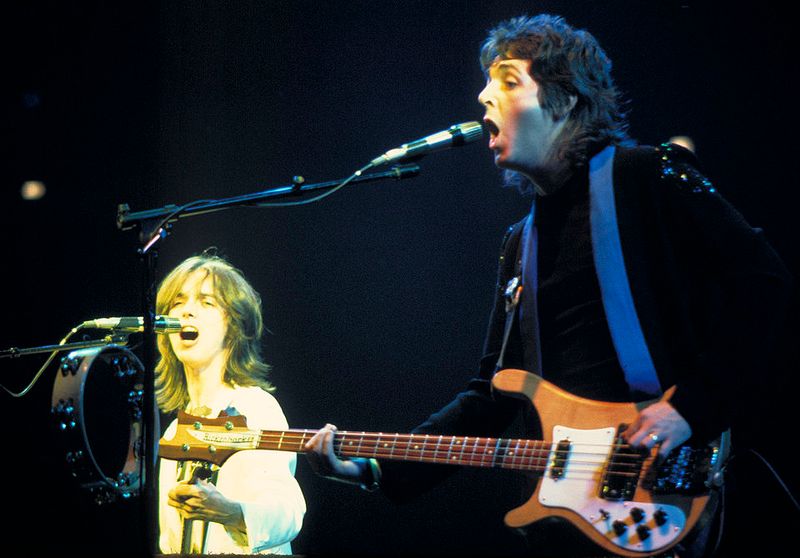
Released in August 1973, “Live and Let Die” peaked at No. 2 in the United States and No. 7 in the United Kingdom, making it one of the most commercially successful James Bond themes ever recorded. McCartney was commissioned to write the song for the film of the same name, and he delivered something far more ambitious than anyone expected from the assignment.
The track cycles through three distinct musical sections: a soft, melodic opening, a hard rock middle section with crashing guitars, and an orchestral passage arranged by George Martin, who had produced the Beatles throughout their career. That structural complexity was unusual for a pop single in 1973.
Wings had been working to establish a separate identity from the Beatles legacy, and this track did exactly that. It demonstrated that McCartney could operate effectively in a cinematic, high-stakes format without leaning on nostalgia.
The song helped solidify Wings as one of the most commercially successful bands of the early 1970s in their own right.
11. Jessica (The Allman Brothers Band)
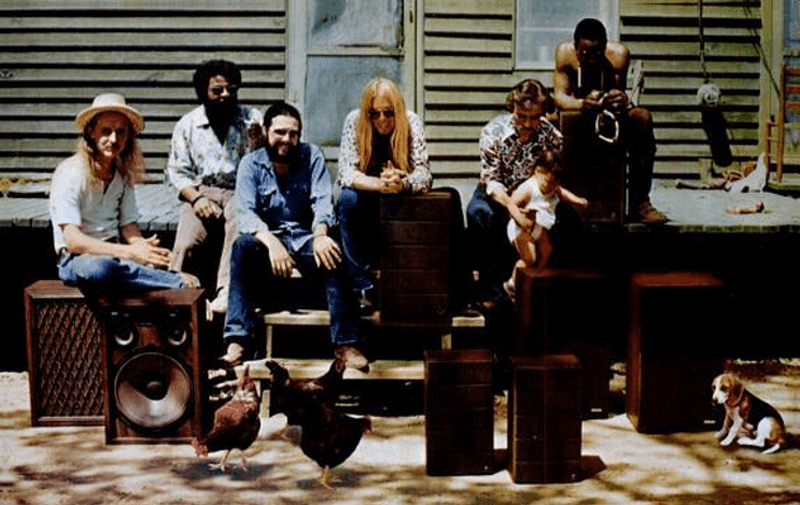
Instrumental rock songs rarely become radio classics, but “Jessica” managed exactly that. Dickey Betts wrote the track and named it after a young girl he had seen while writing the song on a ranch in Florida.
It appeared on the “Brothers and Sisters” album released in August 1973, the same record that contained “Ramblin’ Man.”
The song runs nearly eight minutes in its full studio version, cycling through guitar melodies that feel both technically precise and completely joyful. Betts played the main melody on two guitars simultaneously, creating a bright, interlocking sound that became the track’s defining characteristic.
The song later became internationally famous as the theme to the British television program “Top Gear,” introducing it to entirely new generations of listeners who may never have connected it to the Allman Brothers at all. That second wave of exposure confirmed its status as one of rock’s most enduring instrumental pieces.
Its energy never fades regardless of how many times a listener has heard it before.
12. The Joker (Steve Miller Band)
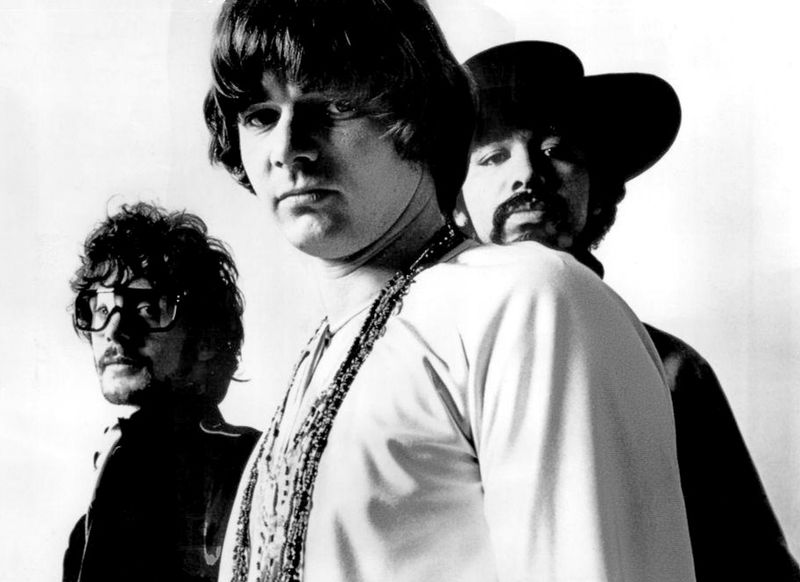
Steve Miller recorded “The Joker” for the album of the same name, released in October 1973. The song reached No. 1 on the Billboard Hot 100 in January 1974, capping a run that had built steadily through the final months of 1973 as the track spread across FM radio stations nationwide.
The song recycled a lyric Miller had used in an earlier track called “Space Cowboy,” and the self-referential quality of the lyrics gave it a playful, self-aware personality that set it apart from the more serious rock material dominating the charts at the time. The relaxed guitar tone and unhurried tempo made it feel effortless.
Miller’s approach to songwriting had always prioritized groove over complexity, and “The Joker” was the purest expression of that philosophy. The track became one of the most recognizable songs of the decade and experienced a major commercial revival in 1990 when it reached No. 1 in the United Kingdom after appearing in a Levi’s advertisement.
13. Angie (The Rolling Stones)
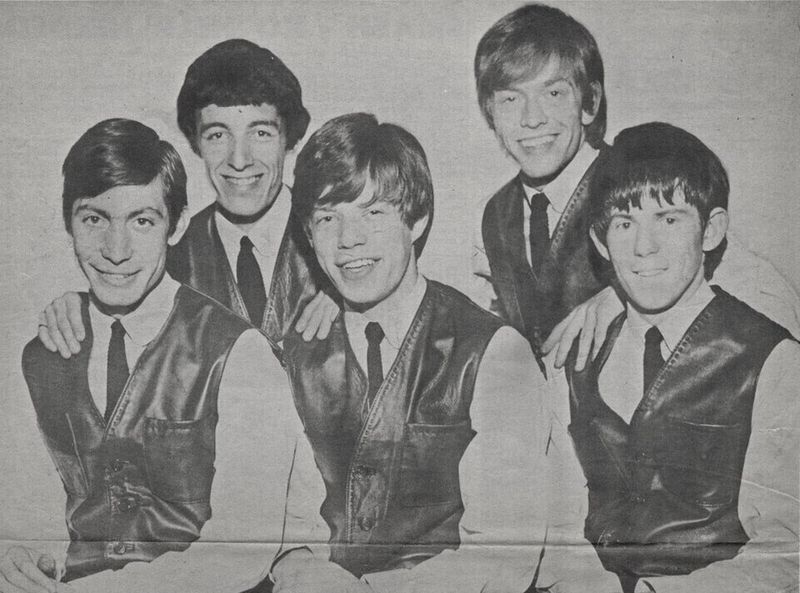
The Rolling Stones released “Angie” in August 1973, and it reached No. 1 on the Billboard Hot 100 within weeks. The song was a significant departure from the blues-rock swagger the band was known for, relying instead on Keith Richards’ acoustic guitar work and Mick Jagger’s restrained, emotionally direct vocal delivery.
Richards reportedly wrote the chord progression while recovering from a medical procedure in Switzerland, and the resulting melody had a quiet intensity that suited the song’s reflective tone. Nicky Hopkins contributed a piano arrangement that gave the track additional warmth without overcrowding the arrangement.
The song came from the album “Goats Head Soup,” recorded in Jamaica earlier that year. Its commercial success surprised even some longtime fans who expected a harder-edged single from the band.
Reaching No. 1 while sounding nothing like the Stones’ usual approach proved just how wide their creative range had become by 1973. It was a fitting, quietly powerful close to one of rock’s most remarkable summers.
Share this story