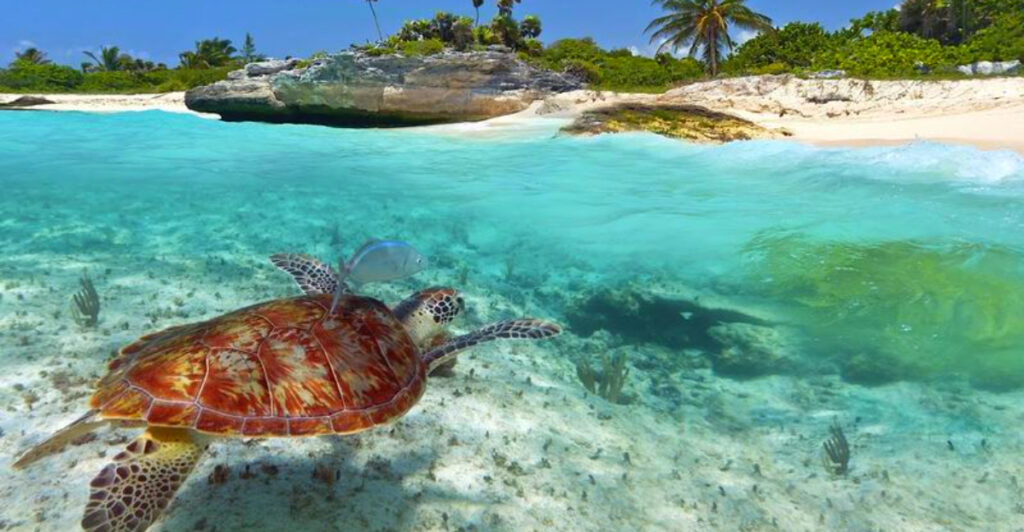
Every year, sea turtles travel thousands of miles across the ocean to return to the very beaches where they were born. This extraordinary homing instinct has guided them for more than 100 million years, making it one of nature’s most impressive migrations.
From Texas’s Gulf Coast to Costa Rica’s tropical shores, certain coastal destinations have become vital nesting grounds for these ancient reptiles. Some communities actively protect turtle habitats, while others simply provide the quiet beaches turtles need to thrive.
Whether you are a wildlife lover, an adventurous traveler, or just a fan of adorable hatchlings, these destinations offer a fascinating glimpse into one of nature’s greatest journeys.
1. Juno Beach, Florida
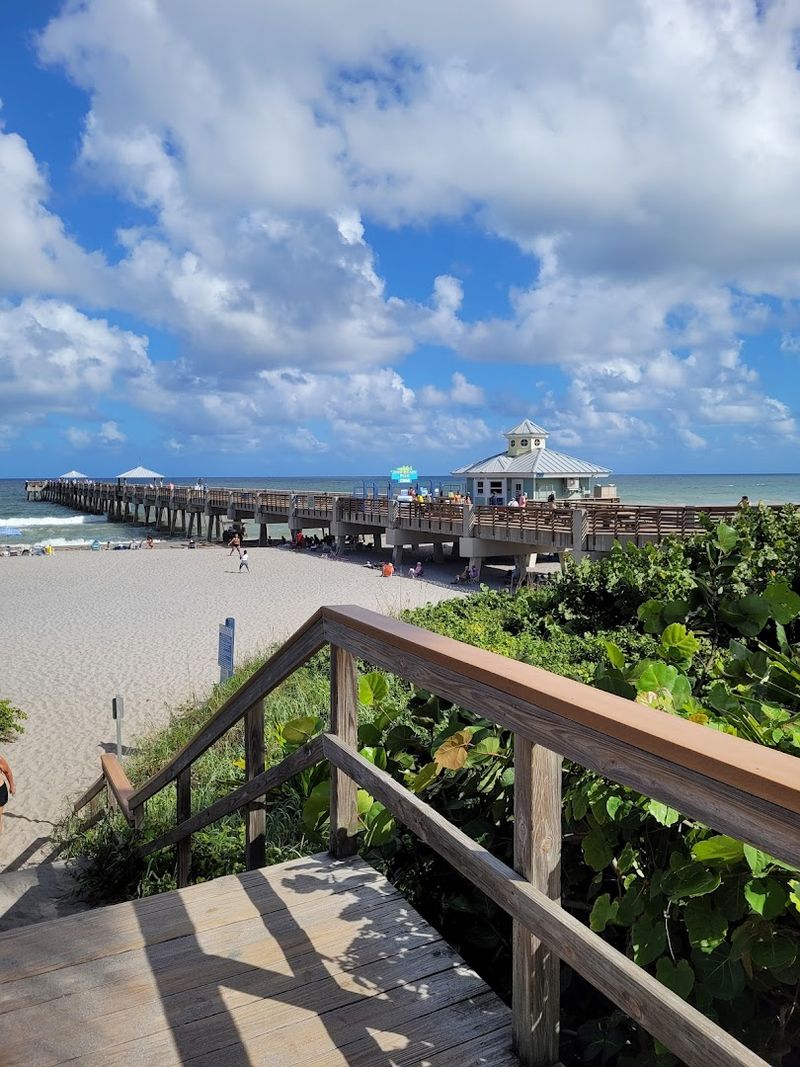
Few towns take sea turtle season as seriously as this small Florida community, where conservation is practically a civic religion.
Juno Beach sits along one of the most productive sea turtle nesting stretches on the entire Atlantic coast, drawing loggerhead, green, and leatherback turtles each year between March and October.
The Loggerhead Marinelife Center, located right in town, is a major hub for turtle research, rescue, and rehabilitation. Visitors can tour the facility, watch veterinary staff care for injured turtles, and even attend guided nighttime beach walks during nesting season.
On a busy night, rangers might spot dozens of turtles coming ashore to dig their nests. Each female loggerhead can lay multiple clutches per season, making the numbers here genuinely impressive.
The town itself is small and walkable, with a relaxed coastal vibe that suits a nature-focused visit perfectly. Parking near the beach is manageable, and the center offers family-friendly programs throughout the summer.
2. Melbourne Beach, Florida
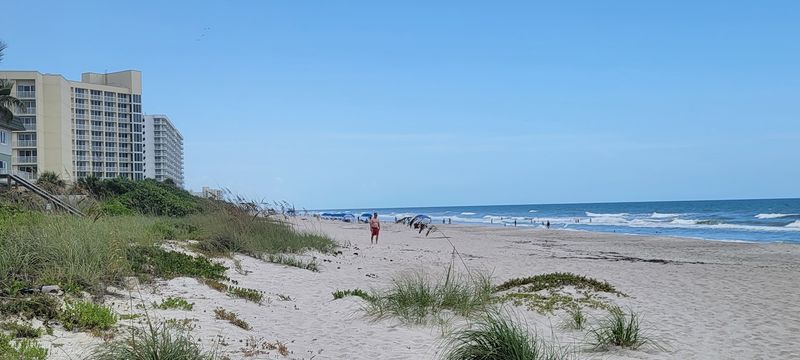
Somewhere between 8,000 and 20,000 sea turtle nests appear on this stretch of Florida coastline every single year, making it one of the most turtle-dense beaches on the planet.
Melbourne Beach sits within the Archie Carr National Wildlife Refuge, a federally protected strip of shoreline named after the biologist who first documented its extraordinary importance to sea turtles.
Loggerheads dominate the nesting activity here, but green turtles have been increasing their presence in recent decades, which researchers consider a positive sign for population recovery.
The town itself has managed to maintain a low-key, residential feel despite its global conservation status. There are no massive resort complexes crowding the beachfront, which is exactly the kind of condition nesting turtles prefer.
Guided turtle walks run during nesting season and are organized through local conservation groups. Spots fill up quickly, so booking ahead is strongly recommended if you want a front-row seat to one of nature’s most reliable annual events.
3. Vero Beach, Florida
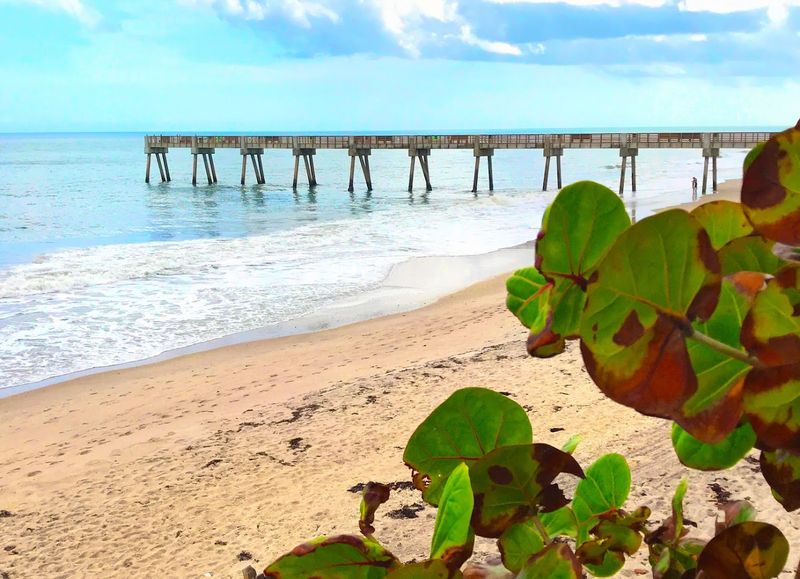
Turtle tracks crisscross the sand at Vero Beach each summer like a secret language that only marine biologists and early-rising beachgoers get to read.
This Indian River County community offers wide, relatively undeveloped beaches that attract nesting loggerhead, green, and leatherback turtles on a consistent annual basis. The combination of protected habitat and active local conservation efforts has helped keep nesting numbers strong here for decades.
The Sea Turtle Preservation Society operates in the area and coordinates volunteer monitoring programs, nest protection, and public education events throughout the season.
Vero Beach also has a relaxed, small-town quality that sets it apart from busier Florida resort destinations. The downtown area has local restaurants, art galleries, and a general sense that people here actually enjoy living somewhere unhurried.
For visitors who want to pair wildlife observation with a comfortable beach town experience, Vero Beach delivers on both counts without requiring a complicated itinerary or an early alarm clock set to an unreasonable hour.
4. Hilton Head Island, South Carolina
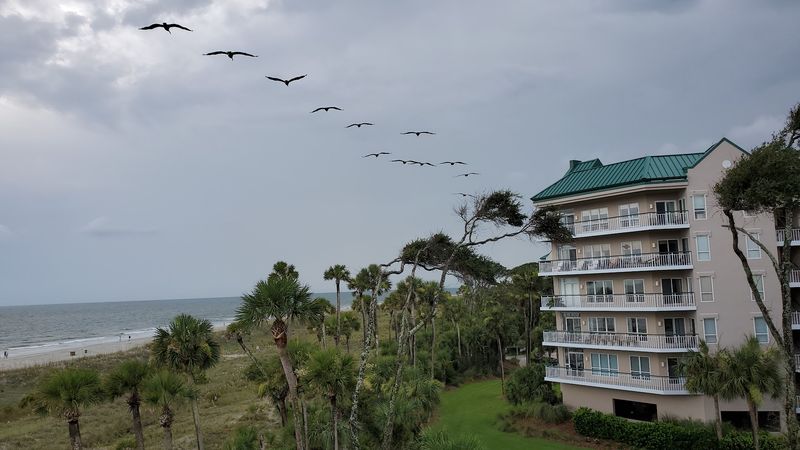
Most people associate Hilton Head with golf carts and resort packages, but every summer this island quietly doubles as one of South Carolina’s most important loggerhead sea turtle nesting grounds.
Female loggerheads have been returning to Hilton Head’s beaches for generations, drawn by the same instinct that brought their mothers and grandmothers here before them. The South Carolina Department of Natural Resources and local volunteer teams monitor nests carefully throughout the season, which typically runs from May through October.
The island’s Sea Turtle Patrol program has been active since 1983, making it one of the longest-running community-based turtle conservation efforts in the state. Volunteers walk the beach at dawn to locate and mark new nests before beachgoers arrive for the day.
Nest counts on Hilton Head regularly exceed 200 per season, which is a meaningful number for a single island. Visitors who spot orange stakes and tape marking a nest site are asked to keep their distance and enjoy the moment from a respectful position.
5. Bald Head Island, North Carolina
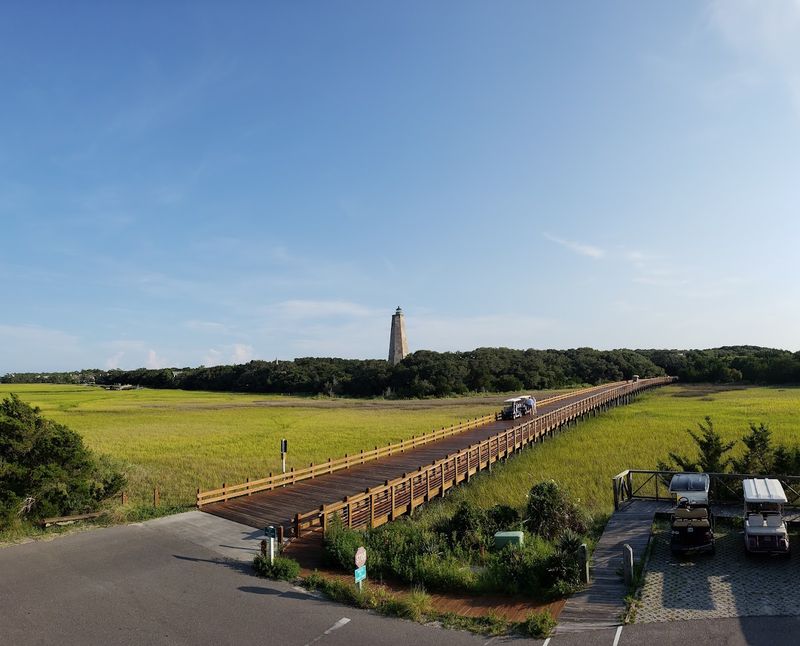
Getting to Bald Head Island requires a ferry ride, and that small inconvenience turns out to be one of the best things that ever happened to the local sea turtles.
Because no cars are allowed on the island and access is limited, Bald Head has stayed far quieter and less developed than most barrier islands along the Carolina coast. That low-traffic environment creates ideal conditions for nesting loggerhead turtles, which return each summer to lay eggs on beaches that remain relatively undisturbed after dark.
The Bald Head Island Conservancy runs a respected sea turtle protection program that has been operating for decades. Staff and trained volunteers monitor every nest from laying through hatching, collecting data that contributes to broader regional conservation research.
The island itself moves at a pace that feels genuinely different from the mainland. Residents get around by golf cart or bicycle, and the maritime forest that covers much of the island provides habitat for a wide range of wildlife beyond just turtles.
6. Kiawah Island, South Carolina
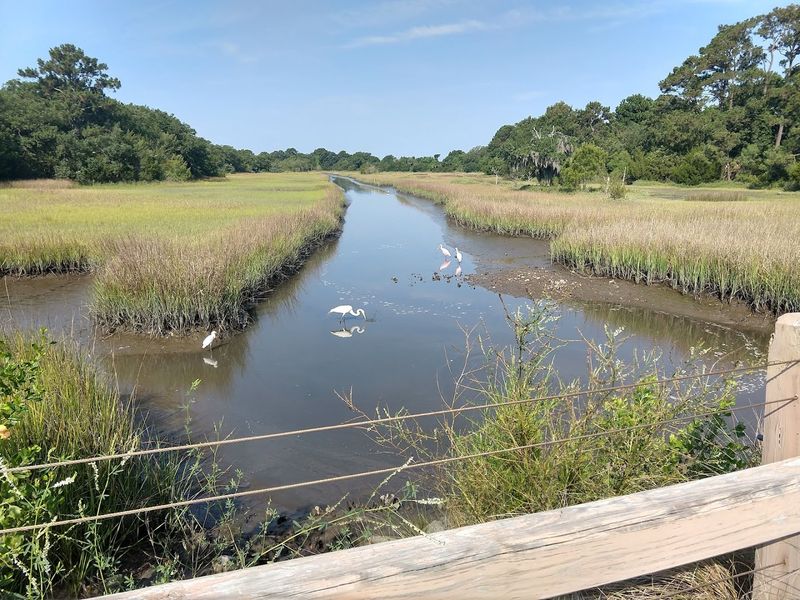
Kiawah Island has earned a reputation as one of the most ecologically managed resort islands on the East Coast, and its loggerhead turtle program is a big part of that identity.
The island’s beaches stretch for ten miles, offering ample nesting real estate for loggerhead turtles that arrive each summer in consistent numbers. Kiawah’s natural resource department maintains one of the most active nest monitoring programs in South Carolina, with staff tracking every clutch from deposit to hatch.
What makes Kiawah particularly interesting is how turtle conservation gets woven into the resort experience rather than treated as a separate concern. Property owners follow strict lighting guidelines to avoid disorienting hatchlings, and educational signage along the beach paths keeps visitors informed about what they might encounter.
Nest counts here regularly reach into the hundreds each season. The combination of carefully managed development, active conservation programs, and pristine beachfront habitat has made Kiawah a genuine success story in the ongoing effort to protect loggerhead populations along the Atlantic coast.
7. Topsail Beach, North Carolina
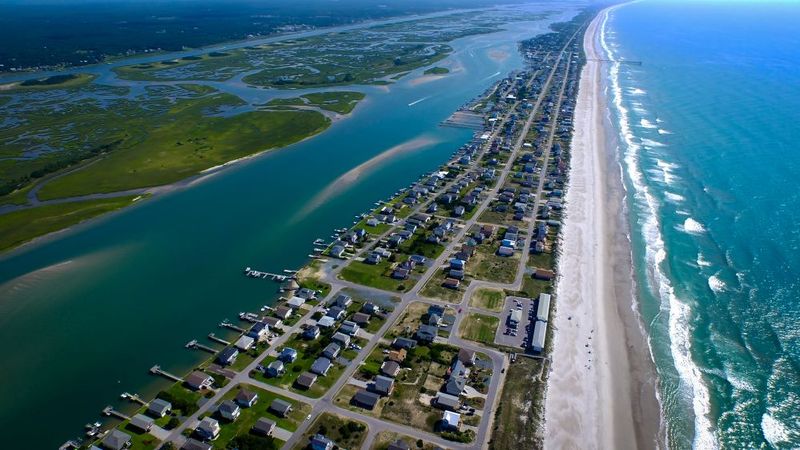
Topsail Beach punches well above its weight in the sea turtle world, largely thanks to one of the most dedicated rehabilitation centers anywhere on the Carolina coast.
The Karen Beasley Sea Turtle Rescue and Rehabilitation Center, located on Topsail Island, has been treating injured and sick sea turtles since the 1990s. Founded by the late Karen Beasley, the facility now operates a busy hospital that treats dozens of patients each year before releasing recovered turtles back to the ocean.
During nesting season, the island’s beaches see regular loggerhead activity, and volunteers from the center monitor nests and assist hatchlings that need a safe path to the water. Public tours of the rehabilitation facility are available during the summer months and give visitors a close look at the medical care involved in turtle conservation.
The town of Topsail Beach itself is unpretentious and quiet, the kind of place where families return year after year. That loyalty to simplicity, it turns out, suits the turtles just as well as it suits the humans.
8. South Padre Island, Texas
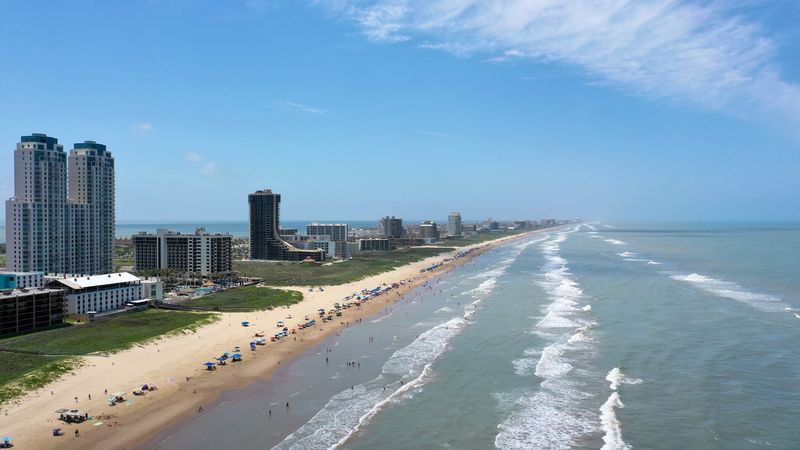
South Padre Island holds a special place in sea turtle conservation history because it is one of the primary recovery sites for the Kemp’s ridley, the rarest sea turtle species in the world.
The Kemp’s ridley was once pushed to the edge of extinction, with a single 1947 film documenting an estimated 40,000 turtles nesting on one Mexican beach in a single day. By the 1980s, that number had collapsed to just a few hundred.
Decades of binational conservation work between the United States and Mexico have slowly rebuilt the population, and South Padre Island is a key part of that story.
Sea Turtle Inc., based on the island, operates a rescue and rehabilitation center that treats injured turtles and runs extensive public education programs. The facility welcomes visitors year-round and is one of the most accessible turtle centers in the country.
The island’s broad Gulf beaches and warm shallow waters provide good habitat for multiple turtle species beyond the Kemp’s ridley, making it a rewarding destination for anyone interested in marine wildlife.
9. Akumal, Quintana Roo, Mexico
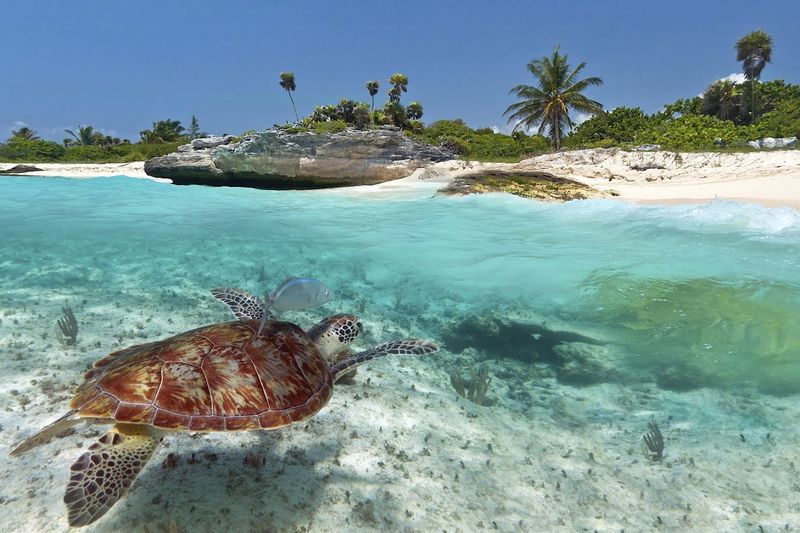
The name says it all: Akumal translates from the ancient Maya language as “Place of the Turtles,” and the town has been living up to that name for a very long time.
Located along Mexico’s Caribbean coast between Cancun and Tulum, Akumal is best known for the green sea turtles that feed on seagrass beds in its shallow bay. These turtles are present throughout much of the year, not just during nesting season, which makes the town one of the more reliably turtle-rich destinations on this list.
Nesting activity occurs along the beaches at night, while daytime visitors often encounter turtles while snorkeling in the bay. Local regulations require snorkelers to keep a respectful distance and avoid touching the animals, rules that are actively enforced by guides and conservation staff.
10. Tortuguero, Limón Province, Costa Rica
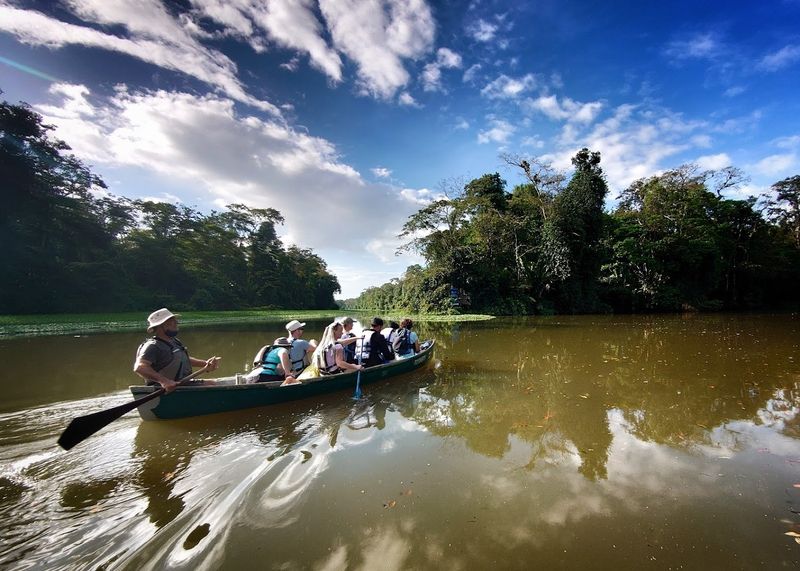
There are no roads into Tortuguero, which is either an adventure or an inconvenience depending on your perspective, but the turtles clearly approve of the arrangement.
This remote Caribbean village is accessible only by boat or small plane, and its isolation has helped protect the beaches that host the largest green sea turtle nesting colony in the Western Hemisphere. Tens of thousands of green turtles arrive between July and October, along with leatherback turtles that nest earlier in the year.
Tortuguero National Park, established in 1975, protects the nesting beaches and the surrounding network of canals and rainforest. Guided nighttime beach tours are strictly regulated, with small group sizes and no flash photography allowed, ensuring the turtles are not disturbed during the nesting process.
The village of Tortuguero has developed a modest but functional tourism infrastructure, with guesthouses, local guides, and boat tour operators.
11. Mon Repos, Bundaberg, Queensland, Australia
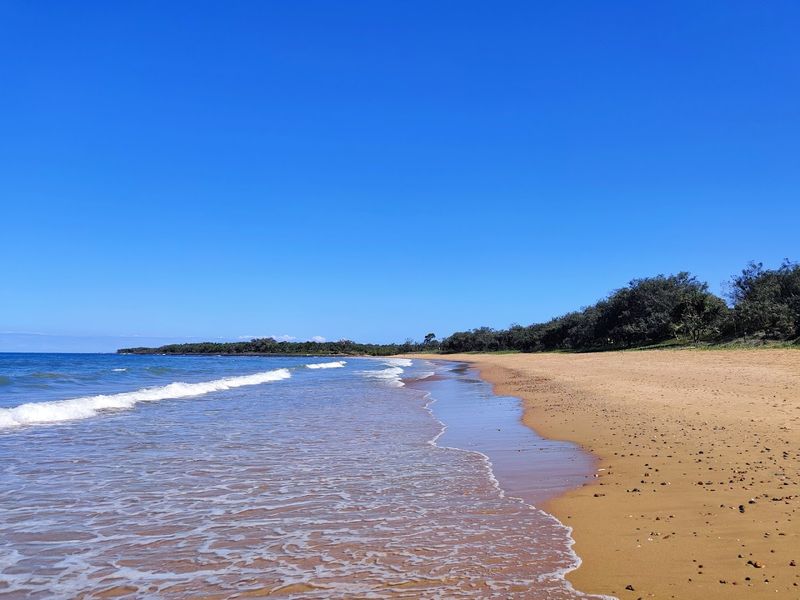
Australia’s most significant loggerhead turtle rookery sits not on some remote, uninhabited coastline but within easy driving distance of the city of Bundaberg, which makes it one of the most accessible major nesting sites in the world.
Mon Repos beach hosts the largest concentration of nesting loggerhead turtles on Australia’s east coast, with females arriving each year between November and March to lay their eggs. The same beach also sees hatchlings emerging from December through April, meaning the site stays active for an extended stretch of the southern hemisphere summer.
Queensland Parks and Wildlife Service manages a carefully structured visitor program that allows small groups to observe both nesting and hatching under ranger supervision. Tickets are required and sell out well in advance, particularly for the hatching season when demand peaks sharply.
12. Jurabi Coastal Area, Exmouth, Western Australia
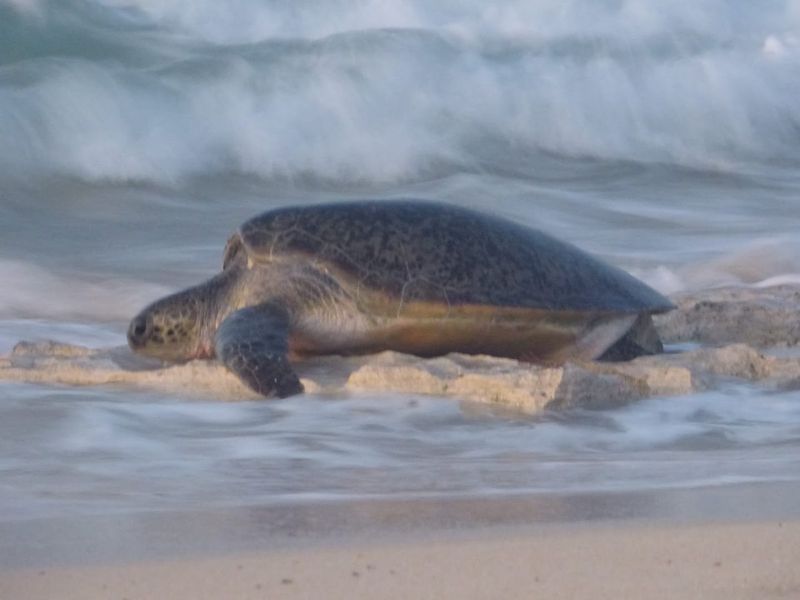
Western Australia’s Ningaloo Coast is already famous for whale sharks, but the sea turtle nesting activity near Exmouth deserves equal billing in any honest wildlife itinerary.
The Jurabi Coastal Park, situated just north of Exmouth on the Ningaloo Coast, provides nesting habitat for three turtle species: loggerhead, green, and hawksbill. All three return annually, making Jurabi one of the more species-diverse nesting areas covered in this article.
Green turtles typically nest between November and March, while loggerheads peak slightly earlier in the season. The Department of Biodiversity, Conservation and Attractions manages the area and runs organized turtle-watching tours during the nesting season, with strict protocols in place to minimize disturbance.
Exmouth itself is a small, functional town that serves as the main gateway to the Ningaloo Marine Park.
13. Praia Do Forte, Bahia, Brazil
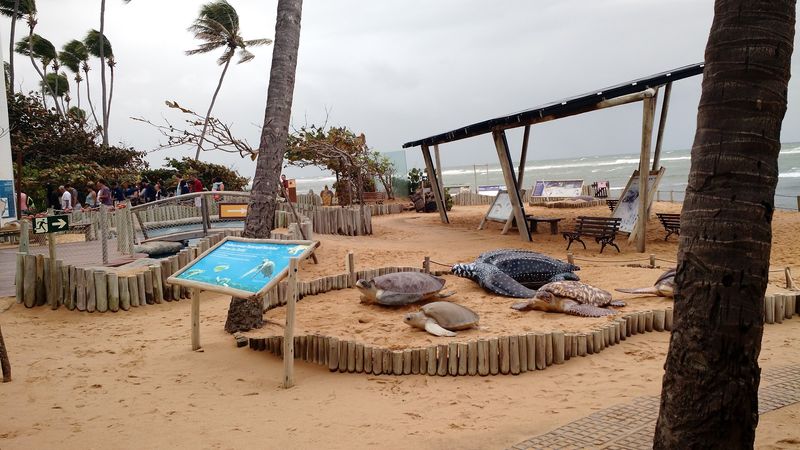
Brazil has its own sea turtle superhero story, and Praia do Forte is where much of it gets written each year.
This coastal village in Bahia state is the headquarters of Projeto Tamar, a conservation program launched in 1980 that has since protected more than 13 million hatchlings across Brazil’s coastline. The Praia do Forte base includes a visitor center, research facilities, and open tanks where rescued turtles can be observed up close.
Five of the world’s seven sea turtle species nest on Brazilian beaches, and several of them use the coastline around Praia do Forte. The nesting season runs from September through March, with hatchlings emerging through April.
The town itself has grown considerably since Projeto Tamar first set up operations here, and it now has a lively mix of restaurants, craft shops, and beach tourism. Despite that growth, conservation remains central to the local identity in a way that feels genuine rather than just decorative.
Share this story