 Unearth The Voyage
You stand at the edge of a coastline where mountains rise like a sudden memory, taller than you expect and older than the maps that tried to tame them. In the Sierra Nevada de Santa Marta, Colombia, the horizon bends around a sacred geometry the modern world barely understands. A mountain tribe stepped forward after centuries of silence, not seeking rescue, but to deliver a warning you cannot afford to ignore. Listen closely, because what happens here echoes everywhere.
1. The World’s Highest Coastal Mountain Range
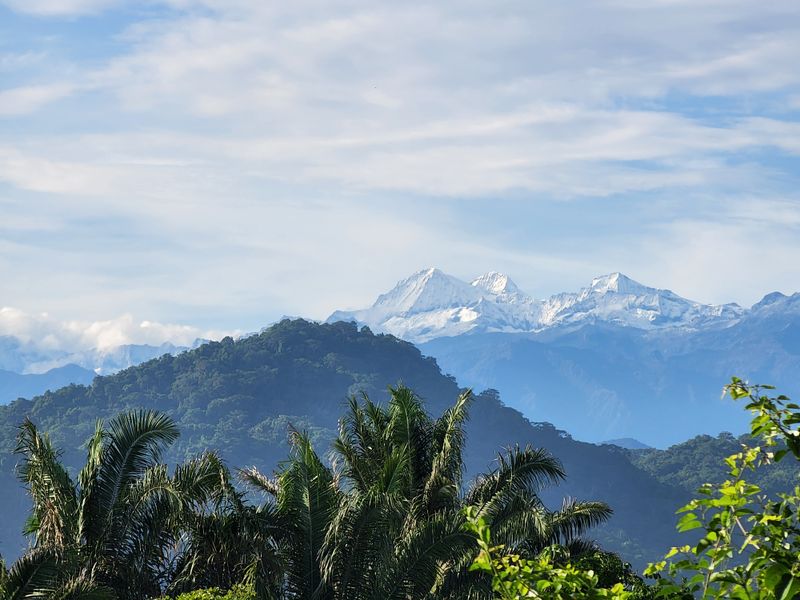
You look up from the Caribbean shore and the mountains answer like a wall of sky. The Sierra Nevada de Santa Marta rises abruptly to 5,730 meters, compressing climates from coral light to alpine silence in a single sweep. Every switchback feels like crossing continents without leaving sight of the sea.
Ridges fold into valleys where clouds cradle forests that breathe water back into rivers. Glaciers whisper to mangroves, and the coastline listens for storms. The altitude gradient packs biodiversity into tight vertical neighborhoods, each one fragile and irrepeatable.
Walk a few hours and your lungs learn a new language. You pass bromeliads, then elfin forests, then rock and ice where condors circle like old thoughts. Here the Earth shows its bones, and you feel how thin the distance is between abundance and loss.
2. Home of the Kogi People
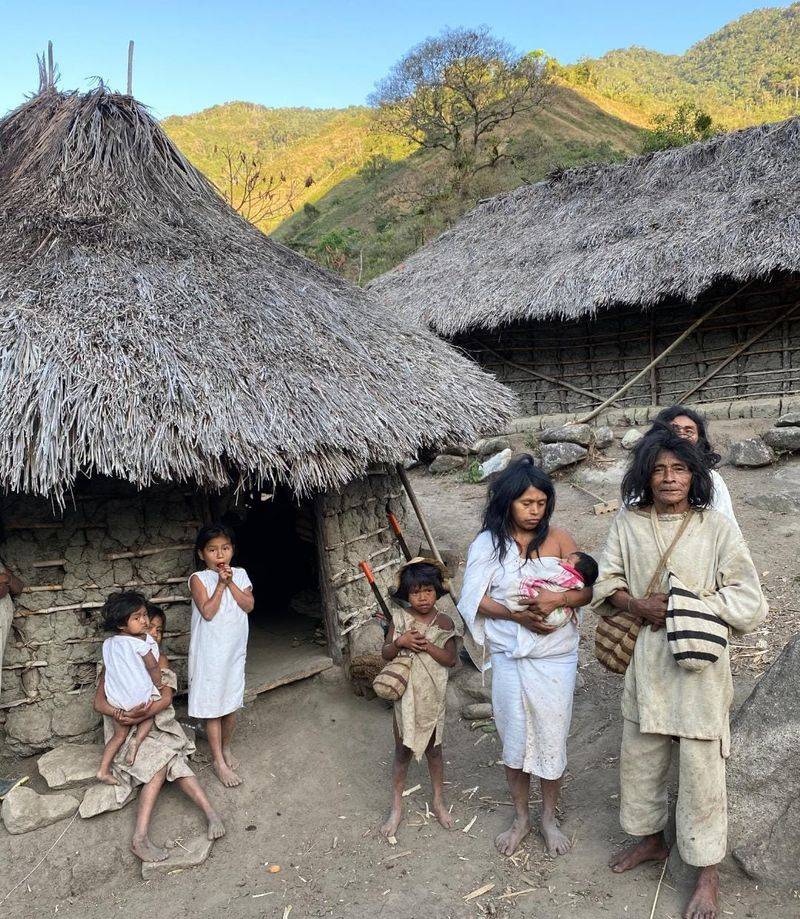
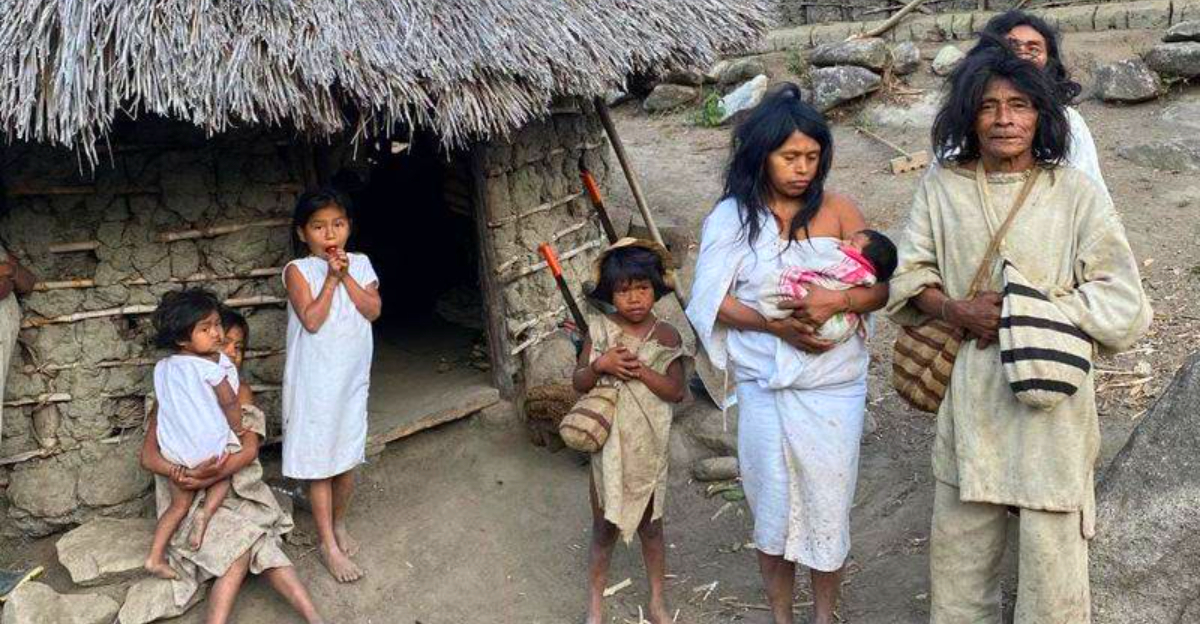
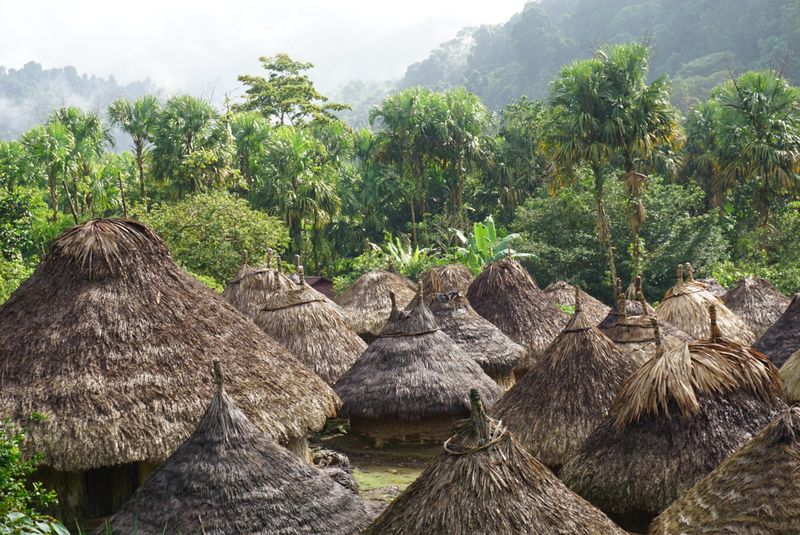
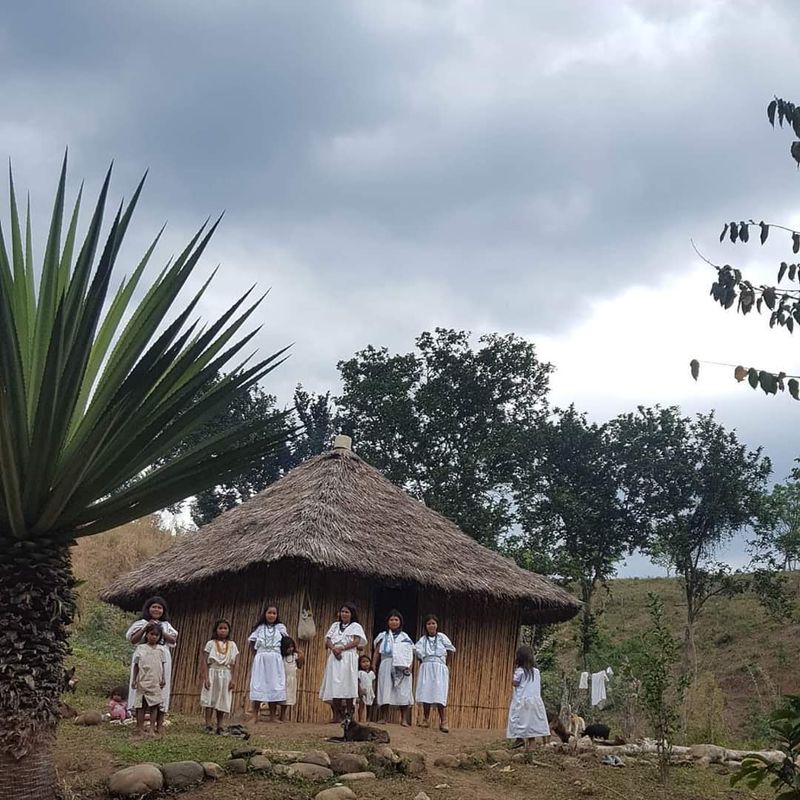
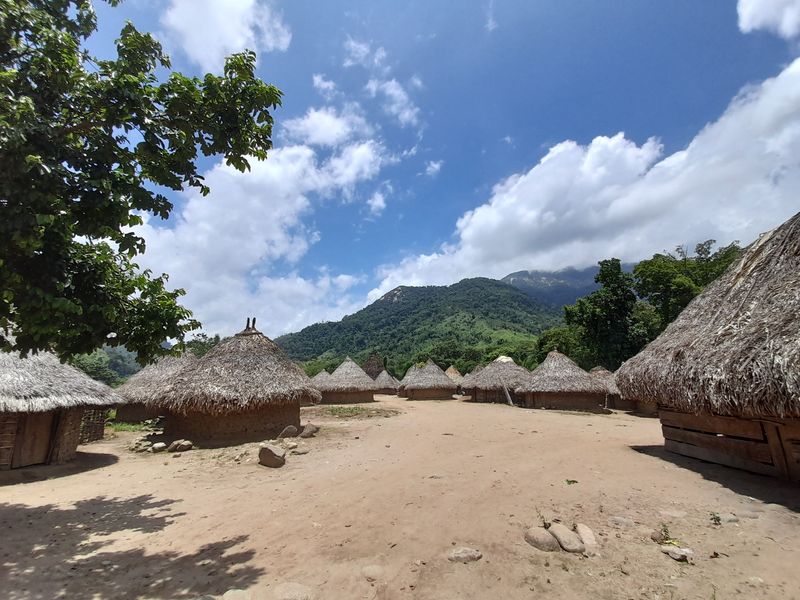
High in these slopes live the Kogi, guardians who stitch daily life to sacred duty. Their villages curve with the land in circles that echo the sun and stars. White garments reflect purity and intention, and every thread of a mochila records a teaching.
You meet silence before words, then a cadence shaped by rivers and stones. The Kogi do not separate house from mountain, water from memory, or work from ceremony. Everything is part of one steady conversation with the living world.
Children learn by walking, listening, and tending fires that hold stories. Elders guide decisions with offerings that keep balance in place. When you stand among their homes, you sense how architecture can be a prayer and how belonging can be measured in breath, not borders.
3. Over 500 Years of Isolation
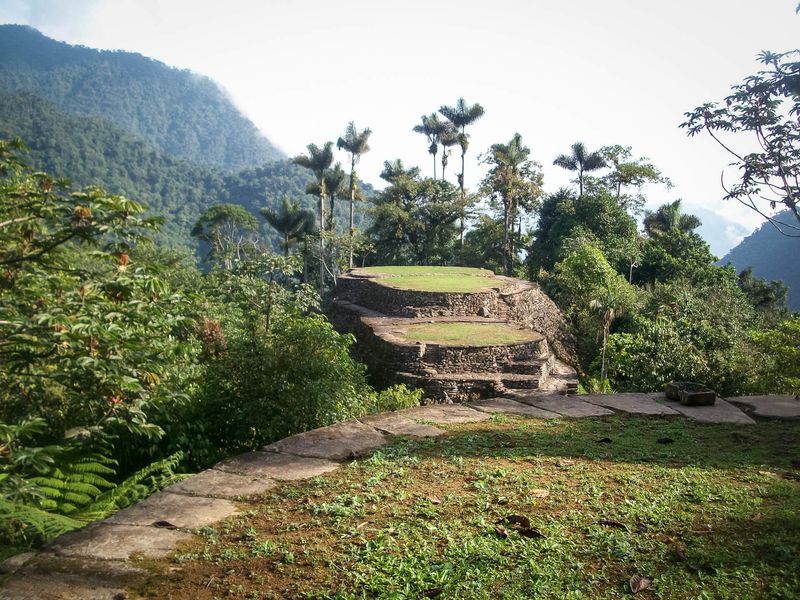
After conquest shattered the Tairona world, the survivors climbed away from the noise. The Kogi wove distance into protection, layering valleys, rivers, and taboo boundaries between themselves and outsiders. Isolation became a medicine that let culture, ceremony, and memory keep breathing.
For centuries, paths remained unmarked to unfamiliar eyes. Messages moved by foot and moonlight, never by road. You can feel the long quiet in the stone stairways, smoothed by generations of careful steps and guarded by the forest’s green hush.
This was not retreat in fear, but refusal to forget. By staying hidden, the Kogi kept a different clock, one that measures responsibility rather than speed. When you imagine five hundred years of near silence, consider how loud the mountains must have sounded, and how clearly warnings would form.
4. The Mountains as the “Heart of the World”
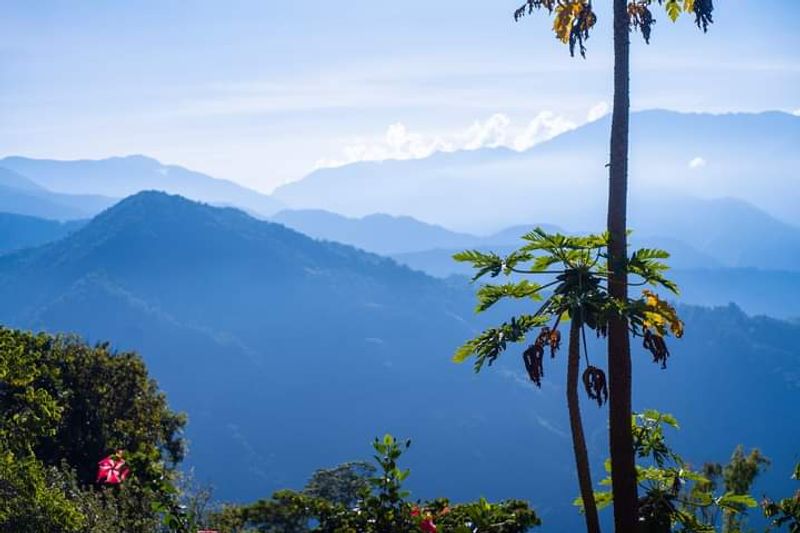
The Kogi call these mountains the Heart of the World, where rivers pulse like arteries toward the Caribbean. From glaciers to mangroves, each ecosystem beats in rhythm, sending life outward. You feel it in the hush before dawn, when water gathers its breath and the air waits.
Here, sickness in one place weakens another. A cut forest lowers a river’s voice. A poisoned stream interrupts the sea’s memory. The Kogi listen for irregular rhythms and answer with offerings to re tune the balance.
Standing at a ridge, you sense a map that is not drawn but felt. The heart is not metaphor to them. It is geography and responsibility braided together. If this heart falters, they say, the world forgets how to heal.
5. “Elder Brothers” and “Younger Brothers”
In Kogi teachings, they are the Elder Brothers, caretakers who remember original agreements with the Earth. Outsiders are the Younger Brothers, energetic and inventive, but careless with boundaries. You hear this not as insult, but as an invitation to grow up.
The Elder Brothers maintain balance through ritual payment to rivers, stones, and peaks. Younger Brothers take without asking, then wonder why storms answer sharply. The language is simple and sharp, so you cannot pretend to misunderstand.
When you sit beside a fire and listen, you notice how responsibility sounds like guidance, not domination. Elder and Younger are roles, not ranks. The mountains ask everyone to mature, to learn restraint, and to answer for the footprints left behind.
6. Ending Isolation for a Warning
In the late 1980s, the Kogi stepped out of protective quiet to deliver a message. They did not seek aid, clinics, or roads. They asked for listening. You can picture the moment, mountains watching as leaders chose words like medicine.
The warning was clear: the balance was breaking. Rivers ran thinner. Forests lost shade. Glaciers retreated. The Heart of the World was showing signs of strain that Younger Brothers refused to see.
By ending isolation, they risked noise, curiosity, and intrusion. Still, they came forward because silence was becoming dangerous. If you heard them then, you were asked to change. If you hear them now, the request has only grown more urgent.
7. A Message, Not Modernity
The Kogi did not come asking for gadgets or grids. They came with a diagnosis and a remedy made of restraint, attention, and ritual payment. You are urged to use technology to stop harm, not to deepen appetite.
They spoke about taking only what can be repaid, and leaving space for rivers to remember their paths. Modern comforts were not the point. Relationship was. The message sounded old because it was tested longer than any market cycle.
If you listen closely, you hear a consistent ask. Slow down extraction. Restore corridors. Respect the thresholds of mountains and sea. The Kogi did not sell wisdom. They returned it to its source and asked you to carry it carefully.
8. The Role of Alan Ereira
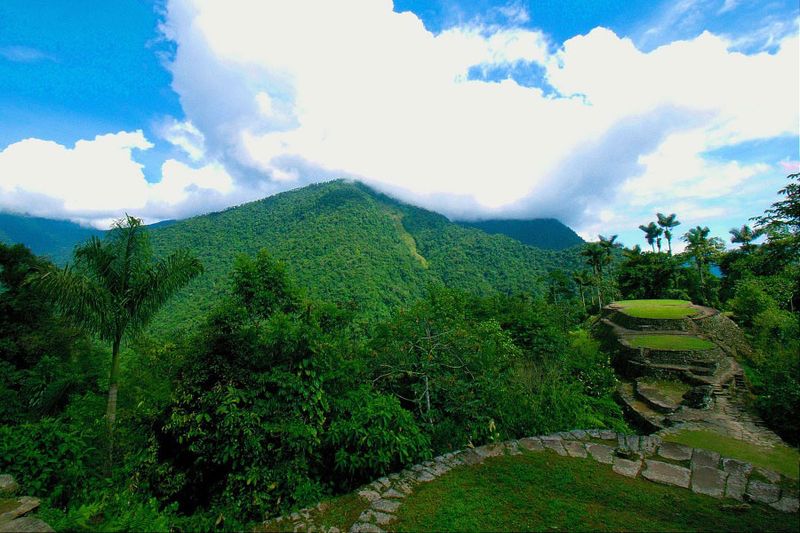
British filmmaker Alan Ereira heard the Kogi call and followed the path with care. His camera became a bridge, not a spotlight. You see him listening more than speaking, learning protocols, and accepting limits set by Mamos.
The book The Heart of the World and the documentaries carried the warning far beyond the ridgelines. Suddenly, living cosmology met living rooms. People saw glaciers, rivers, offerings, and a people asking for restraint.
It was a fragile alliance built on trust. Ereira kept returning the story to its owners and honored boundaries many would ignore. Because of that discipline, the message traveled without losing its center.
9. A Symbolic Closing of the Bridge
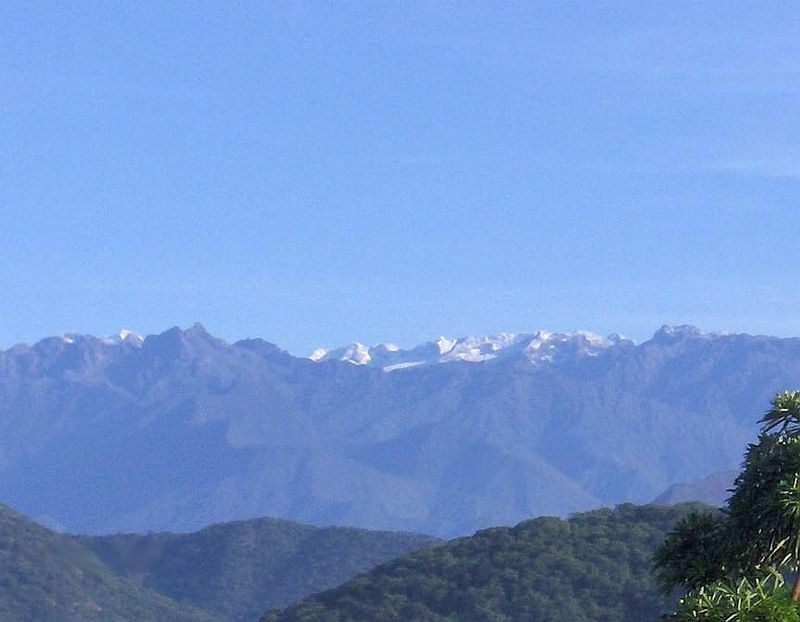
After filming, the Mamos closed a bridge with ceremony, tying threads and words across wood and water. The meaning was unmistakable. Outsiders should not return, except to fulfill one promise: to show the completed film.
You can feel the gravity in that gesture. A bridge usually invites crossing. This one asked for restraint. It was a boundary drawn to protect the heartbeats of rivers and villages from swelling curiosity.
When Ereira returned only to screen the work, the circle held. The ritual kept purpose above spectacle. It reminds you that access without alignment is not a gift. It is a wound waiting to open.
10. Fame Brought Unwanted Attention
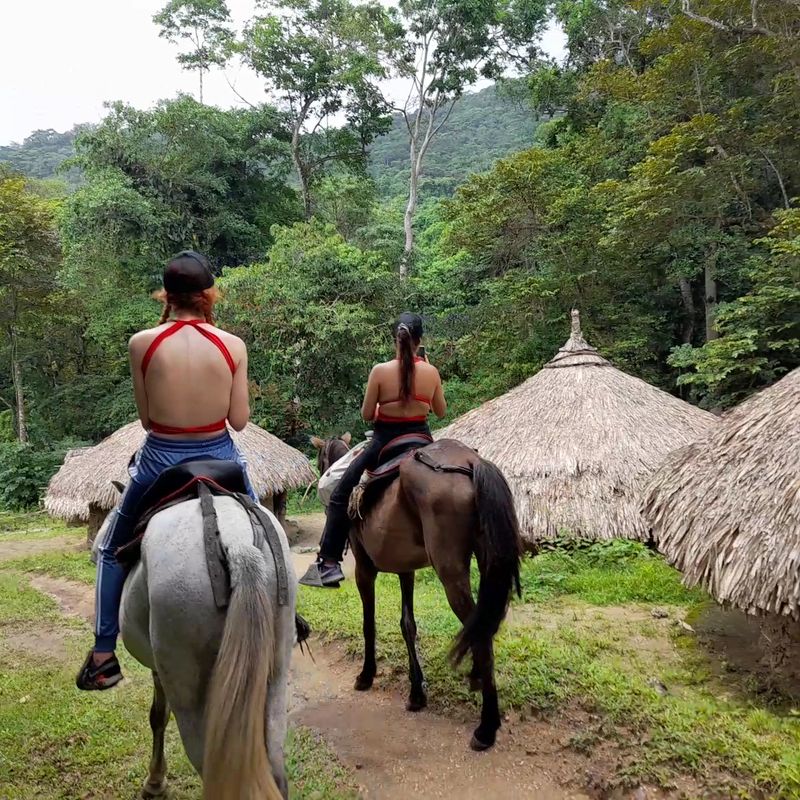
Attention arrived like a rush of boots on soft ground. Tourists, seekers, and scholars came chasing images instead of relationships. You can see the strain in trampled paths and crowded riverbanks where silence once gathered.
Even good intentions weighed heavy. Curiosity often asked for selfies, not consent. The warning spread, but so did extraction in subtler forms. The mountains felt the buzz before they felt relief.
This is the paradox of visibility. When a sacred place is seen, it risks being consumed. The Kogi asked for listening, not spectacle. Your task becomes learning how to witness without taking more than you are invited to hold.
11. Strict Limits on Visitors
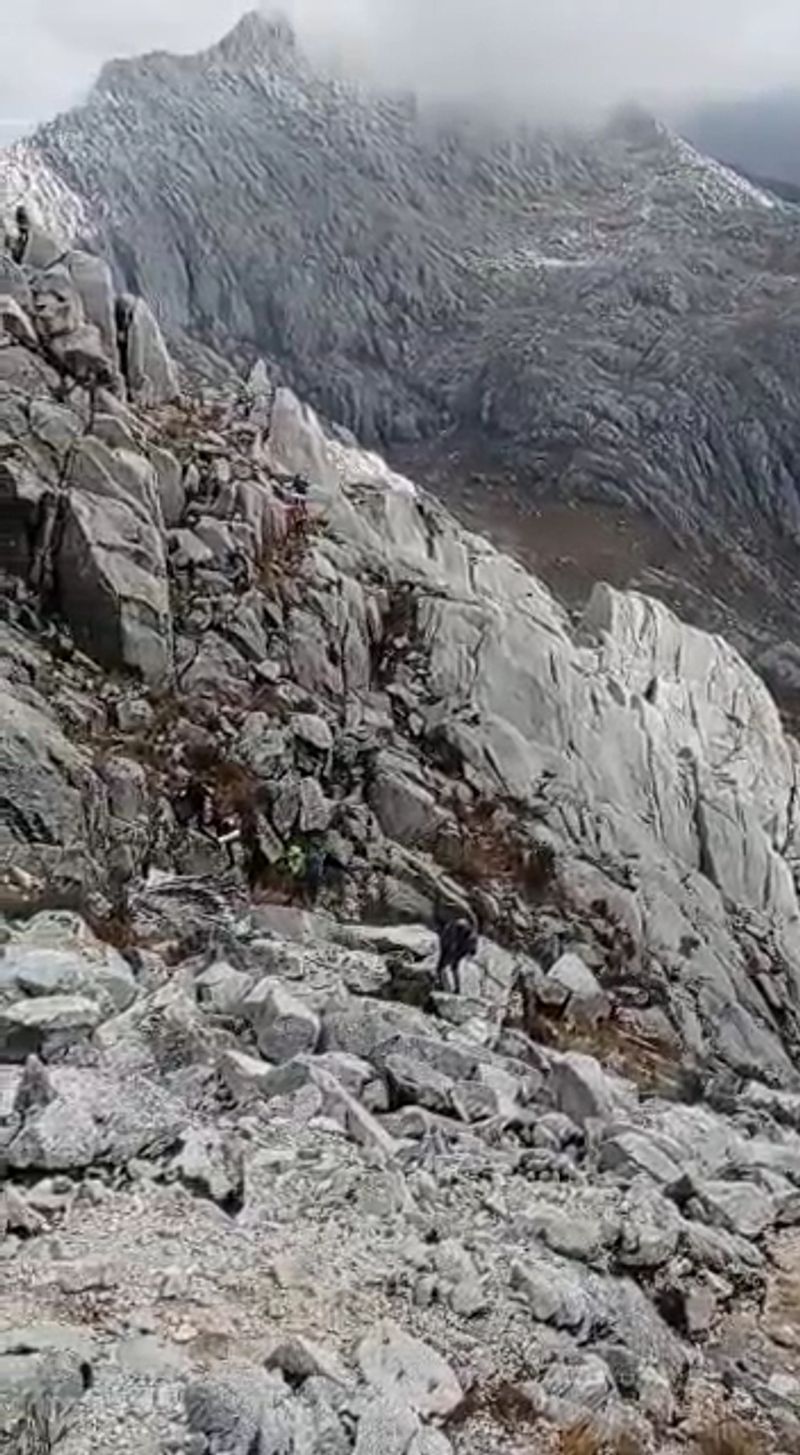
In response, the Kogi narrowed the doorway. Only a few trusted outsiders enter, and only for work that protects the land. You imagine arriving with humility, carrying questions lightly and leaving with fewer belongings than you brought.
Visits follow protocols shaped by ceremony, not convenience. Every step is accounted for. Every photograph is a responsibility, not a souvenir. The goal is to reduce noise so the mountains can keep speaking.
When limits are clear, respect grows. Scholars, linguists, and ecologists collaborate under guidance, not control. You realize that permission is not access. It is a contract to care for what you touch and to leave no shadow behind.
12. Indigenous Governance Through OGT

The Gonawindúa Tayrona Organization, OGT, coordinates access and defends territory. Their work threads law, culture, and ecology into one shield. You can picture maps spread on a table while elders and youth decide how to protect headwaters.
OGT manages permits, monitors research, and negotiates with agencies to keep the Heart of the World intact. Governance here looks like foot patrols, river offerings, and careful paperwork. It is spiritual and administrative at once.
When you follow their lead, you see how sovereignty becomes conservation in practice. Outsiders do not set the terms. OGT does, on behalf of the mountains. That clarity keeps the center from drifting.
13. A Biodiversity Hotspot
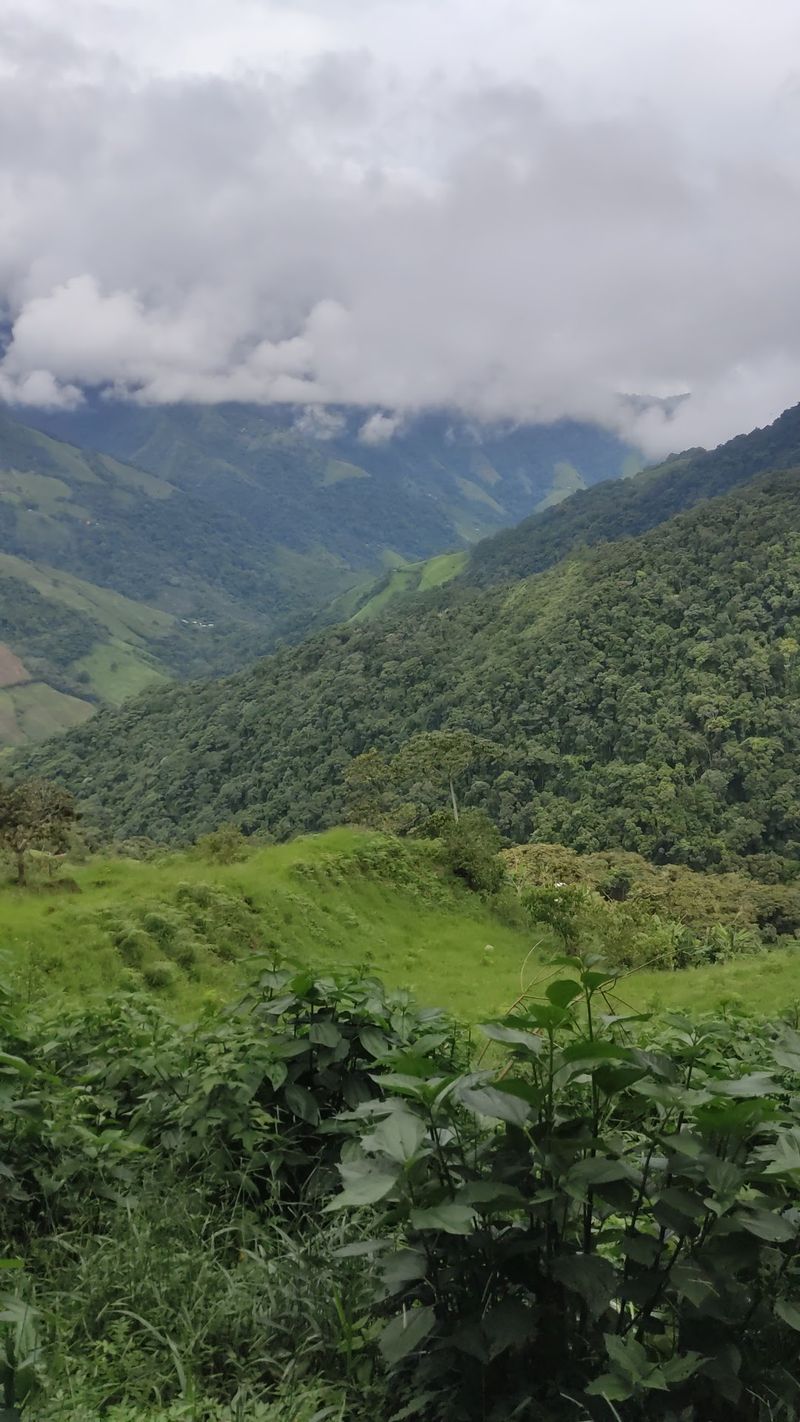
These slopes hold crowded wonders. Over 600 bird species lift from canopy to sky, including 36 that exist nowhere else. You hear their names like bright bells at dawn, and the forest answers with orchids, frogs, and insects stitching life between leaves.
Mammals move the night: ocelots in shadow, howler monkeys calling rain, tapirs carving paths through wet soil. Every altitude writes a new chapter, from mangroves breathing salt to páramo moss cradling water.
When you pause, the air seems layered with pollinators and seeds in transit. Biodiversity is not a statistic here. It is a daily negotiation among species, moderated by water and time. Your footsteps should be soft enough not to interrupt the conversation.
14. International Recognition
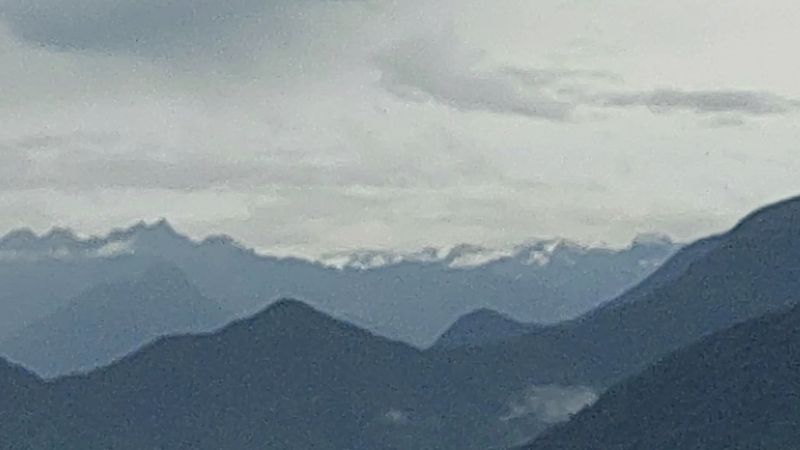
Global institutions took notice. UNESCO named the region a Biosphere Reserve, acknowledging the living link between culture and conservation. Later, IUCN called it the most irreplaceable site for endangered species. You sense the weight of those words on the ridgelines.
Recognition can bring allies and funding, but it also brings more eyes. The challenge is turning accolades into protection without opening doors too wide. The mountains need guardians, not applause.
When you read those designations, remember the source. International praise should echo local authority. Let the Kogi and their organizations set the pace, while the world offers steady support rather than noisy celebration.
15. A Fragile Future
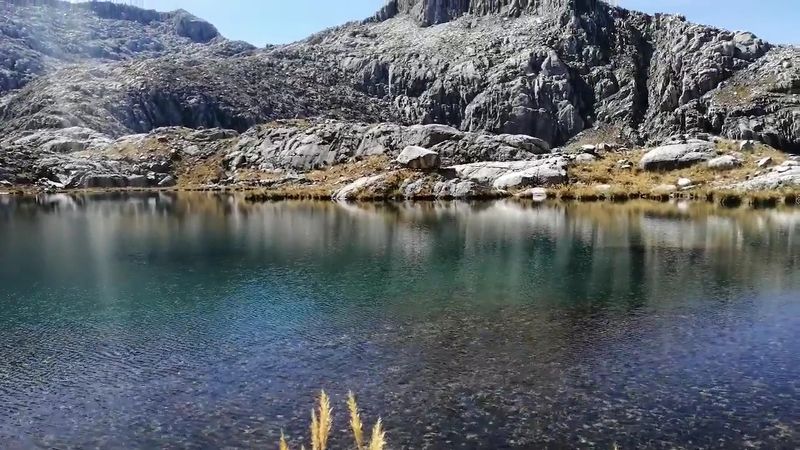
Despite titles and treaties, the Sierra Nevada has lost most of its original forest. Agriculture and cocaine economies cut scars that rivers struggle to heal. You can see glaciers thinning and dry seasons biting deeper into soil.
For the Kogi, these are symptoms of a sickened heart. The warning grows harder, not softer. Restore corridors. Replant headwaters. Stop poisoning the sea’s memory. Your choices downstream are surgeries on this mountain body.
The future is fragile but not empty. Protection works when guided by those who carry ancestral duties. If you listen and act with care, the Heart of the World might remember its rhythm, and the mountains may keep teaching longer than our urgency lasts.



