 Unearth The Voyage
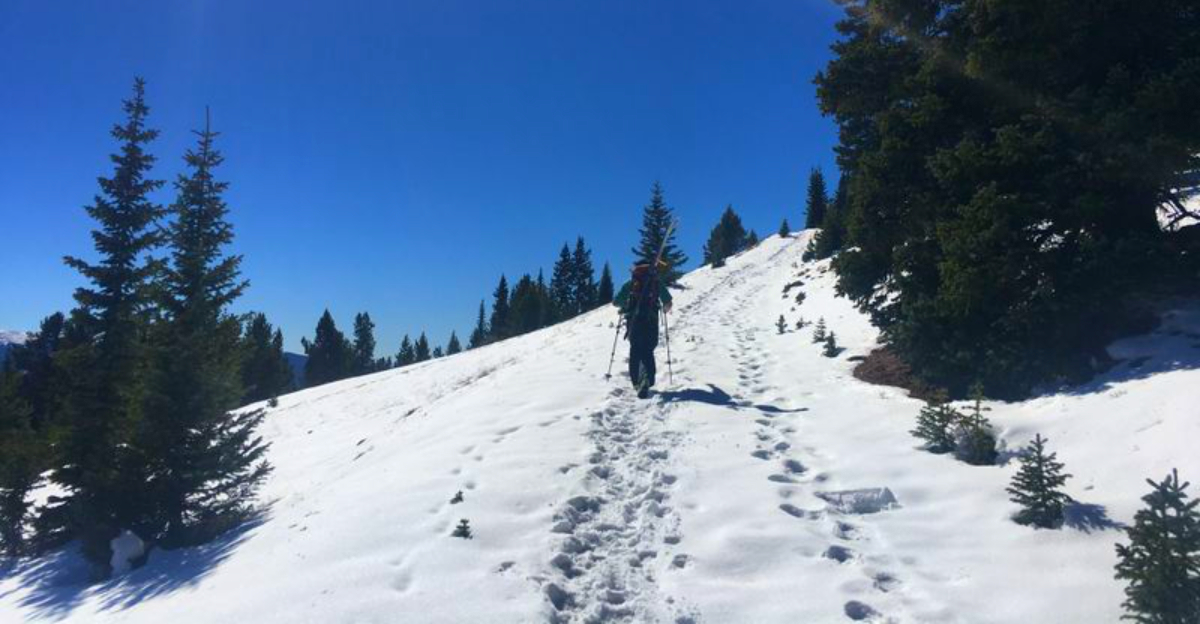
Tucked high above Grant, Colorado, the forgotten lifts of Geneva Basin whisper to anyone who craves untracked snow and a taste of history. You will not find crowds or cappuccino bars here, just wind-scoured ridgelines, resilient pines, and the bones of a once buzzing ski area. The quiet feels exciting, like you arrived before the chair started spinning, only this time it never will. If you are game for adventure, Geneva Basin is where your backcountry instincts wake up fast.
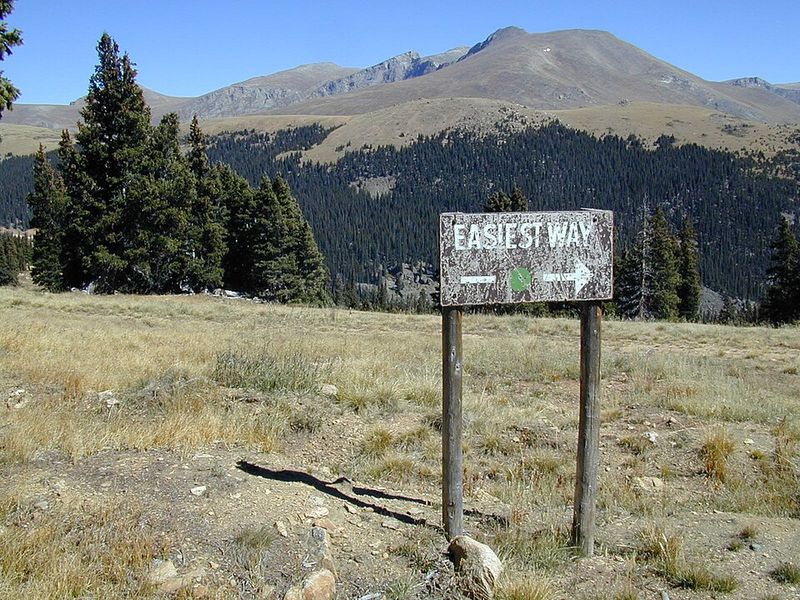
Geneva Basin opened in the 1960s and carved out a niche as a scrappy, high-elevation ski area above Grant, Colorado. Locals remember quirky lifts, big storms, and affordable tickets that drew families and powder diehards. Financial troubles and maintenance challenges mounted, eventually closing the resort and leaving its infrastructure to the elements.
Today, the place reads like a museum of mountain grit. You can spot remnants of towers, foundations, and weather-beaten signs that hint at a lively past. The silence adds weight, letting you imagine clattering chairs and laughter echoing across the basin.
Exploring the history helps you respect the terrain and the risks. Old avalanche paths remain, and the weather still swings fast. Approach the site as both a backcountry venue and a historical landmark, honoring what was while traveling smart and lightly.
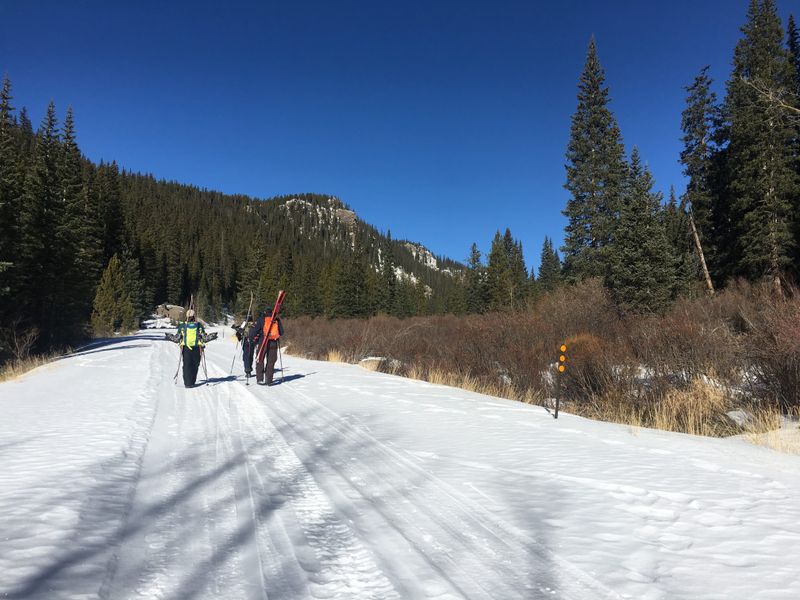
Geneva Basin sits near Grant, Colorado, off Guanella Pass Road, with winter access depending on snow and closures. Check county and Forest Service updates before you go, and plan extra time for icy switchbacks. A high-clearance vehicle with proper tires and chains can save your day when storms roll through suddenly.
Park only where allowed, leaving room for plows and emergency access. Do not block gates or private driveways, and respect seasonal restrictions. Cell service can drop, so download maps and waypoint the coordinates at 39.5692254, -105.7257485.
Keep the group compact and communicate the plan. If conditions deteriorate, turning around is a win, not a loss. A conservative approach at the trailhead often prevents bigger problems in the alpine, where wind and visibility can shift from manageable to unforgiving in minutes.
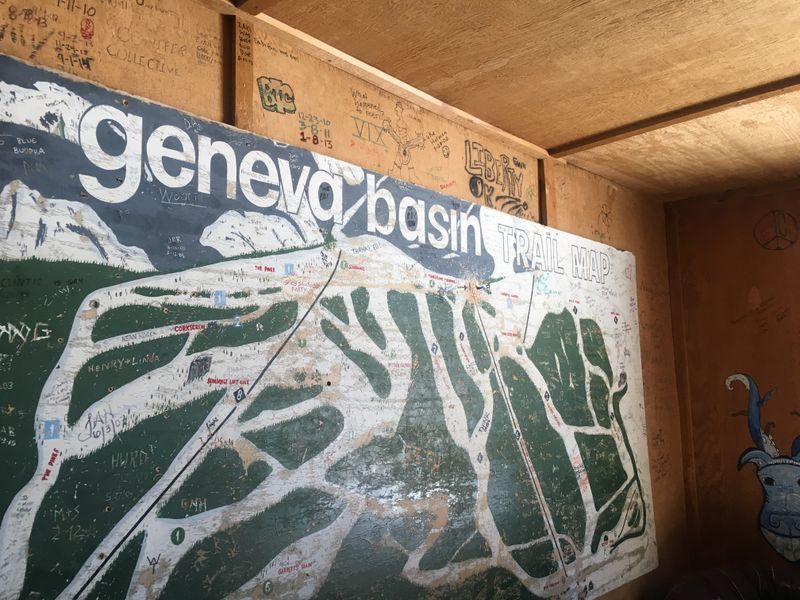
Geneva Basin offers treed glades, open bowls, and gullies that collect wind-loaded snow. The elevations and exposure mean frequent wind effect, so surfaces range from creamy chalk to slabby crust. Choose lines with escape options and conservative angles when instability spikes.
The old ski runs provide natural handrails for navigation, but do not assume former grooming equals safety. Many slopes exceed 30 degrees, and cross-loading can create tricky pockets above rollovers. Treeline transitions are especially sensitive after big storms or warm spells.
Scope from safe viewpoints and set clear uptracks. Space out on suspect pitches and use ridges when possible. If you are new to the area, start mellow, test the snowpack repeatedly, and treat Geneva Basin as a full-value alpine venue rather than a casual resort lap.
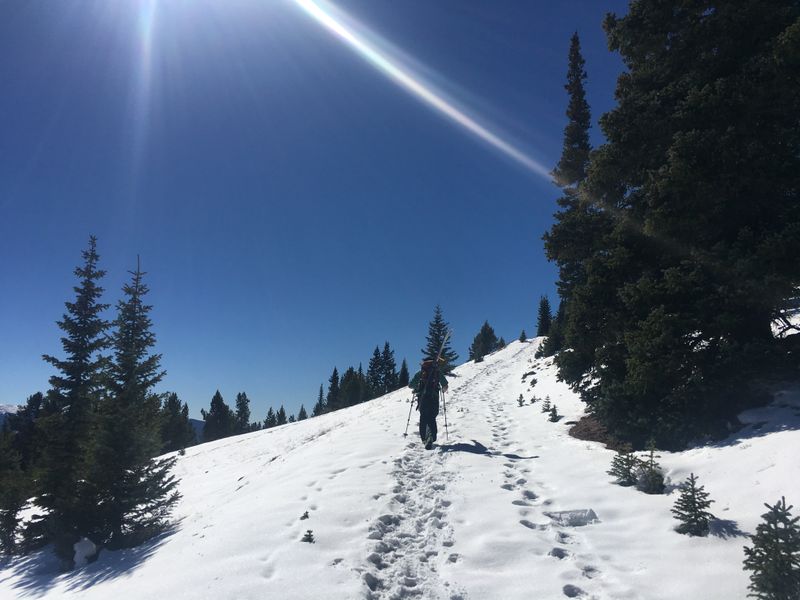
The snowpack near Geneva Basin shifts fast with wind and elevation. Before leaving home, read the Colorado Avalanche Information Center forecast and note problem types, elevations, and aspects. On site, dig quick pits, check for cracking, and watch how wind is transporting snow across ridges.
Travel one at a time through terrain traps, and regroup in islands of safety. Carry beacon, shovel, and probe, and know how to use them under pressure. Radios help maintain spacing and reduce confusion when visibility drops.
If you encounter red flags, dial back immediately. Lower angled trees can deliver satisfying powder without the same consequences. Your goal is to come back with good stories, not scares, so let conditions dictate your ambitions rather than the other way around.
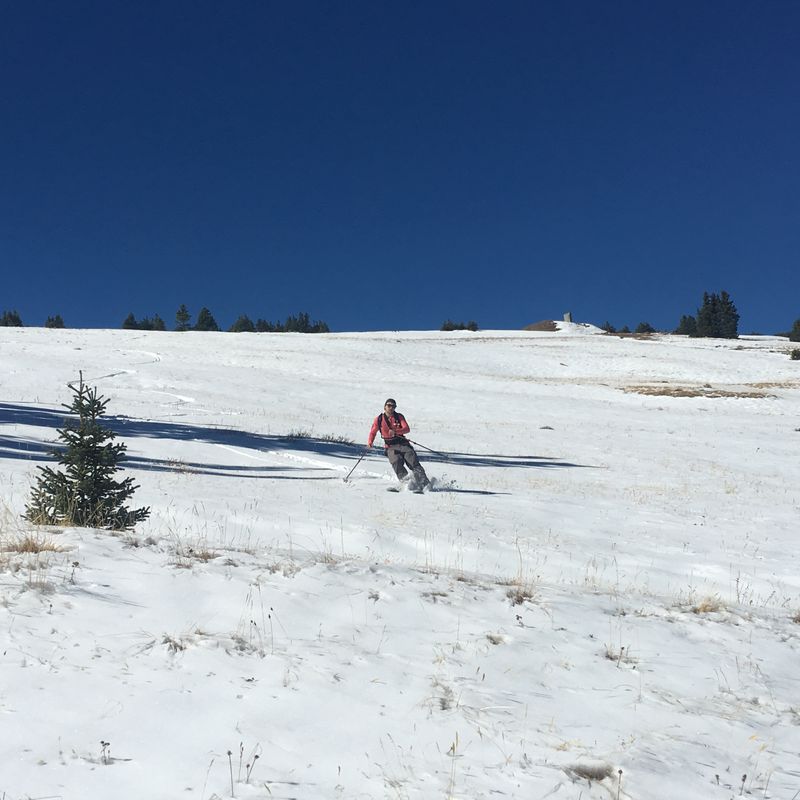
Even abandoned, Geneva Basin still offers helpful landmarks. Look for concrete lift footings, derelict towers, and graded cut runs that funnel toward the old base. These features can guide you through trees when visibility tightens or snow starts falling hard.
Mark critical junctions on your GPS and corroborate with a physical map and compass. Batteries die faster in cold, so keep electronics warm and carry backups. Waypoints for the base area, ridge access, and safe egress are invaluable if plans change.
Do not let familiarity bias creep in just because it once was a resort. Gladed pitches can lead to steeper rollovers than expected. Keep your mental map flexible, and always maintain an exit strategy that avoids gullies and terrain traps.
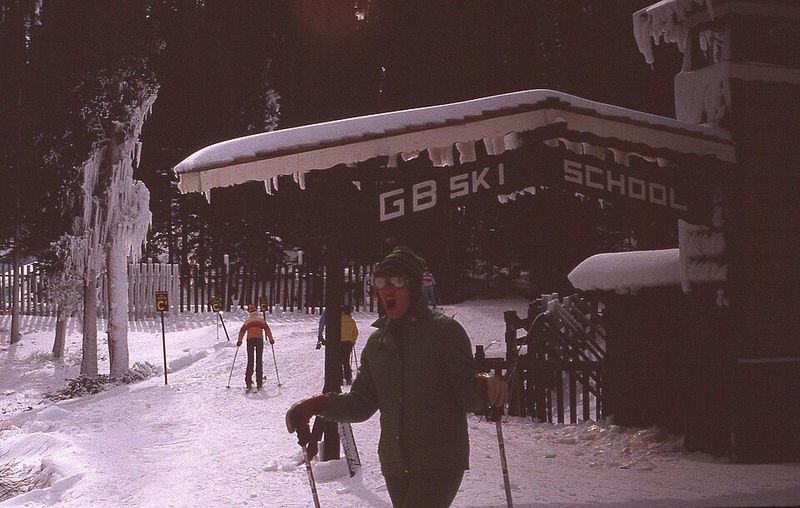
Geneva Basin sits in a wind-prone corner of the Front Range, so expect scoured ridges and drifted lee pockets. Rapid temperature swings can crust surfaces overnight, then refresh them with new snow by afternoon. Forecasts are a starting point, not a guarantee, in this exposed basin.
Watch for sastrugi and rippled textures that signal strong transport. Cornices form quickly on leeward edges and can break farther back than expected. Choose skin tracks that avoid overhead hazards and minimize time under ridgelines.
When the wind howls, head for sheltered trees where snow stays preserved. On calmer days, sneak higher for views and longer fall lines. Flexibility is your secret weapon here, letting you pivot plans and still score quality turns without overcommitting to risky features.
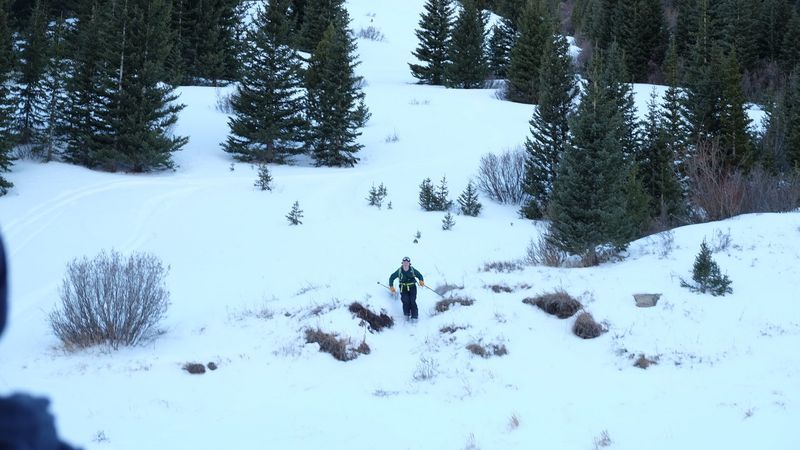
Geneva Basin is a historical place with lingering infrastructure, so tread lightly. Pack out every scrap, and do not disturb artifacts like tower bases or signage. Photos are souvenirs, not bolts or boards taken from the site.
Stay on durable surfaces where possible, especially during low coverage when vegetation is vulnerable. Keep groups small to reduce noise and impact. If you encounter wildlife, give them distance and adjust your route rather than pushing through.
Parking etiquette matters too. Leave room for plows and passers, and avoid blocking gates. When you respect the place, it remains wild and welcoming for the next crew who comes seeking quiet turns and a brush with Colorado ski history.
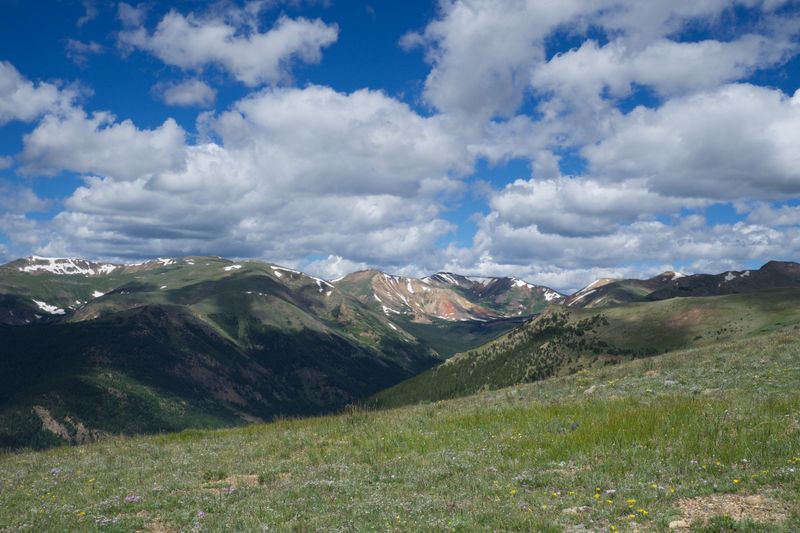
Prime conditions at Geneva Basin usually follow cold storms with modest wind. Early to mid winter can deliver soft, preserved snow in sheltered trees, while late winter brings longer days and better stability windows. Spring corn cycles reward patience and timing on solar aspects.
Watch diurnal temperature trends to catch corn just as the surface loosens. Too early and it is bulletproof, too late and it turns mank. Shaded aspects can hold powder stashes days after snowfall if winds stay mellow.
When in doubt, start cold and low-angle, then step out as observations support it. Keep an eye on cloud cover, wind shifts, and overnight refreezes. The sweet spot often appears in short bursts, so be ready to move when the mountains finally say yes.
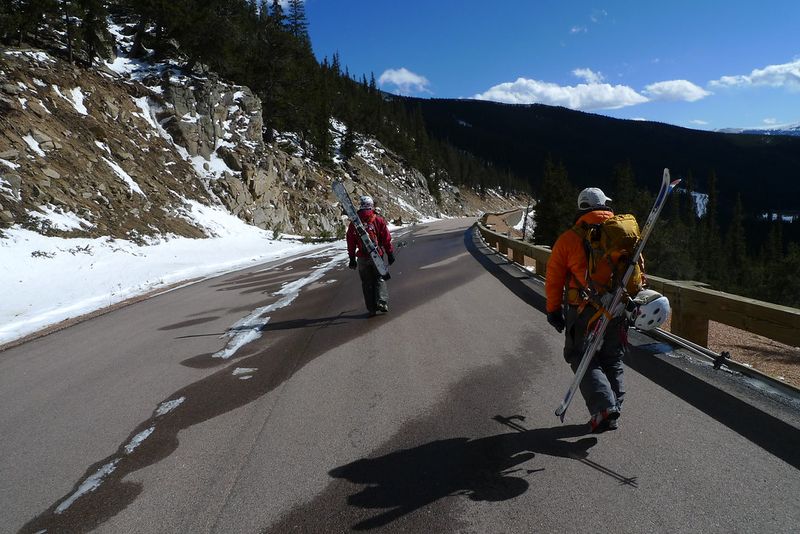
Bring beacon, shovel, probe, and practice with them until it is muscle memory. Add a repair kit, headlamp, extra gloves, and insulating layers that manage wind. A small first aid kit and group communication via radios round out the essentials.
Traction skins need reliable glue in cold temps, and ski crampons can help on firm sidehills. Goggles with low-light lenses handle storm days common at Geneva Basin. Hot drinks in a thermos keep morale high during long transitions.
Pack a printed map with critical waypoints and carry a power bank. Stash an emergency bivy in case plans stretch longer than expected. Preparedness is not paranoia, it is permission to enjoy the day without nagging what ifs in the back of your mind.
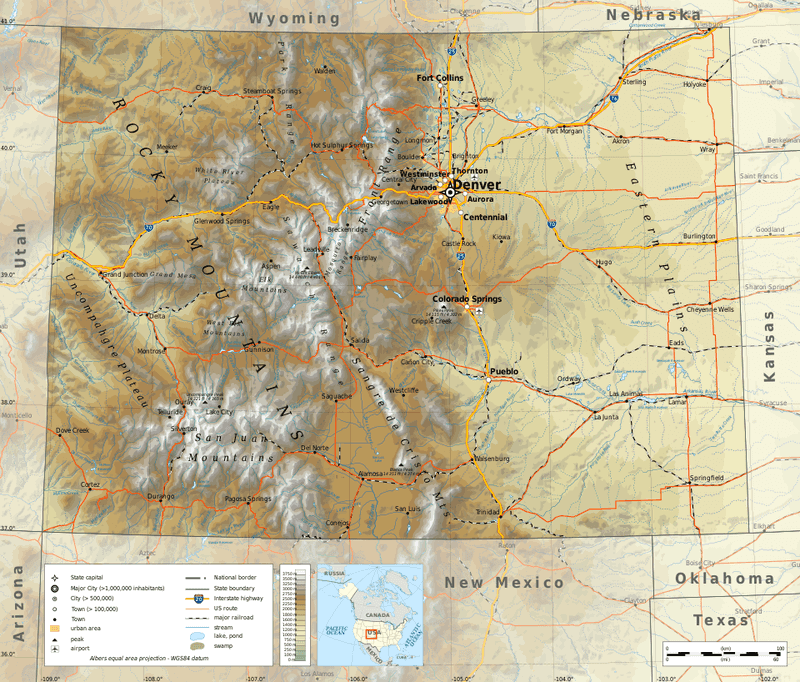
Talk with locals in Grant and along Guanella Pass for fresh observations on wind, crust, and access. Respect private property and posted closures, and keep noise down near homes. The community appreciates low-impact visitors who value safety and stewardship.
Share observations with partners and online reports to help others make better decisions. If conditions feel off, pivot to lower-angle trees or call it early. The mountains will still be there tomorrow, and your friends will thank you later.
Geneva Basin is more than a novelty, it is a classroom. You learn patience, humility, and how to read weather and snowpack honestly. Treat it with care, and you will find the quiet joy that keeps backcountry skiers coming back.



