 Unearth The Voyage
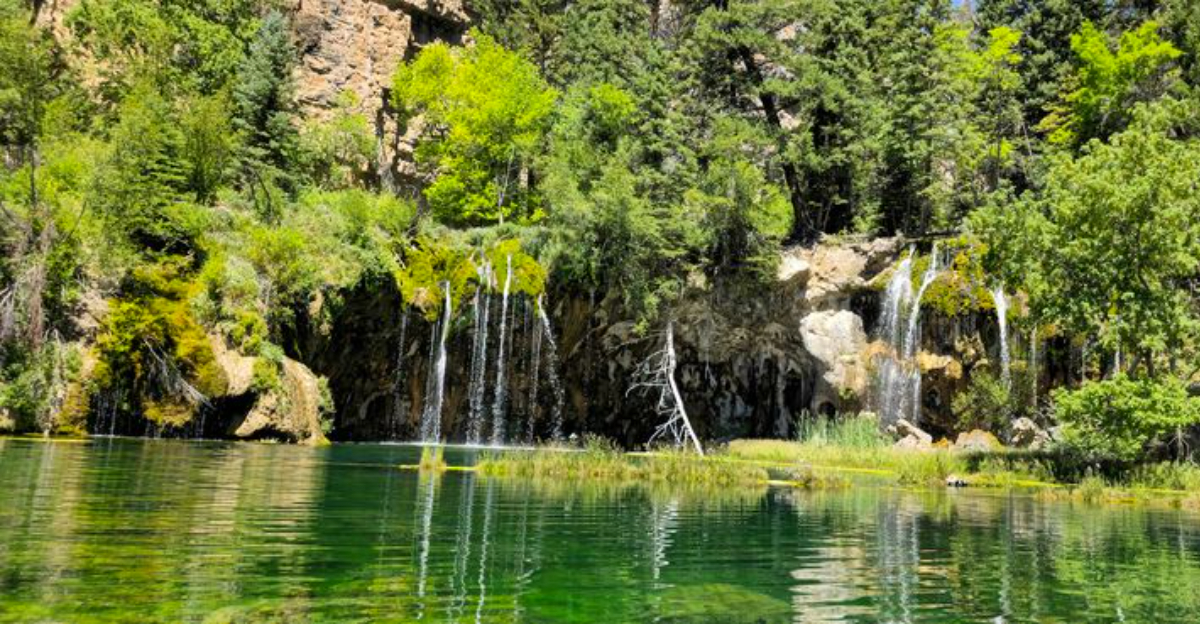
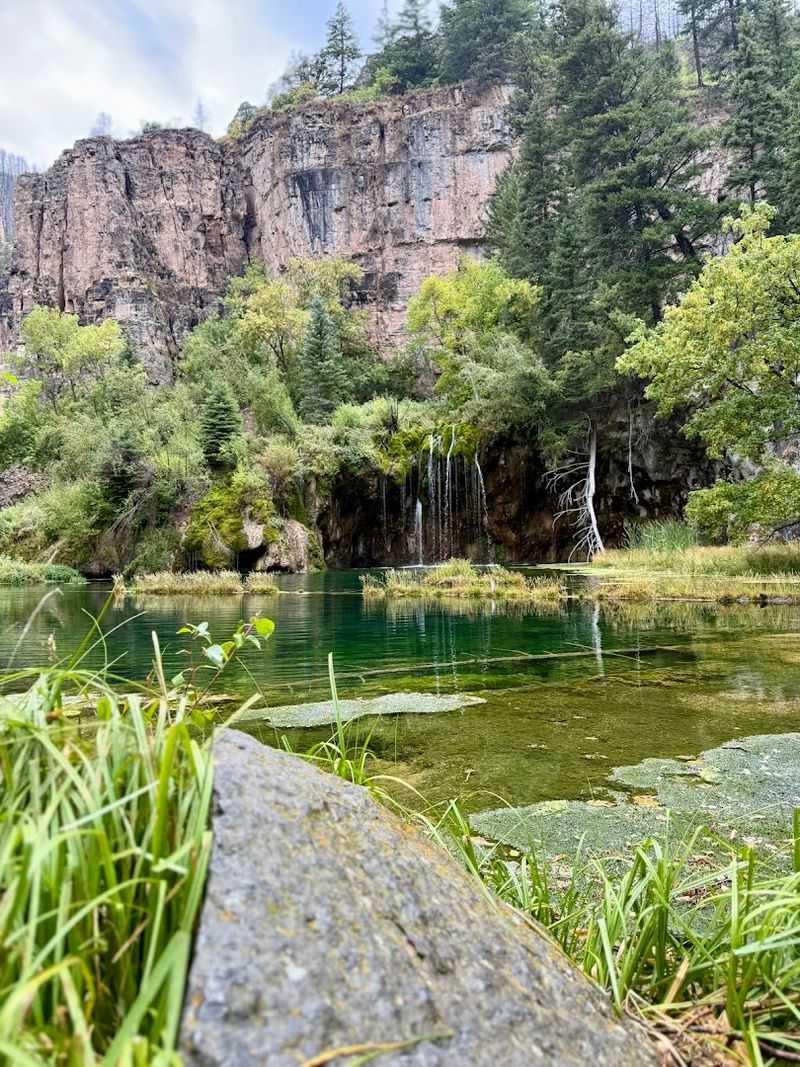
There is a lake in Colorado that looks almost too beautiful to be real. The water is a rich turquoise color, fed by waterfalls that spill over mossy cliffs, and the whole scene feels like something out of a nature documentary.
I had seen photos of this place online for years before I finally made the trip, and nothing quite prepared me for the real thing. Tucked deep inside Glenwood Canyon, this spot rewards every hiker who makes the climb with views that genuinely stop you in your tracks.
I have visited natural landmarks all across the country, from the coasts to the plains of Oklahoma, and this one stands apart in a way that is hard to put into words. Keep reading, because I am going to walk you through everything you need to know before you go.
Where Exactly You Are Going
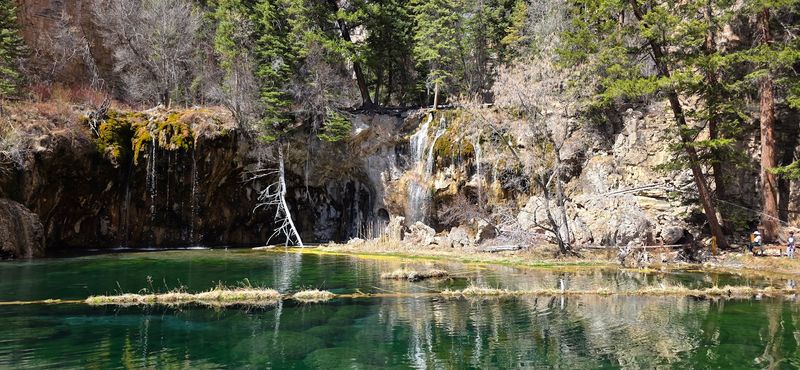
The full address for the trailhead is 70 County Road 125, Glenwood Springs, CO 81601, tucked right inside the dramatic walls of Glenwood Canyon along Interstate 70. The canyon itself is one of the most striking stretches of road in the entire country, with the Colorado River running alongside you as you drive in.
Hanging Lake is managed by the White River National Forest, and the phone number for the ranger station is +1 970-945-2521. You can also find official permit and reservation details at the U.S.
Forest Service website.
The trailhead sits at roughly 5,800 feet in elevation, which means even before you start climbing, the thin mountain air will remind you that you are not in Oklahoma anymore. Glenwood Springs itself is a small, welcoming city with hotels, restaurants, and hot springs nearby, making it a solid base camp for your adventure.
Plan to arrive with a confirmed permit in hand, because walk-up access is not guaranteed on busy days.
The Story Behind the Lake
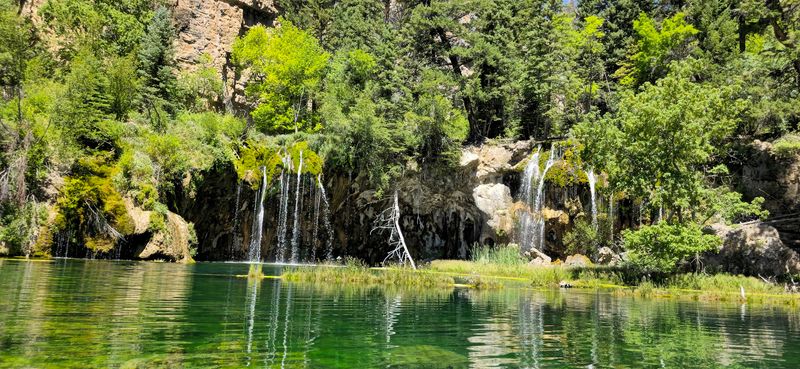
Hanging Lake earned its name because it appears to hang on the side of a cliff, perched above the canyon floor in a way that defies easy explanation. The lake was formed by a geological fault that caused the lake bed to drop away from the surrounding terrain, leaving it suspended against the canyon wall.
What gives the water its famous turquoise and emerald color is the high concentration of dissolved minerals, particularly calcium carbonate, which coats the rocks and log formations below the surface. The same mineral deposits create the delicate travertine ledges and hanging gardens that frame the shoreline.
Hanging Lake was designated a National Natural Landmark in 1982, a recognition that puts it in the same category as some of the most scientifically significant natural features in the United States. Visitors from all over the world make the trip here, and people who have traveled through places as far-flung as Oklahoma and Oregon consistently say the lake’s color is unlike anything they have seen elsewhere.
That turquoise glow is completely natural and entirely unforgettable.
The Hike Up: What to Really Expect
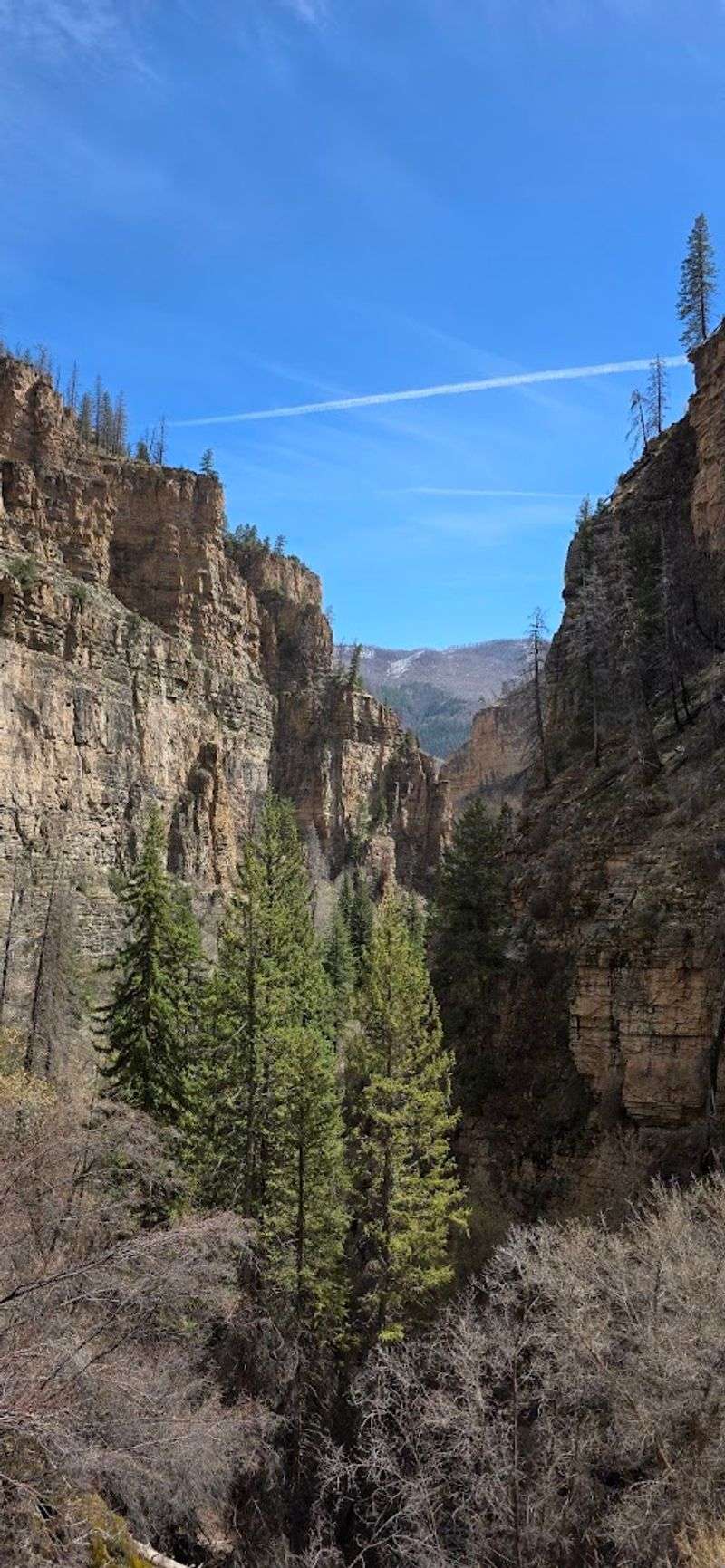
The trail to Hanging Lake is 1.2 miles one way, but that single statistic does not tell the whole story. You gain roughly 1,000 feet of elevation over that short distance, which means the trail is essentially a sustained uphill climb from start to finish.
The path follows Dead Horse Creek the entire way, so the sound of rushing water keeps you company as you work your way up. Most of the trail surface is natural rock, and a good portion of it involves stepping over boulders and navigating wooden staircases built directly into the canyon face.
Round trip, plan for about two hours at a comfortable pace, though first-time visitors often take longer because the scenery keeps pulling your attention away from the trail. The final stretch before the lake includes a steep corkscrew staircase with handrails that feels a bit dramatic but is totally manageable.
Bringing trekking poles or traction cleats in winter makes a real difference on the icy sections, and taking short breaks to hydrate keeps the effort feeling steady rather than overwhelming. The payoff at the top makes every labored breath worth it.
The Waterfalls That Steal the Show
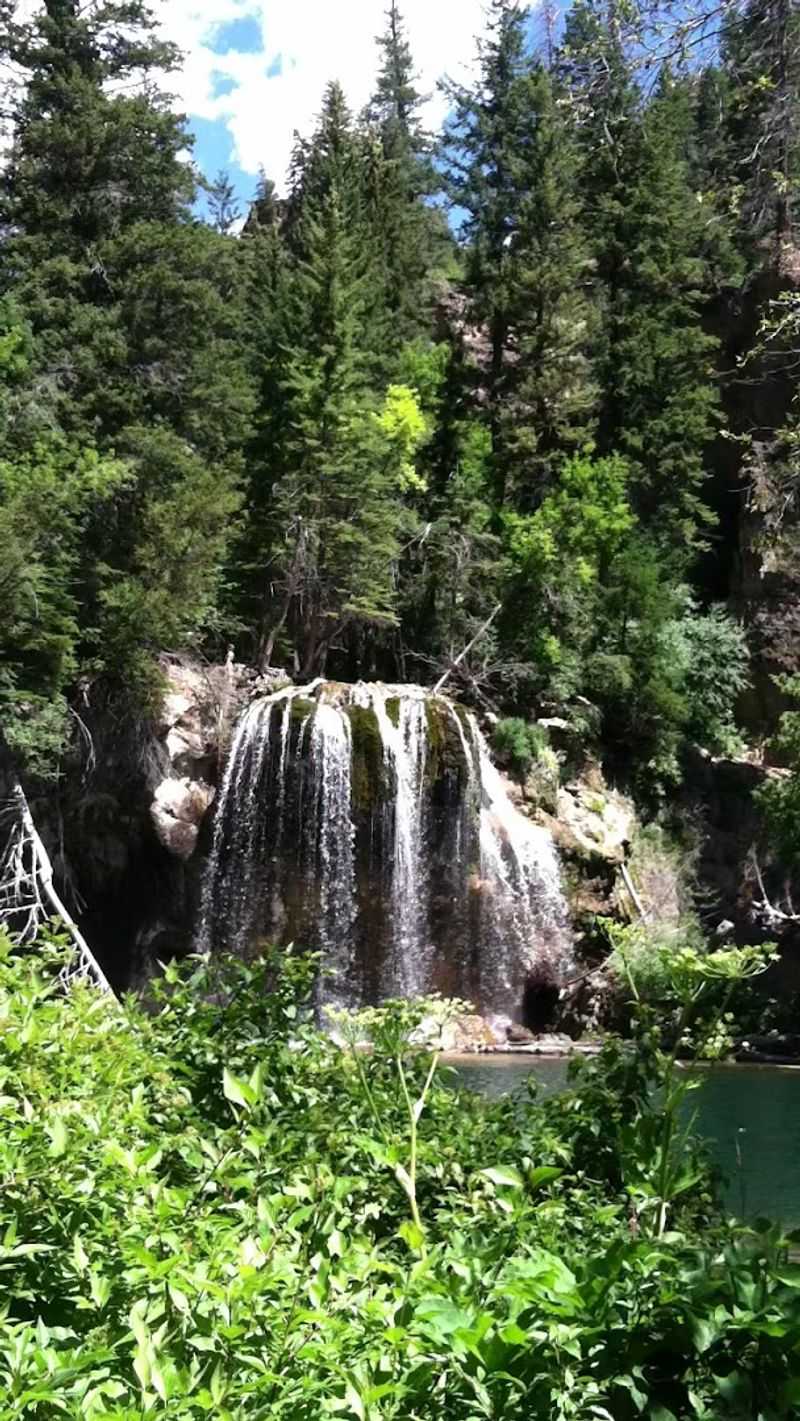
Most people come for the lake, but the waterfalls are the feature that genuinely catches visitors off guard. Bridal Veil Falls drops directly into the lake from the cliffs above, creating a constant soft mist that keeps the surrounding vegetation lush and green even in dry summer months.
The falls are not a single dramatic plunge but rather a wide, silky curtain of water spreading across the rock face before it meets the lake surface. The effect is gentle and almost theatrical, especially when morning light hits the mist at an angle and scatters it into tiny rainbow fragments.
There is also a second waterfall feeding into the lake from a separate direction, adding to the layered sound and visual complexity of the scene. Visitors who have explored waterfalls in states like Oregon, Tennessee, and even Oklahoma often say that Bridal Veil Falls at Hanging Lake has a particular intimacy to it, because you can stand just feet away from the cascade without any barrier between you and the water.
That closeness makes the whole experience feel personal rather than just scenic.
Spouting Rock: The Hidden Bonus
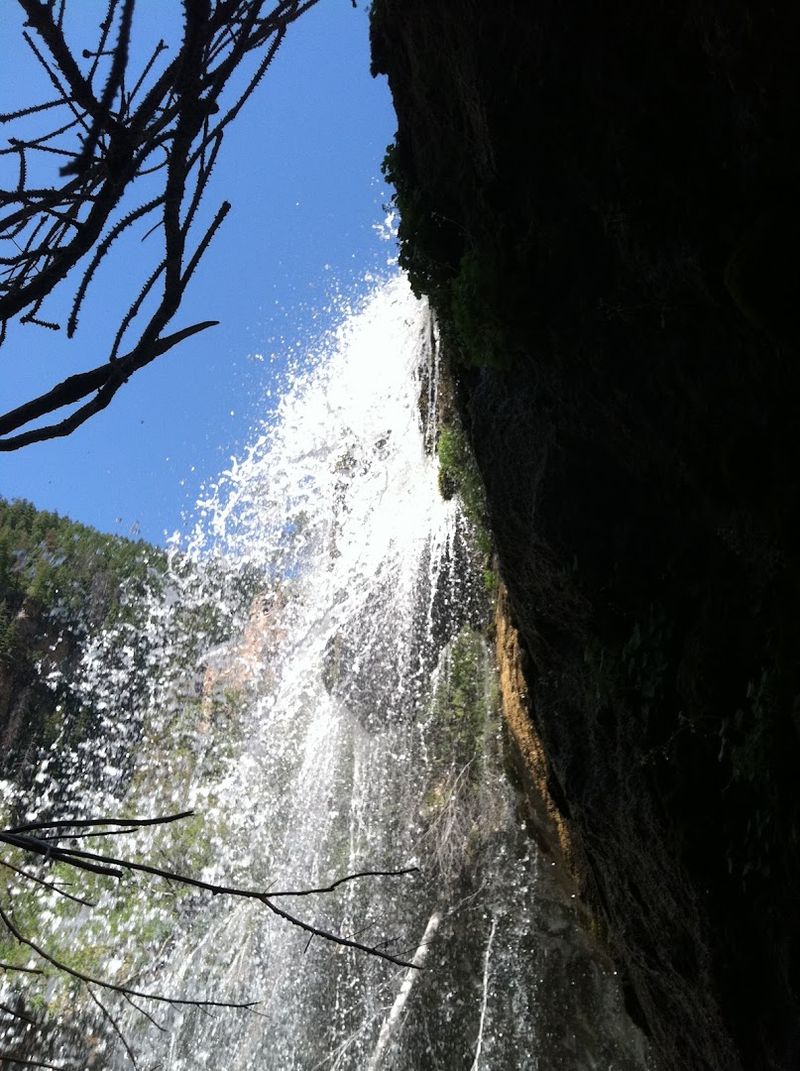
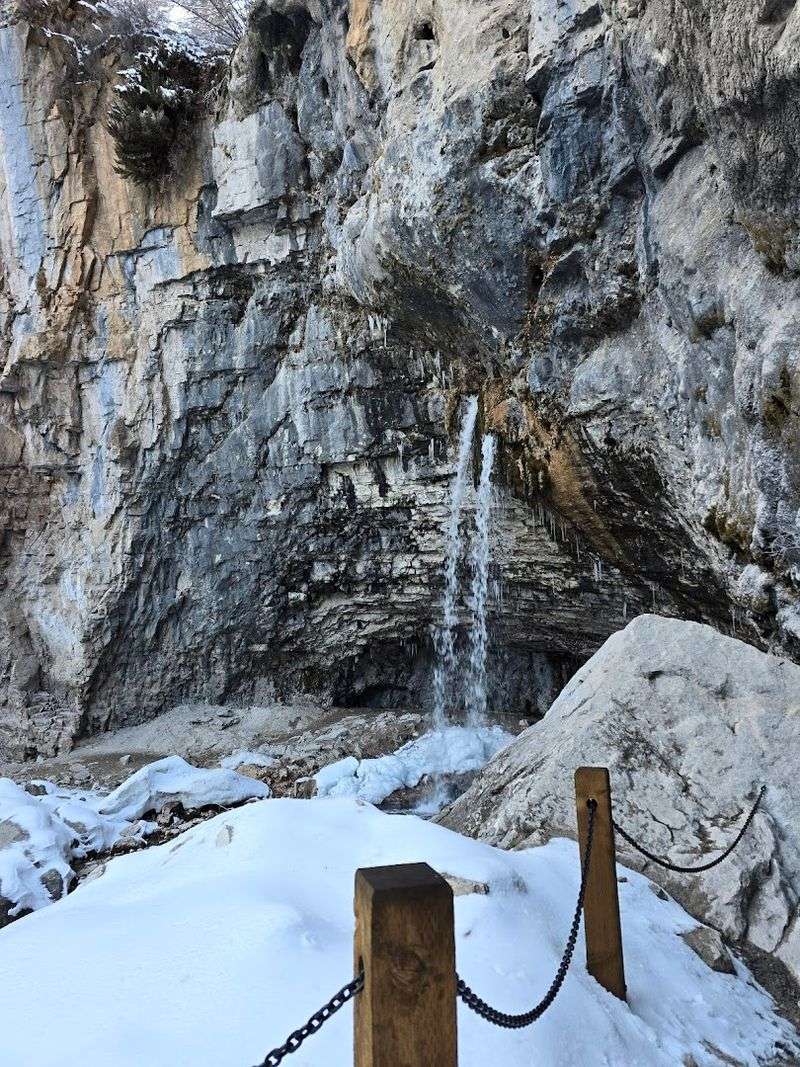
A short spur trail beyond the main lake leads to one of the most unusual natural features in all of Colorado. Spouting Rock is a waterfall that shoots horizontally out of a hole in the canyon wall, as if the mountain itself decided to spit water sideways at anyone standing nearby.
The trail to Spouting Rock adds only a few minutes to your visit, but it delivers a completely different kind of spectacle than the lake. You can walk close enough to feel the spray, and the cave opening behind the waterfall creates a cool, mossy alcove that feels almost prehistoric in its atmosphere.
Many hikers skip Spouting Rock entirely because they are tired from the climb or simply do not know it exists. That is a real missed opportunity.
The combination of the lake, Bridal Veil Falls, and Spouting Rock gives the whole visit a three-part structure that builds in intensity and surprise. My honest advice is to save Spouting Rock for last, let it be the final note of the trip, because that horizontal jet of water shooting out of solid rock is the kind of sight that makes you laugh out loud with pure delight.
The Permit System and How It Works
Hanging Lake requires a permit for every visitor, and that system exists for a very good reason. Before the reservation requirement was introduced, the fragile ecosystem around the lake was showing real signs of wear from overcrowding, with the delicate travertine formations and hanging gardens taking damage from too much foot traffic.
Permits cost $12 per person and are released at 9 AM every Tuesday for the following week on the official Hanging Lake reservation website. Early morning time slots, particularly around 8 AM, tend to offer the most shade and the coolest temperatures, making them the most popular and the fastest to sell out.
Cancellations do happen, so checking the website the evening before your planned visit can occasionally turn up last-minute availability. The permit system has made a noticeable difference in the experience at the lake, with far fewer crowds on the trail and at the shoreline compared to the pre-permit era.
Arriving about 15 minutes before your scheduled permit time gives you a small head start and helps you settle into a comfortable pace before the next wave of hikers begins their ascent behind you.
Best Times to Visit and Seasonal Conditions
Every season at Hanging Lake offers something genuinely different, and the right time to visit depends entirely on what kind of experience you are after. Summer brings the most reliable weather and the fullest waterfalls, but it is also the busiest period, with permits filling up quickly and the trail feeling more populated.
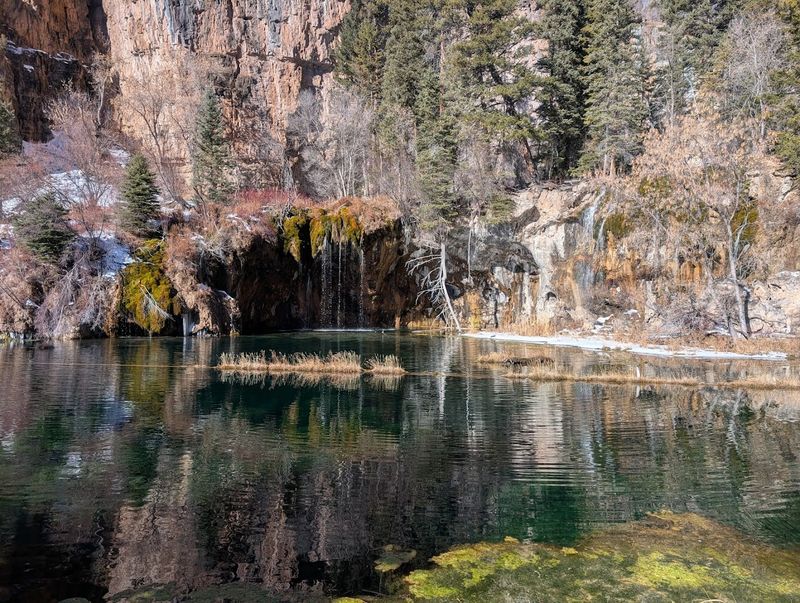
Spring visits come with a trade-off: the trail can be icy and slippery in the higher sections, but the snowmelt feeds the waterfalls with extra volume, making the cascade at Bridal Veil Falls more powerful than at any other time of year. Fall turns the canyon walls into a patchwork of gold and rust as the trees change color, framing the turquoise water in a way that makes every photo look professionally composed.
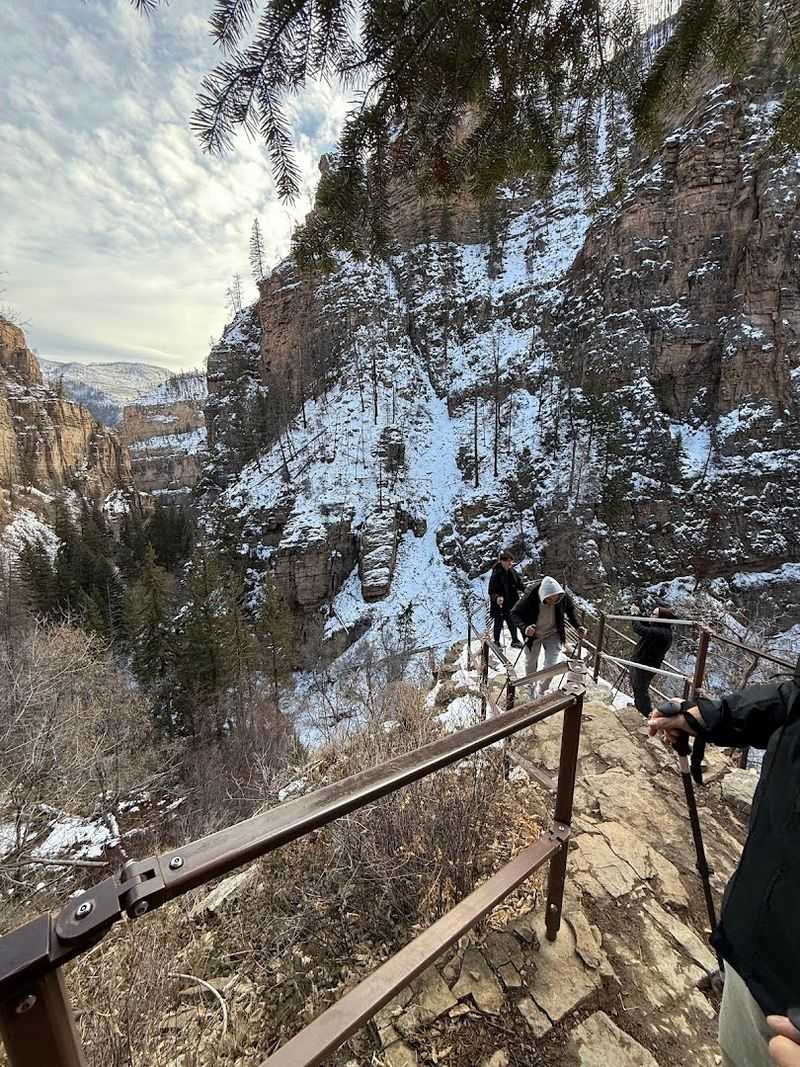
Winter is the most challenging season but also the most rewarding for those who come prepared. Traction cleats and hiking poles are not optional in January and February; they are genuinely necessary.
The frozen waterfalls and snow-dusted cliffs create a scene that feels completely removed from the everyday world, and the trail is nearly empty compared to summer. Early morning visits in any season offer the best light and the quietest atmosphere on the trail.
What to Pack for the Trail
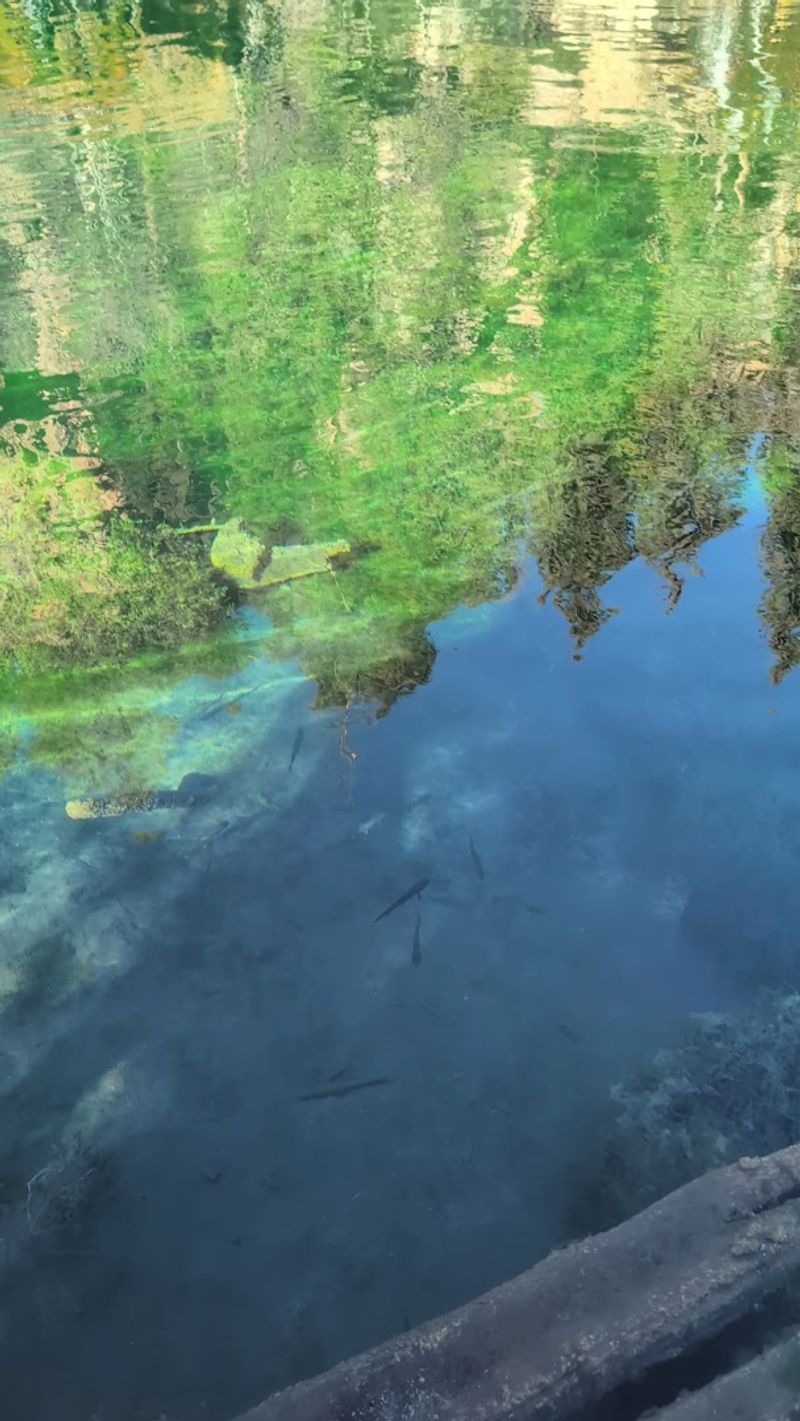
The gear you bring to Hanging Lake can make the difference between a comfortable adventure and a genuinely rough afternoon. Water is the most critical item, and one bottle is not enough for a hike with this much elevation gain.
Bring at least two liters per person, and more if you tend to run warm or if temperatures are high.
Footwear matters enormously on this trail. About 95 percent of the path is bare rock, which means smooth-soled shoes will have you slipping and sliding on the steeper sections.
Trail runners or hiking boots with a grippy lug sole are the right choice, and traction cleats are worth adding to your pack during any visit between November and March.
There are no restroom facilities at the top of the trail, so plan accordingly before you begin the ascent. Snacks with a good mix of carbohydrates and protein help maintain energy on the climb, and a light rain jacket takes up almost no space but becomes invaluable if afternoon thunderstorms roll through the canyon.
The facilities and staff at the trailhead parking area are well-maintained and helpful, so any last-minute questions can usually be answered before you head up.
The Atmosphere at the Lake Itself
Reaching the lake after the climb feels like walking through a doorway into a completely different world. The temperature drops noticeably near the water, the mist from the falls keeps the air cool and damp, and the surrounding cliffs rise steeply on all sides, creating a natural amphitheater that muffles the sound of anything beyond the canyon.
A short wooden boardwalk circles part of the lake’s edge, guiding visitors along the shoreline without allowing direct contact with the travertine formations or the water itself. That boundary is strictly enforced and genuinely important, because the mineral deposits that give the lake its color are fragile enough to be damaged by a single footstep in the wrong place.
The hanging gardens that line the cliff walls above the water are made up of mosses, ferns, and wildflowers that cling to the rock using the constant moisture from the falls. The overall effect is lush, almost tropical, which feels wonderfully surreal given that you are standing at nearly 7,000 feet in the Colorado Rockies.
People who have traveled through humid states like Oklahoma or Georgia often remark that the greenery around the lake reminds them of home, just with dramatically better cliffs.
Tips for Making the Most of Your Visit
A few smart choices before and during your visit will significantly improve the whole experience. Book your permit on Tuesday morning at exactly 9 AM if you want the best selection of time slots, because the most desirable windows sell out within minutes of becoming available.
Arriving 15 minutes before your permit time gives you a buffer to park, use the restroom, and get your gear sorted without feeling rushed. The parking area fills quickly on weekends, so building in extra time at the start of the day keeps the morning stress-free.
Once you are on the trail, resist the urge to push hard to the top without stopping. The breaks are not a sign of weakness; they are how you actually enjoy the canyon scenery along the way, including the creek crossings, the small cascades on the lower trail, and the shifting views of the canyon walls as you climb.
The hike itself is part of the experience, not just a means to reach the lake. Visitors who treat the whole trail as the destination, rather than just the lake at the end, consistently leave with a richer sense of what makes this corner of Colorado so special compared to anywhere else they have visited, Oklahoma included.



