 Unearth The Voyage
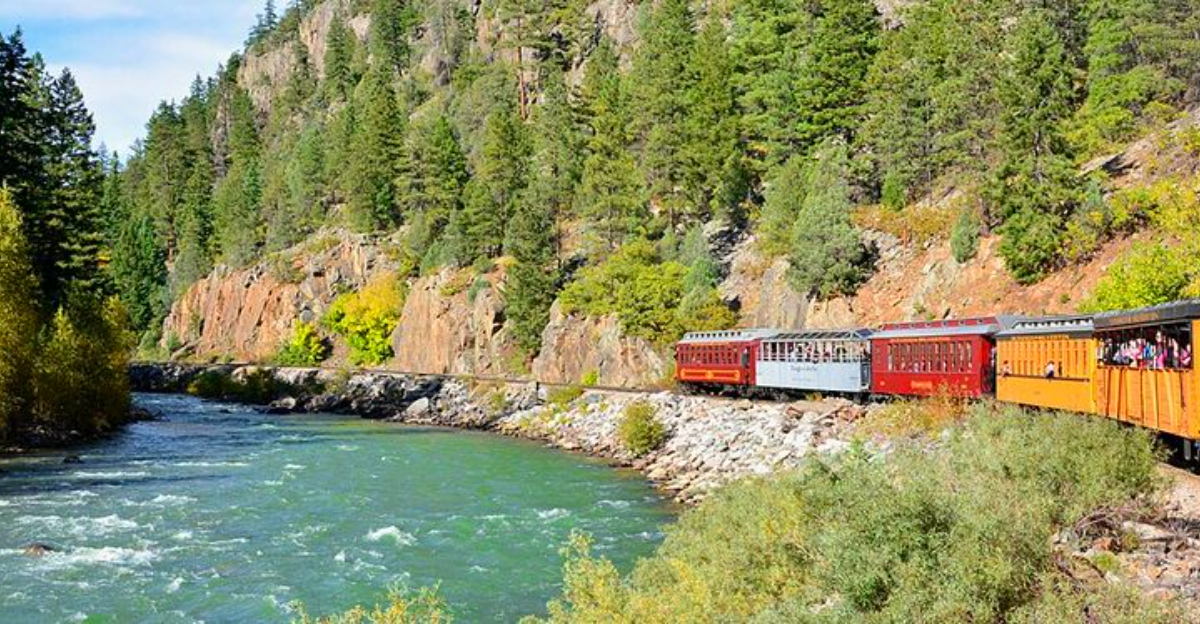
Tucked away in Colorado’s rugged San Juan Mountains, Silverton stands as a living testament to the Old West’s mining glory days. This tiny mountain town, sitting at 9,318 feet above sea level, offers visitors a rare glimpse into authentic frontier life combined with stunning alpine scenery.
From historic steam trains chugging through mountain passes to abandoned mining camps frozen in time, Silverton delivers adventures that feel worlds away from modern life yet remain surprisingly accessible for families and solo travelers alike.
The Durango & Silverton Narrow Gauge Railroad
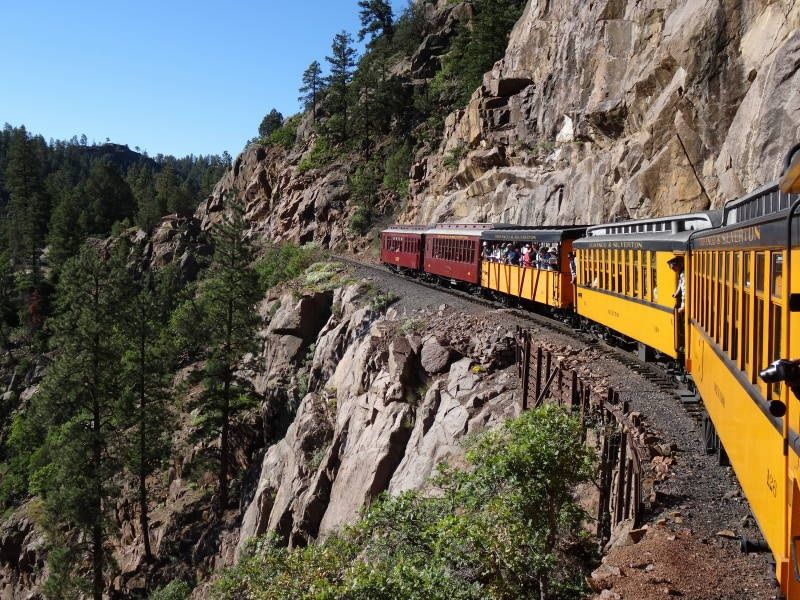
Steam billows into crisp mountain air as the whistle echoes through valleys that have heard this same sound for over 140 years. The Durango & Silverton Narrow Gauge Railroad isn’t just transportation—it’s a rolling time machine that connects two historic mining towns through some of Colorado’s most breathtaking wilderness.
The 45-mile journey takes roughly three and a half hours each way, winding alongside the Animas River through canyons so narrow that rock walls seem close enough to touch. Coal-fired locomotives pull vintage passenger cars through terrain that’s otherwise inaccessible by road, passing waterfalls, wildlife, and abandoned mining structures clinging to impossible mountainsides.
Passengers can choose from several classes of service, including open-air gondola cars perfect for photographers or enclosed coaches with historic character. The round trip from Durango allows about two hours to explore Silverton before the return journey.
Operating since 1882, this National Historic Landmark originally hauled silver and gold ore but now carries over 200,000 passengers annually. The railroad runs daily from May through October, with special themed rides during holidays that book months in advance.
Historic Downtown Silverton
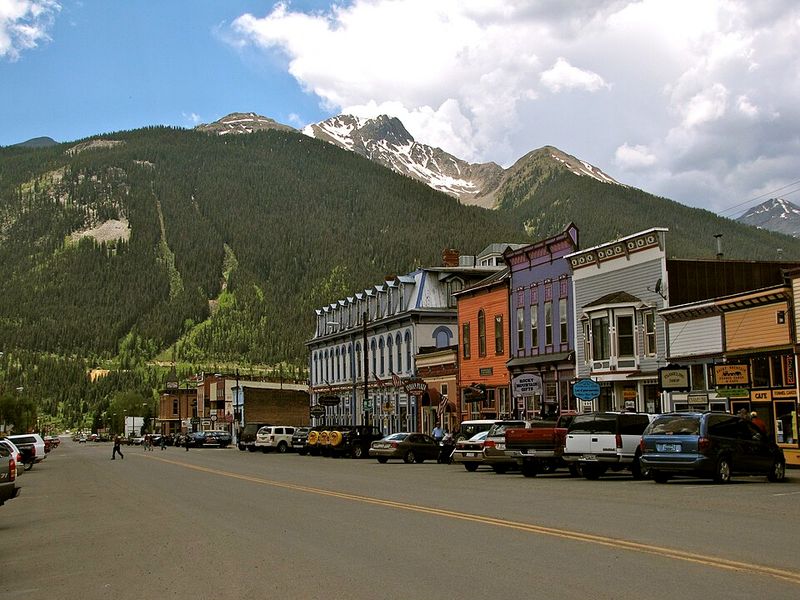
Walking down Greene Street feels like stepping onto a Wild West movie set, except everything here is authentically preserved from Silverton’s 1880s heyday. Colorful Victorian storefronts line both sides of the wide dirt street, their wooden facades painted in period-appropriate colors that pop against the surrounding mountain peaks.
The entire town is designated a National Historic Landmark District, with over 60 buildings maintaining their original character. Wooden boardwalks connect saloons-turned-restaurants, old mercantiles now selling souvenirs, and former bordellos converted into museums that don’t shy away from Silverton’s rougher past.
Unlike many tourist towns that sacrifice authenticity for commerce, Silverton’s year-round population of just 600 people keeps things genuine. Local shops include a century-old general store, several galleries featuring regional artists, and the famous Silverton Standard newspaper office still publishing since 1875.
The compact downtown stretches only four blocks, making it perfectly walkable even at this elevation. Free walking tour maps available at the visitor center highlight architectural details and historical tidbits that bring each building’s story to life, from shootouts to fortune-making strikes.
Ice Lakes Basin Trail
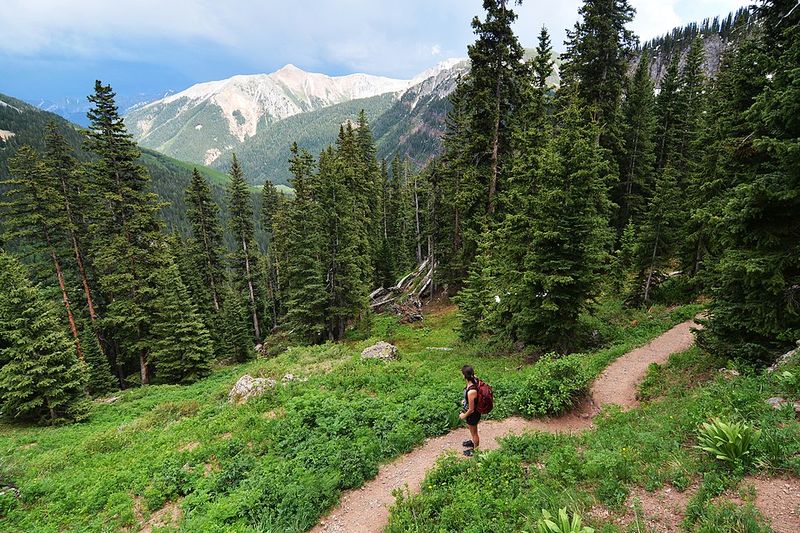
Forget every postcard you’ve seen—Ice Lakes Basin makes those look dull by comparison. The trail climbs seven miles through wildflower meadows to reveal alpine lakes so impossibly turquoise that first-time visitors often wonder if the photos have been edited.
The hike gains 2,800 feet of elevation, challenging but manageable for anyone with decent fitness and proper acclimatization. Lower Ice Lake appears first, its vivid blue-green waters reflecting the surrounding 13,000-foot peaks that seem to guard this hidden sanctuary.
Adventurous hikers can continue another mile to Island Lake and even summit Island Lake Peak for panoramic views. The best time to visit runs from mid-July through early September when wildflowers carpet the meadows in purple, yellow, and red.
The trailhead sits just outside Silverton on the South Mineral Creek Road, requiring a high-clearance vehicle for the last bumpy miles. Start early—afternoon thunderstorms are common in Colorado’s high country, and you’ll want to be descending by early afternoon for safety.
This trail consistently ranks among Colorado’s most photographed hikes, yet it maintains a wilderness feel that rewards the effort required to reach it.
San Juan County Museum
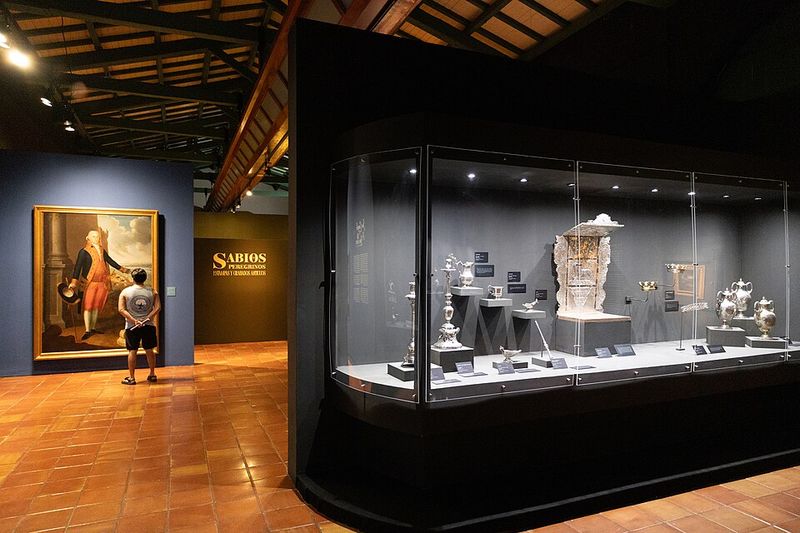
Housed in the old San Juan County Jail built in 1902, this museum packs more stories into its modest space than seems physically possible. The building itself served as the county lockup until 1931, and you can still peer into the original cells where miners, claim jumpers, and the occasional murderer spent their nights.
Exhibits showcase everything from delicate Victorian clothing to brutal mining equipment, creating a comprehensive picture of frontier life. One room recreates a typical miner’s cabin, revealing how families survived brutal winters in structures that modern building codes would never approve.
The museum’s collection includes over 7,000 photographs documenting Silverton’s evolution from tent city to established town. Personal items belonging to notable residents tell individual stories—a gambler’s marked cards, a madam’s jewelry, a doctor’s surgical kit that looks more like torture instruments.
Knowledgeable volunteers, often longtime Silverton residents, provide context that brings artifacts to life with anecdotes passed down through generations. The museum operates seasonally from Memorial Day through September, with admission fees supporting preservation efforts for this irreplaceable collection documenting San Juan County’s remarkable past.
Animas Forks Ghost Town
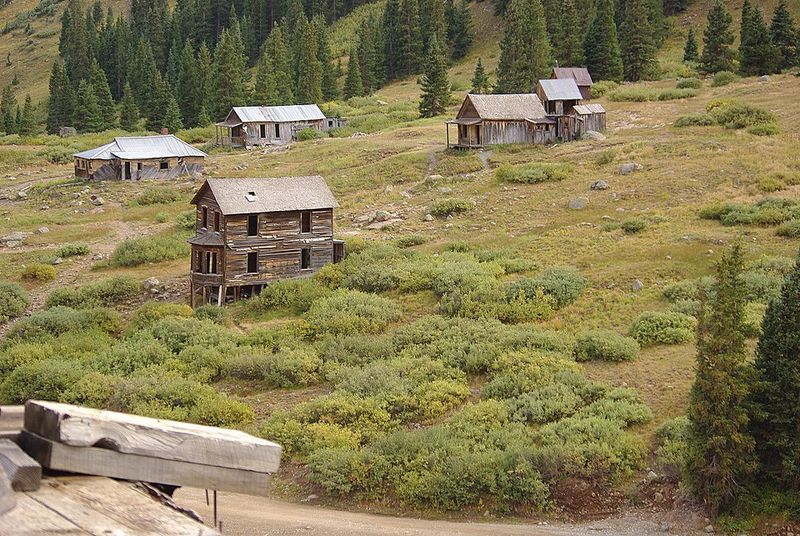
Eleven miles up a bone-rattling dirt road from Silverton, Animas Forks sits frozen at 11,200 feet elevation where winter lasts nine months. This remarkably preserved ghost town once housed 450 residents who somehow survived temperatures that regularly dropped to minus 40 degrees.
The Duncan House stands as Animas Forks’ most photographed structure, its two-story frame miraculously intact despite over a century of brutal weather. Other buildings lean at precarious angles, their weathered gray wood testament to the harsh conditions that eventually drove everyone away by 1920.
Walking among these structures reveals intimate details of mining life—rusted bed frames, broken dishes, even faded wallpaper clinging to interior walls. Interpretive signs explain each building’s purpose, from the jail to the post office to boarding houses that charged premium rates for basic shelter.
The road to Animas Forks requires a high-clearance 4WD vehicle and opens only after snowmelt, typically July through September. Several tour companies offer guided trips for visitors without appropriate vehicles.
This ghost town serves as the gateway to the famous Alpine Loop, a challenging 4WD route connecting three historic mining districts through spectacular high-altitude terrain.
Kendall Mountain Recreation Area
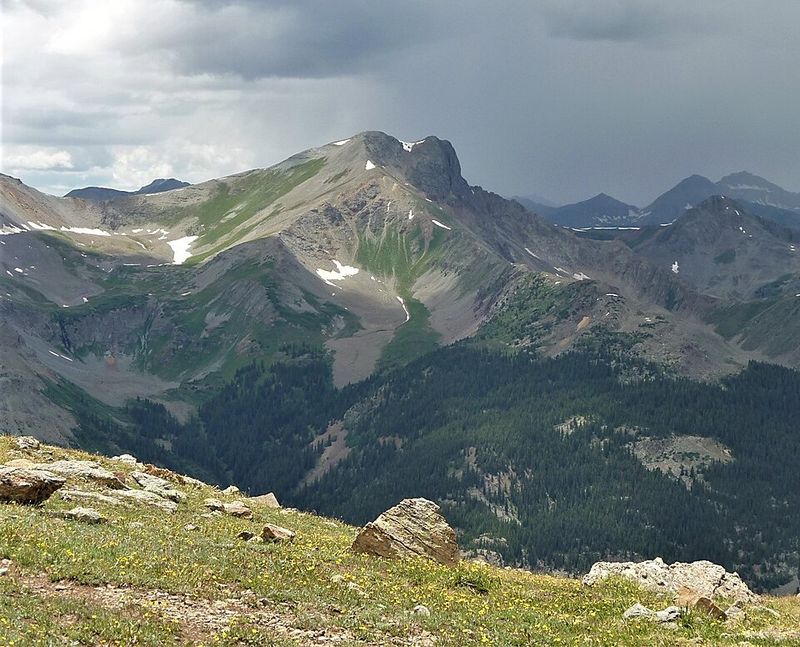
Right above town, Kendall Mountain transforms from winter ski area to summer adventure playground without losing its family-friendly character. A single chairlift provides easy access to high-altitude trails that would otherwise require serious climbing, making alpine exploration accessible for all ages and abilities.
The recreation area maintains over 25 miles of trails for hiking and mountain biking, ranging from gentle family strolls to technical single-track that challenges experienced riders. Views from the top stretch across the entire Silverton valley with peaks extending to the horizon in every direction.
Summer operations include the scenic chairlift ride alone, popular with visitors who want spectacular views without the workout. Once at the top, several trail options allow customized adventures—short nature walks, longer ridge hikes, or downhill bike runs for adrenaline seekers.
Winter brings skiing and snowboarding with surprisingly varied terrain for such a small operation. The local vibe means no lift lines and friendly faces throughout the day.
Kendall Mountain also hosts community events including outdoor concerts and mountain bike races. The recreation area operates year-round with seasonal activities, providing affordable mountain access that larger resorts can’t match for authenticity and accessibility.
Clear Lake and Waterfall
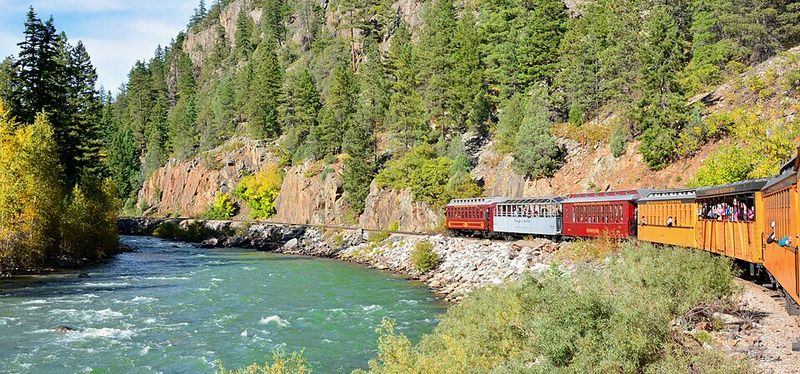
Just four miles from town up a decent gravel road, Clear Lake delivers maximum scenic impact for minimum effort. The moderate two-mile hike gains only 600 feet, making it perfect for families or visitors still adjusting to Silverton’s already-thin air.
The trail follows South Mineral Creek through aspen and spruce forest before opening to reveal the lake nestled in a natural amphitheater. Clear Lake’s waters reflect the surrounding peaks with mirror-like clarity on calm mornings, creating those postcard-worthy moments that fill camera rolls.
A spectacular waterfall tumbles down the rocks at the lake’s far end, fed by snowmelt from the peaks above. The sound of cascading water provides natural ambiance for picnics on the rocky shoreline or simply sitting and absorbing the mountain atmosphere.
Wildflowers bloom profusely along the trail from mid-July through August, adding color to the already stunning scenery. The lake sits at approximately 11,000 feet, so even this relatively easy hike requires taking it slow and drinking plenty of water.
Fishing is permitted with a Colorado license, though the trout tend toward the smaller side. The real catch here is the scenery and accessibility that makes alpine beauty available without technical climbing skills.
The Avalanche Coffee House
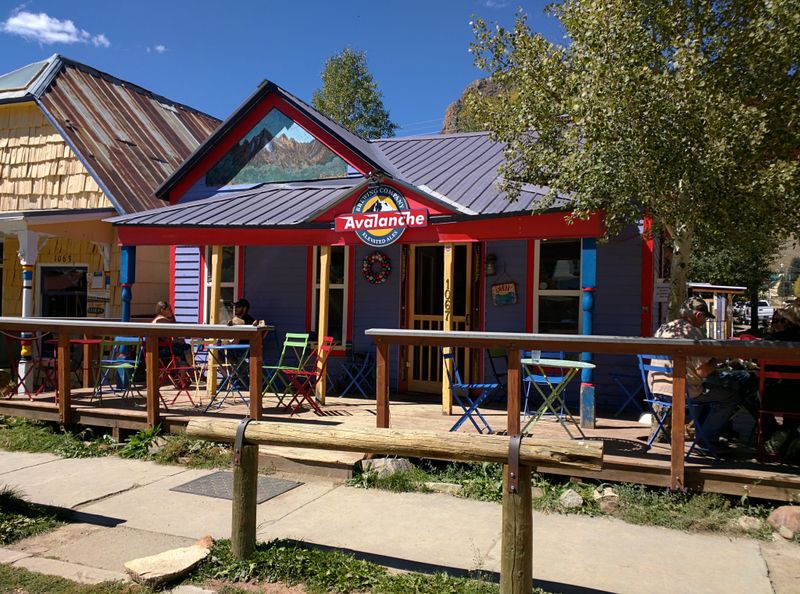
Locals and visitors alike gravitate to this welcoming coffee house that serves as Silverton’s unofficial community hub. The Avalanche occupies a historic building on Greene Street, its exposed brick walls decorated with local artwork and photographs documenting the area’s mining heritage.
Coffee here means serious business—properly pulled espresso drinks using beans roasted specifically for high altitude brewing. The baristas know their craft and aren’t afraid to recommend drinks based on your preferences rather than just taking orders.
Beyond excellent coffee, the menu includes fresh-baked pastries, hearty breakfast burritos, and creative sandwiches made with ingredients sourced from regional suppliers when possible. The homemade soups change daily and provide perfect warmth after morning hikes or before afternoon adventures.
The atmosphere encourages lingering, with comfortable seating ranging from window-side bar stools perfect for people-watching to cozy corners with overstuffed chairs. Free WiFi attracts remote workers and travelers catching up on emails, though the mountain views often prove more compelling than screens.
Open year-round unlike many Silverton businesses, The Avalanche provides consistent quality regardless of season. The staff includes longtime Silverton residents whose recommendations for trails, attractions, and hidden gems prove invaluable for visitors wanting authentic local perspective.
Mayflower Gold Mill
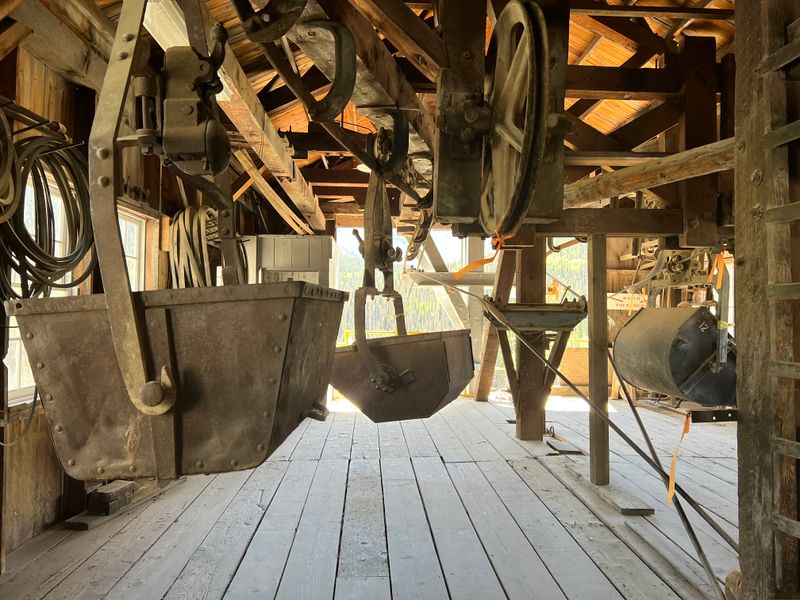
Perched dramatically on the mountainside above Silverton, the Mayflower Gold Mill stands as one of Colorado’s most impressive industrial relics. Built in 1929 using cutting-edge technology for its era, this massive structure processed ore from the surrounding mines until operations ceased in 1991.
The four-story mill cascades down the steep slope, its weathered boards and rusting machinery creating striking photographic compositions. Unlike many mining structures reduced to foundations, the Mayflower remains substantially intact, allowing visitors to imagine the deafening noise and constant activity that once filled these spaces.
A short but steep trail leads from the parking area to the mill, gaining elevation quickly but rewarding climbers with both close-up views of the structure and sweeping vistas across the valley. Interpretive signs explain the ore processing methods and the mill’s role in Silverton’s economy.
Photography enthusiasts flock here for the combination of industrial architecture and natural beauty, especially during golden hour when low-angle sunlight illuminates the weathered wood. The site remains undeveloped, maintaining an authentic atmosphere without gift shops or crowds.
Access is free and open year-round, though winter visitors face snow-covered roads requiring proper vehicles and winter driving skills.
Handies Peak
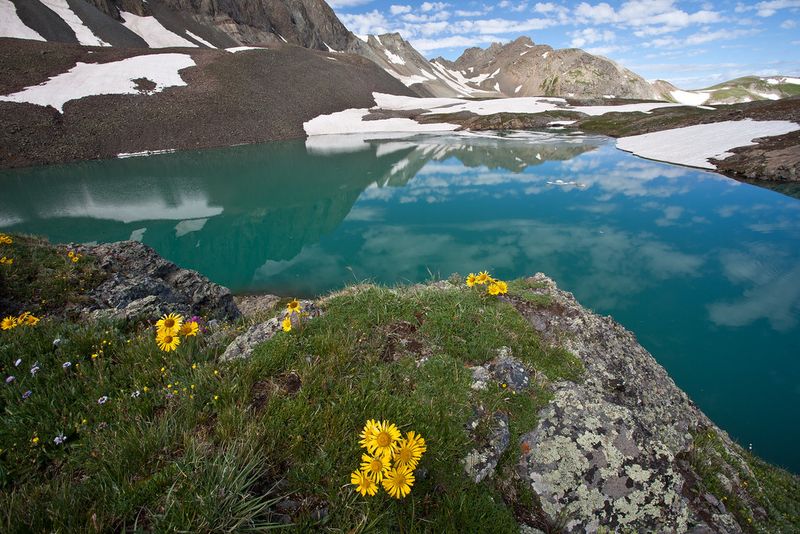
Climbing a fourteener—Colorado speak for mountains exceeding 14,000 feet—represents a bucket-list achievement for many outdoor enthusiasts, and Handies Peak offers one of the most accessible routes. Starting from the American Basin trailhead near Silverton, the standard route covers about six miles round trip with 2,500 feet of elevation gain.
The trail begins above treeline at 11,600 feet, meaning every step offers expansive views rather than claustrophobic forest hiking. American Basin itself deserves the hike even if you never reach the summit—wildflower displays here rank among Colorado’s finest during peak season in late July.
The final push to Handies’ 14,048-foot summit involves some moderate scrambling over rocks but nothing requiring technical climbing skills. Weather permitting, the top provides 360-degree views stretching across the San Juan Mountains to peaks dozens of miles distant.
Start before dawn to avoid afternoon thunderstorms that develop with frightening speed above treeline. The thin air at this elevation makes even moderate exertion feel difficult, so proper acclimatization is essential.
High-clearance 4WD vehicles can shorten the hike significantly by driving partway up the rough road to American Basin. Many hikers combine Handies with nearby Redcloud and Sunshine Peaks for a challenging triple-summit day.
The Grand Imperial Hotel
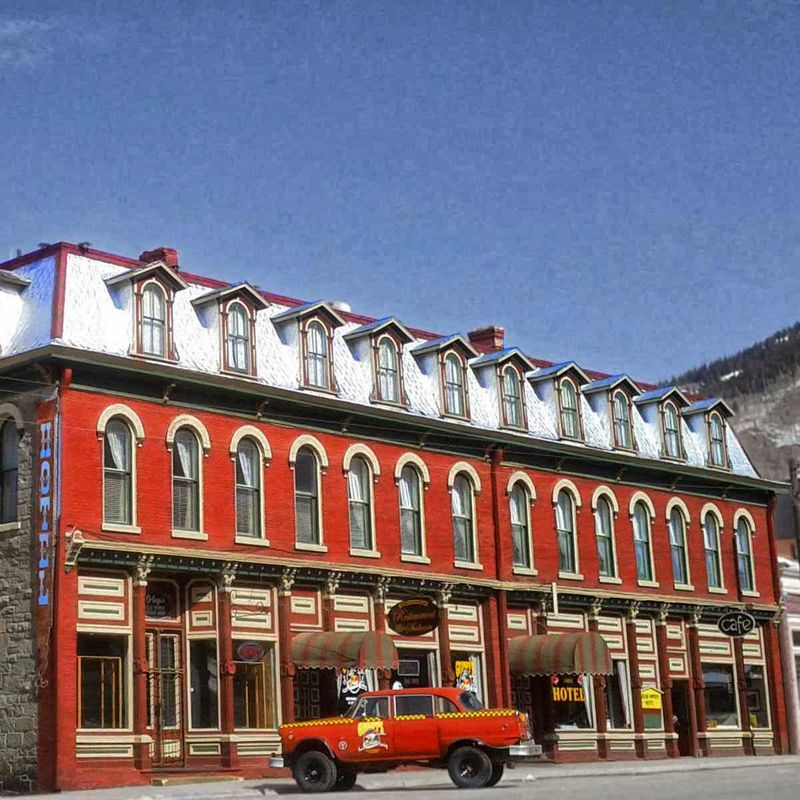
Since 1882, The Grand Imperial has provided Silverton’s finest accommodations, hosting everyone from silver barons to modern adventurers seeking authentic Western hospitality. The three-story brick building dominates the corner of Greene Street, its Victorian architecture and period details meticulously maintained through generations of ownership.
Inside, the hotel balances historic character with modern comfort—guest rooms feature antique furnishings and period decor without sacrificing amenities like comfortable beds and updated bathrooms. Original tin ceilings, vintage wallpaper, and carefully preserved architectural details transport guests backward while providing forward-thinking comfort.
The hotel’s restaurant and saloon occupy the ground floor, serving meals in an atmosphere that feels pulled from the 1880s. The back bar, shipped from Italy in the 1880s, stretches along one wall with its original mirror reflecting the pressed tin ceiling above.
Staff members share stories about the building’s history, including tales of gambling halls, notable guests, and the hotel’s evolution through Silverton’s boom and bust cycles. Some guests report paranormal experiences, adding intrigue to overnight stays in this genuinely historic property.
Operating year-round, The Grand Imperial serves as more than lodging—it’s a living museum where visitors sleep surrounded by authentic frontier history rather than themed reproductions.
Blair Street Historic District
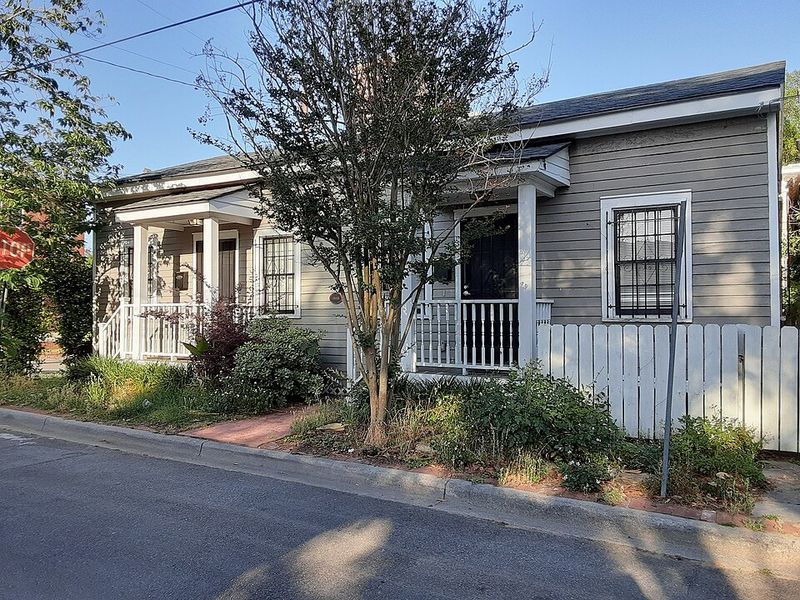
One block over from respectable Greene Street, Blair Street tells Silverton’s grittier story—this was the red light district where saloons, gambling halls, and bordellos operated openly until surprisingly recent decades. The weathered wooden buildings maintain their authentic character, with interpretive signs explaining what really happened behind these doors.
Unlike sanitized historic districts that gloss over uncomfortable truths, Blair Street embraces its rough past. Buildings once housing brothels now contain museums that frankly discuss the women who worked here and the social dynamics of isolated mining camps where men outnumbered women dramatically.
The Shady Lady Saloon occupies one of the original buildings, its interior decorated with period photographs and artifacts. The back rooms where business was conducted remain visible, providing tangible connection to Silverton’s bawdy history.
Walking Blair Street reveals architectural details different from the main drag—back entrances, small windows, and structural modifications that hint at clandestine activities. The dirt street and wooden sidewalks remain unpaved, maintaining the frontier atmosphere better than modern improvements ever could.
This district provides essential context for understanding Silverton’s complete history beyond the sanitized version. The stories here involve real people surviving harsh conditions through whatever means available, creating a more honest and interesting narrative than typical tourist presentations.
Molas Lake
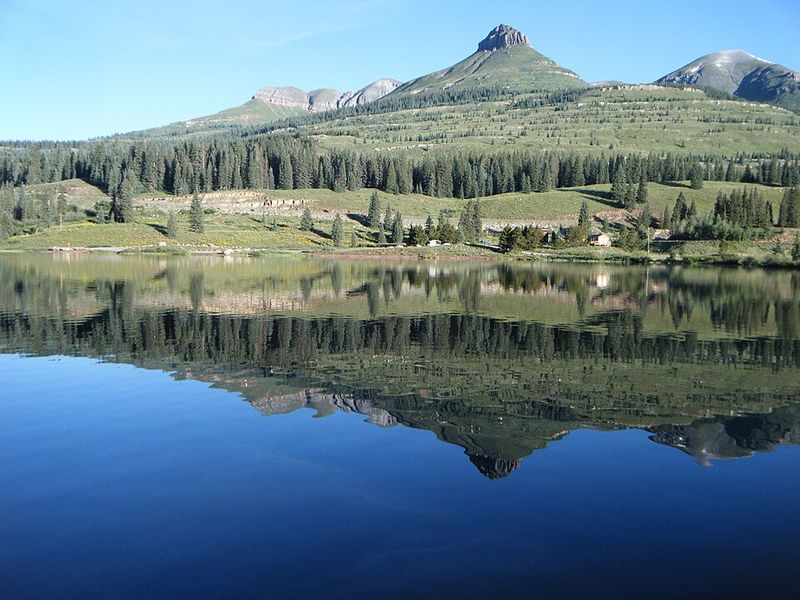
Six miles south of Silverton along the Million Dollar Highway, Molas Lake sits at 10,500 feet elevation offering spectacular scenery with easy access. The lake’s calm waters perfectly mirror the surrounding peaks, creating those doubled-image photographs that make viewers question which direction is up.
A developed campground provides sites ranging from basic tent spots to RV hookups, all with million-dollar views that rival luxury resorts. The moderate elevation and lakeside location make it more comfortable than higher camps while maintaining that alpine atmosphere.
Fishing here produces rainbow and brook trout, though success varies with season and weather. Non-anglers enjoy the level shoreline trail circling the lake, an easy walk suitable for all ages and fitness levels.
The lake serves as trailhead for several longer hikes, including routes to Crater Lake and into the Weminuche Wilderness. Day hikers can sample these trails without committing to the full distances, turning back whenever desired.
Fall transforms the surrounding forest into gold and red, creating spectacular color displays against the evergreens and gray peaks. The campground operates from late May through September, depending on snowpack.
Molas Lake provides that classic Colorado camping experience—sleeping under stars so bright they cast shadows, waking to mountain reflections, and spending days exploring without crowds or commercialization.
Old Hundred Gold Mine Tour
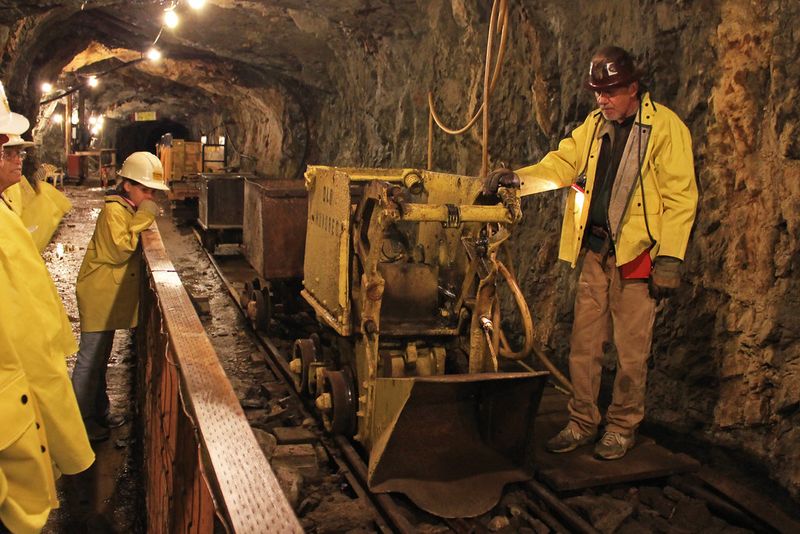
Descending 1,500 feet into the earth aboard a mine train provides perspective that surface tours can never match. The Old Hundred Gold Mine, operating from 1872 until 1991, now offers guided tours that combine authentic mining history with hands-on exploration of techniques that extracted millions in precious metals.
Tours begin with vintage mine trains carrying visitors deep into the mountain through tunnels carved by hand tools and dynamite. The temperature drops to a constant 47 degrees regardless of surface conditions, making jackets essential even during summer visits.
Inside, guides demonstrate drilling equipment, explain ore extraction methods, and share stories about the miners who worked these dangerous passages. The tour includes actual mining demonstrations using period-appropriate tools and techniques, bringing history to life through doing rather than just telling.
The experience reveals why mining deaths were tragically common—unstable rock, explosive gases, and constant danger made this brutal work even before considering the long-term health effects. Modern safety equipment protects tour participants while allowing appreciation for the risks miners faced daily.
Operating seasonally from May through September, tours last about 90 minutes and require advance reservations during peak summer months. The mine sits five miles east of Silverton on Highway 110, easily accessible by regular vehicles.



