 Unearth The Voyage
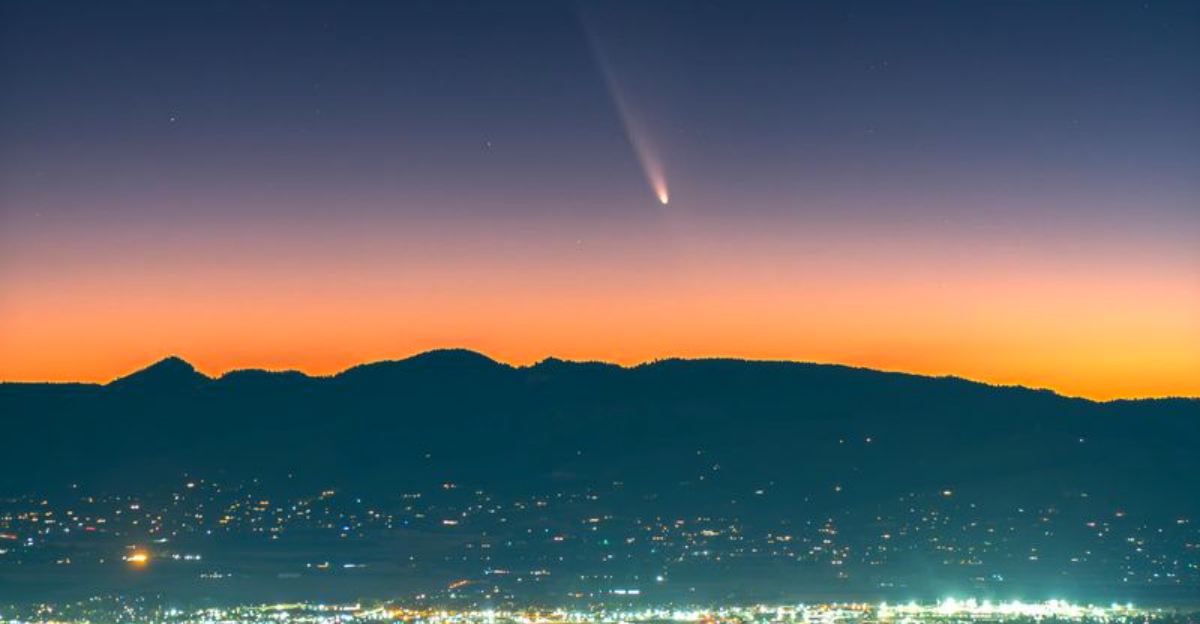
A newly discovered comet is racing inward, and it could turn 2026 into a year of skywatching you will never forget. Comet C/2025 R3, discovered by PanSTARRS, already has astronomers whispering about the rare possibility of a great comet.
If predictions hold, April could deliver a naked eye spectacle before dawn as the visitor approaches the Sun and Earth. Expectations are high, but the best part is the suspense of seeing how the story unfolds in the night sky.
A Potential Great Comet on the Horizon
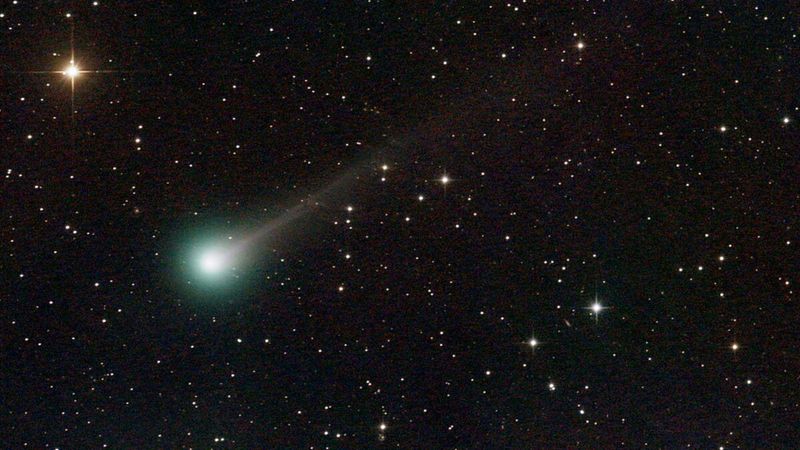
You are hearing the buzz for a reason. Comet C/2025 R3 was spotted by the Pan-STARRS survey in September 2025, and projections suggest it could surge in brightness by April 2026.
Perihelion is expected around April 20, when sunlight may heat its icy nucleus enough to spark jets, dust, and a visible tail. A few days later, around April 26 to 27, the comet should swing closest to Earth, improving your chances of seeing it without a telescope under dark skies.
Brightness forecasts are cautious because comets are fickle, sometimes fragmenting or fading unexpectedly. Still, modeling indicates a realistic path to naked eye visibility if activity ramps up as anticipated.
Think of this as a live cosmic experiment you can follow week by week. Use your phone’s astronomy app to track the arc as it climbs before dawn, then compare what you see to official magnitude estimates.
If we get lucky, you will watch a sunlit dust fan stretch across the morning sky, a once in a decade type show that rewards early alarms and patient eyes.
What Makes This Comet Special
This comet is compelling because it likely hails from the Oort Cloud, a deep freeze of ancient ices that rarely send emissaries our way. Long period comets like C/2025 R3 spend eons beyond the planets, then dive inward on elongated orbits that can take millennia to repeat.
As sunlight hits its surface, trapped volatiles sublimate and loft dust, building a coma and tail that can flare dramatically. Brightness is not guaranteed, though.
Gas and dust production, the viewing geometry, and any nucleus fragmentation can either supercharge or sabotage the show. If output stays strong, its magnitude could rival memorable comets from recent decades, making it a crowd pleaser for binoculars and cameras.
What sets this one apart is timing and accessibility. A favorable Earth approach means shorter exposures may capture structure in the tail, while casual observers can simply step outside under dark skies.
You get a science lesson and a spectacle at once, witnessing volatile physics writ large as solar radiation sculpts an icy relic from the early Solar System.
When and Where to Watch in 2026
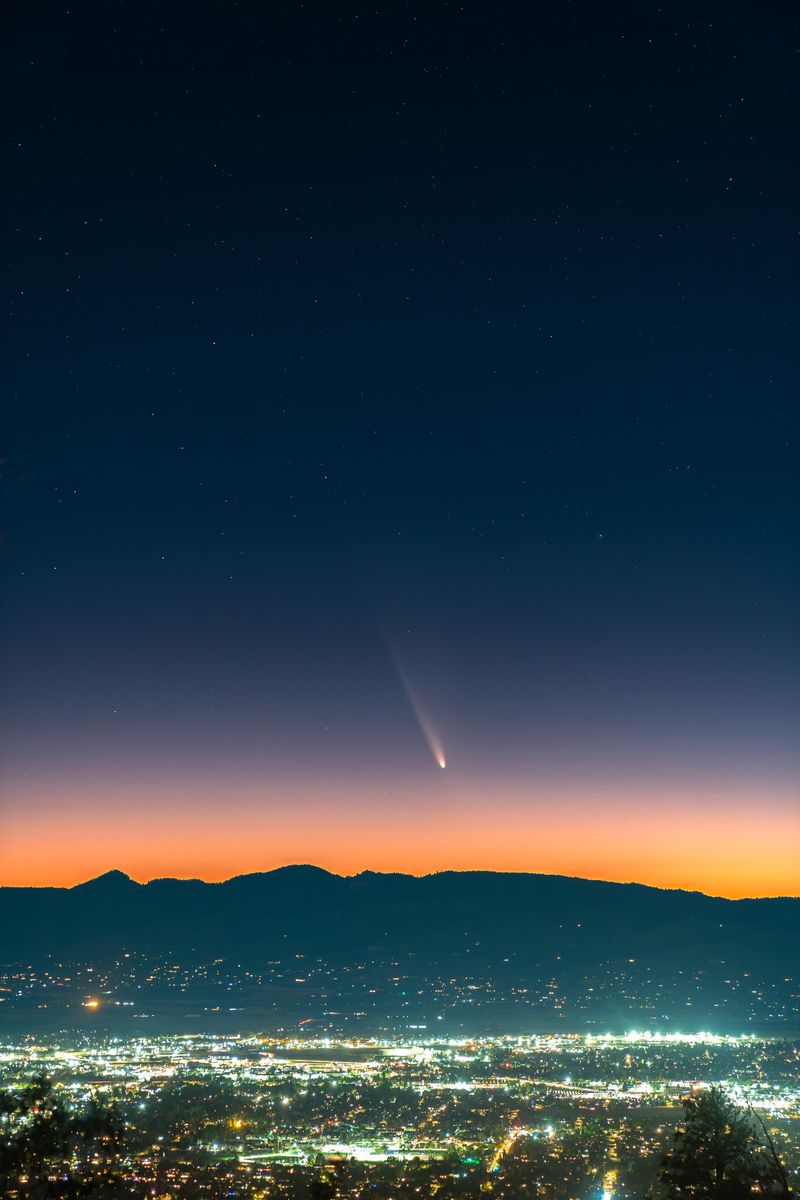
Mark mid to late April 2026, with the sweet spot around perihelion on April 20 and closest Earth approach near April 26 to 27. For northern observers, look low in the eastern sky about 60 to 90 minutes before sunrise.
The comet could sit among Pisces, Aquarius, or Pegasus depending on the date and your longitude. Use a reputable astronomy app or website to generate nightly finder charts with magnitude estimates.
If naked eye visibility materializes, you will likely spot a soft glow before noticing any tail. Binoculars will reveal a brighter coma and a tapered dust streak, while small telescopes tease out structure and subtle color.
Choose dark, transparent skies with minimal moonlight, shielded from urban glare. Arrive early to dark adapt, then sweep slowly above the horizon.
Even if it falls short of great comet status, you will still enjoy a rewarding target that evolves night by night, perfect for tracking changes and practicing patient, deliberate skywatching.
How to Photograph and Share the Moment
You can capture this comet with simple gear if you plan ahead. Start with a sturdy tripod, a fast wide or short telephoto lens, and high ISO settings to keep exposures under 10 seconds.
Compose with foreground silhouettes like trees, hills, or an observatory to add scale and storytelling. Use an app to align your frame with the comet’s predicted position and bracket exposures to manage skyglow.
Shoot RAW, disable in camera noise reduction, and stack multiple frames later to boost signal without smearing detail. A star tracker lets you extend exposure length and resolve the tail’s filamentary structure.
Share responsibly by annotating your images with date, time, location, focal length, and estimated magnitude. Encourage friends to step outside and try their own view, emphasizing the unpredictability that makes comets exciting.
Whether it blazes or stays modest, your images will document a rare encounter and inspire others to look up.



