 Unearth The Voyage
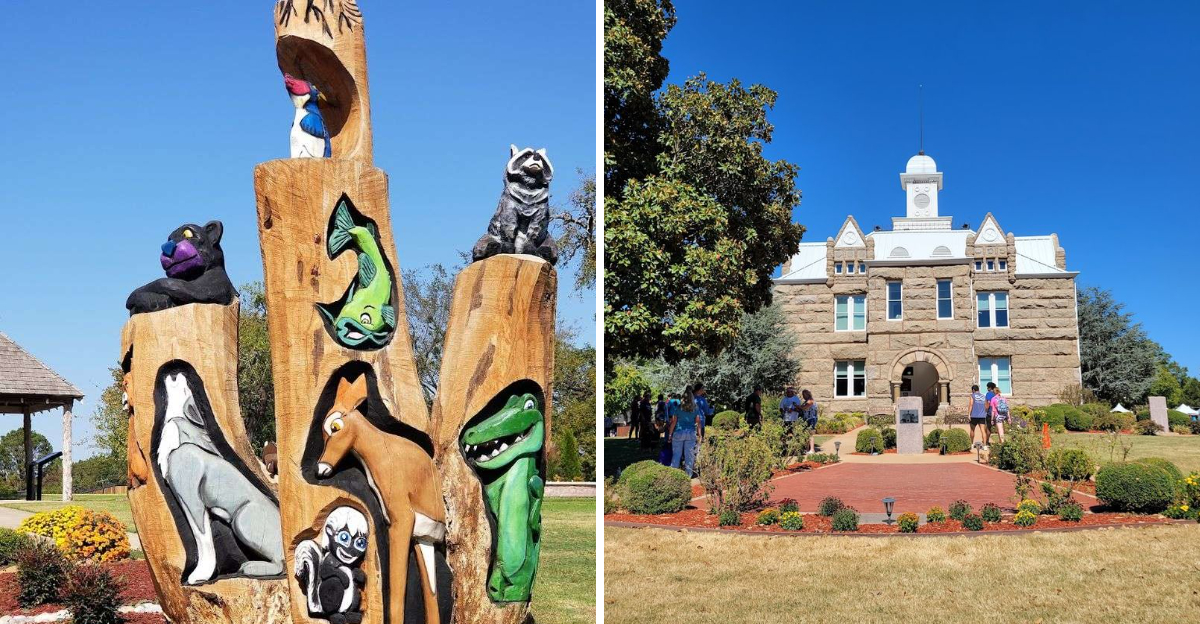
There is a small town in southern Oklahoma where the pace slows down, the people wave first, and the history runs deep enough to keep you reading for hours. Cowboys are not a costume here.
They are neighbors, ranchers, and storytellers who keep a way of life alive that most of the country has long forgotten. This town was once the capital of an entire nation, and the pride of that legacy still shows up in the architecture, the festivals, and the faces you meet on Main Street.
Spend a weekend here and you will leave with a full heart, a few new friends, and probably a craving for homemade pie that no city bakery will ever fully satisfy.
Where Chickasaw History Meets Small-Town Oklahoma Pride
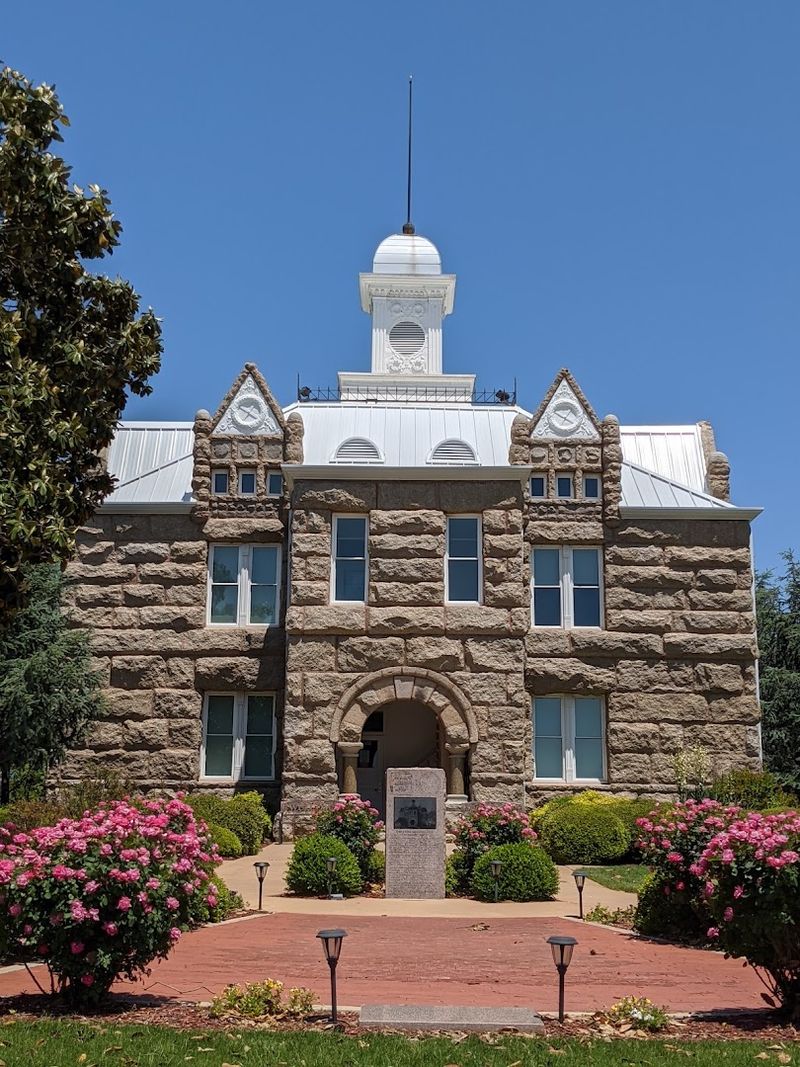
Right in the heart of Johnston County, Tishomingo, Oklahoma 73460, sits at the crossroads of Native American heritage and classic small-town American life. The town was established as the first capital of the Chickasaw Nation back in 1856, and that distinction still shapes everything about how the community carries itself today.
The streets feel purposeful here, not accidental. Buildings that have stood for over a century line the main drag, and locals will happily tell you the story behind each one if you give them half a chance.
The population hovers around 3,100 people, which means everybody more or less knows everybody, and strangers get noticed in the best possible way. You are not invisible here.
You are a guest, and guests get treated well.
That founding-capital status gives Tishomingo a quiet but unmistakable confidence. This is a town that knows what it is, where it came from, and why that matters.
The Chickasaw Nation still has a strong presence here, and that connection between past and present is something you feel before you even read a single historical marker.
The Chickasaw Capitol Building and Its Remarkable Story
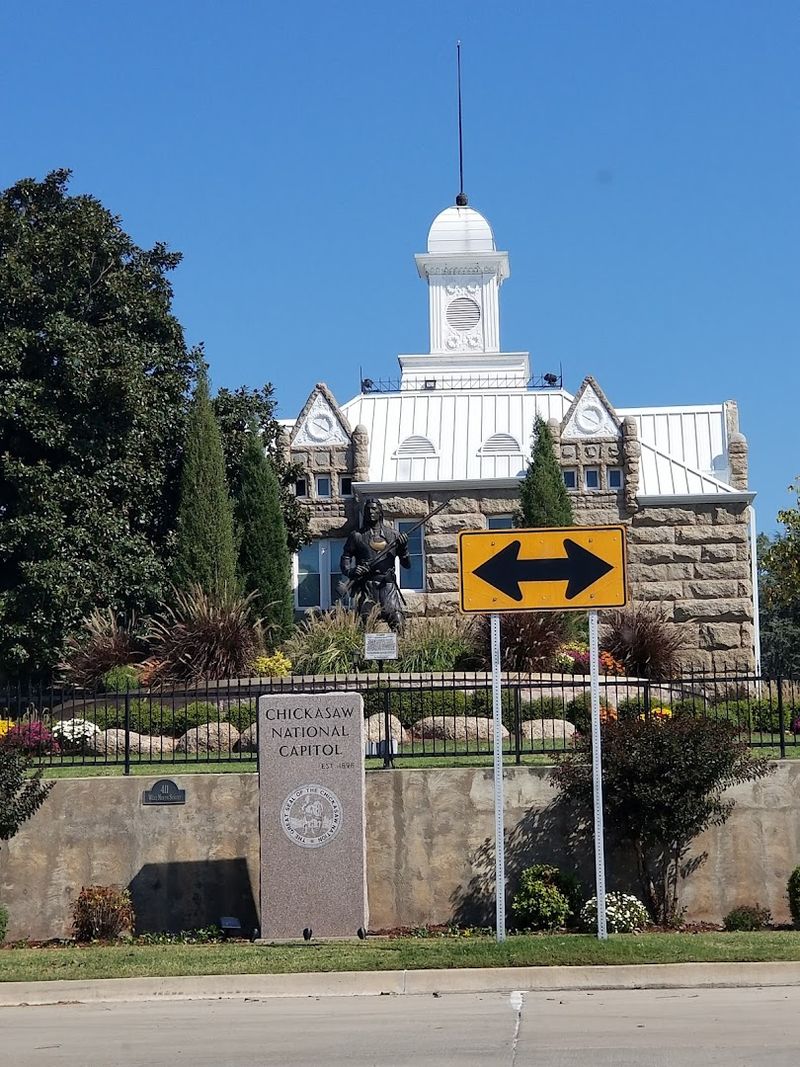
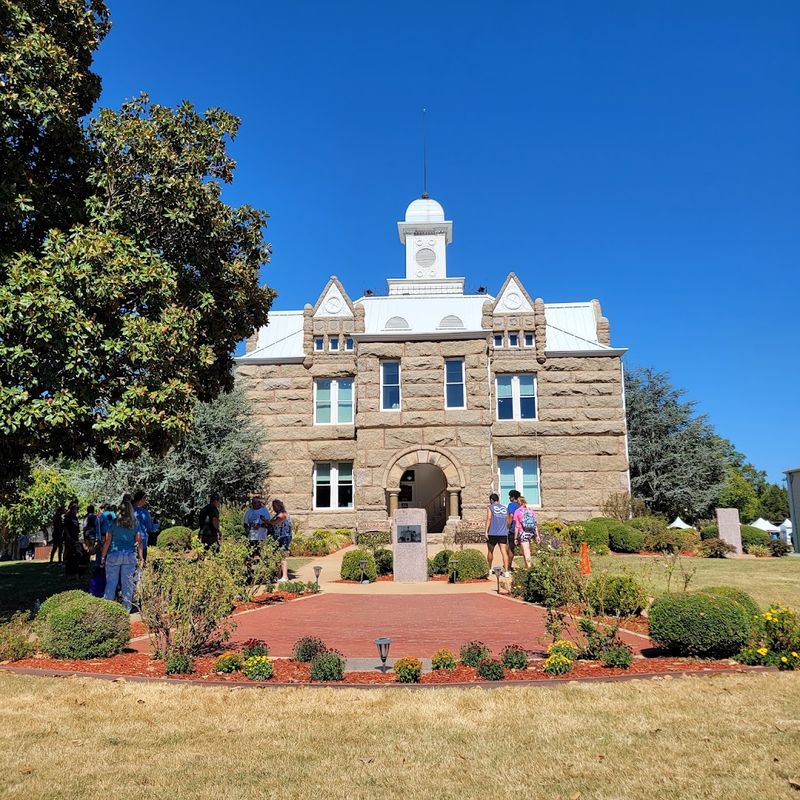
Few buildings in all of Oklahoma carry the kind of weight that the Chickasaw Capitol building does. Built in 1898 from local sandstone, the structure replaced an earlier capitol and served as the seat of Chickasaw government right up until Oklahoma achieved statehood in 1907.
The building is compact but commanding, with thick stone walls and a no-nonsense design that speaks to the serious business that once happened inside. Today it functions as a museum, and the exhibits inside do a thorough job of connecting visitors to the political and cultural history of the Chickasaw people.
Artifacts, documents, and photographs fill the rooms in a way that feels respectful rather than clinical. You get the sense that the people who put this museum together actually cared about getting the details right.
The grounds around the building are well kept and peaceful, with old trees providing shade on warm afternoons. It is the kind of historic site where you can take your time without feeling rushed or herded through.
Most visitors end up staying longer than they planned, which is usually the sign of a place doing something right.
Cowboy Culture That Goes Way Beyond the Hat
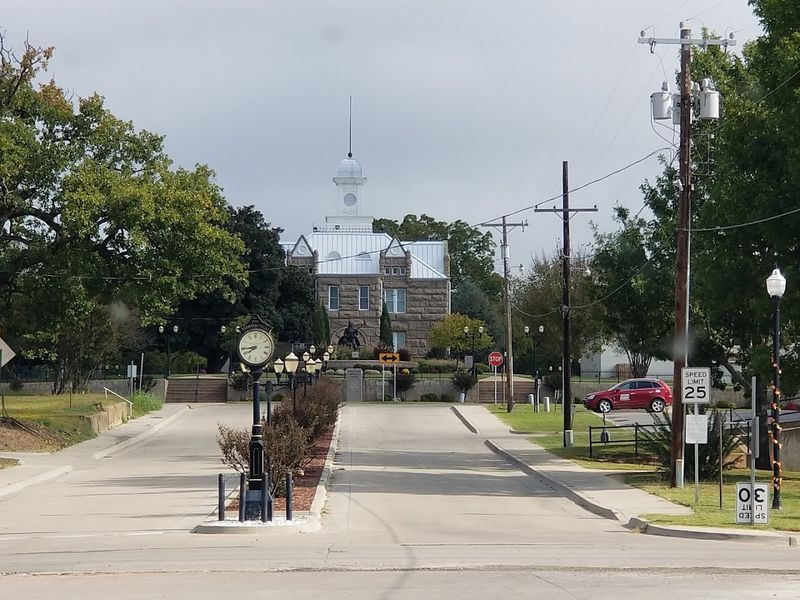
Not every town that claims cowboy culture can actually back it up, but Tishomingo earns every bit of that identity without breaking a sweat. Ranching is not a theme here.
It is a livelihood, a tradition, and a point of serious personal pride for a large portion of the local population.
You will see real working trucks with real mud on the tires, real boots worn down from actual work, and real livestock auctions where real money changes hands. The cowboy culture here is functional, not decorative, and that distinction matters more than people realize.
Local rodeos and ranch events bring the community together in a way that feels completely organic. There is no manufactured nostalgia involved.
This is just how things have always been done, and the younger generation seems genuinely proud to carry the tradition forward rather than run from it.
Conversations at the local feed store or diner tend to include talk of weather patterns, cattle prices, and land management. These are the real topics of a working ranching community.
Spending even one afternoon in that environment gives you a fresh appreciation for what it actually takes to keep that way of life going.
Front Porch Friendliness That Is Completely Genuine
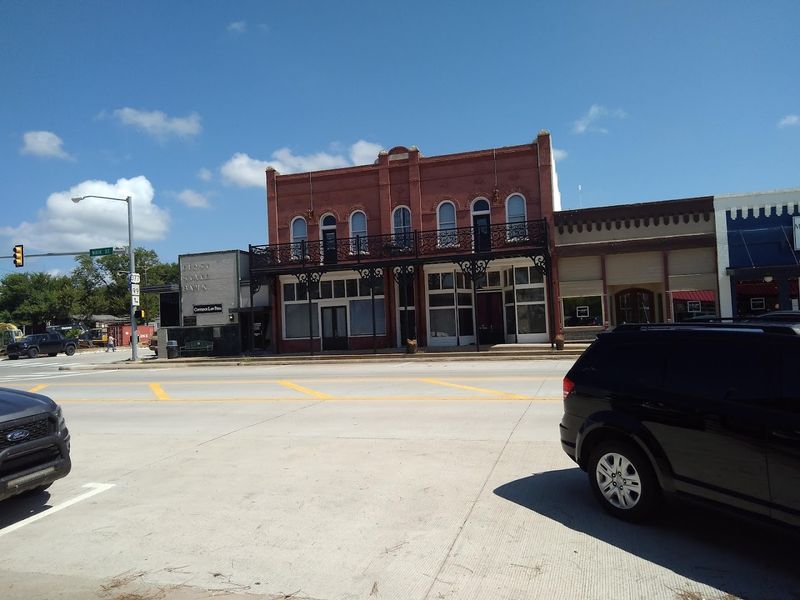
The phrase front porch friendliness gets thrown around a lot when people describe small towns, but in Tishomingo it is not a marketing slogan. It is a daily reality that hits you almost immediately after you arrive.
People make eye contact. They say hello without being prompted.
They ask where you are from, and they actually wait for the answer. In a world where most social interaction feels transactional, that kind of unhurried human warmth is genuinely refreshing.
Shop owners remember your name after one visit. Waitstaff at local diners refill your coffee before you ask.
A stranger in a parking lot will offer directions before you even look lost. None of this feels performed or forced.
It is simply how people here were raised to treat others.
That culture of genuine hospitality extends to community events, local festivals, and casual gatherings that outsiders are warmly welcomed into. Tishomingo does not have a velvet rope.
The whole town operates more like a potluck dinner where someone always pulls up another chair. That spirit is one of the most underrated things about this corner of Oklahoma.
Murray State College and the Energy It Brings
A small town with a college in it has a certain kind of energy that you notice right away, and Tishomingo benefits enormously from the presence of Murray State College. Founded in 1908, the college has been a fixture of local life for well over a century and continues to draw students from across the region.
The campus adds a layer of youthful activity to a town that might otherwise feel purely historical. There are student events, athletic competitions, and community programs that keep things lively throughout the academic year.
Murray State also plays an important role in the local economy, providing jobs and drawing families to the area. The relationship between the college and the town feels genuinely symbiotic rather than distant or disconnected.
Athletics are a big deal on campus, particularly the rodeo program, which fits perfectly with the broader cowboy culture of the surrounding community. It is one of those rare situations where the college and the town actually share the same identity rather than existing in separate bubbles.
That alignment gives Tishomingo a cohesion that larger college towns sometimes struggle to achieve, and it makes the whole place feel more unified and alive.
The Scenic Beauty of Johnston County
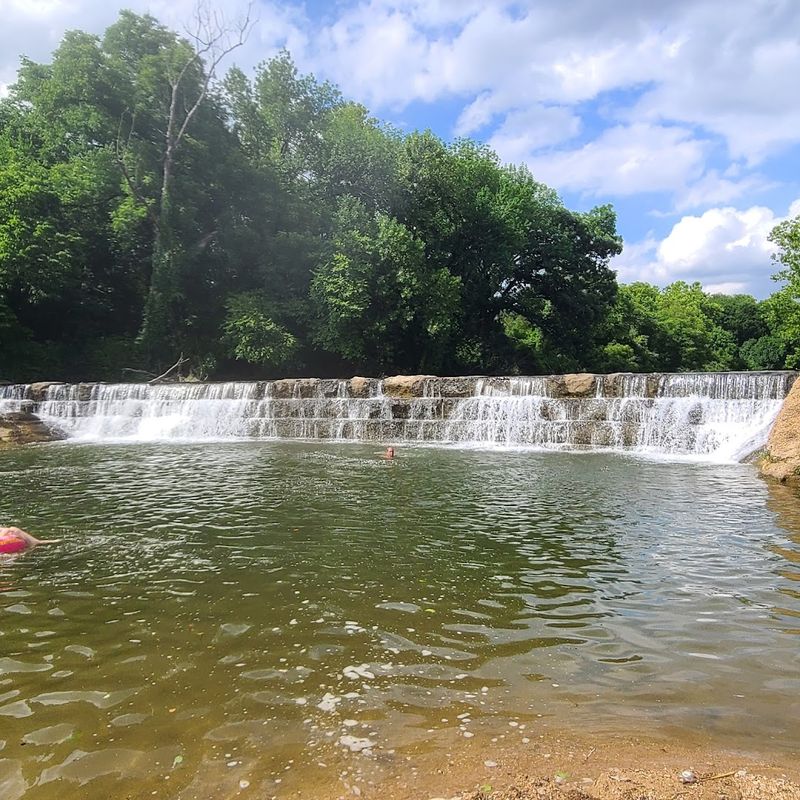
Southern Oklahoma does not always get the credit it deserves for natural beauty, but Johnston County makes a strong case for itself. The landscape around Tishomingo is a mix of rolling hills, dense cedar and hardwood forests, and clear creeks that wind through the countryside in ways that feel almost too pretty to be real.
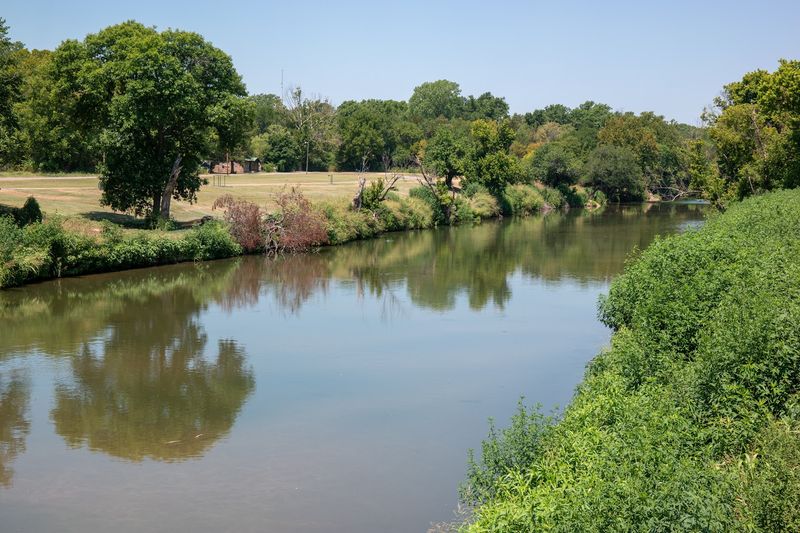
The Washita River runs through the region and adds both scenic value and recreational opportunity to an area that outdoor enthusiasts genuinely appreciate. Fishing, hiking, and wildlife watching are all accessible without much effort or planning.
The changing seasons bring different colors and moods to the landscape. Fall turns the hillsides into a patchwork of orange and red that rivals anything you might find in more famous leaf-peeping destinations.
Spring brings wildflowers and birdsong that make early morning drives through the county an unexpectedly pleasant experience.
There is a quietness to the natural environment here that feels therapeutic rather than boring. No traffic noise, no construction, no crowds.
Just wind through the trees and the occasional sound of cattle in the distance. For anyone coming from an urban environment, that kind of stillness has a way of resetting something in your brain that you did not even know needed resetting.
Local Dining With Real Personality
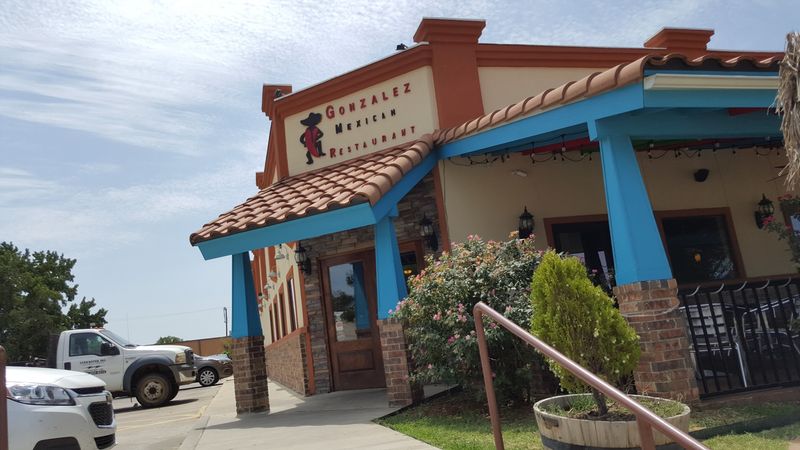
The food in Tishomingo follows the same honest, no-frills philosophy that defines the rest of the town. You are not going to find trendy fusion menus or Instagram-bait plating here, and that is absolutely fine because what you will find is food that tastes like someone actually cooked it with care.
Local diners serve up breakfast plates that arrive hot and generous, with biscuits that are properly fluffy and gravy that has actual flavor. Lunch specials tend toward comfort food that fills you up without requiring a lengthy decision-making process.
The pie situation in this town deserves its own paragraph. Homemade pies show up at diners, church events, and community gatherings with a frequency that suggests baking is genuinely considered a civic duty.
Pecan pie, in particular, reaches a level of quality here that feels almost unfair to the rest of the country.
Eating out in Tishomingo is a social experience as much as a culinary one. Tables fill up with regulars who catch up on local news, and newcomers get folded into conversations without much ceremony.
A meal here rarely stays a solo experience for long, which might be the best thing you can say about any restaurant.
The Chickasaw Nation’s Living Cultural Presence
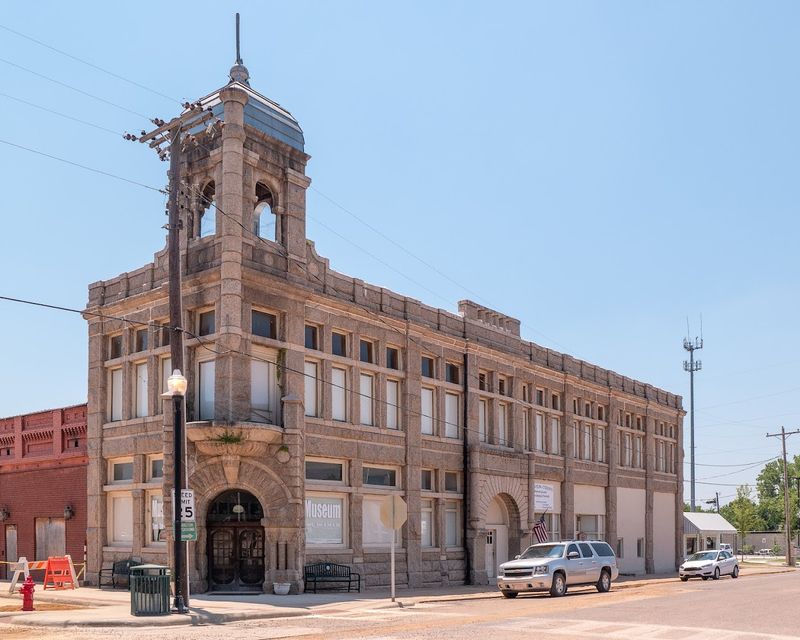
The Chickasaw Nation is not just a historical footnote in Tishomingo. It is an active, present, and deeply influential force in the daily life of the community.
The Nation operates programs, facilities, and services that benefit both tribal members and the broader Johnston County population in meaningful ways.
Cultural events throughout the year celebrate Chickasaw traditions through art, music, food, and storytelling. These events are generally open to the public and provide a genuinely educational experience that goes well beyond what any textbook could offer.
The Nation’s investment in the region has helped preserve historic sites, support local businesses, and maintain a cultural identity that might otherwise have faded under the pressures of modern development. That commitment to preservation is visible in the quality of the museums, the upkeep of historic buildings, and the pride that community members express when talking about their heritage.
Visitors who take the time to engage with that cultural layer of Tishomingo leave with a much richer understanding of Oklahoma’s history than they arrived with. The Chickasaw story is one of resilience, adaptation, and enduring pride, and this town tells it better than almost anywhere else in the state.
Annual Events That Bring the Town to Life
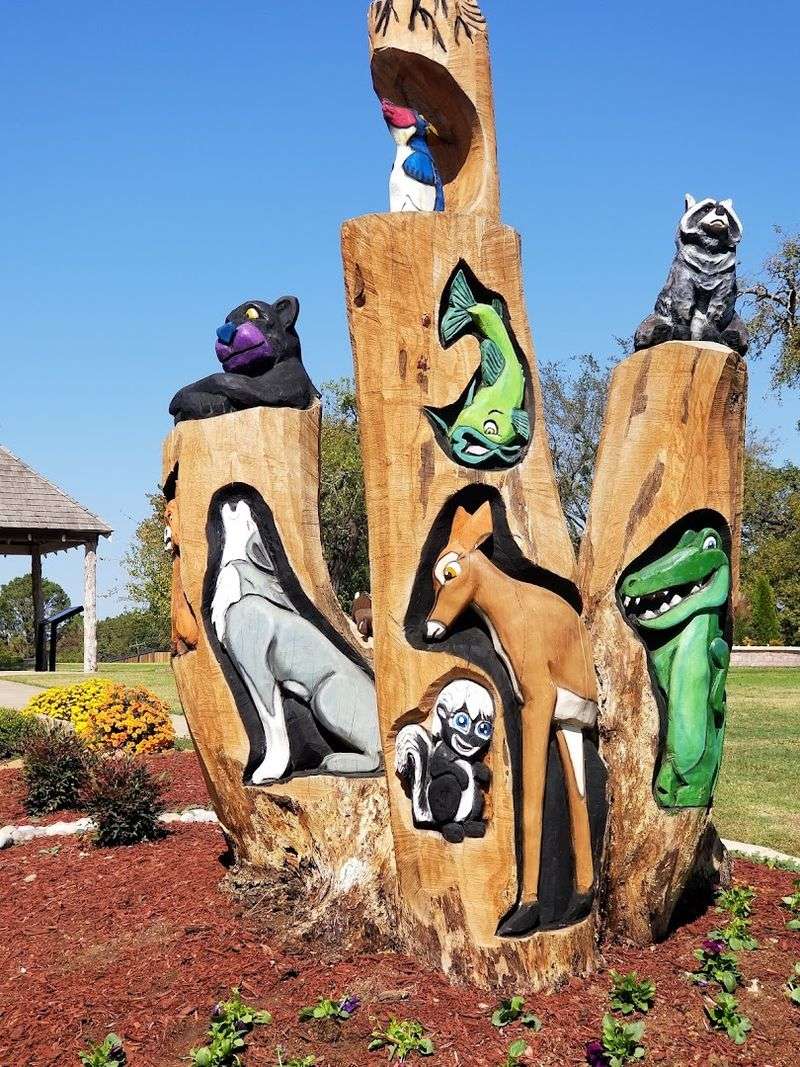
A town’s calendar of events tells you a lot about its personality, and Tishomingo’s lineup says loud and clear that this community knows how to celebrate itself. Throughout the year, a rotating series of festivals, rodeos, and cultural gatherings fill the streets with energy and draw visitors from well beyond Johnston County.
The Chickasaw Nation Annual Meeting and Festival is one of the most significant events on the calendar, drawing tribal citizens and visitors from across the country for a multi-day celebration of Chickasaw culture, history, and community. The atmosphere is festive and welcoming, with food, music, and traditional performances creating a full sensory experience.
Seasonal events tied to local agriculture and ranching traditions also draw strong crowds. Cattle-related competitions, county fairs, and outdoor markets give the town a rhythm that feels tied to the land rather than manufactured for tourism purposes.
The community participation in these events is what sets them apart from bigger, more commercialized festivals. Volunteers actually show up.
Families bring their kids. Neighbors set up folding chairs and stay for hours.
There is a genuine sense of communal investment in making each event a success, and that collective energy is something you can feel the moment you park your car and walk toward the crowd.
Historic Architecture Worth Slowing Down For
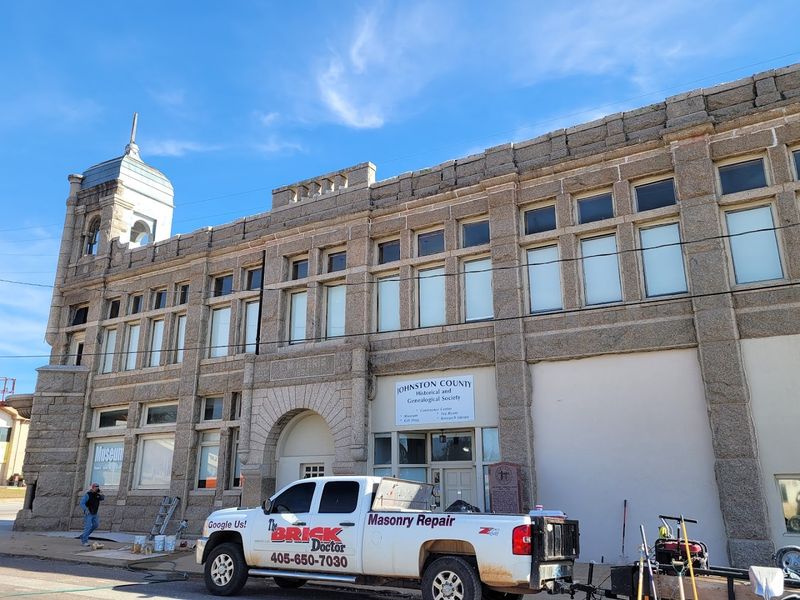
Main Street in Tishomingo is the kind of street that urban planners and preservationists wish they could bottle and sell. The historic commercial buildings that line the downtown core were constructed during a period of genuine optimism about this town’s future, and many of them have been maintained or restored with real care and attention.
Brick facades, original window frames, and period-appropriate signage give the downtown a visual consistency that feels earned rather than staged. There are no fake-rustic storefronts here trying to look old.
These buildings are actually old, and they wear their age honestly.
Walking the downtown blocks is a low-key pleasure that does not require a guidebook or a tour group. The architecture speaks for itself, and the occasional historical marker fills in context without overwhelming you with information.
Photographers find the downtown irresistible at golden hour, when the warm Oklahoma light hits the old brick at just the right angle and turns the whole street into something worth framing. Even if you are not a photographer, you will probably find yourself stopping to look more than once.
Good architecture has a way of doing that, slowing your feet down before your brain even registers why.
Outdoor Recreation Along the Washita River
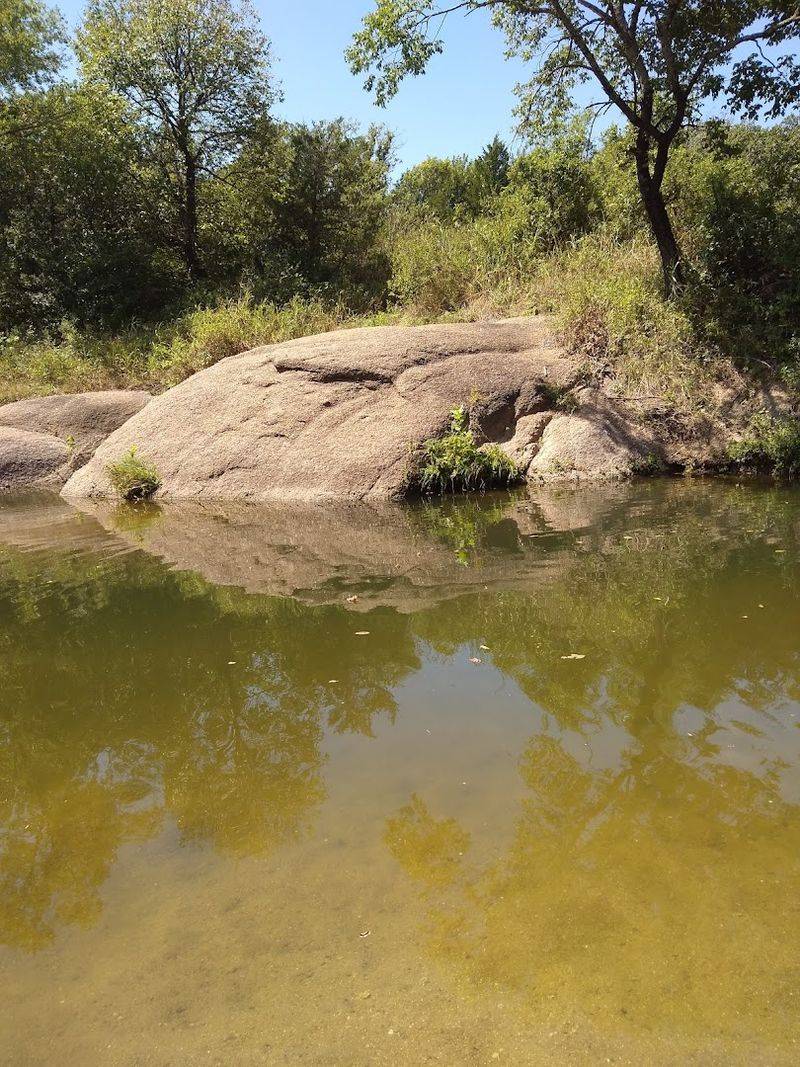
The Washita River corridor near Tishomingo offers outdoor recreation that is both accessible and genuinely rewarding. Fishing is probably the most popular activity, and the river has a solid reputation among anglers who know the region well.
Bass, catfish, and other species make the water worth wetting a line in across multiple seasons.
The riverbanks and surrounding land also attract hikers, birdwatchers, and wildlife photographers who appreciate the relatively undisturbed natural habitat. White-tailed deer, wild turkey, and a wide variety of songbirds are common sightings for those who move quietly and pay attention.
Camping opportunities near the river allow visitors to extend their stay beyond a day trip and experience the area at a pace that lets the natural environment actually sink in. Waking up to birdsong along the Washita is a completely different experience from a hotel alarm clock, and not in a subtle way.
The outdoor recreation scene here is not aggressively marketed or over-developed, which is part of what makes it appealing. You get the sense that nature here is still mostly on its own terms.
That kind of unpretentious access to genuine Oklahoma wilderness is increasingly rare and worth traveling for when you find it.
Why Tishomingo Stays With You Long After You Leave
Some places make a strong first impression and then fade quickly from memory once you are back on the highway. Tishomingo is not one of those places.
Something about the combination of deep history, genuine hospitality, and unhurried pace tends to settle into your thinking in a way that is hard to shake.
You find yourself mentioning it in conversations weeks later, recommending it to people who say they want to see a different side of Oklahoma. You pull up photos on your phone and realize they actually capture something real rather than just looking like every other small-town stock image.
The town does not try to be something it is not, and that authenticity is what makes the experience stick. There is no performance here, no curated version of small-town life designed for outside consumption.
What you see is what the community actually is, and that honesty is rare enough to feel like a gift.
Tishomingo reminds you that the most memorable travel experiences are not always the biggest or the most famous. Sometimes they are just a quiet town that treats you right, feeds you well, and sends you home with a slightly better opinion of the world than when you arrived.
That is a pretty good return on a weekend.



