 Unearth The Voyage
Croatia is one of Europe’s most stunning countries, packed with ancient cities, sparkling coastlines, and jaw-dropping natural landscapes. From Roman ruins to turquoise waterfalls, every corner of this Adriatic gem has something incredible to offer.
Whether you’re a history buff, a beach lover, or an outdoor adventurer, Croatia has a spot with your name on it. Here are the 15 places you absolutely need to visit when you make the trip.
Dubrovnik
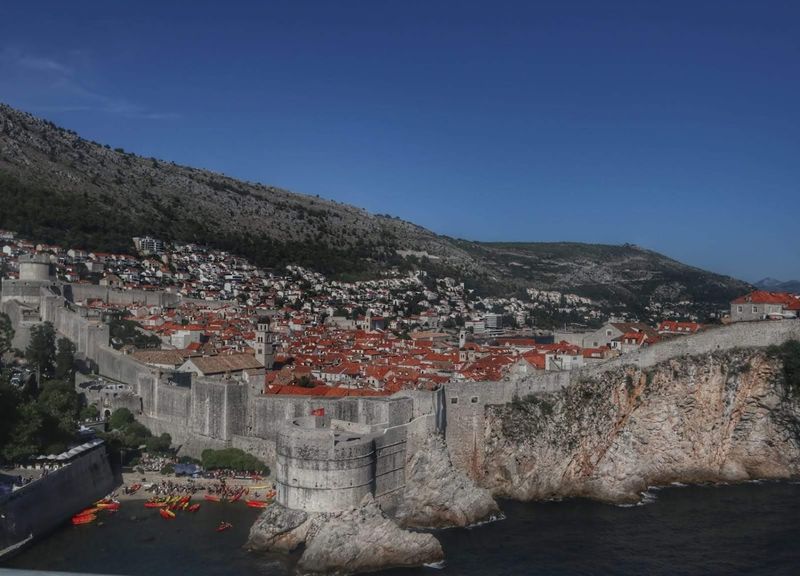
Walking the ancient city walls of Dubrovnik feels like stepping straight into a history book — except the views are far better than any illustration. Known as the “Pearl of the Adriatic,” this UNESCO-listed Old Town is one of the most photogenic places on the planet.
Marble streets, centuries-old churches, and honey-colored stone buildings line every corner.
The Dubrovnik Cable Car whisks you up Mount Srđ for a panoramic view that will genuinely stop you in your tracks. From up there, the terracotta rooftops and sparkling sea stretch out like a painting.
Sunset from that vantage point? Absolutely unforgettable.
Game of Thrones fans will recognize many spots here, since Dubrovnik served as King’s Landing. That said, the city’s real-life charm easily outshines any fictional kingdom.
Book accommodation early — this is one of Croatia’s most popular destinations, and it fills up fast during summer months.
Split
Imagine sipping coffee inside a 1,700-year-old Roman palace — that’s just a regular Tuesday in Split. Croatia’s second-largest city is built directly around Diocletian’s Palace, a massive Roman complex where people still live, shop, and eat today.
The blend of ancient walls and modern energy creates an atmosphere unlike anywhere else in Europe.
Strolling through the palace’s labyrinth of alleys, you’ll stumble across hidden bars, boutique shops, and beautiful stone courtyards. The Peristyle, the palace’s central square, is a favorite gathering spot for locals and visitors alike.
Street musicians often perform here, adding to the lively buzz.
For a breather from the crowds, head up to Marjan Hill on the western edge of the city. Shaded hiking trails lead to scenic lookout points with sweeping views of the Adriatic and nearby islands.
Split also serves as the main ferry hub for reaching popular islands like Hvar, Brač, and Vis, making it an ideal base for island-hopping adventures throughout Croatia.
Plitvice Lakes National Park
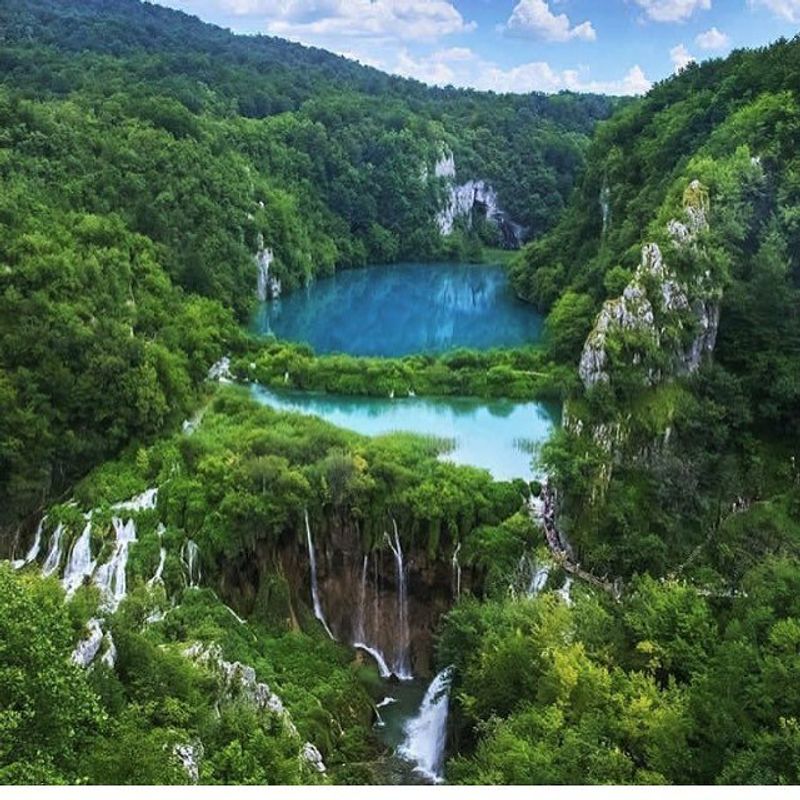
The water at Plitvice Lakes isn’t just blue — it shifts between shades of teal, emerald, and cyan depending on the light, the minerals, and the time of day. This UNESCO-listed national park in central Croatia is widely considered one of the most spectacular natural landscapes in all of Europe.
Sixteen terraced lakes are connected by over 90 waterfalls, creating a scene that looks almost unreal.
Wooden boardwalks wind through the park, taking visitors right alongside — and sometimes over — the rushing water. The sounds of cascading falls follow you everywhere, which makes the whole experience feel wonderfully immersive.
Spring and early autumn are the best times to visit, when crowds are thinner and the colors are at their most vivid.
The park covers a large area, so wear comfortable shoes and plan for a half-day at minimum. Several hiking routes are available, ranging from easy strolls to more ambitious treks.
Photography enthusiasts will want to bring extra memory cards — it’s genuinely impossible to take a bad photo here. Plitvice Lakes is a non-negotiable stop on any Croatian road trip.
Hvar Island
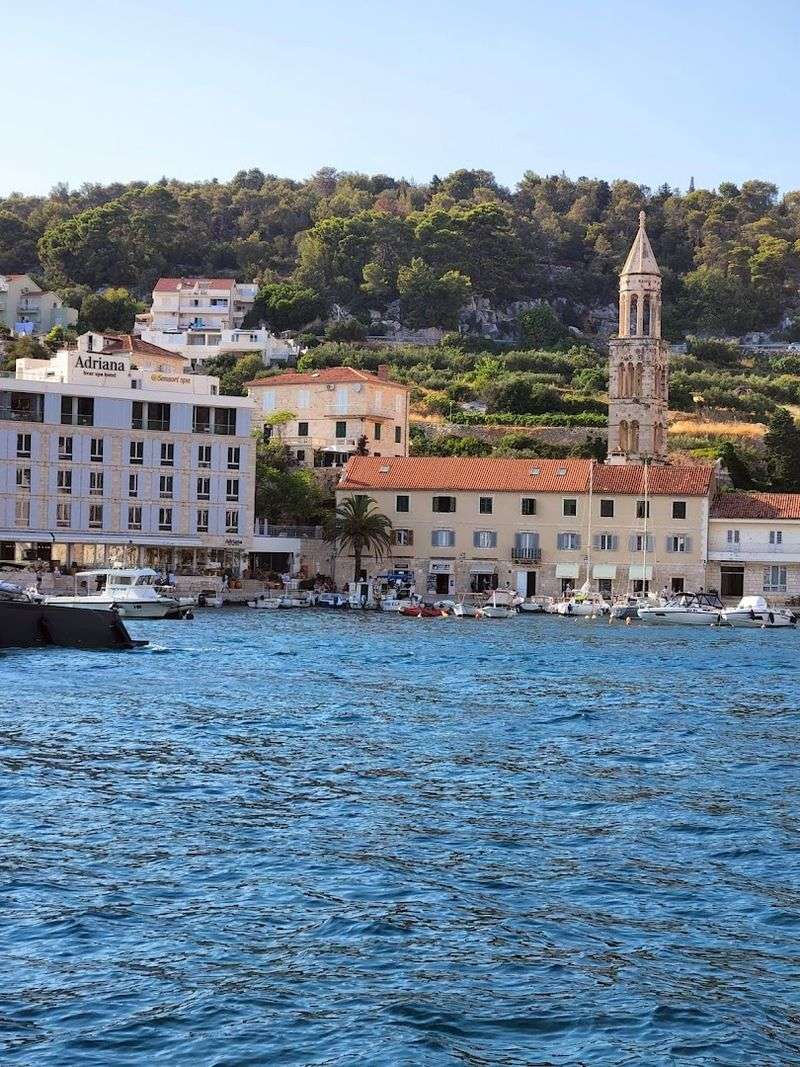
Hvar has a reputation as Croatia’s glamour capital, and honestly, it earns every bit of that title. The island sits in the Dalmatian archipelago and enjoys more sunshine hours per year than almost anywhere else in the country.
Lavender fields, vineyard-covered hills, and crystal-clear coves make it one of the most visually stunning islands in the Adriatic.
Hvar Town is the island’s beating heart, with a gorgeous harbor flanked by elegant stone buildings and expensive yachts. The main square, Trg svetog Stjepana, is one of the largest piazzas in Dalmatia and buzzes with energy from morning until late at night.
Restaurants, cocktail bars, and gelato shops are never far away.
Above the town, the Spanish Fortress offers brilliant views over the harbor and surrounding islands. Renting a boat or joining a day trip to the nearby Pakleni Islands is highly recommended — their hidden coves and clear water are worth every cent.
Hvar also has a surprisingly vibrant nightlife scene, attracting a young international crowd each summer. For those who prefer quiet, the island’s eastern villages offer a much more relaxed pace of life.
Rovinj
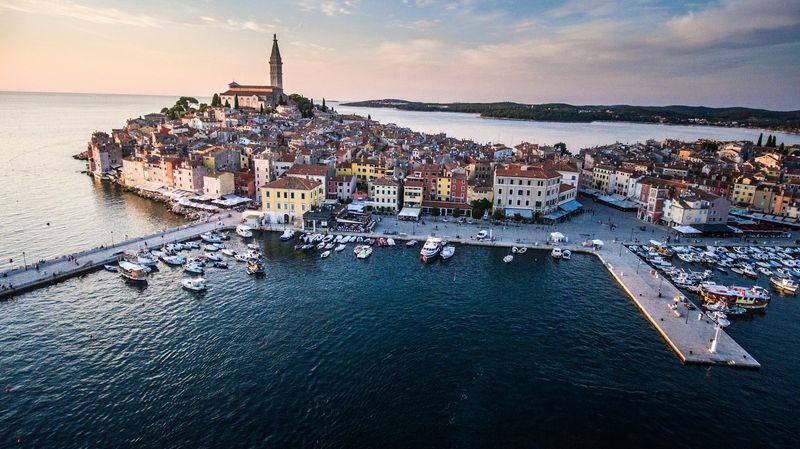
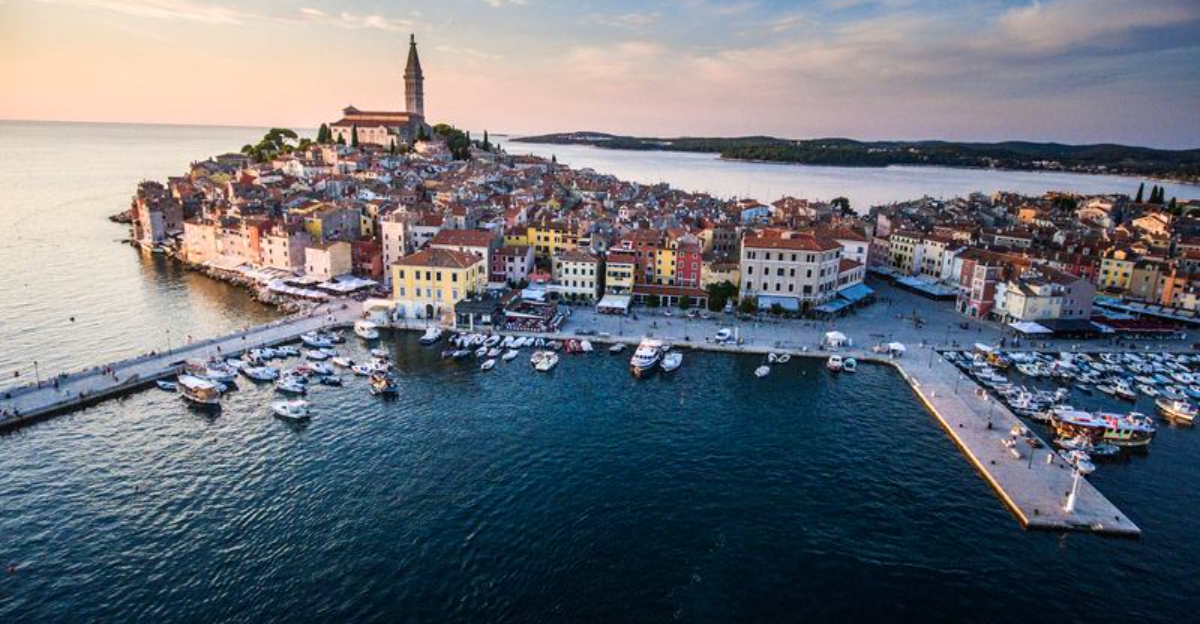
There’s a reason photographers always seem to have their cameras out in Rovinj — every single street looks like a postcard. Tucked along the Istrian coast, this charming fishing town is famous for its pastel-colored houses that climb steeply toward the hilltop Church of St. Euphemia.
The bell tower of that church can be spotted from nearly everywhere in town.
Rovinj spent centuries under Venetian rule, and the Italian influence is still very much alive. You’ll hear Italian spoken in the cafés, see Venetian-style architecture around every corner, and find some seriously good pasta on the menus.
The town’s narrow cobblestone streets are best explored on foot, ideally without a map.
The harbor area is perfect for an evening stroll, especially when the fishing boats come in and the golden light hits the water. Dozens of small galleries and artisan shops line the old town streets, making it a great spot for picking up unique souvenirs.
Rovinj is less crowded than Dubrovnik or Split, giving it a more relaxed and authentic feel. It’s the kind of place you plan to visit for a day and end up staying for a week.
Zadar
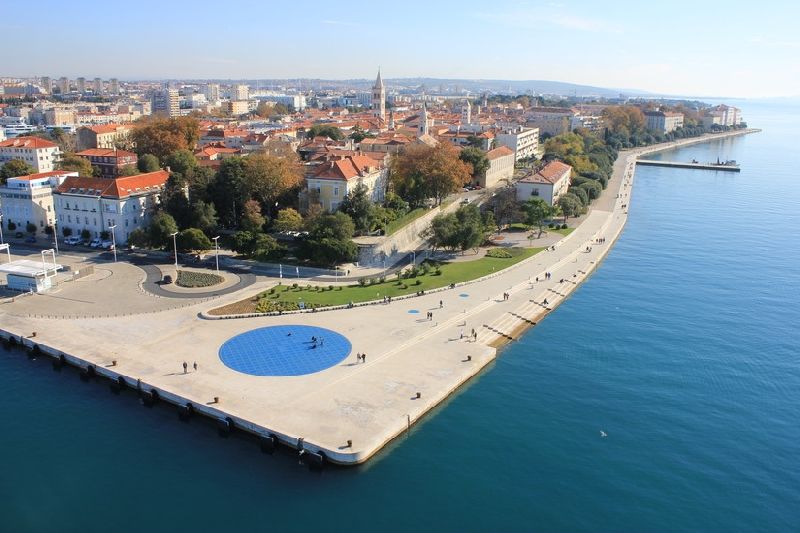
Alfred Hitchcock once called the Zadar sunset the most beautiful in the world — and while that’s a bold claim, standing at the waterfront at dusk makes it very hard to argue. This ancient coastal city on the Dalmatian coast is packed with Roman ruins, medieval churches, and modern public art that somehow all coexist beautifully.
It’s a city that rewards slow, curious exploration.
The Sea Organ is Zadar’s most talked-about attraction — a series of stone steps along the waterfront with underwater pipes that turn ocean waves into haunting, musical tones. No two visits sound exactly the same, since the music changes with the sea.
Right next to it, the Sun Salutation installation charges solar energy during the day and puts on a mesmerizing light show at night.
Zadar’s old town sits on a narrow peninsula and is easily walkable. The Roman Forum, dating back to the 1st century BC, is right in the city center and still impresses after two thousand years.
Fresh seafood restaurants and wine bars line the waterfront, making it a fantastic city for evening dining. Zadar tends to attract fewer tourists than Dubrovnik, making it feel refreshingly unhurried and local.
Krka National Park
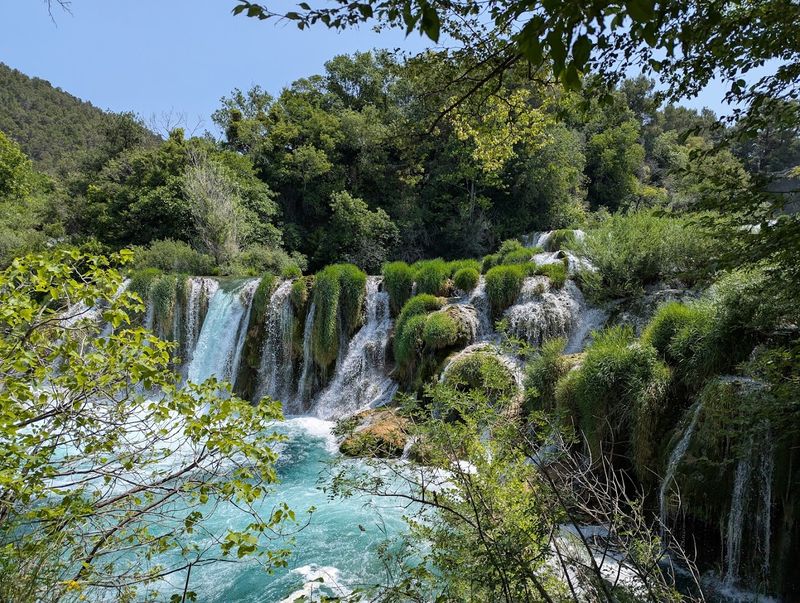
Krka National Park is the kind of place that makes you want to cancel your return flight and just stay forever. Located in the Šibenik-Knin County of Dalmatia, the park is built around the Krka River and its spectacular series of waterfalls.
The star of the show is Skradinski Buk, a wide, multi-tiered cascade that looks like something from a fantasy film set.
Wooden boardwalks loop around the falls and through the lush riverside landscape, offering close-up views of the rushing water. The sound of the waterfalls is constant and surprisingly calming — it’s the kind of background noise that makes you forget about everything else.
Boat tours along the river add a relaxed way to take in the scenery from a different angle.
History lovers will appreciate Visovac Island, a tiny islet in the middle of the river that holds a Franciscan monastery dating back to the 15th century. The park also has several old watermills that have been preserved along the riverbanks.
Krka is generally less crowded than Plitvice Lakes, making it a great alternative for those who prefer a quieter experience. It’s very manageable as a day trip from Split or Šibenik.
Zagreb
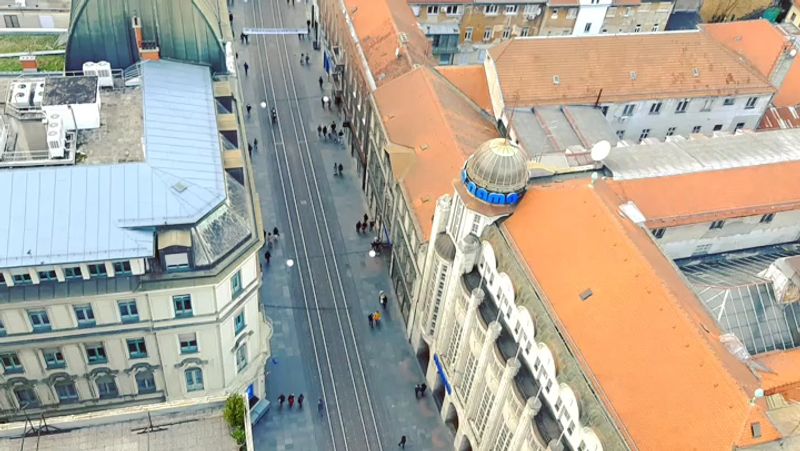
Zagreb tends to get overlooked in favor of Croatia’s shiny coastal cities, and that is honestly a mistake worth correcting immediately. The capital has a completely different vibe from the rest of the country — think leafy boulevards, Austro-Hungarian architecture, buzzing café terraces, and some of the best museums in the region.
It’s a city built for wandering.
The Upper Town, or Gornji Grad, is the historic heart of Zagreb and home to the iconic St. Mark’s Church, whose colorful mosaic-tiled roof is one of the most photographed sights in the country. Cobblestone streets, old towers, and charming squares make this neighborhood feel wonderfully old-world.
The funicular connecting Upper and Lower Town is one of the shortest in the world and a fun ride regardless.
Zagreb’s café culture is legendary among locals — the daily ritual of sitting outside for a long coffee is taken very seriously here. The Dolac open-air market, held every morning near the main square, is a lively spot to grab fresh produce and soak up local energy.
The Museum of Broken Relationships, a quirky and surprisingly moving exhibit, is a must-visit. Zagreb works brilliantly as a starting or ending point for a Croatian road trip.
Korčula
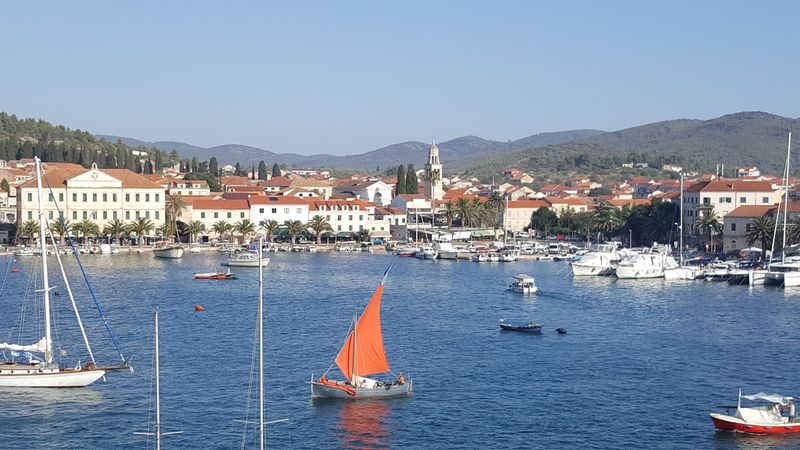
Some say Marco Polo was born in Korčula — and while historians still debate it, the locals are absolutely certain, and they’ll tell you so with great enthusiasm. This medieval island town sits off the Dalmatian coast, wrapped in ancient stone walls and surrounded by some of the clearest water in the Adriatic.
It has all the beauty of Dubrovnik with a fraction of the tourist traffic.
The old town’s street layout is genuinely unique — the alleys are arranged in a herringbone pattern, a clever design meant to channel sea breezes and protect residents from harsh winds. Walking through those narrow stone streets, past Gothic palaces and quiet squares, feels genuinely timeless.
The Cathedral of St. Mark in the town center is worth stepping inside for its beautiful interior.
Korčula is also a wine lover’s paradise. The island produces two excellent white wines — Grk and Pošip — that pair perfectly with the local seafood.
Renting a bicycle or scooter to explore the island’s vineyards, olive groves, and hidden beaches is one of the best ways to spend a day here. Evenings in Korčula are wonderfully slow, with waterfront restaurants and gentle sea breezes making every dinner feel like a special occasion.
Pula
Standing inside Pula’s Roman amphitheater, it’s genuinely hard to process that this structure has been standing for nearly 2,000 years. The Pula Arena is one of the six largest surviving Roman arenas in the world, and unlike many ancient sites, it’s still in active use — hosting concerts, film festivals, and cultural events throughout the summer.
Seeing a live performance here is a bucket-list experience.
Pula sits at the southern tip of the Istrian peninsula and packs an impressive amount of Roman history into a relatively compact city. The Triumphal Arch of the Sergii and the Temple of Augustus are both beautifully preserved and easy to stumble upon while exploring the old town on foot.
The mix of ancient monuments and lively café culture gives Pula a very appealing everyday energy.
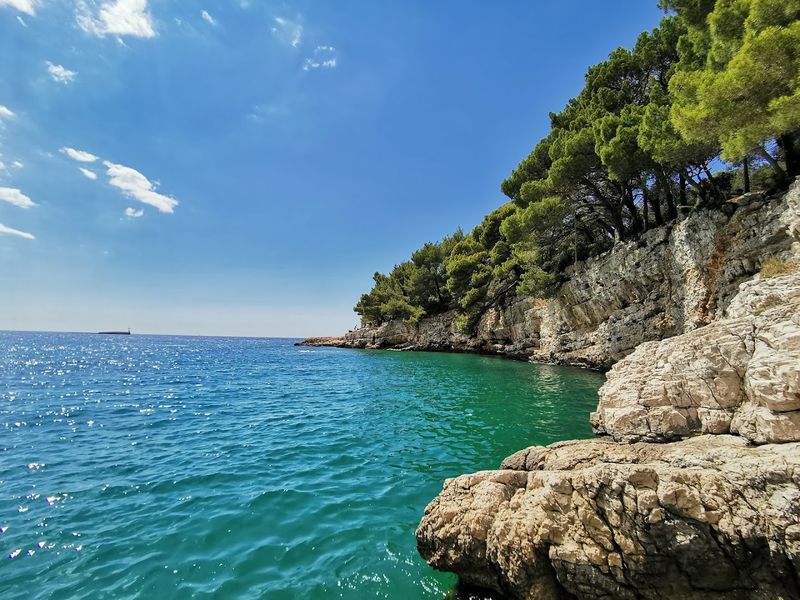
Beyond the history, Pula has a lovely coastline with rocky beaches and clear water just a short distance from the city center. The nearby Cape Kamenjak nature park is a favorite among locals for swimming, snorkeling, and cliff jumping.
Pula is also significantly more affordable than some of Croatia’s bigger tourist destinations, making it a smart choice for budget-conscious travelers who still want history, coastline, and great food.
Trogir
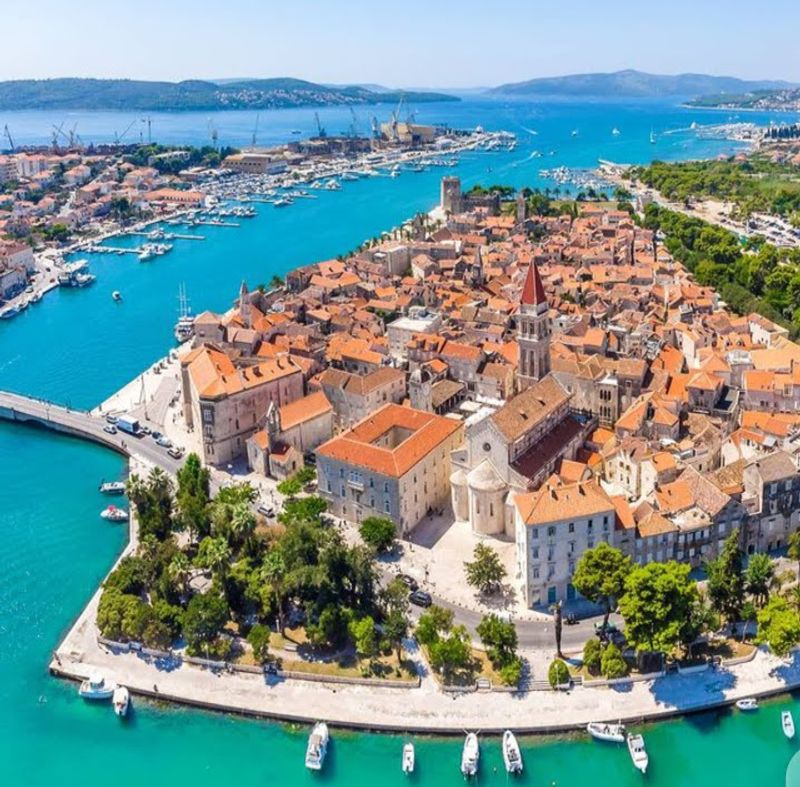
Trogir is so well-preserved that UNESCO designated the entire old town a World Heritage Site — and once you see the place, it’s easy to understand why. Built on a tiny island connected to the mainland by bridges, this medieval gem is packed with Romanesque and Renaissance architecture that has barely changed in centuries.
The Cathedral of St. Lawrence, with its intricately carved portal, is widely considered one of the finest examples of medieval stone carving in Croatia.
The streets of Trogir are wonderfully narrow and easy to get lost in — which is actually the best way to explore. Every corner seems to reveal a hidden courtyard, a crumbling palazzo, or a charming café tucked under a stone arch.
The waterfront promenade is lined with restaurants and palm trees, making it ideal for a long, lazy lunch.
Trogir sits just 27 kilometers west of Split, making it a very easy day trip from the city. Many visitors combine both in a single day, though Trogir absolutely deserves more time than a rushed afternoon.
Boat trips to the nearby island of Čiovo offer beautiful beaches and calm swimming spots. The relaxed pace and genuine authenticity of Trogir make it one of Croatia’s most rewarding small-town experiences.
Omiš
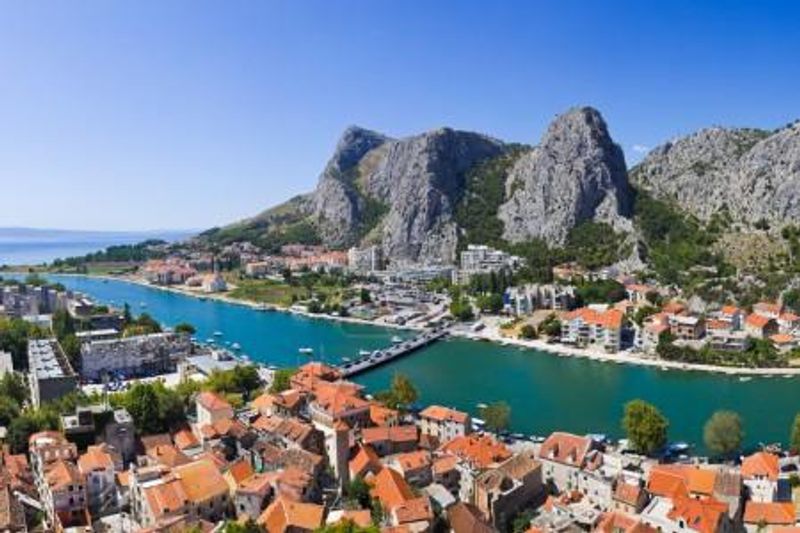
Omiš has a reputation that its pirates would be proud of — this small Dalmatian town spent centuries as one of the most feared pirate strongholds in the Adriatic, raiding ships and causing serious headaches for Venice. Today it’s a lot more welcoming, but the dramatic setting hasn’t changed a bit.
Steep limestone cliffs frame the town on one side while the Adriatic glitters on the other.
The Cetina River gorge, cutting through the mountains just behind town, is the main draw for adventure seekers. Whitewater rafting trips along the river are hugely popular and suitable for beginners and experienced rafters alike.
Zip-lining across the gorge is another option for those who want a serious adrenaline rush with spectacular views thrown in for free.
Old stone fortresses sit perched above the town on the clifftops, and the short hike up to them rewards you with brilliant views over the rooftops, the river mouth, and the open sea. The town beach below is small but lovely, and the seafood restaurants along the waterfront serve some of the freshest catches on the Dalmatian coast.
Omiš strikes a great balance between outdoor adventure and relaxed coastal charm, making it a standout stop on any Dalmatian road trip.
Brač Island (Zlatni Rat Beach)
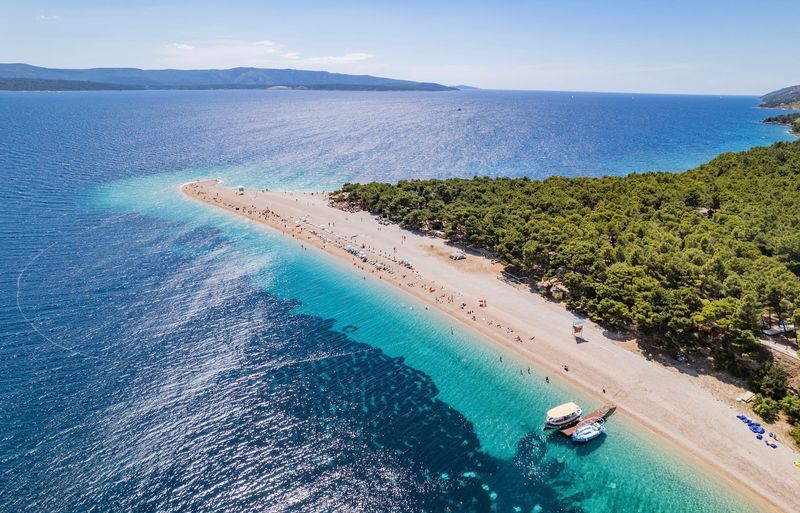
Zlatni Rat is probably the most photographed beach in Croatia, and it earns that status by doing something no other beach quite manages — it actually changes shape. This iconic white pebble sandbar juts out into the sea and shifts its tip left or right depending on wind and current.
No two visits look exactly the same, which makes it endlessly fascinating even for repeat visitors.
Located near the town of Bol on the southern coast of Brač Island, Zlatni Rat is backed by a shady pine forest that provides welcome relief from the summer heat. The clear turquoise water is ideal for swimming, and the consistent winds make it one of the best windsurfing and kitesurfing spots in the entire Adriatic.
Rental equipment is available right on the beach.
Brač Island itself has plenty more to offer beyond its famous beach. The town of Supetar on the northern coast is the island’s main ferry port and a pleasant base for exploring.
Brač stone is world-famous — it was used to build Diocletian’s Palace in Split and even parts of the White House in Washington. Hiking and cycling trails criss-cross the island’s interior, passing through olive groves and quiet stone villages that feel completely untouched by tourism.
Šibenik
The Cathedral of St. James in Šibenik holds a distinction that no other cathedral in the world can claim — it was built entirely from stone, without a single brick or piece of wood in its structure. That remarkable achievement earned it a UNESCO World Heritage listing, and seeing it up close, with its intricate stone carvings and elegant proportions, is genuinely awe-inspiring.
Construction took over a century, involving several master architects across multiple generations.
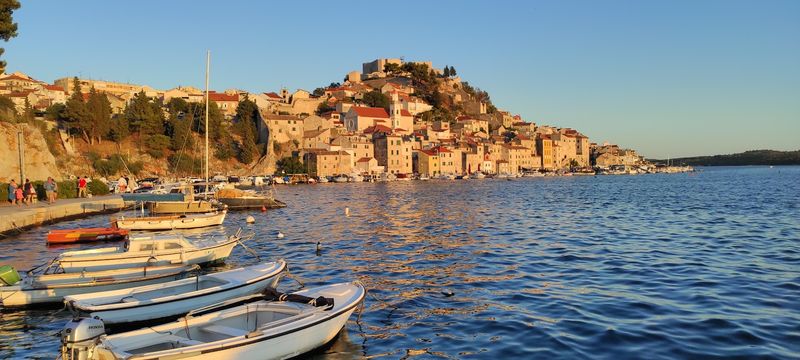
Šibenik itself is one of Croatia’s oldest native cities, founded by Croatian kings rather than Roman or Greek settlers. The old town climbs steeply up a hill, with narrow streets, hidden stairways, and stone buildings stacked on top of each other in a wonderfully chaotic way.
Three hilltop fortresses overlook the city and offer excellent views over the rooftops and the nearby estuary.
The city has a noticeably local feel compared to more tourist-heavy destinations like Dubrovnik or Split. Restaurants here serve honest, affordable Dalmatian food without the inflated prices that come with heavy foot traffic. Šibenik also serves as the main gateway to both Krka National Park and the Kornati Islands, a stunning archipelago popular with sailors.
It’s an underrated base that punches well above its weight for travelers willing to look beyond the obvious choices.
Rastoke
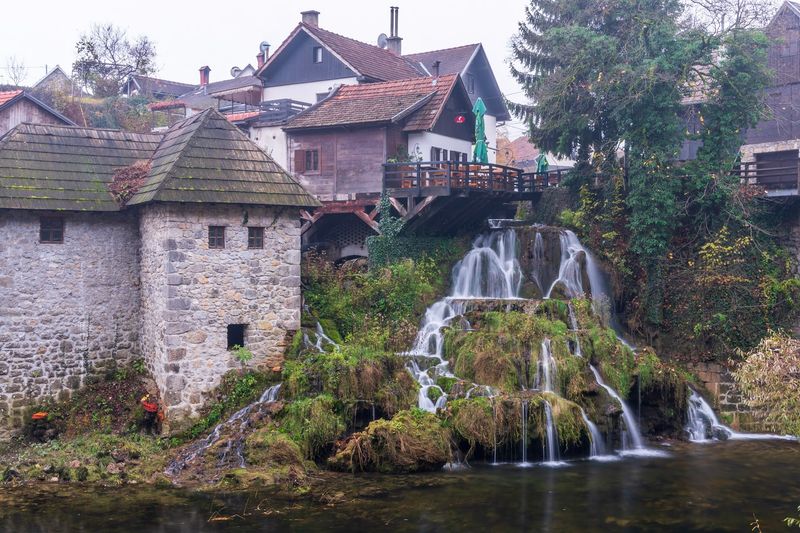
Rastoke might be the most quietly magical village in all of Croatia — a tiny settlement where houses, mills, and footbridges are literally built on top of waterfalls. The Slunjčica River tumbles into the Korana River here in a series of cascades that run right through people’s backyards.
Locals have been living alongside these falls for centuries, and the old watermills that line the banks are still standing.
Often nicknamed a “mini Plitvice,” Rastoke has turquoise water, wooden boardwalks, and lush greenery that genuinely rival its more famous neighbor. The village is small enough to explore in a couple of hours, but the scenery is so pretty that most visitors end up lingering much longer than planned.
A handful of family-run restaurants serve traditional Croatian food right next to the falls, which makes for an incredibly atmospheric lunch.
Rastoke sits on the main road between Zagreb and Plitvice Lakes, making it a natural and very worthwhile detour. Admission is inexpensive, and the village never feels overwhelmingly crowded, even in peak season.
Local families open their homes and mills to visitors, adding a warm, personal touch that larger attractions simply can’t replicate. Rastoke is proof that Croatia’s most memorable experiences are sometimes found far off the beaten tourist trail.



