 Unearth The Voyage
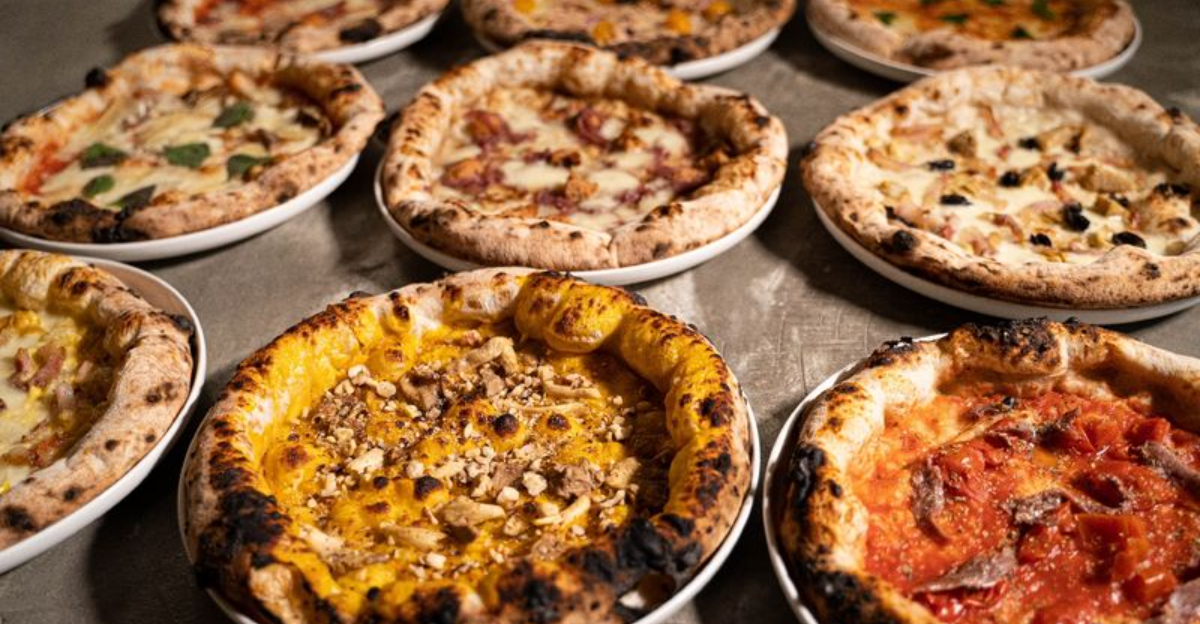
Pizza has conquered the world, but not all pies are created equal. From the birthplace of pizza in Naples to unexpected corners of the globe, certain pizzerias have elevated this humble dish into an art form.
These spots don’t just serve food; they serve experiences that make you rethink everything you thought you knew about dough, sauce, and cheese.
Pizzeria da Attilio – Naples
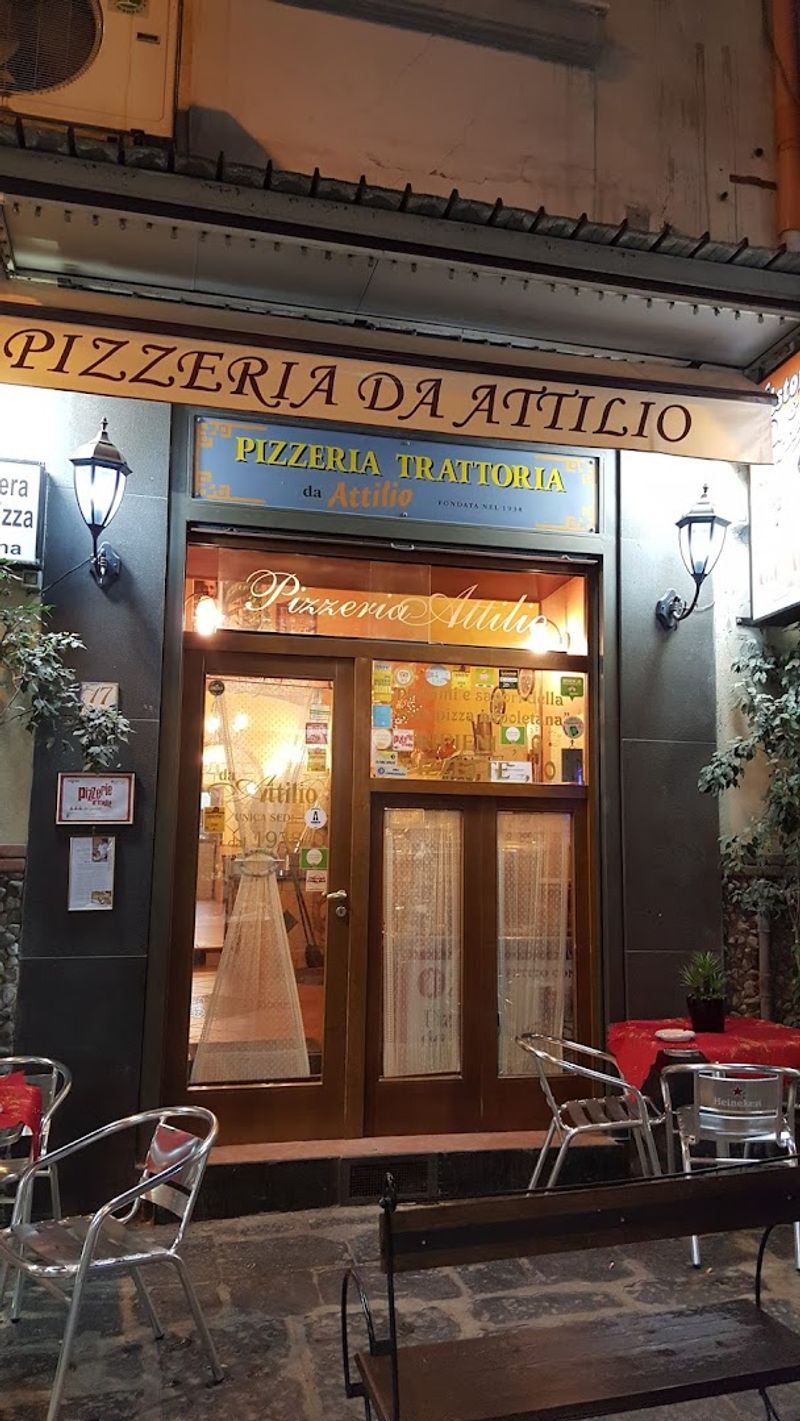
Walking into Pizzeria da Attilio feels like stepping into someone’s family kitchen, except this kitchen has been perfecting pizza since 1938. The third-generation pizzaiolos here don’t mess around with trends or fusion nonsense.
They stick to what works: San Marzano tomatoes, buffalo mozzarella, and a wood-fired oven that’s probably older than your grandparents.
The crust here achieves that perfect balance between charred and chewy that makes Neapolitan pizza legendary. You can taste the simplicity in every bite, which sounds boring until you realize simplicity is actually the hardest thing to master.
The margherita is so good it could make you weep, and I’m not being dramatic.
What sets Attilio apart is the refusal to compromise. No pineapple debates here, no dessert pizzas, just pure tradition served on checkered tablecloths.
The family runs a tight ship, and regulars know to arrive early because once the dough runs out, that’s it for the day.
This isn’t convenience food; it’s a pilgrimage worth making for anyone who claims to love pizza.
180grammi Pizzeria Romana – Rome
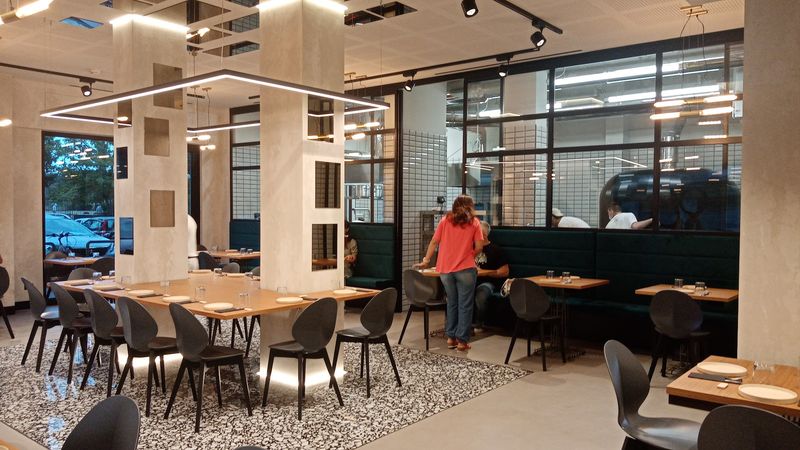
Rome does pizza differently, and 180grammi proves the Roman style deserves just as much respect as its Neapolitan cousin. The name refers to the exact weight of dough used for each pizza, because precision matters when you’re making something this thin and crispy.
These aren’t the floppy, fold-in-half slices you grew up with.
The crust shatters like glass under your teeth before giving way to toppings that somehow stay perfectly balanced despite the delicate base. I tried their mortadella and pistachio combination once, and it ruined regular pepperoni for me forever.
The flavor combinations here push boundaries without becoming gimmicky, which is a tightrope most pizzerias fall off.
What makes this spot special is how they’ve modernized Roman tradition without disrespecting it. The space feels contemporary and welcoming, not like a stuffy museum of Italian cuisine.
Young pizzaiolos work alongside veterans, creating an energy that translates directly into the food.
If you think all great pizza must be thick and doughy, 180grammi will happily prove you wrong.
Fiata by Salvatore Fiata – Hong Kong
Salvatore Fiata brought authentic Neapolitan pizza to Hong Kong, and somehow it works perfectly in a city known more for dim sum than dough. This isn’t some watered-down version for Asian palates; it’s the real deal, certified by the Associazione Verace Pizza Napoletana.
That certification isn’t just a fancy plaque on the wall.
The pizzas here follow strict Neapolitan guidelines: 90-second cook time in a blazing hot oven, specific flour types, and toppings that don’t venture into fusion territory. Fiata himself trained in Naples before bringing his skills east, and you can taste the authenticity in every bite.
The crust has that signature leopard spotting from the intense heat.
What blows my mind is how this place maintains Italian standards while adapting to Hong Kong’s dining culture. Service is impeccable without being stuffy, and the wine list features Italian bottles alongside local preferences.
The location in Central makes it accessible, though reservations are basically mandatory.
Hong Kong has plenty of Italian restaurants, but Fiata stands alone in its commitment to doing one thing exceptionally well.
Mama’s Too – New York
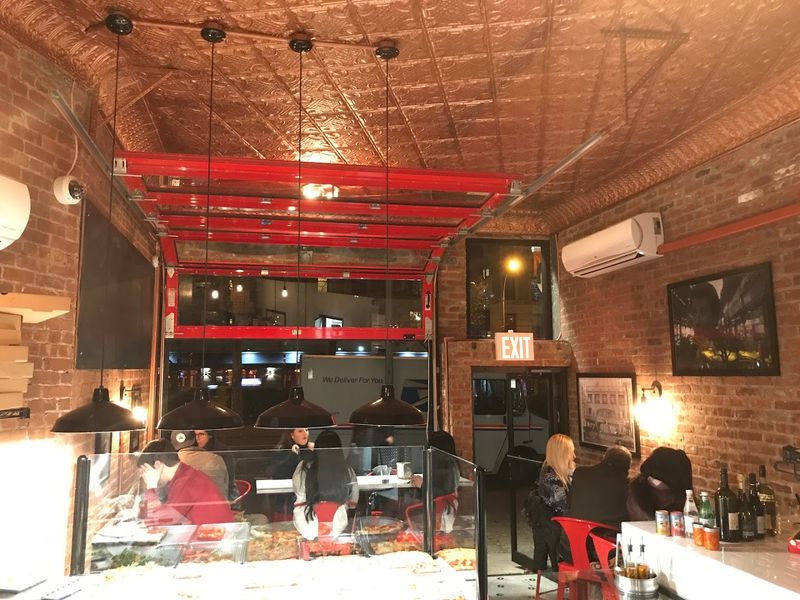
Upper West Side locals guard Mama’s Too like a secret, even though food critics have been shouting about it for years. This tiny spot serves square slices that redefine what New York pizza can be.
Forget everything you know about floppy triangles dripping grease onto paper plates.
The magic happens with the cheese-to-sauce ratio, which seems mathematically impossible until you taste it. Cheese goes down first, creating a crispy, almost fried layer against the pan, then sauce gets spooned on top.
It sounds backward, but it creates texture and flavor combinations that make traditional pizza seem one-dimensional. The pepperoni cups up and gets crispy in a way that should be illegal.
Frank Tutino runs this place with his family, and they’re not trying to reinvent pizza, just perfect their own vision of it. Lines stretch down the block during peak hours, but they move fast because the operation is tight.
Each slice gets individual attention, which matters when you’re serving hundreds daily.
This is neighborhood pizza elevated to art without losing its soul.
Kalis – Buenos Aires
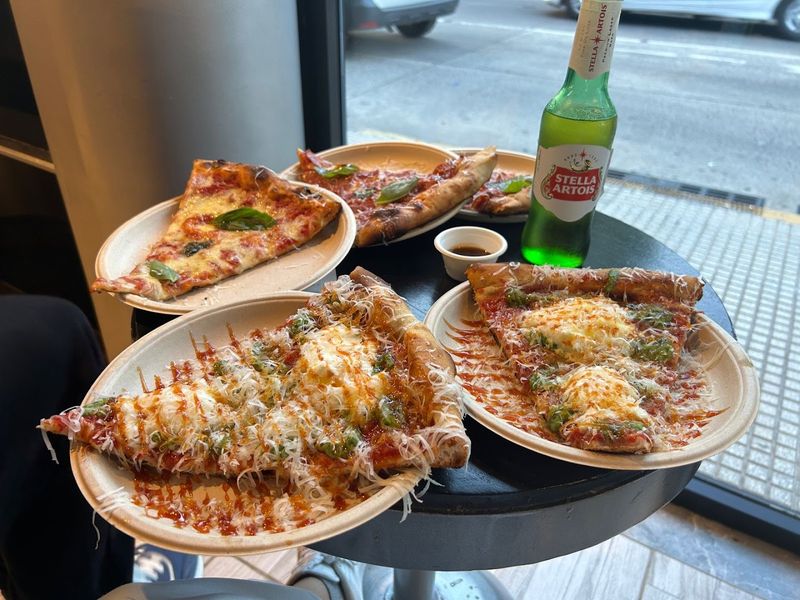
Buenos Aires has its own pizza culture that most people don’t know exists, and Kalis represents the best of this tradition. Argentine pizza is thicker, cheesier, and more indulgent than its Italian ancestors, which makes sense in a country obsessed with excess in the best possible way.
This isn’t diet food.
The fugazzeta here deserves its own paragraph. It’s basically a cheese-stuffed focaccia topped with caramelized onions and more cheese, served so hot it could double as a weapon.
Eating it requires strategy and probably a nap afterward. The mozzarella they use is different from Italian versions, creating a stringy, almost elastic texture that defines Argentine pizza.
Kalis has been around since 1977, serving porteños who take their pizza seriously. The atmosphere is loud, warm, and chaotic in the way good neighborhood spots should be.
Servers move with practiced efficiency through packed tables, delivering pizzas that barely fit on their serving boards.
You’ll leave full, possibly uncomfortable, but definitely understanding why Argentines are so passionate about their pizza tradition.
Diamond Slice – Copenhagen
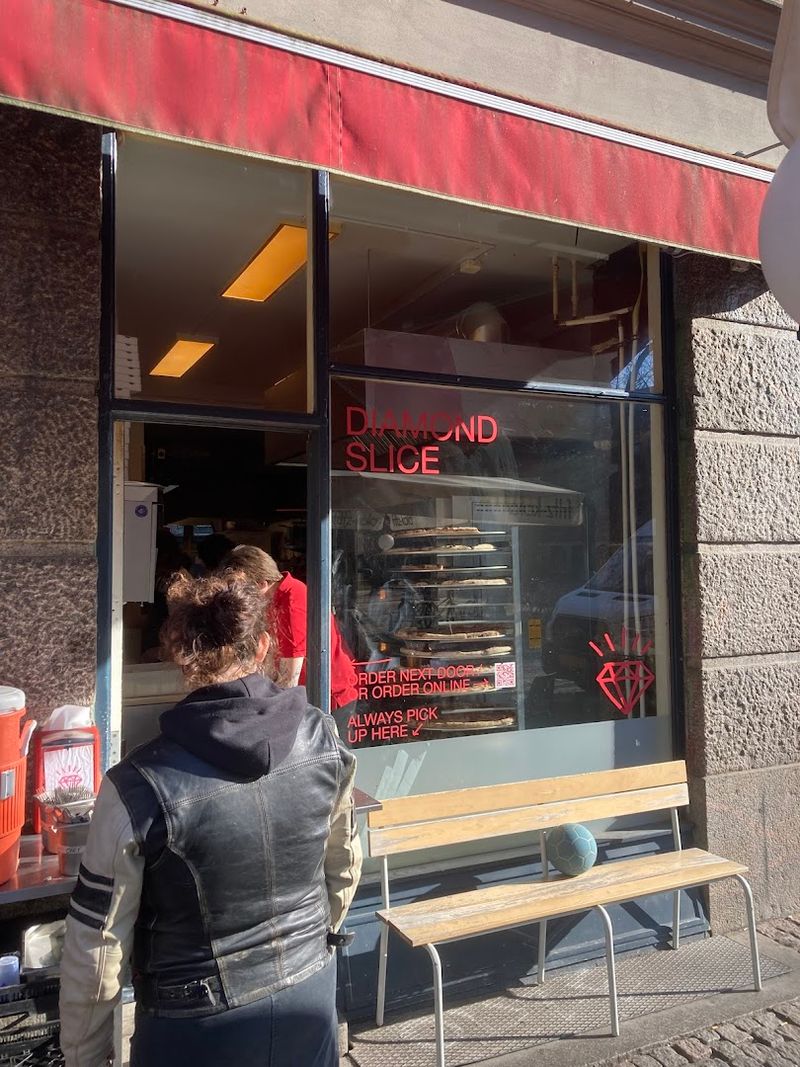
Copenhagen might seem like an odd place for exceptional pizza, but Diamond Slice proves Scandinavian precision applies to Italian cuisine too. This spot takes New York-style pizza and filters it through a Nordic lens, using local ingredients without turning it into some pretentious fusion experiment.
The balance is tricky, and they nail it.
The sourdough crust here develops flavor over a long fermentation process, creating complexity you don’t expect from pizza dough. Toppings change with seasons because Denmark actually has seasons worth respecting.
You might find foraged mushrooms in fall or pickled vegetables in winter, ingredients that sound weird until they’re melting into perfectly aged cheese.
What impressed me most was how they respect both traditions they’re pulling from. The pizza still tastes like pizza, not some deconstructed concept that needs explanation.
The space itself is typically Danish: clean lines, natural light, and an openness that makes you want to linger.
Prices reflect Copenhagen’s cost of living, but you’re paying for quality ingredients and skill, not just location.
Little Kitchener’s Pizzeria – Johannesburg
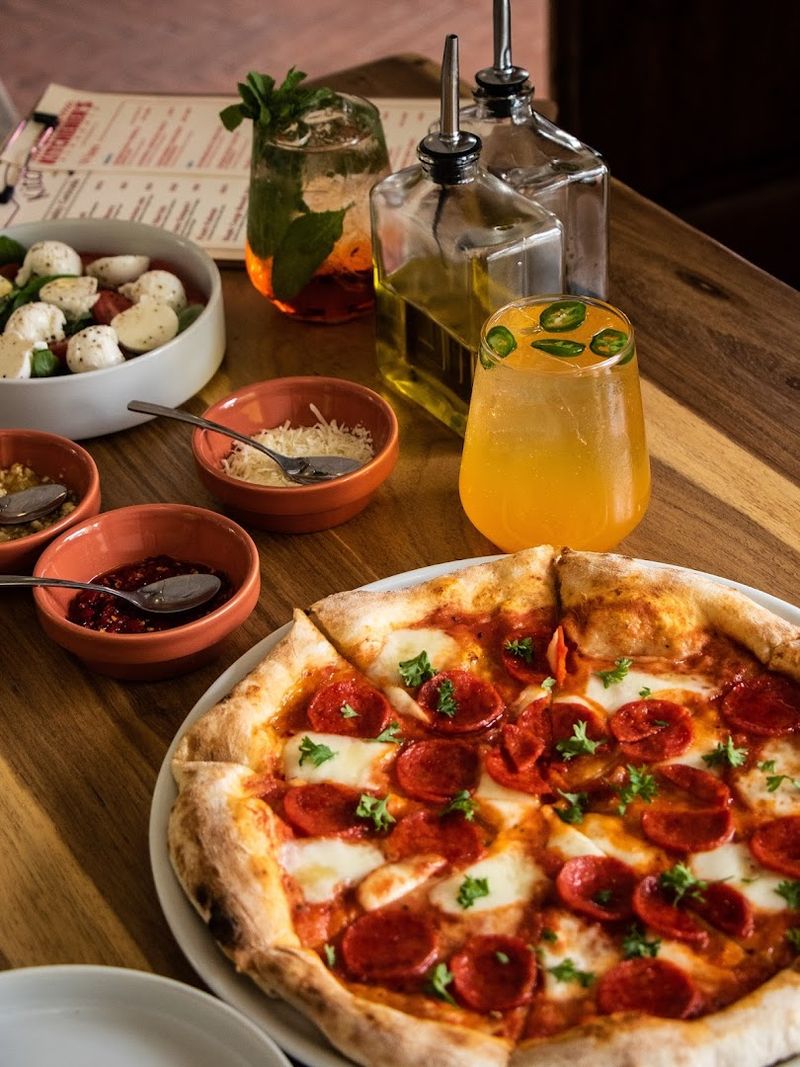
Johannesburg’s food scene has exploded in recent years, and Little Kitchener’s sits at the heart of this renaissance. This family-run spot brings Italian technique to South African ingredients, creating pizzas that feel both familiar and completely new.
The wood-fired oven is the centerpiece, literally and figuratively.
They source everything locally when possible, which in South Africa means incredible variety. The boerewors pizza shouldn’t work on paper, but in practice, it’s a revelation that makes you question why this combination didn’t exist sooner.
Traditional options are available too, executed with the same care and quality ingredients that make the experimental pizzas successful.
The Kitchener family treats customers like extended relatives, remembering orders and asking about your week. This personal touch transforms a meal into an experience, something chain pizzerias can never replicate.
The neighborhood vibe attracts everyone from families to young professionals, creating a mix that keeps the energy lively without being overwhelming.
South African pizza might not be famous yet, but places like this are building a reputation worth watching.
Short Road Pizza – London
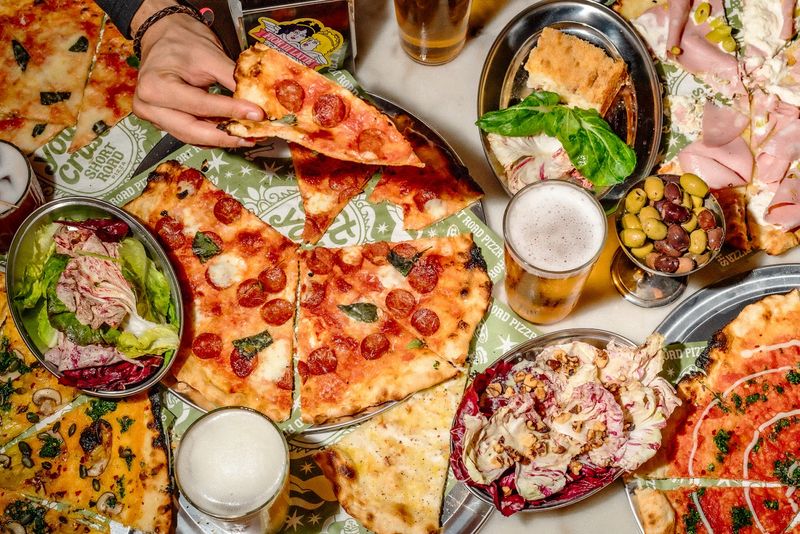
London’s pizza scene has matured beyond frozen supermarket discs, and Short Road Pizza leads this evolution. They’ve taken the sourdough trend and applied it to pizza with results that justify the hype.
The dough ferments for days, developing flavor that makes you actually want to eat the crust instead of leaving it for the pigeons.
British ingredients shine here in ways that might surprise you. Local cheeses, seasonal vegetables, and ethically sourced meats prove you don’t need to import everything from Italy to make great pizza.
The nduja option has enough heat to make you reach for your drink, but not so much that you can’t taste the other ingredients working together.
The space feels properly London: a bit industrial, a bit cozy, with craft beer options that pair better with pizza than wine snobs want to admit. They’ve built a following among locals who appreciate quality without pretension.
Prices are reasonable for London, which means expensive anywhere else, but you get what you pay for.
This is pizza that respects tradition while embracing what makes British food culture unique.
Pizza Connection – Cape Town
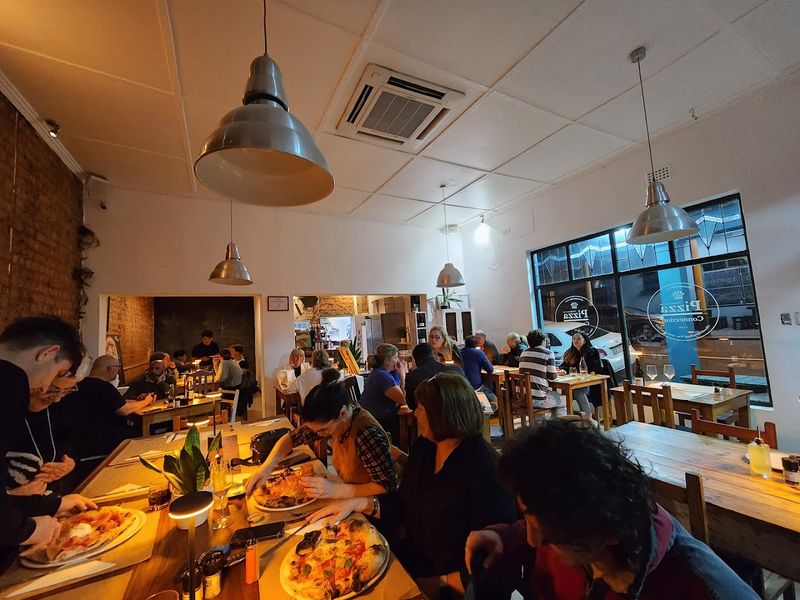
Cape Town’s stunning location almost overshadows its food scene, but Pizza Connection demands attention on its own merits. This spot has been serving Capetonians since the early days of the city’s pizza evolution, adapting and improving while others came and went.
Longevity in the restaurant business means something.
The menu walks a line between classic Italian and creative innovation, offering enough variety to please everyone without losing focus. Their quattro formaggi uses South African cheeses that rival anything from Europe, proving local dairy deserves more recognition.
The thin crust style works perfectly with Cape Town’s climate, not weighing you down when you’re planning to hit the beach afterward.
Location matters here, with views that make every meal feel special even if you’re just grabbing a quick lunch. The staff knows their regulars by name, creating a community feeling that’s rare in tourist-heavy areas.
They’ve managed to stay relevant without chasing trends, focusing instead on consistency and quality.
In a city with increasing pizza options, Pizza Connection remains a reliable choice that never disappoints.
Bella Brutta – Sydney
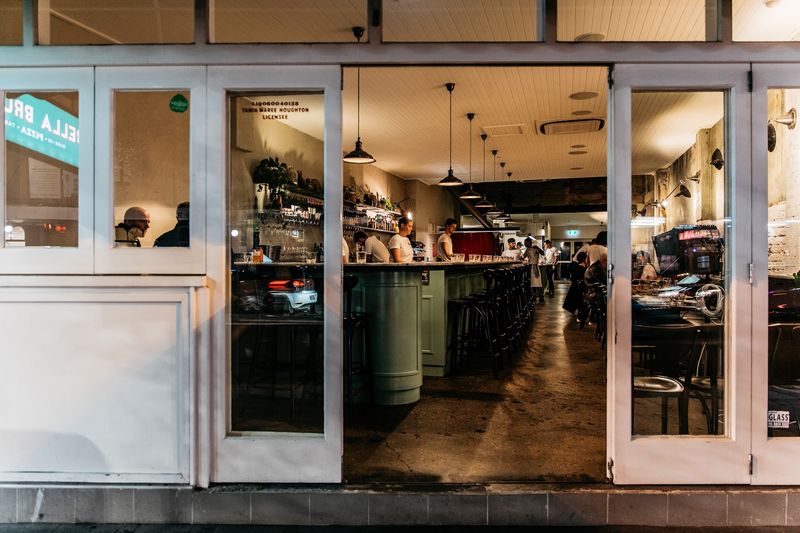
Sydney’s Italian food scene rivals anywhere outside Italy, and Bella Brutta brings Roman pizza al taglio to Australia with style. The name means beautiful ugly, which perfectly describes their approach: rustic, unpretentious, and absolutely delicious.
They bake rectangular pizzas throughout the day, slicing them to order like the Romans do.
The variety here keeps things interesting, with toppings that change based on what’s fresh and available. You can try multiple flavors without committing to a whole pizza, which is dangerous because you’ll end up eating way more than planned.
The potato and rosemary version sounds boring until you taste how perfectly they’ve balanced salt, starch, and herb.
What sets Bella Brutta apart is their understanding that great pizza doesn’t require white tablecloths or complicated descriptions. It’s counter service with attitude, busy and loud and exactly what casual dining should be.
They’ve expanded to multiple locations across Sydney, proving their model works beyond just one neighborhood.
Australians have embraced pizza culture enthusiastically, and this spot shows they’re not just copying but contributing to the global conversation.
Pizza Marumo – Tokyo
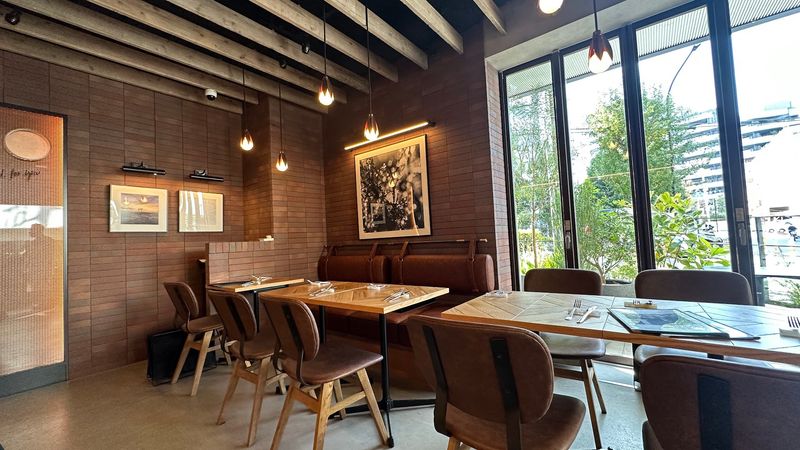
Tokyo takes everything seriously, including pizza, and Pizza Marumo demonstrates what happens when Japanese precision meets Italian passion. The chef trained in Naples but brings a uniquely Japanese attention to detail that elevates every element.
This isn’t fusion pizza; it’s Italian pizza made with obsessive perfectionism.
The ingredients are sourced with care that borders on fanatical. Flour comes from specific Italian mills, tomatoes from particular farms, and water is adjusted to match Neapolitan mineral content.
This level of detail sounds excessive until you taste the results and realize every decision matters. The crust achieves that perfect texture through temperature control and timing that most pizzerias can’t match.
Service here reflects Japanese hospitality standards, making you feel valued without being intrusive. The space is small, intimate, and books up weeks in advance because Tokyo diners recognize quality when they see it.
Prices reflect the premium ingredients and skill involved, but this is destination dining, not quick casual.
Japan has embraced pizza culture while maintaining their own standards of excellence, creating something that honors both traditions.
Milly’s Pizza in the Pan – Chicago
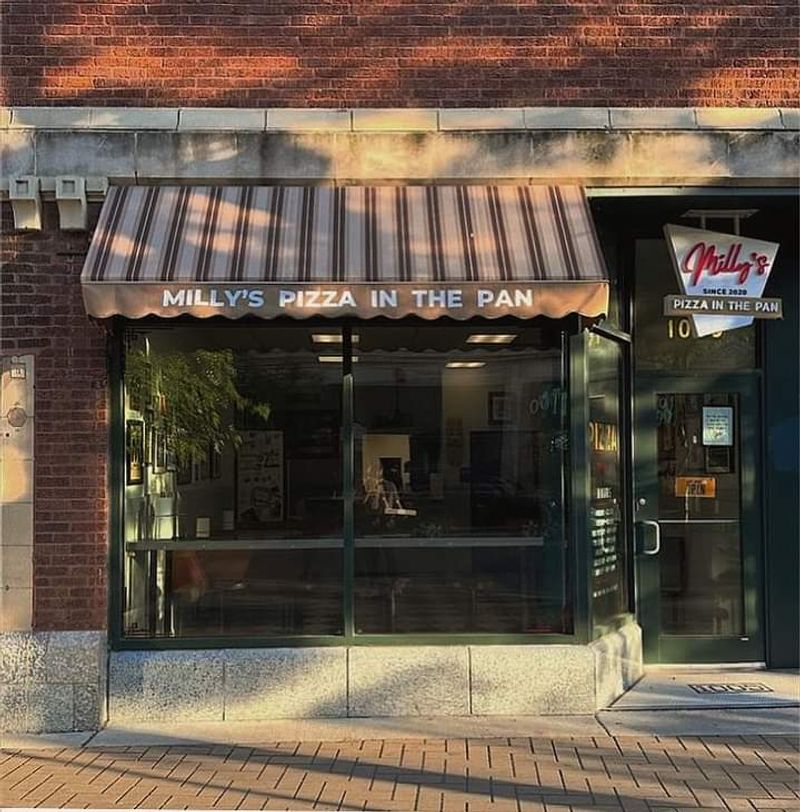
Chicago deep dish gets mocked by New York pizza snobs, but Milly’s proves the style deserves respect when done right. This isn’t just thick pizza; it’s an architectural achievement that requires engineering knowledge and serious arm strength.
The pan-baked crust creates edges that are almost fried, crispy and buttery in ways that make diets seem pointless.
Layers matter here: cheese goes down first to protect the crust from soggy sauce, then toppings, then chunky tomato sauce on top like a protective blanket. It bakes for nearly an hour, developing flavors that quick-cook pizzas can’t achieve.
You need a fork and knife, which pizza purists hate, but who cares when something tastes this good?
Milly’s keeps things classic without being stuck in the past. The atmosphere is neighborhood casual, with sports on TV and families sharing massive pizzas that could feed a small army.
One slice is a meal, two is a commitment, three is a mistake you’ll make anyway.
Chicago deep dish might not be pizza in the traditional sense, but it’s delicious in its own right, and Milly’s makes it better than most.
Oficina Local – Rio de Janeiro
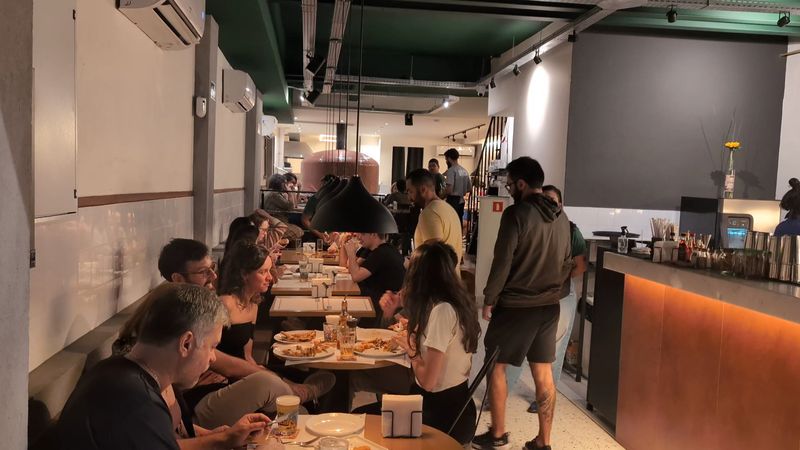
Rio’s pizza scene reflects the city itself: relaxed, creative, and unapologetically different from anywhere else. Oficina Local embraces Brazilian ingredients and flavors without trying to be authentic Italian, which is exactly the right approach.
They understand that pizza is a canvas, not a rigid formula requiring strict adherence.
The catupiry cheese pizza is a Brazilian classic that sounds weird to outsiders but converts everyone who tries it. This soft, creamy cheese melts into something magical under high heat, creating texture and flavor that mozzarella can’t replicate.
They also experiment with local fruits, meats, and vegetables in combinations that shouldn’t work but absolutely do.
The location near the beach means you can grab pizza before or after spending hours in the sun, which is how pizza should be enjoyed in Rio. The vibe is casual and welcoming, with cold beer flowing as freely as conversation.
Cariocas have strong opinions about pizza, and Oficina Local has earned its place in the local rotation through consistency and willingness to take risks.
Brazilian pizza deserves more international recognition, and this spot shows why.
Oobatz – Paris
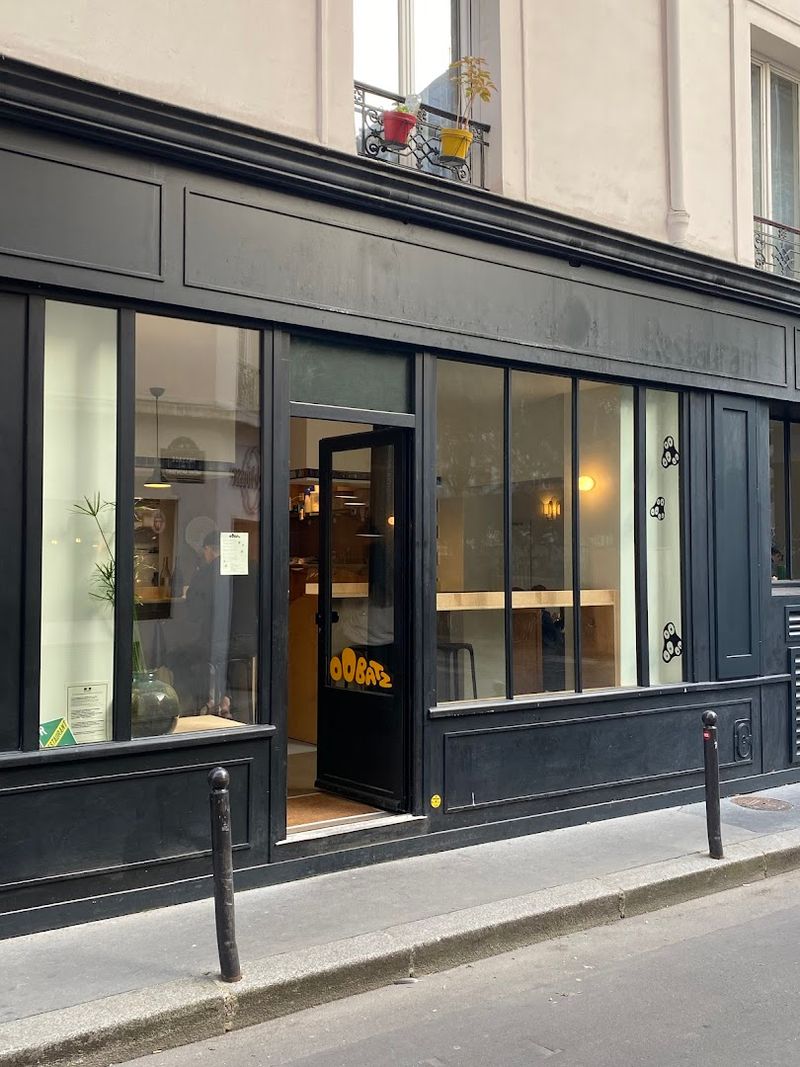
Paris might be famous for croissants and baguettes, but Oobatz brings proper New York pizza to the City of Light. The name is Jersey slang for crazy, which fits because opening a New York pizzeria in Paris sounds insane until you taste the results.
They’ve nailed the style that made New York pizza famous: thin, foldable, and perfect for eating while walking.
The key is in the dough and the oven temperature, creating that characteristic crispy-yet-chewy texture that defines New York slices. Cheese and sauce ratios are dialed in perfectly, with grease that pools in those little puddles you have to dab with a napkin.
It’s not elegant, but it’s authentic, which matters when you’re this far from the source.
Parisians have embraced this spot enthusiastically, proving good pizza transcends cultural boundaries. The space is small and often packed, with a counter where you can watch pizzas emerge from the oven in real-time.
They’ve adapted to French dining hours without compromising the product, serving late enough to catch the after-club crowd.
Bringing New York pizza to Paris could have been a gimmick, but Oobatz makes it legitimate.
Baldoria – Madrid
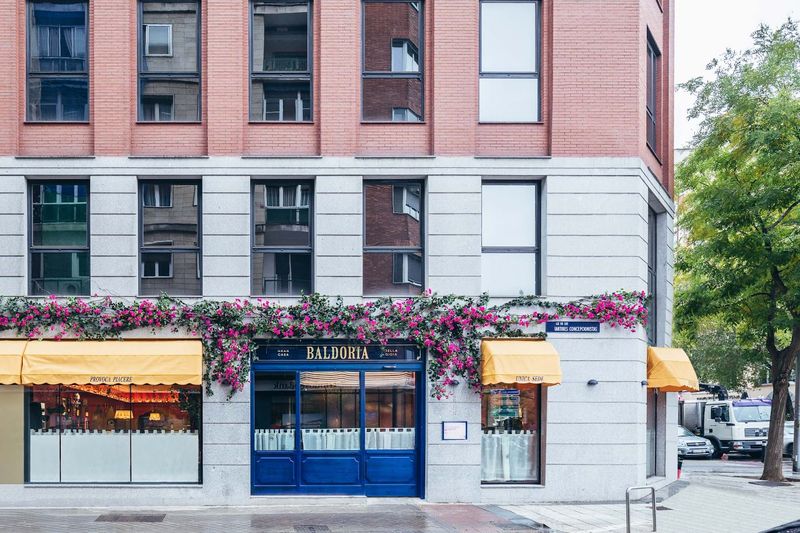
Madrid’s food scene has exploded beyond tapas and paella, and Baldoria represents the city’s embrace of quality Italian cuisine. This pizzeria brings Neapolitan tradition to Spain with respect for both cultures, creating pizzas that please Italian expats and Spanish locals equally.
The wood-fired oven is imported from Naples because details matter.
The menu stays traditional, focusing on classics executed perfectly rather than experimental combinations. Their marinara proves you don’t need cheese to make great pizza, just excellent tomatoes, garlic, oregano, and olive oil that’s been chosen carefully.
The simplicity lets you taste every component, which only works when every component is worth tasting.
Spanish dining culture runs late, and Baldoria adapts by staying open when other restaurants have closed. The atmosphere gets lively as the night progresses, with wine flowing and conversations getting louder in that particularly Spanish way.
They’ve built a following among locals who appreciate authenticity without stuffiness. Madrid has plenty of Italian restaurants, but Baldoria stands out by doing one thing exceptionally well instead of trying to be everything to everyone.
Sometimes focus beats variety.



