 Unearth The Voyage
Some cities surprise you with their museum scenes in ways you never expected. While famous capitals get all the attention, there are cultural hubs around the world where a single museum day can completely change how you see art, history, and creativity. Whether you’re into modern installations, ancient artifacts, or quirky collections, these destinations deliver experiences that stick with you long after you leave.
1. Bilbao, Spain
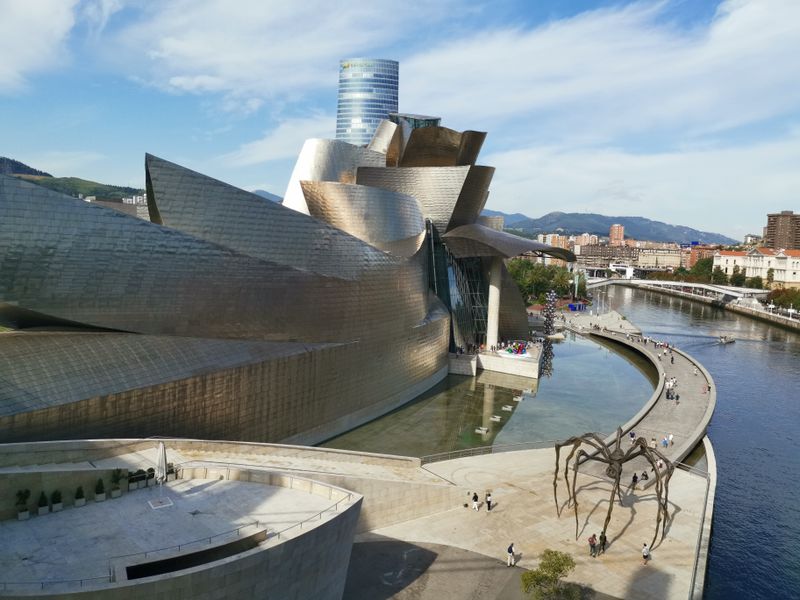
Yes, the Guggenheim Museum Bilbao is iconic. But what often surprises visitors is how deep Bilbao’s wider museum day can go, especially when you pair it with the Bilbao Fine Arts Museum for a totally different, more classical counterbalance.
The Guggenheim grabs headlines with its titanium curves and contemporary installations. Meanwhile, the Fine Arts Museum quietly offers Spanish masters, Basque artists, and centuries of paintings that tell a completely different story.
Together, they create a museum day that feels surprisingly complete. You get the wow factor and the substance, the modern spectacle and the historical depth. It’s a pairing that works better than most visitors expect, and it shows why Bilbao has become a serious cultural destination beyond just one famous building.
2. Glasgow, Scotland
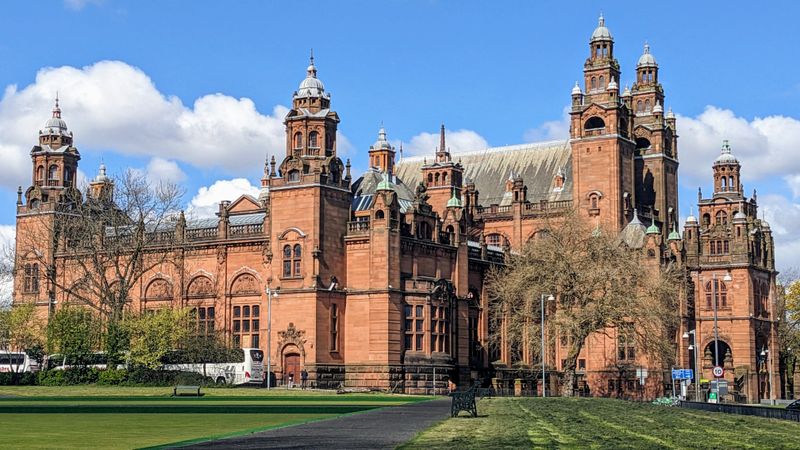
Glasgow’s museum culture is almost unfair. Start at Kelvingrove Art Gallery and Museum, which is massive, varied, and famously easy to love. Then bounce to the Riverside Museum for transport and industry history done with serious design chops, and finish with The Burrell Collection in Pollok Country Park.
Kelvingrove alone could fill an entire day with everything from Salvador Dali to taxidermy displays. The Riverside Museum, designed by Zaha Hadid, turns old trams and locomotives into something genuinely exciting.
The Burrell Collection reopened recently after major renovations, bringing medieval art, tapestries, and global artifacts back into the spotlight. Best part? Most of Glasgow’s major museums are free. You can museum-hop without worrying about ticket prices piling up.
3. Porto, Portugal
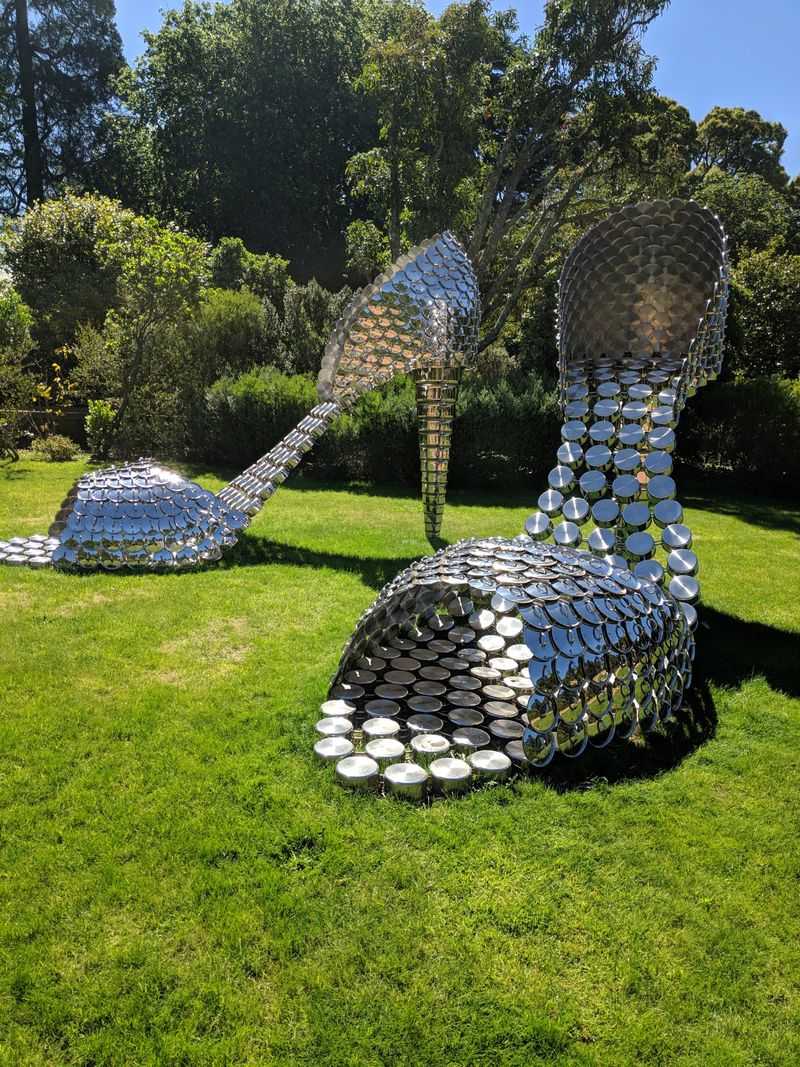
Porto’s museum reputation tends to lag behind Lisbon’s until you go. The Serralves Museum gives you major contemporary art energy, while the Soares dos Reis National Museum adds a strong national art anchor.
Serralves sits in a stunning park with sculptures, walking paths, and a striking modernist building designed by Alvaro Siza. Inside, rotating exhibitions keep the contemporary art scene fresh and engaging. The grounds alone are worth the visit, especially if you need a break between galleries.
Soares dos Reis brings you back to Portuguese painting, sculpture, and decorative arts from the 19th and 20th centuries. The contrast between the two museums makes for a museum day that feels both current and rooted in tradition, giving Porto a cultural edge that surprises many first-time visitors.
4. Turin, Italy
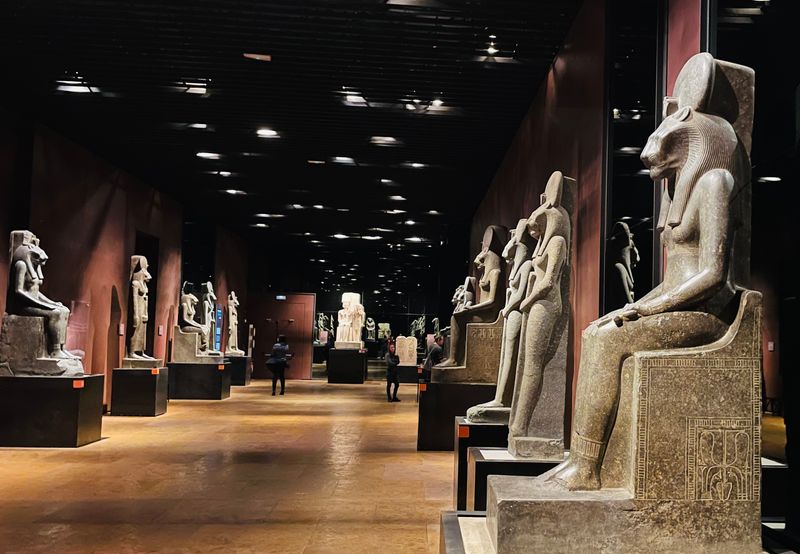
Turin is one of those cities where museum lovers start plotting a return visit mid-trip. The Museo Egizio is a headline attraction, and the National Museum of Cinema inside the Mole Antonelliana is the kind of place even non-film buffs end up raving about.
Museo Egizio is one of the most important Egyptian collections outside Cairo, with mummies, papyri, and statues that span thousands of years. It’s thoughtfully curated and genuinely fascinating, even if ancient history isn’t usually your thing.
The Cinema Museum takes over a towering landmark building and turns film history into an interactive, immersive experience. From early silent films to modern blockbusters, the exhibits are creative and surprisingly fun. Together, these museums make Turin a top-tier cultural stop that often flies under the radar.
5. Bologna, Italy

Bologna is famous for food and medieval vibes, but its museums deserve equal billing. The Pinacoteca Nazionale di Bologna is a serious art stop, and the Museo Civico Archeologico adds depth, including a notable Egyptian section.
The Pinacoteca holds works by Raphael, Giotto, and Bolognese masters like the Carracci family. It’s housed in a former Jesuit monastery, and walking through the galleries feels like stepping into the heart of Italian Renaissance art. The collection is rich but not overwhelming, making it perfect for a focused museum visit.
The Archaeological Museum rounds out the day with Etruscan artifacts, Roman relics, and one of Italy’s best Egyptian collections outside the major capitals. Bologna’s museums give you substance without the crowds, proving the city has much more to offer than just incredible pasta.
6. Lille, France
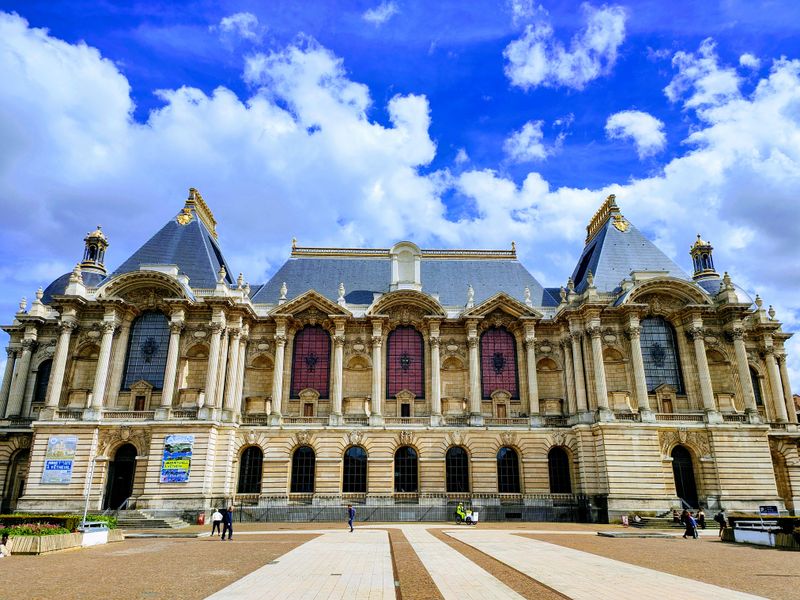
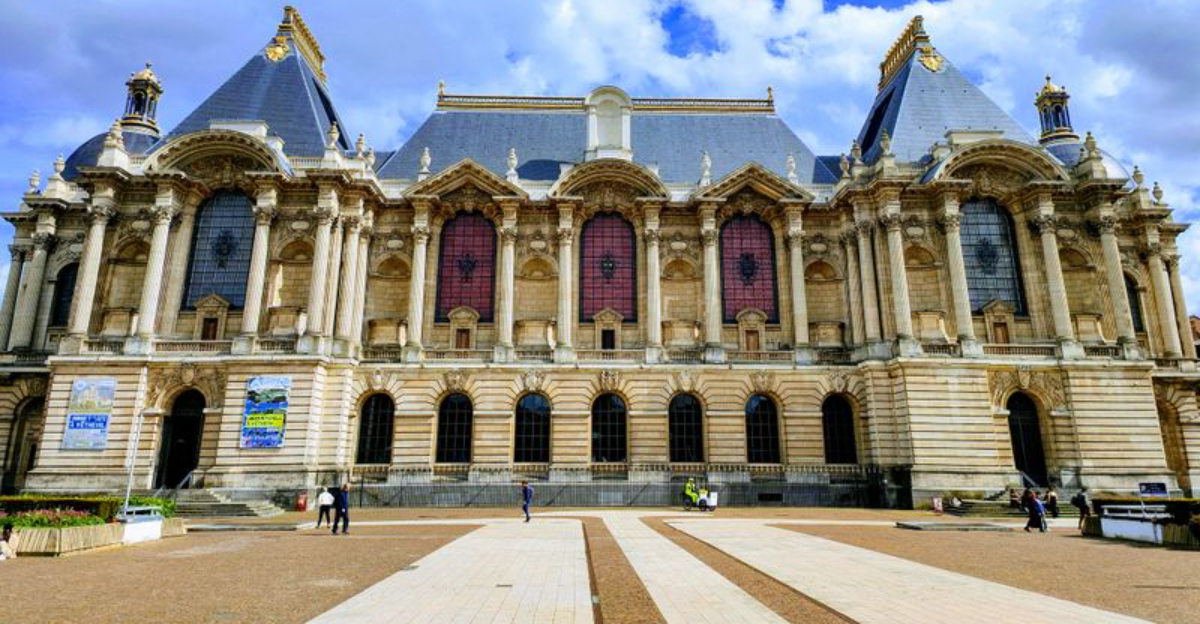
Lille’s Palais des Beaux-Arts is the kind of museum that would be a must in a larger capital, and it’s right here. Then take a short hop to Roubaix for La Piscine, an art and industry museum inside a beautifully repurposed Art Deco swimming pool.
The Palais des Beaux-Arts ranks among France’s largest fine arts museums, with works by Rubens, Goya, and Delacroix. The building itself is stunning, and the collection spans European painting, sculpture, and decorative arts across centuries.
La Piscine is one of the most unique museum experiences you’ll find anywhere. The original pool remains at the center, surrounded by sculptures and textiles displayed where swimmers once splashed. It’s charming, surprising, and totally memorable. Lille’s museum scene punches way above its weight.
7. Rotterdam, Netherlands

Rotterdam does modern like few European cities, and the museums match. The Depot Boijmans Van Beuningen is a museum storage concept you can actually visit. Then you’ve got the Kunsthal for rotating exhibitions across styles, plus the Maritime Museum because, well, Rotterdam.
The Depot is a striking mirrored bowl where the museum’s entire collection is stored and displayed. You can see how art is preserved, transported, and cared for, which makes the experience educational and surprisingly fascinating.
The Kunsthal hosts everything from photography to design to contemporary art, always rotating and always fresh. The Maritime Museum celebrates Rotterdam’s port history with interactive exhibits and real ships. Together, these museums reflect Rotterdam’s forward-thinking, experimental spirit, making it a standout cultural destination in the Netherlands.
8. Valencia, Spain

Valencia’s cultural range is the surprise. The IVAM for modern art, the Museu de les Ciencies for interactive science inside the City of Arts and Sciences complex, and the Museo de Bellas Artes de Valencia to round out the classics.
IVAM focuses on 20th-century and contemporary art, with strong photography and avant-garde collections. It’s sharp, thoughtfully curated, and often overlooked by tourists focused on the beach or paella.
The Science Museum is a futuristic playground of hands-on exhibits, perfect for curious minds of any age. The Fine Arts Museum brings you back to Spanish masters like Velazquez and Goya, housed in a beautiful baroque building. Valencia’s museum lineup covers all the bases, blending old and new in ways that keep every kind of visitor engaged and inspired.
9. Kraków, Poland

Kraków is known for history, but the museum experiences are especially strong. MOCAK keeps the contemporary side sharp, Rynek Underground turns the main square into a literal archaeology and history walk, and the MNK Czartoryski Museum is a cornerstone collection.
MOCAK sits in the former Schindler factory area and showcases Polish and international contemporary art. The exhibits are bold, thought-provoking, and often experimental. Meanwhile, Rynek Underground takes you beneath the market square to explore medieval trade routes, artifacts, and holograms that bring old Kraków to life.
The Czartoryski Museum holds Leonardo da Vinci’s Lady with an Ermine, along with armor, manuscripts, and decorative arts. Kraków’s museums balance the ancient and the cutting-edge beautifully, offering depth that goes far beyond the expected historical narrative.
10. Ljubljana, Slovenia
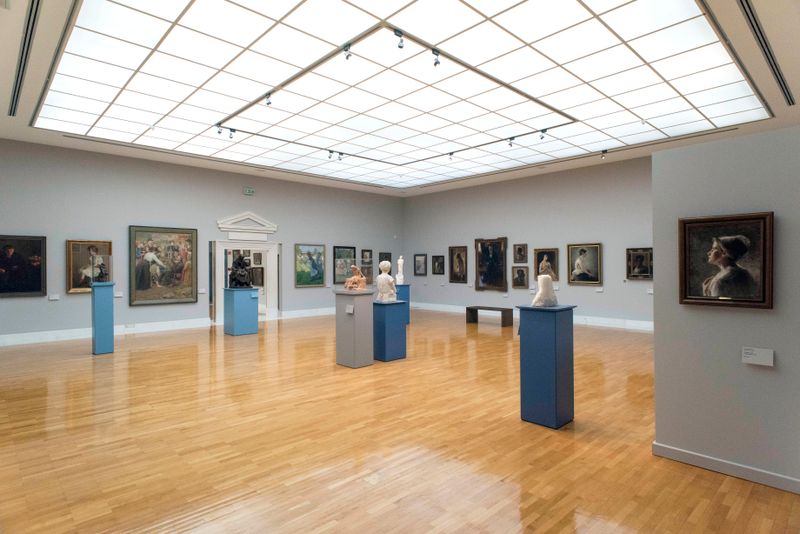
Ljubljana is compact but museum-rich. The National Gallery of Slovenia delivers the country’s major historical art collection, and MG+MSUM covers modern and contemporary with two venues.
The National Gallery focuses on Slovenian and European art from the Middle Ages to the early 20th century. It’s housed in a beautifully restored building, and the collection includes everything from Gothic altarpieces to Impressionist landscapes. The curation is excellent, and the space feels intimate rather than overwhelming.
MG+MSUM splits between the Moderna Galerija and the Museum of Contemporary Art Metelkova, offering rotating exhibitions and a strong focus on Central and Eastern European artists. Together, these museums give Ljubljana a cultural punch that’s impressive for a city of its size, making it easy to fill a full museum day without ever feeling rushed.
11. Tallinn, Estonia
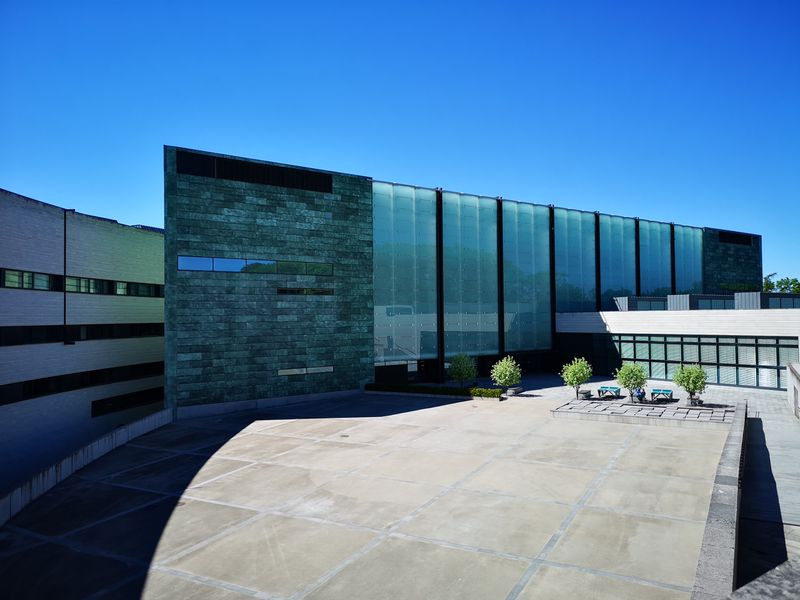
Tallinn’s museums are a big part of why it’s so easy to recommend beyond cute old town. Do Kumu Art Museum for Estonian art in a modern, purpose-built space, then switch gears at the Seaplane Harbour for hands-on, big-object storytelling.
Kumu is Estonia’s largest art museum and one of the most impressive buildings in the Baltics. The collection traces Estonian art from the 18th century to today, with a strong focus on Soviet-era works and contemporary pieces. The architecture alone is worth the trip, with light-filled galleries and striking design.
Seaplane Harbour is part of the Estonian Maritime Museum and sits inside a massive old seaplane hangar. You can explore submarines, icebreakers, and interactive exhibits that make maritime history genuinely exciting. Tallinn’s museum offerings are world-class and wonderfully unexpected.
12. Riga, Latvia
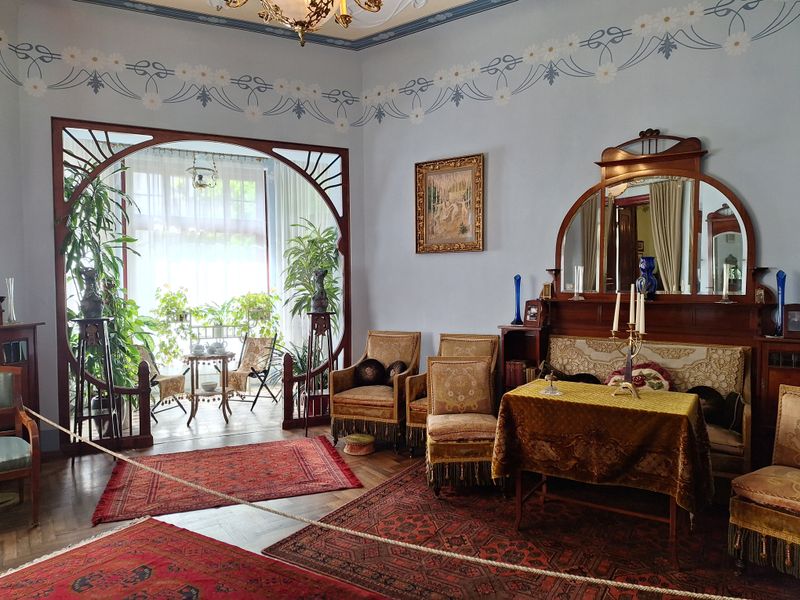
Riga doesn’t just have Art Nouveau architecture. It helps you step inside the era. The Riga Art Nouveau Centre is designed for exactly that, and the Latvian National Museum of Art anchors the city’s fine art side.
The Art Nouveau Centre is housed in a beautifully restored apartment once owned by architect Konstantins Peksens. Walking through the rooms, you experience how people lived during Riga’s golden age of architecture. The furniture, decor, and design are all authentic, making it feel like a time capsule rather than a typical museum.
The National Museum of Art covers Latvian and Baltic art from the mid-18th century onward, with impressive collections of paintings, sculptures, and applied arts. Riga’s museums bring the city’s artistic heritage to life in ways that go far beyond just admiring facades from the street.
13. Medellín, Colombia
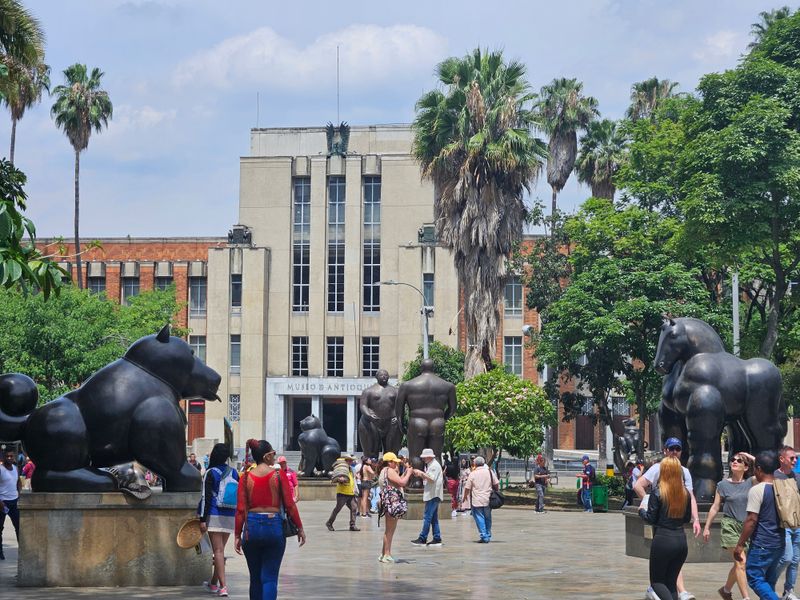
Medellín’s museum scene is both accessible and meaningful. The Museo de Antioquia is a key stop, especially around Plaza Botero, while the Museo de Arte Moderno de Medellín keeps the contemporary program and cultural calendar moving.
Museo de Antioquia showcases Colombian art with a heavy focus on Fernando Botero, Medellín’s most famous artist. The museum sits right on Plaza Botero, where oversized bronze sculptures invite selfies and smiles. Inside, the collection spans colonial art to modern works, offering a sweeping view of Colombian creativity.
MAMM focuses on contemporary and experimental art, with rotating exhibitions, film screenings, and cultural events. The space feels vibrant and engaged with the city’s evolving identity. Medellín’s museums reflect its transformation, offering cultural experiences that are both proud and forward-looking.
14. Adelaide, Australia
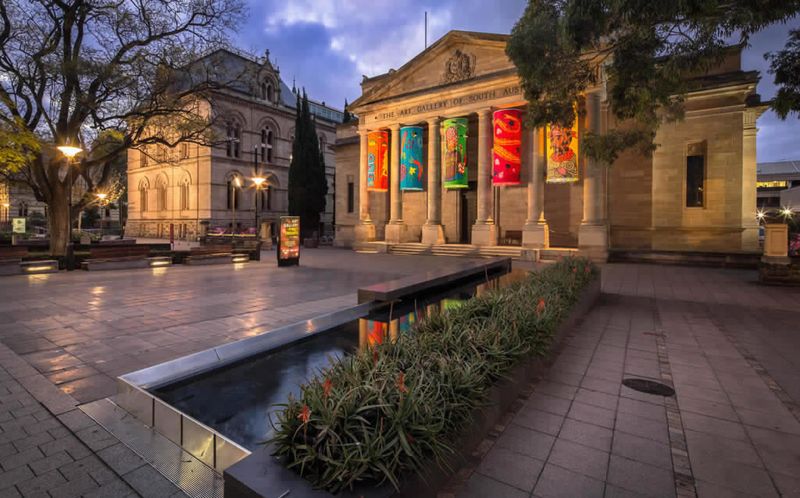
Adelaide tends to surprise visitors who assume the culture is elsewhere. Start at the Art Gallery of South Australia, add the South Australian Museum for natural history and cultural collections, then finish with MOD. at UniSA for a future-facing, science and tech museum experience.
The Art Gallery of South Australia holds an impressive collection of Australian, European, and Asian art, including works by Aboriginal and Torres Strait Islander artists. The building blends historic and modern architecture beautifully, and entry to the permanent collection is free.
The South Australian Museum is known for its Aboriginal cultural galleries and extensive natural history displays. MOD. focuses on innovation, technology, and design, with interactive exhibits that appeal to curious minds of all ages. Adelaide’s museum lineup is diverse, accessible, and genuinely engaging, proving the city has serious cultural depth.



