 Unearth The Voyage

Cyprus is getting ready to make a big change that will affect everyone traveling to Europe. The island nation plans to join the Schengen Zone in 2026, which means passport-free travel between Cyprus and 27 other European countries. This shift will change how Americans, Brits, and millions of other visitors experience their trips, from border checks to visa rules and even how you plan multi-country vacations.
1. #1 thing to know: it’s a target date, not a done deal

Cyprus’s president has gone on record saying the country will enter the Schengen Zone in 2026, and government officials insist all the technical homework is finished. But here’s the catch: joining Schengen isn’t automatic.
Every current member state must vote yes after final evaluations wrap up. Think of it like applying to an exclusive club where you’ve aced the entrance exam but still need unanimous approval from existing members.
The odds look good, yet nothing is signed and sealed. Political winds can shift, and unforeseen issues sometimes delay even the best-laid plans. For now, travelers should plan optimistically but keep watching the news for official confirmation as 2026 approaches.
2. Passport control on most Europe–Cyprus flights would go away
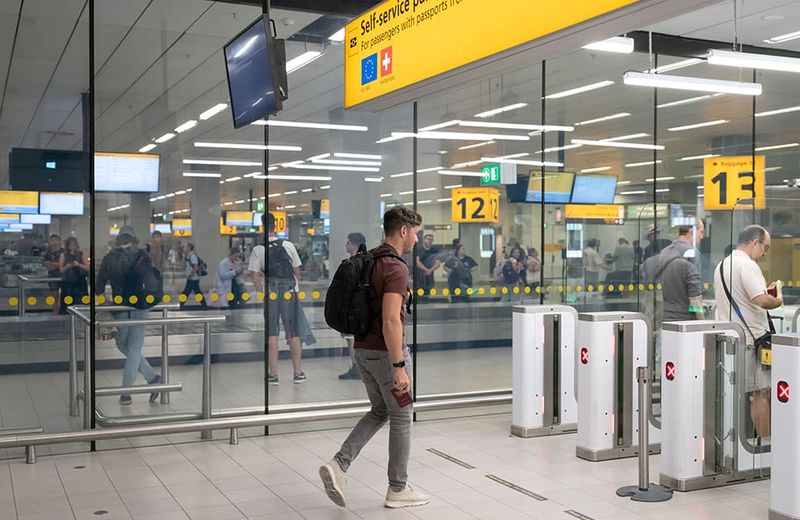
Picture stepping off a plane in Larnaca after flying from Athens and walking straight to baggage claim without waiting in a single immigration line. That’s the magic of internal Schengen travel.
Once Cyprus officially joins, flights and ferries connecting the island to other Schengen countries become domestic movements. No more passport stamps, no queues at border control booths.
Authorities can still conduct random spot checks, similar to security screenings, but routine passport inspections disappear. This change shaves minutes or even hours off your arrival and departure experience, especially during peak tourist season when lines currently snake through terminals. Say goodbye to that familiar stress of tight connections and slow-moving immigration queues.
3. The 90/180-day rule would apply
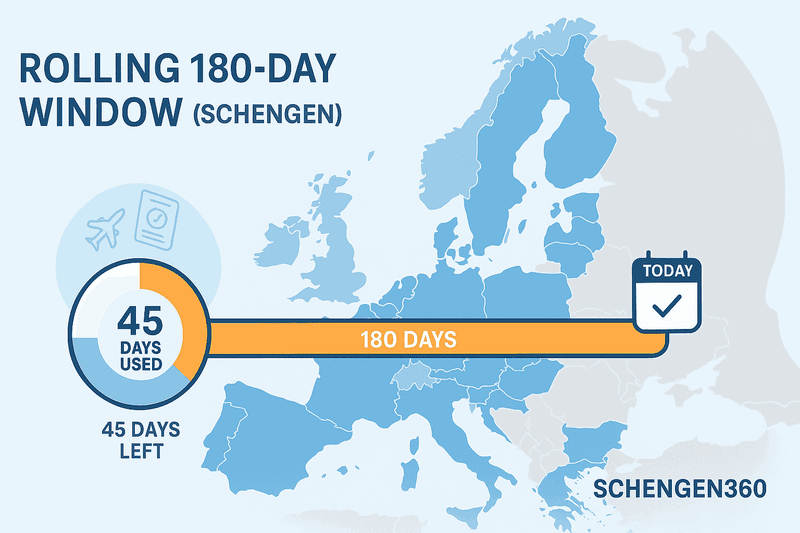
Right now, Cyprus has its own separate visitor rules. After joining Schengen, those rules vanish and get replaced by the zone’s famous 90/180-day clock.
Non-EU travelers can spend a maximum of 90 days inside the entire Schengen area during any rolling 180-day window. Days you spent sipping coffee in Paris or hiking in Norway count against the same allowance as beach time in Cyprus.
Overstay by even one day and you risk fines, deportation, or future entry bans. Many travelers mistakenly think each country offers a fresh 90 days. Track your dates carefully using online calculators, and remember that your Cypriot beach vacation will eat into your European travel budget of days.
4. EES is already rolling out; ETIAS comes later

Two major tech systems are landing around the same time Cyprus hopes to join. The Entry/Exit System launched in October 2025 and rolls out fully by April 10, 2026.
EES uses biometric kiosks that scan your face and fingerprints at Schengen borders, replacing old ink passport stamps with digital records. Meanwhile, ETIAS (the online travel authorization) is scheduled for late 2026.
Think of ETIAS as Europe’s version of the U.S. ESTA: you apply online, pay a small fee, and get approved before you fly. Both systems aim to tighten security and speed up border crossings. The timing overlap means Cyprus will likely adopt both immediately upon Schengen entry, so travelers should prepare for new digital requirements.
5. Americans, Brits & other visa-exempt visitors: expect ETIAS (not a visa)
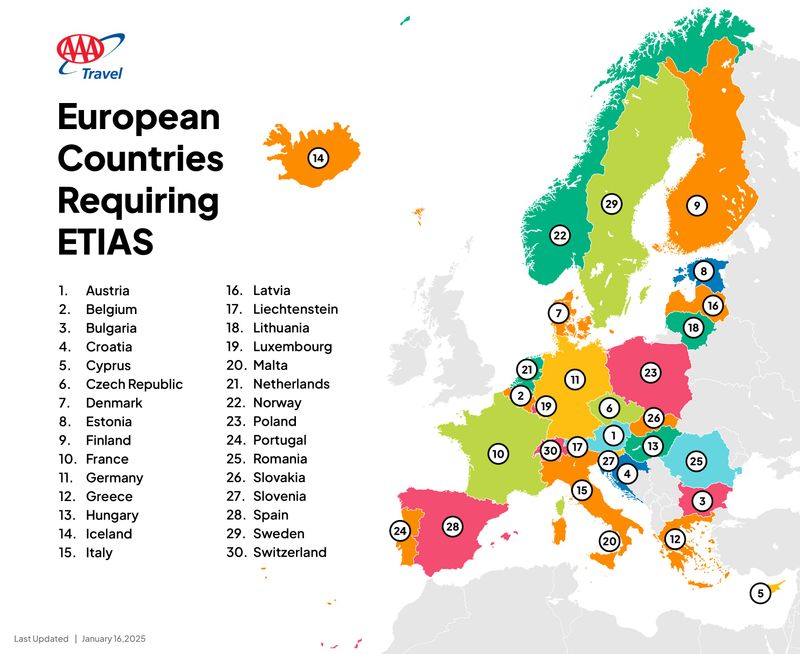
Good news: you won’t need a traditional visa. Better news: the process takes minutes online. Once Cyprus joins Schengen and ETIAS goes live, travelers from the U.S., U.K., Canada, Australia, and dozens of other countries must apply for this electronic authorization before boarding.
ETIAS costs around seven euros, lasts three years, and covers unlimited trips within the 90/180-day limit. You answer security questions, upload passport details, and typically receive approval within hours.
It’s not a visa because you don’t visit an embassy or provide documents beyond your passport. Still, skipping ETIAS means airlines will deny you boarding. Apply at least 72 hours before your flight to avoid last-minute panic and travel disruptions.
6. Schengen visas would cover Cyprus—no separate Cypriot C needed
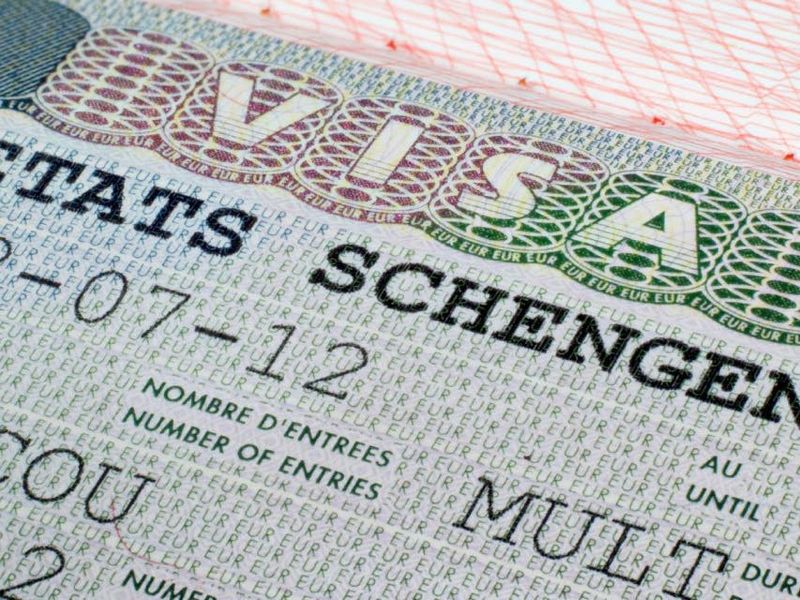
Travelers from countries that do need visas for Europe will breathe easier. Currently, visitors requiring visas must apply for a separate Cypriot national visa even if they already hold a Schengen visa.
Cyprus informally accepts some Schengen visa holders today, but the rules are murky and inconsistent. Full Schengen membership eliminates confusion: a standard Type C Schengen short-stay visa becomes your golden ticket to all member states, Cyprus included.
One application, one fee, one visa covering 28 countries. This simplifies travel planning enormously, especially for families or groups juggling multiple passport nationalities. Tour operators and travel agents will also find itinerary planning far smoother when visa requirements align across the board.
7. The Green Line isn’t an external EU border and won’t become one
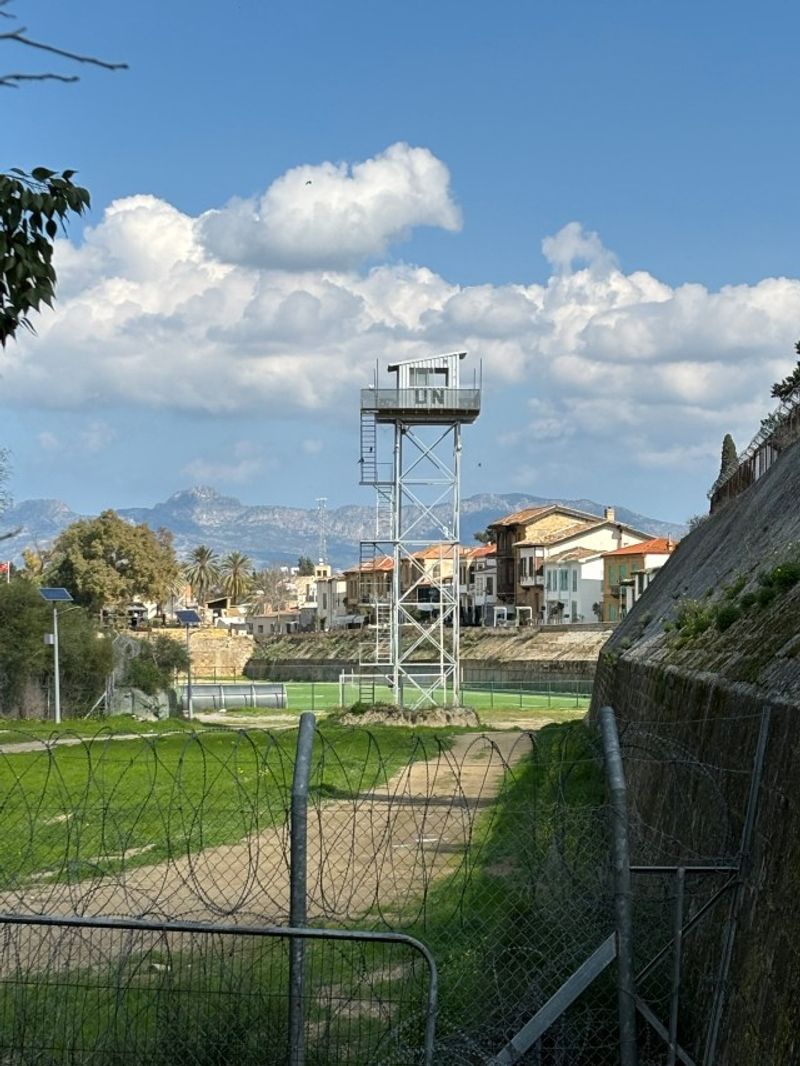
Cyprus remains divided, with the Republic of Cyprus in the south and a Turkish Cypriot administration in the north. The UN-patrolled buffer zone between them is called the Green Line.
EU law does not apply north of that line under special regulations. Joining Schengen won’t change this unique status. The Green Line stays as it is: a controlled internal boundary, not an external EU frontier.
Travelers sometimes assume Schengen membership will open the north to free movement. It won’t. Expect checkpoints, ID inspections, and the same crossing procedures that exist today. This situation is political and complex, rooted in decades of unresolved conflict, and Schengen rules simply don’t override the Green Line’s special legal framework.
8. North–south day trips: keep bringing ID

Planning a day trip from Larnaca to see the old city of Nicosia and cross into the north? Pack your passport, not just your sunscreen. Even after Schengen accession, the Green Line regime governs movement between the two parts of the island.
Cypriot and EU citizens can usually cross with national ID cards, but non-EU visitors must carry passports. Guards check documents at every crossing, and rules can change without much notice.
Some nationalities face restrictions or require advance permission. Don’t assume your Schengen status grants automatic access. Check current crossing rules before you go, carry your passport, and allow extra time at checkpoints. The experience is fascinating, but preparation is key to a smooth visit.
9. British Sovereign Base Areas: special arrangements continue
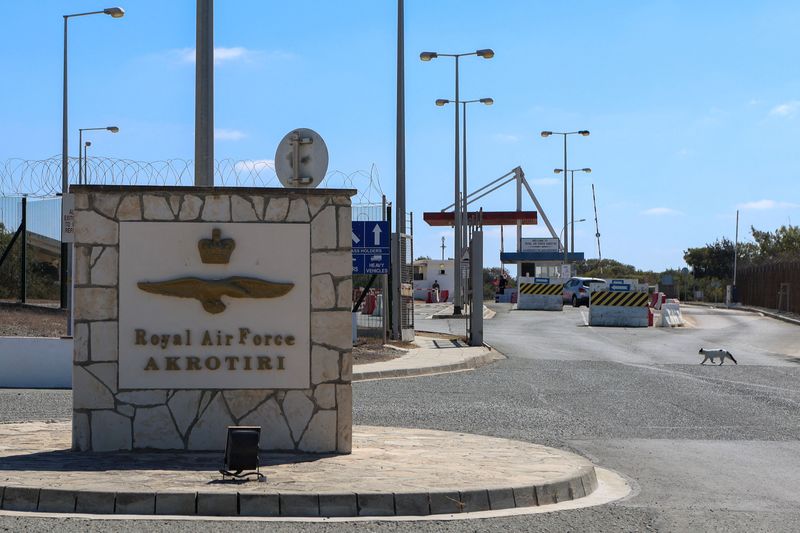
Akrotiri and Dhekelia are patches of Cyprus that belong to the United Kingdom, military bases left over from colonial history. They operate under their own laws and have unique border arrangements with the Republic of Cyprus.
EU–UK protocols govern cooperation and movement in these areas, completely separate from Schengen. For most tourists, this is invisible: you won’t accidentally wander into a base, and you won’t need special permits.
However, if you’re staying near the bases or working with the British military, be aware that different rules apply. Schengen membership won’t erase these carve-outs. The bases remain British sovereign territory, and their legal status is locked in by international treaties that Schengen cannot override.
10. Duty-free changes on intra-Schengen travel

Love grabbing a bottle of wine or carton of cigarettes at the airport duty-free shop? Your options will shift. Within the EU, duty-free sales on alcohol and tobacco are prohibited on intra-EU flights.
Once Cyprus becomes a Schengen internal destination, flights from Athens, Rome, or Paris to Larnaca will likely lose duty-free privileges on those items, just like any other EU route. You can still shop duty-free when flying from outside the EU or Schengen zone.
Perfumes, cosmetics, and other goods may still be available, but the big-ticket duty-free bargains on liquor and smokes disappear. Budget travelers who count on duty-free savings should adjust their shopping strategies and maybe stock up on the way into Europe instead.
11. Airport flow & lounges: Schengen vs non-Schengen gates

Larnaca and Paphos airports will need to reorganize their terminals. Most large EU airports separate Schengen and non-Schengen departures, and Cyprus will follow suit.
You’ll clear security and immigration in different areas depending on your destination. Sometimes this affects which lounges you can access: Schengen-side lounges may be off-limits if you’re flying to London or Dubai.
Connection passengers might find themselves walking longer distances or passing through extra checkpoints. Airlines and airports will adjust minimum connection times to account for the new layout. Frequent travelers should study terminal maps before trips and allow extra buffer time, especially during the transition period when staff and passengers are still learning the new flow.
12. Smooth multi-country itineraries
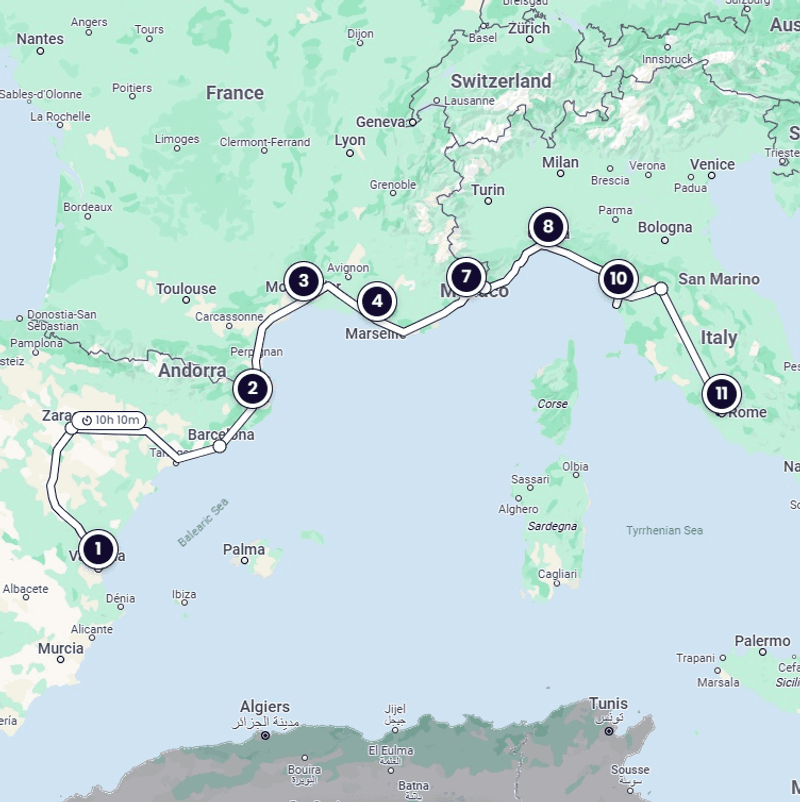
Imagine hopping from Santorini to Cyprus to Sicily without standing in a single immigration line. Schengen membership turns that dream into reality. Multi-country itineraries become seamless, with border checks eliminated between member states.
Tight flight connections get easier because you skip the immigration queue that often eats 30 to 60 minutes. Budget airlines love quick turnarounds, and you’ll love the stress-free transfers.
Keep in mind that airlines still set their own minimum connection times based on terminal layout and baggage handling, so don’t assume every connection is guaranteed. But overall, stringing together Greece, Cyprus, and Italy becomes as simple as hopping between U.S. states. Your vacation flows smoothly, and you spend more time exploring and less time waiting in lines.
13. Car rentals & cross-border rules don’t disappear entirely

Schengen membership opens borders for people, not necessarily for rental cars. Many rental companies restrict or charge extra fees for taking vehicles across borders, even within Schengen.
Insurance coverage, roadside assistance, and liability rules vary by country, so rental firms protect themselves with restrictions. Planning to drive from Cyprus to another country via ferry? You’ll almost certainly need advance written permission and may face hefty fees.
Some companies flatly prohibit taking cars on ferries or into certain countries. Always read your rental agreement carefully and discuss your route with the rental desk before signing. Schengen eliminates passport checks at borders, but it doesn’t force private companies to allow free cross-border travel with their vehicles. Plan ahead to avoid expensive surprises.
14. Business travel & residency paperwork could get simpler

Frequent business travelers will notice smoother trips. Schengen membership means Cyprus joins the Schengen Information System and Visa Information System, databases that streamline border checks and visa processing.
Short business trips become easier with fewer border delays and less paperwork. Police and immigration authorities share data more efficiently, which also improves security.
However, long-term stays, work permits, and residency applications remain under national law. Each country sets its own rules for who can live and work there, and Schengen doesn’t change that. If you’re eyeing a Cyprus digital nomad visa or planning to relocate, research Cypriot immigration law separately. Schengen helps with short visits and smooth travel, but it won’t fast-track your residency application or work permit.
15. Why 2026? It lines up with EU milestones

Timing isn’t random. Cyprus plans to finish all technical evaluations in 2025 and is pushing for final approval in 2026, the same year it takes over the rotating EU Council presidency.
Holding the presidency gives Cyprus a political platform and extra leverage to secure votes from fellow member states. It’s a strategic move, combining technical readiness with political opportunity.
That said, it’s still a target, not a done deal. Other countries have faced delays even after declaring themselves ready. Romania and Bulgaria, for example, met technical requirements years ago but encountered political obstacles. Cyprus is optimistic, and the stars seem aligned, but travelers should stay flexible and keep watching for official announcements as the date approaches.



