 Unearth The Voyage
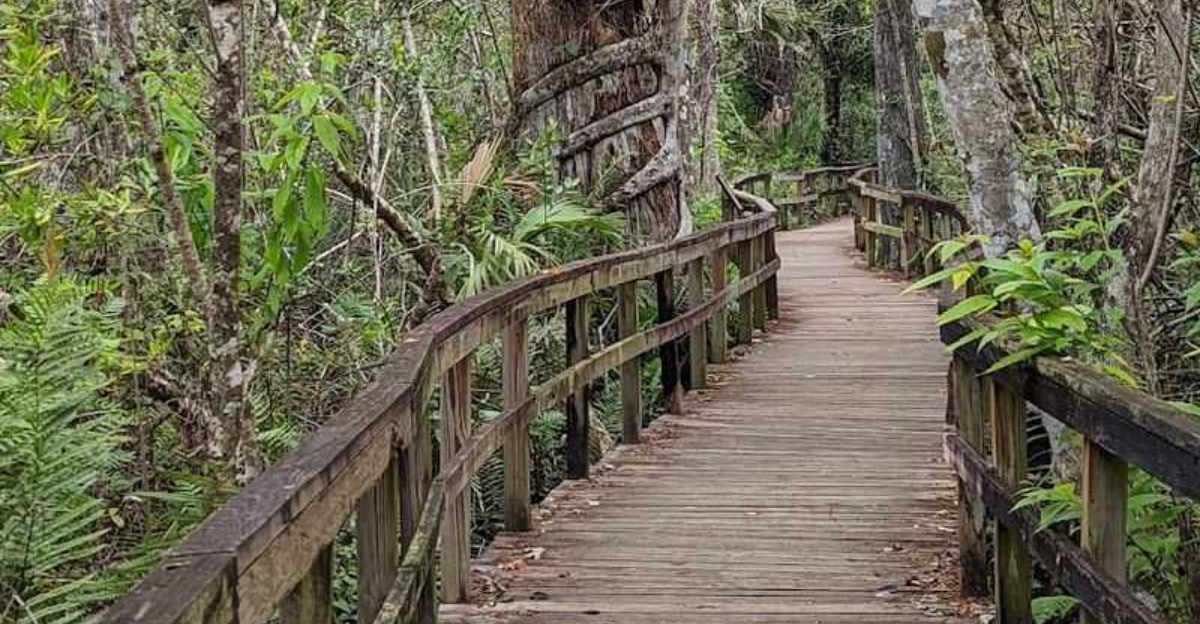
There is a place in South Florida where the cypress trees grow so tall and close together that sunlight barely touches the ground, and the air smells like earth, water, and something ancient. Wild orchids cling to bark, alligators rest on muddy banks without a care, and Florida panthers leave tracks that most visitors never see.
This is not a polished park with playgrounds and picnic tables. Fakahatchee Strand Preserve State Park near Copeland is raw, unfiltered Florida, and once you set foot inside, it is hard to believe a place this wild still exists.
Where the Wild Things Actually Are
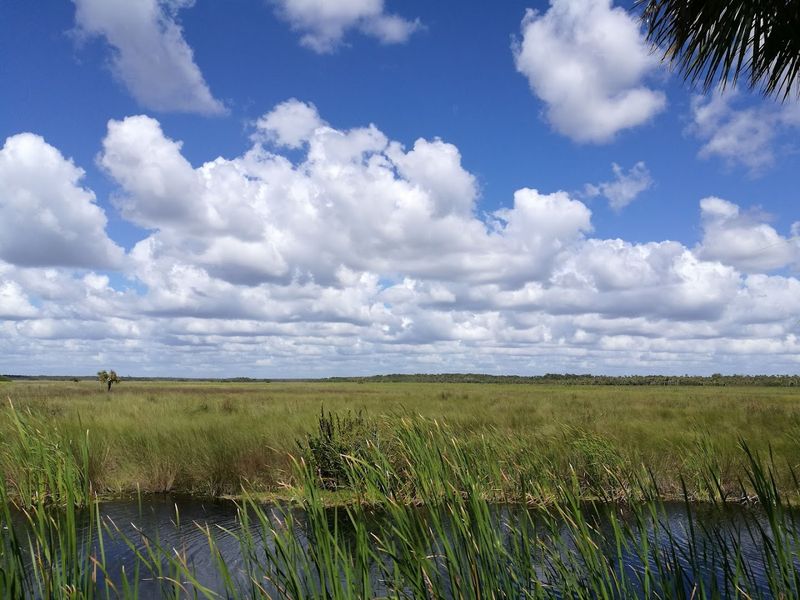
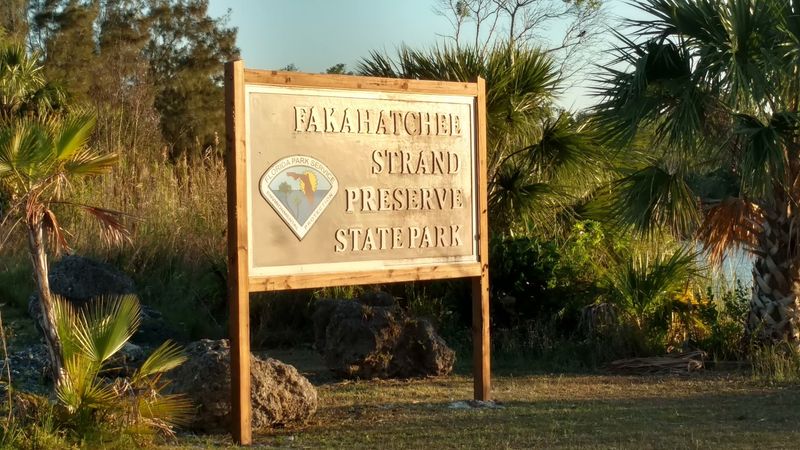
At 137 Coast Line Dr, Copeland, Fakahatchee Strand Preserve State Park sits deep in Collier County, tucked into the southwestern edge of the Florida Everglades ecosystem. Getting here requires a bit of commitment, and that commitment starts the moment you turn off the main road.
The park is recognized as Florida’s largest state preserve, stretching across roughly 85,000 acres of forested swamp. That scale alone sets it apart from almost every other state park in the country.
A small donation box near the entrance restrooms is where you pay the modest park fee, currently around three dollars. Rangers are sometimes present, but the preserve operates on a trust system that feels refreshingly old-fashioned.
A Forest Found Nowhere Else on Earth
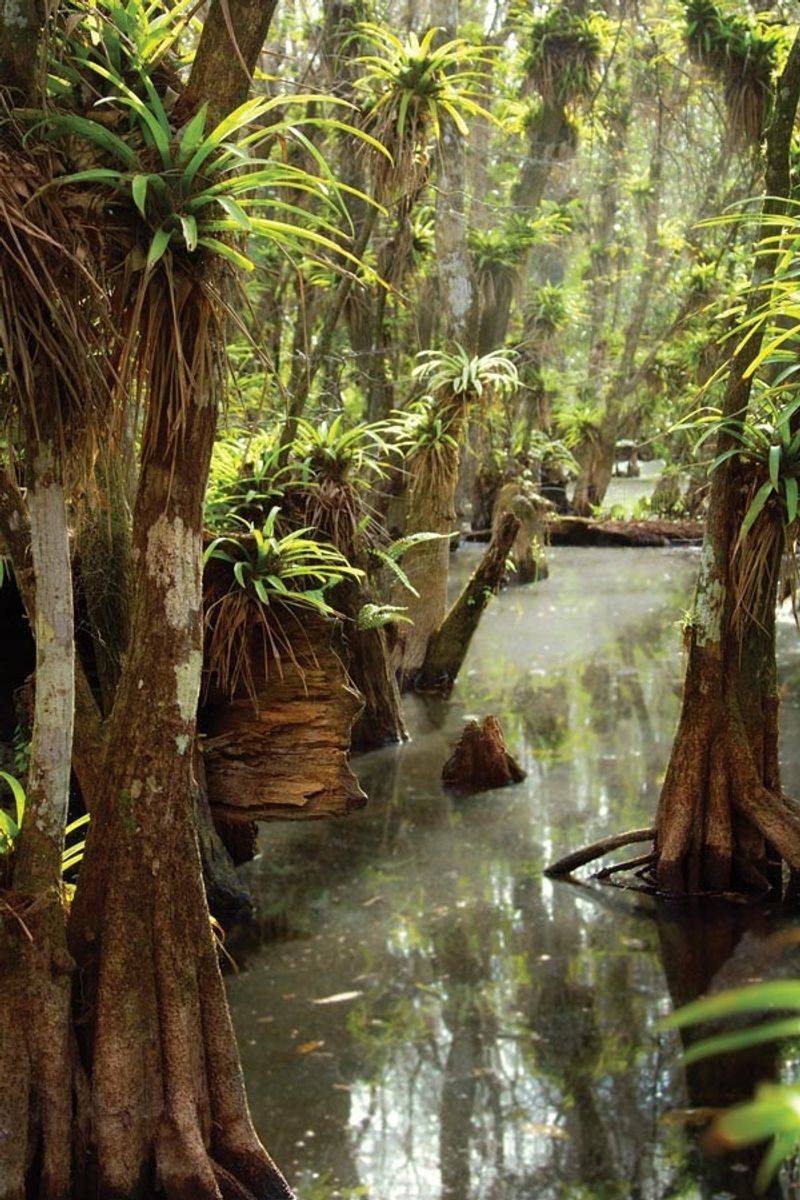
Most people do not realize they are standing in a globally unique ecosystem until someone points it out. Fakahatchee Strand is the only known place on Earth where bald cypress and royal palm trees grow together in the same swamp forest canopy.
Bald cypress is a temperate species, the kind you find across the American Southeast. Royal palms are tropical, more at home in the Caribbean.
The fact that both thrive here makes this a rare subtropical ecotone, a boundary zone where two climate worlds overlap.
No other location worldwide has this particular combination of canopy. Scientists and botanists have studied it for decades, and the more they look, the more extraordinary it becomes.
Standing beneath those towering palms and draped cypress branches, you get the feeling that this place operates by its own rules, rules that were written long before humans showed up to take notes.
The Orchid Capital of North America
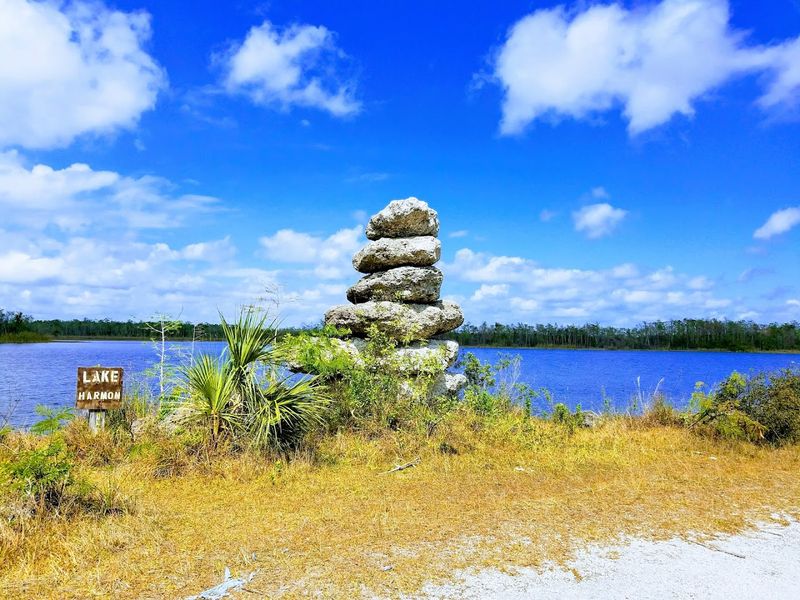
Over 47 species of native orchids have been documented inside this preserve, giving it the highest concentration of native orchids and bromeliads anywhere in North America. Many of them are Caribbean species that barely reach U.S. soil at this southern latitude.
Ghost orchids are the most famous residents here. These rare, rootless blooms cling to cypress trunks in the deepest, most flooded sections of the swamp, and spotting one feels like winning a botanical lottery.
The ghost orchid gained wider attention after being featured in the book and film “Adaptation,” which brought curious visitors from across the country.
More than 30 species of bromeliads also flourish here, draping the trees in layered, spiky rosettes. The entire preserve feels like a greenhouse that nature designed without walls, and every tree trunk is a living canvas covered in plants that most people have only seen in botanical gardens.
Jane’s Scenic Drive and the Road That Tests Your Patience
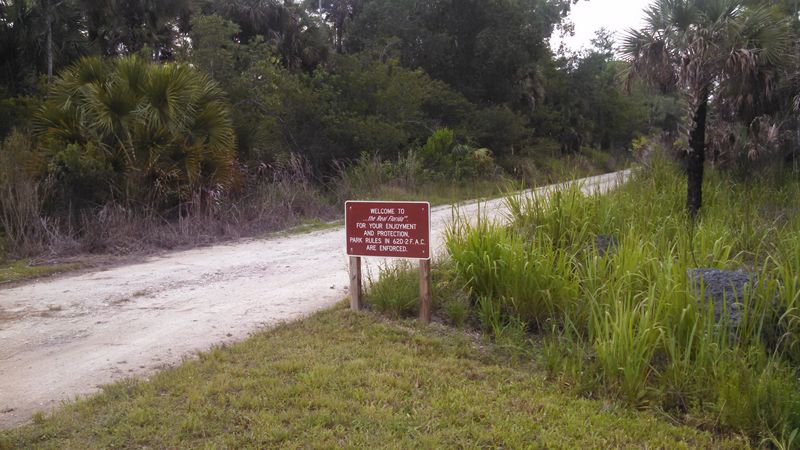
Jane’s Scenic Drive is the main corridor through the preserve, running roughly six miles through dense swamp forest before reaching a grassy parking area at the far end. The name sounds civilized, but the road itself is a different story entirely.
Expect washboard gravel near the entrance that smooths out into a long stretch of deep ruts and craters. Driving under ten miles per hour is not a suggestion here, it is a practical necessity.
High-clearance vehicles handle it best, though many visitors in regular cars make it through by driving carefully and accepting that this trip will take time.
The slow pace turns out to be an advantage. Wildlife appears right at the road’s edge, deer crossing in front of the car, gators basking in roadside ditches, hawks perched on low branches.
The bumpy road forces you to slow down and actually notice what is around you.
Alligators Without the Fence
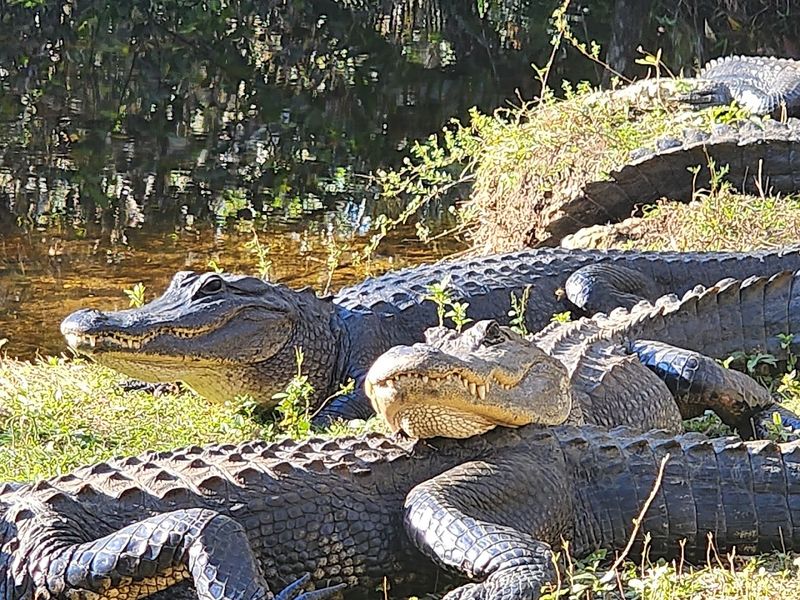
There are no fences separating visitors from the wildlife here, and that becomes very clear the first time a large alligator is spotted stretched across the trail ahead. This is not a zoo, and the alligators have not read any safety guidelines.
Visitors have reported coming within six feet of alligators measuring over ten feet long, simply because the animals were resting on the path and showed no interest in moving. The correct response is to stop, wait, and give them space.
They usually move on their own schedule.
Near the Fakahatchee Hilton cabin, a grassy patch just past a small outhouse is known for gators sunning themselves in clusters. A wooden dock overlooks a small lake that is, by most accounts, absolutely packed with them.
It is thrilling in a way that no theme park ride can replicate, because the animals are completely real and completely unbothered by your presence.
The Fakahatchee Hilton and the Cabin on the Lake
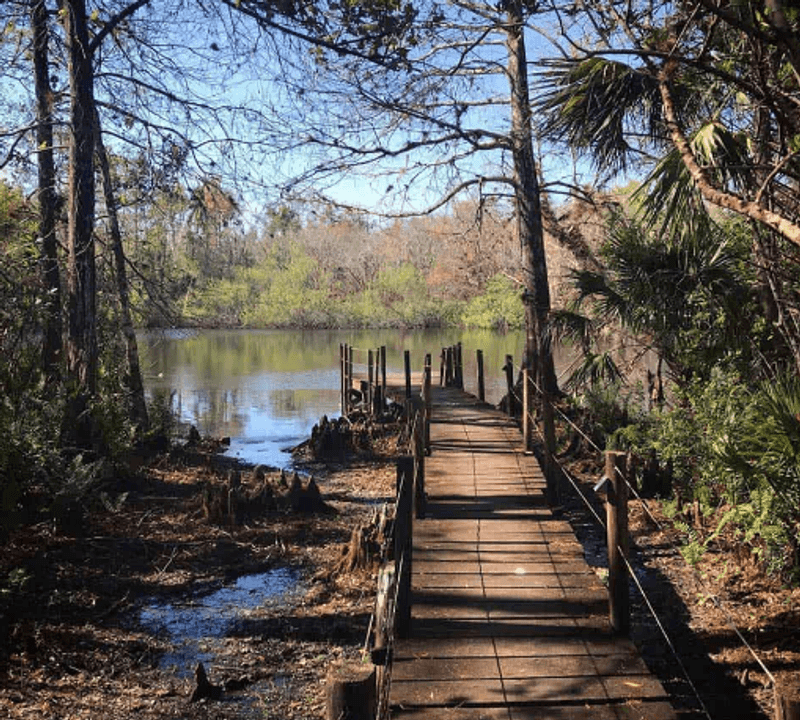
About two to two and a half miles down the East Main Tram Trail from the parking area at the end of Jane’s Scenic Drive, there is a small wooden cabin known locally as the Fakahatchee Hilton. The nickname is entirely ironic, but the spot itself is genuinely memorable.
The cabin sits beside a small lake that is home to a remarkable number of alligators, and the wooden dock gives visitors a front-row view of the action. The trail splits near the cabin, with one direction leading toward even more gator activity in the open grassy areas.
The round trip from the trailhead to the cabin and back covers about four to five miles depending on the route taken. The terrain is flat with no elevation change, making it accessible to most fitness levels.
Bring water, a snack, and bug spray, because the mosquitoes near the cabin are famously enthusiastic.
Big Cypress Bend Boardwalk for a Gentler Adventure
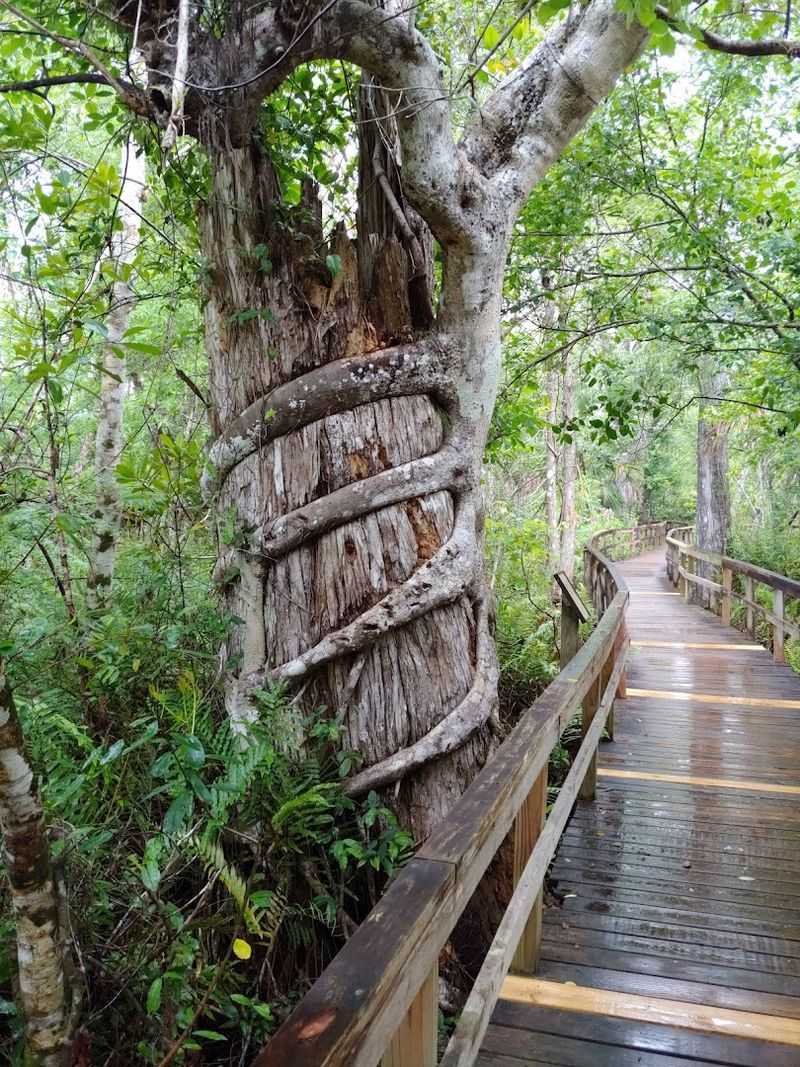
Not every visitor wants to navigate six miles of rutted dirt road before reaching a trailhead. The Big Cypress Bend Boardwalk offers a completely different entry point into the preserve, located along U.S. 41, the Tamiami Trail, a few miles east of Collier.
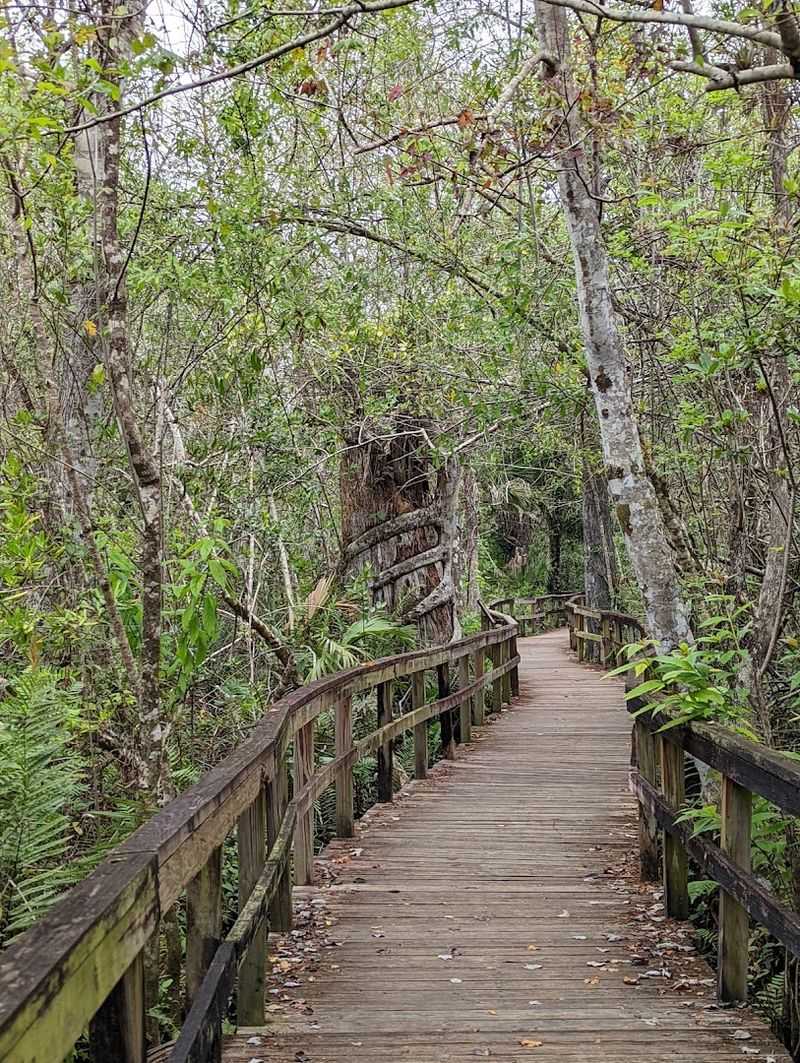
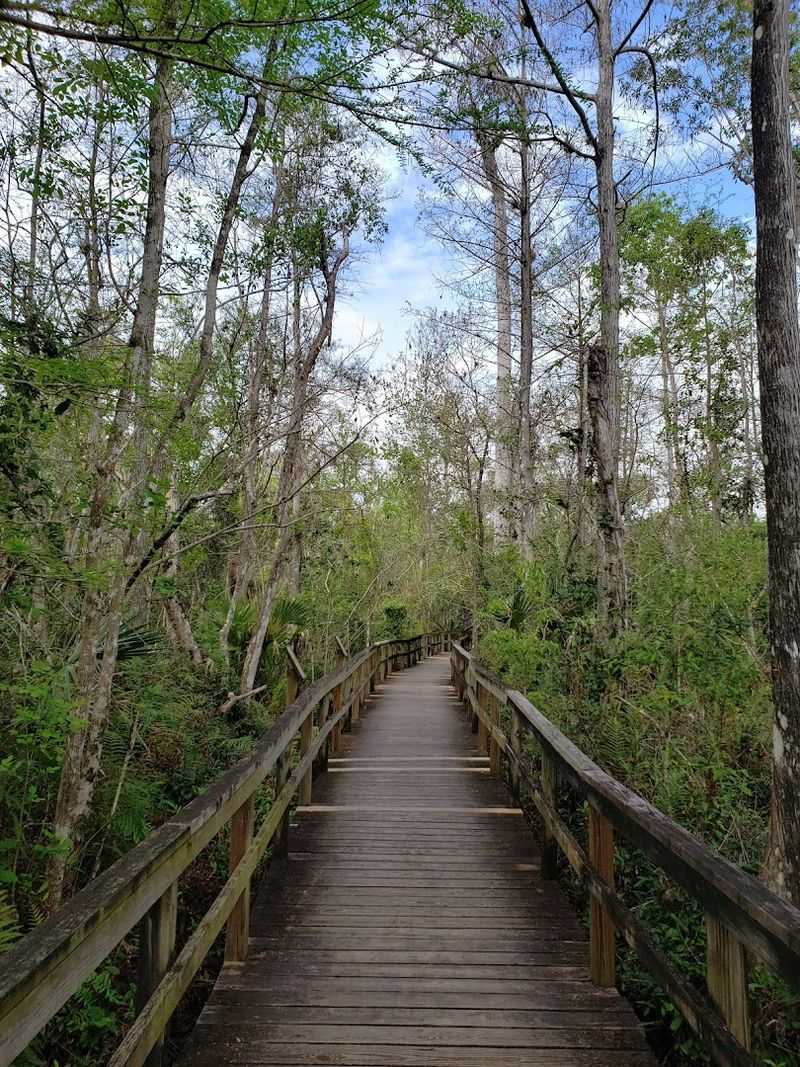
This half-mile boardwalk winds through an ancient cypress swamp at ground level, or rather above the water level, on an elevated wooden path with interpretive signs identifying trees, plants, birds, and wildlife along the way. The experience is quiet, shaded, and genuinely beautiful.
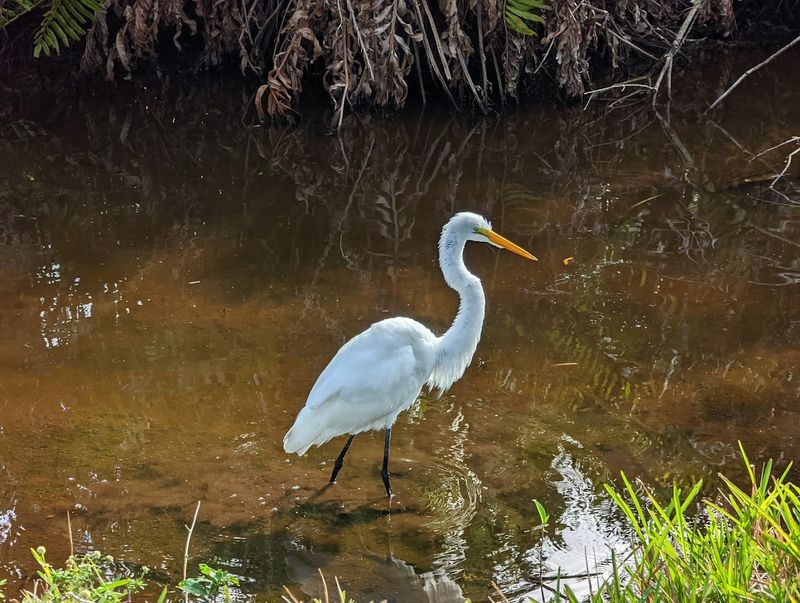
Park volunteers are sometimes present at the overlook shelter with hands-on educational exhibits and printed information about the park’s ecology. Bird sightings here are consistently impressive, including herons, ibises, egrets, and various hawk species.
Clean restrooms are available at this location as well. For families with younger children or visitors with limited mobility, the boardwalk is the most accessible way to experience the preserve’s atmosphere.
Wildlife You Might See and the One You Probably Won’t
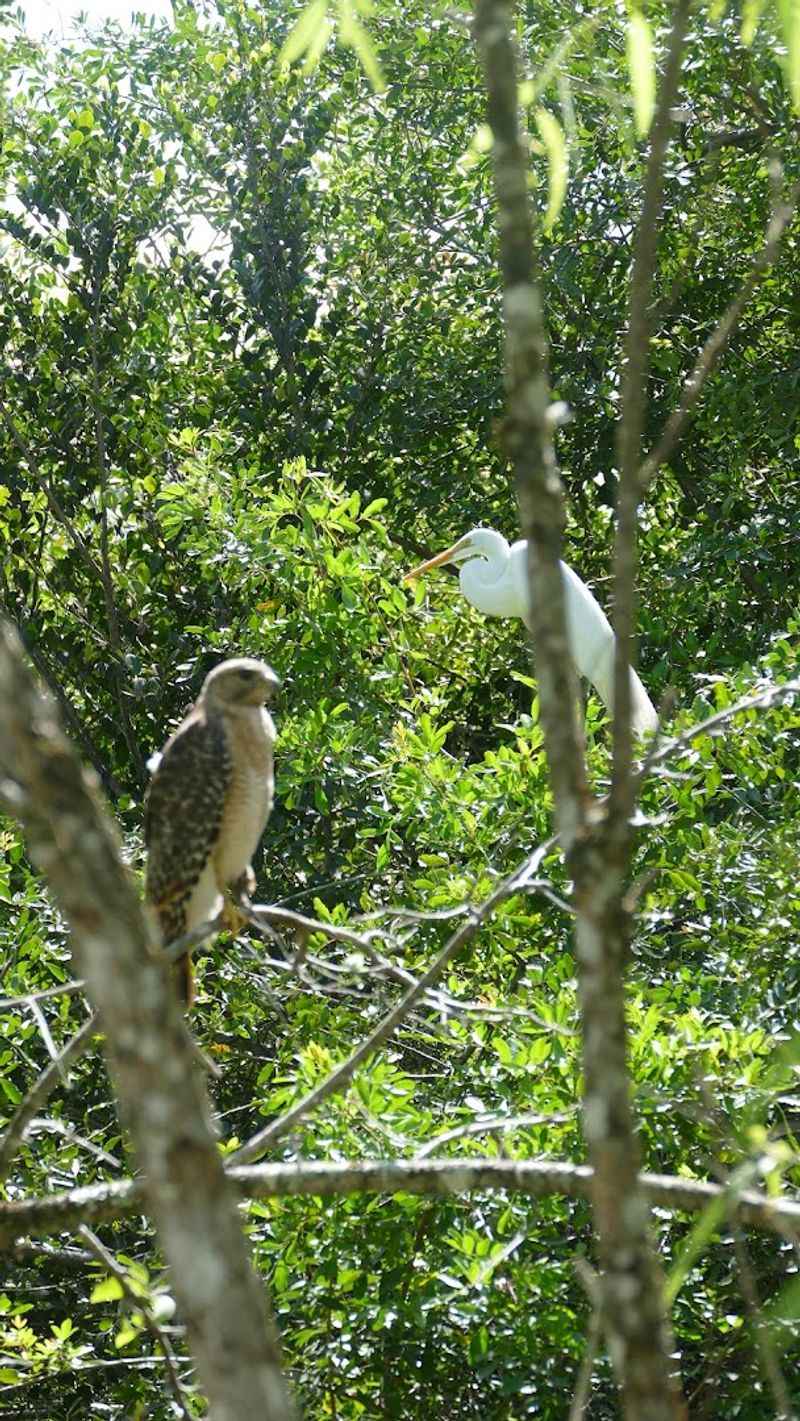
The preserve is home to an impressive range of wildlife, and most of it shows up without much effort on the visitor’s part. Deer are commonly spotted along Jane’s Scenic Drive, sometimes in groups of three or more crossing the road with casual indifference to passing cars.
Wild turkeys, rabbits, turtles, red-shouldered hawks, black snakes, vultures, and the Everglades mink have all been documented by regular visitors. The bird diversity alone makes the park worth the trip for anyone who carries binoculars.
Florida panthers and black bears also live within the preserve’s boundaries, but sightings are rare and genuinely lucky events. The panther population in South Florida is critically small, and these animals are masters of staying invisible.
Arriving at opening time or just before dusk significantly improves the odds of seeing the more elusive residents, though even then, a set of tracks in the mud might be the only evidence they were ever there.
The Mosquito Situation Deserves Its Own Section
Every honest account of this preserve eventually arrives at the same topic: the mosquitoes. They are not a minor inconvenience here.
In the wet season, which runs roughly from June through September, they arrive in numbers that feel personal.
Standard bug spray helps, but experienced visitors recommend going further. Head nets of the kind worn by park rangers provide meaningful protection, especially on the longer tram trails where the swamp closes in on both sides and the insects have nowhere else to be.
The dry season, roughly November through April, is far more manageable and also happens to coincide with cooler temperatures and peak wildlife activity. A high around 74 degrees with no rain in the forecast is the local sweet spot for a comfortable hike.
Even in the best conditions, covering exposed skin and applying repellent before leaving the car is a habit worth developing before your first step onto any trail.
Biking and Running Through the Swamp
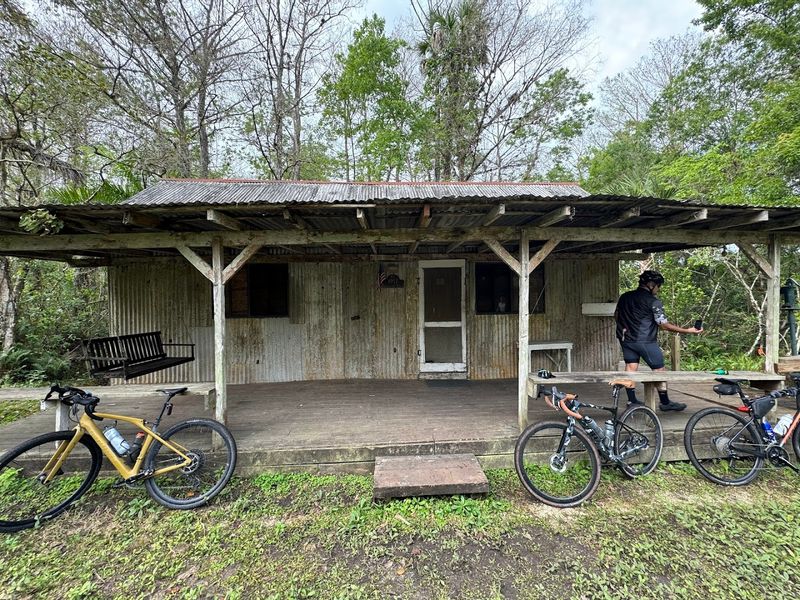
Jane’s Scenic Drive and the tram trails beyond the parking area are popular with cyclists and runners who want something more adventurous than a paved path. The flat terrain makes the distance manageable, and the gravel surface is well-suited to fat tire or gravel bikes.
The six-mile drive to the main trailhead parking area is itself a decent warm-up, though the rutted sections require attention and a firm grip. Beyond the gate at the far end of the drive, the trail continues for additional miles into adjacent park land, giving endurance athletes a genuinely long and scenic route.
Running the tram trail early in the morning is a different kind of experience altogether. The swamp wakes up slowly, with bird calls layering over each other as the light filters through the canopy.
Encounters with wildlife are common on foot, and the quiet of the trail makes it easier to notice movement in the vegetation on either side.
Fishing Spots Hidden in the Swamp
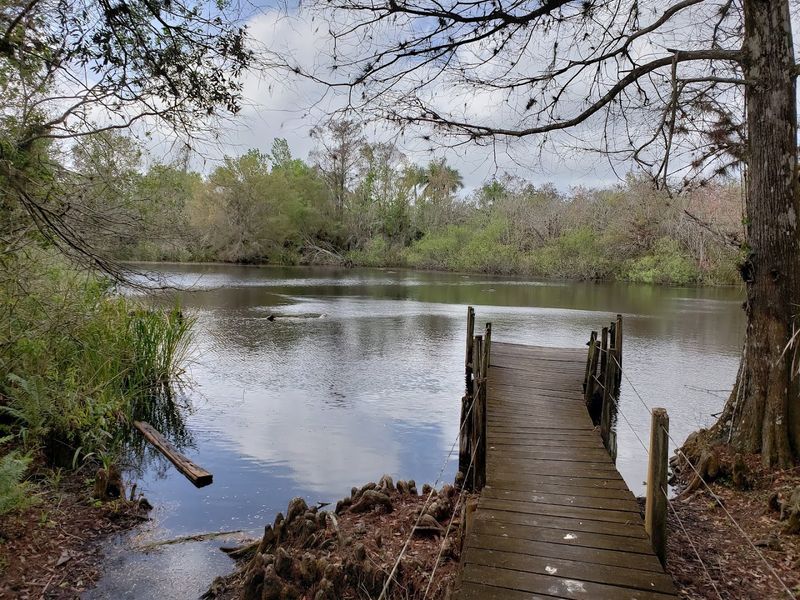
The preserve is not primarily marketed as a fishing destination, but the canals, small lakes, and ponds scattered throughout the park hold a surprising variety of fish. Visitors who arrive with rods have reported productive sessions in spots that see almost no fishing pressure.
The canals along Jane’s Scenic Drive are visible from the road and accessible at various pull-off points. These waterways also support healthy alligator populations, so fishing here comes with a built-in awareness requirement.
Keeping bait and catch away from the water’s edge and staying alert to movement nearby is standard practice.
Bass and various panfish are the most commonly targeted species in this type of South Florida swamp environment. The park does not have boat launches or developed fishing piers, so all access is from the bank or a trail.
For anyone who enjoys combining wildlife observation with a quiet afternoon of fishing, this preserve offers a setting that is hard to find anywhere else.
What to Bring and How to Prepare
Preparation makes a genuine difference at a preserve this remote. The nearest gas station is not close, and cell service along Jane’s Scenic Drive is unreliable at best, so filling the tank and downloading offline maps before arrival is a practical necessity rather than an overcaution.
Water is essential on the longer trails. The four-mile round trip to the Fakahatchee Hilton is well shaded, which helps, but the humidity in a Florida swamp is relentless and dehydration sneaks up quickly.
Bringing more water than you think you need is always the right call.
Sturdy closed-toe shoes or waterproof hiking boots handle the terrain better than sandals. A small first aid kit, a fully charged phone, and a printed trail map round out a sensible kit.
The park’s website at floridastateparks.org has current conditions and any access advisories worth checking the morning of your visit.
The Best Time of Year to Visit
Timing a visit to Fakahatchee Strand around the dry season transforms the experience. November through April brings cooler temperatures, lower humidity, reduced mosquito activity, and concentrated wildlife around the remaining water sources, which makes animals easier to spot.
December through February is particularly rewarding for birdwatching, as migratory species pass through or overwinter in the preserve. The vegetation is slightly less dense during this period, improving sightlines into the swamp from the trails and the drive.
September visits produce a different kind of beauty. The preserve is intensely green and lush after months of summer rain, and the swamp is full and active.
The trade-off is heat, humidity, and aggressive insects. Early morning arrivals, right at opening time, are the standard strategy for any season.
Wildlife is most active in the first hour or two after dawn, and the light during that window makes for extraordinary photographs regardless of the time of year.
Pets, Kids, and Managing Expectations
The preserve is listed as pet-friendly, and dogs are allowed on the trails on leash. That said, the combination of alligators on the path, dense vegetation, and a swamp full of interesting smells can make managing a dog here genuinely challenging.
Visitors who have tried it often return the next time without their pets.
For families with children, the Big Cypress Bend Boardwalk is the most suitable option. The half-mile loop is manageable for younger kids, the educational signs keep curious minds engaged, and the elevated boardwalk keeps everyone safely above the swamp floor.
This preserve is not a typical family park with playgrounds or picnic shelters. What it offers instead is a firsthand look at an ecosystem that most children will never encounter anywhere else.
Setting expectations honestly before the visit, emphasizing the wildlife and the adventure rather than the amenities, tends to produce much more enthusiastic young hikers at the trailhead.
A Place That Reminds You What Florida Used to Look Like
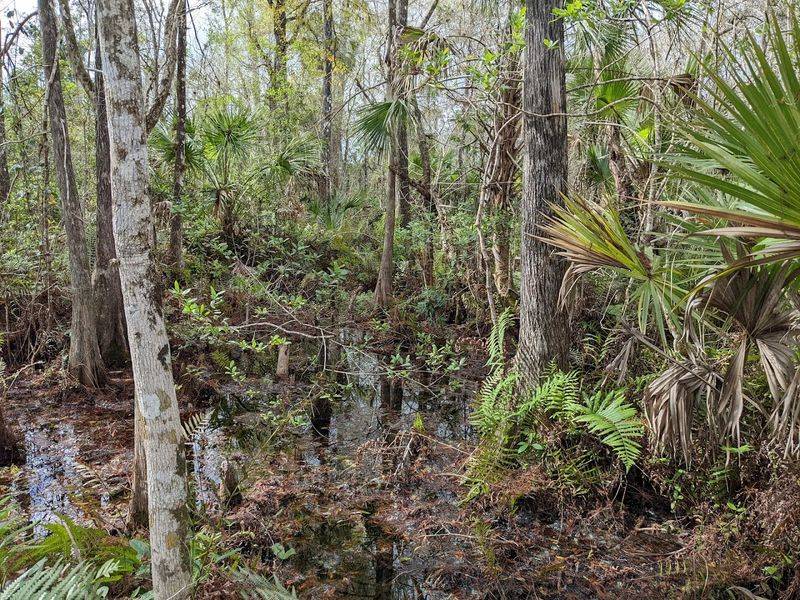
Much of South Florida has been drained, paved, and developed beyond recognition over the past century. Fakahatchee Strand is one of the rare places where the original landscape survived largely intact, and spending time here makes it easy to understand what was lost everywhere else.
The swamp forest looks and feels ancient because it is. The cypress trees in the deepest sections of the preserve are hundreds of years old, their trunks swollen at the base and draped with ferns and bromeliads.
The silence in there, broken only by birds and water, is the kind that most people have never experienced.
Visiting this preserve is not about checking off attractions or collecting Instagram moments. It is about spending a few hours in a place that operates entirely on its own terms, where the wildlife outnumbers the visitors and the land has not been asked to be anything other than what it naturally is.
That is rare enough to be worth a long drive.



