There is a place tucked so deep into the Adirondack Mountains of upstate New York that most people drive right past it without realizing what they are missing. No traffic lights, no chain restaurants, no billboards begging for your attention.
Just cold, clear water, towering pines, and the kind of quiet that makes you forget you ever owned a smartphone. I first heard about this hamlet from a friend who described it as the closest thing to stepping back in time without actually needing a time machine.
That description turned out to be completely accurate. This tiny community sits at the crossroads of three major Adirondack routes, yet somehow manages to feel like the rest of the world agreed to leave it alone.
By the time I left, I understood exactly why people keep coming back here year after year.
Where the Roads Meet and the World Slows Down
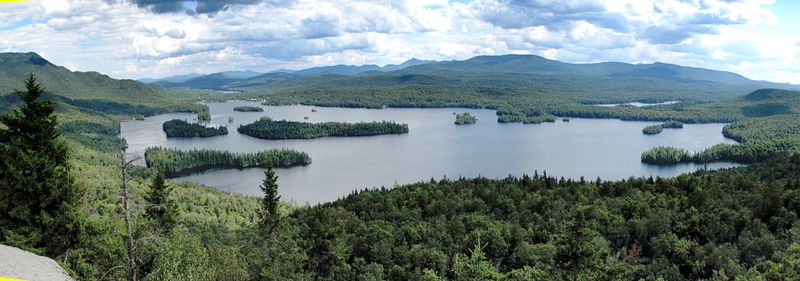
Blue Mountain Lake is a hamlet within the town of Indian Lake, Hamilton County, New York, sitting at the intersection of New York Routes 28, 28N, and 30. The full address places it in Indian Lake, NY 12847, deep within the six-million-acre Adirondack Park.
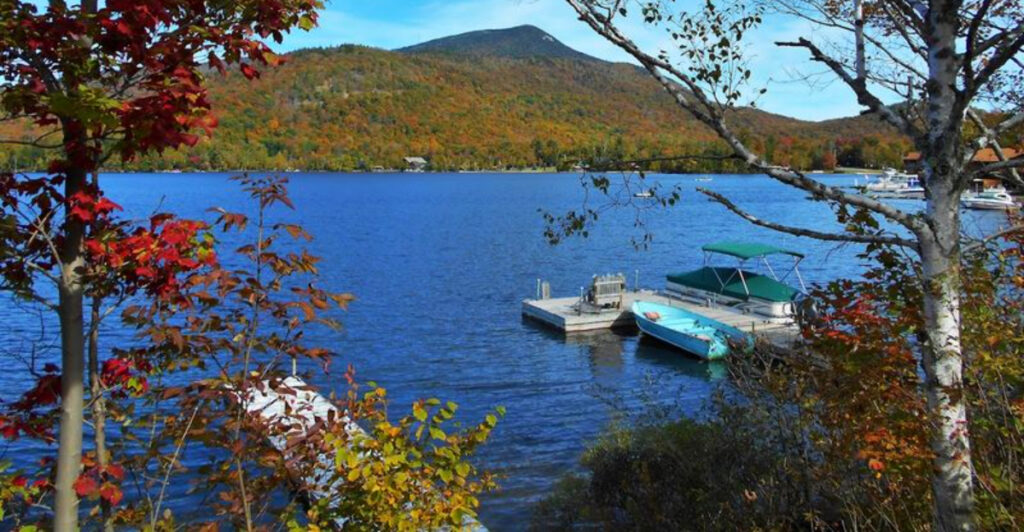
Three state routes converge here, which sounds like it should create chaos, but the traffic is light enough that you can stand in the road for a full minute without seeing a single car. The hamlet wraps around the eastern shore of its namesake lake, with the blue water always visible just beyond the treeline.
Hamilton County is one of the least populated counties in the entire northeastern United States, and Blue Mountain Lake wears that distinction proudly. There are no stoplights, no big-box stores, and no parking garages.
What you get instead is a genuine crossroads community that has somehow resisted the pull of overdevelopment for well over a century, making it feel like a place that geography and stubbornness built together.
The Lake Itself: Cold, Clear, and Completely Unapologetic
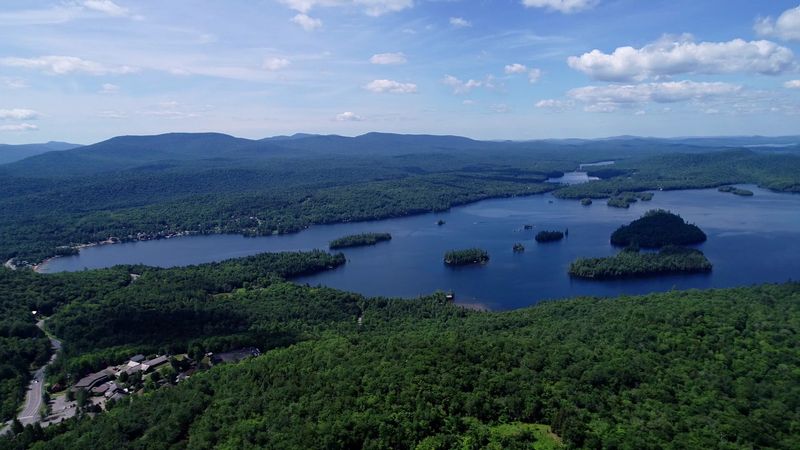
Blue Mountain Lake, the body of water, is one of those places that makes you question every vacation decision you have ever made before discovering it. The lake covers roughly 1,200 acres and sits at an elevation of about 1,800 feet, which keeps the water cold even in the peak of summer.
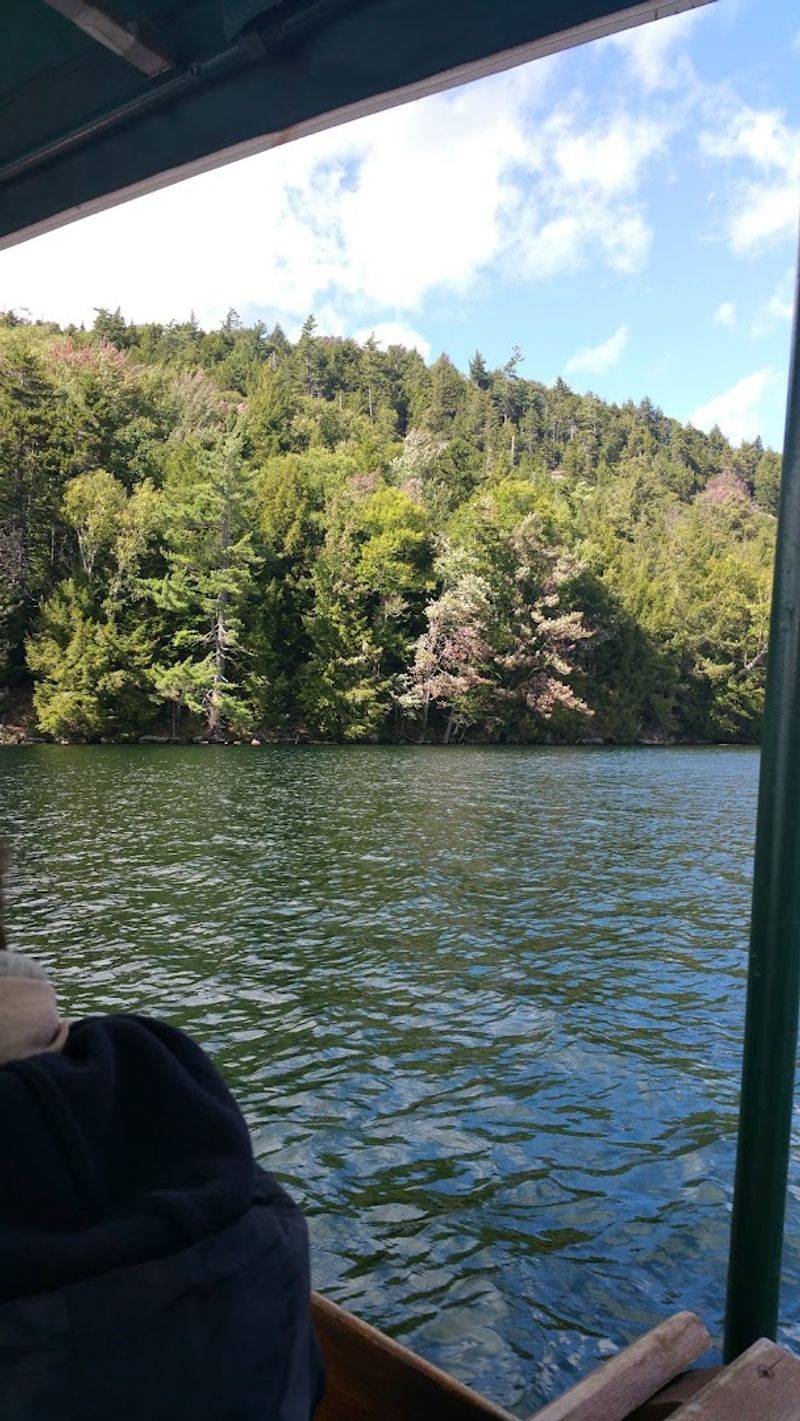
The clarity of the water is remarkable. On a calm morning, you can see straight down to the rocky bottom in the shallows, and the surface turns a deep cobalt blue under afternoon sun that honestly seems too vivid to be real.
Loons call across the water at dawn, and their echoing cry is the kind of sound that rearranges something inside you. The lake is surrounded almost entirely by undeveloped forest, so there are no condos stacking up along the shoreline and no jet skis tearing up the silence.
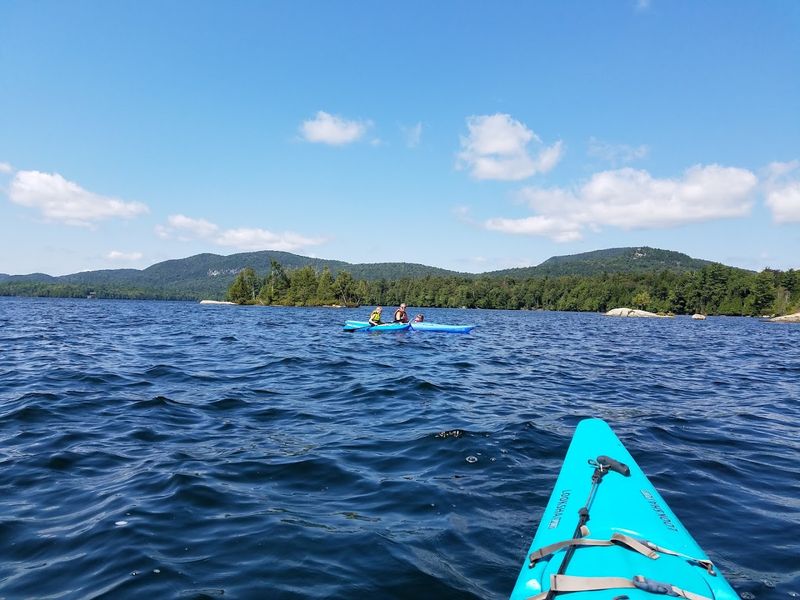
Fishing, kayaking, and canoeing are the main activities here, and the lake rewards patience the way few bodies of water I have visited anywhere in New York actually do.
Blue Mountain Itself: A Summit Worth Every Step
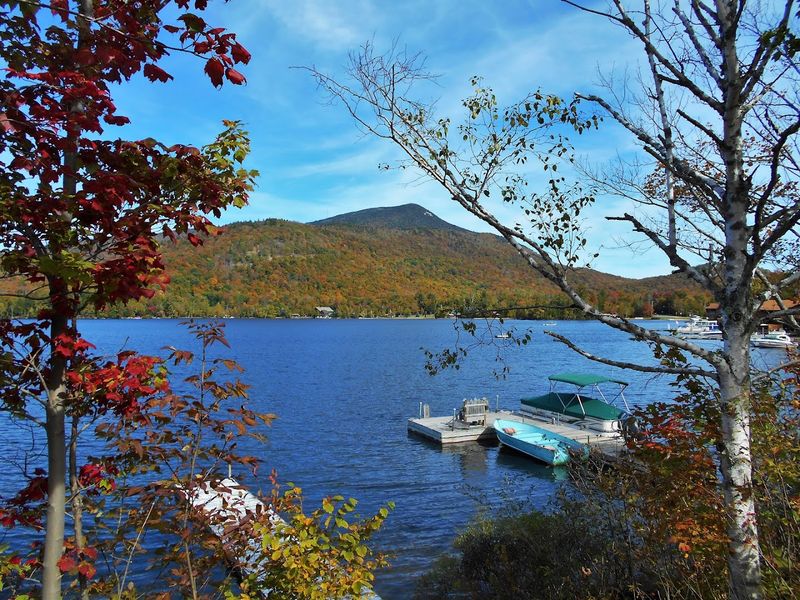
The hamlet takes its name from the mountain that looms directly above it, and Blue Mountain lives up to the billing without requiring you to be a seasoned mountaineer. The trailhead sits just off Route 28N, and the hike to the 3,759-foot summit covers about 3.8 miles round trip with around 1,550 feet of elevation gain.
It is a moderately challenging climb that rewards you with a fire tower at the top, one of the restored historic towers that dot the Adirondack peaks. From the cab of that tower, the views stretch across dozens of lakes and ridgelines in every direction, and on a clear day you can identify landmarks stretching deep into the park.
I reached the summit on a weekday morning and shared the tower with exactly two other people, which felt almost criminal given how spectacular the payoff was. The trail passes through classic Adirondack hardwood and boreal forest, and the shift in vegetation as you gain elevation is a quiet education in how dramatically the landscape changes over a relatively short vertical distance.
The Adirondack Museum: A Cultural Anchor in the Wilderness
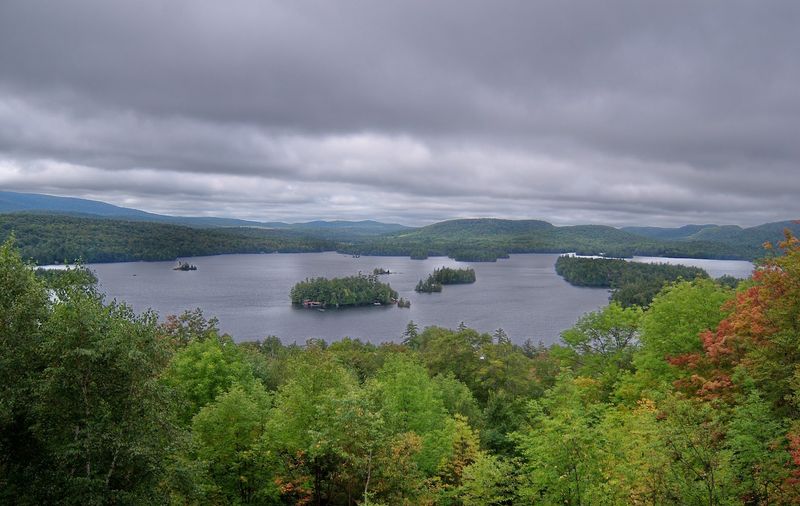
The Adirondack Experience, formerly known as the Adirondack Museum, is one of the most legitimately impressive regional museums I have ever visited anywhere in the country, and that includes institutions in cities far larger than this tiny hamlet could ever dream of being.
The campus spreads across 121 acres on a hillside above the lake and houses dozens of historic structures, boats, vehicles, and artifacts that tell the full story of Adirondack life from the 1800s through the present day. The boat collection alone is worth the price of admission, featuring antique guideboats, canoes, and wooden motorboats that represent the craftsmanship of generations of local builders.
Exhibits cover everything from the grand camp tradition of the Gilded Age to the working lives of loggers, guides, and farmers who actually built this region. Unlike some museums that feel like they are talking at you, this one draws you in with interactive displays and outdoor spaces that let the landscape become part of the story.
I spent nearly four hours here and still felt like I had rushed through half of it.
Paddling Routes That Make the Lake Feel Endless
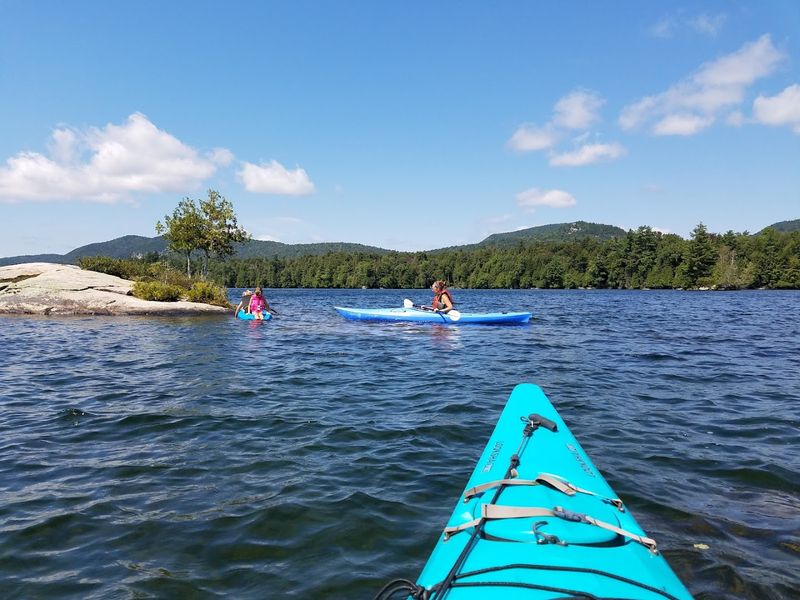
A canoe on Blue Mountain Lake is not just a recreational activity. It is the correct way to experience the place, full stop.
The lake connects to Eagle Lake and Utowana Lake through a series of short carries and channels, creating a paddling circuit that can fill an entire day without covering the same water twice.
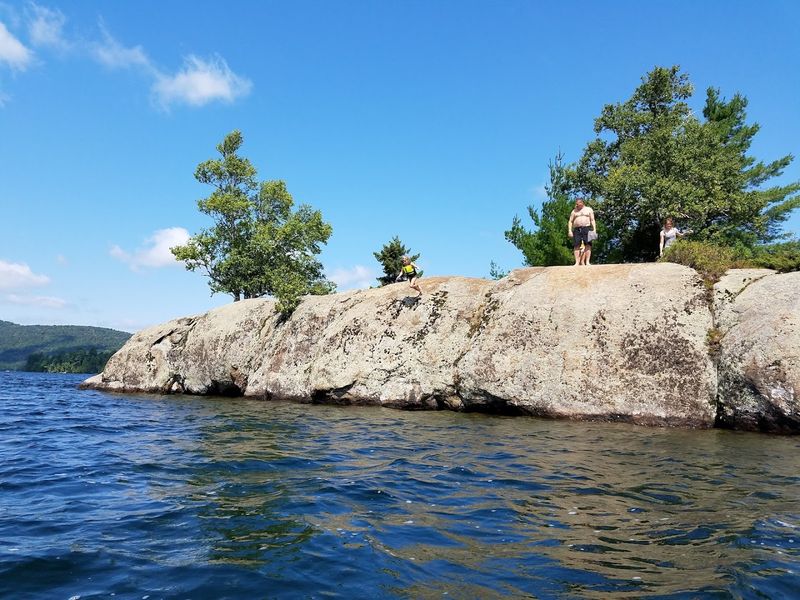
Rentals are available locally, and the relatively calm, protected waters make the route accessible even for paddlers who are not particularly experienced. The shoreline is almost entirely state-owned Forest Preserve land, so you are not paddling past private docks and manicured lawns but rather past unbroken forest that drops straight to the water’s edge.
I launched from a public access point early on a Tuesday morning and saw a great blue heron, two families of mergansers, and what I am fairly confident was an otter, all before 9 a.m. The carries between lakes are short and well-marked, and the transition from one body of water to the next gives you the satisfying feeling of genuine exploration rather than just going around in circles on a single pond.
The Quiet Magic of an Adirondack Sunrise
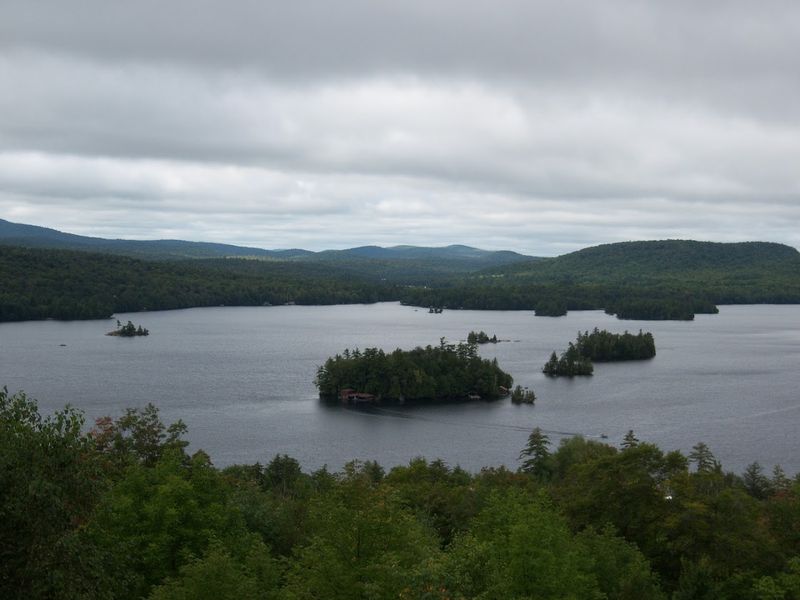
There is a specific quality to the light at Blue Mountain Lake in the early morning that I have not experienced in quite the same way at any other lake I have visited, and I have spent time at lakes from the Ozarks to the Adirondacks and many points in between.
The mist rises off the water just after dawn in a way that turns the whole surface into something that looks more like a painting than a real place. The mountain behind the hamlet catches the first color of the sky and reflects it back in fragments across the water, and the loons are already calling by the time the sun clears the ridge.
Waking up early enough to catch this requires actual effort and a willingness to leave a warm sleeping bag behind, but the payoff is the kind of scene that stays with you long after you have returned to your regular life. I set an alarm for 5:15 a.m. on my second morning there and considered it one of the better decisions I have made in recent memory.
Fishing the Deep and the Shallow: A Freshwater Paradise
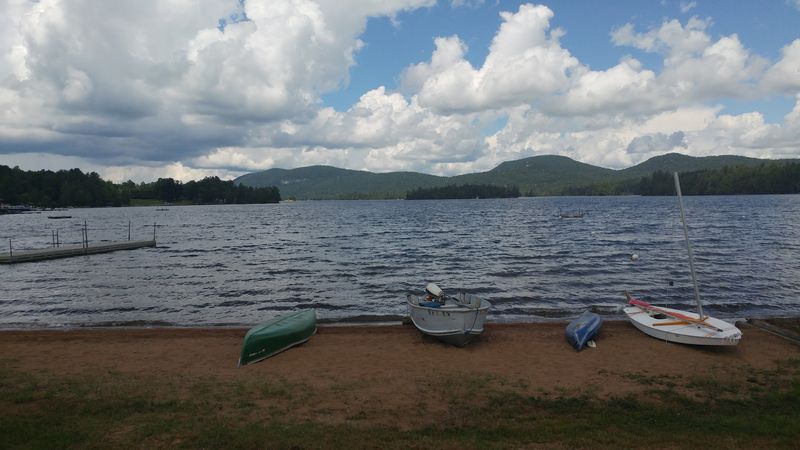
The fishing around Blue Mountain Lake is legitimately good, and that is not the kind of statement I make lightly after years of being disappointed by places that promise great fishing and deliver a lot of sitting in a boat staring at nothing.
The lake holds brook trout, lake trout, smallmouth bass, and yellow perch, and the cold, clear water keeps the fish healthy and active. The depth of the lake, which reaches around 90 feet in the deepest sections, gives anglers multiple options depending on the season and the species they are targeting.
Local knowledge matters here more than in a lot of places, and the few outfitters and guides in the area are genuinely helpful rather than gatekeeping their best spots. Fishing from a canoe or a small rowboat is the traditional approach, and it fits the pace of the place perfectly.
There is something fitting about the fact that catching a fish here requires the same patience and attention that the hamlet itself seems to reward in every other activity it offers.
The Grand Camp Tradition: Old Money Meets Deep Woods
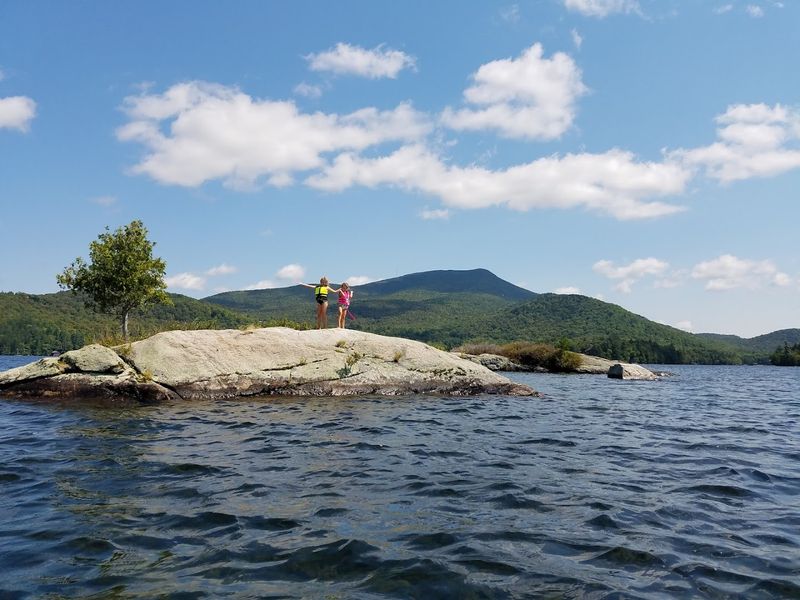
The Adirondacks became a playground for wealthy New Yorkers in the late 1800s, and the Blue Mountain Lake area was a central part of that story. The grand camp tradition produced some of the most distinctive architecture in American history, with massive log-and-stone structures that somehow managed to be both wildly extravagant and deeply connected to the natural world around them.
Camp Sagamore, a National Historic Landmark located about 12 miles from the hamlet near Raquette Lake, is the most accessible example of this tradition and offers tours that pull back the curtain on how the Vanderbilts and their contemporaries spent their summers in the woods.
The Adirondack Experience museum also covers the grand camp era in depth, with exhibits that show how these private estates shaped the culture and economy of the entire region. The contrast between the rustic setting and the elaborate lifestyle of the camps is genuinely fascinating, and it helps explain why the Adirondacks attracted and kept the attention of some of the most powerful families in 19th-century American society.
Wildlife Encounters That Feel Genuinely Wild
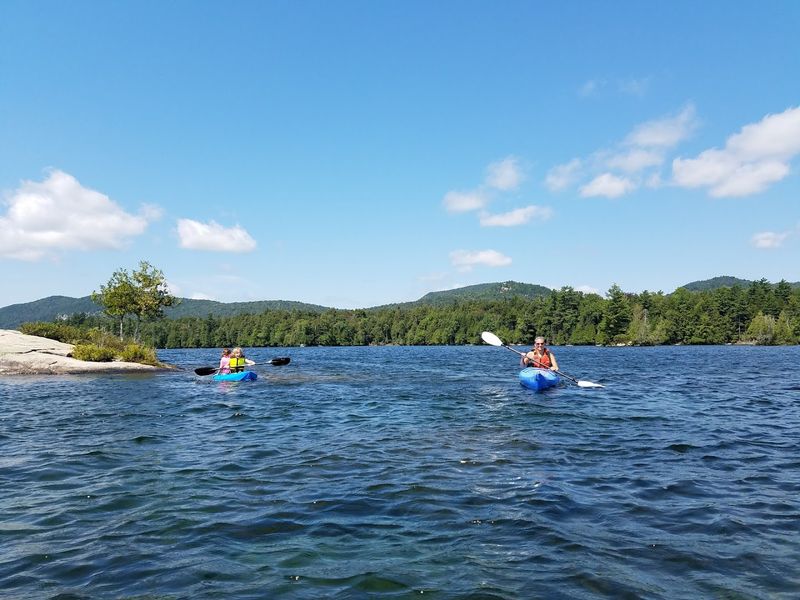
Hamilton County has one of the highest concentrations of wildlife in the northeastern United States, and spending even a single day around Blue Mountain Lake makes that statistic feel entirely believable. The area is home to white-tailed deer, black bears, moose, coyotes, beavers, otters, and more bird species than most people could identify in a lifetime of trying.
Moose sightings are not guaranteed, but they are common enough that locals talk about them the way people in other places talk about seeing a neighbor’s dog. The wetlands and beaver ponds along the access roads between the hamlet and neighboring areas are excellent spots for wildlife observation, especially in the early morning and evening hours.
I spotted a black bear crossing Route 28 on my drive out of the hamlet on my last morning, which felt like the place was offering a proper farewell. The wildlife here does not feel like a bonus attraction.
It feels like the actual ecosystem doing what it does, completely indifferent to whether or not you are watching, which somehow makes every encounter feel more meaningful than a zoo ever could.
Winter in the Hamlet: Silence Turned All the Way Up
Most people think of the Adirondacks as a summer destination, and most people are leaving a genuinely spectacular season on the table by never visiting Blue Mountain Lake in winter. The hamlet in January or February is a different kind of experience entirely, quieter than quiet, with the lake frozen solid and the forest muffled under deep snow.
Cross-country skiing and snowshoeing trails branch out from the hamlet in multiple directions, and the Adirondack Experience museum closes for the winter season, which somehow makes the place feel even more like a private secret. The cold is real and requires proper preparation, but it also keeps the crowds away entirely.
I visited once in late February on a whim, driving up from the Hudson Valley on a Friday afternoon just to see what it was like. The answer was extraordinary.
The frozen lake, the smoke rising from the few occupied cabins, the absolute absence of noise except for wind and the occasional raven made it feel like the hamlet had been set aside specifically for people willing to show up when nobody else would bother. Oklahoma in winter has its own appeal, but this was something else entirely.
Practical Tips for Your Visit: What to Know Before You Go
A few practical notes can make the difference between a trip that clicks and one that leaves you frustrated, and Blue Mountain Lake has some specific quirks worth knowing about before you arrive. Cell service is limited to nonexistent in much of Hamilton County, so download your maps, trail guides, and campsite reservations before you leave reliable coverage behind.
The hamlet has very limited services, with a small general store, a handful of lodging options ranging from lakeside cabins to small inns, and a couple of places to eat that keep seasonal hours. Arriving with a full tank of gas and a cooler stocked with supplies is a genuinely good idea rather than an optional precaution.
The peak season runs from late June through Labor Day, and even then the crowds are modest compared to more famous Adirondack destinations like Lake Placid. Shoulder seasons in May and September offer excellent conditions with even fewer visitors.
Oklahoma may have wide open spaces of its own, but the kind of solitude available here in September, with the maples just starting to turn and the summer visitors gone, is a specific and irreplaceable thing that rewards anyone willing to plan a few weeks ahead.
Why This Hamlet Stays With You Long After You Leave
Some places earn their reputation through marketing and some earn it through sheer, stubborn quality, and Blue Mountain Lake falls firmly into the second category. The hamlet has no tourism board pushing it onto travel lists, no celebrity chef opening a restaurant, and no luxury resort turning the lakefront into a private amenity.
What it has instead is the lake, the mountain, the museum, the wildlife, and the particular kind of atmosphere that comes from a place that has never tried to be anything other than exactly what it is. That authenticity is rarer than people realize, and it is genuinely hard to manufacture once it is lost.
I have been to places from Oklahoma to the coast of Maine that promised solitude and delivered a watered-down version of it surrounded by gift shops. Blue Mountain Lake delivers the real thing.
The hamlet sticks with you not because it dazzled you with spectacle but because it gave you something quieter and more durable, the memory of a place where slowing down was not a challenge but simply the only reasonable response to the world around you. Oklahoma gets its share of nature lovers too, but few places match this quiet corner of the Adirondacks for sheer, unhurried peace.
Share this story